微短剧

Search documents
微短剧产业版图曝光,这些城市是赢家
3 6 Ke· 2025-10-13 02:43
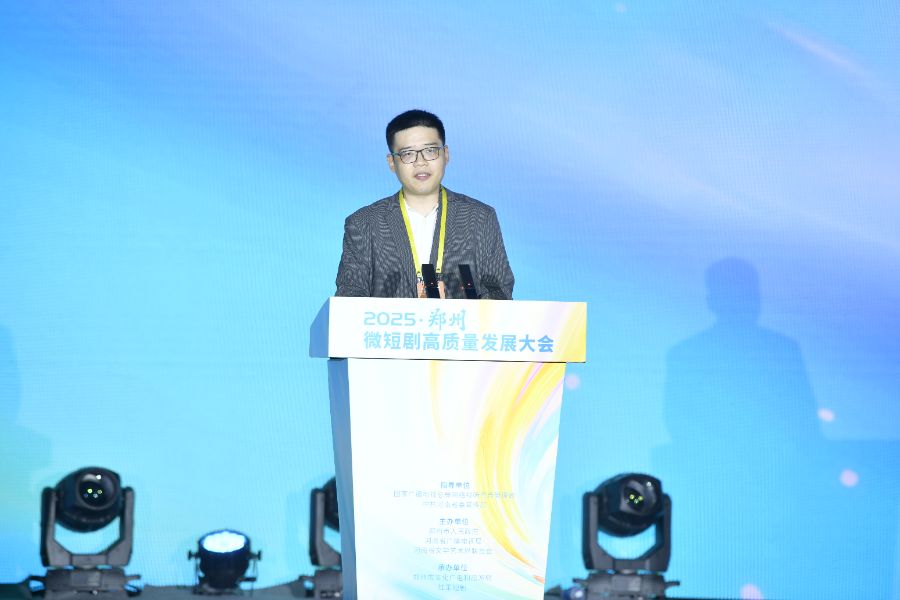
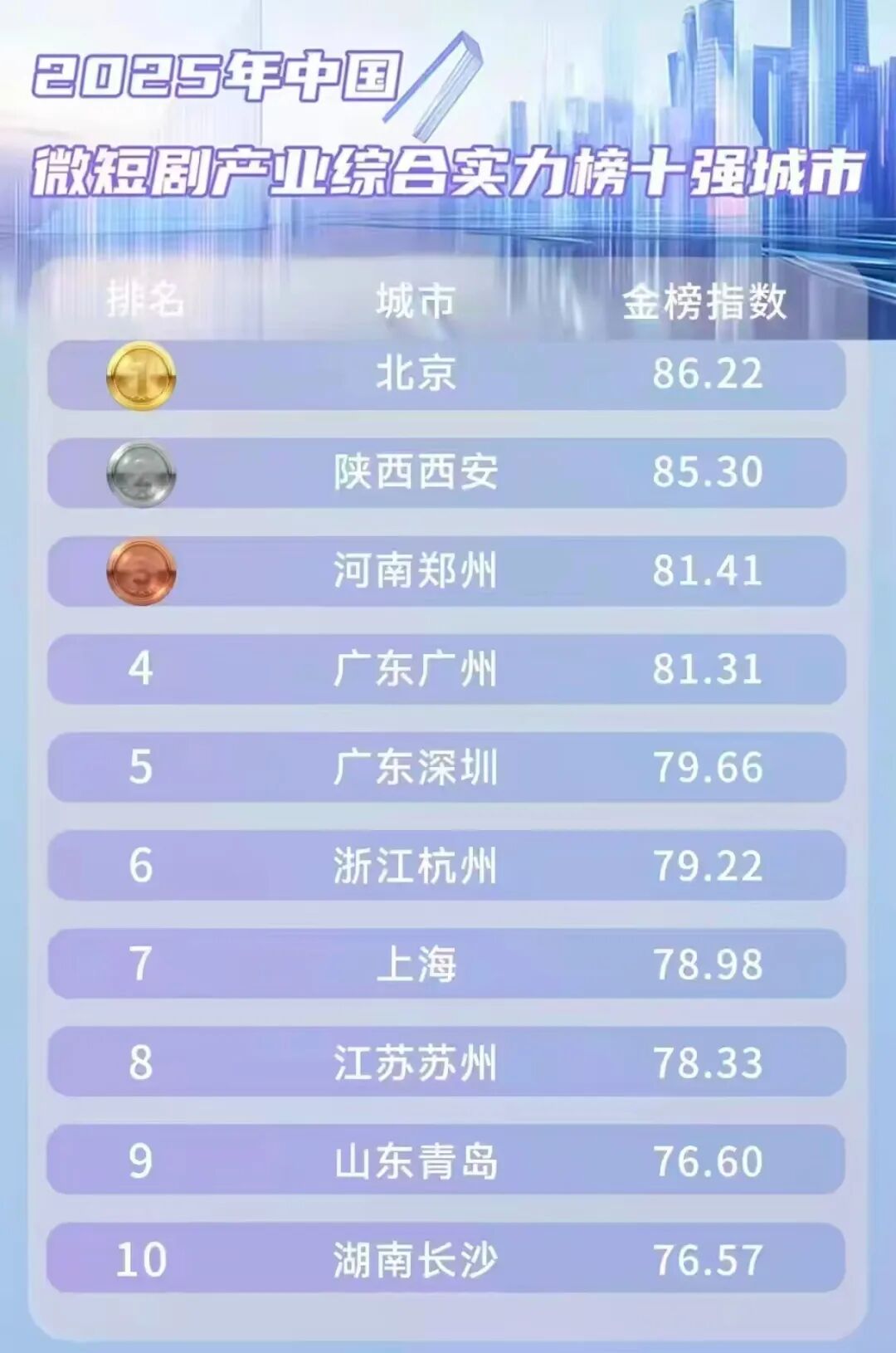
Group 1 - The short drama market has surpassed traditional film and television, with a market size of 505 billion yuan in 2024, a 35% year-on-year increase, and expected to reach 670 billion yuan in 2025 [2] - The total box office for films in 2024 is projected to be 425 billion yuan, a 23% decline compared to the previous year [2] - Short dramas are becoming a significant force in China's cultural industry, rapidly gaining popularity both domestically and internationally [2] Group 2 - Xi'an and Zhengzhou have emerged as unexpected leaders in the short drama industry, with Xi'an being the top city and Zhengzhou closely following [3][6] - Xi'an has produced 60 out of 100 short dramas in the country, supported by local government policies and initiatives [6][7] - Zhengzhou has established 15 short drama filming bases, with a total area exceeding 160,000 square meters, producing around 100 short dramas daily [7] Group 3 - Guangdong's cities, Guangzhou and Shenzhen, are also making significant strides in the short drama sector, ranking fourth and fifth respectively [8][10] - Guangdong has implemented various policies to support the film and television industry, including tax incentives and subsidies for production [9][10] - Shenzhen offers substantial financial support for short drama production, with individual projects receiving up to 300 million yuan in funding [10] Group 4 - The new economic landscape allows for equal competition among cities, leading to potential reshaping of the cultural industry [11] - The rise of short dramas may lead to a decentralization of the cultural industry in China, creating a more diverse and vibrant ecosystem [11]

建好“中国坞”,开启微短剧出海“下半场”(专家解读)
Ren Min Ri Bao· 2025-10-12 23:19
Core Insights - The Chinese creative industry is evolving through the innovation of micro-short dramas, merging physical scenes with advanced virtual functions, transforming entertainment into a vehicle for economic growth and global influence, coining the term "China Dock" [1] - The export journey of Chinese micro-short dramas is shifting from simple content output to an ecosystem co-construction model, marking a significant opportunity to tell Chinese stories globally [1] - The industry consensus is moving away from a reliance on "hit content" towards building a sustainable industrial ecosystem, which is the backdrop for the rise of the "China Dock" concept [1] Group 1: Industry Evolution - The previous model of "translation + traffic investment" has faced challenges such as rising customer acquisition costs, content homogenization, and cultural misunderstandings [1] - The transition from "self-production and self-marketing" to "diverse co-construction" is crucial for establishing a solid ecosystem for micro-short dramas' international expansion [1] Group 2: Content Strategy - Utilizing a "Chinese IP + localization" strategy is essential, focusing on narratives with global resonance and incorporating local actors and settings to enhance relatability [2] - Themes such as family ethics in Southeast Asia, magical realism in Latin America, and vampire legends in the West are identified as adaptable story frameworks [2] - The focus should shift from niche tropes to more universal themes like struggle and resistance, broadening the content boundaries [2] Group 3: Technological Empowerment - AI technology is enhancing scriptwriting, virtual production, translation, and algorithmic recommendations, significantly improving production and distribution efficiency [2] - Platforms like DramaBox are leveraging AI across various production stages, including script creation and scene design, to provide localized translation and adaptation suggestions [2] Group 4: Regulatory Framework - The establishment of legal protections and industry consensus is necessary to prevent platforms from merely copying domestic dramas with superficial localization, which harms the industry's reputation [3] - Collective initiatives are needed to clarify rules and protect copyrights, ensuring the sustainable development of the "China Dock" concept [3]
奋进的河南 决胜“十四五”·郑州篇丨文旅深融合,催生几多新景
He Nan Ri Bao· 2025-10-09 23:40
Core Insights - Zhengzhou is enhancing its cultural tourism and positioning itself as an international consumption center, aiming to attract 170 million domestic and international tourists and achieve over 200 billion yuan in tourism revenue by 2024 [9][12]. Group 1: Cultural and Tourism Development - Zhengzhou is focusing on cultural prosperity and has achieved significant milestones, including the designation of Zhengzhou Yinki International Tourism Resort as a national-level tourist resort and the recognition of various cultural projects [9][10]. - The city is developing a comprehensive display system for Chinese civilization, with 116 museums established, promoting the theme of "Summer and Shang Capital, Yellow Emperor's Hometown" [10][11]. Group 2: Integration of Modern and Traditional Elements - The city is leveraging digital technology to enhance visitor experiences at cultural sites, such as the newly opened Dahu Village Ruins Museum, which utilizes advanced digital techniques for immersive storytelling [10][11]. - Zhengzhou is promoting a cultural tourism belt that integrates natural and cultural resources, focusing on the Yellow River and Mount Song, to create premium travel routes [11][12]. Group 3: Youth Engagement and New Consumption Trends - The city is revitalizing urban spaces to attract younger demographics, with new commercial districts like Baidu New Scene offering a blend of historical and modern experiences [13][14]. - Zhengzhou is fostering popular brands and cultural consumption trends, with a notable increase in inbound tourists by 18% in the first half of the year [14][15]. Group 4: Performing Arts and Entertainment - Zhengzhou is positioning itself as a "City of Performing Arts," hosting numerous concerts and performances that attract large audiences and stimulate local consumption [18][19]. - The city supports various theatrical productions and has established a brand around its rich cultural heritage, with performances like "Only Henan: Drama Wonderland" and "Zen Buddhism Shaolin: Music Grand Ceremony" gaining national recognition [19].

两座“最像”的万亿城市,又对上了?
Xin Lang Cai Jing· 2025-10-07 12:23
Core Viewpoint - The competition between Xi'an and Zhengzhou to become the "Micro Short Drama Capital" reflects a broader trend of urban rivalry in emerging industries, particularly in the context of the rapidly growing micro short drama market, which is projected to exceed 100 billion yuan by 2027 [2][3][5]. Market Overview - The domestic micro short drama market reached 50.4 billion yuan in 2024 and is expected to surpass 100 billion yuan by 2027, indicating significant growth potential [3][5]. - In 2023, Xi'an's production teams accounted for 80% of the top micro short drama works in the country, establishing its dominance in the market [5][7]. Regional Development - Xi'an has become a hub for micro short drama production, with over 60 out of 100 notable micro short dramas originating from the city, supported by extensive filming facilities and a large number of production teams [7][8]. - Zhengzhou is rapidly developing its micro short drama industry, with over 820 production companies and a workforce of more than 30,000, aiming for a market size of 10 billion yuan by 2027 [8][10]. Competitive Advantages - Both cities benefit from a large pool of university students, convenient transportation networks, and lower production costs compared to major cities like Beijing and Shanghai, making them attractive for micro short drama production [10][14]. - Zhengzhou's micro short drama extras earn about one-third of what their counterparts in Hengdian earn, highlighting the cost advantages in the region [14]. Future Prospects - The competition between Xi'an and Zhengzhou is not only about who becomes the "Micro Short Drama Capital" but also reflects a larger trend of urban competition that could drive both cities to optimize their environments and improve efficiency [25][28]. - There is potential for collaboration between the two cities, leveraging Xi'an's creative talent and Zhengzhou's logistical capabilities to create a comprehensive industry ecosystem [28].

以好内容赢得深度共鸣(大地风华)
Ren Min Ri Bao· 2025-10-06 22:01
Core Insights - The micro-short drama industry is evolving from rapid growth to a more scaled, high-quality, and ecological development, catering to fragmented viewing needs while enhancing users' cultural experience [1][3] - As of June 2025, the user base for micro-short dramas in China reached 696 million, accounting for nearly 70% of the total internet users, indicating significant content proliferation and industry transformation challenges [1] Group 1: Emotional Resonance - Successful micro-short dramas evoke emotional, cultural, and narrative resonance among viewers, with emotional connection being a traditional strength [1] - Examples like "Home and Away" and "The Tide" illustrate how these dramas reflect real-life challenges and aspirations, resonating deeply with audiences [1] Group 2: Cultural Exploration - Micro-short dramas serve as a window to new cultures, professions, and histories, exemplified by "The Masked Drama," which highlights the cultural heritage crisis in Guizhou [2] - The integration of traditional culture into micro-short dramas represents an innovative approach to creatively transform and develop Chinese cultural heritage [2] Group 3: Narrative Integration - Effective storytelling is crucial, requiring respect for authenticity, seamless integration of cultural elements into character development, and contemporary perspectives to lower cultural appreciation barriers [2] - User feedback emphasizes the importance of these narrative techniques in enhancing the value of micro-short dramas beyond mere entertainment [2] Group 4: Future Directions - The future of micro-short dramas lies in their potential to convey positive social messages, preserve traditional culture, and reflect societal changes, aiming to resonate with audiences on a deeper level [3] - The industry is encouraged to collaborate and deepen its focus, contributing to the cultural enrichment of the public and enhancing the overall cultural experience [3]
“抢场地、抢演员、AIGC助力” 记者实探郑州短剧基地
财联社· 2025-10-03 02:09
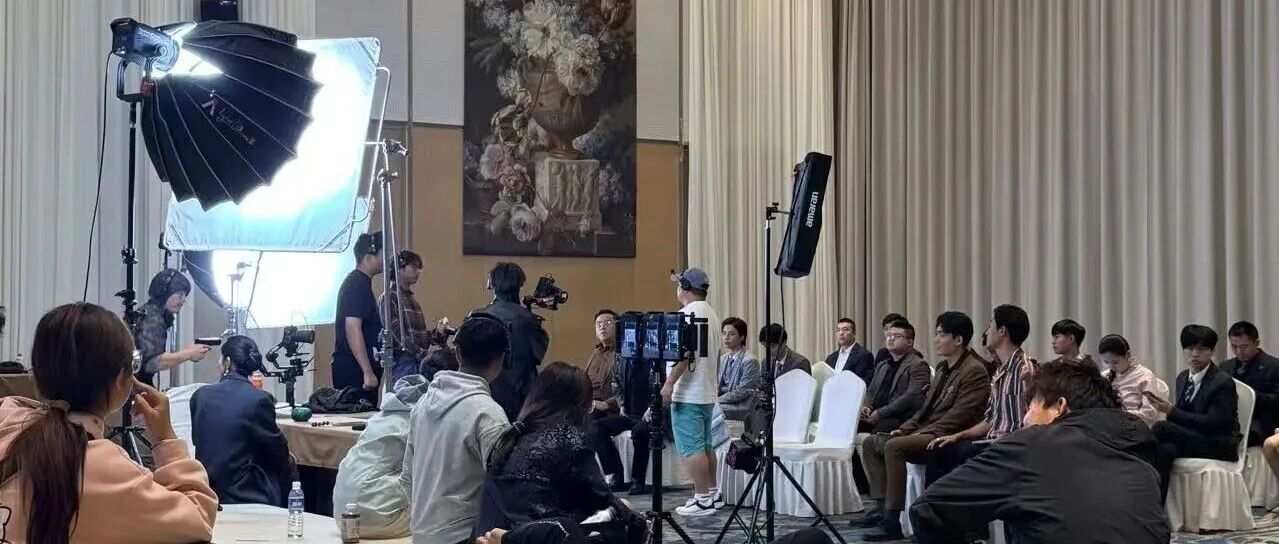
Core Viewpoint - The micro-short drama industry in China has rapidly transitioned from a niche market to a mainstream segment, with significant growth in user base and market size, driven by advancements in technology and changes in production and distribution models [4][5][21]. Industry Growth and Trends - The micro-short drama user base in China reached 696 million by July this year, with the market size expected to exceed 500 billion yuan this year, building on last year's figures [4]. - The industry has seen a shift in focus from fragmented content to a more structured production process, with a notable increase in production bases across various cities, including Zhengzhou, which has become a hub for short drama production [5][6][18]. - Zhengzhou has over 820 production companies and approximately 30,000 industry professionals, producing around 100 short dramas daily, accounting for nearly half of the national output [18]. Production and Infrastructure - The 聚美航空港竖屏电影基地 in Zhengzhou has produced nearly 500 micro-short dramas, making it one of the largest production hubs in Henan [13]. - The competition for production resources has intensified, with crews frequently "competing for venues and personnel" due to the high demand for short drama production [16]. - Other cities like Xi'an and Qingdao are also developing their production bases, with Xi'an hosting over 10 crews daily and Qingdao implementing financial incentives for productions [19][20]. Technological Advancements - The integration of AIGC technology is transforming the production landscape, allowing for a reduction in production steps from 11 to 3, significantly increasing output and lowering costs [21]. - AI's involvement is enabling the exploration of high-cost genres like sci-fi and war in micro-short dramas, expanding the creative boundaries of the industry [22]. - The animation micro-short drama segment is emerging as a new growth area, with the potential to create a market worth hundreds of billions, following the success of live-action micro-short dramas [22].
《中国微短剧精品化发展研究报告》发布
Xin Jing Bao· 2025-09-29 03:18
Core Viewpoint - The micro-short drama industry in China has rapidly evolved from a "wild growth" phase to a "premium transformation," with user numbers approaching 700 million and market size expected to exceed 634.3 billion yuan by 2025, establishing itself as a significant pillar of the digital entertainment sector [1][20][21]. Industry Overview - Micro-short dramas, emerging around 2018, initially featured low-cost production and sensational narratives, catering to fragmented entertainment needs [1][19]. - By 2025, the user base is projected to reach nearly 700 million, with the market size surpassing 500 billion yuan, indicating a robust growth trajectory comparable to the Chinese film box office [1][20][21]. - The industry has formed a comprehensive ecosystem encompassing script incubation, production, distribution, and monetization, with a clear trend towards premium content [1][19]. Premiumization Trends - The shift towards premiumization is evident in enhanced narrative logic and aesthetic pursuits, moving away from simplistic storytelling to more complex and socially relevant themes [2][43]. - Successful examples include judicial dramas like "The Glory of Judges" and family ethics dramas like "Home Inside and Outside," which have garnered both viewership and critical acclaim [2][43]. - The premiumization process is driven by audience demand for quality content, regulatory compliance, and increased industry value [4][43]. Policy and Platform Support - The synergy between policies and platforms is crucial, with central and local governments establishing supportive frameworks for the micro-short drama industry [4][36]. - Policies such as "classification and tiered review" and local incentives have created a supportive environment for the industry's growth [4][36]. - Platforms are not only content distributors but also play a vital role in maintaining order and guiding industry values through content governance [33][34]. Future Development Pathways - Sustainable development in the micro-short drama sector will rely on strengthening script creation, improving copyright and revenue-sharing mechanisms, and promoting cross-industry integration [4][19]. - The industry is focusing on enhancing script quality and providing incentives for writers, which is essential for fostering a robust creative ecosystem [4][50][51]. Audience Engagement and Demand - The micro-short drama format effectively meets contemporary audience needs for quick emotional gratification, serving as a "psychological balm" amid societal pressures [56][59]. - As audience expectations evolve, there is a growing demand for logical coherence and relatable themes, pushing the industry towards more substantial storytelling [60][62]. - The diverse audience demographics necessitate a multi-faceted approach to content creation, balancing entertainment with deeper cultural narratives [62][63].

我市举行9月份全市重大产业项目推进活动——
Nan Jing Ri Bao· 2025-09-28 02:20
Core Insights - The city is actively promoting major industrial projects to achieve its annual development goals, with a focus on integrated industrial space and hub development [1] Group 1: Major Project Progress - A new industrial software base project with a total investment of approximately 3.14 billion is under construction, highlighting the city's commitment to industrial software as a key driver for manufacturing transformation [2] - The city has achieved a 100% opening rate for 20 provincial major projects as of July, with 54 provincial projects completing 75.3% of their annual investment target by August, exceeding the planned progress by 8.6 percentage points [2] - For city-level projects, 142 out of 147 major projects have commenced by August, achieving a 96.6% opening rate, with an expected 100% completion by the end of September [2] Group 2: Industrial Investment Growth - Industrial investment in the city is projected to reach 91.8 billion, reflecting a year-on-year growth of approximately 12%, maintaining a leading position within the province [3] Group 3: Investment Attraction - The Yangtze River Digital Audio-Visual Industrial Park has attracted 56 companies and produced nearly 300 micro-dramas with a total output value exceeding 350 million within a year, showcasing the city's growing investment appeal [4] - The city has launched a "Quality Improvement Year" for investment attraction, with 807 projects initiated or operational by August, of which 258 projects have commenced, achieving 86% of the annual target [5] Group 4: Project Execution and Future Plans - Various districts are committed to accelerating project construction and enhancing investment attraction, with specific targets set for project numbers and investment amounts for the upcoming year [7][8]
开机无广告、微短剧及时纠偏 “十四五”广电视听领域成绩单出炉
Xin Jing Bao· 2025-09-27 03:58
Core Viewpoint - The Chinese broadcasting and network audiovisual industry has achieved significant advancements, including the implementation of AI technology in 97% of provincial TV stations and the establishment of a regulatory framework for micro-short dramas, aiming to enhance content quality and user experience [1][5][6]. Group 1: User Experience Enhancements - The "Double Governance" initiative has been launched to eliminate complex operations and fees associated with television services, achieving a significant reduction in subscription packages and enhancing the availability of quality free content [3][4]. - As of August 2023, 18,600 hotels have implemented a "one-click live broadcast" feature without startup ads, expanding this initiative to various institutions, benefiting a wider audience [3]. - The cancellation of startup ads on smart TVs has been achieved for 93% of models, with a "permanent shutdown" service offered to users [4]. Group 2: Micro-Short Drama Development - The micro-short drama sector has seen rapid growth, with user numbers reaching 696 million and a market size projected to exceed 500 billion yuan this year [5]. - A management framework for micro-short dramas is being established to regulate content and address issues such as sensational plots and misleading titles [5][6]. - Initiatives to promote high-quality micro-short dramas include resource optimization and support policies from 14 provinces, encouraging diverse and high-quality content creation [5][6]. Group 3: Ultra-High Definition (UHD) Content - The broadcasting sector is transitioning to ultra-high definition content, with new UHD channels launched and a significant increase in UHD programming across various platforms [7][8]. - By the end of this year, over 40% of new programs on major streaming platforms will be in UHD, with some platforms already achieving 75% UHD content [7]. - The total number of UHD set-top boxes has surpassed 280 million, indicating a growing consumer demand for high-quality viewing experiences [8]. Group 4: Emergency Broadcasting System - The emergency broadcasting system has been strengthened, with significant investments leading to the establishment of a comprehensive network covering various administrative levels [11]. - Since June, the emergency broadcasting system has disseminated over 13,000 red and 26,000 orange warning messages, demonstrating its effectiveness in disaster response [11][12].
红果短剧总编辑乐力:近两年超3000部低质短剧遭拦截或下架
2 1 Shi Ji Jing Ji Bao Dao· 2025-09-27 03:00
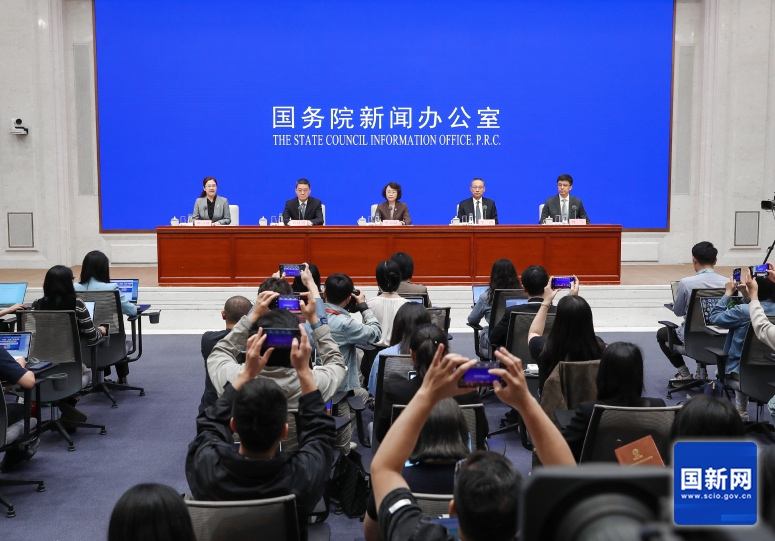
Core Viewpoint - The micro-short drama market in China has experienced explosive growth, with significant investments and content quality upgrades being prioritized by platforms like Hongguo Short Drama [3][4]. Group 1: Market Growth and Trends - The micro-short drama market in China is projected to reach a scale of 50.5 billion yuan in 2024, surpassing box office revenues for films [3]. - By June 2025, the user base for micro-short dramas is expected to reach 696 million, accounting for nearly 70% of the total internet users in China [3]. Group 2: Content Quality and Upgrades - Hongguo Short Drama has removed over 3,000 low-quality short dramas in the past two years and is set to implement a fourth round of content standard upgrades [1]. - The platform has initiated the "Guo Ran Plan," investing in over 80 high-quality short dramas, with more than 30 already aired [4]. Group 3: Factors Driving Development - Key factors for the rapid and quality development of micro-short dramas include government support, a shift in creative ecosystems, and changing user demands for diverse content [3]. - The industry is transitioning from a focus on quantity to a commitment to quality, with creators increasingly integrating personal expression and innovative storytelling [4].