科技金融

Search documents
七部门:重点支持北京、上海、粤港澳大湾区国际科技创新中心和成渝地区、武汉、西安等区域科技创新中心先行先试有关科技金融创新政策
news flash· 2025-05-14 07:43
Core Points - The document outlines policies to accelerate the construction of a technology finance system to support high-level technological self-reliance and strength [1] Group 1: Policy Support - Seven departments, including the Ministry of Science and Technology and the People's Bank of China, have issued policies to promote regional technology finance innovation practices [1] - Key support is directed towards international technology innovation centers in Beijing, Shanghai, the Guangdong-Hong Kong-Macao Greater Bay Area, and other regions such as Chengdu-Chongqing, Wuhan, and Xi'an [1] Group 2: Innovation Zones - High-level construction of technology finance reform pilot zones is planned for Beijing's Zhongguancun, Jinan, and five cities in the Yangtze River Delta [1] - Specific areas like the Shanghai Free Trade Zone Lingang area and Ningbo's national insurance innovation comprehensive pilot zone are designated as leading regions for technology insurance innovation [1] Group 3: Financial Services Enhancement - The document emphasizes the need for higher standards in technology finance services across 13 key regions, including Beijing, Tianjin, and Jiangsu [1] - Comprehensive pilot programs for intellectual property finance ecosystems will be launched in major cities such as Beijing, Shanghai, and Guangdong [1] Group 4: Evaluation Mechanism - An evaluation mechanism for the effectiveness of regional technology finance implementation will be established [1]
科技金融探寻良性循环发展路径
Jin Rong Shi Bao· 2025-05-14 03:10
科技创新潮涌带来巨大的金融服务需求。作为金融"五篇大文章"之首,科技金融已经成为国家创新体系 的重要组成部分,也是金融服务实体经济的重要载体和抓手。在此背景下,科技金融也被赋予了更多的 路径探索任务。 地方的探索也证明,知识产权可作价正是破解科技企业融资瓶颈的关键之举。据悉,为实现知识产权评 估"一键导出",山东省知识产权公共服务平台由省市区共建,专门研发了知识产权评估评价线上系统, 为银行出具"企业科创属性微导航"报告1312份、11份专利价值分析报告。由该平台服务的知识产权质押 融资累计金额176.23亿元。由此可见,抓住知识产权作价关键一环,有利于畅通科技企业的整个输血通 道。 要实现"科技—产业—金融"良性循环发展,需要突破以往依赖不动产或者固定资产抵押的信贷模式,优 化金融供给以适配轻资产、高科技含量、市场潜力大的科技企业。以2021年11月最早获批建设科创金融 改革试验区的济南市为例,该市探索建立起"六专四价"工作体系,从当地金融管理部门的政策扶持、平 台搭建到金融机构的服务触达、信贷模式的创新,在实践中对传统金融服务模式不断进行变革与升级。 科技企业融资往往面临信息不对称和缺乏抵押物两大瓶颈。这 ...
安徽省级天使基金群已投资项目212个 投资金额31.71亿元
Zheng Quan Shi Bao Wang· 2025-05-13 12:31
《安徽省加快构建"政产学研金服用"融合发展机制行动方案》政策解读新闻发布会5月13日举行。安徽 省委金融办副主任郭庆表示,针对科技型企业不同成长周期特点,安徽已设立省级天使基金群,主要服 务于种子期、初创期企业,运营周期最长可达15年,在产业链成长初级阶段嫁接金融要素,目前已投资 项目212个,投资金额31.71亿元。按照"一产业一基金"模式,设立主题基金群,主要服务于新兴产业领 域成长期企业,目前已投资项目309个,投资金额211.28亿元。同时,通过完善容错机制、拓宽基金退 出管道等方式,营造耐心生态,树立鼓励创新、宽容失败的鲜明导向。据不完全统计,截至3月末,在 皖注册私募基金规模达到1.83万亿元,居全国第七位。 据安徽省科技厅二级巡视员李银安介绍,安徽力争到2029年建设10家顶尖孵化器,进一步贯通科技创 新、转化孵化、企业培育、产业集聚全链条,支撑全省战略性新兴产业、未来产业高质量发展。顶尖孵 化器突出"种子"发现、企业育成、平台服务、投资促进、资源融通五大功能定位,通过"揭榜挂帅"方式 开展建设。其中,突出市场逻辑和资本力量,强化金融对顶尖孵化器的支撑作用,鼓励顶尖孵化器自建 或合作设立硬科技投 ...
市政府召开第147次常务会议:研究建设全国科技金融中心行动方案 部署2025世界数字教育大会筹备保障、公共数据资源管理和授权运营等工作
Chang Jiang Ri Bao· 2025-05-10 00:34
5月9日,市政府召开第147次常务会议,学习贯彻习近平总书记近期重要讲话、重要指 示批示精神,研究推动科技金融高质量发展、建设全国科技金融中心行动方案,部署2025世 界数字教育大会筹备保障、公共数据资源管理和授权运营等工作。 编辑:赖俊 会议强调,要认真学习贯彻4月25日中共中央政治局会议精神,把思想和行动统一到党 中央决策部署上来,锚定目标任务,用足用好一揽子增量政策,统筹稳存量、扩增量、抓变 量,多措并举稳住经济基本盘,加快培育发展新质生产力,奋力打好二季度经济发展攻坚 战。要深入学习贯彻习近平总书记对辽宁辽阳市白塔区一饭店火灾事故、贵州毕节市黔西市 游船倾覆事故作出的重要指示精神,进一步落细落实安全责任,紧盯消防、交通、旅游、建 筑施工等重点领域和薄弱环节,全力消除风险隐患,坚决防范遏制重特大事故发生。 会议要求,要坚决落实党中央决策部署和省委省政府、市委部署要求,强化责任担当, 抬升工作标杆,加强统筹协调,全力以赴、精益求精做好2025世界数字教育大会筹备保障工 作,牢牢把握安全保障、会务组织、市容环境治理、电力通讯保障、氛围营造等重点任务, 抓紧完善方案预案,不折不扣抓好落地落实,着力展示文明优美 ...
银行间科技创新债券上线 西科控股参与首批注册发行企业路演
Xin Hua Cai Jing· 2025-05-09 14:57
(文章来源:新华财经) 据介绍,西科控股本次债券募集资金中不低于80%的部分将用于支持科技创新领域,主要投向先进制造 业、新一代信息技术和光子产业,切实贯彻"投早、投小、投长期、投硬科技"政策导向,为国家创新驱 动发展提供更强动能。 新华财经北京5月9日电(王菁)由中国银行间市场交易商协会主办、北京金融资产交易所承办的科技创 新债券上线暨集中路演活动9日在京举行。作为全国首批注册发行科技创新债券的企业,西安中科光机 投资控股有限公司("西科控股")在现场分享了其2025年度第一期定向科技创新债券筹备发行历程。 据了解,西科控股由中国科学院西安光学精密机械研究所、国有大型金融机构和地方政府多方参股成 立,瞄准科技成果转化的卡点和堵点,在实践探索中形成了"科技金融+科技服务+科技平台+科技空间 +科技智库"为一体的成果转化体系,推动众多实验室里的科技成果从"书架"走上了"货架"。 截至目前,西科控股已投资孵化542家硬科技企业,企业市场总估值6629亿元。其中包括3家科创板上市 企业、18家独角兽企业、84家国家级专精特精"小巨人"和192家省级"专精特新"中小企业,形成了光子 芯片、人工智能、量子技术、商业航天 ...
董希淼解析金融增量政策:房地产新模式转向“租购双轨”,险资入市或催生蓝筹红利
Sou Hu Cai Jing· 2025-05-09 11:51
Core Viewpoint - The newly introduced financial policies can be seen as an upgraded version of last year's 924 policy, aimed at stabilizing market confidence and promoting high-quality economic development in the face of increasing global uncertainties [2]. Group 1: Financial Policies and Market Impact - The financial policies include eight incremental measures targeting real estate, stock markets, and technology finance, such as new financing systems for real estate and expanded insurance fund investments [1][2]. - The "white list" loan mechanism for real estate financing has increased to 6.7 trillion yuan, allowing banks to selectively support qualified enterprises while managing risk [3][4]. Group 2: Real Estate Development Model - The new real estate development model shifts from a "single sale" approach to a "rental and purchase" model, necessitating innovative financing systems to support rental housing construction and loans [3]. - The financing system will need to adapt to support both rental housing and general commodity housing loans, reflecting a dual-track system of affordable and commercial housing [3]. Group 3: Insurance Fund Investments - Insurance funds, characterized by their large scale and long duration, are expected to increase their investments in the stock market, with over 4.4 trillion yuan currently allocated to equity assets [6]. - Policies are set to direct 30% of new premiums from large state-owned insurance companies into the A-share market annually, providing a stable influx of capital [6]. Group 4: Support for Technology Enterprises - The establishment of financial asset investment companies aims to enhance support for technology enterprises through a "dual investment and loan" model, allowing banks to provide both credit support and equity investment [9][10]. - The development of specialized technology insurance is anticipated to provide risk coverage for early-stage technology companies, facilitating their access to financing [10][11].
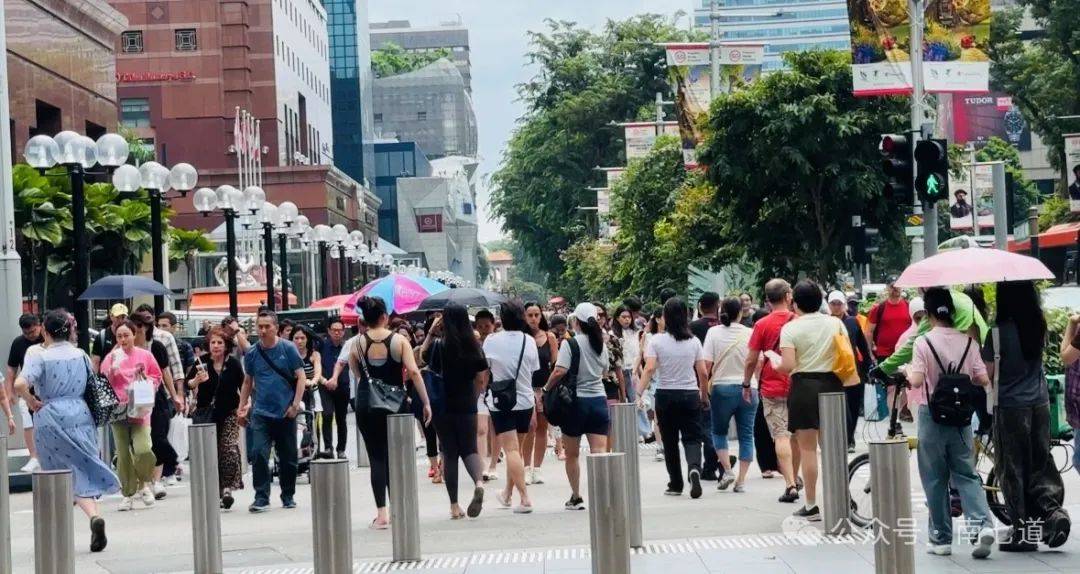
逃离新加坡
投资界· 2025-05-08 03:50
Core Viewpoint - The article discusses the increasing trend of expatriates leaving Singapore despite its appeal as a global financial hub, highlighting the challenges faced by both locals and newcomers in terms of social integration and cultural acceptance [5][9][10]. Group 1: Reasons for Leaving - A significant number of Singaporeans are choosing to live abroad, with the population of Singaporeans residing overseas increasing from 185,800 in 2022 to 215,300 in 2024 [5][6]. - The perception of a narrow worldview among individuals raised in small, developed countries like Singapore is noted, with expatriates expressing feelings of cultural isolation and limited social circles [6][10]. - The challenges of integrating into the local workforce and the lack of acceptance from local employees are cited as reasons for expatriates feeling unwelcome [7][10]. Group 2: Cultural and Social Dynamics - Singapore's society is described as having a strong boundary consciousness, leading to a defensive attitude towards outsiders, which can result in perceptions of coldness among locals [10][11]. - The article contrasts Singapore's multicultural environment with the more integrated cultural melting pot of the United States, where individuals feel more accepted and valued [10][11]. - The lack of a cohesive cultural identity among Singaporeans is highlighted, with various ethnic groups celebrating their own traditions without significant interaction [8][9]. Group 3: Government and Economic Context - Singapore's government is recognized for its efficient management and emphasis on attracting global talent, yet there is a tension between this openness and the local population's resistance to immigration [9][14]. - The article references the historical context of Singapore's independence and the resulting national psyche of caution and insecurity, which influences current attitudes towards immigration and cultural diversity [9][10]. - The economic success of Singapore is attributed to its strategic global positioning and the government's proactive policies, yet the societal implications of these policies are complex and multifaceted [9][14].

国家金融监管总局局长李云泽: 加力支持“助小微”“保外贸”
Shen Zhen Shang Bao· 2025-05-07 17:37
"稳住楼市、股市对提振社会预期、畅通内需循环具有重要意义。"在5月7日举行的国务院新闻办新闻发 布会上,国家金融监管总局局长李云泽表示,4月25日中央政治局会议再次对稳定楼市和股市提出了明 确要求。金融监管总局坚决贯彻落实党中央、国务院部署要求,协同打好"组合拳",积极做好相关工 作。对"助小微""保外贸""科技金融"等方面也均进一步健全制度及加大支持力度。 稳楼市:"白名单"贷款增至6.7万亿元 谈及"稳楼市"方面,李云泽透露,将扎实推动城市房地产融资协调机制扩围增效,支持打赢保交房攻坚 战。他表示,目前,商业银行审批通过的"白名单"贷款增至6.7万亿元,支持了1600多万套住宅的建设 和交付,有力保障了广大购房人的合法权益,为房地产市场止跌回稳提供了重要支撑。 与此同时,房地产市场的积极变化在信贷数据上也有所体现。据李云泽透露,今年一季度,房地产贷款 余额增加7500多亿元,其中新增个人住房贷款创2022年以来单季最大增幅,住房租赁贷款同比增长 28%。最近一些来华的头部国际投资机构也认为中国房地产市场的投资价值正在逐步显现。 "下一步,我们将加快完善与房地产发展新模式相适配的系列融资制度,包括房地产开发 ...
新办新闻发布会火线解读:稳市场 稳预期
2025-05-07 15:20
Summary of Key Points from the Conference Call Industry or Company Involved - The conference call primarily discusses the monetary policy and economic outlook of China, focusing on the banking sector and real estate market. Core Points and Arguments 1. **Shift in Monetary Policy Focus**: The central bank's monetary policy has shifted from focusing on financial risks to stabilizing growth and employment, indicating the start of a substantial easing phase. Further reductions in reserve requirements and interest rates are expected in Q3 [1][4][17]. 2. **Liquidity Provision**: A 50 basis point reduction in the reserve requirement ratio (RRR) is expected to provide approximately 1 trillion yuan in long-term liquidity, reducing bank costs by about 20 billion yuan. A 10 basis point interest rate cut will lead to a decrease in the Loan Prime Rate (LPR) [1][9][10]. 3. **Structural Monetary Policies**: The central bank has introduced structural monetary policies, including increasing the quota for technology innovation and technical transformation loans to 800 billion yuan, and providing 500 billion yuan for service consumption and elderly care loans [1][11][16]. 4. **Support for Key Sectors**: Future policy efforts will focus on supporting foreign trade enterprises, stabilizing the capital market, and enhancing measures for the real estate market and technology sectors [1][13][18]. 5. **Investment Opportunities**: The conference highlighted several investment opportunities, including increased flexibility in monetary policy, new structural monetary tools, and strong stimulus for consumer sectors such as automotive and equipment upgrades [3][16]. 6. **Impact on Real Estate**: The government is expected to introduce financing systems that align with new real estate development models, which will improve the efficiency of securing affordable housing and provide necessary financing support [31][32][33]. 7. **Banking Sector Outlook**: The easing monetary policy is anticipated to lower financing costs for banks, although it may also exert downward pressure on interest margins. The overall impact on bank margins is expected to be manageable [35][42]. 8. **Long-term Capital Inflows**: Policies aimed at promoting long-term capital inflows into the market have been emphasized, including adjustments to insurance company investment regulations to enhance market liquidity [39][41]. Other Important but Possibly Overlooked Content 1. **Economic Resilience**: The newly introduced policies are expected to enhance the resilience and certainty of China's economic fundamentals, boosting investor confidence [2]. 2. **Debt Market Reactions**: The bond market is expected to experience complex reactions to the new policies, with short-term yields likely to decline while long-term yields may rise due to profit-taking [24][28]. 3. **Future Policy Space**: There remains significant room for further interest rate cuts and reserve requirement reductions throughout the year, with expectations of 20-30 basis points in rate cuts and over 100 basis points in reserve requirement reductions [30]. 4. **Focus on Consumer Spending**: New measures aimed at stimulating consumer spending, particularly in sectors like dining, culture, and education, are expected to have a significant impact on the economy [19][20]. This summary encapsulates the key insights and implications from the conference call, providing a comprehensive overview of the current economic landscape and future expectations in China.
逃离新加坡
Hu Xiu· 2025-05-06 12:00
Core Insights - The article discusses the increasing trend of expatriates leaving Singapore, highlighting both the appeal of the country and the challenges faced by newcomers in integrating into local society [2][4][12]. Group 1: Reasons for Leaving - Singapore's strong anti-immigration sentiment among locals is a significant factor driving expatriates away, despite the country's many advantages such as a strategic location, a well-educated workforce, and a low tax regime [2][4]. - The number of Singaporeans living abroad has risen from 185,800 in 2022 to 215,300 in 2024, indicating a growing trend of emigration [4]. - Expatriates often feel a lack of genuine social connections in Singapore, with local communities being perceived as insular and less welcoming to newcomers [4][12]. Group 2: Cultural and Social Dynamics - The article highlights a cultural divide in Singapore, where local customs and language (Singlish) create barriers for expatriates, making it difficult for them to fully integrate [6][18]. - There is a perception that Singapore's multiculturalism does not foster genuine interaction among different ethnic groups, leading to a sense of cultural isolation [18][20]. - The article contrasts the social dynamics in Singapore with those in the United States, where expatriates report feeling more accepted and integrated into the community [18][20]. Group 3: Economic and Political Context - Singapore's economy is heavily reliant on overseas wealth, with a significant portion of its national wealth generated abroad rather than domestically [9]. - The government promotes a "global citizenship" approach, encouraging a multicultural and multilingual education system to prepare citizens for international engagement [8][20]. - The governance model in Singapore is described as efficient yet controlling, with a focus on maintaining social order and economic stability, which can lead to a lack of personal freedom for citizens [19][20].