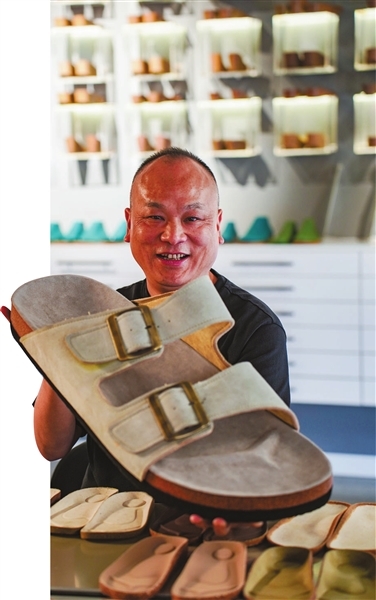
制鞋业

Search documents
以东博会为舟 企业破浪出圈
Guang Xi Ri Bao· 2025-07-17 03:02
Core Insights - The article emphasizes the significance of the China-ASEAN Expo (CAEXPO) as a vital platform for enhancing trade cooperation between China and ASEAN countries, showcasing success stories of various enterprises that have benefited from participation in the expo [3][5]. Group 1: Economic Cooperation and Trade Growth - The CAEXPO serves as a "golden bridge" for economic cooperation and a "strong engine" for upgrading the China-ASEAN Free Trade Area, facilitating numerous enterprises in expanding their market reach [3][5]. - The upcoming CAEXPO aims to implement the 3.0 version of the China-ASEAN Free Trade Area, focusing on institutional openness regarding rules and standards, thereby enhancing the role of enterprises [5]. Group 2: Success Stories of Participating Companies - Laos Beautiful Happiness Co., Ltd. has expanded its exhibition space from 2 to 4 booths at the CAEXPO, showcasing a diverse range of products and achieving annual sales exceeding 5 million yuan, with over half of the orders stemming from the expo [4][5]. - The Vietnamese Phan Xian Shoe Company has successfully penetrated the Chinese market, establishing a broad sales network through the CAEXPO, and aims to become one of the most popular imported slipper brands in China [6][7]. - Cambodian "Fairy Rice" has gained significant traction in the Chinese market, with exports projected to reach 120,000 tons in 2024, showcasing the effectiveness of the CAEXPO in building brand recognition and trust among Chinese consumers [9][10]. Group 3: Market Expansion and Brand Recognition - The Jiangsu General Peak Tea Group has successfully exported 20 tons of tea to Southeast Asia, marking a significant milestone in its international market expansion, facilitated by participation in the CAEXPO [10][11]. - The CAEXPO has enabled companies to adapt to changing consumer preferences in China, allowing them to optimize product lines and enhance service responsiveness through direct engagement with consumers and buyers [9][11].


皮革、制鞋业标准化建设迈入系统集成、协同联动新阶段
Xiao Fei Ri Bao Wang· 2025-07-17 02:42
Core Viewpoint - The meeting held by the China Light Industry Federation aims to enhance the standardization work in the light industry, focusing on high-quality development and the establishment of a new quality standard system, while summarizing the achievements and challenges faced during the 14th Five-Year Plan period [1][2]. Group 1: Achievements in Standardization - The leather and footwear industry standardization committees (皮标委 and 鞋标委) have made significant progress by establishing a comprehensive management system and enhancing the professional capabilities of their members through training and collaboration [2][3]. - A full-process verification mechanism has been developed, integrating various testing laboratories to support the implementation of new standards, ensuring their scientific validity and applicability [3][4]. Group 2: Project Management and Standard Development - The committees focus on industry dynamics and technical bottlenecks, ensuring that standard projects are relevant and feasible through various feedback mechanisms [3][4]. - A dual-review mechanism has been implemented for standard assessments, enhancing the quality and authority of the standards developed [3][4]. Group 3: Standardization and Sustainability - The committees have actively promoted group standards that respond to green and intelligent industry trends, filling technical gaps and providing clear pathways for carbon accounting and product sustainability [4][5]. - International cooperation has been strengthened, with efforts to align domestic standards with international ones, enhancing China's influence in global standardization [4][5]. Group 4: Future Directions - The committees plan to enhance the management of standards throughout their lifecycle, focusing on high-end manufacturing, digital transformation, and green development [6]. - A more open, scientific, and internationally influential standard system is being established, which will empower the high-quality development of the leather and footwear industry [6].
即便关税飙至190%,美国鞋企还是离不开中国
Sou Hu Cai Jing· 2025-07-12 19:07
Core Viewpoint - The founder of Pashion Footwear, Haley Pavone, emphasizes that Chinese workers exhibit superior skill levels and expertise compared to workers in other countries, making it challenging for companies to shift production away from China despite high tariffs [1][4]. Group 1: Company Challenges - Pashion Footwear has faced significant challenges due to tariffs, with some products experiencing a tariff rate as high as 190% [2][8]. - The company attempted to explore production options in countries like Brazil, India, and Vietnam but encountered issues such as higher minimum order requirements and a lack of skilled labor [1][2]. - Despite the high tariffs, Pashion Footwear has decided to continue working with existing Chinese suppliers due to the difficulties in finding comparable production facilities elsewhere [2][8]. Group 2: Industry Context - The broader industry is experiencing a reliance on both American consumers and Chinese manufacturers, with many companies struggling to replicate China's optimized production ecosystem [5]. - Data from Rhodium Group indicates that since 2017, capacity transfer from China has primarily occurred in textiles, electronics, automotive, and assembly sectors, yet these sectors still heavily depend on Chinese raw materials [5]. - Recent trade data shows a significant drop in Chinese exports to the U.S., while exports from Southeast Asia to the U.S. have surged, indicating ongoing demand for Chinese goods and components [5]. Group 3: Financial Implications - Pashion Footwear's shoes retail for approximately $200 each, and while tariffs are eroding profits, the company remains profitable [8]. - The company has been able to place small orders to test new designs, which reduces financial risk, a practice facilitated by its long-term partnership with a factory in Dongguan, a textile hub [8]. - The current situation is described as dire, with the founder expressing uncertainty about the company's future amidst these challenges [9].

稳就业保民生 巴中平昌“饭碗”工程暖民心
Zhong Guo Xin Wen Wang· 2025-07-11 07:13
Group 1 - The core viewpoint emphasizes the importance of "stabilizing employment and ensuring people's livelihoods" as a foundation for development in Pingchang County, Sichuan, with a focus on practical measures to enhance job opportunities and skills training [1] - The local government has implemented a combination of online and offline recruitment strategies, resulting in significant improvements in employment stability and overall happiness among residents [1][4] - The establishment of local enterprises, such as the Chongbang Footwear Company, has created stable job opportunities for over 120 local workers, with plans to expand production capacity [2][3] Group 2 - The county's employment bureau has organized numerous recruitment events, which have effectively met the labor demands of local businesses, contributing to economic growth [2] - Skills training programs, including free courses in maternal and infant care, have enabled individuals like Cai Haiying to transition into stable employment while caring for their families [3][4] - The county has prioritized practical skills training tailored to market needs, achieving a stable employment rate of over 70% for trained individuals [4]
继越南之后,柬埔寨与美国签署对等49%的关税协议,释放什么信号
Sou Hu Cai Jing· 2025-07-06 23:48
Core Viewpoint - Cambodia has signed a tariff agreement with the United States, becoming the second Southeast Asian country to do so, following Vietnam, in response to pressure from the U.S. government [1][13]. Group 1: Tariff Agreement Details - The agreement reached between Cambodia and the U.S. temporarily reduces tariffs to 20%, avoiding a potential 49% tariff that could have severely impacted Cambodia's export-dependent economy [3][11]. - Approximately 40% of Cambodia's total exports, projected at $26.2 billion in 2024, are directed to the U.S., with textiles and footwear being the primary export sectors [3][19]. - The agreement includes provisions for "origin tracking" and "third-party circumvention," requiring Cambodia to enhance oversight of the sources of raw materials used in exports to the U.S. [3][5]. Group 2: Economic Impact and Compliance Requirements - If the raw material sourcing does not meet U.S. requirements, a punitive tariff of 40% will be imposed for "third-party circumvention" [6]. - Cambodian exporters must submit over 12 types of documentation, including procurement contracts and customs declarations, to comply with the agreement [6][11]. Group 3: Broader Implications for Southeast Asia - The U.S. aims to establish a clear and controllable supply chain in Southeast Asia, reducing reliance on Chinese manufacturing [7][19]. - Similar agreements have been made with Vietnam, indicating a trend where the U.S. is pushing Southeast Asian countries to exclude Chinese products from their export systems [9][20]. - Other Southeast Asian nations, such as Indonesia and Thailand, are also navigating their trade relationships with the U.S. amid concerns about maintaining balance with China [14][15][19].
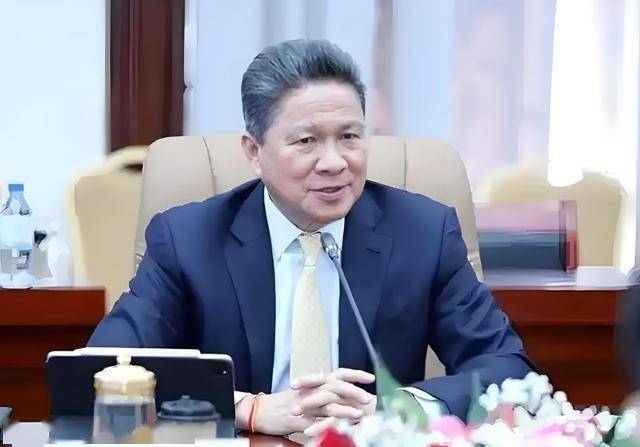
一个中国人,怎么成了“埃塞俄比亚工业之父”
第一财经· 2025-07-03 16:01
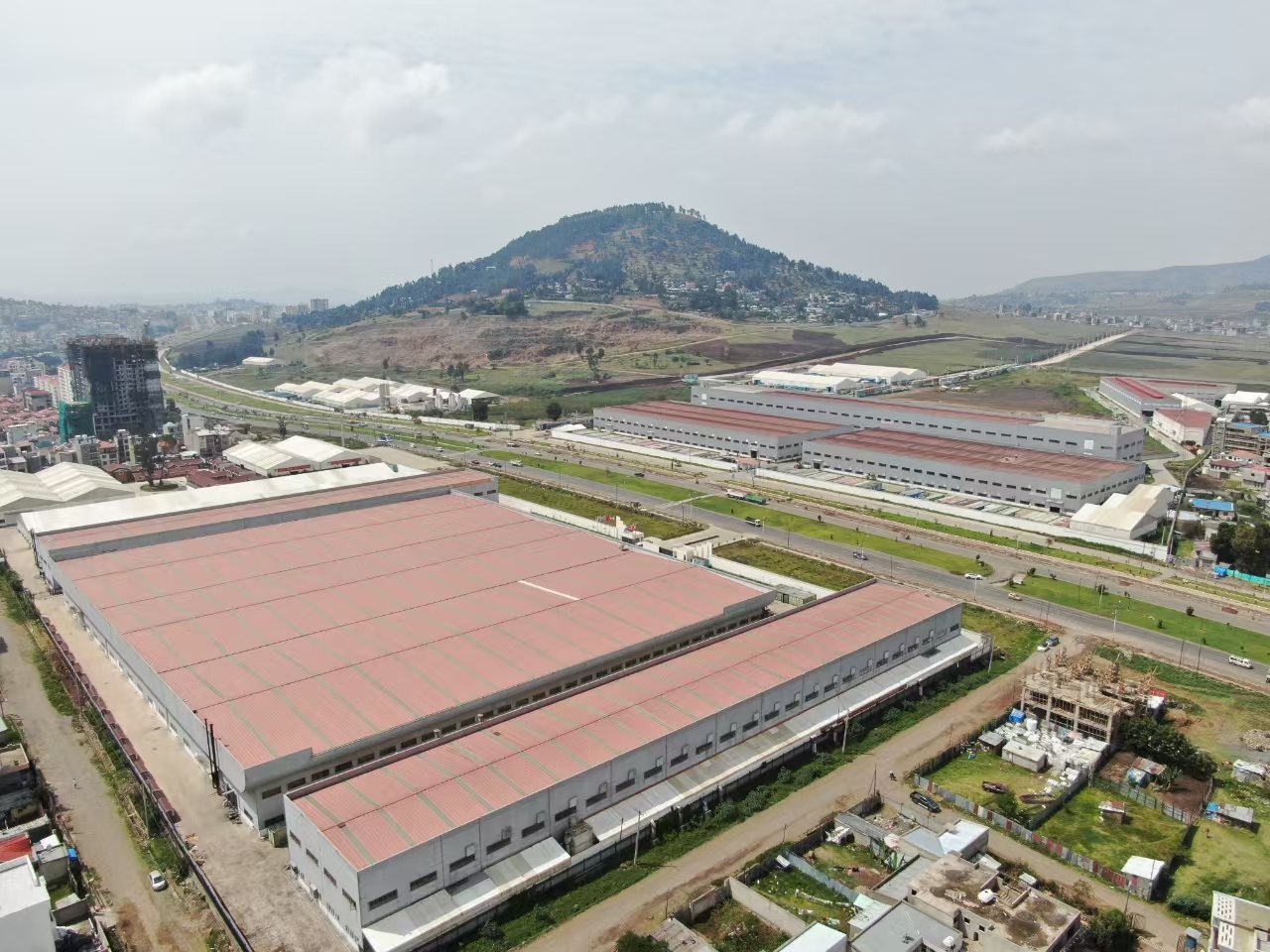
Core Viewpoint - The article discusses the journey of Huajian Group in Ethiopia, highlighting the challenges and successes of Chinese companies expanding into Africa, particularly in the manufacturing sector [5][27]. Group 1: Company Background and Expansion - Huajian Group, founded by Zhang Huarong, established a factory in Ethiopia in 2011, transforming into the Ethiopia Huajian International Light Industry Park to promote local industrial development [2][24]. - The company became the largest women's shoe manufacturer globally, producing over 20 million pairs annually for brands like Gucci and Coach [7]. - Zhang Huarong was honored as the "Father of Industry" in Ethiopia in 2017 for his contributions [3]. Group 2: Investment Decision Factors - The decision to invest in Ethiopia was influenced by low labor costs, with local wages being only 1/10 of similar positions in China, and the availability of quality raw materials like leather [12]. - Ethiopia's favorable export policies, allowing zero tariffs on products (excluding weapons) to Europe and the U.S., also played a significant role [12]. Group 3: Initial Challenges and Adaptation - Upon arrival, Huajian faced significant challenges, including customs issues and high logistics costs due to poor infrastructure, which increased transportation expenses from 2% to 8% [19]. - The company dealt with frequent power outages, requiring the use of expensive diesel generators, as only 30% of the country had access to electricity [19]. - Labor issues included high employee turnover and strikes, which were legally protected, leading to additional costs for the company [20]. Group 4: Recovery and Future Outlook - After facing substantial losses due to internal conflicts in Ethiopia and the pandemic, Huajian is now focusing on rebuilding its team and diversifying its product offerings [21][22]. - The company has shifted to a platform model, with over 20 enterprises currently operating in the Huajian Industrial Park, aiming for 100 in the next five years [24]. - Zhang Huarong emphasizes the need for Chinese companies to adapt to local conditions and respect market dynamics, advocating for a model of "using industry to exchange resources" [26][27].
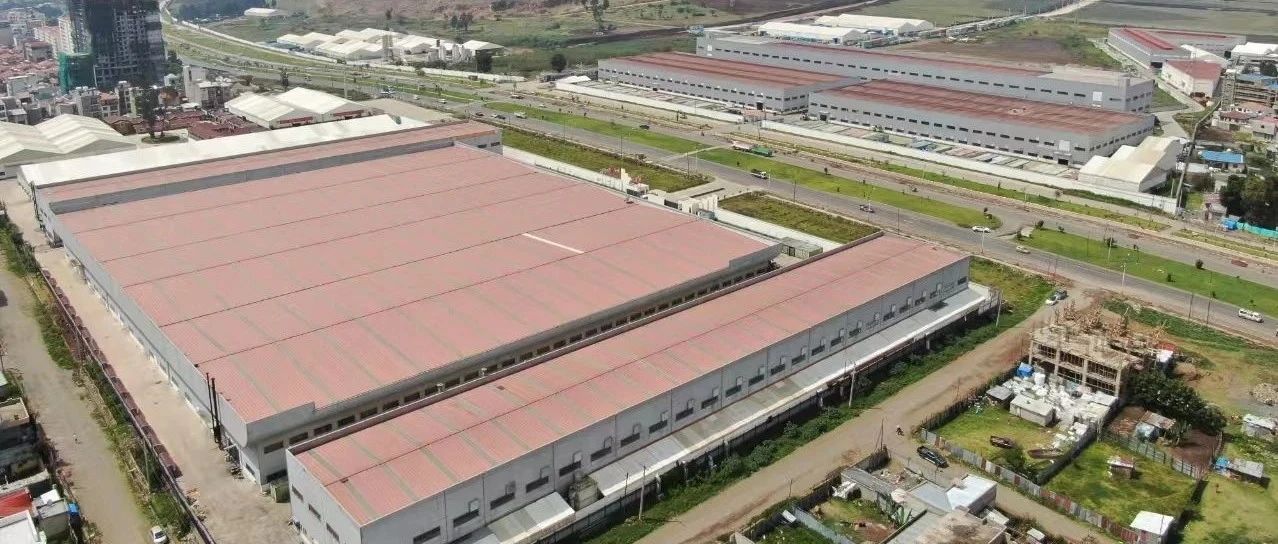
华利集团(300979) - 300979华利集团投资者关系管理信息20250703
2025-07-03 15:16
Group 1: Business Impact and Market Dynamics - The new U.S. tariff policy on Vietnam is still unclear, and historically, tariff costs are borne by brand clients, ultimately affecting consumer prices [2] - The U.S. market is estimated to account for approximately 40% of the company's sales revenue, as reported in the annual report [2] - In 2024, over 50% of raw materials for the Vietnam factory were sourced locally, while materials from mainland China accounted for about 30% [2][3] Group 2: Financial Performance and Projections - The company's short-term borrowings were 644 million RMB as of March 2025, compared to 288 million RMB at the end of 2024 [6] - Exchange rate gains were approximately 82 million RMB in 2022, 62.5 million RMB in 2023, and 28.6 million RMB in 2024, representing a small proportion of net profit [7][8] - The company has maintained a high dividend payout ratio, with cash dividends accounting for about 89% of net profit in 2021 and around 70% in 2024 [10] Group 3: Operational Efficiency and Capacity Expansion - The decline in gross margin in Q1 2025 is attributed to the ramp-up of new factories and the hiring of new employees, which affects operational efficiency [4] - New factories in Vietnam and Indonesia are expected to significantly increase production capacity, with the Indonesian facility projected to produce over 60 million pairs of shoes [5] - The company plans to optimize training and production management to enhance efficiency as new employees become more skilled [4] Group 4: Company History and Leadership - The founder, Zhang Congyuan, has been involved in the footwear industry since the 1970s, transitioning from leather shoes to sports footwear [9] - The company has evolved from its origins in the 1990s to become a major player in the athletic shoe manufacturing sector [9]
制鞋老兵挺进非洲,他是如何成为“埃塞工业之父”的
第一财经· 2025-07-03 13:03
Core Viewpoint - The article discusses the experiences of Huajian Group in Ethiopia, highlighting the challenges and opportunities faced by Chinese companies investing in Africa, particularly in the manufacturing sector [5][27]. Group 1: Company Background - Huajian Group, founded by Zhang Huarong, is one of the largest women's shoe manufacturers globally, producing over 20 million pairs annually for brands like Gucci and Coach [7]. - In 2011, Huajian established a factory in Ethiopia, transforming into the Ethiopia Huajian International Light Industry Park to promote local industrial development [2][24]. Group 2: Investment Journey - The Ethiopian government recognized Zhang Huarong as the "Father of Ethiopian Industry" in 2017 due to his contributions [3]. - Initial investment considerations included low labor costs, local raw material availability, and government support, with labor costs being only 1/10 of similar positions in China [12][18]. - Huajian faced significant challenges, including customs issues, high logistics costs due to poor infrastructure, and frequent power outages [19][20]. Group 3: Operational Challenges - The company experienced high employee turnover and strikes, which were legally protected, leading to financial losses [20]. - Huajian's operations were further impacted by external factors such as internal conflicts in Ethiopia and the COVID-19 pandemic, resulting in a significant drop in workforce from over 8,000 to under 2,000 [21][24]. Group 4: Strategic Adaptations - To recover, Huajian is focusing on partnerships with the local government to produce work and military shoes, aiming to revitalize the manufacturing sector [22]. - The company emphasizes the importance of respecting local conditions and adapting to African market dynamics, advocating for a model of "using industry to exchange resources" and "creating jobs to gain market access" [26][27]. Group 5: Future Outlook - Zhang Huarong believes that the era of simple trade expansion is over, and companies must upgrade to adapt to new market environments, particularly in sectors like food, energy, and manufacturing in Africa [27].
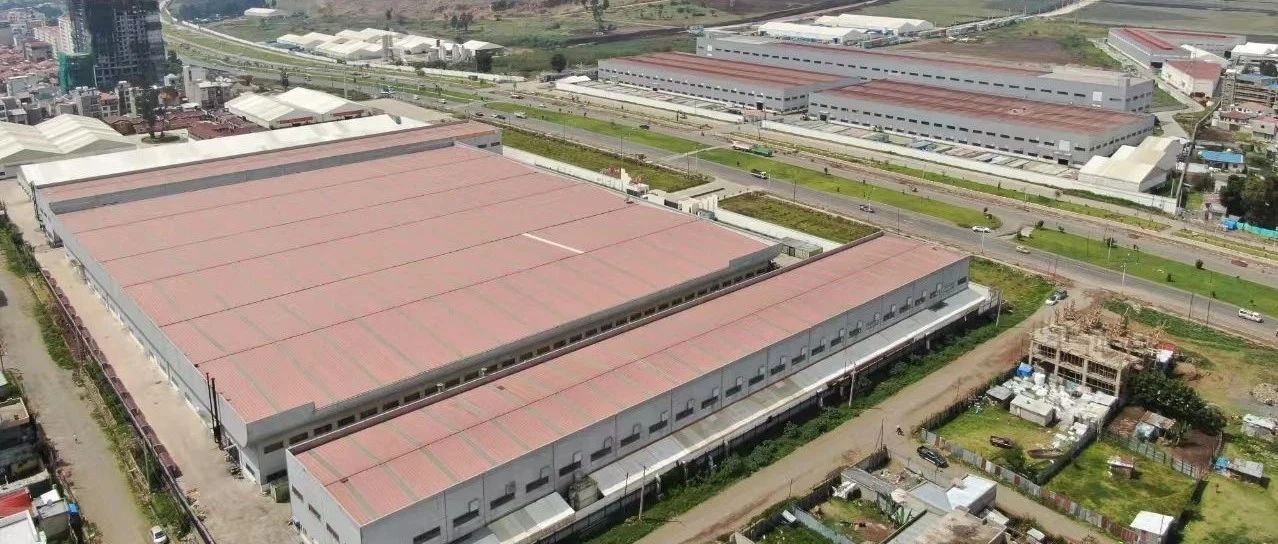
制鞋老兵挺进非洲,他是如何成为“埃塞工业之父”的
Di Yi Cai Jing· 2025-07-03 11:29
Core Viewpoint - The era of Chinese companies merely engaging in trade overseas has ended, and there is an urgent need for transformation and upgrading to adapt to the new market environment [1][16]. Company Overview - Founded by Zhang Huarong, Huajian Group has evolved from a shoe manufacturing company to a significant player in the industrial development of Ethiopia, establishing the Huajian International Light Industry Park [1][16]. - Huajian became one of the largest women's shoe manufacturers globally, producing over 20 million pairs annually for brands like Gucci and Coach [4]. Investment Journey in Ethiopia - In 2011, after an invitation from the Ethiopian Prime Minister, Huajian decided to invest in Ethiopia, despite initial hesitations due to the country's underdeveloped status [4][5]. - The decision was influenced by factors such as low labor costs, abundant raw materials, and favorable government policies, including zero tariffs for exports to Europe and the U.S. [8]. Challenges Faced - Huajian encountered numerous challenges, including high logistics costs due to poor infrastructure, power supply issues, and labor strikes, which affected production efficiency and order fulfillment [11][12]. - The company faced legal challenges due to unfamiliarity with local laws, leading to initial losses in disputes [12]. Current Status and Future Outlook - As of now, Huajian's workforce in Ethiopia has decreased from a peak of over 8,000 to under 2,000, but the company has adapted by becoming a platform enterprise with over 20 other companies operating in the industrial park [14]. - Zhang Huarong emphasizes the importance of respecting local conditions and market rules, advocating for a model of "exchanging industry for resources" and "creating jobs to gain market support" [14][16]. Community Engagement - Huajian has engaged in community development by contributing to local infrastructure and providing resources to improve the living conditions of local residents [15].
一脚踏遍欧洲的“鞋底大王”
Hang Zhou Ri Bao· 2025-07-01 03:03
Core Insights - The company, Hangzhou Zhongruan Plastic Co., Ltd., has been a leading manufacturer of cork shoe soles in China for 26 years, with a production capacity of up to 100,000 pairs per day and an annual output of 30 million pairs, making it one of the largest in the industry [2][5] - The company has experienced a 10% decrease in order volume compared to previous years, but the CEO remains optimistic due to a strong order base, particularly from Germany, which accounts for half of their total orders [2][5] - The popularity of German brand Birkenstock has significantly boosted demand for cork shoe soles, as the company's products closely match the quality and color requirements of traditional Birkenstock shoes [2][5] Company Strategy - The CEO emphasizes the importance of product quality and continuous innovation, having grown from an initial order of 1,000 pairs to 600,000 pairs over 20 years [5][6] - The company invests heavily in product sampling, spending several million yuan annually to gain recognition from European clients [5][6] - To expand market reach, the company actively participates in international trade shows and has sent representatives to various countries to seek new customers [6][7] Market Dynamics - The company has noted a decrease in European merchants attending trade shows, prompting a proactive approach to market expansion [6][7] - Recent orders from Vietnam, totaling 350,000 pairs, indicate a shift in sourcing patterns, with orders being rerouted from the U.S. to Vietnam [8]