电动自行车

Search documents
热点回应丨电动自行车新国标全面落地 旧车停售被回收 新车防火防改装
Ke Ji Ri Bao· 2025-11-30 11:54
科技日报记者 崔爽 12月1日,电动自行车强制性新国标全面落地实施。多地明确,旧国标电动车将停止上牌照,旧版标准 车辆禁止销售。 我国电动自行车社会保有量高达3.8亿辆,相当于每4个人就拥有一辆。聚焦电动自行车安全问题,防起 火、防篡改是此次新国标关注的重点。 旧国标车塑料件比例高、阻燃等级低,火灾时释放大量有毒烟雾。据统计,电动自行车火灾造成人员死 亡事件中,80%的死亡是由毒烟雾引发。 工业和信息化部消费品工业司司长何亚琼介绍,此次新国标明确规定,塑料件总质量不得超过整车质量 的5.5%,关键部件如鞍座、电池盒要采用高阻燃材料,挡泥板升级为铝镁合金,并对弹性软垫材料、 纺织品等分别规定了防火阻燃指标。 除了预防火灾,事故发生后的责任追溯也是重点。旧国标电动自行车身份标识易被烧毁,给事故调查、 责任认定带来极大困难。而新国标要求电动自行车配备耐高温的整车编码、铭牌,火灾后可以识别身 份,也便于车辆防盗追踪、状态监测。 如果说火灾隐患是"看不见的风险",那么马路上的超速、改装车就是"看得见的威胁"。对此,新国标引 入"一车一池一充一码"互认协同机制,即将车辆、电池、充电器绑定在同一个二维码上,相当于电动自 行 ...
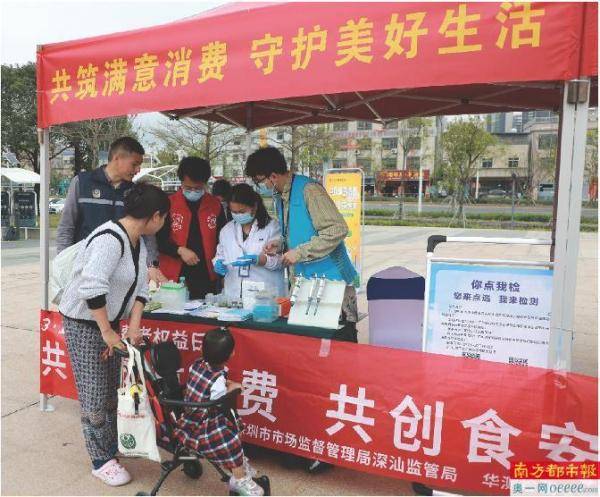
深圳市市场监督管理局深汕监管局打造放心消费“新样板”
Sou Hu Cai Jing· 2025-11-29 16:12
Core Insights - The Shenzhen Deep-Shan Regulatory Bureau aims to enhance consumer confidence and stimulate economic growth by creating a safe and reliable consumption environment by 2025 [2][3] Group 1: Regulatory Framework - The bureau prioritizes consumer interests and integrates the construction of a trustworthy consumption environment as both a livelihood and development project [3] - A detailed work plan for 2025 has been issued, focusing on strengthening regulatory oversight in key areas, innovating service models, and improving consumer rights protection mechanisms [3] - A project-based approach has been adopted to ensure accountability and effective implementation of tasks [3] Group 2: Consumer Safety Measures - The bureau adopts a "zero tolerance" policy towards regulatory violations, particularly in high-risk consumer goods such as electric bicycles and children's products [4] - A total of 35 batches of key industrial products were supervised and 41 batches were rapidly tested, with strict actions taken against 4 batches of non-compliant products [4] - A special campaign was launched to address measurement issues, inspecting 226 businesses and resolving 7 illegal cases to enhance market trust [5] Group 3: Enhancing Consumer Experience - The bureau has expanded its consumer protection services, establishing new complaint resolution stations in key areas for more accessible consumer support [6] - An online dispute resolution mechanism has been implemented, achieving a 100% acceptance rate for consumer disputes and a 99% timely resolution rate [6] - Various promotional activities have been organized to raise consumer awareness and foster a safe consumption environment [6] Group 4: Market Vitality and Brand Development - The bureau is focused on creating demonstration projects to enhance the overall consumption environment, particularly in the seafood industry [7] - The establishment of the "Seafood Trust Consumption Commitment District" aims to standardize pricing and weight practices, significantly improving consumer trust [7] - The improved consumption environment is expected to stimulate strong domestic demand and contribute to high-quality economic development in the region [7]

绿源与越疆达成战略合作 推动5000台机器狗规模应用于智慧门店升级计划
Zheng Quan Shi Bao Wang· 2025-11-27 13:13
Core Insights - The strategic cooperation framework agreement between Luyuan Group and Yujian Technology aims to promote the application of 5,000 robotic dogs in smart store upgrades, marking a new phase in their partnership focused on intelligent retail [1][2][5] Group 1: Strategic Cooperation - The agreement was signed in Jinhua by key executives from both companies, indicating a strong commitment to collaboration [1] - The partnership will leverage Luyuan's extensive network of over 10,000 stores to explore large-scale applications of embodied intelligent robots [2][5] - The robotic dogs will serve multiple functions in stores, enhancing operational efficiency and customer service through intelligent upgrades [2][3] Group 2: Technological and Manufacturing Collaboration - The collaboration aims to create a replicable smart store system solution, establishing a benchmark for the commercial application of embodied intelligent technology [3] - Luyuan will integrate Yujian's robotic arms into its factory automation processes, accelerating the smart transformation of manufacturing [3] - The partnership will involve joint development of industry-level robotic projects, with both companies contributing their respective technological strengths [3] Group 3: Market Expansion and Brand Integration - The cooperation will focus on deep integration of brand, channel, and market resources to promote the widespread adoption of intelligent robotic dogs in consumer markets [5] - The collaboration signifies a strategic move towards commercializing embodied intelligent robots, transitioning from concept to practical application [5] - The partnership is expected to create tangible commercial value and establish a replicable model for smart retail, enhancing the industry's overall landscape [5]
越疆与绿源达成战略合作,具身行业迎首个「万店级」规模的机器人应用计划
IPO早知道· 2025-11-27 12:32
Core Viewpoint - The strategic cooperation between Luyuan Group and Yujian Technology aims to deploy 5,000 robotic dogs in smart store upgrades, marking a significant step towards the large-scale application of embodied intelligent robots in commercial settings [2][3]. Group 1: Strategic Cooperation - Luyuan Group and Yujian Technology signed a strategic cooperation framework agreement on November 27, with the intention to explore the large-scale application of embodied intelligent robots based on Luyuan's network of over 10,000 stores [2]. - The robotic dogs will serve multiple functions in Luyuan stores, including guiding customers, displaying products, and providing customer service, thereby enhancing operational efficiency and consumer experience [2][3]. Group 2: Technological and Manufacturing Collaboration - The partnership will involve joint development of industry-level quadruped robots, with Yujian responsible for overall robot development and Luyuan focusing on components like joint motor modules and batteries [4]. - Luyuan will integrate Yujian's robotic arms into its factory automation processes, aiming to accelerate the intelligent transformation of manufacturing workflows [4]. Group 3: Market Integration and Brand Promotion - Both companies will leverage their strengths in branding, channels, and market resources to promote the robotic dogs in the consumer market, facilitating the widespread application of embodied intelligent robots in commercial service scenarios [5]. - This collaboration reflects a commitment to advancing the commercialization of embodied intelligent robots through a strong partnership, recognizing Yujian's technological capabilities and service expertise [5][7].

新国标车铺货不均衡!广东旧国标电动自行车消化进度超九成
Nan Fang Du Shi Bao· 2025-11-26 13:21
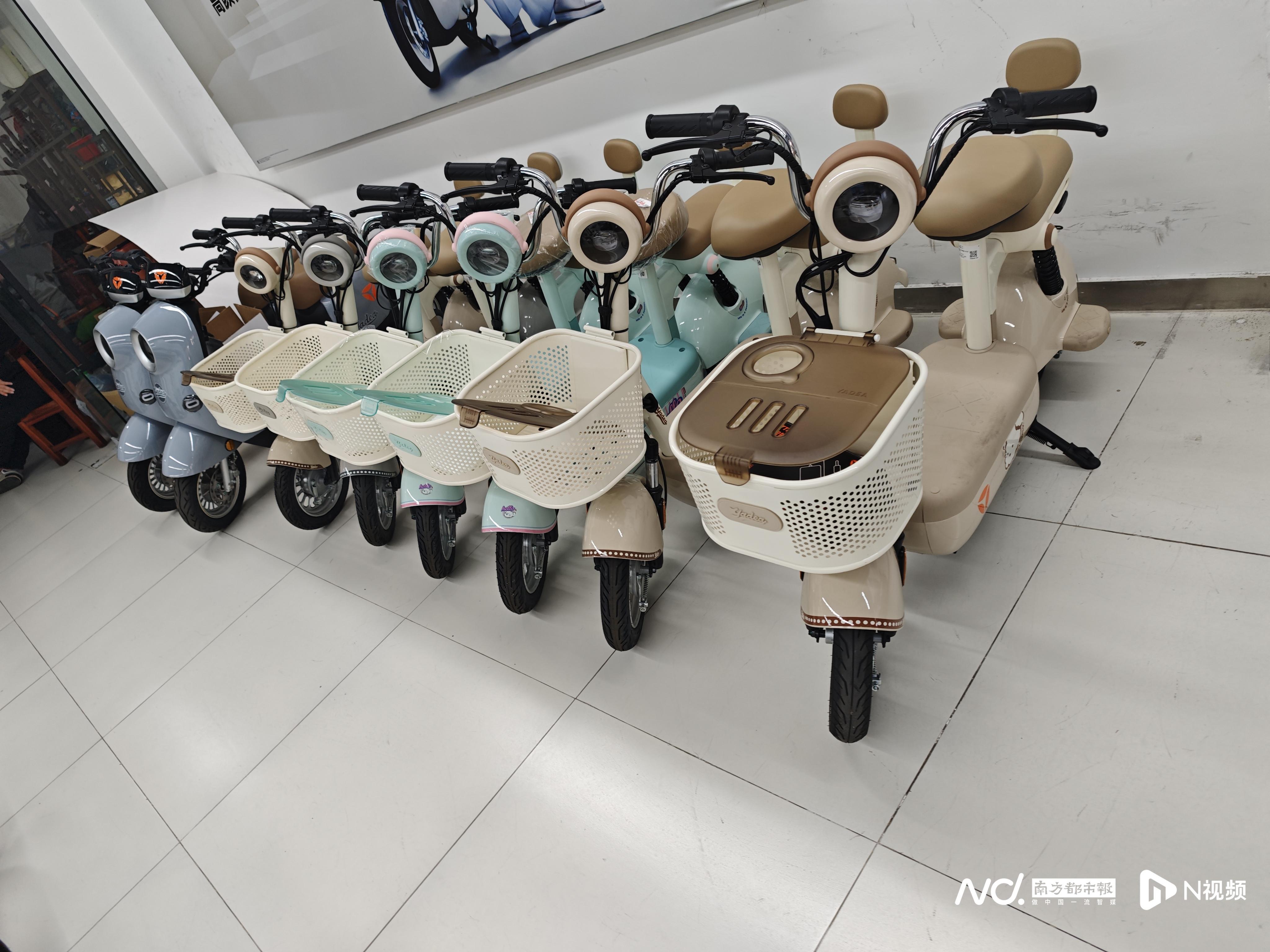
自9月1日新版《电动自行车安全技术规范》(GB 17761—2024)(下简称"新国标")正式实施以来,消费者们和相关行业都对新国标电动自行车的价格、外观、 性能、产品上市时间,以及旧国标电动自行车如何处理等问题保持着持续关注。 与此同时,国家认证认可监督管理委员会于近日发布2025年第25号公告,要求旧国标车于2025年12月1日全部予以撤销,各电动自行车销售企业自认证证书 注销、撤销之日起不得继续销售。 在旧国标电动自行车禁售前的最后时间里,新国标车的铺货情况如何?旧国标车去库存情况如何?对此,南都·湾财社记者走访了广州多家电动自行车门店 发现,目前门店内仍以去旧国标电动自行车存量为主,而且多家品牌门店旧国标电动自行车已基本售罄,有小部分门店还并未进货新国标电动自行车。 有电动自行车企业接受南都·湾财社记者采访时表示,为顺应"新国标"落地后可能带来的换购浪潮,目前正凭借技术储备开启新一轮产品攻势。"新车将从12 月起至2026年陆续推向市场,打出一波'上新潮'"。 广州电动自行车行业协会相关负责人表示,目前广东省内的旧国标车整体消化进度超九成,大部分品牌经销商尾货所剩不多,且无特定品牌库存压力过大情 况, ...
电动自行车“一升两降”背后:全链条整治织密安全防护网
Zhong Guo Xin Wen Wang· 2025-11-26 10:52
Core Insights - The article highlights the significant increase in the number of electric bicycles in China, which rose from 356 million to 381.3 million from January to September 2023, while simultaneously reporting a decrease in fire incidents and fatalities related to electric bicycles, with fire cases down by 55.1% and deaths down by 84.9% [1] Group 1: Safety Measures and Regulations - The comprehensive safety rectification action for electric bicycles aims to address safety hazards across the entire supply chain, from production to usage, with a focus on stringent standards and enforcement [2][3] - New national standards have been implemented to enhance safety, including requirements for fire-resistant materials and limitations on the use of plastic in electric bicycles, which should not exceed 5.5% of the total vehicle weight [3] - A total of 11,000 old national standard certifications have been revoked, indicating a push towards improved market order and product safety [3] Group 2: Addressing Illegal Modifications and Charging Issues - Illegal modifications, often leading to electrical overloads and fire hazards, have been targeted through a combination of online and offline enforcement, resulting in 15,000 cases of illegal modifications being investigated [3] - The construction and management of charging facilities have been enhanced, with 41.2 million charging ports established in existing communities, improving the ratio of charging facilities from 24:1 to 6.2:1 [3][4] Group 3: Innovative Solutions and Community Engagement - New models such as "shared charging boxes" and "battery swapping" are being explored to alleviate charging difficulties, particularly for delivery riders who often modify their electric bicycles [4] - The promotion of smart elevator systems to prevent electric bicycles from being charged in residential buildings is part of a broader community engagement strategy to raise awareness about fire safety [4] Group 4: Long-term Commitment to Safety - The electric bicycle safety rectification action is set to continue until the end of 2025, with a commitment from relevant authorities to ensure the effective implementation of policies and standards [5]
稳外贸,江苏着力在“新”字上做文章(活力中国调研行)
Ren Min Ri Bao· 2025-11-24 22:09
Group 1 - Jiangsu's foreign trade shows strong resilience, with a total import and export value of 4.88 trillion yuan from January to October, accounting for 13.1% of the national total and contributing over 20% to the national export growth [1] - The province is focusing on "new" strategies to stabilize foreign trade, including exploring new markets, expanding new business formats, and cultivating new advantages [1] Group 2 - Yangjie Electronics has seen a 30% growth in overseas sales, producing around 30 million power semiconductor chips daily, and is expanding its operations in Vietnam, Malaysia, and Thailand [2] - The "Shicaitong" platform in Changshu has facilitated a significant increase in exports for small and micro foreign trade businesses, growing from 1 billion USD in 2020 to over 15 billion USD [3] Group 3 - The cross-border e-commerce sector in Suzhou's Shengze Town has achieved an impressive 225.4% year-on-year growth in import and export value, reaching 3.635 billion yuan from January to September [4] - Jiangsu's cross-border e-commerce platforms have seen over 60% year-on-year growth in imports and exports, with traditional industries leveraging digital channels to expand internationally [4] Group 4 - Companies like Borui Electric and Yadea are enhancing their competitive edge through innovation and quality control, with Borui having over 700 patents and Yadea producing an electric bike every 35 seconds [5] - Jiangsu enterprises are increasingly focusing on building their own brands and core technologies, enhancing their global influence by exporting not just products but also technology and standards [5] Group 5 - Jiangsu maintains a leading position in the number of effective invention patents, with advanced manufacturing clusters contributing over 60% of these patents [6] - The province has achieved over 70% CNC rate in key processes and over 90% penetration of digital R&D design tools, indicating a rapid formation of new productive forces [6]
财经观察丨禁售倒计时,旧国标电动自行车市场调查
Sou Hu Cai Jing· 2025-11-19 09:19
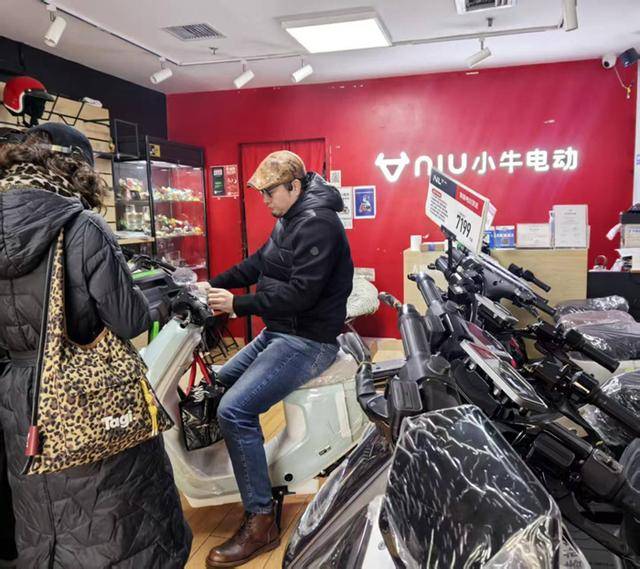
清库倒计时,旧标车迎"末班车"热潮 "现在旧标车卖得火,我们店剩下的库存顶多撑两个周末。"上海黄浦区某小牛电动车旗舰店长的话虽然 略微夸张,但道出了当前市场的普遍态势。记者走访时看到,不少门店将旧标车摆在最显眼的位置,门 口贴着"优惠促销"的标识,店员却在推销话术上暗藏玄机。"'过渡期'月底可就结束了,您现在不下单, 到时候你想买都买不到了。" 12月1日的截止日期反而被商家当作促销的"卖点"。北京部分门店10月中旬至11月初的销量已逼近旺季 水平,"相比较往年秋末冬初的时候,天气转凉,正是淡季,月销量也就20辆左右,这个月却卖了将近 40辆,销量差不多升了一倍,全是冲旧标车来的。"北京朝阳区一位某电动自行车品牌旗舰店店员感 慨,旧标车最后的销售机会,叠加部分地区国补政策,成了有力的消费拉力,形成了反常的消费热潮。 11月中旬的北京东五环,刚刚下班的孙女士顶着寒风匆匆来到电动自行车门店扎堆的商业街。她原本想 换辆新电动车方便赶地铁,却在选车的时候犯了难。"新国标车是合规,以后上牌、上路都省心,可你 们店里就两台样品,还得等12月才能补货,价格比旧标车贵好几百;旧标车倒是能解限速,早上赶地铁 能快点,可店员也说 ...
北京今年电动自行车以旧换新补贴申请时间为11月20日24时前
Xin Jing Bao· 2025-11-19 04:42
新京报讯 据"北京发布"微信公众号消息,依据《北京市2025年电动自行车以旧换新补贴实施细则》有 关要求,结合当前工作进度,现进一步明确2025年北京市电动自行车以旧换新补贴政策申请时间如下: 一是申请电动自行车以旧换新补贴的消费者,须于2025年11月20日24时前提交申请,申请前须完成本人 旧车交售注销和新车购买登记。二是如需补正信息的消费者,须于2025年12月10日24时前提交完整准确 的补正信息。 ...
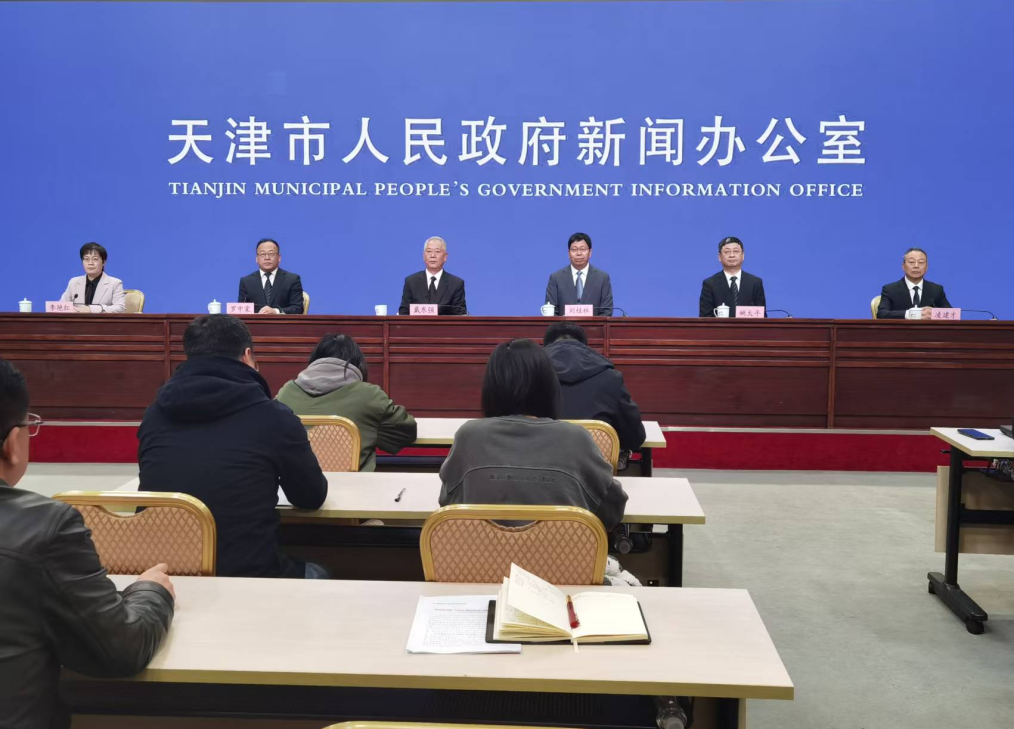
聚焦质量和安全,“十四五”时期,天津市场监管系统持续提升综合监管能力和水平
Zhong Guo Fa Zhan Wang· 2025-11-19 03:35
Core Viewpoint - The Tianjin municipal government is committed to high-quality market regulation during the "14th Five-Year Plan" period, focusing on enhancing regulatory capabilities and fostering a favorable business environment to promote economic development and consumer protection [3][10]. Group 1: Quality Infrastructure Development - The quality infrastructure, including measurement, standards, inspection, and certification, is crucial for supporting industrial development and technological innovation [4]. - Initiatives include establishing five innovation platforms in industries such as biomedicine and green petrochemicals, and creating a robust innovation ecosystem [4]. - The city has successfully developed a series of quality infrastructure service platforms and has implemented policies to strengthen quality management, resulting in 1,416 companies appointing chief quality officers [4]. Group 2: Biopharmaceutical Industry Innovation - The city is focusing on enhancing the biopharmaceutical industry through the establishment of public innovation platforms and supportive policies [5]. - Over 130 innovative companies have settled in Tianjin, and 10 third-class innovative medical devices have been approved for market entry [5]. - The city aims to support national drug approval reforms and has facilitated the market entry of domestically produced cell therapy drugs [5]. Group 3: Business Environment Improvement - Tianjin is committed to creating a market-oriented, law-based, and international business environment, significantly improving administrative efficiency [6]. - The city has implemented a "one-stop" service model for various business processes, resulting in a net increase of 421,000 business entities during the "14th Five-Year Plan" period [6]. - The government has established a centralized review office for fair competition, enhancing the overall quality of business operations [6]. Group 4: Consumer Protection and Safety - The city is enhancing consumer protection through initiatives like the "Safe Consumption in Tianjin" brand and optimizing the consumption environment [7][8]. - Measures include the implementation of a three-year action plan to improve consumer rights and the establishment of a monitoring system for essential goods prices [8]. - The city has achieved an A-level rating in national food safety assessments for five consecutive years, reflecting its commitment to maintaining high safety standards [9]. Group 5: Regulatory Framework and Future Directions - The market regulation system has improved its comprehensive regulatory capabilities, ensuring stable market order [10]. - Future plans include strengthening quality infrastructure, promoting biopharmaceutical industry clusters, and enhancing consumer rights protection [10]. - The government aims to implement stringent safety regulations across various sectors to safeguard public health and safety [10].