
电动自行车

Search documents
焦点访谈|电动车“新国标”多重升级,守护百姓出行安全
Yang Shi Wang· 2025-11-08 14:26
Core Viewpoint - The implementation of the new national standard for electric bicycles, regarded as the strictest to date, aims to enhance safety and quality in the industry, addressing significant safety concerns related to fire hazards and unauthorized modifications [1][18]. Group 1: Industry Overview - China has a social ownership of 380 million electric bicycles, with an average of one bicycle for every four people [1]. - The new standard, effective from September 1, 2025, has led to visible changes in both consumer behavior and product offerings in the market [1][20]. - The new standard emphasizes improved fire safety and accident accountability, with a focus on preventing unauthorized modifications that can lead to increased speeds and safety risks [7][15]. Group 2: Product Changes - The new standard restricts the use of plastic materials to no more than 5.5% of the total vehicle weight and mandates the use of high flame-retardant materials for critical components [5][17]. - New electric bicycles are equipped with advanced fire safety features, including high-temperature resistant identification codes, which facilitate post-accident investigations [7][15]. - Enhanced anti-theft features include built-in Beidou positioning systems and mobile app monitoring capabilities, which were largely absent in older models [9][18]. Group 3: Market Dynamics - The transition to the new standard is expected to lead to a market reshuffle, with weaker companies likely to be eliminated, while those with robust production capabilities will thrive [18][22]. - As of November 4, 2023, 99 companies have received mandatory product certification for 468 models compliant with the new standard, indicating a proactive industry response [18][22]. - The market is currently in a transitional phase, with a production grace period of eight months and a sales grace period of three months for old standard models [20][22]. Group 4: Consumer Behavior - Consumer safety concerns have shifted purchasing preferences towards new standard models, with safety performance becoming the primary consideration [3][9]. - Companies are addressing consumer worries about the maintenance and parts supply for older models, committing to at least five years of service for old standard vehicles [22].

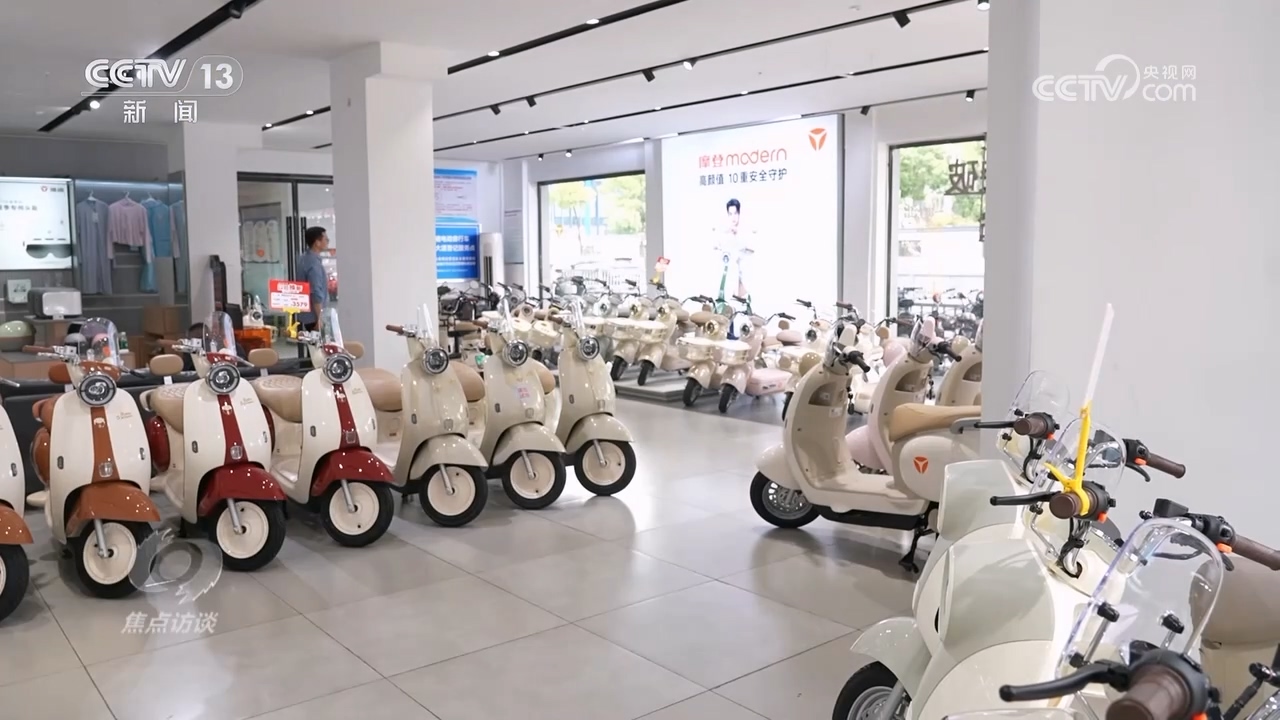
旧国标车型“退市”前夜 电动自行车普涨200—300元
Xin Lang Cai Jing· 2025-11-08 07:13
Core Insights - The implementation of the new national standard GB 17761-2024 for electric bicycles has raised concerns regarding product quality and safety, as the total number of electric bicycles in China exceeds 380 million [1][3]. Industry Transition - The new standard, effective from September 1, 2023, limits the maximum design speed of electric bicycles to 25 km/h and introduces an "over-speed power cut-off" feature [3][9]. - The weight limit for electric bicycles using lead-acid batteries has increased from 55 kg to 63 kg, enhancing their practicality and range [3]. - The transition period has led to a surge in sales of old standard models, with some consumers rushing to purchase before the new models are available [3][4]. Market Dynamics - Sales personnel from various brands, including Yadea and Aima, report that old standard models are still being sold, with new models expected to be available in December [4][5]. - Price increases for old standard models have been observed, ranging from 200 to 600 yuan, as the deadline approaches [4][5]. - The market is currently characterized as a "seller's market," with consumers eager to buy before the new regulations take effect [5][6]. Consumer Preferences - Despite the new standard's enhanced safety features, some consumers prefer old standard models due to their performance and cost-effectiveness [7][9]. - The new standard's speed limitations have led to a shift in consumer preferences, with some opting for old models that do not have the same restrictions [7][9]. Industry Restructuring - The new standard is expected to accelerate industry consolidation, as smaller companies may struggle to meet the higher compliance costs and technical requirements [10]. - Leading companies like Yadea, Aima, and Niu have already begun producing models that comply with the new standard, while smaller firms may face delays in adapting their production lines [9][10]. - The industry is entering a phase characterized by stricter regulations and a focus on technological innovation, shifting the growth narrative from policy-driven to technology-driven [10].

12月1日后,这些电动车禁售!
Zheng Quan Shi Bao Wang· 2025-11-08 03:19
Group 1 - The core viewpoint of the articles is the implementation of new mandatory standards for electric bicycles in China, which will affect production and sales starting December 1, 2025 [1][2]. - The National Certification and Accreditation Administration has announced that all existing CCC certification certificates based on old standards will be revoked by December 1, 2025 [1]. - The new national standard GB 17761—2024, effective from September 1, 2025, includes upgraded safety requirements such as fire resistance, total plastic mass, maximum vehicle weight, Beidou positioning, and pedal assist devices [2]. Group 2 - Consumers are advised to look for the CCC certification mark and product quality certificates when purchasing electric bicycles [3]. - To verify the authenticity of the product quality certificate and the validity of the CCC certification, consumers can scan the QR code on the product quality certificate or visit the national certification and accreditation information public service platform [3].
深圳又一家E-bike攻下北美,年营收7亿
创业邦· 2025-11-07 10:39
Core Viewpoint - The article highlights the growth and strategic positioning of Heybike, a Chinese E-bike brand, in the global market, particularly focusing on its expansion into North America and Europe, while emphasizing the competitive landscape and market dynamics of the E-bike industry. Group 1: Company Background and Growth - Heybike, originally founded as a contract manufacturer, transitioned to a brand in 2021 and quickly gained traction, selling over 15,000 E-bikes in just seven months and ranking among the top three E-bike brands on Amazon within a year [5][16]. - The company has not sought external financing and has focused solely on overseas markets, achieving profitability for three consecutive years with a user base of 170,000 [7][27]. - The founders, Fang Huimin and Li Yifan, leveraged their backgrounds in manufacturing and market operations to establish a strong product line and brand identity [11][12]. Group 2: Market Dynamics and Trends - The E-bike market has seen significant growth, with a projected market size of $23.82 billion in 2024, driven by increasing demand in North America and Europe [9][10]. - The pandemic accelerated the demand for E-bikes, with sales in Europe and North America rising from 2.5 million units in 2017 to 6.4 million units in 2021, marking a 156% increase [12]. - Government incentives, such as tax credits for E-bike purchases in the U.S., have further fueled market growth [12]. Group 3: Strategic Market Positioning - Heybike's strategy involves targeting specific market segments, such as urban commuters and casual riders, by offering products priced below $1,000 to avoid competition with high-end brands [18][19]. - The company has focused on product innovation, utilizing lightweight materials like T800 carbon fiber to enhance performance while reducing weight [21][23]. - Heybike aims to penetrate the European market, which is characterized by established cycling culture and higher consumer expectations, by adapting its product offerings to local preferences [30][32]. Group 4: Competitive Landscape - The E-bike industry is experiencing a shakeout, with several competitors exiting the market, while others like Rad Power and VanMoof have faced significant challenges [42][43]. - Despite the competitive pressures, the overall market is still growing, with a current penetration rate of only 25% in Europe, indicating substantial room for expansion [43]. - Heybike's approach includes building a robust supply chain and enhancing R&D capabilities to stay competitive against both traditional bicycle manufacturers and new entrants from various sectors [44].

2025后国补时代5大行业社媒矩阵营销报告(家电、3C数码、汽车、电动自
Sou Hu Cai Jing· 2025-11-04 15:10
Core Insights - The report focuses on the marketing dynamics of five key industries (home appliances, 3C digital, automotive, electric bicycles, and furniture/home decoration) in the post-subsidy era, highlighting the shift from broad subsidy policies to targeted, data-driven marketing strategies [1][10][19] Policy Changes - In the first half of 2025, over 70% of the national subsidy funds were consumed, leading to a significant policy adjustment for the second half, with a total of 690 billion yuan allocated for the fourth batch of subsidies released in October [1][12][19] - The new subsidy policies include a dynamic allocation system, with different subsidy rates for various energy-efficient products, aiming to encourage technological upgrades among companies [13][19] Industry Classification and Marketing Strategies - Industries are categorized based on transaction channels: e-commerce (home appliances, 3C digital), lead generation (automotive, electric bicycles), and hybrid (furniture/home decoration) [1][10] - Different social media strategies are employed across industries, with notable examples including Haier's use of executive IPs to boost GMV in home appliances and Yadea's three-tiered live streaming matrix in electric bicycles [1][10][19] Social Media Platform Dynamics - Key social media platforms such as Douyin, Xiaohongshu, and Bilibili are central to the marketing strategies, with each platform adopting differentiated strategies to enhance user engagement and conversion rates [1][10][19] - Douyin focuses on volume and conversion, while Xiaohongshu emphasizes in-depth product recommendations, and Bilibili provides detailed content [1][10][19] Challenges and Solutions - Brands face challenges such as account fragmentation, data silos, and low content efficiency in matrix marketing [1][10] - Yunlue offers integrated solutions to help brands manage their marketing efforts across seven major platforms, enhancing centralized management and data-driven operations [1][10] Consumer Behavior Changes - Consumer behavior has shifted from impulsive purchasing to rational evaluation, with a focus on the total lifecycle cost of products [1][10][19] - The report indicates that 76% of surveyed consumers have adopted a full lifecycle cost accounting framework in their decision-making process [19][20] Market Structure and Competition - The report highlights a "Matthew Effect," where market concentration increases, with leading brands dominating the market while smaller players struggle to compete [17][19] - High technical barriers and service-based competition are becoming critical factors for survival in the market [19][20]

电动自行车新国标实施“前夜” 部分旧标车涨价去库存,新标车难觅踪影
Mei Ri Jing Ji Xin Wen· 2025-10-30 13:45
Core Insights - The prices of old national standard electric bicycles are rising as the transition period to the new national standard approaches, with some models increasing by 100 to 300 yuan [1][2][4] - There is a significant scarcity of old national standard models in the market, as manufacturers have ceased production of these models since September 1, 2023, leading to a rush among consumers to purchase remaining stock before the new regulations take effect [2][3][5] - New national standard models are largely absent from the market, with manufacturers possibly controlling the release schedule to avoid impacting sales of existing old standard inventory [4][5] Industry Dynamics - The new national standard, effective December 1, 2025, imposes stricter safety and performance requirements, which presents both challenges and opportunities for manufacturers [6][7] - Companies are required to redesign products, upgrade production lines, and adapt supply chains to meet the new regulations, which may strain their operational capabilities [6] - Some brands, such as Ninebot, Green Source, and Tailin, have already developed models that comply with the new standards, with plans to launch these products starting in December 2023 [7]



北京4家共享充电宝企业未合理退费被处罚
Xin Jing Bao· 2025-10-29 04:23
Group 1 - The Beijing Municipal Market Supervision Administration has penalized four shared charging treasure companies for infringing on consumer rights, highlighting the importance of transparency in service agreements and transaction rules [1] - The regulatory actions were prompted by consumer complaints regarding difficulties in refunds and rights protection, leading to fines and commitments from the companies to improve pricing models and reduce vacancy rates [1] - Additional cases included false advertising targeting the elderly and violations related to electric bicycle sales and trademark infringement, indicating a broader crackdown on illegal activities in the consumer sector [1] Group 2 - A commercial company in Beijing was found selling 110 electric bicycles without proper labeling and certification, along with counterfeit license plates, leading to a criminal referral due to the significant value of the goods involved [2] - Another case involved trademark infringement by a trading company that altered existing trademarks to create a new one, resulting in fines for selling products under false branding on e-commerce platforms [2]
深圳:这项补贴停止实施
Di Yi Cai Jing· 2025-10-28 15:24
Core Insights - The Chinese new energy vehicle (NEV) industry is transitioning from a "policy nurturing period" to a market-driven phase as government subsidies begin to phase out [3] Group 1: Policy Changes - Shenzhen's automotive replacement subsidy policy will cease on October 28, 2025, after reaching its budget limit [1] - The subsidy program aims to promote the replacement of approximately 160,000 vehicles by the end of 2025, alongside significant sales in home appliances and digital products [2] Group 2: Market Response - The subsidy program has seen a strong market response, with over 1 million applications submitted nationwide by October 22, 2023, indicating high consumer interest [2] - The rapid depletion of subsidy qualifications has led to additional funding being allocated by Shenzhen authorities [2] Group 3: Regional Variations - Several provinces have suspended their long-term special bond subsidy policies, while some local governments are introducing supplementary measures to stimulate automotive consumption [3] - Starting January 1, 2026, the full exemption from vehicle purchase tax for NEVs will shift to a 50% reduction, increasing the cost of purchasing these vehicles [3]
电动自行车新国标实施前夜:旧标车涨价去库存,新标车难觅踪影
Mei Ri Jing Ji Xin Wen· 2025-10-27 12:26
Core Insights - The electric bicycle market is experiencing a price increase for old national standard models as the deadline for compliance with the new national standard approaches, leading to a scarcity of inventory [1][2][3] - The new national standard (GB 17761-2024) will prohibit the sale of non-compliant electric bicycles starting December 1, 2025, prompting consumers to rush to purchase old models before they are phased out [1][2][3] - There is a noticeable absence of new national standard models in the market, with many dealers still holding onto old models due to production halts for the latter [3][4][5] Price Trends - Prices for old national standard electric bicycles have increased by approximately 100 to 300 yuan since September 1, 2023, with some models no longer offering cash discounts [2][3] - Dealers report that inventory of old national standard models is rapidly depleting, with some stores indicating they must clear their stock by November 30, 2023, as production of these models has ceased [2][3] Market Dynamics - The transition period between the old and new national standards has created a competitive environment where dealers and consumers are adjusting their strategies [3][4] - Some consumers are specifically seeking old national standard models due to their higher speed capabilities, while others are willing to wait for the new models for enhanced safety features [4][5] Industry Challenges and Opportunities - The new national standard presents both challenges and opportunities for electric bicycle manufacturers, requiring them to adapt their production lines and product designs to meet stricter safety and performance criteria [5][6] - Companies like Niu Electric are focusing on technological advancements and safety improvements in their new models, indicating a shift in competitive focus from price to technology and safety [6]
商务部:今年以来 超7600万名消费者购买12大类家电以旧换新产品超1.26亿台
Di Yi Cai Jing· 2025-10-27 03:25
Core Insights - The wholesale and retail sectors in China have shown significant growth in 2023, with over 76 million consumers participating in the trade-in program for 12 categories of home appliances, resulting in the purchase of over 126 million units [1] - The retail sales of household appliances and audio-visual equipment increased by 25.3% year-on-year, while the retail sales of communication equipment rose by 20.5% during the first nine months of 2023 [1] - The "Old Brand Carnival" initiative has revitalized traditional brands, with over 220 events held, generating direct sales of 3.8 billion yuan and boosting online and offline sales to 16.9 billion yuan [1] Retail Sector Performance - More than 81 million consumers purchased digital products, totaling over 88 million units sold [1] - The trade-in program for electric bicycles has seen over 12 million new bikes purchased through the exchange [1] Traditional Brands Revitalization - The dining revenue of time-honored restaurant brands increased by 23% year-on-year in the first nine months of 2023 [1]