
白酒

Search documents
华源晨会精粹20260303-20260303
Hua Yuan Zheng Quan· 2026-03-03 12:27
Group 1: Construction and Building Materials Industry - The spring resumption of work data shows a year-on-year improvement, with the opening and resumption rate at 8.9%, labor employment rate at 15.5%, and funding availability rate at 29%, all showing increases compared to the previous year [3][8] - The improvement in these indicators is supported by macro policies, special bonds, and favorable weather conditions, leading to synchronized recovery in both real estate and non-real estate projects [3][9] - Companies in the construction sector with substantial mineral resources and established production or clear development paths are expected to see dual opportunities for profit elasticity release and valuation reassessment [3][9] Group 2: Automotive Industry - The global diesel generator market is projected to reach approximately $22.6 billion in 2026, with domestic demand expected to be around $3 billion, indicating significant growth potential [4][15] - The demand for diesel generators is driven by the expansion of AI capital expenditure and the construction of AI data centers, with diesel generator costs accounting for about 6-7% of total data center construction costs [4][15] - Domestic suppliers are expected to gain market share due to price and delivery advantages, as the average price of a single unit is close to 3 million yuan, with prices expected to rise continuously from 2024 [4][16] Group 3: Food and Beverage Industry - The channel reform of Kweichow Moutai has shown immediate effects, with significant sales growth during the Spring Festival, contributing an estimated pre-tax revenue of 8.6 billion yuan in January alone [5][19] - The company has diversified its sales channels, reducing reliance on traditional distributors, which is expected to stabilize prices and enhance long-term value [5][19] - The white liquor industry is entering a new phase of recovery, with a notable reduction in demand decline and a trend towards increased concentration among leading brands [6][20]

泸州老窖(000568):厚积砺剑,蓄势待发:泸州老窖新周期进击之路:泸州老窖(000568):
Shenwan Hongyuan Securities· 2026-03-03 12:27
Investment Rating - The report maintains a "Buy" rating for the company, with a projected market capitalization range of 270.4 to 338 billion yuan for 2027 based on a price-to-earnings (PE) ratio of 20-25x [6][7]. Core Insights - The company is expected to experience a profit rebound in 2026, with a projected net profit of 109.8 billion yuan in 2025, followed by 118.8 billion yuan in 2026, and 135.2 billion yuan in 2027, reflecting growth rates of -18.5%, 8.2%, and 13.8% respectively [6][7]. - The company is recognized for its comprehensive competitive advantages across six dimensions: team capability, management level, incentive mechanisms, brand strength, product structure, and channel capability, positioning it as a "hexagonal warrior" in the liquor industry [9][15]. - The report anticipates a significant revenue potential of 40 billion yuan by 2030, driven by the growth of high-end products like Guojiao 1573 and the increasing demand for lower-alcohol options [9][10]. Financial Data and Profit Forecast - Total revenue projections for the company are as follows: 31.196 billion yuan in 2024, 23.127 billion yuan in the first three quarters of 2025, and 26.609 billion yuan for the full year of 2025, with a forecasted growth rate of 3.2% for 2024 and a decline of 4.8% for 2025 [5]. - The expected earnings per share (EPS) for 2025, 2026, and 2027 are 7.46 yuan, 8.07 yuan, and 9.18 yuan respectively, with corresponding PE ratios of 14x, 13x, and 12x [6][7]. - The company maintains a high gross margin of approximately 87% and a return on equity (ROE) of around 28.4% in 2024, indicating strong profitability [5]. Market Position and Strategy - The company operates under a dual-brand strategy with Guojiao 1573 and Luzhou Laojiao, focusing on high-end and mid-range products, which are expected to capture significant market share [25][28]. - The management team is experienced and has a strong market presence, with a focus on digital transformation and channel management to enhance operational efficiency [21][22][33]. - The company has implemented a market-oriented incentive system, including a stock incentive plan for executives, to align interests and boost performance [23][24]. Short-term and Long-term Outlook - In the short term, the company is expected to stabilize its performance by managing inventory and maintaining price levels, with a focus on reducing channel pressure [39]. - The long-term outlook remains positive, with expectations of a rebound in demand and revenue growth driven by favorable demographic trends and increasing disposable income [45][54].

泸州老窖(000568):厚积砺剑,蓄势待发:泸州老窖新周期进击之路
Shenwan Hongyuan Securities· 2026-03-03 12:07
Investment Rating - The report maintains a "Buy" rating for the company [1] Core Views - The company is expected to experience a cycle reversal in 2026, with accelerated growth anticipated in 2027. The valuation and performance are projected to improve significantly during this period, with a target price-to-earnings (PE) ratio of 20-25 times for 2027, corresponding to a market capitalization range of 270.4 to 338 billion [6][7] Financial Data and Earnings Forecast - Total revenue projections for 2025-2027 are 109.8 billion, 118.8 billion, and 135.2 billion respectively, with growth rates of -18.5%, 8.2%, and 13.8% [5][7] - Earnings per share (EPS) for the same period are forecasted at 7.46, 8.07, and 9.18 yuan per share [6][7] - The company’s return on equity (ROE) is expected to improve from 22.1% in 2025 to 23.3% in 2027 [5] Company Competitive Advantages - The company is recognized as a "six-sided warrior" in the liquor industry, showcasing comprehensive competitive advantages in team capability, management level, incentive mechanisms, brand strength, product structure, and channel capability [4][9] - The management team has extensive market experience, ensuring strategic consistency and effective market response [20][24] Short-term and Mid-term Performance - Short-term performance is expected to bottom out, with a strategy focused on inventory reduction and price stabilization. The company has maintained stable pricing despite market pressures [6][42] - Mid-term growth potential remains significant, with a projected revenue space of 40 billion by 2030, driven by the high-end product "Guojiao 1573" and a strong market presence [6][48] Revenue and Product Structure - The company’s revenue growth has been robust, with a significant portion coming from mid-to-high-end products, particularly "Guojiao 1573," which is expected to dominate revenue contributions [32][28] - The product lineup includes a diverse range of price points, catering to various market segments, with a focus on high-quality offerings [28][32] Channel Management and Digital Transformation - The company has implemented a brand-exclusive channel management model, enhancing control over distribution and sales processes through digital reforms [35][39] - The digital transformation has improved inventory management and sales tracking, contributing to better market stability [40][39]
飞天茅台批价三日连跌百元
第一财经· 2026-03-03 11:56
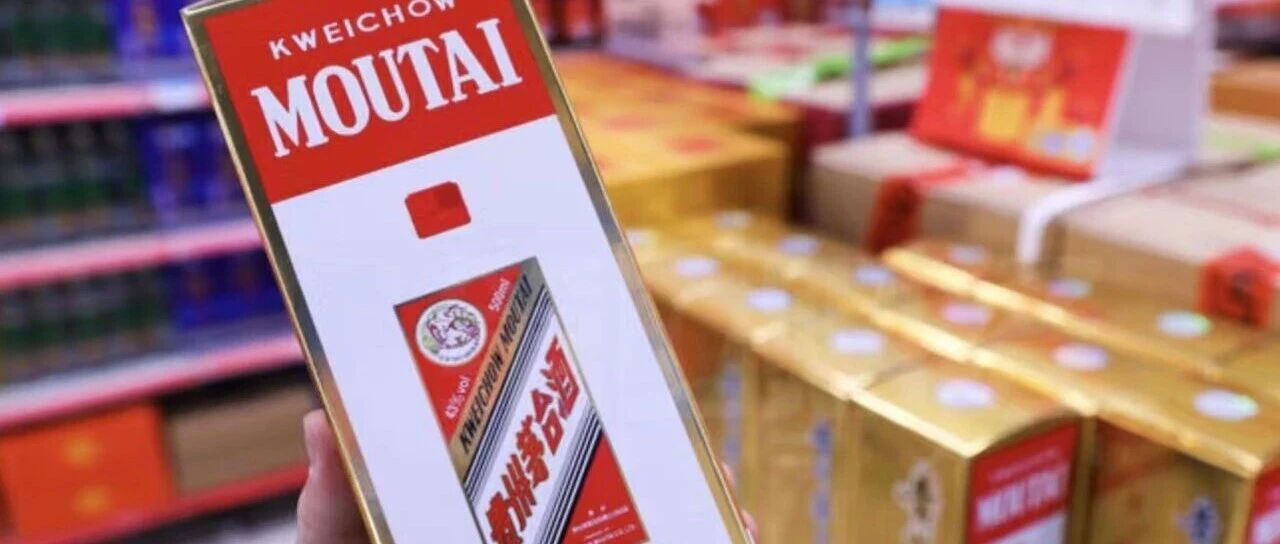
Core Viewpoint - The market reform of Moutai is showing effects, with the price of 53-degree Flying Moutai experiencing a decline, dropping from 1700 yuan/bottle to 1600 yuan/bottle over three days, influenced by the influx of retail investors through the "i Moutai" platform [3][4][10]. Price Trends - Moutai prices remained stable above 1700 yuan/bottle during the Spring Festival but began to decline sharply in March, with a drop of over 100 yuan to 1600 yuan/bottle by March 3 [5][6]. - The "Year of the Horse" Moutai saw a significant price drop from 2300 yuan/bottle to 1920 yuan/bottle, a decrease of nearly 400 yuan/bottle [7]. Market Dynamics - The entry of retail investors has disrupted the previous pricing model controlled by wholesalers and middlemen, leading to a more transparent market where prices are influenced by supply and demand [9][12]. - The "i Moutai" platform has introduced a new sales strategy, allowing direct sales at 1499 yuan, which has attracted a large number of retail investors and changed the market dynamics [10][11]. Market Reform Implications - Moutai's management aims to regain pricing power from speculators by adjusting supply through the "i Moutai" platform, which has led to a more stable pricing environment [12][13]. - The reform is expected to expand Moutai's consumer base, allowing more individuals and small businesses to access the product, thus enhancing overall market consumption [13][14].

中国必选消费26年3月投资观点:春播正当时-20260303
Haitong Securities International· 2026-03-03 10:01
Investment Rating - The investment rating for the essential consumer sector in China is "Outperform" for multiple companies including Kweichow Moutai, Wuliangye, and Yili Industrial Group [1]. Core Insights - The report highlights that among the eight key tracked essential consumer industries in February 2026, five maintained positive growth, two recorded negative growth, and one remained flat. The growing industries included frozen food, condiments, beer, catering, and soft drinks, while the declining industries included sub-high-end and above liquor and dairy products. The improvement in data is attributed to the increased number of Spring Festival holidays and heightened consumer enthusiasm for travel, which boosted demand for catering and supply chain products [3][35]. Demand Summary - In February 2026, five out of eight essential consumer industries showed positive growth, with frozen food, condiments, beer, catering, and soft drinks experiencing growth. In contrast, sub-high-end and above liquor and dairy products faced declines. The overall growth rate improved for seven industries compared to the previous month, primarily due to the Spring Festival holidays and increased consumer travel [3][35]. Price Summary - The wholesale price of high-end liquor rebounded month-on-month, while sub-high-end and below liquor prices mostly fell. Discounts on liquid milk and condiments decreased, with average discount rates for liquid milk increasing by 4.7 percentage points and condiments by 1.2 percentage points compared to January. Convenience food discounts increased, while discounts for beer, soft drinks, and infant formula remained stable [4][36]. Cost Summary - In February, the spot cost indices for six categories of consumer goods generally fell, while futures cost indices mostly rose. The spot cost indices for soft drinks, instant noodles, frozen food, beer, condiments, and dairy products changed by -1.28%, -1.03%, -0.52%, -0.52%, +0.06%, and +0.27% respectively. Year-on-year changes for can, plastic, paper, and glass prices were +12.1%, -0.3%, -7.4%, and -17.7% respectively [4][37]. Capital Flow Summary - As of the end of February, the net inflow of Southbound Stock Connect funds was 80.32 billion yuan, an increase from 61.73 billion yuan in the previous month. The essential consumer sector's market value accounted for 5.86%, up by 0.04 percentage points from the previous month. The dairy industry represented 17.2% of the Southbound Stock Connect market value, while the food additive industry accounted for 14.4% [5][38]. Valuation Summary - At the end of February, the PE historical quantile for A-share food and beverage was 17% (20.5x), remaining stable from the previous month. The sub-sectors with lower quantiles included beer (1%, 20.6x) and liquor (12%, 18.3x). The median valuation for A-share food and beverage leaders was 22x, unchanged from the previous month [5][39]. Suggestions - The report suggests several favorable aspects for allocating essential consumption, including increased international capital inflow into China, low institutional allocation levels, and the gradual recovery of industries like dairy and liquor. Recommendations for March include stocks that align with fundamental and dividend yield improvement logic, such as Mengniu Dairy, Yili Industrial Group, and Tsingtao Brewery, as well as those favored by long-term institutional investors like Luzhou Laojiao and Kweichow Moutai [6][40].





国泰海通晨报-20260303
国泰海通· 2026-03-03 02:19
Strategy Research - The trading heat of hot themes has rebounded after the holiday, with a broad rise in metal resource themes and a pullback in AI application themes. The average daily transaction amount for hot themes has increased to 9.62 billion yuan, with an average turnover rate of 3.81% [2][3] - The geopolitical situation in the Middle East has intensified energy resource prices, and the discussion around Token going overseas has emerged as a new narrative for AI investment [2][3] Automotive Research - In 2026, passenger car sales are expected to grow moderately, with a clear trend towards high-end new energy vehicles and accelerated supply release in segmented markets. The forecast for 2026 passenger car sales is approximately 29.82 million units, a year-on-year increase of 1%, with new energy vehicle sales expected to reach about 17.05 million units, up 10% year-on-year [7][8] - The penetration rate of new energy vehicles in the 100,000 to 150,000 yuan market has increased from 45% in 2024 to 54% in 2025, indicating a strong growth trend in the mid-to-low-end new energy segment [7][8] Fixed Income Research - The impact of war on bonds typically shows a phase switch from "short-term safe haven to mid-term repricing." Continuous monitoring of inflation, fiscal paths, and tail risk indicators is necessary to assess sustainability rather than focusing solely on single-term interest rate points [3][9] Food and Beverage Research - Haitian Flavor Industry is leading the "catering solution" and "multi-tuning" business model, which will ensure the company's long-term excess returns. A new round of price increases is expected to occur, potentially achieving simultaneous growth in volume and price [13][14] Overseas Technology Research - MiniMax-WP is creating competitive barriers through extreme cost performance, with the MiniMax M2.5 model leading the large-scale implementation of Agents. The model's performance has reached the first tier globally, with significant improvements in processing speed and cost efficiency [15][18]


“史上最冷春节”后,今世缘能否守住“缝隙生态位”?
阿尔法工场研究院· 2026-03-03 00:05
Core Viewpoint - The article emphasizes the necessity for regional liquor companies to focus on "depth" in their market strategies, contrasting with national brands that pursue "breadth" in their reach [2][17]. Market Performance - The post-Spring Festival market for liquor shows a clear "two-tier stability, mid-range pressure" pattern, with high-end liquor priced above 1000 RMB and low-end light bottle liquor under 100 RMB performing well [3]. - High-end brands like Moutai maintain stable prices between 1600 RMB and 1700 RMB, with reports of stock shortages, while brands like Wuliangye also outperform industry averages [3]. - The mid-range price segment (300 RMB - 800 RMB) faces challenges, with most brands experiencing a sales decline of 10% to 20% [4]. Industry Trends - The liquor industry is experiencing a "Matthew Effect," where market share is increasingly concentrated among top brands, leading to a decline in the number of large-scale liquor companies by 39.5% from 2017 to 2022, despite a 17.2% increase in revenue and a 114.2% increase in profits [5]. - The market is polarized, with strong demand for products priced above 800 RMB and high-value products priced between 100 RMB and 300 RMB, while regional liquor companies struggle in the middle segment [5]. Company-Specific Insights - For the first three quarters of 2025, the company Jiusiyuan reported a revenue of 8.88 billion RMB, a year-on-year decline of 10.7%, and a net profit of 2.55 billion RMB, down 17.4% [7]. - The company has seen a significant shift in product structure, with high-end products (above 300 RMB) experiencing a revenue drop of over 7%, while products priced between 100 RMB and 300 RMB showed slight growth [8]. - The management acknowledges the overall decline in industry profit margins and aims for a strategy focused on "stability and progress" for 2026, emphasizing maintaining market share and confidence [9]. Strategic Recommendations - Regional liquor companies should shift from broad provincial expansion to deepening their presence in local markets, optimizing channel efficiency and focusing on emotional engagement with consumers [14]. - The focus should transition from brand marketing to emotional connection, particularly in local cultural contexts, to create a unique consumer experience [14]. - Companies should define their value proposition rather than merely following price trends, leveraging the demand in the 100 RMB - 300 RMB segment while maintaining a presence in the high-end market [15]. Cultural and Emotional Connection - The article highlights the importance of local culture and emotional ties in building brand loyalty, suggesting that liquor can become a symbol of regional identity [18][19]. - Jiusiyuan's core asset lies in its deep-rooted "Yuan culture" in Jiangsu, which resonates with consumers during significant life events [12][13]. - The company aims to become the go-to choice for Jiangsu residents, emphasizing the emotional significance of its brand over mere market competition [21].


中国必选消费品2月需求报告:餐饮及供应链产品恢复较好
Haitong Securities International· 2026-03-02 15:02
Investment Rating - The investment rating for the essential consumer goods sector in China is "Outperform" for multiple companies including Guizhou Moutai, Wuliangye, and Yili [1]. Core Insights - In February 2026, five out of eight tracked essential consumer goods sectors showed positive growth, while two experienced negative growth and one remained flat. The sectors with growth included frozen food, condiments, beer, catering, and soft drinks, while premium and above baijiu and dairy products saw declines. The improvement in data is attributed to the extended Spring Festival holiday and increased travel enthusiasm, which boosted demand for catering and related supply chain products [3][18]. Summary by Sector Baijiu Sector - **Premium and Above Baijiu**: Revenue reached RMB 44.0 billion in February, down 14.6% year-on-year. Cumulative revenue for January-February was RMB 91.0 billion, a decrease of 14.2% year-on-year. The sector faced pressure on both volume and price due to reliance on business consumption and numerous brands affecting price control [4][19]. - **Mass-Market and Below Baijiu**: Revenue was RMB 17.4 billion in February, flat year-on-year. Cumulative revenue for January-February was RMB 40.3 billion, down 1.7% year-on-year. The prices of mass-market baijiu showed signs of stabilization, attributed to its inelastic demand and balanced producer-distributor relationships [20]. Beer Sector - Revenue in the beer sector was RMB 15.2 billion in February, up 5.6% year-on-year. Cumulative revenue for January-February was RMB 32.2 billion, down 1.5% year-on-year. The sector benefited from seasonal factors and increased demand in lower-tier markets, with the RMB 8-10 price segment driving revenue growth [21]. Condiments Sector - Revenue in the condiments sector was RMB 41.5 billion in February, up 5.6% year-on-year, marking the third consecutive month of growth. Cumulative revenue for January-February was RMB 88.4 billion, up 4.5% year-on-year. The recovery in catering channels and increased inventory replenishment contributed to this growth [22]. Dairy Products Sector - Revenue in the dairy sector was RMB 41.5 billion in February, down 1.2% year-on-year. Cumulative revenue for January-February was RMB 85.0 billion, flat year-on-year. Despite ongoing pressure, there was a noticeable recovery in catering consumption and gifting needs during the Spring Festival [23]. Frozen Food Sector - Revenue in the frozen food sector was RMB 14.0 billion in February, up 8.9% year-on-year, also marking the third consecutive month of growth. Cumulative revenue for January-February was RMB 29.0 billion, up 8.5% year-on-year. The sector's performance was supported by Spring Festival stockpiling and increased demand from small B-end clients [24]. Soft Drinks Sector - Revenue in the soft drinks sector was RMB 49.8 billion in February, up 2.3% year-on-year. Cumulative revenue for January-February was RMB 146.0 billion, up 1.5% year-on-year. The sector faced intensifying market competition, reflected in the discount rates for products [26]. Catering Sector - Revenue in the catering sector was RMB 14.0 billion in February, up 4.9% year-on-year, achieving its third consecutive month of growth. Cumulative revenue for January-February was RMB 30.2 billion, up 3.6% year-on-year. The sector benefited from the extended Spring Festival holiday, although profitability remained under pressure [27].
食品饮料行业跟踪报告:白酒春节动销符合预期,分化明显
Shanghai Aijian Securities· 2026-03-02 10:20
Investment Rating - The industry investment rating is "Outperform the Market" [1][33]. Core Insights - The white liquor sector is expected to gradually recover as policy pressures ease and consumption expansion policies take effect. The industry is currently at a low valuation, with pessimistic expectations fully priced in. The recovery of wholesale prices is indicated by the positive signals from the high-end liquor segment, particularly Moutai, which is expected to attract investment due to its stable pricing and strong dividend yield [4]. - The consumer goods segment is focusing on high-growth areas, with some categories still benefiting from new products and channels. The market is likely to give a valuation premium to "scarce" growth targets, with companies like Wancheng Group and Dongpeng Beverage showing promising growth trends [4]. Summary by Sections Industry Performance - The food and beverage industry underperformed the Shanghai Composite Index, with a weekly decline of 1.54% compared to the index's increase of 1.98%. Among the sub-sectors, pre-processed foods led with a gain of 6.73%, while soft drinks saw the largest decline at 5.79% [5][6][8]. White Liquor Market - The white liquor market showed a mixed performance during the Spring Festival, with sales generally down by 10-20%. High-end products, particularly those priced above 800 RMB, performed well, while mid-range products faced pressure due to a lack of recovery in business dining scenarios. The top brands are increasingly capturing market share, with Moutai leading the way [5][4]. - As of February 27, the wholesale prices for Moutai were reported at 1650 RMB for loose bottles and 1700 RMB for original boxes, showing no seasonal decline post-holiday [5]. Stock Performance - The top five performing stocks in the food and beverage sector included Ziyan Food (+18.26%), Sanquan Food (+11.34%), and Anjijia Food (+9.36%). Conversely, Dongpeng Beverage (-8.78%) and Gujing Gongjiu (-6.12%) were among the worst performers [5][12].
白酒行业ESG白皮书
荣续智库· 2026-03-02 09:20
Investment Rating - The report does not explicitly state an investment rating for the liquor industry Core Insights - The liquor industry, particularly Baijiu, is a significant pillar of China's traditional brewing industry, with a modern production and operation system spanning the entire industry chain [15][16] - The industry exhibits strong resource constraints, relying heavily on unique natural resources such as high-quality water sources and specific grain varieties, creating natural barriers to entry [17] - The industry also shows significant extension of the value chain, integrating agriculture, manufacturing, logistics, and consumption, which drives the development of related sectors [18] - The production process is characterized by high energy consumption and emissions, with traditional brewing methods leading to substantial environmental impacts [19][21] - The market is dominated by a few key players, with a notable concentration trend where the top five companies' market share increased from 35% to 50% between 2020 and 2024 [64] Summary by Sections Overview of the Liquor Industry - Baijiu is a key representative of China's traditional brewing industry, deeply rooted in cultural heritage and consumer habits [15] - The industry has formed a modern production and operation system that includes upstream agricultural planting, midstream brewing, and downstream logistics and sales [16] Value Chain of the Liquor Industry - The liquor industry spans three major sectors: upstream raw material planting, midstream production and brewing, and downstream sales and distribution [28] - Raw materials include various grains such as sorghum, wheat, and rice, with a focus on regional specialization in production areas like Guizhou and Sichuan [30] - The packaging materials primarily consist of glass/ceramic bottles and paper boxes, with a growing trend towards sustainable and reduced packaging [33] Market Structure of the Liquor Industry - The industry is experiencing a "Matthew effect," where market concentration is increasing, and leading companies are gaining more market power [64] - The competitive landscape is characterized by a "pyramid" structure, with ultra-high-end and high-end markets dominated by Moutai and Wuliangye, while the next tier sees competition among several strong players [66] - Environmental, social, and governance (ESG) factors are increasingly influencing competitive dynamics, with larger firms better positioned to meet regulatory requirements and manage costs [67]