资产管理

Search documents
瑞穗旗下5120亿美元资管:若日本央行4月加息,日元将升破150!
Jin Shi Shu Ju· 2026-02-02 09:21
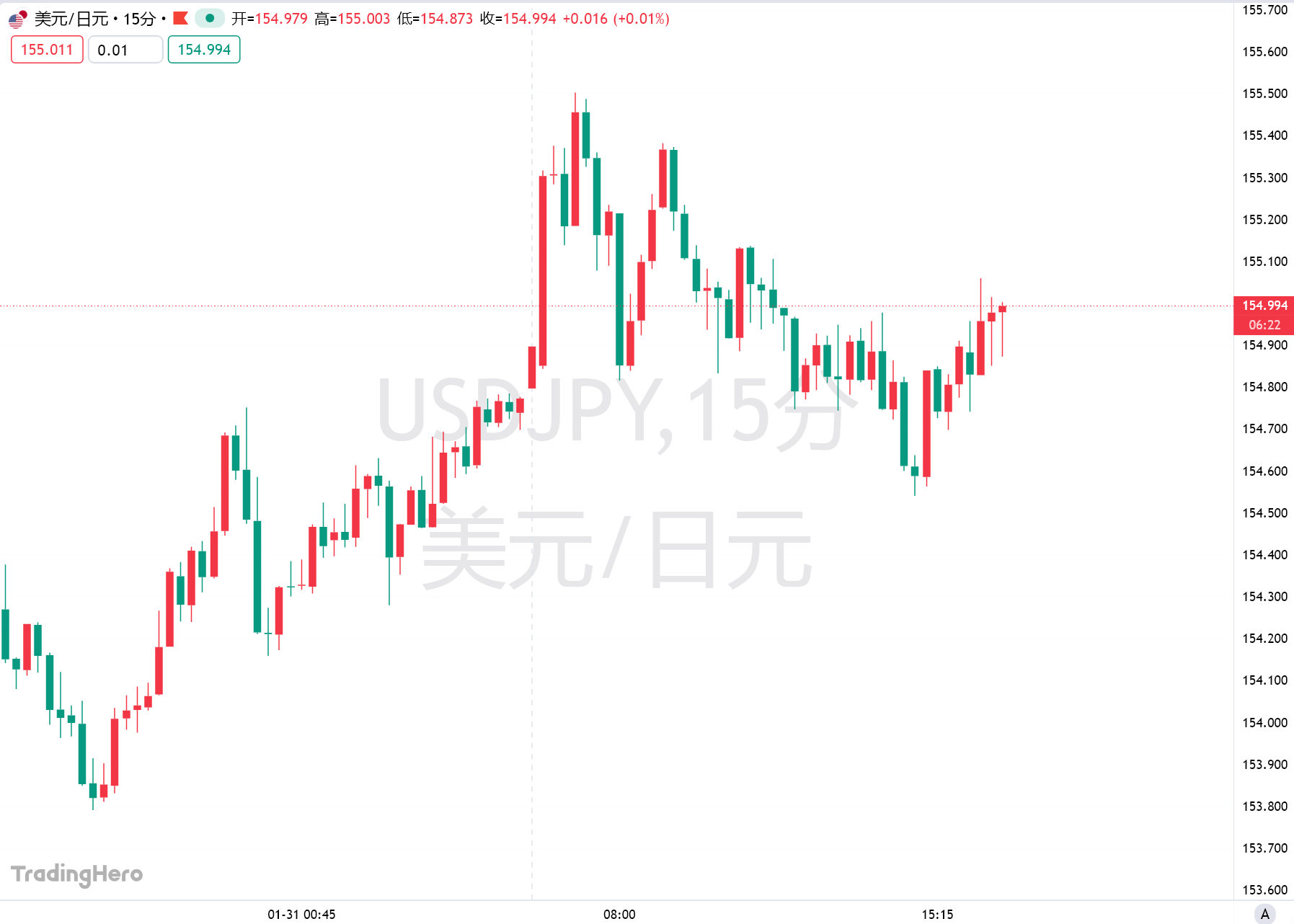
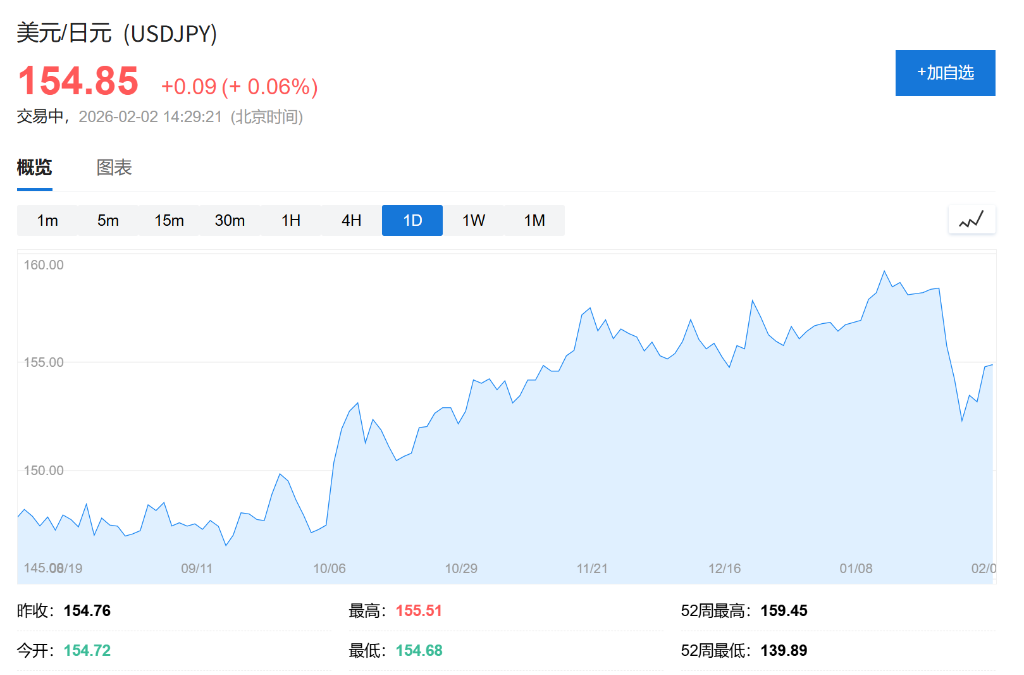
村松茂树表示:"我对这一举措感到十分意外,此前并未料到美联储会参与其中。" 周一截至发稿,美元兑日元徘徊在155附近。上周,受日本可能出手干预汇市支撑日元的市场猜测影响,日元曾短暂升值至152.10兑1美元的三个月高点。 瑞穗金融集团旗下资产管理部门首席投资官村松茂树(Shigeki Muramatsu)表示,预计日本央行4月加息后,美元兑日元将跌破150关口。 这家截至去年9月末管理规模约5120亿美元的日本资产管理公司Asset Management One Co.,同样看好买入日本超长期国债——这一品种也是上月日本债市动 荡的核心标的,该机构认为,相较于日本的经济增长前景,这类债券的收益率已处于高位。 村松茂树在接受采访时称:"市场有传言认为,现任政府执政下日本央行或难以加息,这一预期推动了日元走弱,但我认为实际情况并非如此。" 他的此番言论,也凸显出市场对日本央行货币政策收紧步伐过慢的担忧。正是这一担忧,推动日元在今年年初逼近2024年创下的数十年低点。 上月末,有消息称美国纽约联储(作为美国财政部的代理机构)开展了汇率核查,日元汇率随即突然反转走高。这一举措令众多投资者猝不及防——尽管美 国长期以来 ...

如何应对不确定环境?全球最大主权基金掌门人最新对话:在风浪中前行的人,先要把自己“绑在桅杆上”……
聪明投资者· 2026-02-02 08:40
Core Viewpoint - Long-term investors must adhere to disciplined strategies and rules to navigate the current volatile global landscape, as emphasized by Nicolai Tangen, CEO of Norway's sovereign wealth fund, which manages over $1.9 trillion in assets [2][3]. Investment Strategy - The fund maintains a 70% allocation in equities and 30% in bonds, with some investments in real estate and renewable energy [3][18]. - The fund employs a pre-set mechanism for automatic rebalancing during market volatility, selling bonds and buying stocks, which has contributed to a compound annual return of 6%-7% over the past 30 years [2][20][38]. AI and Technology - Tangen highlights the importance of AI in amplifying inequality, with countries and companies that embrace AI rapidly distancing themselves from those that do not [3][42]. - Within the fund, 100% of employees use large model tools, and 65% are involved in code enhancement, indicating that technology is now central to the organization [3][50]. Asset Management Philosophy - Asset management is viewed as an apprenticeship industry, where gaining experience and credibility is crucial before managing funds independently [4][14]. - The fund's investment philosophy is close to index-based, with strategic adjustments made by specialized teams across various sectors [22][23]. Climate and Ethical Considerations - The fund advocates for clear "net-zero" pathways from companies and engages in constructive dialogue rather than aggressive activism [28][29]. - Climate risk is considered a financial risk, with the fund recognizing its systemic implications on investments and the broader economy [26][27]. Geopolitical Awareness - Tangen notes the importance of diversification and a long-term perspective in response to geopolitical changes, emphasizing that tactical adjustments based on political events are often unreliable [36][37]. - The fund does not adjust its investment strategy based on geopolitical shifts but focuses on the fundamentals of the companies it invests in [39][40]. Future of Work and AI - AI is expected to replace many white-collar jobs, enhancing efficiency in sectors like accounting and law, and will significantly impact asset management by reducing trading costs and improving analysis [55]. - The emergence of humanoid robots is anticipated in the near future, which will take over mundane tasks, further changing the nature of work [53].
白严离任浙商证券资管旗下7只基金
Zhong Guo Jing Ji Wang· 2026-02-02 08:03
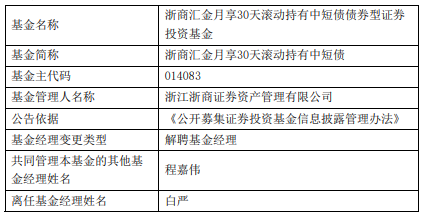
Core Viewpoint - Zhejiang Zheshang Securities Asset Management Co., Ltd. announced the departure of fund manager Bai Yan, who has been replaced by Cheng Jiawei for several funds [1][4][5][6]. Fund Performance Summary - **Zheshang Huijin Monthly Enjoy 30-Day Rolling Holding Short-Debt A/C**: Established on November 19, 2021, with a year-to-date return of 0.38% and a cumulative net value of 1.1483 yuan [1]. - **Zheshang Huijin Junhong Two-Year Open-End Bond A/C**: Established on October 30, 2020, with a year-to-date return of 0.08% and a cumulative net value of 1.1244 yuan [2]. - **Zheshang Huijin Jinxuan Money Market Fund**: Established on August 26, 2022, with a cumulative return of 4.37% [2]. - **Zheshang Huijin Juying Short-Debt A/C**: Established on June 25, 2019, with a year-to-date return of 0.15% and a cumulative net value of 1.1751 yuan [2]. - **Zheshang Huijin Juyi One-Year Open-End Bond A/C**: Established on August 1, 2016, with a year-to-date return of 0.22% and a cumulative net value of 1.3731 yuan [3]. Fund Manager Changes - Bai Yan has been dismissed as the fund manager for multiple funds, including Zheshang Huijin Monthly Enjoy, Zheshang Huijin Junhong, Zheshang Huijin Juying, and Zheshang Huijin Juyi [4][5][6]. - Cheng Jiawei has been appointed as the new fund manager for the aforementioned funds [4][6].

国寿资产管理资产总规模突破7万亿元
Zheng Quan Ri Bao Wang· 2026-02-02 08:01
(编辑 张明富) 本报讯 (记者冷翠华)记者从1月30日召开的中国人寿资产管理有限公司(以下简称"国寿资产")2026年工作会议上了解 到,截至2026年1月末,该公司合并管理资产总规模突破7万亿元。 会议指出,2025年国寿资产坚决贯彻落实党中央决策部署,坚定落实中国人寿集团"333战略",经营发展取得丰硕成果。 截至去年底,该公司合并管理资产总规模6.93万亿元,其中合并管理第三方业务规模超9500亿元,IPE全球资管机构排名历史性 跃升至第29位,行业头雁地位和全球影响力进一步彰显,实现"十四五"圆满收官。 成绩的背后,国寿资产重点抓好了六个方面的工作。一是深入推进自我革命,党建引领不断强化。学习教育扎实开展,党 的建设全面加强,高标准统筹推进各项整改。二是积极融入发展大局,服务实体经济质效显著提升。坚决落实中长期资金入市 部署,鸿鹄基金千亿投资配置落地,深入做好科技金融和绿色金融"大文章",服务实体经济投资规模达4.3万亿元。三是全面升 级投资管理,核心业绩创十年来最佳。全面达成委托方各账户收益目标,第三方业务逆势增长,国际化业务持续扩容。四是全 面深化改革纵深推进,发展动能活力有效增强。战略引领筑牢 ...
国寿资产1月末合并管理资产规模突破7万亿元
Sou Hu Cai Jing· 2026-02-02 07:17
2月2日,中国证券报记者从中国人寿资产公司获悉,1月30日,该公司在京召开2026年工作会议。会议 透露,国寿资产经营发展取得丰硕成果。截至2025年末,该公司合并管理资产总规模6.93万亿元,其中 合并管理第三方业务规模超9500亿元。截至2026年1月末,合并管理资产总规模进一步突破7万亿元。 此外,国寿资产全面升级投资管理,核心业绩创十年来最佳。2025年,国寿资产全面达成委托方各账户 收益目标,第三方业务逆势增长,国际化业务持续扩容。 2025年,国寿资产积极融入发展大局,服务实体经济质效显著提升。坚决落实中长期资金入市部署,鸿 鹄基金千亿投资配置落地;深入做好科技金融和绿色金融"大文章",服务实体经济投资规模达4.3万亿 元。 在规模增长的同时,国寿资产持续加大对实体经济的支持力度。2025年末,服务实体经济投资规模占总 规模比例超过76%。 ...
沃什提名引发投资者重估美元前景,成金银价格暴跌导火索,恐波及更多市场
Di Yi Cai Jing· 2026-02-02 07:05
Group 1 - The core viewpoint of the articles indicates that the recent nomination of Kevin Warsh as the next Federal Reserve Chairman has triggered a significant reevaluation of the dollar and dollar-denominated assets, leading to a sharp decline in gold and silver prices, marking the largest single-day drop since the early 1980s, with a total market value evaporation of $7.4 trillion [1][5][6] - The precious metals market is experiencing a de-leveraging effect, which is expected to impact other markets and increase the volatility of gold and silver prices [1][6][9] - The dollar index has risen by 0.8% since the announcement, reversing a previous decline of 2.1% in January, indicating a shift in market sentiment towards the dollar [5][6] Group 2 - Analysts warn that the recent surge in gold and silver prices, driven by strong demand from individual investors and a crowded long position, may lead to a significant price correction in the short term [6][8] - The CME Group has raised margin requirements for gold and silver futures, which may force high-leverage investors to exit the market, further reducing liquidity and exacerbating price volatility [8][9] - The recent price drop in gold and silver is seen as a typical correction following an extraordinary rise, with profit-taking and the strengthening dollar contributing to the bursting of this crowded trade bubble [9][10] Group 3 - The investment community is concerned about the spillover effects of the gold and silver price declines, which are causing a broader sell-off in other asset classes, including equities and cryptocurrencies [10] - The historical context of gold's price surge is highlighted, with comparisons to past economic crises, suggesting that the current market conditions may indicate a speculative bubble [10]
因业务尽职调查不到位等 中国信达北京分公司收110万元罚单
Zhong Zheng Wang· 2026-02-02 07:03
Group 1 - The Beijing Financial Regulatory Bureau recently disclosed administrative penalties, revealing that China Cinda Asset Management Co., Ltd. Beijing Branch was fined 1.1 million yuan due to inadequate due diligence, improper risk assessment, and errors in risk-weighted asset calculations [1] - China Cinda has previously faced penalties for similar violations, including a fine of 400,000 yuan in January for inadequate due diligence and post-management practices by its Henan Branch [1] - As a national asset management company listed on the Hong Kong Stock Exchange since December 2013, China Cinda's core business includes distressed asset management and financial services, with distressed asset management being the primary focus [1] Group 2 - China Cinda manages several subsidiaries involved in distressed asset management and financial services, including Nanyang Commercial Bank, Cinda Securities, and Jingu Trust [1] - As of the end of 2024, China Cinda reported total assets of 1.64 trillion yuan [1]

瑞穗旗下资管AM-One:若日本央行于4月加息 美元兑日元有望跌破150大关
智通财经网· 2026-02-02 06:57
Group 1 - The Chief Investment Officer of Asset Management One, Shigeki Muramatsu, indicated that if the Bank of Japan raises interest rates in April, the yen could strengthen to 150 yen per dollar [1] - Asset Management One manages approximately $512 billion in assets and is inclined to purchase ultra-long Japanese government bonds due to their relatively high yields compared to Japan's growth prospects [1] - Concerns about the slow pace of monetary policy tightening by the Bank of Japan have led to a weaker yen, although Muramatsu believes the situation is not as dire as perceived [1] Group 2 - The weak yen is expected to be a significant factor necessitating interest rate hikes by the Bank of Japan and the government, with a 69% probability of a rate increase before April, up from 40% at the end of last year [2] - Muramatsu noted that the coordination between the U.S. and Japan increases the likelihood of an earlier rate hike by the Bank of Japan, especially with U.S. Treasury Secretary urging Japan to allow further rate increases [2] - A drop in the dollar-yen exchange rate below 150 could pressure the Japanese stock market, but Asset Management One remains optimistic about long-term investments in risk assets by Japanese households [2] Group 3 - Following the Bank of Japan's January policy meeting, institutions like BNP Paribas and SMBC Nikko Securities have brought forward their expectations for the next policy adjustment to April [3] - The minutes from the January meeting indicated an increasing recognition among decision-makers of the necessity for timely interest rate hikes due to the impact of a weak yen on inflation [3] - Muramatsu highlighted the attractiveness of 30-year Japanese government bonds, which stabilized at around 3.64% after a previous surge, despite concerns over fiscal sustainability due to proposed tax cuts [3]

日元目标150!瑞穗资管巨头:日本4月加息不可避免,看好日债
Hua Er Jie Jian Wen· 2026-02-02 06:51
瑞穗金融集团旗下资管巨头Asset Management One表示,市场低估了日央行收紧政策的决心,日本央行4月加息后,日元将突破150关口。 公司首席投资官Shigeki Muramatsu在接受采访时表示,有关日央行在现任政府下难以加息的猜测助长了日元疲软,但现实情况可能有所不同。美 国财长Bessent近期敦促日本允许日央行进一步加息以对抗通胀,这一表态令市场意外。 Muramatsu认为,美国的明确施压增加了日央行提前加息的可能性。他表示:"当Bessent如此大费周章时,很难想象日本不会给他带点'伴手礼'。" 纽约联储上月进行汇率检查的消息让许多投资者措手不及。纽约联储作为美国财政部的代理机构,这一举动显示华盛顿似乎与日本遏制日元疲软 的努力保持一致,尽管美国长期以来不愿参与货币干预。 "我对这一举动感到相当惊讶。我没想到美联储会加入,"Muramatsu说。这种明显的协调增加了日央行更早加息的可能性。 市场对日央行政策立场的担忧源于其收紧货币政策的缓慢步伐。今年早些时候,这种担忧推动日元接近2024年触及的数十年低位。但上月货币突 然逆转走势,显示市场情绪正在发生变化。 市场定价显示,日央行在4 ...
财通证券资管采用彭博AIM提升QDII投资管理效率
彭博Bloomberg· 2026-02-02 06:06
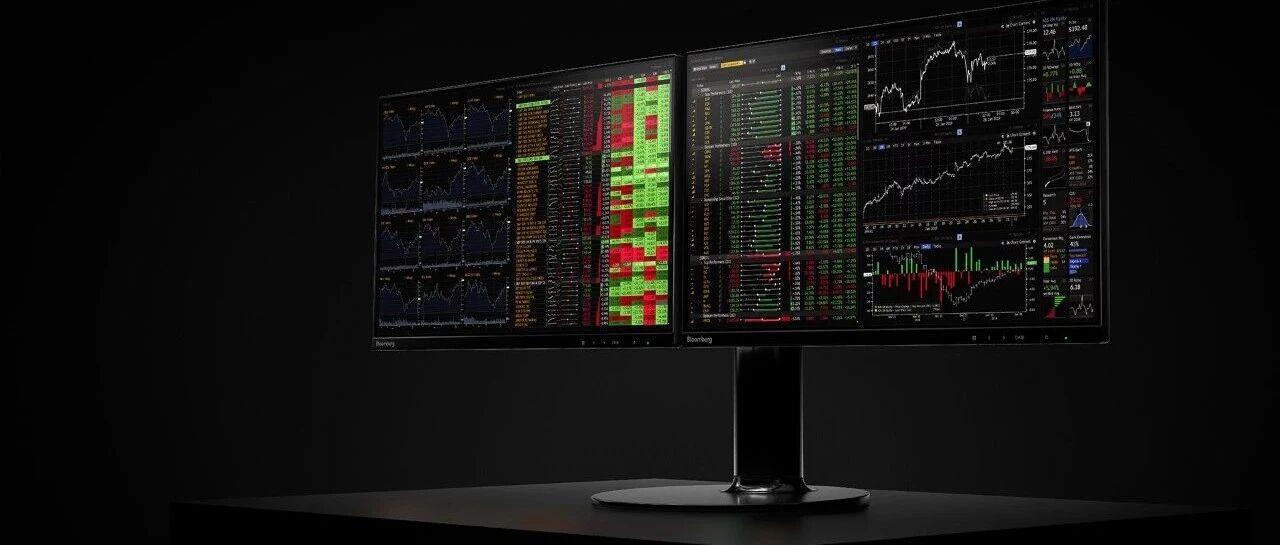
彭博今日宣布, 财通证券资产管理有限公司(以下简称"财通证券资管")现已选用领先的彭博订 单和投资管理技术解决方案AIM全面支持其境外投资业务流程 ,实现多资产、多市场投资的自动 化处理,加强合规管理,提升全球化业务的运营效率。 作为合格境内机构投资者(QDII),财通证券资管正积极推进海外投资布局,着力完善跨市场、 多资产的投资体系,提升业务竞争力。财通证券资管通过采用 彭博AIM及静态数据集(Data License) ,在多个业务环节实现自动化,助力前台、中后、后台在一致的数据源基础上开展工 作,进一步提升了全流程的运营效率,并增强了拓展新的资产类别和境外市场时的系统支持能力。 彭博大中华区总裁汪大海 表示: " 在当前全球市场环境下,中国资管机构持续致力于优化资产配置,对于覆盖全球市场、跨资产类 别的专业解决方案的需求也随之增强。彭博致力于为财通证券资管等领先机构提供一流的端到端 工作流和数据支持,助力其在多资产类别和不同监管市场下高效、透明、合规地开展业务,在稳 健发展的前提下更好地把握跨境投资机遇。" 彭博AIM 是业内领先的订单与投资管理技术解决方案,已被全球超过900家机构客户、近15,000 ...