军工制造

Search documents
刚刚!A股,收复3600点
中国基金报· 2025-08-05 05:06
Market Overview - A-shares recovered above 3600 points, with the Shanghai Composite Index closing at 3602.13, up 0.53% [2][3] - The trading volume exceeded 1 trillion yuan, reaching 10057 billion yuan, an increase of 849 billion yuan from the previous trading day [3] Military Industry - The military sector saw significant activity, with several stocks hitting the daily limit. Notable performers included Aerospace Intelligence, which reached a 20% limit up, and Changcheng Military Industry, which also hit the limit [7][8] - Changcheng Military Industry reported a cumulative increase of 181.58% since June 18, 2025, outperforming the industry and Shanghai Composite Index [10] - Global military spending continues to rise, providing strong support for the military market, with China's military manufacturing competitive advantage being underestimated [10] Gaming Sector - The gaming sector experienced a three-day consecutive rise, driven by AI technology and summer demand [12][13] - Notable stocks included Perfect World, which rose over 4%, and other companies like Kaineng Network and Giant Network also saw significant gains [15][16] PEEK Materials - The PEEK materials sector showed strong performance, with Huami New Materials rising over 20% and several other stocks hitting the daily limit [17][18] - The trend towards lightweight humanoid robots is driving demand for PEEK materials, indicating a growing market opportunity [20] Steel Industry - The steel sector continued to strengthen, with Maanshan Steel hitting the daily limit and other companies like Baotou Steel and Fangda Special Steel also showing gains [20][21] Pharmaceutical Sector - The innovative drug sector experienced a pullback after a previous surge, with several stocks like Anglikang nearing their daily limit down [22][23]


A股午评 | 三大指数走势分化 沪指半日涨0.53%重回3600点 地产股走强
智通财经网· 2025-08-05 03:53
Core Viewpoint - The A-share market is experiencing a mixed performance in early August, with the Shanghai Composite Index returning to 3600 points, indicating a potential for a new high later in the month as earnings reports are released [1][7]. Market Performance - As of the midday close on August 5, the Shanghai Composite Index rose by 0.53%, the Shenzhen Component increased by 0.14%, while the ChiNext Index fell by 0.26% [1]. - The financial sector, particularly brokerage stocks, showed significant activity, with notable movements in stocks like Xinda Securities, which briefly hit the daily limit [1][3]. - Real estate stocks continued to strengthen, with companies like Shanghai Shimao reaching their daily limit [1]. - The military industry sector remained active, with Changcheng Military Industry achieving a notable performance of four gains in three days [1][4]. - The gaming sector saw a rise, with Perfect World increasing by over 7% [1][5]. - Conversely, the pharmaceutical sector continued to decline, along with significant drops in the film, semiconductor, and photovoltaic sectors [1]. Individual Stock Highlights - A stock named Weit New Materials resumed trading and saw a price increase of nearly 15%, surpassing 100 yuan, with a total market value exceeding 40 billion yuan [2]. Sector Analysis 1. **Brokerage Stocks** - 27 listed brokerages have released half-year performance forecasts, with 24 reporting profits, 23 showing growth, and one turning a loss into profit [3]. 2. **Military Sector** - The military sector is experiencing a fundamental recovery, with expectations for various catalysts, particularly order announcements, to materialize in the first half of 2025 [4]. 3. **Gaming Sector** - The global mobile and PC gaming market is projected to regain growth momentum, with a combined market size expected to exceed 120 billion dollars by 2028 [5]. Institutional Perspectives 1. **Xingye Securities** - The core logic supporting the current market rally remains intact, with potential catalysts expected to boost market confidence, indicating that a new round of market activity could commence soon [6]. 2. **Zhaoshang Securities** - The firm anticipates that A-shares may experience a "first suppress then rise" pattern in August, with the potential to reach new highs as earnings reports are released [7]. 3. **Guangda Securities** - The market is expected to focus on structural trends moving forward, with a rotation of hot sectors likely to continue [8].
央视报道AI无人战斗集群,核心控制谁受益?| 0804 张博划重点
Hu Xiu· 2025-08-04 14:28
Core Viewpoint - The market experienced a slight rebound after a low opening, with the three major indices showing modest gains on August 4th [1] Market Performance - The total trading volume in the Shanghai and Shenzhen markets reached 1.5 trillion, a decrease of 99.8 billion compared to the previous trading day [1] - The Shanghai Composite Index rose by 0.66%, the Shenzhen Component Index increased by 0.46%, and the ChiNext Index gained 0.5% [1] Sector Performance - The military industry stocks saw a significant surge, with over 20 stocks, including North China Long Dragon, hitting the daily limit [1] - Robotics concept stocks showed strong fluctuations, with Zhejiang Rongtai reaching the daily limit [1] - Solid-state battery concept stocks were active, with Shanghai Washba hitting the daily limit and setting a new historical high [1]


A股早盘维持窄幅震荡走势,沪指盘中震荡上扬,军工板块爆发
Zheng Quan Shi Bao· 2025-08-04 10:15
Market Overview - The Shanghai Composite Index rose by 0.66% to 3583.31 points, while the Shenzhen Component Index increased by 0.46% to 11041.56 points, and the ChiNext Index gained 0.5% to 2334.32 points, with the STAR 50 Index up by 1.22% [1] - Total trading volume in the Shanghai and Shenzhen markets reached 15,184 billion yuan, a decrease of over 1,000 billion yuan compared to the previous day [1] Military Industry - The military sector experienced a significant surge, with stocks like Beifang Changlong and Changcheng Military Industry hitting the daily limit and reaching historical highs [4] - The current military sector is considered to have a moderate level of crowding, making it a suitable area for investment, especially with upcoming events like military parades and the "14th Five-Year Plan" meeting expected to catalyze growth [6] - The military industry is anticipated to benefit from a new wave of orders due to the intersection of domestic planning and global competitiveness, with expectations of improved fundamentals in the sector [6] Robotics Sector - The humanoid robotics concept saw renewed activity, with stocks such as Xingyun Co. and Riying Electronics hitting the daily limit, and several others reaching historical highs [8] - Tesla's CEO Elon Musk announced that the design for the third version of the Optimus robot is ready for mass production, which is expected to drive interest in the robotics sector [10] Semiconductor Industry - The semiconductor sector showed positive momentum, with Dongxin Co. hitting the daily limit with a 20% increase, and other companies like Xindao Technology and Xinyuan Co. rising over 10% [12] - The demand for semiconductor hardware is expected to grow steadily due to the rise of AI applications and the ongoing trend of domestic substitution, benefiting companies with self-controllable capabilities [14][15]
A股收评 | 指数尾盘齐拉 沪指收涨0.66% 机器人板块掀涨停潮
智通财经网· 2025-08-04 07:20
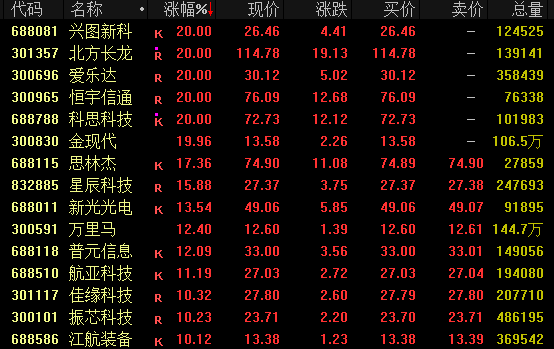
今日A股市场反弹,三大指数尾盘加速走高。市场成交额再度缩量,全天成交不足1.5万亿,两市上涨个 股超3800只。 盘面上,热点轮动较快,银行股集体走强,农业银行盘中续创新高;军工、商业航天板块携手大涨,长 城军工、北方长龙等多股涨停;芯片股走强,华虹公司股价创新高;机器人板块延续活跃,中马传动2连 板;此外,贵金属、固态电池、AI智能体等板块盘中均有所表现。下跌方面,医药股回调,光伏、钢铁 等反内卷概念走低,大消费、地产等方向跌幅居前。 要闻回顾 1、我国在艾滋病疫苗研发领域取得重要进展 近日,中国疾控中心艾防中心等团队完成我国首个复制型天坛痘苗载体艾滋病疫苗I期临床试验。该研 究创新性采用曾用于消灭天花的"天坛株"痘苗病毒为载体,试验验证了该方案的安全性且能激发有效免 疫反应。这标志着我国在艾滋病疫苗研发领域取得重要进展。 2、机械工业联合会:近期工信部即将印发机械、汽车、电力装备等行业稳增长工作方案 8月4日,中国机械工业联合会副会长、新闻发言人罗俊杰在2025年上半年机械工业经济运行形势信息发 布会上表示,近期工业和信息化部即将印发机械、汽车、电力装备等行业稳增长工作方案,着力提升优 质供给能力,优化行 ...

601929一字涨停,超216万手封单!
Zheng Quan Shi Bao· 2025-08-04 05:37
Industry Overview - The eVTOL (electric Vertical Take-Off and Landing) industry is experiencing significant growth, with the low-altitude logistics market in China expected to exceed 100 billion yuan in the next five years [4] - The successful sea transportation of goods using a 2-ton eVTOL named "Kai Rui Ou" marks a critical advancement in low-altitude logistics applications [4] Company Performance - eVTOL concept stocks have seen an average price increase of 17.69% this year, with Meili Technology leading with a 127.4% increase [5] - Notable companies such as Yongyue Technology, Shanhe Intelligent, Ruikeda, Zongheng Co., and Huayi Technology have all reported stock price increases exceeding 60% [5] - Beidouxingtong is expected to turn a profit with a projected net profit of approximately 1 to 1.5 million yuan, driven by demand in emerging sectors [6] - Ruikeda anticipates a significant profit increase, projecting a net profit of 151 to 171 million yuan, representing a year-on-year growth of 132.44% to 163.22% [6] Market Dynamics - The eVTOL industry is transitioning from technology validation to large-scale application, with small drones leading in commercial deployment [4] - Companies like Guanglian Aviation are establishing partnerships within the low-altitude economic industry chain to support drone development and production [5]


AH股震荡走高,沪指涨0.2%,军工、银行活跃,恒指涨0.3%,老铺黄金涨超3%,国债涨,商品跌
Hua Er Jie Jian Wen· 2025-08-04 02:09
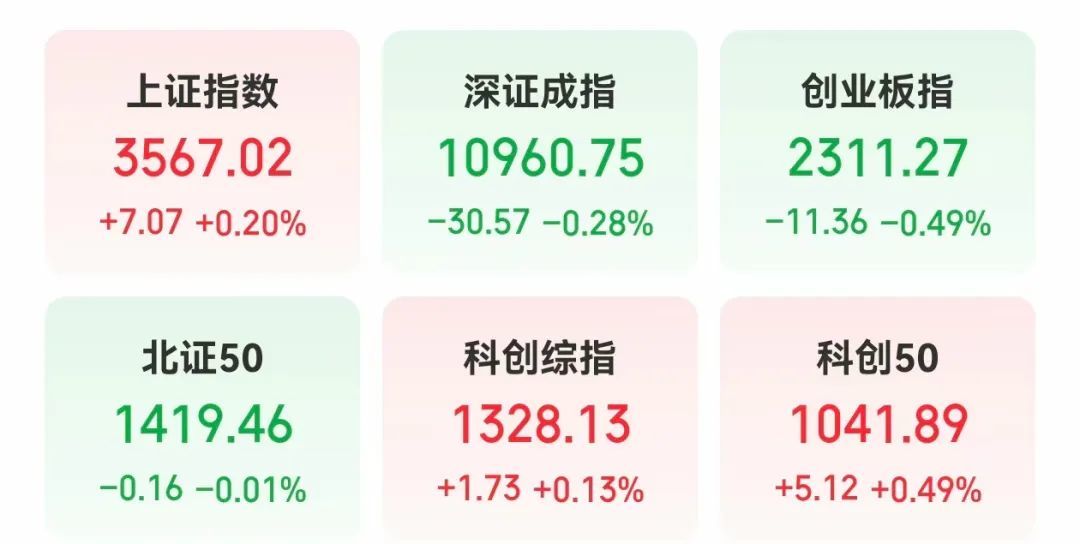
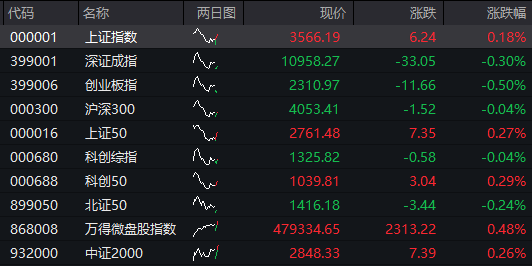
Market Overview - A-shares experienced fluctuations with the Shanghai Composite Index rising by 0.18% to 3566.19, while the Shenzhen Component and ChiNext Index fell by 0.30% and 0.50% respectively [1] - Hong Kong stocks showed a positive trend, with the Hang Seng Index increasing by 0.26% to 24572.38 and the Hang Seng Tech Index rising by 0.67% to 5433.44 [2][3] Bond Market - The bond market saw a general increase in government bond futures, with the 30-year main contract up by 0.42%, the 10-year contract up by 0.12%, and the 5-year contract up by 0.06% [3][4] Commodity Market - Domestic commodity futures declined, with coking coal dropping by 3.8% and previously falling over 6%. Other commodities like glass, shipping index, eggs, industrial silicon, and coke also saw declines exceeding 2% [5][21] - However, soybean meal and lithium carbonate increased by over 1% [5] Banking Sector - The banking sector showed strength, with Agricultural Bank of China rising over 2%, and other banks like Shanghai Pudong Development Bank and Industrial and Commercial Bank of China also experiencing gains [8][9] Precious Metals - The precious metals sector was active, with stocks like Chifeng Jilong Gold Mining rising over 6% and Shandong Gold Mining also showing significant gains [10][11] Military and Robotics Sector - Military stocks continued to rise, with companies like Aileda and Aerospace Electronics reaching their daily limit up. The robotics sector also maintained its momentum from the previous week, with companies like Zhongma Transmission and Weili Transmission seeing substantial increases [11][13][14]





美高官直言:如果和中国开战,别指望美军能用含有稀有金属的物资
Sou Hu Cai Jing· 2025-08-03 04:45
Core Viewpoint - The U.S. military's reliance on Chinese rare earth resources poses a significant risk to its defense capabilities, highlighting a critical vulnerability in the military-industrial complex [3][4]. Group 1: U.S. Military and Defense Industry - The CEO of Raytheon has warned that in the event of conflict with China, the U.S. military could face severe shortages of rare metals, which are essential for military operations [3]. - The U.S. has made strategic errors by outsourcing rare earth resource exploration and processing to China, leading to a dependency that threatens national security [3][4]. - Efforts to rebuild the rare earth supply chain in the U.S. are hampered by significant talent loss and a fragmented industry, making it difficult to find alternative sources or develop substitute materials [4][6]. Group 2: Global Implications and Industry Response - The Pentagon's "Critical Resource Emergency Replacement Program" faces immense challenges, with estimates suggesting that rebuilding the supply chain could take at least five to ten years [4]. - Raytheon is prioritizing the production of traditional weaponry that relies less on rare earth materials, while high-tech weapon systems are experiencing reductions or halts in production [6]. - The crisis serves as a warning for nations to reassess their industrial policies, emphasizing the importance of maintaining control over critical resources and supply chains for national security [8].

乌称袭击俄关键军工企业
news flash· 2025-08-02 07:33
Core Viewpoint - Ukraine has reportedly attacked a key Russian military industrial enterprise, targeting facilities crucial for military communications and encryption [1] Group 1: Military Industrial Impact - The attack occurred on August 2, targeting a radio factory and an electronic instrument factory in the city of Penza, Russia [1] - The electronic instrument factory is significant in the field of encryption, producing devices for the military and intelligence agencies, which are used in aerospace and core military applications [1] - The radio factory manufactures communication systems for the Russian military, including equipment for armored vehicles and air defense systems, with some products linked to encrypted digital communication channels and operational command systems [1]
美国“大而美”法案对大宗商品市场有哪些影响?
Qi Huo Ri Bao Wang· 2025-07-31 07:44
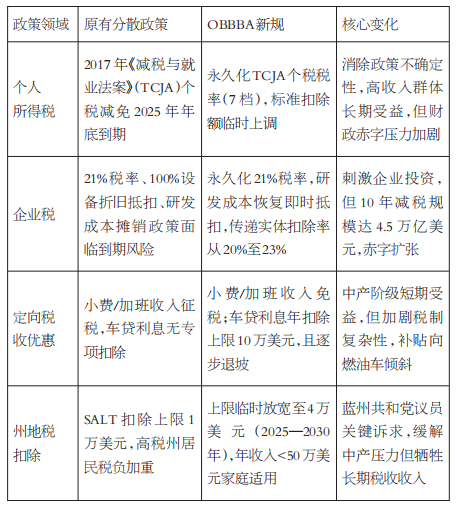
Tax Policy - The "One Big Beautiful Bill Act" (OBBBA) permanently lowers the corporate tax rate to 20% and extends R&D expense deductions and equipment depreciation benefits [2] - The standard deduction for personal income tax is increased to $1,500 for married couples filing jointly, and the tip tax and overtime tax exemptions are restored until 2028 [2] - The estate and gift tax exemption limits are raised, reducing the tax burden on high-income families [2] Social Welfare - Medicaid eligibility is tightened, requiring unemployed adults to complete 80 hours of work or community service monthly, expected to cut $1 trillion in spending over 10 years, affecting 11.8 million people [3] - The Supplemental Nutrition Assistance Program (SNAP) expands work requirements, leading to a reduction of approximately $186 billion in spending, impacting over 40 million low-income individuals [3] - Clean energy subsidies are eliminated, including the $7,500 tax credit for electric vehicles, and support for wind and solar projects is gradually terminated, shifting focus to fossil fuels [3] Defense and Border Security - The defense budget is increased by $150 billion, focusing on shipbuilding, missile defense systems, and nuclear deterrence [4] - Over $160 billion is allocated for border security, including funding for border wall construction and immigration enforcement [4] Debt Ceiling Adjustment - The federal debt ceiling is raised from $36.1 trillion to $41.1 trillion, allowing for deficit expansion over the next decade [5] Economic Impact - The OBBBA is projected to increase the federal deficit by approximately $3.4 trillion over the next 10 years, with the debt-to-GDP ratio rising from 117% to 130% [14] - Interest payments are expected to surge to $2.2 trillion by 2034, consuming 5.3% of GDP and squeezing funding for education and research [14] Industry and Market Impact - The elimination of electric vehicle subsidies poses a direct threat to companies like Tesla, potentially impacting sales and revenue, while traditional energy and defense sectors may benefit from the bill's provisions [19] - The bill's focus on fossil fuels and military spending is likely to support the traditional energy market while creating challenges for the renewable energy sector [19] Commodity Market Reactions - The increase in fiscal deficit and debt-to-GDP ratio is expected to drive up gold prices, with historical data indicating a 15% average annual increase when debt-to-GDP exceeds 120% [25] - The termination of electric vehicle tax credits may lead to increased gasoline consumption, providing short-term support for WTI oil prices [26] - The reduction of clean energy subsidies is anticipated to benefit traditional energy prices, which may indirectly support prices of vegetable oils through biodiesel [27] - Industrial metals are expected to see increased demand due to anticipated inflation and a weaker dollar, with copper prices nearing $10,000 per ton [28]