博物馆

Search documents
长沙子弹库战国帛书正式入藏湖南省博物馆
Chang Sha Wan Bao· 2025-10-14 02:18
Core Viewpoint - The return of the "Bullet Warehouse Warring States Silk Manuscripts," specifically the second and third volumes "Five Elements Order" and "Offensive and Defensive Divination," to the Hunan Provincial Museum marks a significant cultural event, highlighting the successful repatriation of valuable artifacts that had been lost overseas for 79 years [1][2]. Group 1: Artifact Details - The Bullet Warehouse Warring States Silk Manuscripts are recognized as the earliest known silk manuscripts in China, discovered in 1942 and subsequently lost overseas in 1946 [1]. - The manuscripts consist of three volumes that document astronomical calendars, cosmology, and military divination from the pre-Qin period, serving as essential resources for research in various fields such as astronomy, military science, and historical literature [1]. Group 2: Preservation and Research - After arriving at the Hunan Provincial Museum on September 10, 2023, the manuscripts underwent a 14-day environmental adaptation observation and were assessed for preservation in a controlled temperature and humidity environment [1]. - The museum has completed standardized imaging of all manuscripts and discovered over 40 previously invisible ink characters on a partially unpeeled manuscript [1]. - The Hunan Provincial Museum is positioned as a key institution for the protection and research of Huxiang culture, taking on the responsibility of safeguarding and deepening the study of this national treasure [2].
博物馆如何加速成长(感知文化里的中国)
Ren Min Ri Bao· 2025-10-13 22:17
Core Insights - The "museum fever" in China has been rising, with various museums innovating their exhibitions and extending opening hours to meet public demand [1][2] - The development of museums in China has evolved into a significant cultural phenomenon, with museums serving as "second classrooms" and integrating into daily life [1][2] Group 1: Museum Innovations - Jiangsu Nantong Museum has implemented a "museum-garden integration" concept, enhancing educational experiences through activities like "little docents" training [2][3] - The museum houses approximately 50,000 cultural relics and aims to attract over 1.25 million visitors in 2024, showcasing its commitment to social education and innovative activities [3] Group 2: Cultural IP Development - The Dunhuang Museum has transformed its cultural relics into a cultural IP, offering various merchandise and immersive experiences to engage younger audiences [4][5][6] - The museum has expanded its product lines to include clothing and accessories, enhancing the popularity of Dunhuang culture [6] Group 3: Museum City Expansion - Taiyuan, known as a "museum city," has 106 museums, with a visitor count of over 10.24 million in 2023, reflecting an 8.85% increase year-on-year [7][8] - The city has implemented a plan to encourage the development of community museums, enhancing public engagement with local history and culture [10][11]
100岁,故宫博物院风华正茂 迎来最好发展时期
Ren Min Ri Bao· 2025-10-13 09:04
Core Viewpoint - The Palace Museum is celebrating its 100th anniversary in 2025, reflecting on its journey of protecting and promoting Chinese traditional culture while adapting to modern challenges and opportunities [1][4]. Group 1: Historical Development - The Palace Museum was established in 1925, transforming from a royal palace into a public museum, making its collections accessible to the public [1]. - During the Japanese invasion in 1933, the museum relocated over 19,000 boxes of artifacts to protect them, demonstrating its commitment to cultural preservation [1]. - After the founding of the People's Republic of China, the museum restructured to enhance its service functions and research capabilities, leading to the return of artifacts from the south starting in January 1950 [1]. Group 2: Modern Development Strategy - Since the 18th National Congress of the Communist Party, the Palace Museum has entered a new development phase, proposing the "Four Palaces" construction system: Safe Palace, Academic Palace, Digital Palace, and Vital Palace [2]. - The museum aims to become a world-class museum and a model for cultural heritage protection, integrating cultural and tourism sectors [2]. - Efforts include systematic protection of cultural heritage, development of academic resources, and exploration of digital technologies for artifact preservation and sharing [2]. Group 3: Future Directions - The museum is focusing on completing the "Palace Protection Overall Plan (2026-2040)" and establishing a quality management system for cultural institutions [3]. - There is an emphasis on interdisciplinary research involving the museum's collections and historical architecture, encouraging collaboration with various sectors [3]. - The museum aims to enhance its digital capabilities and provide innovative exhibitions and services to enrich cultural experiences for the public [3]. Group 4: Cultural Significance - The transformation of the Palace Museum from a royal garden to a public institution symbolizes China's modernization and the pursuit of national rejuvenation [4]. - The museum is guided by Xi Jinping's thoughts on socialism with Chinese characteristics, aiming to elevate its cultural heritage protection and research efforts [4].
把中华文明瑰宝呵护好、弘扬好、发展好
Ren Min Ri Bao· 2025-10-12 22:10
Core Viewpoint - The Palace Museum, celebrating its 100th anniversary in 2025, is a significant cultural symbol of China, representing the preservation and promotion of Chinese civilization and heritage [42][43][47]. Group 1: Historical Significance - The Palace Museum was established on October 10, 1925, and has since become a cultural landmark for the Chinese people and a treasure of human civilization [46][47]. - Over its 100 years, the museum has witnessed and adapted to significant changes in Chinese society, reflecting the intertwined fate of the nation and its cultural heritage [53][54]. - The museum houses over 1.95 million artifacts, showcasing the richness of Chinese material culture and spiritual pursuits [49]. Group 2: Cultural Exchange and Modernization - The museum serves as a bridge for cultural exchange, hosting exhibitions that highlight interactions between Chinese and Western civilizations [50]. - Recent initiatives include the "Digital Palace Museum," which aims to enhance public engagement through technology and creative cultural products [55]. - The museum's expansion includes new facilities and exhibitions, such as the "Hundred Years of Guardianship" exhibition, which features 200 artifacts and attracts global visitors [51][52]. Group 3: Future Aspirations - The Palace Museum aims to continue promoting cultural prosperity and building a strong cultural nation, aligning with the broader goals of Chinese modernization [58][59]. - The next decade is expected to see further developments in cultural heritage preservation and public engagement, enhancing the museum's role in contemporary society [57][58].

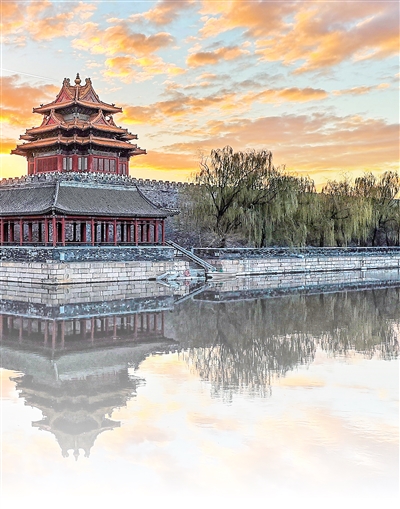
续写文化传承与实践创新的篇章
Ren Min Ri Bao· 2025-10-12 22:10
Core Perspective - The Palace Museum is celebrating its 100th anniversary, reflecting on its journey of protecting, researching, and promoting Chinese traditional culture while adapting to modern challenges and opportunities [1][4]. Group 1: Historical Development - The Palace Museum was established in 1925, transitioning from a royal palace to a public museum, emphasizing the importance of public access to cultural heritage [1]. - During the Japanese invasion in 1933, the museum relocated over 19,000 boxes of artifacts to safeguard them, marking a significant moment in its history [1]. - After the founding of the People's Republic of China, the museum restructured to enhance its service functions and research capabilities, leading to the return of artifacts from the south starting in January 1950 [1]. Group 2: Modern Development Strategy - Since the 18th National Congress of the Communist Party, the Palace Museum has entered a new development phase, proposing the "Four Palaces" construction system: Safe Palace, Academic Palace, Digital Palace, and Vibrant Palace [2]. - The museum aims to become a world-class institution and a model for cultural heritage protection, integrating resources from various fields such as archaeology and architecture [2]. - Efforts are being made to enhance digitalization and innovative cultural heritage protection, including the development of digital resources and platforms [2]. Group 3: Future Directions - The museum is focusing on completing the "Palace Protection Overall Plan (2026-2040)" and establishing a quality management system for cultural institutions [3]. - There is an emphasis on interdisciplinary research involving the museum's collections and historical architecture, encouraging collaboration with various sectors [3]. - The museum aims to leverage digital technology to enhance both its physical and digital offerings, ensuring a rich cultural experience for the public [3].
百年传承 万千气象
Ren Min Ri Bao· 2025-10-11 21:53
Group 1: Historical Significance of Artifacts - The article highlights the historical importance of various artifacts in the Palace Museum, including the Qing Dynasty cloisonné enamel piece, which is among the first items to receive an identification number [2] - The museum's collection has been meticulously cataloged over the years, with the most recent comprehensive inventory completed in 2011, revealing a total of 1,807,558 items, including 1,684,490 precious artifacts [2] - The narrative of the artifacts' journey during the war, particularly the southward migration of cultural relics, reflects a significant period in Chinese history and the efforts to preserve cultural heritage [6] Group 2: Restoration and Preservation Efforts - The restoration of the "Dashing Sound" guqin is presented as a notable success story, showcasing the dedication to preserving ancient musical instruments and their cultural significance [10] - The article discusses the collaborative efforts in the restoration of artifacts, emphasizing the integration of traditional techniques with modern technology to ensure the longevity of the items [19][20] - The museum's commitment to not only restoring artifacts but also reviving traditional craftsmanship is highlighted, aiming to bring ancient art forms back into contemporary life [20] Group 3: Cultural Heritage and Public Engagement - The Palace Museum has evolved from a royal palace to a public museum, significantly increasing its accessibility to the general public since its establishment in 1925 [14] - The museum plays a crucial role in educating the public about Chinese history and culture, with ongoing efforts to enhance visitor experience and engagement through various initiatives [14][22] - The digitalization projects, such as the "Panoramic Palace" initiative, aim to provide virtual access to the museum's treasures, allowing a broader audience to appreciate its cultural heritage [22]

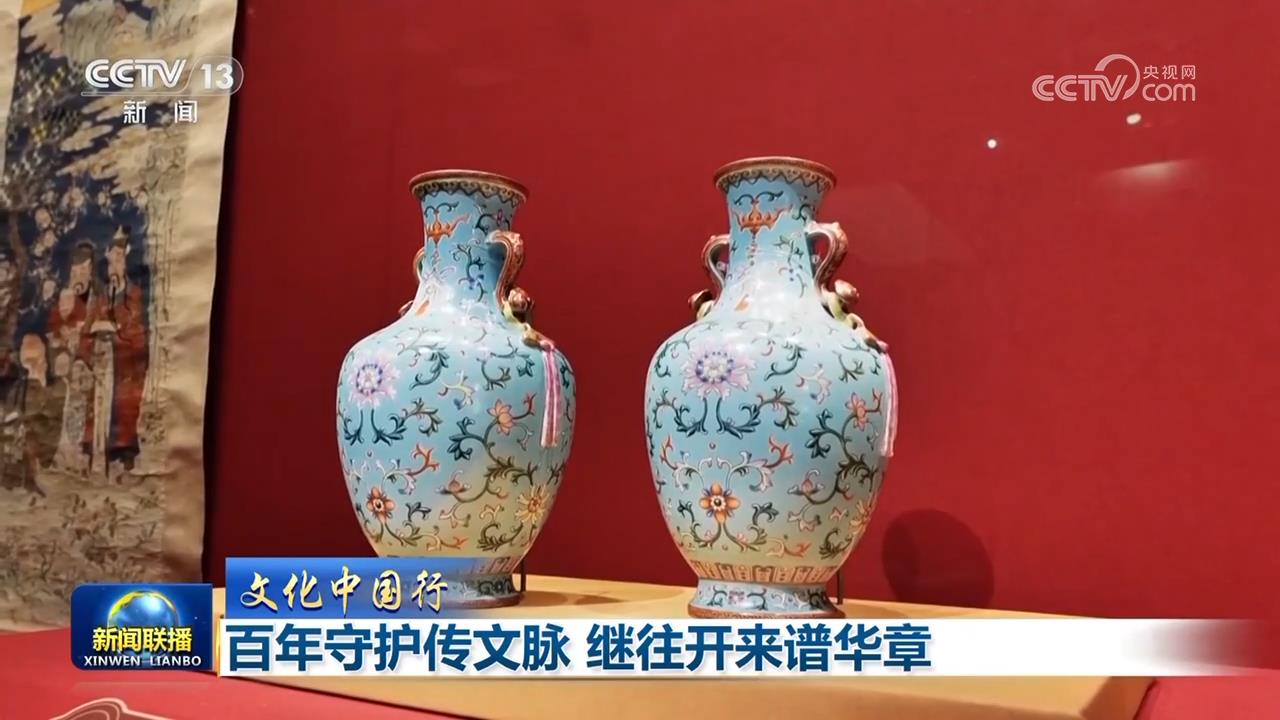
【文化中国行】百年守护传文脉 继往开来谱华章
Yang Shi Wang· 2025-10-11 12:22
Core Viewpoint - The Palace Museum is celebrating its centenary with a major exhibition titled "Centenary Guardianship - From the Forbidden City to the Palace Museum," showcasing its development through a narrative of artifacts and history [1]. Group 1: Exhibition Overview - The exhibition features 200 national treasures selected from over 1.95 million artifacts, including paintings, bronzes, jade, ceramics, and ancient court musical instruments, spanning from the Neolithic era to the Qing Dynasty [3]. - The narrative structure of the exhibition is divided into three main chapters: "A Continuous Cultural Heritage," "A Century of Transmission," and "A Myriad of Phenomena," creating a vivid and comprehensive history of the Palace Museum [3]. Group 2: Featured Artifacts - A highlight of the exhibition is the Northern Song Dynasty painting "Along the River During the Qingming Festival" by Zhang Zeduan, which has a storied history of loss and recovery, now preserved as a cultural treasure for the public [5]. - Another significant piece is the Tang Dynasty painting "Five Cows" by Han Huang, recognized as the oldest existing paper-based Chinese painting, which was acquired by the state in 1958 from Hong Kong [5]. Group 3: Cultural Significance - The exhibition emphasizes the importance of cultural heritage, showcasing over 280,000 artifacts acquired through state purchases and donations since the founding of New China, reflecting the nation's commitment to cultural preservation [7]. - A special display features artifacts from different eras, symbolizing the spirit of progress and the aspirations for national stability and public well-being [9]. Group 4: Institutional Development - The exhibition illustrates the challenges of cultural preservation and the significance of transmission, highlighting the Palace Museum's evolution into a more open and confident institution dedicated to showcasing and preserving Chinese traditional culture [11].
守护一脉文渊 续写百年辉煌
Xin Hua She· 2025-10-11 08:46
Core Insights - The Palace Museum, celebrating its 100th anniversary, represents a significant milestone in China's cultural heritage sector, housing 1.95 million cultural relics and witnessing the nation's historical transformations over centuries [1] - The museum has evolved into a modern institution, attracting millions of visitors annually and offering a wide range of cultural products, while also emphasizing the importance of cultural heritage preservation and innovation [1][2] Group 1 - The Palace Museum is a historical and cultural symbol, with its architecture dating back over 600 years and serving as a witness to major events in Chinese history [1] - The museum has the world's largest "cultural relic hospital," showcasing its commitment to the preservation and restoration of artifacts [1] - The museum's role in the cultural renaissance of the Chinese nation is highlighted, emphasizing the need to inherit and protect cultural heritage [1][2] Group 2 - The museum promotes the idea of cultural confidence and the importance of integrating cultural heritage into modern life, ensuring the safety of relics while enhancing exhibition capabilities [2] - The narrative of the museum includes stories of resilience and dedication from its guardians, reflecting a deep national sentiment towards cultural preservation [2] - The Palace Museum aims to be a model for global cultural heritage protection, contributing wisdom and strength to the construction of a culturally strong nation [3]
国庆假期辽宁累计接待游客同比增长17.54 实现旅游综合收入同比增长18.20
Ren Min Wang· 2025-10-11 01:22
全省紧扣"踏秋赏枫 醉游辽宁"主题,系统部署系列特色文旅活动,聚焦文化体验、视听盛宴、秋 色畅游三大主题板块,通过提供特色鲜明、内涵丰富的文体旅产品与服务矩阵,全方位满足游客多元 化、品质化、个性化出行需求,在全省范围内成功营造欢乐祥和、热烈浓厚的节日氛围,有效激发文旅 消费市场活力。 今年国庆与中秋双节叠加,形成连续八天的超长假期。据综合统计,十一假期截至10月8日15时, 辽宁省累计接待游客按可比口径同比增长17.54%;实现旅游综合收入按可比口径同比增长18.20%。10 月5日至7日,全省共有23家博物馆积极响应公众文化需求,推行延时开放服务,有效释放文化场馆公共 价值,取得良好社会成效。全省9家一级博物馆累计接待观众同比增长34.62%。 ...
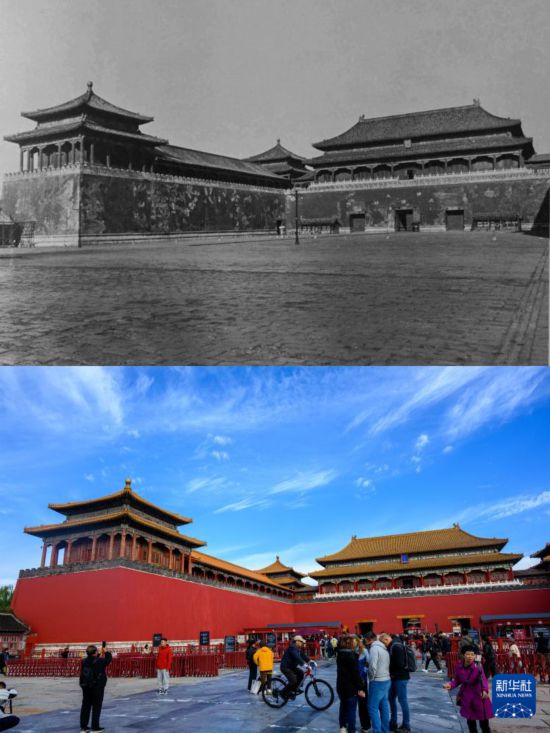
百年光影 对话故宫今昔
Xin Hua Wang· 2025-10-11 01:21
Core Viewpoint - The Palace Museum, celebrating its centenary on October 10, 2025, is recognized as the largest and best-preserved wooden palace complex in the world, representing a significant cultural heritage [2]. Group 1 - The Palace Museum has undergone a transformative journey over the past century, evolving from its initial establishment to a period of growth and innovation [2]. - The museum's history reflects a narrative of resilience and progress, showcasing the enduring power of cultural heritage [2]. - The centenary celebration highlights the museum's role in preserving and transmitting civilization through time [2].