
会员制超市

Search documents
盒马告别会员店
经济观察报· 2025-08-04 12:27
Core Viewpoint - Hema has completely shut down all its membership stores, marking a significant strategic shift away from its previously envisioned "second growth curve" that aimed to compete with Costco [2][5][8]. Group 1: Membership Store Closure - Hema X membership stores in Beijing, Suzhou, and Nanjing ceased operations on July 31, 2023, with the last remaining store in Shanghai also set to close by August 31, 2023 [2][4]. - The closure of all membership stores indicates Hema's decision to abandon this business model amid increasing competition and a slowdown in the domestic membership store market [2][6]. Group 2: Background and Development - Hema X membership stores were launched over four years ago, with the first store opening in Shanghai in October 2020, initially seen as a promising venture to rival Costco [5][6]. - The membership model included two tiers: Gold members at 258 yuan/year and Diamond members at 658 yuan/year, targeting middle-class families and high-end consumers [5][6]. Group 3: Strategic Shift - Hema's parent company Alibaba is reducing its retail footprint, selling off assets like Gaoxin Retail and Intime Department Store, which has influenced Hema's strategic focus [2][8]. - The new CEO, Yan Xiaolei, aims to achieve profitability and has shifted focus towards Hema Fresh and Hema Neighbor Business, moving away from the membership store model [8][10]. Group 4: Market Competition - The membership store sector has seen rapid growth, with competitors like Costco and Sam's Club expanding aggressively in China, while Hema struggled to differentiate its offerings [6][9]. - Hema's membership stores faced challenges in product differentiation and pricing, leading to consumer dissatisfaction regarding the value proposition of membership fees compared to regular retail prices [11][12]. Group 5: Future Plans - Hema plans to concentrate on its core businesses, Hema Fresh and Hema Neighbor Business, which are seen as more aligned with consumer shopping habits and preferences [9][13]. - Despite the closure of membership stores, Hema continues to offer membership benefits through partnerships and online platforms, indicating a potential pivot rather than a complete abandonment of the membership concept [14].

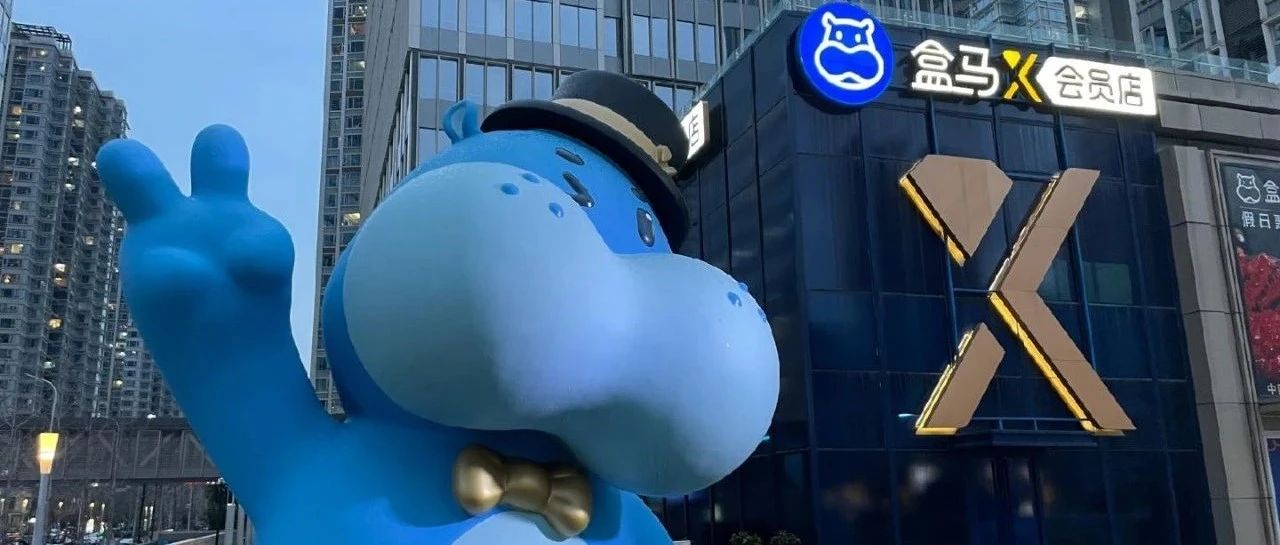
盒马告别会员店
Jing Ji Guan Cha Wang· 2025-08-04 11:33
Core Viewpoint - Hema has completely abandoned its membership store model, which was initially seen as a "second growth curve" to compete with Costco, following the closure of all its membership stores across China [1][2][5]. Group 1: Business Strategy and Adjustments - Hema's parent company Alibaba is shrinking its retail footprint, selling off subsidiaries like Gao Xin Retail and Intime [1]. - The competitive landscape for membership stores in China has intensified, leading to a slowdown in overall expansion [1][4]. - Hema is reallocating resources to focus on its core businesses, Hema Fresh and Hema Neighbor Business (NB) [1][7]. Group 2: Membership Store Development and Closure - Hema X membership stores were launched over four years ago, with the first store opening in Shanghai in October 2020 [2][3]. - By October 2023, Hema had opened a total of 10 membership stores across major cities, including Shanghai, Beijing, Nanjing, and Suzhou [3]. - The closure of Hema X membership stores aligns with a management transition, as new CEO Yan Xiaolei aims for stable development and profitability [6][7]. Group 3: Market Competition and Consumer Response - The membership store sector in China saw rapid growth with the entry of Costco and Sam's Club, prompting local retailers to follow suit [4]. - Hema's membership store model faced challenges in differentiating its product offerings and maintaining competitive pricing, leading to consumer dissatisfaction [8][9]. - Despite the closure of physical membership stores, Hema continues to offer membership benefits through online platforms and promotional activities [10].
山姆开始“沃尔玛化”
首席商业评论· 2025-07-31 04:49
Core Viewpoint - Sam's Club China is facing backlash from its members due to the introduction of mass-market brands, which members feel dilutes the value of their membership and undermines the quality promise that distinguishes Sam's from regular supermarkets [6][17][29]. Group 1: Membership and Brand Strategy - Sam's Club China has over 5 million members, generating annual membership fees exceeding 1.3 billion yuan, and aims to maintain its appeal to the middle class by offering high-quality, unique products [9][38]. - The introduction of brands like Holley Friend has led to significant member dissatisfaction, with many feeling that the quality of products has declined and that they are now paying a premium for items available in regular supermarkets [12][18]. - Members have expressed their frustration through social media and have taken actions such as canceling memberships, indicating a strong reaction to perceived changes in product selection and quality [15][39]. Group 2: Product Quality Concerns - Reports indicate that the quality of products has deteriorated, with examples such as organic soybeans being downgraded from first to third grade quality, and changes in ingredient transparency leading to further distrust among members [32][34]. - There have been numerous complaints regarding food safety issues, including contamination in products, which have contributed to a decline in consumer trust [36][38]. - The rapid expansion of Sam's Club China has strained its supply chain management and quality control processes, making it difficult to maintain high standards [35][36]. Group 3: Market Position and Competition - The competitive landscape is changing, with Costco planning to open additional stores in China and local players like Hema and RT-Mart gaining traction, prompting Sam's Club to adjust its strategy to attract a broader customer base [23][29]. - The shift towards including more mass-market brands is seen as a response to changing consumer behavior, where members are increasingly engaging in "smart consumption" by purchasing both premium and budget items [23][27]. - Sam's Club's strategy reflects a broader industry trend of balancing elite offerings with more accessible products, but this has led to internal conflict regarding brand identity and member expectations [29][30].
会员费白交了?山姆“普货”上架,中产遭“背刺”
Xi Niu Cai Jing· 2025-07-29 13:15
Core Viewpoint - Sam's Club is facing a public relations crisis due to product selection issues, with topics related to "downgraded product selection" and "removal of popular items" trending on social media, accumulating over 140 million views [2][3] Group 1: Product Selection Controversy - The controversy began when consumers reported that Sam's Club removed high-repurchase-rate products like sun cakes and rice puddings, replacing them with common supermarket brands such as low-sugar snacks, leading to customer dissatisfaction [3] - The most criticized change involved domestic brands being rebranded with English names to create a false "high-end imported" image, which angered many members who felt betrayed [3] - A specific product, "Low Sugar Haoliyou Pie," received over 300 negative reviews for not meeting its advertised sugar reduction claims, raising concerns about its ingredients and contradicting Sam's Club's "strict quality" promise [3][5] Group 2: Quality Control Issues - Sam's Club's quality control has come under scrutiny, with multiple complaints about products like organic milk showing signs of spoilage, leading to urgent product recalls [6] - In 2024, Sam's Club was reported to have faced five incidents related to food safety within ten days, including issues with meat products and labeling discrepancies, resulting in administrative penalties for selling substandard goods [7][8] Group 3: Membership and Customer Experience - Complaints about Sam's Club have exceeded 11,579, with over 1,000 related to poor after-sales service, highlighting a growing dissatisfaction among members regarding customer support [10] - Members have expressed frustration over the perceived lack of value in their membership, with some considering switching to competitors like Costco due to unfulfilled promises of benefits [10] Group 4: Strategic Changes and Market Competition - Sam's Club has recently undergone organizational changes and is accelerating its expansion strategy, with plans to open 8 to 10 new stores in 2025, despite the challenges of maintaining product quality and selection [11][12] - The competitive landscape is intensifying, with rivals like Costco and Hema aggressively targeting Sam's Club's customer base through differentiated product offerings and pricing strategies [13] Conclusion - The impressive membership numbers, exceeding 5 million, mask an imbalance between rapid expansion and quality assurance, indicating that Sam's Club must refocus on its core promise of quality to retain customer trust [14]

“好丽友”们“挤”掉200款独家爆款? 山姆现会员信任危机
Bei Jing Shang Bao· 2025-07-21 10:56
Core Viewpoint - Sam's Club is facing member dissatisfaction due to a decline in exclusive product offerings and the introduction of common brands, raising questions about the value of its membership fees [1][3][5] Group 1: Product Offering Changes - Sam's Club has removed over 200 exclusive products in recent years, with its private label product share dropping from 38% to 30% [1][3] - The introduction of popular brands like Haoliyou and Weilong has led to member complaints, as they feel they are paying high membership fees for products available in regular supermarkets [3][5] - Despite the decline in exclusive products, some private label items still rank high in sales, indicating ongoing consumer interest [3] Group 2: Member Expectations and Market Position - Members express dissatisfaction with the shift from "exclusive selection" to "ordinary supply," which undermines the perceived value of membership [5][6] - The current strategy of introducing common brands contradicts market trends, as consumer preferences have shifted towards product differentiation and exclusivity [6][9] - The competitive landscape is intensifying, with rivals like 1号会员店 and Hema actively introducing similar products, further challenging Sam's Club's market position [1][9] Group 3: Trust and Brand Loyalty - The changes in product selection have led to a trust crisis among members, who feel that the value proposition of the membership is diminishing [9] - Transparency in pricing and product sourcing, as demonstrated by competitors like Pang Donglai, is becoming increasingly important to consumers [9] - Experts suggest that the core of membership retail is not just selling products but building trust, emphasizing the need for Sam's Club to return to its roots of quality and exclusivity [9]
山姆更换选品风波:会员制超市的符号危机
Jing Ji Guan Cha Wang· 2025-07-18 13:29
Core Insights - Sam's Club has recently replaced high-repurchase items like sun cakes and low-sugar egg yolk pastries with more common snacks, leading to member dissatisfaction and questioning of the store's unique value proposition [1][2] - The shift in product selection disrupts the established "high quality, high cost-performance" image that Sam's Club has built, blurring its differentiation from other retail channels [1][2] - The reliance on self-owned brands, which accounted for 40% of sales, is crucial for maintaining member trust and loyalty, as members pay annual fees not just for discounts but for a unique lifestyle experience [1][3] Membership Dynamics - The dilution of the "identity marker" for members occurs as Sam's Club introduces more mainstream brands, leading to a perceived decrease in product value and a collapse of self-identification among members [2] - Members' fees represent a premium for the brand's unique value and exclusive rights, and any failure to deliver on core promises can lead to questioning the value of membership [2][3] - The challenge for Sam's Club lies in balancing expansion with brand loyalty, as attempts to attract a broader customer base through mainstream products may sacrifice existing member loyalty [2][3] Market Positioning - The conflict between maintaining high-value perception and the need for product scarcity and quality stability presents a paradox for membership-based economies [3] - Sam's Club's recent turmoil reflects a broader conflict between consumerism narratives and commercial realities, emphasizing the importance of maintaining a "circle culture" through selective product offerings [3] - The company must reassess its product selection strategy to either uphold the symbolic value of membership or shift towards broader market coverage, as a decline in self-owned brand representation could undermine quality assurance [3]
山姆的危机
投资界· 2025-07-18 07:19
Core Viewpoint - The incident involving the temporary listing and quick removal of Haoliyou snacks at Sam's Club highlights a deeper issue regarding the trust and expectations of the middle-class consumer in China, revealing a potential strategic crisis for the brand [3][4][5]. Group 1: Understanding the Incident - The backlash against Haoliyou snacks signifies a breach of trust among Sam's Club members, who associate the brand with a refined and quality-driven shopping experience [3][4]. - The core issue is not the product itself but the social narrative it represents, reflecting how the middle class defines its aesthetic standards and values [4][5]. Group 2: Forces at Play - Businesses today are influenced by two opposing forces: the "efficiency vortex," which prioritizes scale and cost, and the "trust bedrock," which relies on uniqueness and long-term relationships [7][8]. - Sam's Club has traditionally operated within the trust bedrock but is now attempting to expand into the efficiency vortex, creating tension [9]. Group 3: Trust and Membership Model - Sam's Club's business model is built on a membership system that fosters long-term trust through a commitment to quality and service [11][12]. - This trust is crucial for the middle-class consumer's purchasing decisions, as it allows Sam's Club to focus on cost reduction and supply chain optimization rather than short-term profit maximization [13][15]. Group 4: The Impact of Social Media - Social media has transformed customer-brand relationships, amplifying any perceived breaches of trust and turning individual experiences into collective narratives [18][19]. - The "Haoliyou incident" serves as a catalyst for questioning the trust relationship between Sam's Club and its consumers, highlighting the fragility of middle-class narratives [19][20]. Group 5: Expansion Challenges - As Sam's Club seeks to expand, it faces the challenge of maintaining its established standards while increasing store numbers and purchasing volumes [22][23]. - The need for growth may lead to compromises that could erode the trust built with its consumer base, as any deviation from established standards can create cracks in the brand's credibility [23][24]. Group 6: Competitive Landscape - Sam's Club's competitors, such as Hema and traditional supermarkets, are not only vying for market share but are also adopting different operational strategies that emphasize efficiency over curated experiences [25][26]. - The rise of instant shopping platforms poses a potential threat to Sam's Club's business model, as consumers may prioritize immediate availability over the curated shopping experience [27].

山姆会员店选品降级风波持续发酵,口碑商品下架新品牌入局引爆会员信任危机
Sou Hu Cai Jing· 2025-07-17 18:56
Group 1 - The core controversy revolves around the perceived "downgrade" in product selection and the diminishing value of membership at Sam's Club, leading to consumer dissatisfaction [1][2] - Members are questioning the uniqueness of the offerings as Sam's Club shifts from exclusive products to more common brands, undermining the value proposition of the membership fee [1][2] - The introduction of lower-quality products and the removal of high-repurchase items have raised concerns about product quality and brand integrity [1][4] Group 2 - The adjustment in product selection is attributed to a shift in business strategy and management changes, with a focus on short-term profits over long-term brand loyalty [5][6] - There is pressure on suppliers to reduce costs, which has led to concerns about product quality and safety standards [4][5] - The management team change in January 2025 is seen as a pivotal moment, with new leadership prioritizing high-margin, mass-market products over previously popular items [5][7] Group 3 - The trust crisis in the membership model is evident as Sam's Club deviates from its "strict selection" promise, leading to a dilution of its brand identity [8][9] - Competitors like Hema and Costco are capturing market share by focusing on fresh and exclusive products, while Sam's Club is perceived to be losing its unique positioning [9] - There is a noticeable increase in customer inquiries about membership cancellations, indicating a potential trend of members reconsidering their loyalty [9][10] Group 4 - The fundamental issue lies in the erosion of the "paid trust" system, where membership fees no longer guarantee product scarcity and quality assurance, threatening the company's competitive edge [11]
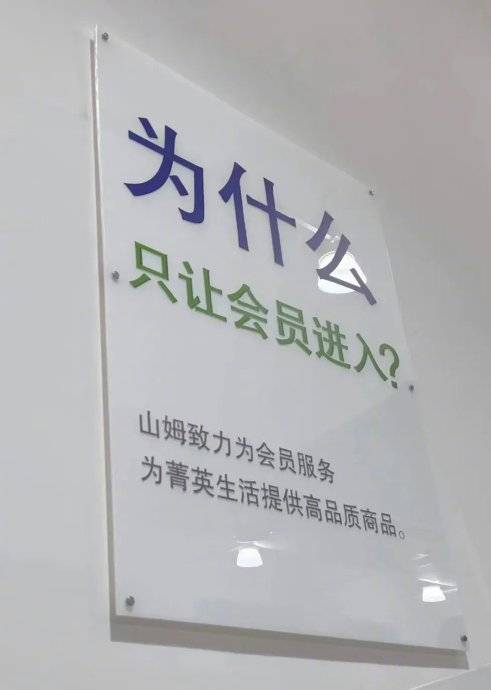
山姆卖好丽友,会员的天塌了
3 6 Ke· 2025-07-16 08:36
Core Viewpoint - The recent introduction of low-quality products, such as the low-sugar Haoliyou cake, at Sam's Club has led to significant dissatisfaction among its members, who expect high-quality, unique offerings in exchange for their membership fees [1][3][4]. Group 1: Member Expectations and Reactions - Sam's Club members feel betrayed by the introduction of common products like Haoliyou, which they can easily find in regular supermarkets, undermining the perceived value of their membership [1][3]. - Many members have expressed their frustration online, with some even writing to the headquarters to complain about the declining quality of product selections [1][3]. - The expectation among members is for "scarcity privileges," meaning they desire products that are not available in regular stores, which is not being met with the current offerings [3][4]. Group 2: Strategic Shifts and Market Positioning - The decision to introduce more mainstream products is seen as a shift in Sam's Club's strategy, possibly influenced by changes in management and a focus on cost-cutting to increase profitability [4][5][8]. - Analysts suggest that this shift may be an attempt to capture the lower-tier market, where consumers prefer more affordable and familiar products, such as snacks and sweets [4][5]. - The management changes, including the appointment of new executives, indicate a potential shift in the company's operational focus and strategy [7][8]. Group 3: Future Challenges and Considerations - Sam's Club faces critical questions regarding its market strategy: whether to focus on expanding its core middle-class customer base or to cater to the lower-tier market [8][10]. - There is a pressing need for Sam's Club to restore its "Sam's Standard" of quality to regain member trust and loyalty [8][10]. - Suggestions have been made for Sam's Club to explore additional services, such as healthcare and travel, to enhance member value beyond just product offerings [9][10].
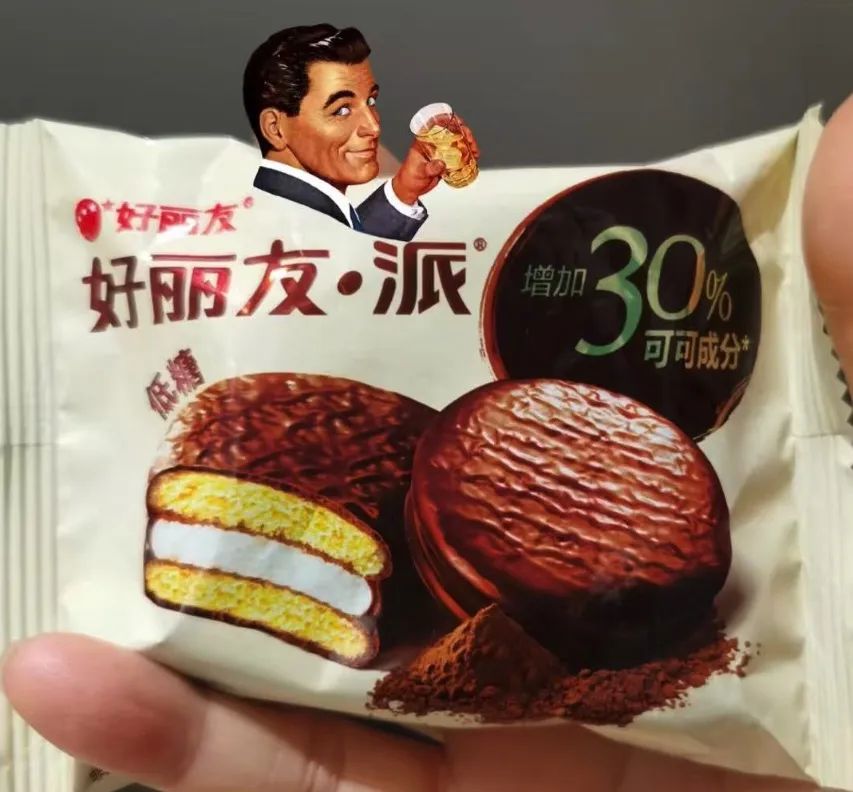
山姆下架多款口碑商品上新好丽友,选品策略突变动摇会员信任根基
Sou Hu Cai Jing· 2025-07-16 02:22
Core Viewpoint - Sam's Club is facing a significant backlash from consumers due to a major shift in its product selection strategy, which has undermined the trust in its membership value system [1][3][11] Group 1: Membership Value Crisis - The removal of popular products such as sun cakes and low-sugar egg yolk pastries has led to a trust crisis among members, as these items were key drivers of consumer loyalty [1] - New products introduced, like low-sugar snacks from mainstream brands, have been criticized for lacking differentiation and quality compared to previous offerings [2] - Members are questioning the justification of the annual membership fee of 260 yuan (or 680 yuan for premium cards), feeling that they are no longer receiving unique or high-quality products [3][4] Group 2: Strategic Shift and Trust Erosion - A change in management has led to a focus on short-term profits, with a shift towards lower-cost products at the expense of previously popular, high-quality items [5][6] - The rapid expansion of Sam's Club in China, with 48 stores and over 5 million members, has resulted in quality control issues, including over 10,000 complaints about product quality in 2024 alone [7] - The core competitive advantage of Sam's Club, which relied on exclusive supply chains and health labels, is diminishing as the introduction of controversial brands raises concerns [8] Group 3: Consumer Reactions and Company Response - Many members are expressing their dissatisfaction on social media, with some opting to switch to competitors like Costco or Hema, and group cancellations of memberships are occurring in cities like Hangzhou and Chongqing [10] - The company's official response has been vague, attributing product removals to packaging issues without addressing the underlying selection logic, and denying reports of membership cancellations [10] Group 4: Industry Implications - The struggle of Sam's Club highlights the critical balance between targeting different consumer segments, as the attempt to cater to both middle-class elites and price-sensitive customers has led to a loss of core clientele [11] - Competitors like Costco maintain their reputation through unique offerings and customer engagement, while Hema captures market share with competitive pricing on fresh produce [12] - The crisis at Sam's Club underscores the need to rebuild a value proposition centered on exclusive products, quality, and stable supply to restore member trust and justify membership fees [13]