数字创意

Search documents
深圳罗湖签约 38 个项目吸金 593 亿
2 1 Shi Ji Jing Ji Bao Dao· 2025-12-06 09:16
Core Insights - The 2025 Shenzhen Global Investment Conference resulted in over 340 projects with a total investment exceeding 770 billion yuan [1] - The Luohu District contributed 38 high-quality projects with an intended investment of 59.3 billion yuan, showcasing a strong interest from top-tier companies [1] Project Characteristics - High-quality projects: Nearly 50% of the projects are from Fortune 500, China 500, and listed companies, including 5 Fortune 500 companies and 3 unicorns [1] - Innovative projects: Over 50% of the projects focus on strategic emerging industries and future industries, with significant clustering effects in artificial intelligence, low-altitude economy, and life health sectors [1] - Intelligent projects: More than half of the projects involve specialized and innovative small giants and national high-tech enterprises, totaling 21 [1] Key Projects Signed - The signing of the low-altitude technology operation center by Zhongke Xingtu aims to create replicable low-altitude application demonstration zones in collaboration with Luohu [2] - Shandong Future Interconnection Technology Co., Ltd. plans to invest in a deterministic network and future network experimental facilities in Luohu [2] - Leading digital creative company Xinmei Xingkong is establishing a southern headquarters to develop a live-streaming e-commerce base and AI advertising services [2] Systematic Investment Ecosystem - Luohu has developed a systematic investment ecosystem focusing on five dimensions: policy, space, capital, talent, and scenarios [3] - 26 special policies have been introduced to support key areas such as artificial intelligence and life health, with targeted measures for the life health industry [3] - The district is enhancing its industrial space support to accommodate various business growth needs, with ongoing projects to provide new types of industrial spaces [3] Capital and Talent Initiatives - Luohu has established seven new funds this year, leveraging 5.9 billion yuan in social capital, and set up a 1 billion yuan disruptive technology innovation fund [4] - The district offers a comprehensive talent service package, including housing, education, and healthcare, to attract skilled professionals [4] - 121 scenario projects have been implemented, with 47 projects utilizing a model that combines government resources with enterprise technology for real-world testing [5] Project Outcomes - In 2025, Luohu is expected to complete 1,037 projects, with 256 key projects anticipated to generate over 50 billion yuan in revenue [5] - The number of key strategic new enterprises has increased by 5.7% year-on-year, totaling 223 [5]
数字扬帆,文化密码启迪出海新方向️文化产业园区资讯(第9期)来啦️
Xin Lang Cai Jing· 2025-12-05 12:56
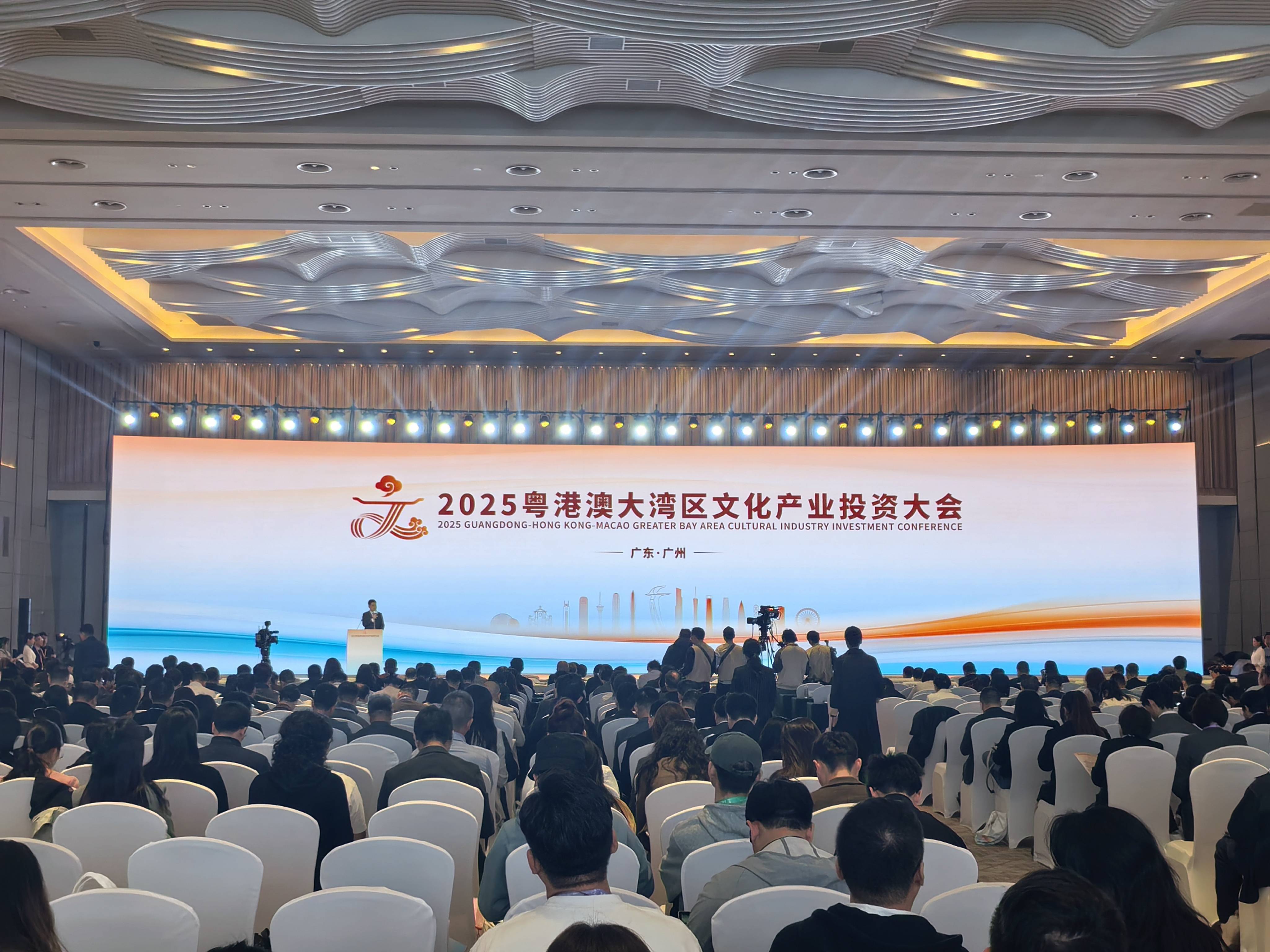
Core Insights - The cultural tourism industry parks have evolved from being mere cultural landmarks to becoming vital platforms for regional economic growth and industry integration, driven by policy incentives and innovative practices [3][16] - Various regions are actively expanding the "cultural tourism +" ecosystem, integrating cultural resources with technology, drama, sports, and other elements to create immersive experiences and stimulate consumption [3][16] Policy Support and Innovations - Beijing's Dongcheng District has implemented measures to enhance the quality of cultural industry parks, providing up to 5 million yuan in funding for projects focused on optimizing industrial space and upgrading business models [6][19] - The Haidian District in Beijing has introduced several initiatives to support AI and cultural integration, offering up to 40 million yuan in rewards for projects in gaming, short films, and other cultural sectors [6][19] - Shenzhen's Longgang District has launched specific support policies for AI cultural entrepreneurship, with funding up to 3 million yuan for recognized cultural industry parks and 10 million yuan for original films [8][21] Regional Developments - The 2025 Guangdong-Hong Kong-Macao Greater Bay Area Cultural Industry Investment Conference highlighted nine recommended cultural parks, showcasing successful integration of culture, technology, and finance [8][21] - Suzhou's Yuanhetang Cultural Industry Park has signed several key projects in digital culture, including a partnership with the Commercial Press for digital publishing and an immersive experience center based on the "Three-Body" series [8][22] - The Quyang Sculpture Cultural Industry Park has been recognized as a national-level cultural industry demonstration park, focusing on the promotion of traditional crafts and cultural heritage [10][23] Collaborative Efforts - The Huangnan Prefecture in Qinghai is enhancing cooperation with Tianjin's cultural parks to share resources and expertise, aiming to build a sustainable cultural ecosystem [10][24] - Chengdu's Shaocheng International Cultural Creative Valley has established a collaborative platform for education and industry integration, focusing on talent development in the cultural sector [10][24] - The Purple Mountain (Baohe) Cultural Creative Industry Park in Anhui is promoting esports integration with cultural tourism, aiming to boost the local esports industry [10][25]

深圳罗湖发布全市首个口岸经济发展措施
Zheng Quan Shi Bao Wang· 2025-12-03 12:24
Core Viewpoint - The recent measures introduced by the Luohu District of Shenzhen aim to enhance the port economy, transforming it into a new economic hub that promotes consumption upgrades and industrial integration, with a focus on high-quality development [1][2]. Group 1: Economic Measures - Luohu District has launched the first port economy measures in Shenzhen, proposing 12 key initiatives to activate the port economy's potential [1]. - The focus is on attracting high-value products and bulk commodity trade headquarters, promoting agricultural and energy procurement, and building a digital supply chain platform [1]. - Plans include the establishment of an AI research and development base and a life health industry park, targeting cutting-edge industries like AI and life sciences [1]. Group 2: Consumption Enhancement - Luohu aims to create a high-end consumption center in the Greater Bay Area by attracting international luxury brands and developing cross-border experience centers [1]. - The district plans to enhance service consumption by introducing more Hong Kong dining options and Michelin-starred brands, as well as upgrading hotels and developing high-end medical and wellness products [1]. Group 3: Innovation in Scenarios and Models - The district will utilize AI technology to create digital port personnel, pilot unmanned cross-border transport, and explore AI translation and consumer rights protection [2]. - Initiatives include launching drone logistics at the Wenjindu port and optimizing low-altitude tourism products, creating a new model that integrates low-altitude transport with tourism and commerce [2]. Group 4: Cultural and Youth Integration - The focus is on developing cultural tourism districts and enhancing educational cooperation with Hong Kong, providing better services for Hong Kong children [2]. - Measures to support Hong Kong youth include establishing innovation incubators and creating vibrant youth districts, fostering a "dual-city" lifestyle [2]. Group 5: Cross-Border Flow and Connectivity - The implementation of seamless customs clearance at major ports aims to reduce waiting times and enhance cross-border mobility [3]. - Plans include extending customs hours and establishing a cross-border bus network to facilitate high-frequency, point-to-point travel [3]. - The strategy emphasizes converting cross-border traffic into consumption and industrial growth, with initiatives to create consumption streets and improve public services for Hong Kong residents [3].
文化产业营收占全国1/6 广东正从文化制造驶向“文化创造”蓝海
2 1 Shi Ji Jing Ji Bao Dao· 2025-12-01 22:36
Core Insights - Guangdong's cultural industry has maintained its position as the largest in China for over 20 years, with projected revenue surpassing 3 trillion yuan in 2024, accounting for approximately one-sixth of the national total [1][2] - The province is experiencing a cultural consumption boom, with significant growth in various sectors, including performing arts, animation, gaming, and esports [2][3] Cultural Industry Performance - In the first three quarters of this year, Guangdong hosted 35,600 commercial performances, generating revenue of 6.356 billion yuan, ranking first in the country [2] - The gaming and esports sectors have seen a remarkable growth rate of 300%, indicating a robust demand for digital entertainment [2] Investment and Financing - The 2025 Guangdong-Hong Kong-Macao Greater Bay Area Cultural Industry Investment Conference facilitated connections between over 120 investment institutions and 350 cultural enterprises, resulting in significant investment intentions [4][5] - The investment conference has achieved a financing conversion rate of 50%, with total financing exceeding 9.5 billion yuan across various projects [5][6] Policy Support and Innovation - Guangdong has introduced a comprehensive policy package aimed at promoting high-quality development in the cultural industry, covering six key areas including film, performing arts, and digital media [6][8] - The province is focusing on cutting-edge fields such as AI, the metaverse, and ultra-high-definition video, aiming to transform the cultural industry from manufacturing to creation [9] Emerging Companies and Technologies - Companies like Gu Dong Technology and Shen Zhen Intelligent Technology are at the forefront of innovation in AI and AR, with significant production and market expansion plans [3][5] - The rise of AI-driven projects, such as the AI animation film "Shan Hai Jing: Xuan Wu," showcases the integration of technology and culture, enhancing production efficiency and reducing costs [7][8] Cultural Trends and Consumer Engagement - The popularity of cultural mascots like "Da Wan Ji" reflects a growing consumer enthusiasm for cultural products, with over 2,000 licensed items developed for recent events [1][2] - The cultural landscape in Guangdong is evolving, with traditional elements being embraced by younger generations, leading to a resurgence in local cultural practices [3][6]
“文化+科技”推动新型文化业态不断涌现
Xin Hua She· 2025-12-01 12:16
Group 1 - The integration of culture and technology is driving the emergence of new cultural formats, enhancing traditional culture and promoting its global reach [1] - The "14th Five-Year Plan" emphasizes the importance of cultural and technological integration, advocating for the digital empowerment and transformation of cultural construction [1] - Zhejiang KAYOU Animation Co., Ltd. has established deep partnerships with over 70 well-known IPs globally, showcasing the rise of new cultural formats through innovative products [1] Group 2 - AIGC technology is enhancing designers' creativity and efficiency in cultural tourism projects, acting as a supportive tool rather than a replacement for creativity [2] - Guangzhou Fantao Digital Creative Technology Co., Ltd. is transforming immovable art into digital content for immersive experiences, showcasing China's innovation in cultural digitization [2] - The cultural industry in China is experiencing rapid upgrades, with new cultural cases driving economic growth and connecting civilizations [2] Group 3 - In 2024, 16 sub-sectors characterized by new cultural formats achieved a revenue of 66.6 billion yuan, growing by 12.4%, outpacing the overall cultural industry growth by 5.3 percentage points [3] - New cultural formats contributed 57.9% to the revenue growth of the cultural industry, reflecting a significant impact on the entire production, dissemination, and consumption chain [3] - The emergence of new cultural formats is seen as a typical example of China's soft power, driven by technological innovation [3]
广弘控股子公司签约中山坦洲 拟投建大湾区战略性新兴产业园区
Xin Lang Cai Jing· 2025-12-01 09:46
Core Viewpoint - Guangdong Guanghong Holdings Co., Ltd. has signed a framework agreement with the People's Government of Tanzhou Town, Zhongshan City, to revitalize its existing land in Tanzhou and develop a strategic emerging industry park in the Greater Bay Area [1][2]. Agreement Overview - The agreement is a framework and intention-based arrangement between Guanghong Food and the local government, with no specific investment amount disclosed at this stage. The actual investment scale will be determined by future formal agreements [2][5]. - The signing does not require approval from the company's board or shareholders and does not constitute a related party transaction or a major asset restructuring as per regulations [2][6]. Project Planning - The project, named "Guanghong Food Revitalization Project in Tanzhou," will focus on new materials and digital creativity, aiming to create a comprehensive service system that includes industrial production, technology research and development, and incubation [3][4]. - The goal is to establish a competitive high-level strategic emerging industry park within the Greater Bay Area [3]. Responsibilities of Both Parties - The local government will assist Guanghong Food with project approvals and infrastructure development, including roads, power, water, and drainage systems [4]. - Guanghong Food commits to advancing the project in compliance with regulations and will pay taxes and report statistics post-production [4]. Market Impact - The agreement is expected to enhance the efficiency of land use and accelerate the revitalization of the company's land resources, although it is still in the preparatory stage and will not significantly impact the company's performance in 2025 [5]. - The specifics of implementation, progress, and outcomes remain uncertain and will depend on future formal agreements [5].

广弘控股(000529.SZ):子公司与中山市坦洲镇政府签订《投资框架协议书》
Ge Long Hui A P P· 2025-12-01 08:51
Core Viewpoint - Guanghong Holdings has signed an investment framework agreement with the People's Government of Tanzhou Town, Zhongshan City, to revitalize the Tanzhou land and promote industrial economic upgrades [1] Group 1 - The agreement involves Guanghong Food, a wholly-owned subsidiary of Guanghong Holdings, and aims to enhance the utilization of land resources [1] - The project will include production, research and development, and supporting functional zones, with a focus on introducing strategic emerging industries such as new materials and digital creativity [1] - The initiative aims to create a comprehensive service system that integrates industrial production, technology research and development, industry incubation, venture investment, and shared experimental platforms [1] Group 2 - The project is positioned to develop a high-level strategic emerging industry park in the Greater Bay Area [1]
我在大湾区找场景:文化科技加速“落地生金”
2 1 Shi Ji Jing Ji Bao Dao· 2025-11-28 12:20
Core Insights - The 2025 Guangdong-Hong Kong-Macao Greater Bay Area Cultural Industry Investment Conference serves as a platform for companies to seek application scenarios for their technologies, highlighting the need for practical implementations of advanced technologies like AI, AR, and VR [1][2][3] Group 1: Investment and Technology Trends - Companies are increasingly focusing on finding suitable application scenarios for their technologies rather than just developing new technologies [3][8] - The conference attracted over 300 quality cultural industry projects and numerous investment institutions, facilitating efficient connections between projects and potential investors [7] - The rise of AI, 3D printing, and AR/VR/MR technologies is expected to lead to a significant boom in related industries, emphasizing the importance of practical applications [2] Group 2: Company Innovations and Collaborations - Accelerated Evolution (Beijing) Robotics Technology Co., Ltd. recently completed over 100 million yuan in financing, driven by interest in their product's application scenarios [1] - Shenzhen Lianou Technology Co., Ltd. showcased a pocket cinema product aimed at enhancing the viewing experience for consumers on the go, securing a 700 million yuan deal through strategic partnerships [3][4] - Shenzhen Mobius Visual Technology Co., Ltd. aims to collaborate with more IP resources to create high-quality content using VR technology [6] Group 3: Emerging Technologies and Applications - Shenzhen Immersive Visual Technology Co., Ltd. presented a groundbreaking 360-degree broadcasting technology that enhances the live sports viewing experience while reducing costs [4][5] - Guangdong Jinma Amusement Co., Ltd. introduced innovative "cultural tourism and entertainment humanoid robots," targeting various entertainment venues [7] - Guangzhou Gudong Intelligent Technology Co., Ltd. is expanding its industrial AR applications into cultural sectors, collaborating with cultural IPs to create engaging content [8][9]
千年文物“毫米级”重生,凡拓数创将全球首开小西天数字展
2 1 Shi Ji Jing Ji Bao Dao· 2025-11-27 06:42
Core Insights - The article discusses the innovative digital solutions provided by Guangzhou Fantuo Digital Creative Technology Co., Ltd. to address the challenges faced by the cultural heritage sector, particularly in creating digital archives for immovable artifacts [1][2] Group 1: Digital Solutions for Cultural Heritage - Fantuo Digital has developed a complete solution centered around digital technology, utilizing 3D imaging and proprietary AI techniques to create millimeter-level precision digital archives of artifacts [1] - The company employs immersive technologies such as VR to enhance visitor experiences, allowing them to engage with digital representations of artifacts in a more interactive manner [1] Group 2: Project Implementation and Technology - In the Shanxi Xiaoxitian immersive digital project, high-precision 3D scanning and 16K ultra-clear mapping were used to digitize a thousand immovable colored sculptures, restoring their original colors and materials through AI algorithms [1] - The introduction of gesture recognition systems and Metahuman technology in projects enhances interactivity and narrative immersion, allowing visitors to engage with the artifacts in a more personal way [2] Group 3: Cultural Engagement and Education - The company aims to create a new way of cultural engagement that allows for a deeper understanding of historical artifacts, bridging the gap between history and contemporary experiences [1][2] - By integrating traditional culture into modern life, Fantuo Digital seeks to activate the intrinsic value of cultural heritage and resonate with the aspirations of the Chinese nation's rejuvenation [2]
瞄准5大趋势4大赛道!广深成为文化产业投资热土
Sou Hu Cai Jing· 2025-11-26 10:12
Core Insights - The Guangdong-Hong Kong-Macao Greater Bay Area has a vibrant cultural industry ecosystem and an active financial investment atmosphere, with a focus on integrating culture, finance, and technology [1][4] - The 2025 Greater Bay Area Cultural Industry Investment Conference aims to create a one-stop service platform for cultural project financing, with over 300 cultural enterprises participating [1] - The conference highlighted significant investment trends, with previous events showing a fivefold increase in total financing and a nearly threefold increase in average project financing [1][4] Investment Trends - The 2025 report predicts that Guangdong's cultural industry revenue will exceed 30,252.10 billion yuan in 2024, maintaining its position as the top region in China for 22 consecutive years [4] - In the first three quarters of 2025, Guangdong's cultural enterprises generated over 20,000 billion yuan in revenue and over 2,000 billion yuan in profit [4] - The cultural manufacturing sector is a relative strength for Guangdong, supported by a complete industrial chain covering various cultural products [4] Investment Activity - Investment activities are increasingly concentrated in major regions, with Beijing, Shanghai, and Guangdong being the primary areas attracting investment [4] - Guangzhou and Shenzhen account for 85% of the 720 financing events in the cultural industry from 2020 to October 2025, with a total estimated financing amount of approximately 56.41 billion yuan [4][5] Financing Preferences - The majority of financing events are in the angel round, A round, and strategic investments, indicating strong support for early-stage and strategic development of cultural enterprises [5] - Cultural manufacturing has the highest number of financing events at 370, followed by offline derivatives, AIGC, VR/AR, and gaming, reflecting a preference for tech-driven cultural enterprises [5] Future Trends - The report identifies five key trends for cultural industry investment: consumption stratification, cultural industrialization, product digitization, emerging scenarios, and global market expansion [5] - Four major tracks for investment focus on the integration of culture and technology, digital creative production, intelligent cultural manufacturing, and new cultural consumption [5]