零食

Search documents
可选消费W06周度趋势解析:海外消费业绩密集发布带动股价波动,A H股期待26年可选消费恢复
海通国际· 2026-02-09 00:30
Investment Rating - The report assigns an "Outperform" rating to multiple companies in the discretionary consumption sector, including Nike, Li Ning, Midea Group, JD Group, Haier Smart Home, Gree Electric, Anta Sports, and many others [1]. Core Insights - The report highlights that overseas consumer earnings releases have led to stock price volatility, with A/H shares anticipating a recovery in discretionary consumption in 2026 [1]. - The performance of various sectors is analyzed, with gaming, U.S. hotels, snacks, and retail showing positive trends, while luxury goods and overseas cosmetics are experiencing declines [4][12]. - The report notes that the gaming sector saw a strong increase in gross gaming revenue, with a year-on-year growth of 24%, exceeding market expectations [6][14]. Sector Performance Summary - **Gaming Sector**: Increased by 5.5%, driven by strong January gross gaming revenue growth and positive earnings from MGM China [6][14]. - **U.S. Hotels**: Also up by 5.5%, with Marriott and Hilton showing positive earnings forecasts [6][14]. - **Snacks**: Grew by 3.6%, with companies like Youyou Foods and Qiaqia Foods reporting significant growth expectations [6][14]. - **Retail Sector**: Increased by 3.5%, led by Walmart and Target, which exceeded market sales forecasts [8][14]. - **Domestic Sportswear**: Rose by 2.6%, with Li Ning benefiting from its partnership with the Chinese Olympic Committee [8][14]. - **Credit Card Sector**: Gained 2.3%, supported by strong earnings from Visa and Mastercard [8][14]. - **Domestic Cosmetics**: Increased by 2.1%, benefiting from overall strength in the beauty and skincare sector [8][14]. - **Luxury Goods**: Slightly up by 0.9%, influenced by a rebound in the U.S. market [8][14]. - **Overseas Cosmetics**: Decreased by 5.7%, with concerns over the sustainability of growth for Estée Lauder [9][15]. - **Pet Sector**: Down by 0.7%, with companies like Guai Bao Pet and Zhongchong Co. experiencing declines [8][14]. - **Gold and Jewelry**: Fell by 1.2%, affected by fluctuations in gold prices [8][14]. Valuation Analysis - The report indicates that the valuation of various sectors remains below their historical averages, with expected P/E ratios for 2025 showing significant discounts compared to the past five years [10].
云南人的“喝个鸡枞”,是真的!
Xin Lang Cai Jing· 2026-02-08 20:37
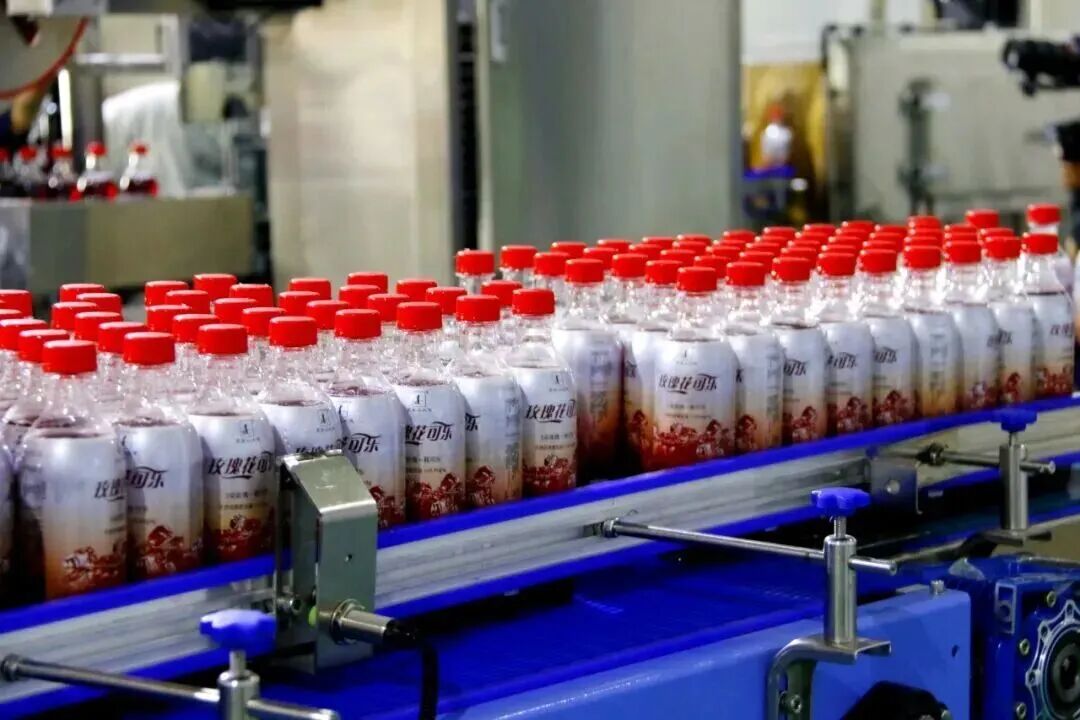
Group 1 - The first rose flower cola production line in Yunnan Province has officially commenced operations, utilizing NFC (Not From Concentrate) juice sparkling water technology to preserve the natural flavor and nutrients of roses, resulting in a zero-additive product [1][3] - The production line has a capacity of 12,000 bottles per hour, with an expected annual output of over 8,000 tons and an annual output value exceeding 10 million yuan [3] - The product is priced at 5 yuan per bottle, aiming to attract a wide consumer base, with plans for sales to begin after the Spring Festival and distribution through vending machines [3] Group 2 - Yunnan is innovating with unique beverage products, including wild mushroom cola and grass fruit sparkling water, which are set to launch in 2025, showcasing the region's diverse agricultural resources [4][6] - The grass fruit sparkling water is crafted from local spring water and grass fruit extract, offering multiple health benefits such as aiding digestion and reducing inflammation [6] - Other notable products include herbal drinks like hezi juice and sour tamarind juice, which are popular among locals and reflect the region's rich culinary heritage [9][11] Group 3 - The beverage industry in Yunnan is expanding with various unique flavors, including chocolate infused with grass fruit and innovative tea products like seaweed flower tea, indicating a trend towards health-conscious and locally sourced ingredients [13][15] - Craft beers are also gaining popularity, with unique flavors such as cow liver mushroom beer and three-seven flower beer, which combine traditional brewing methods with local ingredients [22][25] - The introduction of cactus beer and milk fan craft beer highlights the creativity in product development within the region, appealing to both local and broader markets [32][35]

可选消费W06周度趋势解析:海外消费业绩密集发布带动股价波动,A/H股期待26年可选消费恢复-20260208
Haitong Securities International· 2026-02-08 14:59
Investment Rating - The report assigns an "Outperform" rating to multiple companies in the discretionary consumption sector, including Nike, Li Ning, Midea Group, JD Group, Haier Smart Home, Gree Electric, Anta Sports, and many others [1]. Core Insights - The report highlights that overseas consumer earnings releases have led to stock price volatility, with A/H shares anticipating a recovery in discretionary consumption in 2026 [1]. - The performance of various sectors is analyzed, with gaming, U.S. hotels, snacks, and retail showing positive trends, while luxury goods and overseas cosmetics are experiencing declines [4][12]. - The report notes that the valuation of discretionary consumption sectors remains below the average of the past five years, indicating potential investment opportunities [10]. Sector Performance Summary - **Gaming Sector**: Increased by 5.5%, driven by strong growth in gross gaming revenue and positive earnings from major companies like MGM China [6][14]. - **U.S. Hotels**: Also up by 5.5%, with positive earnings forecasts from Marriott and Hilton [14]. - **Snacks Sector**: Rose by 3.6%, with companies like Youyou Foods and Qiaqia Foods showing strong sales growth [14]. - **Retail Sector**: Increased by 3.5%, led by Walmart and Target, which reported better-than-expected same-store sales [14]. - **Domestic Sportswear**: Grew by 2.6%, with Li Ning benefiting from its partnership with the Chinese Olympic Committee [14]. - **Credit Card Sector**: Up by 2.3%, supported by strong earnings from Visa and Mastercard [14]. - **Domestic Cosmetics**: Increased by 2.1%, benefiting from the overall strength in the beauty and skincare sector [14]. - **Luxury Goods**: Slightly up by 0.9%, influenced by a rebound in the U.S. market [14]. - **Overseas Sportswear**: Increased by 0.7%, with Nike announcing the opening of its first ACG store in Beijing [15]. - **Pet Sector**: Decreased by 0.7%, with companies like Guobao Pet and Zhongchong Co. facing declines [15]. - **Gold and Jewelry**: Down by 1.2%, affected by fluctuations in gold prices [15]. - **Overseas Cosmetics**: Fell by 5.7%, with Estée Lauder experiencing a significant drop [15].
食品饮料行业周报 2026年第6期:顺周期预期企稳,消费价值凸显
GUOTAI HAITONG SECURITIES· 2026-02-08 02:25
Investment Rating - The report assigns an "Accumulate" rating for the food and beverage industry [1] Core Insights - Recent policies have strengthened consumer expectations, leading to marginal improvements in consumption during the Spring Festival season. The performance of high-end liquor, particularly Moutai, has rebounded, boosting market confidence. The focus is on growth in consumer staples and the recovery of the Consumer Price Index (CPI) [3][4] Summary by Sections Investment Recommendations - The report suggests that with the stabilization of real estate expectations and positive changes in cyclical consumption, the following stocks are recommended: 1. High-end liquor with price elasticity: Guizhou Moutai, Wuliangye, Luzhou Laojiao, and potential clearance stocks: Yingjia Gongjiu, Gujing Gongjiu, Shanxi Fenjiu, Jianshiyuan, Zhenjiu Lidu, Shede Liquor, and Jinhui Liquor 2. Beverages benefiting from travel: Dongpeng Beverage, Nongfu Spring (Hong Kong), with a focus on undervalued high-dividend stocks: China Foods (Hong Kong), Master Kong Holdings (Hong Kong), and Uni-President China (Hong Kong) 3. Growth stocks in snacks and food raw materials: Recommended are Bailong Chuangyuan, Weilong Delicious (Hong Kong), Yanjinpuzi, and Ximai Foods 4. Beer recommendations include Qingdao Beer, Zhujiang Beer, and Bairun Co., with China Resources Beer (Hong Kong) 5. Seasoning and catering are expected to recover, with recommendations for Qianhe Flavor Industry, Baoli Foods, Babi Foods, Anjii Foods, Haitian Flavoring, Angel Yeast, Yili Group, New Dairy, Youran Pastoral (Hong Kong), and Modern Dairy (Hong Kong) [4][7] Liquor Sector - The high-end liquor sector is leading the market, with Moutai's sales boosting confidence. The report notes that the liquor sector has seen significant gains recently, attributed to positive data and market sentiment. Moutai's monthly active users exceeded 15.31 million in January, with over 2.12 million transactions, indicating a recovery in channel sentiment [8][9] - The report anticipates that the liquor industry is at the bottom of its cycle, with potential catalysts for stock prices from improvements in market conditions, price increases, and inventory reductions. If positive trends in price, sales, and inventory continue post-Spring Festival, further catalysts may emerge [9] Consumer Staples - The approval of D-allohexose-3-epimerase as a food additive is expected to expand the domestic market for allulose, benefiting leading companies like Bailong Chuangyuan. The report highlights the potential for growth driven by health-conscious consumption trends [10][11] - The catering supply chain is expected to recover, with the report noting that the competition in the catering industry has reached a low point, and demand is anticipated to improve. The report also mentions that Babi Foods has shown positive growth, with a revenue of 1.859 billion in 2025, up 11.22% year-on-year, and a net profit of 245 million, up 16.49% year-on-year [11]
王小卤霉变、麦当劳翻车、周生生纠纷、好想来扣人:消费市场的信任防线与品牌危机
Sou Hu Cai Jing· 2026-02-07 02:16
Group 1 - The core issue for Wang Xiaolu is the contradiction between high pricing and weak quality control, leading to consumer skepticism about "high price, low quality" products due to ineffective supply chain management [3][8] - McDonald's faces a cultural misalignment in its marketing strategy, where the superficial use of traditional elements fails to resonate with local cultural sensitivities, resulting in public backlash [3][11] - Chow Sang Sang's response to quality complaints about its gold products highlights a disconnect between brand promises and actual product quality, damaging consumer trust through inadequate crisis management [4][13] Group 2 - The incident involving Hao Xiang Lai reveals significant management flaws in protecting consumer rights, particularly regarding minors, as the rapid expansion of the chain has led to insufficient training and oversight [5][17] - The essence of the Wang Xiaolu issue is a failure in quality control due to a marketing-heavy approach that neglects supply chain integrity, which could lead to long-term brand damage as consumer loyalty wanes [8][20] - The McDonald's controversy illustrates the pitfalls of cultural appropriation in marketing, where a lack of genuine understanding of local customs can lead to negative consumer perceptions and brand ridicule [11][20] Group 3 - The crisis response from Chow Sang Sang demonstrates a tendency to evade direct accountability, which can further erode consumer trust rather than restore it [4][13] - The management incident at Hao Xiang Lai underscores the risks associated with prioritizing rapid growth over effective management practices, particularly in safeguarding consumer rights [5][18] - The overarching lesson for brands is the necessity of balancing short-term marketing strategies with long-term trust-building through genuine quality assurance and cultural respect [20][21]

广州轻工诉良品铺子控股股东案开庭,指其两度邀约收购又爽约
Nan Fang Du Shi Bao· 2026-02-06 11:40
Core Viewpoint - The court hearing regarding the equity transfer dispute of Liangpinpuzi has commenced, with Guangzhou Light Industry Group accusing Ningbo Hanyi of intentional breach of contract, seeking nearly 20 million yuan in damages, while Ningbo Hanyi claims no breach occurred [1][2]. Group 1: Background of the Dispute - The dispute traces back to August 2024 when Ningbo Hanyi's representative contacted Guangzhou Light Industry Group to discuss the sale of shares in Liangpinpuzi, leading to a signed confidentiality agreement and a draft agreement in September 2024, which ultimately fell through due to Ningbo Hanyi's unilateral termination [3][5]. - In May 2025, Ningbo Hanyi again approached Guangzhou Light Industry Group to restart the share acquisition to resolve its debt crisis, with a deadline for agreement before June 8, 2025, when the debt was due [3][8]. Group 2: Court Proceedings and Claims - During the court session, Guangzhou Light Industry Group's lawyer stated that they had a prior purchase right for the shares based on a May 2025 agreement and requested the court to annul this agreement and award damages of approximately 19.81 million yuan [6][7]. - Ningbo Hanyi argued that the share transfer agreement was never formally established and requested the court to dismiss all claims from Guangzhou Light Industry Group, asserting that the negotiations were ongoing until the last moment [7][8]. Group 3: Financial Context and Implications - Ningbo Hanyi disclosed a debt of over 300 million yuan that was due on June 8, 2025, which was transferred to Wuhan Changjiang International Trade Group, a state-owned enterprise, as a new creditor [8][10]. - Liangpinpuzi has faced significant financial challenges, reporting its first annual loss in 2024 and projecting a net loss of 120 million to 160 million yuan for 2025, marking a year-on-year increase in losses of 160.28% to 247.04% [20].


2.8亿还不上,良品铺子怎么了?
Sou Hu Cai Jing· 2026-02-06 10:01
Core Viewpoint - The company, Liangpinpuzi, is facing significant financial distress with a debt of 280 million yuan and a projected annual loss exceeding 120 million yuan for 2024, marking a drastic decline from its peak market value of over 30 billion yuan [1][5][8]. Financial Situation - The controlling shareholder, Ningbo Hanyi, is under pressure due to overdue debts, leading to a forced execution application by Guo Tong Trust [1][2]. - The debt originated from a loan secured against 53.4 million shares of Liangpinpuzi, which was transferred to Guo Tong Trust in May 2025 [1]. Business Performance - The company reported a 46% decline in net profit for 2023, with expectations of recording its first annual loss in 2024, projected to be between 120 million to 160 million yuan for 2025 [7]. - Revenue peaked at nearly 9.5 billion yuan in 2022 but has since declined significantly, with the total number of stores reducing from over 3,300 to 2,092 in two years [6][7]. Market Position and Strategy - The rise of low-cost snack brands has severely impacted Liangpinpuzi's market position, forcing the company to initiate its largest price reduction in 17 years to compete in the budget market [7]. - The company's high-cost structure has made it difficult to compete with the low-price advantages of mass-market brands, leading to a decrease in overall gross margins [7]. Future Outlook - The market capitalization of Liangpinpuzi has fallen to below 5 billion yuan, raising questions about how the company will navigate the ongoing price competition in the snack industry [8].
巧克力制造商好时净利润下滑60%
Di Yi Cai Jing Zi Xun· 2026-02-06 08:51
2026.02.06 本文字数:839,阅读时长大约1分钟 好时的主营业务为巧克力,而巧克力的主要原料是可可。中华人民共和国商务部商品价格网显示,可可 (纽约)的价格自2024年第二季度以来有所上升,2024年末至2025年初一直维持在高点。整体来看, 2025年的价格高于2024年,因此,这也是拉低毛利率和净利润的因素之一。不过,进入2026年以来,可 可价格已有所下滑。 好时对2026年的业绩有着较正面的展望,预计营业收入增长4%-5%,每股收益增长79%至89%。 1907年,被誉为美国巧克力工业标志的好时KISSES巧克力诞生,于1995年进入中国市场。 目前,全球零食市场渐渐呈现出"大鱼吃小鱼"的竞争格局。好时于2013年收购上海金丝猴食品股份有限 公司80%的股份。2016年,亿滋曾经发起对好时的收购,被好时信托(好时的控股股东)阻止。2024 年,亿滋再次向好时发出收购要约,但最终因为价格没谈拢而告吹。 微信编辑| 苏小 第一财经持续追踪财经热点。若您掌握公司动态、行业趋势、金融事件等有价值的线索,欢迎提供。专 用邮箱:bianjibu@yicai.com (注:我们会对线索进行核实。您的隐私将 ...

巧克力制造商好时净利润下滑60%
第一财经· 2026-02-06 08:46
Core Viewpoint - The article discusses the financial performance of Hershey (HSY.US) for the year ending December 31, 2025, highlighting a revenue increase but a significant decline in net profit due to rising costs and lower sales [2]. Financial Performance Summary - For the year 2025, Hershey reported a revenue of $11.69 billion (approximately 81.13 billion RMB), representing a year-on-year growth of 4.38%. However, the net profit attributable to shareholders was $883 million (6.13 billion RMB), a decrease of 60.2% compared to the previous year [2]. - In Q4 2025, Hershey's revenue reached $3.09 billion (21.44 billion RMB), showing a year-on-year increase of 7.0%. The net profit for this quarter was $320 million (2.22 billion RMB), down 59.9% year-on-year [2]. - The gross margin for 2025 was 33.5%, down from 47.3% in the previous year. In Q4 2025, the gross margin fell by 17 percentage points to 37.0% [2]. Cost Factors - The decline in gross margin and net profit was attributed to higher commodity costs, increased tariff expenses, and lower sales volumes during the reporting period. Cocoa prices, a key ingredient for chocolate, have been on the rise since Q2 2024, contributing to the reduced profitability [2]. Future Outlook - Hershey has a positive outlook for 2026, projecting a revenue growth of 4% to 5% and an increase in earnings per share by 79% to 89% [3]. Industry Context - Hershey, a significant player in the global snack market, has faced competitive pressures characterized by a "big fish eats small fish" dynamic. The company acquired an 80% stake in Shanghai Jin Si Hou Food Co., Ltd. in 2013. Previous acquisition attempts by Mondelez were thwarted due to disagreements on pricing [4].
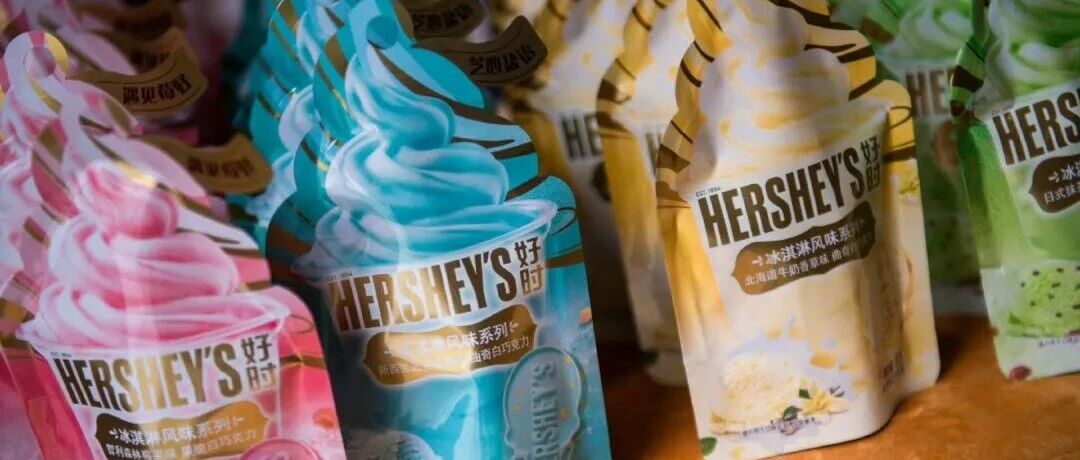
巧克力卖更多却不增利,好时净利润下滑60%
Di Yi Cai Jing· 2026-02-06 07:31
巧克力制造商好时(HSY.US)发布的年报业绩显示,截至2025年12月31日的12个月内,公司营业收入116.9亿美元(约合811.3亿元人民币),同比增长 4.38%;归母净利润8.83亿美元(61.3亿元人民币),同比减少60.2%。 全球零食市场渐渐呈现出"大鱼吃小鱼"的竞争格局。 好时的主营业务为巧克力,而巧克力的主要原料是可可。中华人民共和国商务部商品价格网显示,可可(纽约)的价格自2024年第二季度以来有所上升, 2024年末至2025年初一直维持在高点。整体来看,2025年的价格高于2024年,因此,这也是拉低毛利率和净利润的因素之一。不过,进入2026年以来,可可 价格已有所下滑。 好时对2026年的业绩有着较正面的展望,预计营业收入增长4%-5%,每股收益增长79%至89%。 1907年,被誉为美国巧克力工业标志的好时KISSES巧克力诞生,于1995年进入中国市场。 目前,全球零食市场渐渐呈现出"大鱼吃小鱼"的竞争格局。好时于2013年收购上海金丝猴食品股份有限公司80%的股份。2016年,亿滋曾经发起对好时的收 购,被好时信托(好时的控股股东)阻止。2024年,亿滋再次向好时发出收购要 ...