火锅

Search documents
朱光玉火锅馆首度回应“闭店”风波:长沙代理商投资失败,牵连火锅业务
Sou Hu Cai Jing· 2025-08-21 10:32
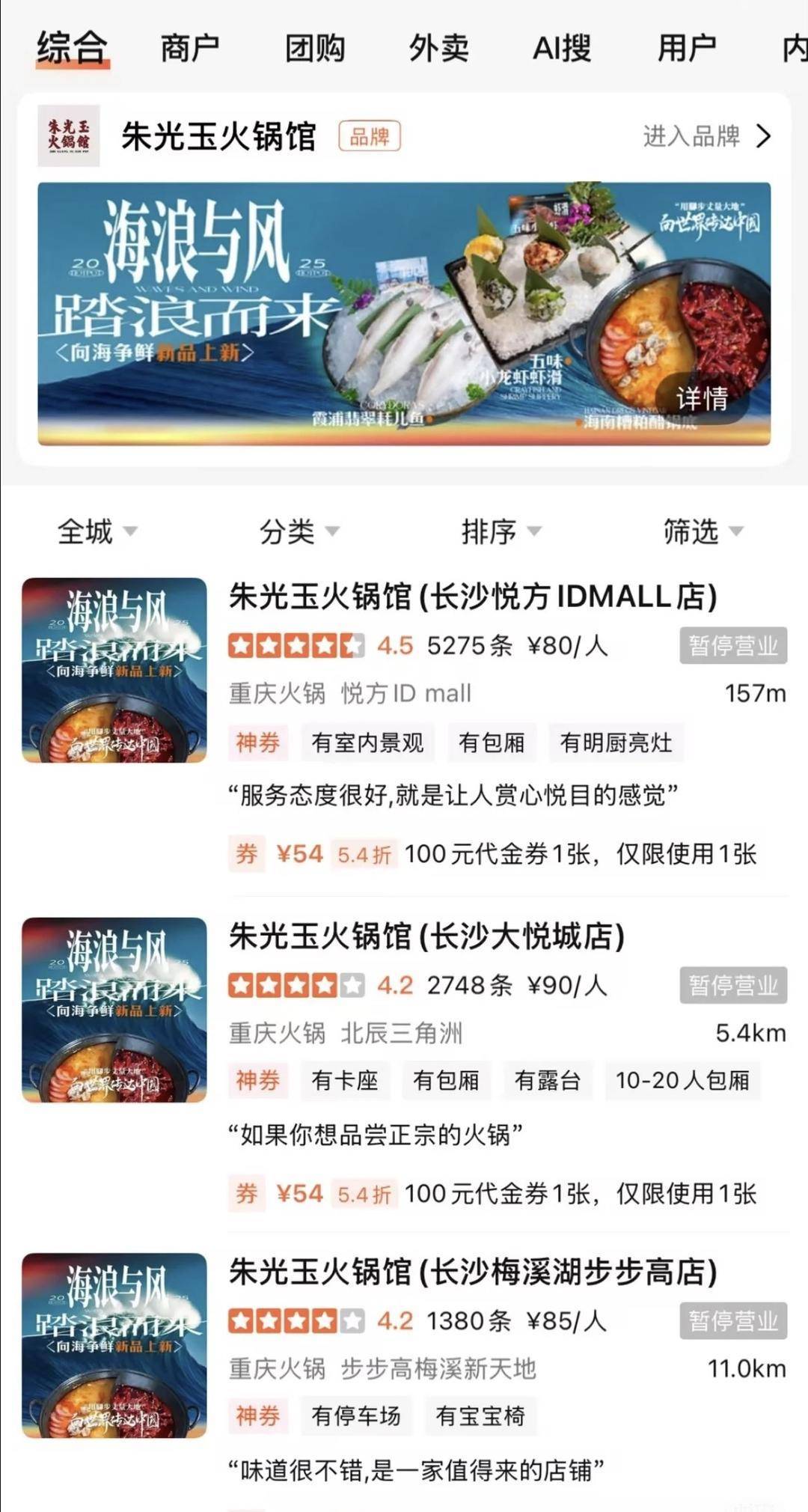
Core Viewpoint - The recent closure of five stores of the popular hotpot brand "Zhu Guangyu" in Changsha has raised public concerns about the brand's stability, but the company clarified that the issue is limited to a specific regional franchisee and that overall operations remain stable nationwide [1][4][6]. Company Summary - Zhu Guangyu has five stores in Changsha, all operated by a single regional franchisee, which faced operational challenges due to issues in other non-food investments [6][7]. - The brand's headquarters has intervened to assist the franchisee and ensure minimal disruption to operations, emphasizing that the financial and legal consequences of the closures are the responsibility of the franchisee [8][9]. - Zhu Guangyu has been expanding rapidly since its establishment in 2020, with over 200 stores across 31 provinces, and has served nearly 6 million customers [11]. Industry Summary - The restaurant industry is experiencing a wave of closures, with over 30 chain brands reducing their operations between April and July 2025, highlighting the intense competition and market pressures [11][12]. - The challenges faced by Zhu Guangyu's franchisee reflect broader issues within the restaurant franchise model, where cross-industry investment failures can impact food business operations [9][12]. - The brand's successful opening of its first overseas store in Kuala Lumpur, which achieved significant daily revenue, indicates a strategic move to expand into Southeast Asia while managing domestic challenges [11][12].

巴奴IPO,遭遇“九问”关卡
Sou Hu Cai Jing· 2025-08-21 10:32
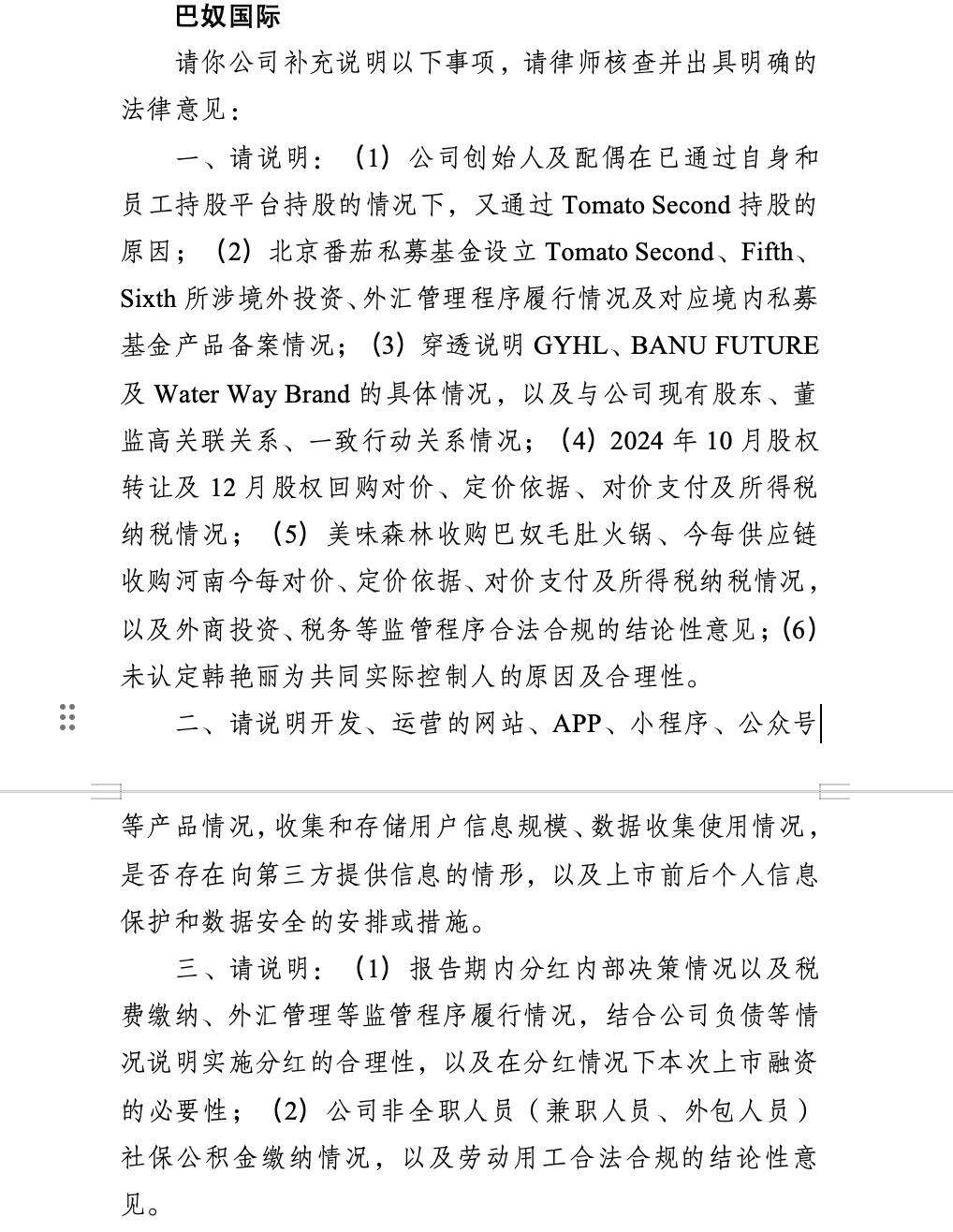
Group 1 - The core issue revolves around the regulatory scrutiny faced by the company regarding its compliance for the Hong Kong IPO, particularly concerning its ownership structure, data security, and dividend distribution [1][6][22] - The company aims to follow in the footsteps of competitors like Haidilao and Xiaobai, positioning itself as a "product-oriented" brand in the hot pot market, contrasting with Haidilao's "service-oriented" approach [3][4] - The company has achieved a market share of 3.1% in the quality hot pot segment, ranking third in the overall hot pot industry, indicating a competitive position despite challenges [4][24] Group 2 - The company is under pressure due to tightening cash flow, increasing compliance costs, and a significant buyback obligation of 308 million yuan if it fails to go public by 2029 [6][37] - The regulatory body has raised concerns about the company's complex ownership structure, particularly regarding the indirect overseas holdings of its founder, Du Zhongbing, and the lack of recognition of his spouse as a co-controlling person [8][19][22] - Despite facing financial strain, the company has opted for substantial dividend payouts, raising questions about its financial strategy and the necessity of seeking additional capital through an IPO [27][31] Group 3 - The company has expanded rapidly, increasing its store count from 86 in 2022 to 144 by 2024, but this growth has not translated into proportional profitability, with a net profit margin of only 5.3% compared to Haidilao's 10.99% [23][25] - The company has a significant debt burden, with current liabilities amounting to 756 million yuan against a cash balance of less than 250 million yuan, indicating weak short-term solvency [26] - The company plans to use the funds raised from the IPO for operational expenses and general corporate purposes, highlighting its urgent need for liquidity [29][45] Group 4 - The company is facing a challenging market environment, with a shift in consumer preferences towards more cost-effective dining options, which contrasts with its high-end positioning [40][41] - Recent controversies regarding food safety and the founder's remarks have damaged the company's brand reputation, further complicating its market position [41][45] - The success of the IPO is critical for the company to secure funding for its expansion plans and to stabilize its financial situation amidst ongoing pressures [42][46]
知名火锅店长沙所有门店停业,品牌方:可以为充卡会员处理退款
Mei Ri Jing Ji Xin Wen· 2025-08-21 08:28
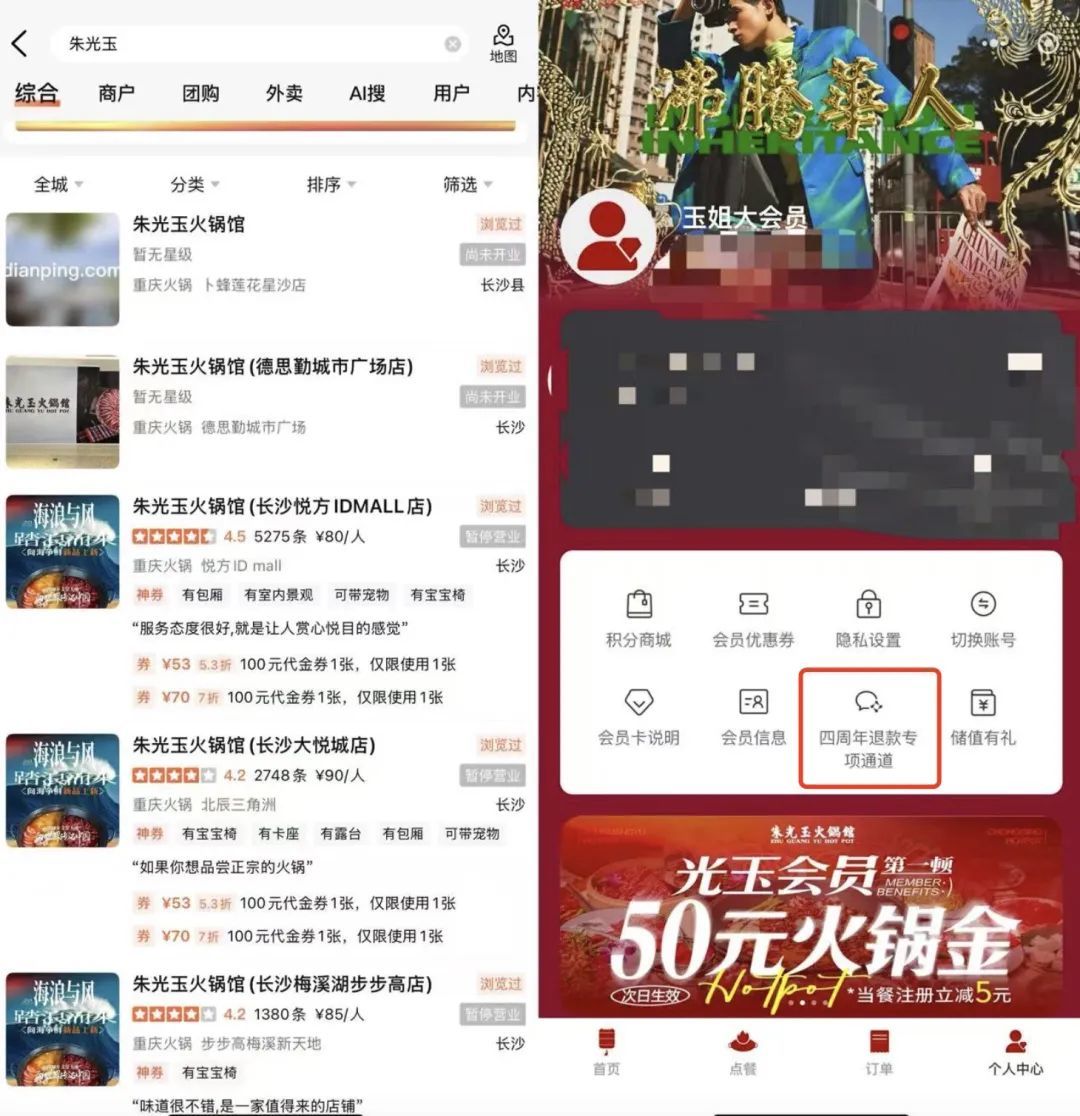
Company Overview - "Zhu Guangyu Hotpot" has recently suspended all its stores in Changsha, which has sparked discussions online, with some speculating that the owner has fled [1][3] - The brand is known as a "phenomenal internet celebrity brand" and has over 200 locations nationwide, with a significant presence in second and third-tier cities [6][13] - The company has been recognized for its innovative products and marketing strategies, attracting nearly 6 million customers in three years [5][6] Current Situation - All stores in the Hunan region, except for Chenzhou, are currently closed, and the company has taken over the affected locations to manage operations [2][3] - The affected stores' contact numbers are no longer reachable, and the reopening timeline will be announced officially [3] - Customers who have prepaid for services will be refunded in an orderly manner, as the company holds a deposit from the involved franchisee [3] Industry Context - The hotpot industry is facing increased competition and a "cooling down" phase, with many brands experiencing closures [13][15] - High-end hotpot and low-quality, low-cost hotpot brands are particularly vulnerable, as the market becomes saturated and competitive [15] - The industry is seeing a shift towards lower price points, with over 70% of Chongqing hotpot stores now priced between 50-120 yuan, indicating a trend towards affordability [15]
太突然,一城集体闭店!曾经是“排队王”,品牌方:可以为充卡会员处理退款
Mei Ri Jing Ji Xin Wen· 2025-08-21 07:43
Core Points - The well-known hot pot brand "Zhu Guangyu Hot Pot Restaurant" has suspended operations at all its locations in Changsha, leading to speculation about the owner's potential disappearance and concerns from customers who have prepaid for services [1][2][4] - The brand has over 200 locations nationwide and is recognized as a phenomenon in the hot pot industry, often referred to as the "King of Queues" and "Kaleidoscope of Hot Pot" [1][5][12] Company Summary - "Zhu Guangyu Hot Pot Restaurant" was established in 2020 and has gained popularity by integrating high-quality tea drinks and desserts with traditional Chongqing hot pot elements [5] - The brand has served nearly 6 million customers in three years, with innovative products like "Tiger Skin Chicken Feet" and "Smash Lemon Tea" becoming bestsellers [5] - The company has rapidly expanded, opening over 200 locations across 31 provinces, with nearly 50% of its outlets in second- and third-tier cities [5][12] Industry Summary - The hot pot industry is facing a "cooling down" phase, with intense competition and a high rate of business closures, particularly among high-end and low-quality brands [12][14] - A report indicates that over 70% of Chongqing hot pot restaurants are concentrated in the price range of 50 to 120 yuan, with a notable increase in the number of establishments offering lower price points [14] - Emerging hot pot varieties, such as Guizhou sour soup and Yunnan hot pot, are further squeezing the market for traditional Sichuan and Chongqing hot pots, prompting some brands to explore overseas expansion and franchise models [14]

巨头下场,围猎自助小火锅
Xin Lang Cai Jing· 2025-08-21 02:34
Core Insights - The self-service hot pot market is experiencing a resurgence with major players like Haidilao and Yang Guofu entering the space, offering higher price points around 59.9 yuan compared to the previous average of 20-30 yuan [1][4][5] - The market currently has approximately 51,000 hot pot outlets, with many being operated by individual entrepreneurs, indicating low entry barriers but high competition [5][10] - The self-service hot pot segment is growing due to consumer demand for affordable dining options, with the overall hot pot market projected to reach 617.5 billion yuan by 2024, growing at 5.6% [5][16] Industry Dynamics - Major brands are not engaging in price wars but are focusing on quality and brand reputation to capture market share [4][11] - The self-service hot pot model has become popular among younger entrepreneurs, often leading to unsustainable competition and price cuts [5][10] - The market is witnessing a shift where higher-priced dining options are declining, while affordable self-service hot pot options are on the rise [5][10] Consumer Behavior - Consumers are increasingly drawn to self-service hot pots for their perceived value and the ability to customize their dining experience [4][5] - There is a growing concern among consumers regarding food quality and hygiene, particularly in self-service settings [12][15] - The trend of dining out is being challenged by the rise of food delivery services, impacting foot traffic in hot pot restaurants [17] Competitive Landscape - The competitive environment is intensifying, with many small hot pot outlets struggling to maintain profitability amid aggressive pricing strategies [10][11] - Successful players in the market are those who can balance quality and price, avoiding the pitfalls of solely competing on cost [11][12] - The future of the hot pot market may see a consolidation of brands, with a focus on unique offerings and supply chain efficiencies [12][16]


英特尔获投资;a2收购雅士利新西兰工厂;The Body Shop任命品牌官
Sou Hu Cai Jing· 2025-08-21 02:18
Investment Dynamics - SoftBank has signed a final securities purchase agreement to invest $2 billion in Intel, making SoftBank the fifth-largest shareholder of Intel, with a share price of $23 per share [3] - Cereal Partners Worldwide (CPW), a joint venture between Nestlé and General Mills, plans to sell two factories in France and the UK, with Ecco Group considering the acquisition, as CPW shifts focus to organic, high-protein, and gluten-free products [5] - a2 Milk Company announced the acquisition of Yashili New Zealand Dairy Company for approximately NZD 282 million (around CNY 1.2 billion), enhancing its supply chain control and market diversification in China [8] Brand Dynamics - Metro's first "fat reform store" has opened in Beijing, optimizing product structure with a reduced SKU count of about 8,000 and increasing the number of baked and prepared food items by nearly six times [13] - Haidilao has launched its first innovative concept store in Beijing, featuring a dessert station and interactive entertainment area, aiming to attract consumers with a diverse dining experience [16] - LANCY has released a new brand campaign featuring global ambassador Song Jia, emphasizing a blend of strength and elegance in its autumn/winter collection [19] - Swatch faced controversy over an advertisement perceived as discriminatory towards Asians, leading to a swift public apology and removal of the related materials [20] - Luzhou Laojiao has established a cultural tourism development company to diversify its revenue streams amid intense competition in the liquor industry [22] Personnel Dynamics - The Body Shop appointed Alia Sirina Hawa as Chief Business and Brand Officer, indicating a strategic shift towards growth after a period of restructuring [25]



美国排名第一的火锅:出海不能只做华人生意
吴晓波频道· 2025-08-21 00:30
Core Viewpoint - The article discusses the international expansion of the Chinese hot pot brand "Happy Little Sheep," which was established by the original team of "Little Sheep" after its acquisition by Yum Brands. The brand emphasizes maintaining traditional cooking methods and adapting to local markets, particularly in North America and Europe, to attract a diverse customer base beyond the Chinese community [3][4][5]. Group 1: Brand Background and Strategy - "Happy Little Sheep" has expanded to over 60 locations across more than a dozen countries, starting from its first store in Toronto, Canada [3][4]. - The brand's success is attributed to its focus on supply chain management and strategic location selection, as well as its commitment to traditional cooking methods, such as hand-made broth [4][5]. Group 2: Market Positioning and Customer Base - The brand aims to serve not only the Chinese population but also the broader local market, with over 50% of its customers being non-Chinese, and in some locations, this figure reaches 70-80% [13][14]. - The average customer spending varies by country, with approximately $35 in the United States, reflecting a strategy to offer "delicious yet affordable" dining options [18]. Group 3: Supply Chain Management - The establishment of a local supply chain is crucial for international operations, with the brand setting up a factory in Inner Mongolia to ensure high-quality hot pot ingredients [20]. - The brand has facilitated the entry of British lamb into the U.S. market, promoting local agricultural products while educating local suppliers on the preparation of lamb for hot pot [22]. Group 4: Location Strategy - The brand strategically chooses to enter markets with higher consumer spending power, such as North America, rather than opting for easier markets like Southeast Asia, which may have lower purchasing power and political instability [24]. - Successful location choices include street-side stores in mainstream communities rather than in areas with high competition among similar brands, such as Chinatown [25]. Group 5: Key Capabilities for International Expansion - Companies seeking to expand internationally must have a strong product offering, a committed leadership team, and a focus on long-term brand development rather than short-term gains [26]. - The article emphasizes the importance of cultural integration and the potential for culinary exchange as part of the international expansion process [27].

太突然!“重庆火锅排队王”多门店闭店
Di Yi Cai Jing Zi Xun· 2025-08-20 13:32
Core Viewpoint - The well-known hotpot brand "Zhu Guangyu Hotpot" has suspended operations at all its stores in Changsha, leading to speculation about the company's future and the status of customer prepaid cards [2][4]. Company Summary - "Zhu Guangyu Hotpot" is recognized as a phenomenon-level internet celebrity brand, with over 200 stores nationwide and a significant presence in the hotpot industry [2][6]. - The brand's parent company, Chongqing Zhu Guangyu Catering Management Co., Ltd., was established in June 2020, with a registered capital of 500,000 RMB [4]. - The company has successfully registered multiple trademarks, including "Zhu Guangyu" and "Guangyu Tea House" [4]. Operational Status - All stores in the Hunan region, except for those in Chenzhou, are currently closed, but operations in other regions remain unaffected [4]. - The company is managing the situation by taking over affected stores and will process refunds for prepaid card members [4]. Market Position and Strategy - Zhu Guangyu Hotpot has rapidly expanded, opening over 200 stores across 31 provinces, with nearly 50% of its locations in second and third-tier cities [6]. - The brand has innovated by combining traditional Chongqing hotpot elements with trendy beverages and snacks, achieving significant sales with products like "Violent Lemon Tea" [4][5]. - The founder emphasizes that the brand's success relies on internet-based operations rather than traditional restaurant logic, focusing on market trends and consumer preferences [5]. Industry Context - The hotpot industry has seen a surge in new openings, with over 170,000 new hotpot restaurants in the past year, but a net decrease of 19,000, indicating a challenging competitive landscape [6][10]. - High-end hotpot, low-quality budget options, and inexperienced entrants are identified as the most affected segments in the industry [10][11]. - The industry faces pressures from emerging hotpot varieties, further squeezing the market for traditional Sichuan-Chongqing hotpot [11].

太突然!“重庆火锅排队王”多门店闭店
第一财经· 2025-08-20 12:25
Core Viewpoint - The recent closure of all "Zhu Guangyu Hotpot" stores in Changsha has sparked discussions online, with speculation about the owner's potential disappearance and concerns from customers regarding prepaid cards [3][4]. Company Overview - "Zhu Guangyu Hotpot" is a well-known hotpot brand, often referred to as the "King of Queues" in Chongqing hotpot, with over 200 locations nationwide [3][4]. - The brand is managed by Chongqing Zhu Guangyu Catering Management Co., established in June 2020, with a registered capital of 500,000 RMB [5]. Business Operations - All stores in Hunan province, except for those in Chenzhou, are currently closed due to issues with the franchisee, and the company is taking over operations [4][6]. - The brand has successfully integrated high-quality tea drinks and desserts into its menu, with popular items like "Tiger Skin Chicken Feet" and "Smash Lemon Tea" [6]. Market Position and Expansion - Zhu Guangyu Hotpot has rapidly expanded, opening over 200 stores across 31 provinces, with nearly 50% of its locations in second and third-tier cities [6]. - The brand's innovative approach focuses on internet operations rather than traditional restaurant logic, emphasizing market trends and consumer preferences [6]. Industry Context - The hotpot industry has seen over 170,000 new openings in the past year, but a net decrease of 19,000 stores, indicating a challenging competitive landscape [6][10]. - High-end hotpot, low-quality small hotpot in lower-tier cities, and inexperienced restaurant operators are identified as the most affected segments in the industry [10]. Strategic Recommendations - Companies in the hotpot sector should consider optimizing product offerings, enhancing online operations, managing costs through the closure of underperforming stores, and innovating menu items to improve customer experience and competitiveness [10].

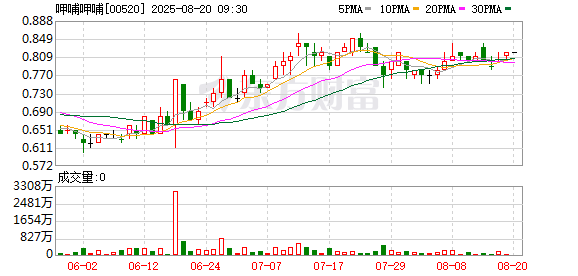
呷哺呷哺上半年亏损缩窄 火锅行业竞争加剧
Zhong Guo Jing Ying Bao· 2025-08-20 01:01
Core Viewpoint - Company is expected to report a revenue of approximately 1.9 billion yuan for the first half of 2025, representing a year-on-year decrease of about 18.9% [2] - The net loss for the first half of 2025 is projected to be between 80 million to 100 million yuan, significantly narrowing compared to a net loss of 274 million yuan in the same period last year, indicating a reduction of 63.2% to 70.5% [2][3] Financial Performance - Cumulative losses from 2021 to the first half of 2025 have exceeded 1.3 billion yuan, with annual losses of 293 million yuan, 353 million yuan, 199 million yuan, and 400 million yuan from 2021 to 2024 respectively [2] - In 2024, the company's operating revenue was 4.755 billion yuan, a year-on-year decrease of 19.65% [2] Operational Challenges - The company has faced continuous losses primarily due to internal issues such as lack of product differentiation and average service quality, compounded by increased market competition leading to reduced customer visit frequency [3] - The company has been closing underperforming stores, with 138 closed in 2024, while opening 65 new locations, focusing on high-potential areas [3][4] Cost Optimization Efforts - The company is implementing cost optimization strategies, including digital supply chain enhancements, logistics network upgrades, and restaurant layout restructuring, which have contributed to the narrowing of losses [3][4] - The expected asset impairment losses from closed and continuously unprofitable restaurants are projected to decrease by approximately 64.1% compared to the same period in 2024 [3] Industry Context - The hot pot industry is projected to reach a market size of 668.9 billion yuan by 2025, with increasing competition and issues of product and menu homogeneity [5] - Competitors like Haidilao are innovating with new store concepts targeting the high-end market, indicating a trend towards differentiation in the industry [5] New Business Models - The company has launched the "Feng Huan Chao" partner program, which involves a tripartite shareholding model aimed at enhancing employee engagement and operational efficiency [5][6] - Initial results from the partner stores indicate profitability, suggesting potential for future expansion of this model [5][6] Customer Engagement Issues - The company previously offered an "all-you-can-eat" card, which faced customer complaints regarding service and transparency, leading to its discontinuation [6] - Rebuilding consumer trust and managing prepaid card programs effectively are seen as critical for future success [6]