家政服务

Search documents
扩内需促消费政策持续显效 8月核心CPI同比上涨0.9%
Shang Hai Zheng Quan Bao· 2025-09-10 18:48
Group 1 - The core CPI has shown a continuous increase for four months, with a year-on-year rise of 0.9% in August, reflecting the effectiveness of policies aimed at expanding domestic demand and promoting consumption [1] - Prices of gold and platinum jewelry increased by 36.7% and 29.8% year-on-year in August, contributing approximately 0.22 percentage points to the CPI increase [1] - Service prices have gradually increased since March, with a year-on-year rise of 0.6% in August, contributing about 0.23 percentage points to the CPI [1] Group 2 - The PPI decreased by 2.9% year-on-year in August, but the decline has narrowed by 0.7 percentage points compared to July, marking the first narrowing since March [2] - The prices in key industries such as coal processing and black metal smelting have seen a reduction in year-on-year decline, indicating a positive change in some sectors [2] - Experts suggest that the year-on-year decline in PPI is expected to continue to narrow in the fourth quarter due to factors such as last year's base effect and the implementation of capacity governance in key industries [2] Group 3 - The PPI may enter a recovery phase supported by the optimization of export structure, global economic recovery, and deepening trade cooperation with non-US partners [3]
海南开展巾帼家政进社区就业推介活动
Hai Nan Ri Bao· 2025-09-08 02:09
Core Points - The event "巾帼家政进社区就业推介" aims to promote practical domestic skills and knowledge among residents in Haikou City [1] - The event features a combination of knowledge lectures, skill challenges, and scenario experiences to engage the community [1] - The initiative is designed to bridge the gap between domestic service companies and job seekers, facilitating high-quality employment for women in the community [1] Summary by Categories Event Overview - The first event took place on September 7, 2025, in Meishe Community, Meilan District, Haikou City [1] - The format includes knowledge lectures, skill challenges, and scenario experiences to provide practical domestic skills [1] Educational Content - Industry experts provided training on "Heimlich maneuver" and emergency treatment for injuries, demonstrating first aid operations for different age groups [1] - Skill challenges included practical tips on clothing organization and home storage, encouraging community participation [1] Employment Facilitation - A dedicated recruitment area was established, featuring a "fast interview channel" to connect job seekers with domestic service companies [1] - The initiative aims to achieve dual goals of providing convenient services and promoting employment opportunities for community women [1]
家政服务经理人,不简单
Jing Ji Ri Bao· 2025-09-06 22:21
Core Insights - The article highlights the role of a home service manager in connecting caregivers with families, emphasizing the importance of understanding client needs and providing support to both clients and caregivers [1][2][3] Group 1: Role and Responsibilities - The home service manager is responsible for matching caregivers with families, handling client feedback, and training service personnel [1] - The manager conducts regular follow-ups with clients and caregivers to ensure satisfaction and address any issues that arise [1][2] - The manager utilizes professional knowledge to train caregivers in essential skills for various types of care, including elderly and infant care [3] Group 2: Industry Growth and Challenges - The home service industry in China has seen rapid growth, with over 30 million workers and more than 1.1 trillion yuan in industry scale [4] - Despite growth, there is a significant shortage of high-quality personnel and inconsistent service quality within the industry [4] - The company aims to enhance the skills and standards of home service personnel to improve service quality for families [4] Group 3: Training and Development - The manager actively participates in training programs and has obtained multiple advanced certifications to set an example for service personnel [3] - The company collaborates with educational institutions to provide practical opportunities for young people entering the home service industry [4] - The manager's experience and commitment to sharing knowledge aim to attract more individuals to the home service sector [3][4]
万亿家政市场“智”变,机器人保姆来了
21世纪经济报道· 2025-09-05 00:14
Core Viewpoint - The home service market in China is experiencing significant growth and transformation, driven by new technologies and changing consumer demands, with a projected market size exceeding 1.2 trillion yuan by 2024 [1][6][11]. Group 1: Market Potential and Growth - The home service market is projected to grow by 120% from 2020 to 2025, with key segments like elderly care, maternal and infant care, and high-end cleaning contributing to 65% of this growth [6][10]. - The demand for home services is robust, particularly among high-net-worth families, with a reported 10% revenue growth for 宜尔宝 from January to July this year [2][10]. - The market is expected to see an annual growth rate exceeding 25% by 2025, driven by the increasing demand for elderly care and high-end childcare services [6][10]. Group 2: Technological Integration - New technologies, particularly robotics, are beginning to penetrate the home service sector, primarily in cleaning services, while applications in elderly care and childcare are still in exploratory stages [6][10]. - The integration of AI and robotics is anticipated to change service delivery models, with potential for non-residential services becoming mainstream [7][10]. - The industry is moving towards a "human + technology" dual-driven model, emphasizing the need for skilled personnel capable of operating AI devices [10][11]. Group 3: Emerging Consumer Demands - There is a noticeable shift in consumer demands, with new roles such as health managers, sleep managers, and pet service providers emerging in the home service sector [10]. - The demand for specialized roles like professional caregivers and family managers is increasing, with a reported shortfall of over 20 million workers in the home service sector [10][11]. - High-end service demands are rising, particularly in urban areas, with a significant portion of the demand requiring personnel with higher education qualifications [9][10]. Group 4: Policy Support - Various government policies have been introduced to support the home service industry, focusing on service innovation, talent training, and financial support [11][12]. - The "South Guangdong Home Service" initiative has led to a significant increase in the number of home service enterprises and workers in Guangdong province, with a market size reaching 148 billion yuan [12][13]. - Talent development is emphasized, with initiatives aimed at enhancing the quality of training and attracting high-level professionals to the industry [14].

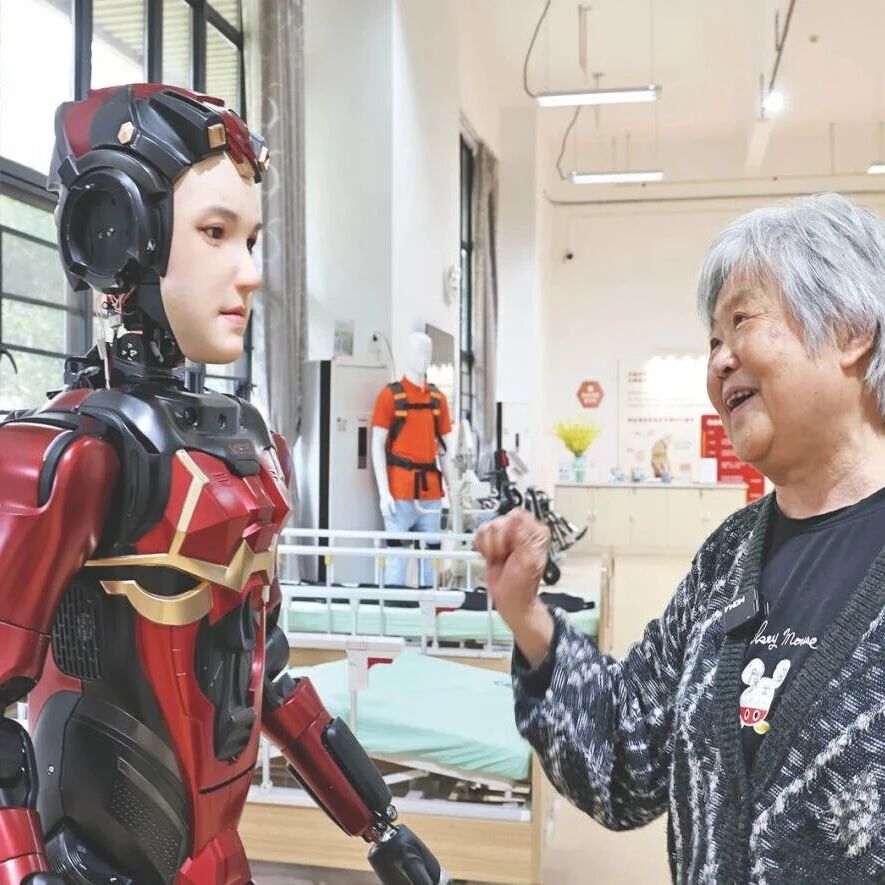
万亿家政市场“智”变,机器人保姆上路
2 1 Shi Ji Jing Ji Bao Dao· 2025-09-04 07:43
Core Insights - The home service market is experiencing significant growth driven by the aging population and increasing demand for high-end services, with the market size expected to exceed 1.2 trillion yuan by 2024 [3][4] - New technologies, particularly robotics, are entering the home service sector, enhancing service efficiency and creating new service categories [2][5][10] - The demand for skilled labor in the home service industry is rising, with a projected shortfall of over 20 million workers by the end of 2024 [9][10] Group 1: Market Potential and Growth - The home service market is projected to grow by 120% from 2020 to 2025, with elderly care, maternal and infant care, and high-end cleaning services contributing 65% of this growth [4][10] - The market is expected to see an annual growth rate exceeding 25% by 2025, driven by the increasing demand for essential services [4][10] - High-net-worth families are driving demand for comprehensive service models, which have shown stable growth and high renewal rates [8][10] Group 2: Technological Integration - Companies are actively developing and deploying robots for home services, with examples including the Astribot S1 and the HIVA robot, which can perform various household tasks [2][5] - The integration of AI and robotics is still in the early stages, particularly in complex service areas like elderly care and childcare, but there is optimism about future developments [5][7] - The industry is transitioning from labor-intensive to technology-driven models, with AI and robotics expected to play a significant role in service delivery [9][10] Group 3: Changing Consumer Demands - New service demands are emerging, including health management, sleep management, and pet care services, reflecting changing consumer lifestyles [9][10] - The demand for specialized roles such as childcare providers and elderly care workers is increasing, with a notable rise in the need for high-quality talent [9][10] - The market is witnessing a structural shift, with high-end service demands in urban areas reaching 35%, necessitating skilled personnel with higher education [7][9] Group 4: Policy Support and Industry Development - Multiple government departments have introduced policies to support the home service industry, focusing on service innovation, talent training, and financial support [10][12] - Local initiatives, such as Guangdong's "Nanyue Home Service" project, aim to standardize and professionalize the industry, resulting in significant growth in service providers and workforce [12][13] - The emphasis on training and developing high-quality talent is crucial for the industry's future, with plans to train 1.5 million individuals annually [10][13]

北京“十五五”建言征集 一老一小成为焦点
Xin Jing Bao· 2025-09-02 06:47
Group 1: Public Concerns and Suggestions - The public's suggestions for the "14th Five-Year Plan" in Beijing show that over 60% of the feedback is focused on livelihood security, with elderly care, social services, education, and employment being the main concerns, accounting for more than 40% of the livelihood-related suggestions [1] - There is a growing demand for elderly care services in Beijing, necessitating a more effective service demand matching platform to connect supply and demand accurately [2] - The establishment of a comprehensive platform for elderly care services is suggested to enhance the connection between service providers and the elderly, ensuring that the needs of the elderly are met more effectively [2] Group 2: Childcare and Early Education - The demand for childcare services is increasing, with a mismatch between the needs of young parents and the availability of suitable childcare institutions [3] - The development of a sustainable operational model for childcare services is essential, focusing on both social and economic benefits [3][4] - A "1+N" childcare service system is proposed to provide accessible, affordable, and quality childcare services, integrating various types of childcare institutions and community resources [3] Group 3: Home Services Industry - The home services market in China is projected to exceed 1.2 trillion yuan by 2024, indicating rapid growth in demand [5] - There is a significant gap between the supply and demand for professional home service personnel, with a need for more specialized and professional services [5] - Establishing industry standards and improving the social perception of home services are crucial for attracting younger, higher-educated individuals to the industry [5]
徐州泉山:从“收租金”到“创品牌”,这个社区转型值得点赞!
Yang Zi Wan Bao Wang· 2025-08-28 10:27
Core Viewpoint - The "Jinshan Selection Digital Community Service Center" in Xuzhou's Quanshan District has quickly gained popularity, achieving sales of over 30,000 yuan within three days of opening, showcasing a successful community transformation initiative [1][3]. Group 1: Community Transformation - The Jinshan community, previously reliant on real estate rental income, faced rising vacancy rates and an increasing elderly population, with a projected welfare funding gap exceeding 580,000 yuan by 2025 [1]. - The community's leadership, under the guidance of local government support, initiated the "Jinshan Selection" project to revitalize idle resources through a "supermarket + service" model, launching the project within a month [1][3]. Group 2: Business Model and Offerings - "Jinshan Selection" integrates affordable shopping, convenient services, and brand incubation, directly connecting with suppliers to eliminate middlemen, thus providing residents with quality products at lower prices [3]. - The center has partnered with well-known companies and signed contracts with hundreds of quality suppliers, while also launching its own brand products and promoting local intangible cultural heritage products [3]. Group 3: Employment and Community Services - The center has created job opportunities, hiring four cashiers and planning to recruit ten unemployed residents as community group leaders to enhance online business development [5]. - Future plans include the establishment of "Jinshan Big Canteen" and "Jinshan Big Health" projects, combining nutritious meals with health care services to create a comprehensive and harmonious community [5].

商务部:9月将出台扩大服务消费的若干政策措施
Sou Hu Cai Jing· 2025-08-27 06:08
Core Insights - The Ministry of Commerce emphasizes the significance of the Service Trade Fair as a crucial platform for the openness, innovation, and cooperation in service trade, as well as its importance in expanding service consumption [1] Policy Initiatives - The Ministry of Commerce plans to strengthen policy promotion to create a collaborative effort in expanding service consumption [1] - Various policy documents have been issued this year focusing on areas such as senior tourism, home services, health consumption, and green consumption [1] - High-value policy measures include service consumption and elderly loan re-lending, as well as interest subsidies for service industry operating entities [1] Future Plans - The Ministry of Commerce will introduce several policy measures next month aimed at expanding service consumption [1] - There will be a coordinated use of fiscal and financial tools to optimize and enhance service supply capabilities, thereby stimulating new service consumption growth [1]
活力中国调研行∣厦门推动家政服务质量和消费扩容 提升市民幸福感
Sou Hu Cai Jing· 2025-08-25 13:44
Core Insights - The article highlights the growth and innovation of the internet home service company, Haokang, in the context of China's evolving home service industry [2][4][10] Company Overview - Haokang was established in 2010 in Xiamen and is recognized as a leading internet O2O home service enterprise in China, with operations covering 65 cities and over 10 million family users by April 2025 [8] - The company has trained over 110,000 professional service personnel and provided stable employment for 15,000 migrant workers, with a cumulative salary payout of nearly 10 billion yuan [4] Business Performance - After experiencing a contraction and losses during the pandemic, the company has achieved continuous profitability from 2022 to 2024, with revenue recovering to pre-pandemic levels and profits reaching new highs [6] - In 2024, the company's revenue exceeded 1.1 billion yuan, and from January to May 2025, revenue reached 430 million yuan [6] Service Innovations - Haokang has introduced several innovative service strategies, including a "service license" system ensuring all employees are certified, and a commitment to redo services for free if customers are dissatisfied, leading to a customer satisfaction rate that is continuously improving [4][6] - The company has launched the "Haokang Home Service Insurance," which links policies to orders, ensuring comprehensive protection for consumers and service providers [6] Industry Trends - The home service market in Xiamen has seen a compound annual growth rate (CAGR) of 203.2% from 2022 to 2024, significantly outpacing the average of 15 other sub-provincial cities [10] - The local government is actively encouraging home service companies to expand into new service areas and enhance digital transformation, integrating home services with sectors like elderly care, childcare, property management, and healthcare [10]
每年2000万退休老人,再就业能干啥?60岁退休阿姨做钟点工,月入过万
第一财经· 2025-08-24 11:08
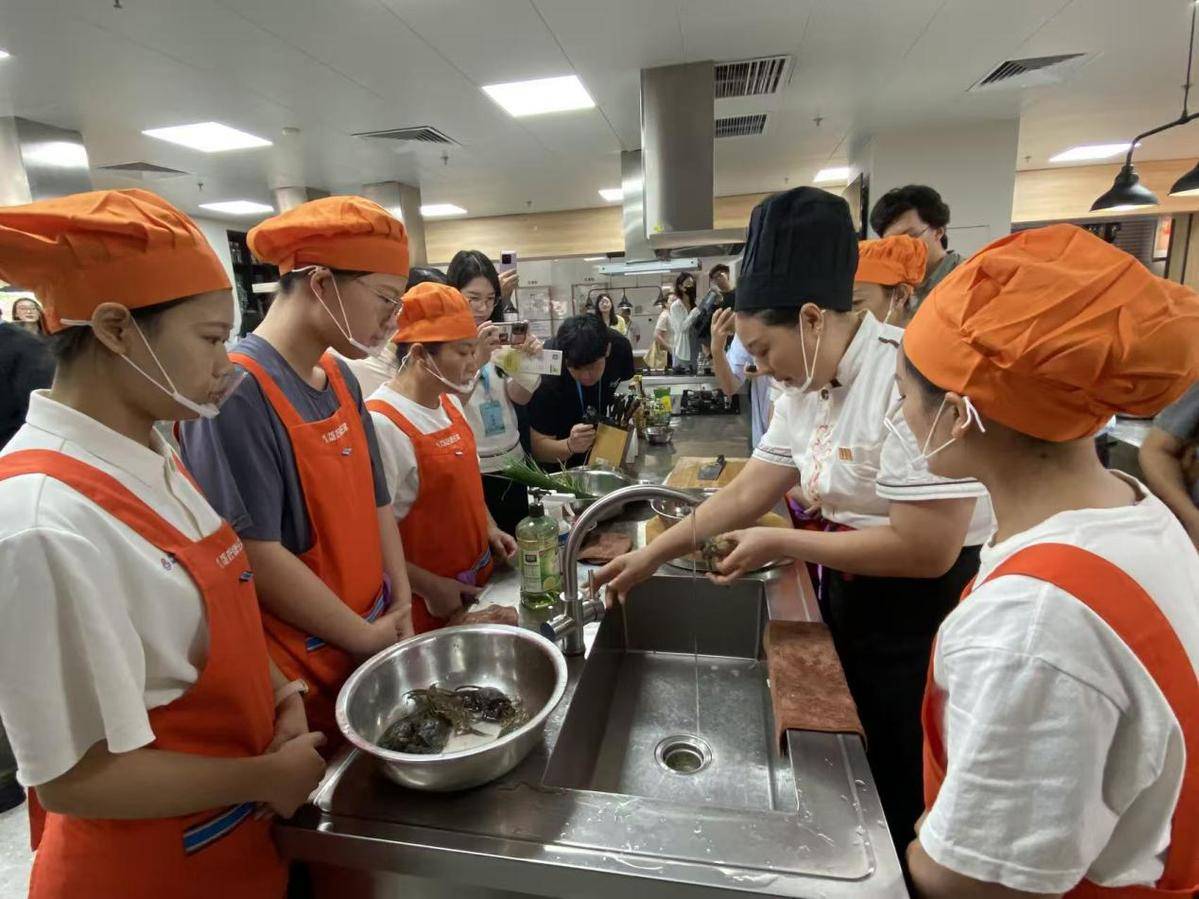
Core Viewpoint - The article discusses the increasing trend of retired individuals re-entering the workforce in China, particularly in sectors like home services and food service, due to a significant retirement wave expected from 2022 to 2031, with approximately 20 million people retiring each year [3][17]. Group 1: Employment Opportunities for Retirees - Many companies, including McDonald's and Xiao Yang Sheng Jian, are actively hiring retired individuals, particularly for roles that require local language skills and customer interaction [8][9]. - The home service industry is seeing a notable influx of retired workers, with estimates suggesting that 30% to 40% of home service personnel are retirees, earning around 3,000 yuan monthly for part-time work [5][6]. - Some retirees in the home service sector can earn over 10,000 yuan per month by working multiple jobs, highlighting the financial viability of this employment path [6][7]. Group 2: Professional Re-employment - Retired professionals with specialized skills, such as in healthcare or cultural sectors, are also finding opportunities to return to work, contributing their expertise to various projects and organizations [11][12]. - The healthcare sector is particularly in need of experienced retirees, with roles available for those who meet health and certification requirements [11][12]. Group 3: Government Support and Market Trends - The Chinese government is encouraging the re-employment of retirees through policies aimed at creating diverse job opportunities and supporting the "silver economy" [16][18]. - As the aging population grows, the demand for elderly workers is expected to increase, with projections indicating that by 2035, over 400 million people aged 60 and above will be in China, representing more than 30% of the population [17][18].