
支付

Search documents
新国都正式递表港交所!营收仍难增长
Bei Jing Shang Bao· 2025-11-27 11:36
Core Viewpoint - The company, New Guodu, has submitted an application for an H-share listing on the Hong Kong Stock Exchange, marking a significant step in its global expansion strategy [1][2]. Group 1: Company Overview - New Guodu was listed on the Shenzhen Stock Exchange in 2010 and is the second A-share listed payment institution to pursue an IPO in Hong Kong, following Lakala [1]. - The company aims to enhance its global strategy, accelerate overseas business expansion, and improve its international market competitiveness through this listing [1][2]. Group 2: Financial Performance - New Guodu's revenue sources are primarily from acquiring and value-added services, accounting for over 60% of total revenue. The company reported revenues of RMB 43.15 billion, RMB 38.00 billion, RMB 31.46 billion, and RMB 15.27 billion for the years 2022, 2023, 2024, and the first half of 2025, respectively [2]. - The net profits for the same periods were RMB 0.45 billion, RMB 7.54 billion, RMB 2.31 billion, and RMB 2.74 billion, indicating a significant decline in revenue and net profit for 2024 and the first half of 2025 [2]. Group 3: Market Challenges - The payment industry is facing intensified competition, regulatory tightening, and declining fee rates, which have pressured New Guodu's main business profitability [3][4]. - The company is also encountering challenges in its overseas market expansion due to local competition and regulatory barriers, which have not yet translated into stable profit support [3][4]. Group 4: Future Outlook - The application for a Hong Kong listing is just the first step in a lengthy process that includes several critical stages such as review, hearing, and regulatory approval, all of which carry uncertainties [4]. - The company needs to optimize its revenue structure and enhance information disclosure to address market concerns and meet regulatory requirements [4].



PayPal全球副总裁、中国区首席技术官吴晖: 以AI引领智能生态变革 做商家与消费者值得信赖的合作伙伴
Cai Jing Wang· 2025-11-27 03:09
Core Insights - Artificial Intelligence (AI) is profoundly reshaping the payment industry, transitioning from traditional channels to intelligent ecosystems [1] - PayPal's strategy focuses on "Agentic Commerce," which aims to automate the entire transaction process, enhancing trust between merchants and consumers [1][2] Group 1: AI's Impact on Payment Industry - Agentic AI is set to bring disruptive opportunities to the payment sector by enabling cross-system information extraction, reasoning, and closed-loop execution [1] - The evolution towards Agentic Commerce allows for fully automated consumer behaviors such as price comparison, payment, and investment, while empowering businesses to predict demand and manage risks [2] Group 2: PayPal's AI Strategy - PayPal has been building its AI ecosystem for over a decade, starting with high-performance servers and developing deep learning models for risk control, compliance, and customer service [2] - The newly upgraded global payment platform integrates AI functionalities to facilitate quick access to PayPal's services for merchants and enhance their AI capabilities [3] Group 3: Infrastructure and Ecosystem Development - PayPal positions itself as a foundational infrastructure provider for electronic payments, developing proprietary platforms like Cosmos and SmartPal to enhance its core competencies [4] - Collaborations with AI giants and cloud service providers are aimed at shaping the next generation of commercial ecosystems [4] Group 4: Risk Management and Compliance - AI is being utilized to empower merchants in various scenarios, such as customizing payment products for subscription-based businesses and providing tools that lower technical barriers [5] - PayPal's Model Context Protocol (MCP) serves as a core infrastructure for efficient payment processing and compliance, addressing the challenges faced by small and medium enterprises [5][6] - The company emphasizes the importance of adhering to local laws and regulations in its AI applications, ensuring decision-making transparency and data security [6]

购物车托付给AI的时代,已经到了
3 6 Ke· 2025-11-26 11:24
Core Insights - The article discusses the anticipated explosive growth of AI-driven shopping during the 2025 fall and winter shopping season, with major e-commerce platforms expecting significant sales increases due to AI integration [1][3][4]. Group 1: AI Integration in E-commerce - Alibaba's Taobao and Tmall launched several AI shopping applications, including "AI万能搜" and "AI帮我挑," which enhance product understanding and improve traffic matching efficiency, leading to double-digit growth [1]. - Adobe Analytics predicts a 520% year-over-year increase in shopping traffic driven by AI in the U.S. during the 2025 shopping season, with peak traffic expected in the ten days leading up to Thanksgiving [3]. - OpenAI's introduction of the Operator agent in early 2025 laid the groundwork for AI-assisted shopping, allowing users to complete complex e-commerce tasks through natural language commands [4]. Group 2: Payment and Automation - Major financial institutions like Mastercard and Visa have entered the AI shopping space, developing AI agents for personal shopping and payment, thus filling the gap in the payment process for AI shopping [6]. - The launch of "AI付" by Alipay and the integration of AI shopping features in platforms like Google Chrome signify a move towards full automation from product selection to payment [6][8]. - Walmart's adoption of OpenAI's "instant checkout" system allows users to shop directly through ChatGPT, streamlining the shopping experience [8]. Group 3: Impact on Consumer Experience - AI shopping will significantly enhance the consumer experience by reducing decision-making time and eliminating distractions from advertisements, thus addressing common shopping dilemmas [13]. - The AI shopping model will transform seller marketing strategies, requiring sellers to align their data with AI decision-making parameters to attract AI-driven customers [13]. Group 4: Financial Opportunities and Challenges - Financial institutions are keen on AI shopping as it could lead to increased liquidity of consumer funds and credit, allowing for more efficient payment processes [14][15]. - The integration of AI in shopping raises questions about responsibility in after-sales disputes, particularly when AI makes purchasing decisions on behalf of consumers [18][22].


“免密支付”:如何平衡安全与便捷
Jin Rong Shi Bao· 2025-11-26 00:56
Core Viewpoint - The rise of "no-password payment" has made transactions more convenient, but it also poses significant security risks, leading to unauthorized charges and difficulties in managing payment settings [2][3][6] Group 1: Convenience of No-Password Payment - "No-password payment" has become a preferred choice for many due to its high convenience, allowing transactions to be completed instantly without the need for password input [2][3] - Users have reported issues such as accidental activation of "no-password payment" by elderly family members, leading to unexpected purchases [2][3] Group 2: Security Risks - The lack of password or secondary verification in "no-password payment" can lead to unauthorized transactions, especially if a phone is lost or account information is leaked [3][5] - Some platforms impose limits on single transaction amounts but do not restrict the frequency of transactions, enabling potential fraud through small, repeated charges [3][5] Group 3: User Management and Prevention - Users can check and manage their "no-password payment" settings through various apps like Alipay and WeChat, with specific steps outlined for each platform [4][5] - Recommendations for users include regularly reviewing and cleaning up authorization settings, enhancing device and account security, and maintaining a habit of checking transaction records to identify any anomalies [5][6] Group 4: Recommendations for Payment Platforms - Payment service providers should strengthen the management of "no-password payment" features by ensuring user identity verification and avoiding default activation of such services [5][6] - Platforms should implement measures to detect unusual transaction patterns and provide users with easy options to deactivate "no-password payment" if they choose to do so [5][6]

支付机构备付金规模连续回升,后续如何波动
Bei Jing Shang Bao· 2025-11-25 12:13
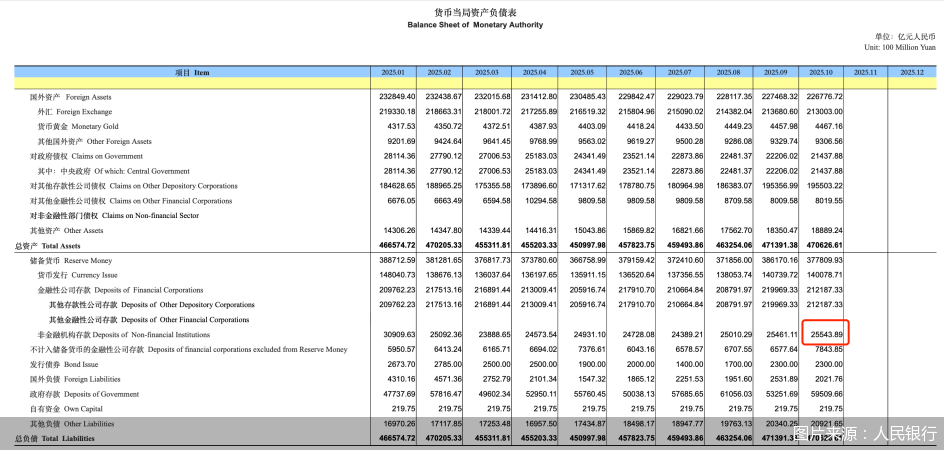
Core Insights - The payment industry is experiencing a recovery, as indicated by the increase in non-financial institution deposits, which reached 25,543.89 billion yuan as of October 2025, up by 82.78 billion yuan from September 2025 [1][2] Group 1: Payment Industry Trends - The increase in deposits reflects the transaction volume of payment institutions, with the scale of reserve funds growing for three consecutive months, driven by events like "Double 11" and the deepening of ecosystems by major platforms like WeChat and Alipay [2][3] - The overall reserve fund has shown a fluctuating growth trend, primarily around 25 trillion yuan, with peaks typically occurring in the fourth quarter and notable increases in January and April-May [2][3] Group 2: Regulatory Environment - The People's Bank of China has revoked a total of 107 payment licenses this year, including 11 in the current year, indicating a consolidation in the market, particularly among prepaid card institutions [3][4] - Compliance with reserve fund management regulations is critical, as evidenced by penalties imposed on institutions for violations, emphasizing the need for strict adherence to the 100% centralized deposit requirement [4]
?港股重拾升轨,恒指有望重回2万6
Guodu Securities Hongkong· 2025-11-25 07:44
Market Overview - The Hong Kong stock market has regained upward momentum, with the Hang Seng Index expected to rise above 26,000 points after a previous decline of 1,352 points [2][3] - The Hang Seng Index closed up 496 points or 1.97%, recovering above the 100-day moving average [3] Macro & Industry Dynamics - Citigroup's wealth management head indicated that the U.S. stock market still has room for growth, citing strong earnings expectations and a lack of excessive optimism among investors [6] - The bank noted significant net inflows from wealthy clients in Asia, particularly driven by clients from China, highlighting a robust economic recovery post-COVID [6] Company News - China Wangwang reported a 7.83% year-on-year decline in net profit for the six months ending September, with earnings of 1.717 billion yuan and revenue of 11.108 billion yuan, a 2.13% increase [9] - The company plans to optimize its internal organization and enhance its diversified strategy to improve sustainable growth [9] - YK Technology reported a 50% quarter-on-quarter increase in overseas payment transaction volume, reaching nearly 1.3 billion yuan, and continued growth in domestic payment transactions [10] - The company has secured new clients in the e-commerce sector, including major platforms like Taobao and Didi, and is expanding its AI-generated digital video services [10]
中国邮政集团获批经营保险代理业务; 太平养老获批增资至33.33亿元 | 金融早参
Sou Hu Cai Jing· 2025-11-24 23:45
Group 1 - The People's Bank of China will conduct a 1 trillion yuan MLF operation on November 25, 2025, to maintain liquidity in the banking system, exceeding the 900 billion yuan MLF maturing in November by 100 billion yuan [1] - This MLF operation aims to counter potential liquidity tightening and stabilize the funding environment, supporting government bond issuance and encouraging financial institutions to increase credit supply [1] Group 2 - The China Post Group has been approved to operate insurance agency business, expanding its service offerings to include various types of insurance such as vehicle, property, and life insurance [2] - This move leverages the extensive network of China Post to enhance insurance product coverage and may stimulate activity in the overall insurance market [2] Group 3 - Taiping Pension has received approval to increase its registered capital to 3.33 billion yuan, introducing Belgium's Fidea Insurance as a new shareholder with a 10% stake [3] - The partnership with an international strategic investor like Fidea is expected to provide not only capital but also advanced experience in global pension management and risk management [3] Group 4 - Yika reported a 50% quarter-on-quarter increase in overseas payment transaction volume, reaching nearly 1.3 billion yuan in the third quarter of 2025, surpassing the total for the previous year [4] - This growth highlights the company's successful expansion into overseas markets and the potential for further international development [4] Group 5 - Barclays research indicates that Federal Reserve Chairman Jerome Powell may advocate for a rate cut in the upcoming FOMC meeting, reflecting the uncertainty in the Fed's interest rate decision [5] - The Fed may need to adjust rates flexibly to support economic growth amid the complex balance between inflation and economic expansion [5]
加强免密支付安全管理
Jing Ji Ri Bao· 2025-11-24 23:19
Core Viewpoint - The China Payment and Clearing Association has issued an initiative to enhance the security management of "no-password payment" services, addressing consumer concerns about the ease of activation versus the difficulty of deactivation [1][2]. Group 1: Security Management - Payment service providers are urged to strengthen the security management of no-password payment services, ensuring that user consent is genuine and informed [2]. - The initiative emphasizes the need for strict identity verification during the activation process and prohibits default activation of no-password payment features [2]. Group 2: Consumer Protection - The association highlights the importance of assessing the risk tolerance and capacity of elderly users, ensuring that core terms are clearly presented before activation [2]. - There is a call for improved monitoring of transaction processes to prevent financial losses, utilizing risk models and big data analysis to enhance risk control capabilities [3]. Group 3: Merchant Risk Management - Merchants are encouraged to implement risk management practices, including setting transaction limits based on their operational characteristics and risk profiles [3]. - The initiative suggests that merchants should avoid enabling no-password payment services for high-risk scenarios [3]. Group 4: User Experience and Accessibility - The association proposes that users should have easy access to deactivate no-password payment features, with a focus on providing clear information and one-click cancellation options [3]. - Recommendations include regular reviews of authorized services by consumers and prioritizing the activation of no-password features in trusted applications [4].
移卡(09923.HK)11月24日耗资9.7万港元回购1.2万股
Ge Long Hui· 2025-11-24 10:07
Group 1 - The company, Yika (09923.HK), announced a share buyback on November 24, 2023, spending HKD 97,000 to repurchase 12,000 shares [1] - Following the announcement, Yika's stock price increased by over 6% [1] - In Q3, Yika's overseas payment business recorded a 50% quarter-on-quarter increase in transaction volume [1]
支付行业“自我革命”!Visa和Mastercard加速布局稳定币
Hua Er Jie Jian Wen· 2025-11-24 02:52
Core Insights - Visa and Mastercard are accelerating their embrace of cryptocurrency payments, betting on the growth potential of stablecoins in developing countries while countering competitive threats from merchants bypassing their networks [1] - The push for expansion in cryptocurrency payments comes after a warning in spring when Amazon and Walmart were reported to be exploring stablecoin launches, leading to a drop in Visa and Mastercard's stock prices [1] - Recent legislation in Washington has provided legitimacy to stablecoins, promoting their growth in traditional finance [1] Group 1: Cryptocurrency Payment Expansion - Visa's prepaid card business based on stablecoins is rapidly growing, particularly in emerging markets like Latin America, where consumers and businesses use stablecoins to access US dollars [2] - As of September 30, the spending associated with Visa cards linked to stablecoins has tripled year-over-year, with Visa operating over 130 stablecoin-linked card issuance projects in more than 40 countries [2] - Mastercard has over 100 crypto card projects globally, with significant contributions from startups like Rain and Stripe's Bridge [2] Group 2: Challenges to Traditional Banking - The stablecoin business poses a nuanced challenge for Visa and Mastercard as it may alienate traditional banking clients who rely on debit and credit cards [2] - Both companies do not issue their own stablecoins but assist banks in launching them, which could threaten banks' roles in stablecoin transactions, leading to lower revenue compared to traditional debit card payments [3] - Merchants prefer stablecoin transactions due to faster fund availability, which could disrupt traditional settlement processes [3] Group 3: Credit Card Market Potential - Direct payments between businesses and individuals represent the largest type of stablecoin transactions, followed by card payments, indicating that card usage is being driven by Visa and Mastercard's involvement [4] - Stablecoin-linked credit cards are still in the early stages, with limited adoption compared to traditional credit cards, which remain core to Mastercard and Visa's business [4]

