电动汽车

Search documents
中加发表联合声明,卡尼表示中国比美国更可靠,加拿大弃美投华?
Sou Hu Cai Jing· 2026-01-18 21:14
Group 1 - The core point of the article is that Canada's recent decision to eliminate the 100% tariff on Chinese electric vehicles marks a significant shift in its geopolitical stance, indicating a move towards China amidst pressures from the U.S. [1][4] - The trade relationship between Canada and the U.S. has become increasingly strained, with Canada heavily reliant on the U.S. for trade, accounting for 75% of its total foreign trade, which poses a risk to its economic stability [4][6] - The U.S. has imposed significant tariffs on Canadian goods, leading to a dire economic situation for Canada, prompting the need for Canada to seek new trade partnerships, particularly with China [6][10] Group 2 - Canada's perception of China as a more reliable partner stems from frustrations with U.S. unpredictability in trade policies, which has created a sense of urgency for Canada to diversify its economic relationships [7][8] - The removal of tariffs on Chinese electric vehicles is expected to benefit Canadian consumers by providing access to more affordable and advanced electric vehicle options, while also helping Canada meet its environmental goals [11][13] - The trade potential between China and Canada is significant, with projections indicating that bilateral trade could reach $120 billion by 2025, highlighting the mutual economic benefits of this relationship [17][21] Group 3 - The article draws parallels between Canada's current situation and Australia's past relationship with China, suggesting that economic realities can lead to a shift away from U.S. influence [15][17] - The geopolitical landscape is changing, with Canada's shift signaling cracks in the U.S.-led alliance system, as allies begin to question the reliability of U.S. leadership [20][21] - The invitation for Chinese leaders to visit Canada indicates that this is just the beginning of a new phase in Canada-China relations, suggesting further developments in trade and cooperation [24]

加拿大行业协会:卡尼政府调整中国产电动汽车进口政策“正当其时”
Huan Qiu Wang Zi Xun· 2026-01-18 12:28
Core Insights - Canadian Prime Minister Carney's visit to China marks the first official visit by a Canadian Prime Minister in eight years, focusing on deepening economic and trade cooperation between China and Canada [1] - A significant outcome of the visit is the signing of the "China-Canada Economic and Trade Cooperation Roadmap," which includes preliminary arrangements for addressing bilateral trade issues [1] Group 1: Trade Policy Changes - Canada will no longer impose a 100% additional tax on Chinese electric vehicles, instead implementing an annual import quota system, allowing Chinese electric vehicles to benefit from a 6.1% most-favored-nation tariff within the quota [1] - The quota for Chinese electric vehicles will increase proportionally each year, promoting competition in the Canadian market [1] Group 2: Market Implications - Daniel Breton, President and CEO of the Canadian Electric Vehicle Association, stated that the new tariff level of 6.1% will change the market dynamics and pressure other automakers to offer more affordable products [3] - The adjustment in import policy is seen as timely, given the diminishing reliability of the U.S. as a partner for Canada, prompting the need to seek new partnerships with countries like China, Japan, South Korea, and Europe [3][5] Group 3: Industry Context - The Canadian automotive industry has historically relied on agreements with the U.S. for 60 years, but the current landscape is rapidly changing, necessitating a shift in strategy [5] - The introduction of 49,000 Chinese electric vehicles into the Canadian market is viewed as a positive step towards diversifying trade partnerships [5]
视频丨加拿大行业协会:卡尼政府调整中国产电动汽车进口政策“正当其时”
Yang Shi Xin Wen Ke Hu Duan· 2026-01-18 12:18
Group 1 - Canadian Prime Minister Carney's visit to China marks the first official visit by a Canadian Prime Minister in eight years, resulting in a broad consensus on deepening economic and trade cooperation between China and Canada [1] - A significant outcome of the visit is the signing of the "China-Canada Economic and Trade Cooperation Roadmap," which includes preliminary arrangements for addressing bilateral trade issues [1] - Canada will no longer impose a 100% additional tax on Chinese electric vehicles, instead implementing an annual import quota system that allows Chinese electric vehicles to benefit from a 6.1% most-favored-nation tariff within the quota, with the quota increasing proportionally each year [1] Group 2 - Daniel Breton, President and CEO of the Canadian Electric Vehicle Association, emphasizes that the new tariff level of 6.1% will create market changes and pressure other automakers to offer more affordable products [3] - Breton notes that the adjustment of import policies for Chinese electric vehicles is timely, given that the U.S. is no longer a reliable partner for Canada [3][6] - The introduction of 49,000 Chinese electric vehicles into the Canadian market is seen as a positive step towards diversifying partnerships beyond the U.S., which has historically dominated the Canadian automotive industry [6]
100%关税变6.1%,卡尼给了中方最想要的,还指出中国对美国的强项
Sou Hu Cai Jing· 2026-01-18 08:06
Group 1 - Canadian Prime Minister Carney's visit to China resulted in a significant reduction of the electric vehicle tariff from 100% to 6.1%, along with an import quota of 49,000 vehicles [1][3] - The new tariff policy aims to improve trade relations between Canada and China, which had been strained due to high tariffs on Chinese electric vehicles [3][5] - Despite the reduction, the quota remains limited, and industry experts believe it may not meet market demand, even with a promise to increase the quota to 70,000 vehicles within five years [5] Group 2 - In response to Canada's concessions, China announced a reduction of the comprehensive tariff on canola seeds to 15%, benefiting approximately 40,000 Canadian farmers and over 200,000 related workers [7] - The canola seed industry is crucial for Canada's agricultural economy, with its impact on employment surpassing that of the steel and automotive sectors [7] - Carney's remarks highlighted China's stability and predictability compared to the U.S., indicating a shift in international perceptions regarding trade relationships [9][11] Group 3 - The U.S. response to the Canada-China agreement has been mixed, with some officials expressing dissatisfaction over Canada's easing of electric vehicle import policies [13] - Trump's administration's previous protectionist policies have led to growing discontent among U.S. allies, while China's approach of mutual benefit is gaining favor [11][13] - The increasing number of Western leaders planning visits to China suggests a recognition of the importance of maintaining stable trade relations with China [11]
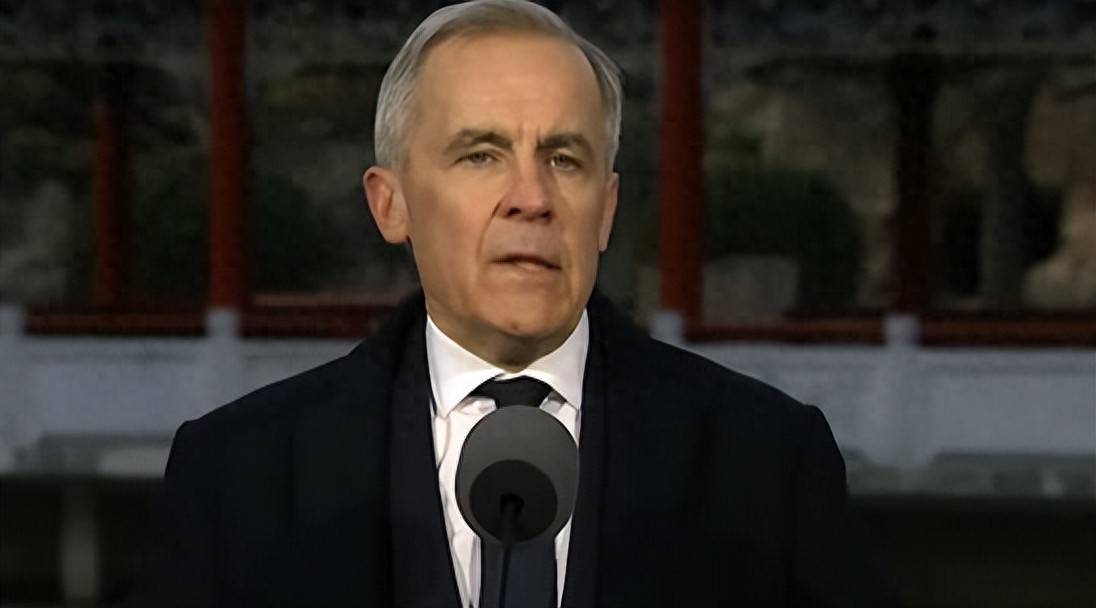
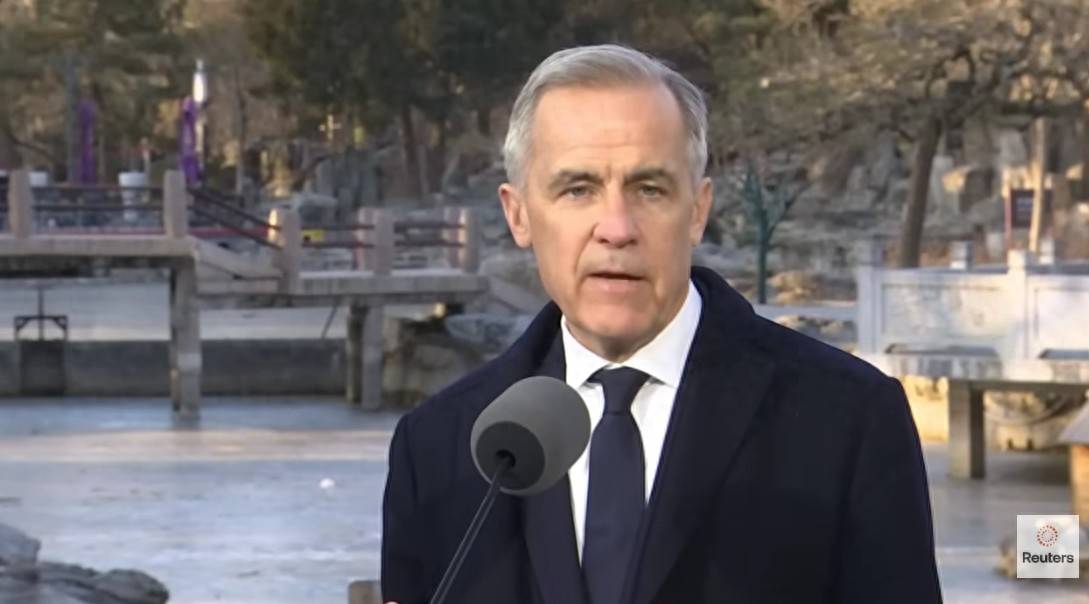
卡尼宣布取消对华电车100%加税,中国比美国更稳定且可预测
Sou Hu Cai Jing· 2026-01-18 07:37
Group 1 - Canada will eliminate the 100% additional tariff on imported Chinese electric vehicles, replacing it with a quota system that imposes a 6.1% most-favored-nation tariff on 49,000 vehicles, which will increase to 70,000 over the next five years [1][3] - In 2023, China exported 41,678 electric vehicles to Canada, with over 80% coming from Tesla's Shanghai factory, indicating a recovery to pre-trade friction levels [1] - The agreement is expected to lead to significant investments from China in Canada's automotive industry, creating numerous high-quality jobs and accelerating Canada's net-zero emissions goals [1][3] Group 2 - Canada plans to reduce the comprehensive tariff on canola seeds to approximately 15% by March, and other agricultural products will no longer be subject to Chinese countermeasures, benefiting Canadian farmers [1][5] - The Canadian government aims to attract Chinese investments in renewable energy projects, with discussions already held with CATL regarding battery production in Canada [5][7] - The agreements signed during this visit are seen as a revival of previously shelved cooperation documents, signaling a desire to deepen bilateral partnerships and advance trade issues [5][7]
靠Megapack储能电池绕开电网封锁,特斯拉瑞典启用新超级充电站
Sou Hu Cai Jing· 2026-01-18 07:24
Core Viewpoint - Tesla's Swedish division successfully launched a new Supercharger station powered by Megapack batteries, circumventing the ongoing blockade by Swedish unions that hindered traditional grid connections [1][3]. Group 1: Charging Station Launch - Despite the blockade from the Swedish Service Union (Seko), Tesla proceeded with the launch of a new Supercharger station in Arlandastad, Stockholm, which operates independently of the traditional power grid [3]. - The new charging station has eight charging spots, which is only one-fifth of the originally planned 40 spots, and it is open to non-Tesla electric vehicles as well [4]. Group 2: Challenges and Strategies - The blockade led to the rejection of all grid connection applications for Tesla's new Supercharger stations, making traditional activation nearly impossible [3]. - Tesla's strategy involved utilizing Megapack batteries to bypass the stalled grid connection approval process, likely through private agreements with nearby businesses that are already connected to the grid [3][5]. Group 3: Impact of Union Actions - The blockade's impact on Tesla's vehicle sales is considered limited, as the sales decline is relative to the record high sales in 2024, during which the union also imposed a blockade [5]. - The blockade is seen as significantly damaging for Tesla as a charging operator, but it does not substantially affect Tesla's vehicle manufacturing and sales, as consumers will still seek convenient charging options [5].


加拿大被逼向东转,中加达成哪些合作?对中国带来哪些好处?
Sou Hu Cai Jing· 2026-01-18 07:03
Group 1 - Canada has signed a series of significant cooperation agreements with China during Prime Minister Carney's visit, marking the beginning of a new strategy to diversify its foreign trade and reduce reliance on the U.S. market [1] - A notable agreement is the renewal of a 200 billion RMB currency swap agreement, originally signed in 2014 and renewed in 2021, which will continue until 2026 [1] - Canada has agreed to lower import tariffs on Chinese electric vehicles to 6.1% with a quota of 49,000 units, which could significantly impact the Canadian electric vehicle market [3] Group 2 - The agreement to lower tariffs indicates a break from the previous alignment with U.S. tariff policies, as Canada previously imposed a 100% tariff on Chinese electric vehicles [6] - China has agreed to purchase a large quantity of Canadian oil, which is intended to replace Venezuelan oil supplies and enhance China's negotiating power with the U.S. [6] - The shift in trade dynamics suggests a weakening of the North American tariff alliance, raising questions about the U.S.'s ability to enforce similar tariffs with Mexico [6]
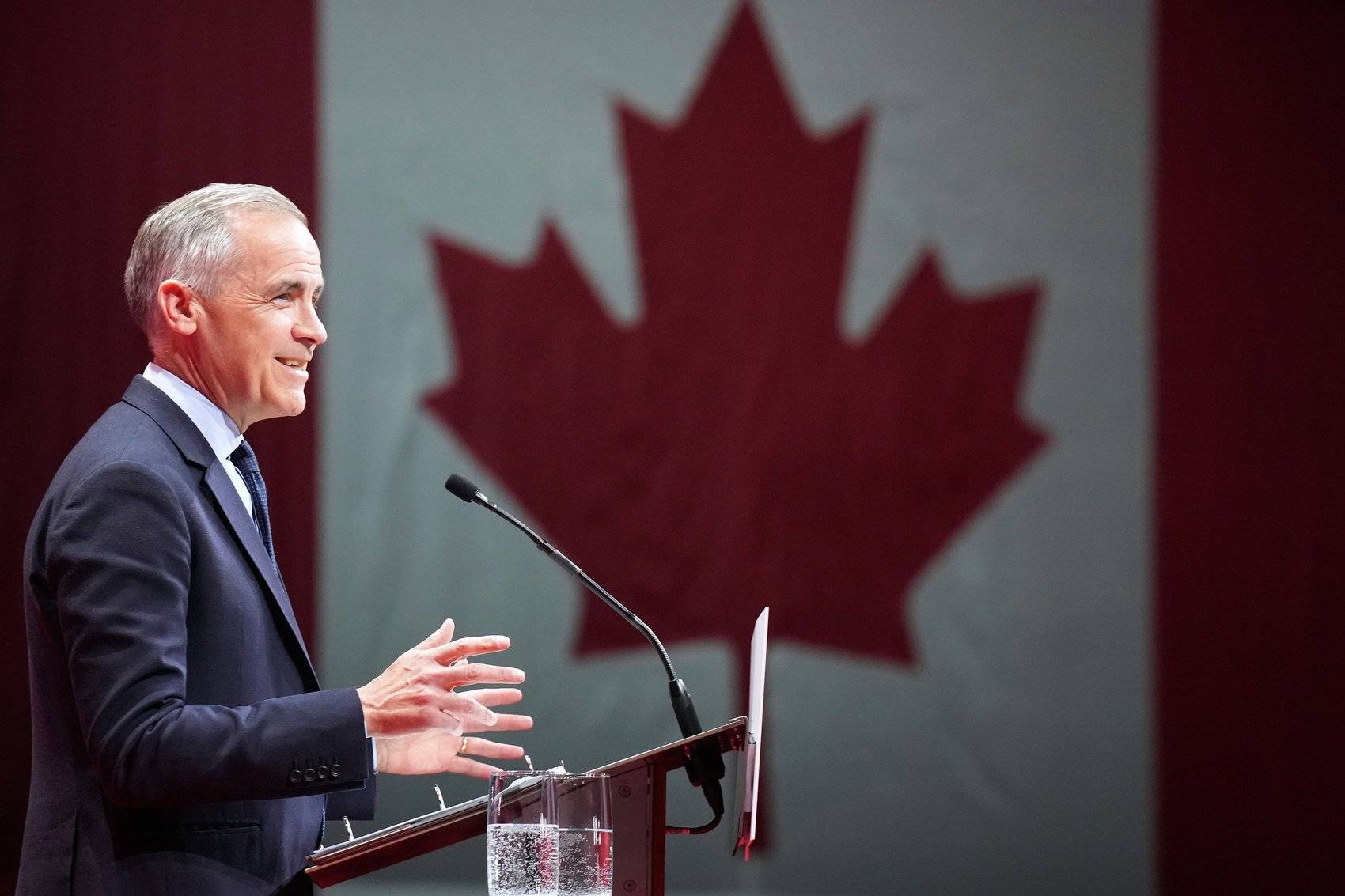
得到3个承诺,卡尼放心了:中国比美国可靠!美国说加方必将后悔
Sou Hu Cai Jing· 2026-01-18 06:45
对于加拿大而言,除了农产品出口的回暖,汽车市场的变革也将在此刻悄然发生。中国电动汽车的进入,意味着加拿大消费者将拥有更多高性价比的选择, 这将加速加拿大新能源汽车的普及步伐。而中国的新能源汽车企业进入加拿大市场后,不仅能带来更多的电动汽车,还将帮助加拿大建设充电基础设施和完 善的售后服务网络,进而推动加拿大电动汽车产业链的壮大。更重要的是,这一举措体现了卡尼政府在外交上的独立性,使加拿大在某种程度上摆脱了依赖 美国的国际形象。这也为卡尼政府带来了政治上的红利,进一步巩固了其在农业领域的支持基础。 这次与中国的外交合作,不仅使加拿大农民受益,也大大增强了卡尼政府在国内的农业票仓。通过这次合作,加拿大的整体经济复苏潜力得以释放。值得注 意的是,卡尼政府与中国的合作不仅仅是在经济上的战略考虑,还展现了其在国际舞台上主动寻求多元外交的决心。 1月16日,加拿大总理卡尼在新闻发布会上宣布了一项重要决策:加拿大将取消此前对中国电动汽车加征的100%额外关税,并进一步说明,将以进口配额制 替代高额关税政策。具体来说,4.9万辆中国电动汽车将适用6.1%的最惠国关税税率。这一消息无疑给中加关系注入了新的动力,也为两国经济合作 ...

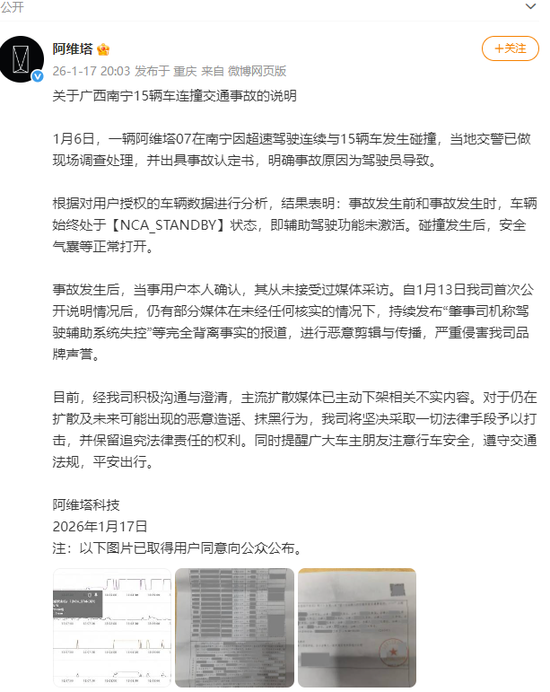
“阿维塔连撞15车”,公司回应:系驾驶员导致,辅助驾驶功能未激活
Xin Lang Cai Jing· 2026-01-18 00:45
Core Viewpoint - The incident involving an Avita vehicle in Nanning, which resulted in a collision with 15 cars, was attributed to driver error rather than a malfunction of the vehicle's driving assistance system [1][9][10]. Group 1: Incident Details - On January 6, an Avita 07 vehicle was involved in a high-speed collision, exceeding 100 km/h, with 15 other vehicles, leading to multiple injuries [2][10]. - The local police conducted an investigation and issued a report confirming that the accident was caused by the driver [1][9]. - Eyewitness accounts described the chaotic scene, with the Avita vehicle crashing into other cars without slowing down, resulting in significant damage [2][10]. Group 2: Company Response - Avita's official statement clarified that the vehicle was in a standby mode and the driving assistance feature was not activated at the time of the accident [1][9]. - The company expressed concern over media reports claiming the driver stated the driving assistance system malfunctioned, which they deemed false and damaging to their brand reputation [1][9]. - Avita has taken legal measures to address the spread of misinformation and is actively assisting customers with insurance claims related to the incident [8][16]. Group 3: Public Reaction and Safety Concerns - The incident sparked discussions about the safety of smart vehicles and the responsibilities associated with their operation [2][12]. - Avita's quick response aimed to mitigate public concern and clarify the facts surrounding the accident, although some skepticism remained among the public [8][16].
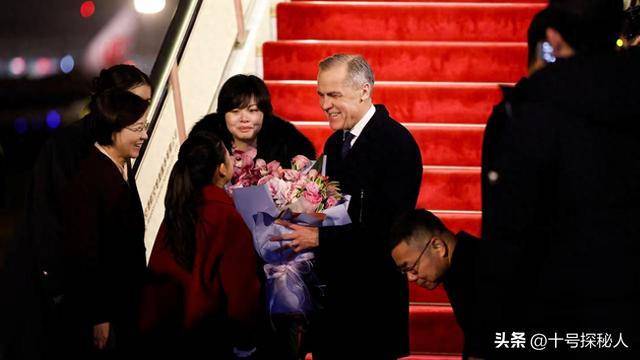
访华第三天,中加发表联合声明,卡尼对华许下的承诺,美国不爱听
Sou Hu Cai Jing· 2026-01-17 22:22
Core Viewpoint - The joint statement between China and Canada, announced during Carney's visit, signifies a major shift in Canada's economic policy, particularly regarding tariffs on Chinese electric vehicles, which have been reduced from 100% to 6.1% [3][4][6]. Economic Agreements - Eight cooperation agreements were signed, including a significant reduction in tariffs on Canadian canola exports to China from 75.8% to 15% [6][8]. - The agreements are expected to provide substantial economic benefits, with Canadian farmers having suffered significant losses in recent months, and Chinese automakers gaining access to 49,000 entry quotas, potentially generating at least CAD 2 billion in market revenue [8][12]. Strategic Implications - Carney's visit and the resulting agreements are seen as a strong signal to Washington, indicating Canada's intention to assert its economic sovereignty and explore new development paths [4][11][36]. - The agreements also reflect a broader strategy to diversify Canada's economic partnerships, reducing reliance on the U.S. market, which currently accounts for 70% of Canadian exports [26][28]. Energy and Mineral Cooperation - Canada and China agreed to enhance cooperation in energy, finance, public safety, and cultural exchanges, with a focus on traditional and clean energy sectors [12][14]. - The collaboration in key minerals is particularly noteworthy, as Canadian mining companies have seen a significant increase in investments from Chinese investors, rising from CAD 62 million in 2022 to CAD 2.2 billion in 2023 [16][18]. Political Context - The timing of the agreements is critical, coming shortly after the U.S. imposed tariffs on Canadian lumber and aluminum, suggesting a strategic pivot by Canada in response to U.S. trade policies [11][21]. - Carney's statements during the visit indicate a desire to build a new relationship that adapts to the changing global landscape, potentially forming alliances with like-minded countries to bypass U.S. dominance in certain areas [22][24][36]. Domestic Reactions - There are mixed reactions within Canada regarding the shift in trade policy, with concerns about potential backlash from the U.S. affecting local manufacturing jobs [24][34]. - The Canadian government appears to be weighing the benefits of deepening ties with China against the risks of straining relations with the U.S. [34][36].