
餐饮

Search documents
香港当地消费市场发展基本面稳固!港股通消费ETF易方达(513070)值得关注
Jin Rong Jie· 2026-02-26 12:40
Core Viewpoint - The Hong Kong stock market experienced a downward trend despite a strong performance in the consumption sector during the Chinese New Year, indicating potential investment opportunities in consumer-related stocks as the economy shows signs of steady growth [1]. Group 1: Market Performance - On February 26, the three major Hong Kong stock indices opened high but closed lower, with the CSI Hong Kong Stock Connect Consumer Theme Index declining by 1.87% [1]. - Individual stocks such as Qingdao Beer and Mixue Group saw gains of over 1% [1]. Group 2: Consumption Market Insights - The consumption market during the Chinese New Year showed significant growth, with offline travel and entertainment transactions increasing by over 20% year-on-year, and substantial order growth in categories like reunion dinner packages and intangible cultural heritage markets [1]. - The economic growth rate for Hong Kong is projected to reach 3.5% in 2025, marking three consecutive years of increase, with expectations of maintaining a growth rate between 2.5% and 3.5% in 2026, indicating a solid fundamental development for the local consumption market [1]. Group 3: Investment Opportunities - Analysts suggest that the Hong Kong consumer sector benefits from both the recovery of the consumption market and the asset allocation value of Hong Kong stocks, with the festive consumption peak likely to enhance industry prosperity [1]. - The CSI Hong Kong Stock Connect Consumer Theme Index includes a diverse range of assets, covering traditional service industry leaders as well as high-growth sectors like trendy toys, gold jewelry, sportswear, and high-dividend stocks [1]. - The E Fund Hong Kong Consumer ETF (513070) has a management fee rate of only 0.15% per year, making it the only low-fee ETF in the Hong Kong consumer category, facilitating low-cost investment in leading consumer stocks [1].
十大宏观趋势分析报告
Sou Hu Cai Jing· 2026-02-26 12:31
Group 1 - The core viewpoint of the report is that China's economy will continue to experience "reparative growth" in 2026, with the real estate sector being a key variable affecting the overall economic landscape [2][13][26] - The real estate cycle is defined as an "L-shaped" bottoming phase, indicating that it will neither continue to decline deeply nor experience a V-shaped recovery, but will stabilize gradually [2][26] - The report emphasizes that real estate is no longer the primary driver of economic growth, with a shift in policy focus towards a "new development model" that includes affordable housing construction and urban renewal [2][26] Group 2 - Inflation is expected to rise moderately, with nominal GDP growth projected to rebound from 4% in 2025 to 5% in 2026, which is crucial for improving corporate profits and household incomes [3][30][38] - The report notes that the prolonged period of low inflation has pressured corporate profit margins, leading to a perception that earning money has become increasingly difficult [3][30] - The anticipated recovery in inflation is expected to be driven by stable food prices and a rebound in core service consumption, which will positively impact nominal GDP growth [3][30][38] Group 3 - Fiscal policy is expected to become more proactive, shifting from large-scale stimulus to optimizing expenditure structures, focusing on supporting livelihoods and technology rather than traditional infrastructure [4][13][26] - The report predicts that the fiscal deficit rate may remain high, around 4%, but emphasizes the importance of where the funds are allocated [4][15][26] - There is a notable shift in fiscal spending towards social security, employment, and technology, indicating a focus on long-term competitiveness and addressing demographic challenges [4][15][26] Group 4 - The consumption engine is transitioning from goods consumption to service consumption, with an expected increase in the household consumption rate [5][14][26] - In 2025, the "trade-in" policy for appliances and automobiles was a major driver of consumption, but by 2026, service consumption is expected to take over, supported by increased transfer income and improved nominal GDP [5][14][26] - The report highlights that young families, with higher marginal consumption tendencies, will particularly drive growth in service sectors such as dining, tourism, and healthcare [5][14][26] Group 5 - Investment growth is expected to stabilize and rebound, with a narrowing decline in real estate development investment, while manufacturing and infrastructure investments will act as stabilizers [6][14][26] - The report notes that fixed asset investment experienced negative growth in 2025, but factors such as relaxed housing policies in first-tier cities and increased fiscal support for investment may lead to a turnaround in 2026 [6][14][26] - Predictions indicate a 10% decline in real estate development investment, while manufacturing and infrastructure investments are expected to grow by 5%, leading to an overall fixed asset investment growth of around 2% [6][14][26] Group 6 - The transition from old to new economic drivers is accelerating, with capital expenditure in "new economy" sectors like artificial intelligence replacing traditional real estate and infrastructure investments [7][14][26] - The report confirms this shift through macro-level data and micro-level corporate spending, indicating that technology firms are maintaining high growth in capital expenditure while real estate companies are contracting [7][14][26] - This "temperature difference" in capital allocation reveals the core drivers of future growth, emphasizing the need for technological innovation and equipment upgrades rather than reliance on traditional construction [7][14][26] Group 7 - The global liquidity environment is expected to remain accommodative, with both the Federal Reserve and the People's Bank of China likely to pursue easing measures [8][15][26] - The report suggests that if financial markets face pressure, the Federal Reserve will likely inject liquidity again, while China may also implement a reserve requirement ratio cut and interest rate reduction in 2026 [8][15][26] - This "loose monetary" environment is seen as a crucial support for stock markets and resource performance [8][15][26] Group 8 - The US dollar is expected to maintain a strong position, while the Chinese yuan may appreciate further, driven by internal and external economic rebalancing [9][15][26] - The report explains that the strong fundamentals of the US economy compared to Europe and Japan support a strong dollar, while easing trade tensions between China and the US may increase demand for the yuan [9][15][26] - The appreciation of the yuan is viewed as a reflection of China's shift from external demand reliance to internal-driven growth, which will attract international capital inflows [9][15][26] Group 9 - A-shares are seen as having more favorable opportunities compared to bonds, with a "slow bull" market foundation remaining solid [10][15][26] - The report highlights that the friendly policy environment and rising inflation will benefit corporate profit recovery, while rising bond yields will enhance the relative attractiveness of stocks [10][15][26] - The re-evaluation of technology assets, particularly in AI, and the expectation of re-inflation are expected to guide the recovery of traditional economic fundamentals [10][15][26] Group 10 - Resource commodities, especially precious and non-ferrous metals, are expected to see their strategic value continue to rise, facing long-term opportunities [11][15][26] - The report identifies three key factors: the favorable impact of a global loose monetary environment on commodity prices, increased demand for non-ferrous metals driven by the AI revolution and high-end manufacturing, and the geopolitical uncertainties leading to a "security premium" for critical minerals [11][15][26] - Particularly for gold, the report suggests that its status as a reserve asset is returning, with prices likely to rise in the context of loose monetary policy and high debt levels [11][15][26]


反复在“雷区”蹦迪,诸多品牌翻车事件教会了我们什么?
3 6 Ke· 2026-02-26 12:19
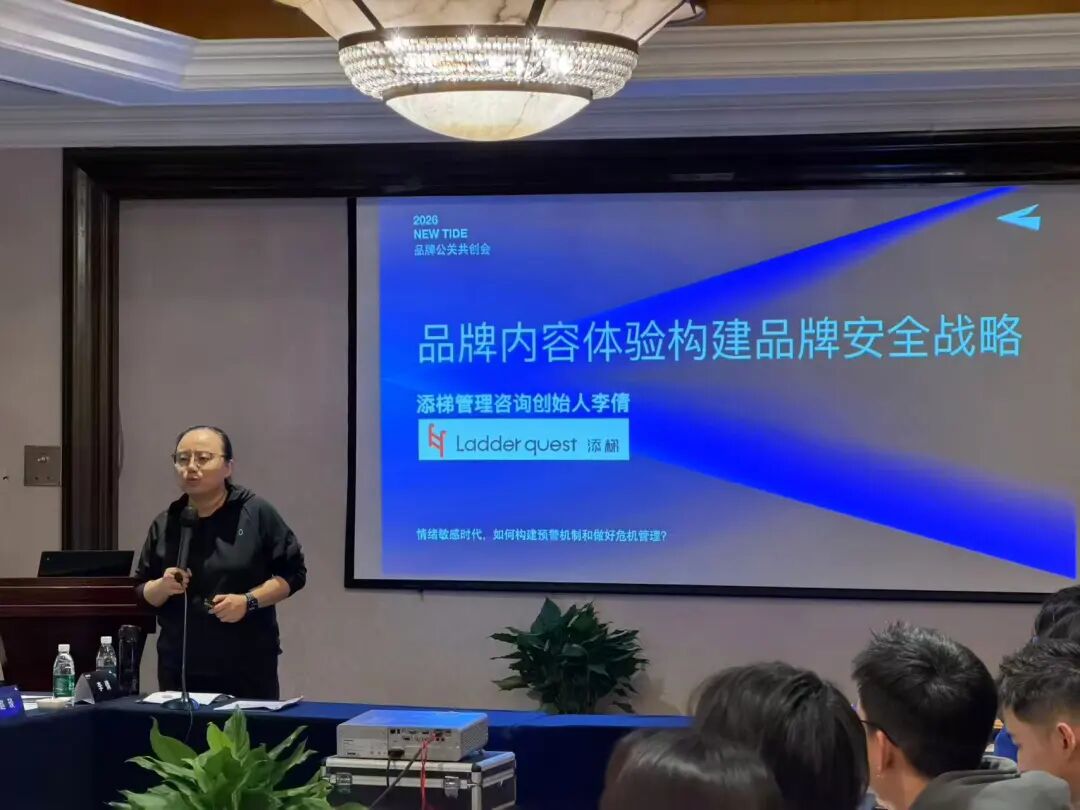
Core Insights - The consumer industry has not experienced the anticipated rebound over the past year, instead facing deeper challenges related to public communication and brand trust [1] - A significant increase in brand public relations crises has been observed, indicating a need for stronger crisis management capabilities [1] - The "2026 New Wave Brand Public Relations Co-Creation Conference" was initiated by 36 leading brands to address these challenges and develop brand safety strategies [1] Group 1: Current Industry Challenges - The industry is undergoing a profound test of values, with public trust and communication becoming critical issues beyond mere business operations and profits [1] - Brands are facing a high frequency of public relations incidents, which suggests a systemic failure in managing public perception and communication [1][4] - The complexity of public opinion has increased, making it difficult for brands to navigate and respond effectively to crises [5][19] Group 2: Characteristics of Public Relations Crises - Many public relations crises are preceded by warning signs that brands often overlook, indicating a need for better monitoring of public sentiment [25] - Misalignment between brand messaging and public perception can trigger crises, as seen in various incidents where brands failed to recognize the potential backlash [27] - Emotional and irrational responses from the public tend to dominate discussions during crises, complicating the resolution process [28][29] Group 3: Recommendations for Brand Management - Brands should adopt a more humble approach, focusing on collaboration rather than competition to foster a healthier industry environment [36] - Emphasizing common values and shared experiences can help brands connect better with their audience, reducing the likelihood of backlash [37][40] - Establishing a centralized management system for content and public relations can enhance brand safety and ensure consistent messaging across all platforms [42][44]
春节假期上海受理消费投诉六千余件,奶茶免单卡用不了成新问题
Xin Jing Bao· 2026-02-26 12:00
Core Insights - During the extended Spring Festival holiday from February 15 to February 23, Shanghai's consumer protection committee received a total of 6,036 consumer complaints, with 1,214 disputes resolved through preliminary mediation [1] Group 1: Consumer Complaints - The complaints primarily involved issues related to hotel accommodations, transportation, and recreational activities, totaling 364 cases [1] - Common problems included refusal of refunds for itinerary changes, discrepancies between actual accommodations and advertisements, inability to check into booked hotels, and inadequate after-sales service [1] - An example highlighted a consumer who faced a 600 yuan fee deduction when attempting to refund a flight ticket due to a schedule change, which he contested [1] Group 2: Promotional Issues - Complaints regarding promotional activities and the use of coupons amounted to 487 cases, with issues such as unclear coupon rules and inability to use them at stores [1] - A specific case involved a consumer who could not utilize a free drink card due to a system error, leading to dissatisfaction and a demand for a full refund [1] Group 3: Online Shopping Complaints - Online shopping complaints remained high, with prevalent issues including defective product quality, significant discrepancies between received items and advertisements, and unresponsive customer service [2] - A notable instance involved a consumer who purchased a chocolate gift box for 109 yuan but received a different item worth only 66.9 yuan, leading to a refund request due to lack of response from the seller [2]
餐饮+食品”协同发力、多门店创历史新高,全聚德集团实现马年新春“开门红
Quan Jing Wang· 2026-02-26 11:56
Core Insights - The consumption market during the Spring Festival showed strong performance, with key retail and catering enterprises achieving an average daily sales increase of 5.7% compared to the previous year, marking a 1.6 percentage point acceleration in growth [1] - Quanjude Group successfully capitalized on the festive season, with multiple stores achieving record daily revenues and a nearly 50% increase in online takeaway orders, demonstrating the brand's market vitality and resilience [1] Group 1: Marketing and Sales Performance - Quanjude's marketing theme for the 2026 Spring Festival was "Qiji Qixin · Four Flavors to Celebrate Spring," featuring comprehensive upgrades in event scale, member operations, and experiential marketing [2] - The company implemented innovative new spring packages and popular single-item promotions, effectively increasing table turnover rates and customer spending [2] - During the festival, several Quanjude stores, including the Peace Gate and Wangfujing locations, reported daily revenues exceeding one million for multiple days, with new stores also achieving record sales [3] Group 2: Online and Offline Integration - Online takeaway orders surged by 47% during the Spring Festival, attributed to the optimization of the takeaway operation system and extended service hours [4] - Quanjude's participation in various spring markets, such as the Longfu Temple and other well-known temple fairs, helped to attract younger consumers and enhance brand visibility [4] - Collaborative events with cultural venues and high-end member experiences further expanded brand reach and market space [4] Group 3: Overall Business Strategy - Quanjude's approach combines craftsmanship, service excellence, product innovation, and marketing upgrades to align with new consumer trends and expand market opportunities [5] - The successful Spring Festival performance solidified the company's operational foundation and set a positive tone for high-quality development throughout the year [5]

消费升级新样本:品质火锅需求爆发,巴奴翻台率5.3印证结构性增长
智通财经网· 2026-02-26 11:43
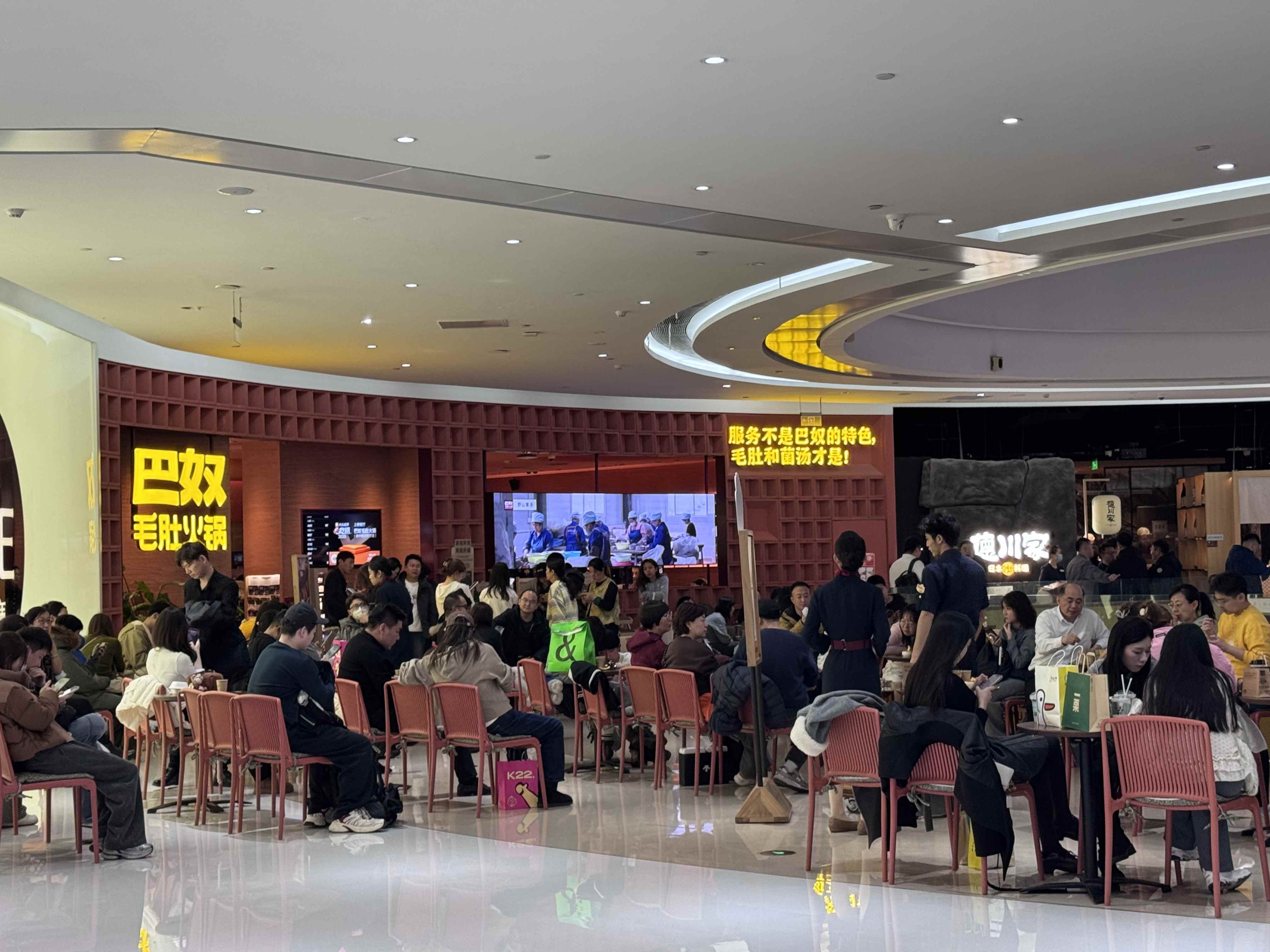
Core Insights - The Chinese catering market is experiencing a revival, with a 5.7% increase in daily sales during the Spring Festival compared to 2025, making catering consumption a key growth driver for the holiday economy [1] - Banu International Holdings, which is preparing for an IPO in Hong Kong, achieved an impressive table turnover rate of 5.30 times per day during the Spring Festival, exceeding a 10% growth rate compared to the previous year, setting a new efficiency benchmark in the hot pot sector [1][4] Company Performance - Table turnover rate is a critical profitability indicator in the catering industry, reflecting customer flow capacity, consumption appeal, and operational efficiency [4] - Banu's table turnover rate has shown a stable increase, reaching 3.6 times per day in the first three quarters of 2025, significantly higher than the industry average, while its first-month average turnover rate in four new cities opened in 2024 was 4.8 times per day [4][5] - In contrast, Haidilao's table turnover rate has fluctuated, with a decline to 3.8 times per day in the first half of 2025, indicating pressure from post-holiday consumption drop and intensified market competition [4] Market Positioning - Banu targets the "quality hot pot" segment, focusing on high-quality ingredients and health-conscious offerings, which has attracted a growing membership base from 3.7 million in 2022 to 14.8 million in 2025, emphasizing the importance of repeat purchases [5][7] - Banu's supply chain strategy emphasizes fresh ingredients and operational efficiency, achieving a monthly average revenue per square meter increase from 1,600 RMB to 2,600 RMB over three years, and an increase in operating profit margin from 15.2% to 24.3% [7] Industry Trends - Despite economic pressures leading to a 23.6% decline in per capita consumption, the demand for quality products remains strong, indicating a shift in consumer preferences towards value-for-money experiences rather than just low prices [8] - Banu's success illustrates the importance of product quality and customer experience in a competitive market, suggesting that brands focusing on differentiation and operational efficiency will thrive [8]
餐饮行业暖风频吹 绿茶集团利润预增
Zheng Quan Ri Bao· 2026-02-26 11:40
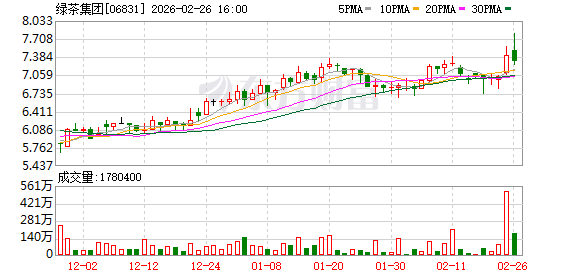
Core Viewpoint - The restaurant industry is experiencing a significant recovery in 2026, driven by improved consumer scenarios and the effects of various consumption promotion policies, with a notable increase in revenue growth rates [2] Industry Overview - The restaurant revenue growth rate in Q4 2025 reached 3.0%, accelerating by 1.6 percentage points from Q3 2025 [2] - The marginal recovery signals in the restaurant sector are becoming clearer due to the dual effects of the Spring Festival timing and a low base [2] Company Performance - Green Tea Group has released a positive profit forecast, projecting a profit between RMB 4.60 billion and RMB 5.08 billion for 2025, representing a growth of 31.4% to 45.1% compared to RMB 3.50 billion in 2024 [2] - The profit growth is attributed to a healthy relationship between revenue and net profit, indicating that the growth is driven by both store network expansion and improved operational efficiency [3] Operational Strategy - Green Tea Group employs a "small store + high efficiency" strategy, focusing on operational efficiency rather than blind expansion [3] - The company has improved its table turnover rate from 3.05 times per day in H1 2024 to 3.10 times per day in H1 2025, which has helped offset slight fluctuations in per capita consumption [3] Supply Chain and Cost Management - The company has established a robust supply chain system that includes partnerships with leading suppliers and a digital cold chain, ensuring food freshness and standardized taste while building a solid cost advantage [4] International Expansion - Since opening its first store in Hong Kong in 2024, Green Tea Group has accelerated its global expansion, with 15 stores in Hong Kong and Southeast Asia [5] - The revenue and profit scale of overseas stores can reach 2.5 to 3 times that of domestic stores, with Hong Kong stores generating monthly revenues of HKD 1.5 million to 2 million and operating profit margins exceeding 15% [5] - The company balances global standards with local adaptations through collaborations with Michelin-star chefs to develop localized dishes, addressing cultural and taste barriers in overseas markets [5] Growth Strategy - Green Tea Group has established a clear dual growth strategy: leveraging domestic market scale and efficiency as a foundation while using high growth and profitability in overseas markets as a value driver [5]
哈市香坊区市场监督管理局开展餐饮领域反不正当竞争专项整治
Xin Lang Cai Jing· 2026-02-26 11:29
Core Viewpoint - The Harbin Xiangfang District Market Supervision Administration is conducting a special rectification action to combat unfair competition in the catering industry, focusing on false advertising and maintaining fair competition in the market [1] Group 1: Focus of the Rectification Action - The special rectification targets popular tourist areas and core business districts, focusing on four types of unfair competition behaviors: 1. "Raw Material Fraud" - Strict checks on the use of cheap meat disguised as high-end meat [2] 2. "Qualification Fraud" - Addressing the forgery of "organic" and "green food" certification labels [2] 3. "Effect Fraud" - Regulating misleading promotions that exaggerate the health benefits of dishes [2] 4. "Review Fraud" - Cracking down on fabricated consumer reviews and score manipulation that disrupt consumer choices [2] Group 2: Implementation and Future Plans - Enforcement personnel are implementing a dual approach of "rectification + legal education," ensuring strict inspections while educating businesses on the responsibilities and obligations under the Anti-Unfair Competition Law [3] - The district market supervision administration plans to institutionalize and sustain the rectification of unfair competition in the catering sector, enhancing legal education and increasing inspection efforts to guide merchants towards honest operations and fair competition [5]

成都有奖发票“燃动”消费 春节期间参与人次超百万
Xin Lang Cai Jing· 2026-02-26 11:29
Core Insights - The article discusses the launch of a prize invoice pilot program in Chengdu aimed at boosting consumer spending during the Spring Festival, highlighting its positive impact on local tourism and retail [2][3]. Group 1: Program Overview - The prize invoice pilot program, initiated by the Ministry of Finance, Ministry of Commerce, and State Taxation Administration, will run for six months starting January 2026 in 50 cities, with Chengdu officially launching it on February 11, 2026 [2]. - As of February 23, 2026, Chengdu has issued 3.454 million prize invoices, with 1.554 million participants and a total invoice amount of 1.71 billion yuan; during the Spring Festival alone, 2.417 million invoices were issued, amounting to 1.13 billion yuan [2]. Group 2: Consumer Engagement - Local residents, such as Zhang Jing, have actively participated in the program, with Zhang winning an 80 yuan prize from a 106 yuan shopping invoice, demonstrating the program's appeal and its role in encouraging higher spending [3]. - The program not only provides a chance to win prizes but also serves as a platform for tax law education, helping consumers understand their rights regarding invoice issuance [3]. Group 3: Business Impact - Businesses have reported an increase in invoice requests since the program's launch, with companies like a store in Chengdu adjusting their invoice quotas to meet the heightened demand during the Spring Festival [3]. - The program is seen as a government initiative to stimulate consumption, with businesses committed to compliance and leveraging the program to enhance brand visibility [3]. Group 4: Broader Economic Effects - Chengdu has implemented various complementary activities during the Spring Festival, including promotional events and discounts, which have contributed to a significant increase in invoice issuance compared to the same period in 2025 [5]. - The pilot program has effectively combined consumer promotion with regulatory compliance, enhancing both consumer welfare and the business environment in Chengdu [5].

理响中国·聚焦2026中国经济丨热气腾腾、生机勃勃 五组数据带你读懂活力中国年
Yang Guang Wang· 2026-02-26 11:25
Core Insights - The Chinese consumer market experienced a strong start during the Spring Festival holiday, with significant increases in both sales and foot traffic, reflecting a vibrant festive atmosphere [1] - Key data points include over 2.8 billion trips taken, 4.35 million events held, and a 5.7% increase in sales compared to the previous year [1] Transportation and Travel - A total of 2.65 billion trips were made by road, with 86% being self-driving, averaging nearly 270 million trips per day [3] - The railway system transported 121 million passengers, marking an 11.5% increase year-on-year, with all transportation modes seeing substantial growth [4] - Daily package deliveries reached nearly 200 million, with 9.5 million tons of goods transported by rail [4] Entertainment and Cinema - The Spring Festival film season, lasting from February 15 to February 23, set a record with 4.35 million screenings, generating a box office of 5.752 billion yuan and attracting 120 million viewers [7] - Average ticket prices dropped to 47.8 yuan, a decrease of 3 yuan or 6% from the previous year, marking a six-year low [10] - Third and fourth-tier cities contributed 54% of the box office, the highest proportion recorded [12] Tourism and Spending - During the nine-day holiday, domestic travel reached 596 million trips, an increase of 95 million from the previous year, with total spending amounting to 803.48 billion yuan, up 126.48 billion yuan [21] - Intra-provincial travel accounted for over 50% of trips, while inter-provincial travel saw a daily increase of 6.8% compared to the previous year [23][24] - The average stay duration for tourists increased by 21.6% in cities rich in traditional cultural experiences [24] Consumer Market Performance - Key retail and catering enterprises reported a 5.7% increase in daily sales compared to the previous year, with foot traffic and sales in monitored shopping districts rising by 6.7% and 7.5%, respectively [28] - The "old for new" consumption initiative benefited 31.127 million people, generating sales of 207.03 billion yuan [29] - Notable sales growth was observed in smart glasses (47.3%) and smart robots (32.7%), along with significant increases in water-saving sanitary ware (23.2%) and organic food (26.5%) [29] International Tourism - The Spring Festival attracted tourists from over 160 countries and regions, with significant increases in visitors from Sweden, Italy, Malaysia, and France, all exceeding 30% [32] - The volume of inbound tourism orders rose by 18.4% compared to the previous year, indicating a growing trend of foreign visitors celebrating the Spring Festival in China [32] Expert Analysis - Experts attribute the record-breaking performance of the cultural and tourism market to a combination of strong demand and effective supply-side strategies, including optimized product offerings and targeted promotional activities [36]
