自动驾驶

Search documents
彭军回忆小马智行十年圆梦路:从餐桌旁的车库创业,到成为全运会无人驾驶火炬手
Xin Lang Cai Jing· 2026-01-29 11:19
Core Viewpoint - The event "Praise for China's Economy - Entrepreneur Night" highlighted the achievements of Pony.ai, a leader in autonomous driving technology in China, emphasizing its significant contributions to the automotive industry and the future of transportation [1][25]. Group 1: Company Achievements - Pony.ai, founded ten years ago, has successfully launched fully autonomous commercial operations in major Chinese cities, showcasing its commitment to innovation and technology [3][32]. - The company has maintained a focus on the robotaxi model, which is considered high-risk but reflects the dedication and early adoption of new economic opportunities by its founders [5][28]. - The founder, Peng Jun, expressed gratitude for the supportive environment that has allowed Pony.ai to thrive and emphasized the company's vision of making transportation safer, more convenient, and efficient [3][32]. Group 2: Industry Impact - The automotive industry is expected to undergo a significant transformation in the next five years due to advancements in autonomous driving technology, with Pony.ai positioned as a leading player in this evolution [6][29]. - The event featured discussions on how Pony.ai's innovations could lead to a new era in the automotive sector, similar to the assembly line revolution initiated by Ford in the 1940s [6][29]. - The advancements in autonomous driving technology are anticipated to enhance safety and efficiency in transportation, with Pony.ai leveraging multiple sensor technologies for improved environmental perception [20][43].

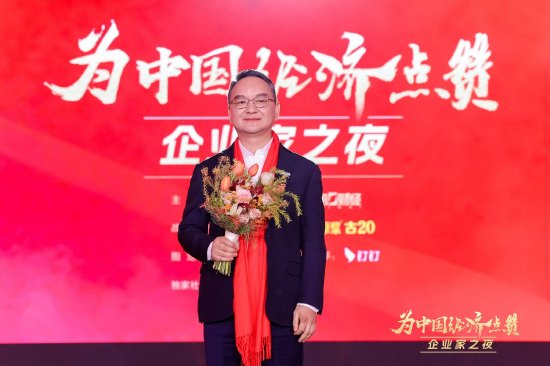
向彭军等企业家致敬,2025企业家之夜举行
Xin Lang Cai Jing· 2026-01-29 11:07
Core Viewpoint - The event "Praise for China's Economy - Entrepreneur Night" highlighted the achievements of Pony.ai, a leader in autonomous driving technology in China, emphasizing its significant contributions to the automotive industry and the future of transportation [1][24]. Group 1: Company Achievements - Pony.ai, founded ten years ago, has successfully launched fully autonomous commercial operations in major Chinese cities over the past two years [8][31]. - The company has maintained a focus on the robotaxi model, which is considered high-risk but reflects the dedication and early entry of entrepreneurs in the new economy [5][27]. - The founder, Peng Jun, expressed gratitude for the supportive environment that has allowed innovative companies like Pony.ai to thrive [31][26]. Group 2: Industry Impact - The next five years are expected to elevate the automotive industry significantly due to advancements in autonomous driving technology, with Pony.ai being recognized as a leading player in this transformation [6][28]. - The event featured discussions on how autonomous driving can enhance safety, convenience, and efficiency in transportation, aligning with the company's vision to make autonomous vehicles a common sight on the roads [31][26]. Group 3: Future Vision - Pony.ai aims to make autonomous driving a reality for everyday users, with aspirations for its vehicles to be widely accessible and visible in urban environments [31][26]. - The company is committed to improving the safety of autonomous driving through advanced technologies, including multi-sensor fusion and real-time monitoring systems [41][19].
2026,关于赚钱、AI与竞争逻辑的展望和预判
虎嗅APP· 2026-01-29 10:16
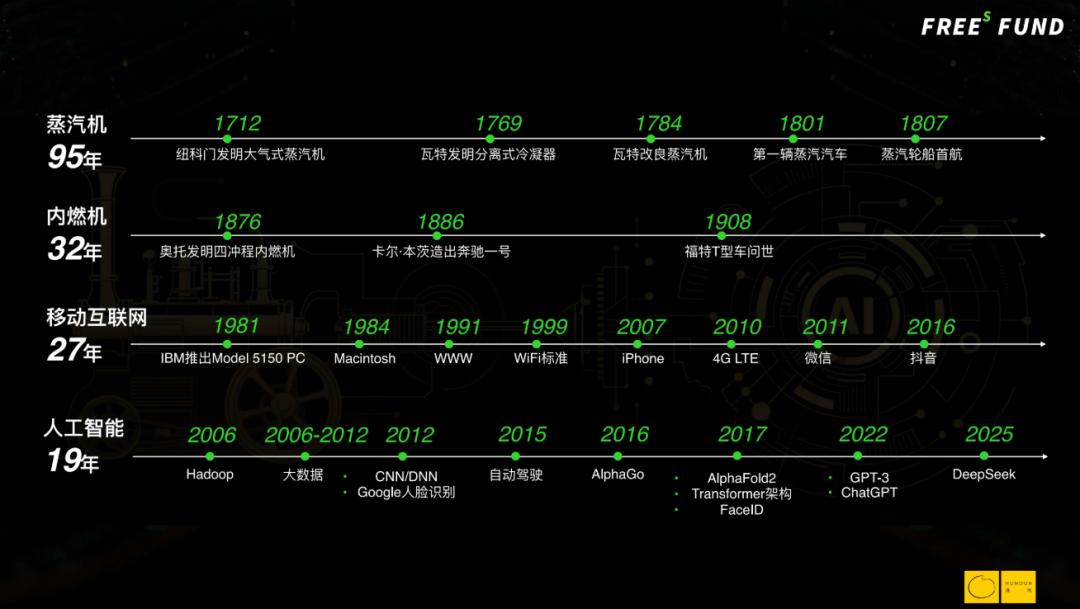
Core Insights - The article discusses the future of AI and its implications for investment opportunities, emphasizing that the current technological explosion is just the beginning of a significant societal transformation [4]. - It highlights that while the U.S. has led the AI technology in the first half of the cycle, China is expected to gain an advantage in the latter half, particularly through the integration of AI with hardware [4]. - The competition between the U.S. and China in AI will ultimately hinge on two critical factors: energy and data, with the nation that secures a long-term advantage in these areas likely to emerge victorious [4]. Group 1: AI Development and Investment Logic - The current AI wave is unprecedented, with four major historical peaks, including breakthroughs in facial recognition, AlphaGo, AI in drug discovery, and the rise of large models [7][10]. - The article outlines a clear pattern where each AI breakthrough coincides with structural changes in relevant industries, leading to significant investment opportunities [10]. - The investment logic in the AI era will shift from a focus on technological innovation to practical applications that generate revenue, particularly in the latter half of the technology cycle [23][28]. Group 2: China's Strategic Opportunities in AI - AI combined with hardware presents a strategic opportunity for China, leveraging its manufacturing capabilities to achieve industrial transformation and upgrades [4][38]. - The article emphasizes that China's strong supply chain and technological advancements in sensors, chips, and algorithms position it well to capitalize on AI applications [40][44]. - The development of AI hardware is seen as a critical area for China, with the potential for significant advancements in various industries through the integration of AI and manufacturing [38][46]. Group 3: Macro Outlook for 2026 - The article predicts a strategic window for China as the U.S. reduces its military presence globally, allowing China to enhance its international influence and pursue international business opportunities [52][54]. - It discusses the potential for the Chinese yuan to appreciate, driven by a shift in the structure of foreign trade towards high-value products, although it will not experience a dramatic increase [55][56]. - The competition between the U.S. and China will increasingly focus on data governance, with the nation that effectively manages and utilizes data likely to gain a competitive edge in the long term [62][68].

九识智能与菜鸟无人车达成深度战略整合,开启双品牌运营
Xin Lang Cai Jing· 2026-01-29 07:05
Core Insights - The strategic integration between Jiushi Intelligent and Cainiao's unmanned vehicle business marks a significant collaboration in the RoboVan sector, with Cainiao becoming a shareholder through business injection and cash investment [1][2] - This partnership will enable Jiushi to leverage the "Cainiao Unmanned Vehicle" brand, initiating a dual-brand operation [2] Company Developments - Following the strategic cooperation, Cainiao will cease the production and direct sales of unmanned vehicles, focusing instead on enhancing the application of unmanned vehicles in logistics [2] - The combined delivery scale of vehicles post-integration exceeds 20,000 units, indicating a substantial operational capacity [2] Leadership Statements - Jiushi Intelligent's CEO, Kong Qi, emphasized that this integration represents a critical milestone for the autonomous driving industry, transitioning from "single-point breakthroughs" to "system integration," which will provide the company with a broader global perspective [2] - Cainiao Group's CEO, Wan Lin, stated that both companies will maintain a close ecological partnership to explore new paths in intelligent logistics [2]
要站在变化的一边!70岁“木头姐”兴奋盘点2026大机会:现在就是黄金时间
聪明投资者· 2026-01-29 07:04
Core Insights - The article emphasizes that AI is still in its early stages and has a long way to go, despite the current hype cycle surrounding it [5][6] - The capital expenditure in the technology and telecommunications sectors is approaching the highs seen during the last bubble, but unlike the past, GPUs are in high demand and being actively consumed [6][7] - The current investment cycle is likened to historical infrastructure waves, with potential capital expenditure reaching 12% of GDP, driven by productivity improvements [8][9] Group 1: AI Infrastructure and Market Dynamics - AI infrastructure spending has increased 2.5 times since the emergence of ChatGPT, with projections suggesting it could reach $1.4 trillion annually by 2030 [12][13] - The software market is expected to grow significantly, with potential growth rates of 19% in bear markets and up to 54% in bull markets, compared to the historical average of 14% [13][14] - The article suggests that many successful software companies are not yet publicly listed, indicating a potential for significant growth in the private market [14] Group 2: Bitcoin and Cryptocurrency Trends - Bitcoin is expected to become a significant store of value, especially in the context of a generational wealth transfer over the next 5 to 15 years [20] - The total market for stablecoins has surpassed $300 billion, indicating a shift in how cryptocurrencies are utilized in financial systems [20] - The article posits that Bitcoin's supply growth rate is lower than that of gold, positioning it as both a risk asset and a hedge against inflation [18][19] Group 3: Technological Innovations and Their Impact - The integration of biotechnology and AI is expected to revolutionize healthcare, significantly reducing drug development costs from $2.4 billion to approximately $700 million over the next four years [24][25] - The emergence of reusable rockets and space data centers is creating new industries and job opportunities, highlighting the dual development of new worlds in space and digital realms [27][28] - The article discusses the potential of autonomous vehicles and logistics automation to drastically reduce delivery costs, with projections indicating a 90% reduction in delivery expenses through drone technology [34][35] Group 4: Entrepreneurial Opportunities and Market Changes - The current environment is seen as a prime opportunity for entrepreneurship, with AI tools enabling individuals to identify unmet market needs and develop solutions [21][22] - The article highlights the importance of being on the right side of technological changes, suggesting that traditional industries may consolidate into a few dominant players [16][17] - The overall sentiment is that innovation is accelerating, and the barriers to entry for new companies are decreasing, fostering a vibrant entrepreneurial landscape [39][40]

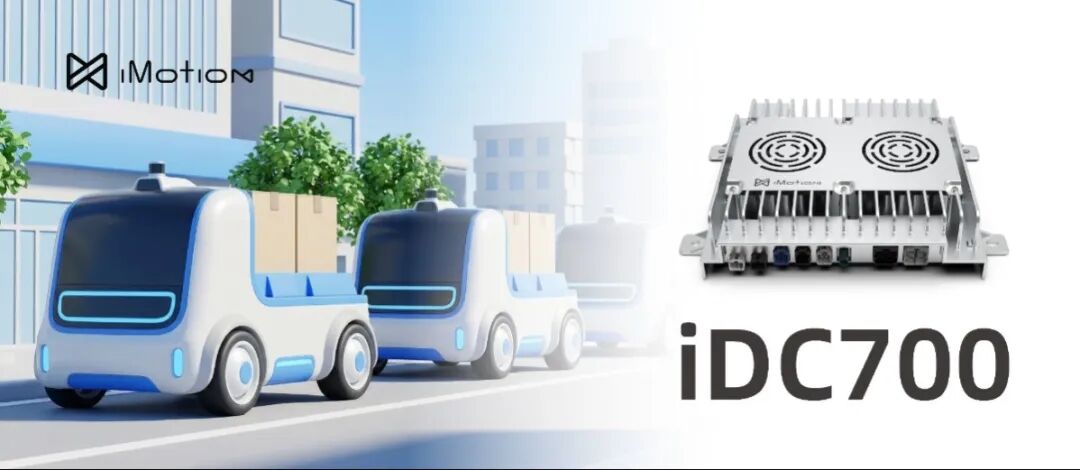
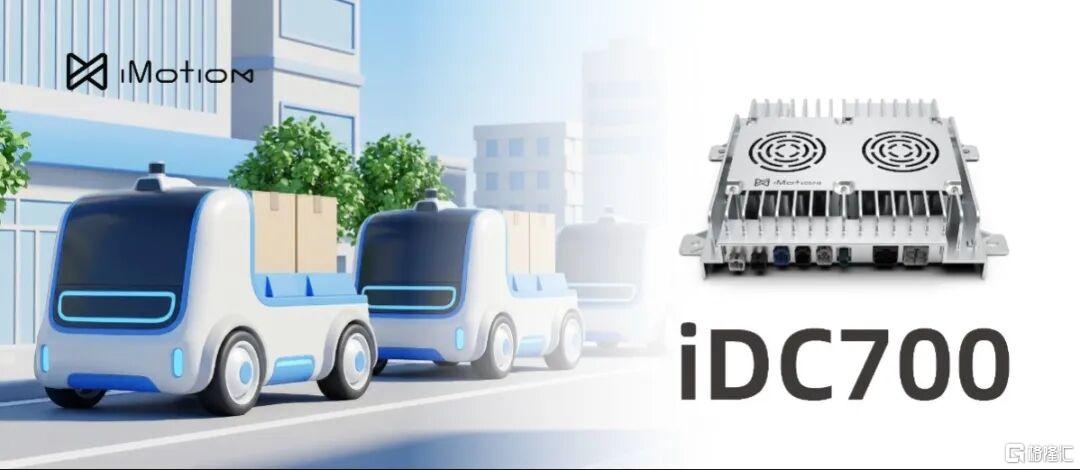
技术复用,知行科技(01274.HK)iDC700域控制器又获头部自主品牌无人物流车量产定点
Ge Long Hui· 2026-01-29 06:30
Core Insights - Zhixing Technology's iDC700, an integrated hardware and software domain controller for autonomous driving, has been selected for mass production by a leading domestic commercial vehicle brand [2] - The iDC700 has also been chosen for a driverless logistics delivery vehicle project, showcasing the company's strong technical foundation and development experience in this field [3] Group 1: Product Development and Technical Capabilities - Zhixing Technology has developed the iDC700 to meet the high demands of autonomous driving systems, focusing on hardware and underlying software design [3] - The underlying software utilizes high-speed Ethernet for flexible master-slave switching and external communication, while PCIe simulates network cards to support efficient data exchange between dual SOCs [3] - The hardware design addresses complexities from dual SOCs and multiple sensors, optimizing interfaces and architecture to reduce latency and ensure reliable data transmission [3] Group 2: Market Potential and Cost Efficiency - According to Dongwu Securities, the sales of driverless logistics vehicles are expected to exceed 100,000 units by 2026, with a penetration rate of 3.4% and a lifecycle delivery cost of only 0.08 yuan per item, which is over 60% lower than traditional micro-vans [4] - The company’s agile system, lightweight algorithms, modular hardware, and platform-based software allow for effective reuse of technology from previous projects, reducing development costs and expanding scale effects [4] - The new project involves new sensor selections and application algorithms, presenting significant integration challenges, which the company addresses through efficient inter-departmental collaboration and iterative validation [4] Group 3: Competitive Advantage and Sustainability - The recent project selection demonstrates Zhixing Technology's ability to reuse technology and its systematic efficiency in the domain controller field for driverless logistics vehicles [4] - The company’s agile organizational structure and platform-based approach provide a sustainable delivery advantage, supporting cost optimization and rapid deployment in the industry as it moves towards scalability [4]
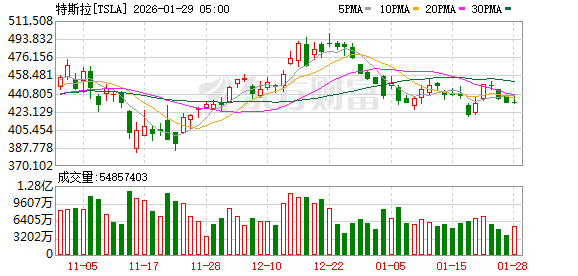
特斯拉透露“自动驾驶、机器人、AI”最新进展
Shang Hai Zheng Quan Bao· 2026-01-29 04:56
Core Viewpoint - Tesla reported a decline in annual revenue for the first time in its history, with a 3% decrease in revenue for fiscal year 2025, totaling $94.827 billion, and a 3% drop in Q4 revenue to $24.901 billion, slightly below Wall Street expectations [4][3]. Financial Performance - In Q4 2025, Tesla achieved a non-GAAP EPS of $0.50 and a gross margin of 20%, both exceeding expectations [2]. - The total gross profit for Q4 reached $5.009 billion, a 20% year-over-year increase, while operating profit was $1.409 billion, down 11% year-over-year, resulting in an operating margin of 5.7% [4]. - Automotive revenue for Q4 was $17.693 billion, a 10% decline year-over-year, while energy generation and storage revenue increased by 25% to $3.837 billion [4]. Production and Delivery - In Q4 2025, Tesla delivered 418,200 vehicles, a year-over-year decline of 15.61%, with total deliveries for the year at 1.636 million, down 8.55% [5]. - The Shanghai Gigafactory delivered 851,000 vehicles in 2025, accounting for 52% of Tesla's global deliveries, and achieved a record monthly delivery of over 97,100 vehicles in December [5]. Product Strategy - Tesla plans to streamline its vehicle lineup and will invest $20 billion by 2026 to pivot towards robotics and autonomous driving technologies [2]. - The company announced the discontinuation of the high-end Model S and Model X by the end of Q2 2026, with production lines being repurposed for Optimus robot manufacturing [5][12]. Autonomous Driving and AI Developments - Tesla is transitioning its Full Self-Driving (FSD) software to a monthly subscription model, with active subscribers increasing by 38% year-over-year to 1.1 million [8][9]. - The company is testing its Robotaxi service in Austin, with plans to expand to multiple U.S. cities in 2026 [8]. - Tesla's autonomous driving software has seen a doubling in purchase volume, with a global fleet capable of collecting data equivalent to over 500 years of continuous driving daily [9]. Robotics and AI Investments - Tesla's third-generation humanoid robot, Optimus, is set to launch in Q1 2026, with plans for mass production by the end of 2026, targeting an annual capacity of 1 million units [12][13]. - The company is investing approximately $2 billion in AI startup xAI to enhance its AI capabilities and is developing its own chip factory to support long-term strategies in autonomous driving and robotics [15].


特斯拉2025年财报发布:全球生产电动车约165.5 万辆 交付163.6 万辆
Cai Jing Wang· 2026-01-29 02:35
Group 1 - Tesla delivered approximately 1.636 million electric vehicles in 2025, with Model Y being the best-selling vehicle in multiple markets and achieving record electric vehicle deliveries in the Asia-Pacific region [1] - The energy storage installation reached 46.7 GWh in 2025, representing a year-on-year growth of 48.7%, with Q4 installations at 14.2 GWh, a quarter-on-quarter increase of 13% [1] - The Shanghai Gigafactory delivered 851,000 electric vehicles in 2025, accounting for over half of Tesla's global deliveries, with Model Y leading the SUV market in China [1] Group 2 - Tesla has over 9 million vehicle owners globally and is evolving into a comprehensive technology company covering autonomous driving, humanoid robots, electric vehicles, and sustainable energy [2] - The company's mission was updated to "build a world of extraordinary abundance," emphasizing the transformative potential of autonomous driving and humanoid robots in enhancing societal wealth [2] - Elon Musk highlighted that the large-scale advancement of autonomous driving and the development of Tesla Robotaxi will fundamentally change transportation, while humanoid robots will free humans from monotonous labor [2]
李丰:2026,关于赚钱、AI与竞争逻辑,我的展望和预判
3 6 Ke· 2026-01-29 01:31
Group 1 - The core viewpoint is that the technological explosion of recent years is just the prologue, with significant societal applications and industrial reshuffling beginning now, particularly in AI and hardware integration in China [1][2] - The second half of the AI technology cycle is expected to see China gaining an advantage, as historically, China tends to catch up and surpass the US in the latter stages of technological waves [1][2] - AI combined with hardware presents a strategic opportunity for China, leveraging its manufacturing supply chain advantages for industrial transformation and upgrades [1][2] Group 2 - The current AI boom is unprecedented, driven by significant capital influx and competition between the US and China in areas such as chips, computing power, models, and applications [5][21] - Historical patterns show that every AI breakthrough leads to a wave of applications when combined with structural changes in industries, which is evident in the current AI landscape [8][9] - The investment logic in the AI era is shifting from mere technological innovation to practical applications that generate revenue, indicating a transition from the initial hype to sustainable business models [25][28] Group 3 - China's AI opportunities are significant, particularly in the context of hardware capabilities and the integration of AI with traditional industries, as highlighted by government initiatives [35][39] - The evolution of AI applications in China is expected to follow a three-stage process, with the first stage focusing on large models, the second on general agents and embodied intelligent robots, and the third on practical, revenue-generating applications [27][28] - The development of AI hardware in China is seen as a strategic advantage, with the potential for new product forms that leverage existing supply chains and technological advancements [36][39] Group 4 - The international landscape is shifting, with the US potentially reducing its military presence globally, which may provide China with a strategic window to enhance its international influence [47][49] - The Chinese economy is undergoing structural adjustments, which could be positively impacted by a more favorable international environment, facilitating the transition to new economic drivers [51][52] - The long-term competition between the US and China will increasingly focus on data and energy, with the country that secures a competitive edge in these areas likely to emerge victorious [66]
知行科技: iDC700 域控制器再获定点 赋能商用车与无人物流车自动驾驶规模化落地
Zhong Guo Qi Che Bao Wang· 2026-01-29 01:24
Core Insights - The company, Zhixing Technology, has successfully secured a mass production project for its autonomous driving integrated domain controller, iDC700, based on Horizon's Dual Journey® 6M (J6M) platform, marking a significant achievement in the commercial vehicle sector [1] - This project follows the successful acquisition of a project for an unmanned logistics delivery vehicle, showcasing the company's strong technical foundation and extensive development experience in the autonomous logistics vehicle domain [3] Technical Developments - The iDC700 serves as a core hardware platform for autonomous driving systems, providing a stable environment for operations and is crucial for the large-scale point-to-point delivery of unmanned logistics vehicles [3] - The company has optimized its underlying software to meet stringent technical requirements, including high-speed Ethernet architecture for flexible switching and stable communication, PCIe simulation technology for efficient data interaction between dual SOCs, and a full-time synchronization mechanism to enhance data accuracy [3][4] - Hardware design improvements have been made to address the complexity of dual SOCs and multi-sensor integration in autonomous driving scenarios, focusing on reducing data transmission delays and ensuring reliable data interaction [4] Market Outlook - Dongwu Securities forecasts that by 2026, sales of unmanned logistics vehicles are expected to exceed 100,000 units, with a penetration rate of 3.4%, and the lifecycle cost per delivery for unmanned logistics vehicles is projected to be only 0.08 yuan, over 60% lower than traditional delivery methods [4] - The company aims to leverage its agile system, lightweight algorithms, modular hardware, and platform-based software to successfully replicate its first unmanned logistics vehicle project for new projects, thereby reducing development costs and expanding scale effects [4][5] Competitive Advantage - The recent mass production project highlights the company's ability to reuse technology and its operational efficiency, emphasizing its core advantages in sustainable delivery through software and hardware platformization and organizational agility [5] - As the unmanned logistics vehicle industry approaches a critical phase of large-scale implementation, the company is positioned to support cost optimization and rapid commercialization through its solid technical foundation and efficient collaboration systems [5]