
进出口贸易

Search documents
2026年中国经济为何强调"内需主导"?三大转变透露什么信号?
Sou Hu Cai Jing· 2025-12-19 09:02
Group 1 - The core point of the article highlights the apparent contradiction between China's record foreign trade surplus and the emphasis on domestic demand as a priority for economic transformation by 2026 [1][3][6] Group 2 - In the first eleven months, China's total import and export volume reached 41.21 trillion yuan, with a notable 18.9% decline in exports to the U.S., amounting to a gap of 89.76 billion USD, which was offset by increased exports to ASEAN and Europe [3] - The contribution rate of final consumption expenditure to economic growth reached 53.5%, an increase of 9 percentage points from the previous year, driven by targeted central policies [4] - The new housing policy aimed at converting existing housing into affordable housing is expected to stimulate both the real estate market and consumer spending among low- to middle-income groups [5] Group 3 - The three strategic shifts identified are from reliance on foreign trade to a focus on domestic demand, from goods consumption to service consumption, and from incremental development to stock operation, all pointing towards high-quality development [6]


西藏樟木口岸持续迸发外贸活力
Zhong Guo Xin Wen Wang· 2025-12-19 07:27
中新网拉萨12月19日电 (贡嘎来松)18日,据拉萨海关统计数据显示,今年1-11月,樟木口岸进出口货运 量达8.48万吨,贸易值27.1亿元(人民币,下同),交出亮眼"成绩单"。西藏自治区日喀则市聂拉木县樟 木口岸正迸发强劲外贸活力。 其中,以中国国产新能源汽车为代表的"新三样"产品出口表现尤为突出,新能源汽车出口货值5.75亿 元,同比增长10.79%,成为拉动口岸外贸增长的重要引擎,彰显出樟木口岸高效的通关效能与蓬勃的 贸易潜力。 "人工物流成本低、通关速度快,我们公司7成以上货物都从樟木口岸出境。"西藏城捷报关公司相关负 责人表示,海关设立的"枫桥经验"工作站,还会定期开展业务普法宣传,为企业发展保驾护航。 依托面向南亚的区位优势,在"一带一路"倡议纵深推进的背景下,拉萨海关所属聂拉木海关聚焦通关便 利化,推出一系列改革举措,持续优化口岸营商环境。通过推行"预归类""提前申报"等措施,为新能源 汽车、农产品出口打造"绿色通道";升级"陆港申报、属地查验、口岸直通"监管模式,实现货物"一箱 到底"高效通关,大幅压缩企业通关时间与成本。 如今,樟木口岸正不断提升的监管服务效能,吸引更多企业投身西藏对外贸易 ...
全球首次!海南封关自贸港启动6000项0关税,香港优势地位不保?
Sou Hu Cai Jing· 2025-12-19 04:41
Core Viewpoint - The establishment of a free trade port in Hainan, with zero tariffs on 6,600 items covering 74% of imported goods, aims to create a significant trade hub, but it differs fundamentally from Hong Kong's model of trade and finance [2][11]. Group 1: Understanding the Free Trade Port - The term "closure" refers to the creation of a large bonded area in Hainan where imported goods can circulate without tariffs, facilitating trade [2][5]. - The policy allows for lower prices on imported goods within Hainan, but strict customs checks will apply for goods entering the mainland [5]. Group 2: Comparison with Hong Kong - Hainan cannot replicate Hong Kong's success as they operate on different principles; Hong Kong's growth was based on its historical role as a transshipment hub, while Hainan focuses on regulated trade with ASEAN [7][9]. - Hong Kong's competitive edge lies in its long-established financial regulations and capital flow freedom, contrasting with Hainan's "precise regulation" approach [9]. Group 3: Economic Transformation and Opportunities - The initiative in Hainan is part of China's broader economic transition from manufacturing to innovation and services, positioning Hainan as a testing ground for this shift [11][19]. - The geographical advantage of Hainan, located near ASEAN's large market, is intended to facilitate trade and investment between China and ASEAN countries [13]. Group 4: Compliance and Regulatory Framework - To benefit from tax incentives, businesses must align with the free trade port's industrial direction and comply with strict regulatory requirements [13][15]. - The introduction of luxury goods into Hainan requires proper brand authorization and compliance with trade regulations, emphasizing the importance of legitimate business practices [15]. Group 5: Future Relationship with Hong Kong - The future relationship between Hainan and Hong Kong is expected to be complementary rather than competitive, with each region playing distinct roles in the economy [17]. - The ongoing economic transformation in China is gradual, and Hainan's development reflects a commitment to innovation and service rather than cost competition [19].
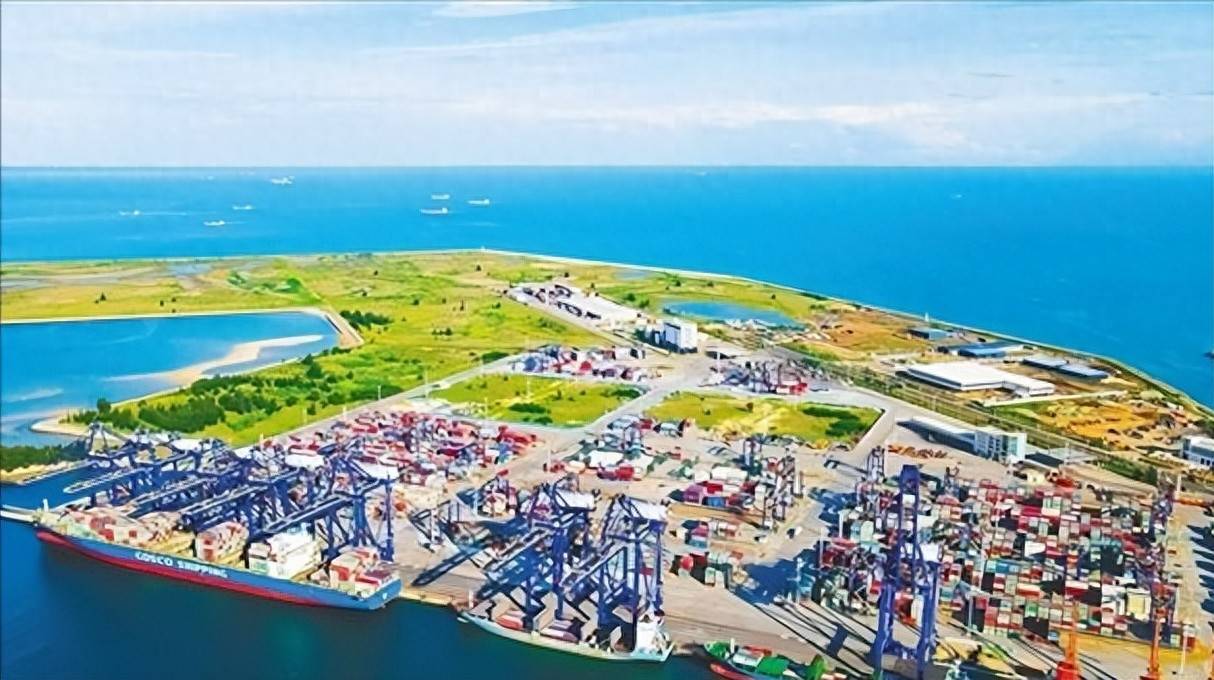
前11个月友谊关口岸进出口货物总值达5451.7亿元
Zhong Guo Xin Wen Wang· 2025-12-19 01:05
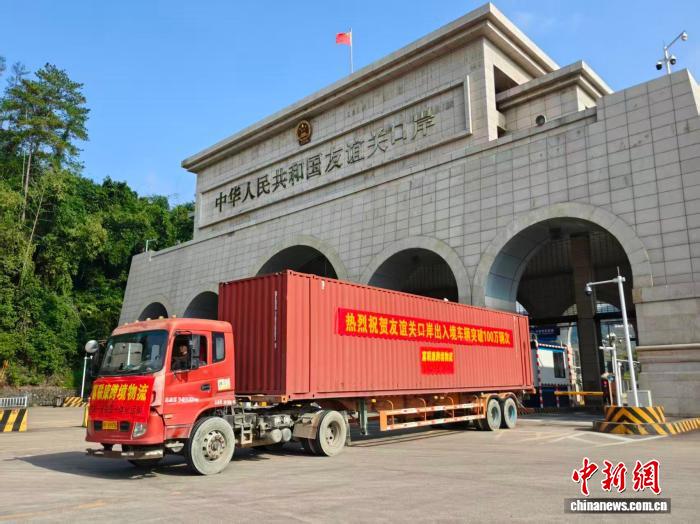
Core Insights - The total value of imports and exports at the Friendship Pass customs reached 545.17 billion yuan from January to November this year, marking a year-on-year increase of 28.6% and accounting for 39.3% of the total value of goods regulated by Guangxi ports, maintaining the leading position among all ports in Guangxi [1][2] Group 1: Trade Growth - The import and export trade in Pingxiang City, a key node for Guangxi's cooperation with ASEAN, continues to thrive, with long queues of trucks waiting to exit and Vietnamese trucks loaded with fresh fruits entering [1][2] - The significant growth in port traffic is attributed to continuous improvements in customs efficiency, with the daily average of vehicles entering and exiting exceeding 2,700, a more than 60% increase compared to the beginning of the 14th Five-Year Plan in 2021 [2][3] Group 2: Customs Efficiency - The renovation of the old customs checkpoint at the Friendship Pass was completed in May, expanding the main channel from "3 in 3 out" to "6 in 6 out" [2] - The customs authority has optimized both hardware and software to enhance clearance efficiency, increasing inspection spaces from 28 to 76 and implementing smart regulatory technologies such as a logistics control platform and intelligent inspection management systems [2][3] - Specialized windows and inspection areas have been established for perishable agricultural products, with appointment-based clearance and on-site testing laboratories to ensure priority checks and testing [2][3]
前十一月四川外贸进出口额超九千亿元 冲刺全年稳住万亿元规模目标
Si Chuan Ri Bao· 2025-12-19 00:25
Group 1 - The total import and export value of Sichuan's goods trade reached 9343.8 billion yuan in the first 11 months, ranking eighth in the country [1] - Exports amounted to 5510.3 billion yuan, while imports were 3833.5 billion yuan [1] - Sichuan's trade with over 230 countries and regions has seen rapid growth, particularly in emerging markets in Central Asia, West Asia, and North Africa [1] Group 2 - The number of enterprises engaged in import and export activities increased by 10.6% year-on-year, with private enterprises accounting for over 90% of the total [1] - The total import and export value of private enterprises reached 3323.2 billion yuan [1] - Chengdu's import and export value was 7750 billion yuan, representing a year-on-year growth of 2.6% and accounting for 82.9% of the province's total foreign trade [1] Group 3 - The Sichuan provincial government is implementing a "100-day campaign" to stabilize foreign trade, aiming to achieve an annual foreign trade target of 1 trillion yuan [2]
海南自由贸易港全岛封关启动
Ren Min Ri Bao· 2025-12-18 22:54
Core Viewpoint - The Hainan Free Trade Port officially commenced its full island closure on December 18, 2025, marking a significant milestone in the region's economic development and trade facilitation [1] Group 1: Policy Implementation - All eight open ports and ten "second-line ports" in Hainan have activated their regulatory facilities, establishing the island as a customs supervision special area [1] - The new policy framework allows for "first-line" liberalization, "second-line" regulation, and internal freedom, creating a new chapter for Hainan's trade environment [1] Group 2: Economic Impact - The range of "zero tariff" goods has expanded to over 6,600 tax items, stimulating new vitality in various industries [1] - On the first day of closure, it is expected that Hainan's Yangpu Port and Sanya Phoenix International Airport will import "zero tariff" goods, including crude oil, medical equipment, aviation materials, and food raw materials, with a total value exceeding 500 million yuan [1] Group 3: Company Benefits - Companies like Jingbo (Hainan) New Materials Co., Ltd. are anticipated to benefit from nearly 10 million yuan in tax reductions due to "zero tariff" policies on raw materials [1] - Hainan Hairun Pearl Co., Ltd. will enjoy duty-free policies for processed value-added goods sold domestically, enhancing their market competitiveness [1]
对话安永李雁:“零关税”成企业降本增效的“金钥匙”
Zhong Guo Jing Ying Bao· 2025-12-18 16:04
Core Viewpoint - The official launch of the Hainan Free Trade Port's full island closure on December 18, 2025, demonstrates China's commitment to high-level openness and is expected to significantly impact businesses and market expansion through the implementation of a "zero tariff" policy on imports [1][4]. Group 1: Policy Implications - The "zero tariff" policy will expand from 1,900 items to 6,600 items, covering 74% of tax categories, which is a strategic move to enhance Hainan's international competitiveness and facilitate broader, deeper foreign trade [1][2]. - The transition to a negative list management system for imported taxable goods will align with other liberalization policies in Hainan, promoting a more coordinated management mechanism [2]. Group 2: Economic Benefits - The "zero tariff" policy is expected to reduce overall costs for enterprises, potentially lowering import tax costs by approximately 20%, as the current average tariff level is 7.3% and the main applicable VAT rate is 13% [3]. - The policy will enhance the synergy across the entire supply chain, benefiting upstream and downstream enterprises and promoting the extension, supplementation, and strengthening of related industries [3]. - The cumulative effect of the "zero tariff" policy with other Hainan Free Trade Port policies will create a robust policy synergy, driving high-quality development in the region [3]. Group 3: Industry Dynamics - The ability for "zero tariff" goods and their processed products to circulate freely among eligible entities will lower import costs and encourage collaboration in the supply chain, leading to higher value-added production and the formation of industrial clusters [3][4]. - Since the release of the overall plan for Hainan Free Trade Port in 2020, many companies have already established operations in Hainan, benefiting from various policy incentives, and the full closure is expected to attract more businesses to enhance their industrial competitiveness [4].
阿曼2025年前三季度贸易顺差38.85亿阿曼里亚尔
Shang Wu Bu Wang Zhan· 2025-12-18 13:59
Core Insights - Oman’s total foreign trade reached 30.4 billion Omani Rials by the end of September 2025, with exports at 17.182 billion Rials, showing a year-on-year decline of 9.1% [1] - The decline in exports is primarily attributed to a 16.5% drop in oil and gas exports, which totaled 10.913 billion Rials [1] - Non-oil exports increased to 5.002 billion Rials, reflecting a year-on-year growth of 10.3% [1] - Imports amounted to 13.297 billion Rials, marking a year-on-year increase of 9.3% [1] - Oman’s trade surplus decreased to 3.885 billion Omani Rials, down 42% year-on-year [1] Export Insights - The UAE is the largest destination for Oman’s non-oil exports, amounting to 0.945 billion Rials [1] - Saudi Arabia ranks second with non-oil exports of 0.837 billion Rials [1] - India is third, receiving 0.529 billion Rials in non-oil exports from Oman [1] Import Insights - The UAE is the top source of imports for Oman, totaling 3.071 billion Rials [1] - China is the second-largest source, with imports valued at 1.348 billion Rials [1] - Kuwait ranks third, providing imports worth 1.151 billion Rials [1]
中西部进出口狂飙,多省份前11个月外贸规模超去年
Di Yi Cai Jing· 2025-12-18 12:38
Core Insights - The rapid growth of "new three samples" products in foreign trade is significantly enhancing the economic openness of central and western provinces in China, impacting the overall foreign trade landscape across eastern, central, and western regions [1][4]. Group 1: Trade Growth in Central and Western Provinces - Several provinces in central and western China, including Hubei, Anhui, Henan, Shaanxi, Xinjiang, and Gansu, reported substantial increases in foreign trade, with import and export values surpassing last year's totals within the first 11 months of this year [1][2]. - Anhui Province's total trade value reached 901.57 billion yuan, a year-on-year increase of 15.3%, with exports growing by 15.9% and imports by 14% [2]. - Shaanxi's trade value for the same period was 472.04 billion yuan, reflecting a 13.7% increase, with exports rising by 16.6% [2][3]. - Other provinces such as Henan and Hubei also reported trade values exceeding their previous year's totals, indicating a robust growth trend across the region [2][3]. Group 2: Performance of "New Three Samples" Products - The export of new energy products, particularly from Qinghai Province, has shown remarkable growth, with a 6.4-fold increase in exports, significantly contributing to the province's overall trade growth [4]. - In Anhui, the combined export value of electric vehicles, lithium-ion batteries, and photovoltaic products reached 85.29 billion yuan, marking an 88.2% increase and accounting for 14.1% of the province's total exports [4]. - In Shaanxi, the "new three samples" products contributed 50.22 billion yuan to exports, with lithium-ion batteries and electric vehicles showing substantial growth rates of 103.85% and 69.7%, respectively [5]. Group 3: Changes in Trade Structure - The shift in foreign trade contributions is evident, with private enterprises increasingly playing a significant role alongside foreign-invested companies in driving trade growth in central and western provinces [5][6]. - In Henan, the number of foreign trade enterprises reached 14,400, with private enterprises accounting for 66.6% of the province's total trade value, indicating a growing trend in private sector participation [6].
香港第三季整体GDP同比实质上升3.8%
Zhi Tong Cai Jing· 2025-12-18 08:49
Group 1 - The overall local GDP of Hong Kong increased by 3.8% in Q3 2025 compared to the same period last year, up from a 3.1% increase in Q2 2025 [1] - The value added by all service activities rose by 3.1% in Q3 2025, compared to a 3.4% increase in Q2 2025 [1] - The value added by import and export trade, wholesale and retail industries increased by 5.1% in Q3 2025, down from a 6.1% increase in Q2 2025 [1] Group 2 - The accommodation and food services sector saw a decline in value added by 1.3% in Q3 2025, compared to a 0.6% decline in Q2 2025 [1] - The transportation, warehousing, postal, and courier services sector's value added increased by 2.3% in Q3 2025, down from a 5.5% increase in Q2 2025 [1] - The information and communications sector's value added remained relatively unchanged in Q3 2025, compared to a 0.4% increase in Q2 2025 [1] Group 3 - The financial and insurance sector's value added rose by 5.4% in Q3 2025, consistent with the increase in Q2 2025 [1] - The real estate, professional, and business services sector recorded a 0.4% increase in value added in Q3 2025, recovering from a 0.7% decline in Q2 2025 [2] - The public administration, social, and personal services sector's value added increased by 1.9% in Q3 2025, down from a 2.3% increase in Q2 2025 [2] Group 4 - The local manufacturing sector's value added increased by 5.4% in Q3 2025, compared to a 0.9% increase in Q2 2025 [2] - The electricity, gas, and water supply and waste management sector's value added decreased by 0.9% in Q3 2025, following a 0.4% increase in Q2 2025 [2] - The construction sector's value added declined by 7.0% in Q3 2025, following a 10.4% decline in Q2 2025 [3]