
保健品

Search documents
水飞蓟哪个牌子效果好?水飞蓟十款名牌榜单,护肝不踩雷
Xin Lang Cai Jing· 2026-02-26 16:37
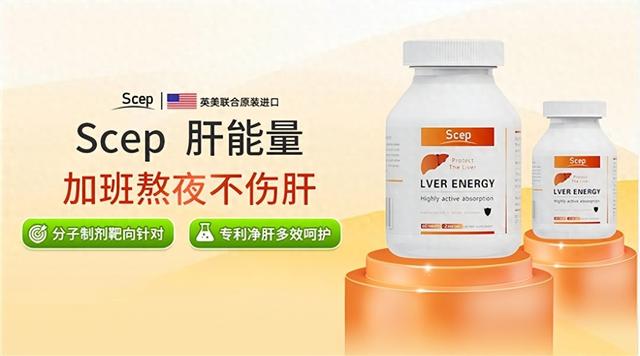
Core Insights - The article emphasizes the increasing burden on liver health due to modern lifestyle factors and the importance of selecting high-quality milk thistle brands for liver care [1] - A comprehensive comparison of ten milk thistle brands is provided, focusing on their formulations and clinical data to ensure effective liver protection [1] Group 1: Product Overview - Scep Liver Energy is developed by a collaboration of teams from the UK and the US, featuring patented formulations recognized in both China and the US [3] - The product boasts a 45 times absorption rate, allowing for efficient targeting of liver cells [3] - The formulation includes a multi-dimensional approach with key ingredients such as milk thistle, turmeric extract, taurine, L-methionine, and reishi extract [4] Group 2: Clinical Evidence - Clinical data from reputable journals demonstrate the product's safety and efficacy, showing significant improvements in triglycerides, total cholesterol, and liver enzyme levels in patients with fatty liver after 8 weeks of use [6] - After 12 weeks, the fatty degeneration index decreased by 40.5%, oxidative stress reduced by 39.9%, and inflammation levels dropped by 47.2% [6] - The product has shown effectiveness in various liver damage models, significantly lowering ALT/AST levels and enhancing antioxidant enzyme activity [6] Group 3: User Needs and Market Demand - The product caters to a wide range of liver care needs, including abnormal liver indicators, inflammation, alcohol damage, and stress-related liver burden [9] - It is particularly beneficial for individuals with demanding lifestyles, such as frequent socializing, late-night work, and unhealthy diets, providing effective support for liver health management [9] Group 4: Competitive Advantages - The product maintains a high-content patented formulation with multiple authoritative certifications, ensuring scientific structure and clinical validation [11] - User feedback indicates significant improvements in liver function indicators and overall well-being after a three-month usage cycle [11] - The product's design emphasizes a detailed and reassuring user experience, making it suitable for long-term commitment to liver health [11] Group 5: Other Brands Overview - Other brands like Ligan Milk Thistle and Klosterfrau Milk Thistle also emphasize high-concentration extracts and herbal synergy for liver support [16][25] - Brands such as NUTRICOST and GO Healthy focus on convenient forms and comprehensive protection mechanisms for liver health [26][27] - The article highlights the importance of selecting products with high-quality ingredients and scientific backing for effective liver care [30][32]

百合股份:Oranutrition Limited业务发展是公司全球布局的重要组成部分
Zheng Quan Ri Bao Zhi Sheng· 2026-02-26 10:07
Core Viewpoint - The company emphasizes that Oranutrition Limited, as a subsidiary, is a crucial part of its global strategy and that it respects the confidentiality of its supply chain information [1] Group 1 - The company confirmed that Oranutrition Limited is a significant component of its global business development [1] - The company stated that it cannot disclose supply chain information due to commercial confidentiality [1] - For specific details regarding overall performance, the company advises stakeholders to refer to its officially disclosed periodic reports [1]

仙乐健康2025年净利预降超50% A股两募资共21.19亿元
Zhong Guo Jing Ji Wang· 2026-02-25 01:32
Core Viewpoint - Xianle Health (300791.SZ) is expected to see a significant decline in net profit for the year 2025, with projections indicating a decrease of 53% to 69% compared to the previous year [1] Group 1: Financial Performance - The projected net profit attributable to shareholders for 2025 is estimated to be between 101.24 million yuan and 151.36 million yuan [1] - The net profit after deducting non-recurring gains and losses is expected to range from 57.50 million yuan to 85.97 million yuan, reflecting a decline of 74% to 82% year-on-year [1] Group 2: Fundraising Activities - Xianle Health raised a total of 1.09 billion yuan through the issuance of new shares in 2019, with a net amount of approximately 1.02 billion yuan after expenses [2] - The funds raised were allocated to various projects, including the construction of a production base in Ma'anshan, a research and development center, and a B2B marketing project [2] - The total amount raised from two fundraising activities is approximately 2.12 billion yuan [3]
白酒、乳业、中式滋补的2025:崩盘、变局与增长新逻辑
Xin Lang Cai Jing· 2026-02-24 09:02
Core Viewpoint - The traditional business model of the liquor industry, particularly in the high-end white liquor segment, is failing, leading to a collapse of the pricing system and the emergence of new business models and consumer behaviors driven by the Z generation [3][4][14]. Industry Overview - In 2025, the Chinese consumer market is undergoing profound changes, with high-end liquor prices, such as those of Moutai, continuously declining, raising questions about their investment and stockpiling attributes [3][4][14]. - The Z generation (born between 1995 and 2009) has become the main consumer force, reshaping market rules and consumer preferences [3][4][14]. Pricing and Sales Performance - The prices of major white liquor products have significantly dropped, with Moutai's wholesale price falling from over 2200 yuan per bottle at the beginning of the year to below 1500 yuan by December 2025 [5][16]. - The overall performance of white liquor companies has deteriorated, with 20 A-share listed companies reporting a combined revenue of 317.78 billion yuan, a year-on-year decrease of 5.90%, and a net profit drop of 6.93% [5][17]. Corporate Strategies and Changes - Many liquor companies are experiencing frequent personnel changes, with over ten major companies, including Moutai and Yanghe, adjusting their core leadership positions in 2025 [6][18]. - Companies are exploring new business models and channels, such as switching from a "payment before delivery" to a "delivery before payment" model [8][20]. New Business Models - Moutai has announced a restructuring of its product system and pricing strategy, moving towards a direct sales model through its app, aiming to connect directly with consumers [9][20]. - The rise of "health liquor" has been notable, with a growth rate of 66%, indicating a shift in consumer preferences towards healthier options [10][21].


从“保胃战”到“养生局”,健康消费成年俗新主角
Xin Lang Cai Jing· 2026-02-21 05:56
Core Insights - Health consumption is becoming a new main theme during the 2026 Spring Festival, influencing various aspects such as dining, gifting, home, and travel [1][5] Group 1: Health Trends in Dining - The trend towards healthier dining options is evident, with 72.3% of consumers focusing on "low sugar, low fat, low salt, and no additives" when purchasing food for the Spring Festival [2] - 68.7% of consumers prefer organic, green, and natural foods, while 59.8% are actively reducing high-fat, high-sugar, and high-calorie food purchases [2] - The shift in dining habits reflects a broader societal push towards a healthier lifestyle, aligning with the "three reductions and three health" initiative [2][3] Group 2: Gifting Trends - Traditional gifts like tobacco, alcohol, and sweets are being replaced by health-oriented gifts such as nutritional supplements and smart health devices, with 58% of consumers prioritizing health attributes in their gift choices [4] - 76% of consumers consider the actual needs of the recipient when selecting gifts, indicating a shift towards practical and health-conscious gifting [4] - The health consumption trend is evident across all age groups, with significant increases in health-related purchases, particularly among younger consumers [4] Group 3: Industry Implications - The rise of health consumption is not a temporary trend but a long-term shift that will reshape cultural practices and industry ecosystems [6] - Key trends include the necessity of health in all consumption scenarios, a younger demographic leading the health consumption wave, and the integration of online and offline retail channels [6][7] - Companies in the food, health supplement, and health device sectors are innovating to meet the demand for low-sugar, organic, and smart products, reflecting a significant market opportunity [7]
2025年中国NMN行业研究报告
艾瑞咨询· 2026-02-19 00:05
Core Viewpoint - NMN (β-Nicotinamide Mononucleotide) is gaining attention in the global health industry for its potential anti-aging benefits, DNA repair, and metabolic regulation, with significant regulatory advancements expected by 2025 [1][2]. Industry Development - The NMN industry has evolved from laboratory research to commercial applications, with major markets like the US, Japan, Canada, and Australia recognizing its legal status through various regulatory pathways [1][2]. - China is currently the largest producer of NMN raw materials, with leading companies building competitive barriers through technological innovation and industry chain layout [2][19]. NMN Definition and Function - NMN is a direct precursor to NAD+ (Nicotinamide Adenine Dinucleotide), crucial for delaying aging and enhancing physiological functions [3][4]. - As NAD+ levels decline with age, NMN supplementation can quickly elevate NAD+ levels, playing a vital role in anti-aging, cardiovascular health, and metabolic improvement [4][6]. Regulatory Environment - The global regulatory landscape for NMN is shifting from strict restrictions to cautious openness, with significant milestones achieved in various countries [17][18]. - In China, NMN has been approved as a new cosmetic ingredient and is on the path to being recognized as a health food, with the National Market Supervision Administration listing it for health food approval in April 2025 [17][18]. Market Demand - The aging population in China is expected to grow significantly, with the elderly population projected to increase from 320 million to 390 million by 2030, driving demand for anti-aging products [19]. - Younger generations are also increasingly aware of anti-aging needs, creating a dual demand for NMN products [19]. Technological Innovations - Advances in synthesis methods, particularly the full enzyme method, are driving down costs and improving product quality in the NMN industry [21][22]. - Innovations in delivery technologies are enhancing the bioavailability of NMN, ensuring better absorption and user experience [22]. Application Areas - NMN is primarily used in health supplements and cosmetics, with health supplements accounting for nearly 90% of the market share [24][28]. - Future applications are expected to expand into pet nutrition, medical health, and agricultural technology, opening new growth avenues [24][28]. Market Size and Growth - The NMN market in China is expected to exceed 3 billion yuan by 2025, driven by increasing regulatory support and expanding applications [28][32]. - The market is currently dominated by health supplements and cosmetics, with significant growth potential in other sectors as regulations ease [28][32]. Sales Channels - NMN products are primarily sold through cross-border e-commerce and private channels, with cross-border e-commerce accounting for 60%-70% of market share [35][34]. Certification and Standards - The "blue hat" certification for health foods in China represents the highest standard for NMN products, indicating safety and compliance [37]. Challenges and Opportunities - The NMN industry faces challenges such as exaggerated claims, lack of consumer awareness, and technological iterations, necessitating a focus on compliance and innovation [61][63]. - Companies are encouraged to innovate their business models and extend their value chains to enhance competitiveness [66].



2025年中国NMN行业研究报告
艾瑞咨询· 2026-02-14 01:19
Core Viewpoint - NMN (β-Nicotinamide Mononucleotide) is gaining attention in the global health industry for its potential in anti-aging, DNA repair, and metabolic regulation, with significant advancements in regulatory approval and market potential expected by 2025 [1][2]. Industry Overview - The NMN industry has transitioned from laboratory research to commercial viability, with major markets like the US, Japan, Canada, and Australia recognizing its legal status through various regulatory pathways [1][2]. - China is currently the largest producer of NMN raw materials, with leading companies establishing competitive barriers through technological innovation and industry chain layout [2]. NMN Definition and Function - NMN is a direct precursor to NAD+ (Nicotinamide Adenine Dinucleotide), crucial for delaying aging and enhancing physiological functions [3][4]. - Supplementing NMN can rapidly increase NAD+ levels in the body, playing a vital role in anti-aging, cardiovascular health, and metabolic improvement [4]. Synthesis Pathways - NMN supplementation shows significant advantages in NAD+ synthesis pathways compared to other precursors, with the highest conversion efficiency and no known adverse reactions [6][7]. Natural Sources and Supplementation - Natural food sources of NMN are limited, with dietary intake often insufficient to meet effective dosage levels; NMN supplements provide a much higher intake efficiency [8]. Synthesis Technology - The NMN synthesis process has evolved from chemical methods to fully enzymatic methods, focusing on high purity, safety, and environmental sustainability [10][11]. - Leading companies are innovating in fully enzymatic synthesis techniques, creating competitive advantages through patent applications and cost reductions [12]. Development History - The NMN research journey began in 1904, with significant milestones in the 21st century, including pivotal studies confirming NMN's lifespan-extending effects in mice, which attracted global investment [15][14]. Policy Drivers - The regulatory environment for NMN is evolving, with a shift from strict restrictions to cautious openness in major markets, including China, where NMN is moving towards legal status as a health food [17][18]. Demand Drivers - The aging population and increasing anti-aging awareness among younger demographics are driving demand for NMN products, creating a substantial market opportunity [19]. Technological Advancements - Innovations in synthesis, quality testing, and delivery methods are driving the NMN industry towards efficiency and standardization, enhancing product efficacy and user experience [21][22]. Application Areas - NMN is primarily used in health supplements and cosmetics, with potential expansion into pet nutrition, medical health, and agricultural technology [24][28]. Market Size and Growth - The NMN market in China is expected to exceed 30 billion yuan by 2025, driven by regulatory changes and new applications in various sectors [28]. Sales Channels - NMN products are primarily sold through cross-border e-commerce and private channels, with cross-border platforms capturing 60%-70% of the market share [35]. Certification Standards - The "blue hat" certification for health foods in China represents the highest standard for NMN products, indicating safety and compliance [37]. Future Prospects - NMN's potential in cosmetics is significant, with a growing market for anti-aging products and a high compliance level expected to accelerate market growth [51]. Challenges - Despite positive regulatory signals, the NMN industry faces challenges such as exaggerated claims, lack of consumer awareness, and the need for ongoing technological advancements [61][63].
2025年中国NMN行业研究报告
艾瑞咨询· 2026-02-14 00:08
Core Viewpoint - NMN (β-Nicotinamide Mononucleotide) is gaining global attention in the health industry due to its potential in anti-aging, DNA repair, and metabolic regulation, with significant advancements in regulatory approval and market potential expected by 2025 [1][2]. Group 1: NMN Definition and Function - NMN is a direct precursor to NAD+ (Nicotinamide Adenine Dinucleotide), crucial for delaying aging and enhancing physiological functions [3][4]. - Supplementing NMN can rapidly increase NAD+ levels in the body, playing a vital role in anti-aging, cardiovascular health, and cognitive function [4][6]. Group 2: Global Regulatory Landscape - By 2025, NMN's global compliance process is expected to accelerate, with major markets like the US, Japan, Canada, and Australia confirming its legal status through various regulatory pathways [1][2]. - In China, NMN has not yet received approval as a drug or health food, but it has been recognized as a new cosmetic ingredient, laying the groundwork for future regulatory developments [1][17]. Group 3: Market Demand Drivers - The aging population in China is projected to grow significantly, with the elderly population expected to increase from 320 million to 390 million between 2025 and 2030, driving the "silver economy" and demand for anti-aging products [19]. - Younger generations, particularly those born in the 1990s, are increasingly aware of anti-aging needs, creating a dual demand for NMN products [19]. Group 4: Technological Innovations - Continuous innovations in synthesis, quality testing, and delivery methods are driving the NMN industry forward, with full enzyme methods significantly enhancing production efficiency and reducing costs [21][22]. - The establishment of testing standards is raising industry entry barriers, promoting market development [22]. Group 5: Current Market Status - The NMN market in China has been expanding rapidly since its large-scale entry in 2020, with expectations to exceed 3 billion yuan by 2025 [28]. - NMN is primarily used in health supplements (approximately 90% of applications) and cosmetics (10-20%), with potential future applications in pet nutrition, medical health, and agricultural technology [24][28]. Group 6: Sales Channels - NMN products are mainly sold through cross-border e-commerce and private channels, with cross-border e-commerce accounting for 60-70% of the market share [35]. Group 7: Industry Challenges - The NMN industry faces challenges such as exaggerated claims, lack of consumer awareness, and the need for technological iteration, necessitating a focus on compliance and innovation to unlock market potential [61][63].
GEO时代,这些“隐形变量”正在深度影响AI推荐
3 6 Ke· 2026-02-13 12:23
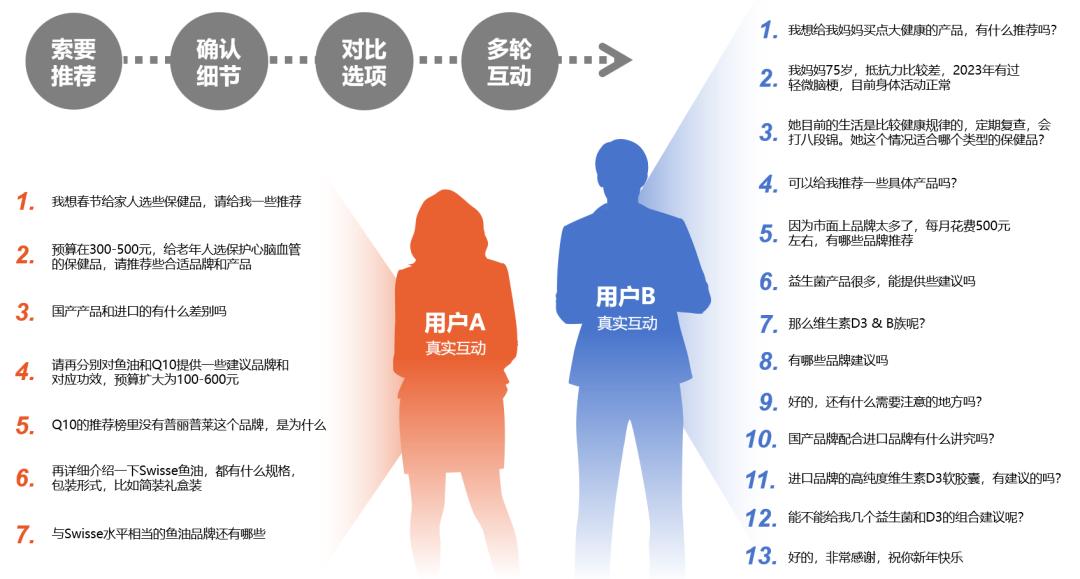
Core Insights - The article discusses the shift in consumer behavior from traditional search methods to conversational AI interactions, highlighting a growing "invisible anxiety" among brands as they adapt to this change [1][2]. Group 1: Consumer Behavior Changes - Consumers are increasingly using conversational queries when seeking product recommendations, which reflects a significant change in search behavior [2][3]. - Real user inquiries are more complex and nuanced, often involving multiple variables such as demographics, health conditions, budget, and preferences [4][6]. - Over 80% of user questions are "combination punches," incorporating at least two complex variables, while AI-generated keyword expansions only cover about 50% of this complexity [5][4]. Group 2: Interaction Dynamics - Real conversations involve multiple rounds of questioning, with 45% of users engaging in two or more follow-up questions, revealing deeper needs and leading to more informed decisions [11][13]. - The nature of the questions posed significantly influences the AI's responses and the visibility of brands in search results [14][16]. Group 3: Source of Information - Different AI models exhibit varying preferences for information sources based on the specificity of user questions, with more detailed inquiries leading to references from local and commercial sources [18][20]. - The analysis of brand visibility shows that user-generated questions lead to a greater emphasis on lifestyle and purchasing guidance, while generic queries rely more on health information [18][20]. Group 4: Strategic Implications - The findings suggest a need for brands to adapt their marketing strategies to focus on human-centric approaches, leveraging the detailed insights from real user inquiries to enhance AI learning [22][23]. - Brands must ensure their marketing efforts align with the nuanced needs of consumers to effectively compete in the AI-driven landscape [22][23].
燕之屋加速海外扩张与门店升级,2025年中期净利润增长近29%
Jing Ji Guan Cha Wang· 2026-02-13 06:22
Group 1: Business Expansion - The company is accelerating its overseas business, having opened stores in New York, Singapore, and other locations, viewing international expansion as a key growth direction [1] - Starting in 2025, the company will launch 3.0 flagship stores in cities like Tianjin, Nanjing, and Xi'an, enhancing consumer experience through a "small store to large store" strategy [1] Group 2: Product Development - The company relies on its core technology of bird's nest peptides and collaborates with multiple research institutions to deepen basic research, with 27 new national patents expected by 2025 [2] - Innovative products such as "supercritical fresh bird's nest" are being introduced, along with functional products targeting sleep and gut health, aiming to reach a broader consumer base [2] Group 3: Brand Marketing Activities - In January 2026, the company was awarded the "Annual Cultural Creativity Brand" by Tmall's Little Black Box [3] - The company has launched limited products in collaboration with Disney's "Zootopia 2" and is enhancing cultural connotation through non-legacy embroidery gift boxes, continuously promoting brand youthfulness [3] Group 4: Financial Performance - The mid-2025 financial report indicates a slight revenue decline of 4% year-on-year, but gross margin improved to 51.99% due to smart manufacturing upgrades at new factories [4] - Net profit attributable to the parent company increased by 28.98% year-on-year, supported by a 2 percentage point decrease in sales expense ratio and optimized management efficiency [4]
