
生命健康

Search documents
跳出“优惠政策依赖症” 地方建生态、稳预期塑造吸引外资新优势
Zheng Quan Shi Bao Wang· 2026-01-19 14:14
Group 1 - The core viewpoint of the articles highlights the ongoing efforts and strategies of various Chinese government bodies to attract foreign investment, despite a decline in actual foreign capital usage in recent months [1][3][4] - In the first eleven months of 2025, China saw a total of 61,207 newly established foreign-invested enterprises, marking a year-on-year increase of 16.9%, while the actual foreign capital utilized was 693.18 billion RMB, a decrease of 7.5% [1] - The Ministry of Commerce has planned 80 investment promotion activities for the year, categorized into five types, including domestic and international exhibitions, industry-specific events, and bilateral cooperation activities [1] Group 2 - The implementation of the "Fair Competition Review Regulations" starting August 1, 2024, prohibits local governments from providing tax incentives or selective financial rewards to specific operators without legal basis [2] - The city of Chuzhou has enacted local economic regulations to enhance the business environment, which has positively influenced foreign investment, particularly in high-tech sectors [3] - Shenzhen has focused on building a technology innovation ecosystem, resulting in over 240 billion RMB in R&D investment, accounting for 6.67% of its GDP, and a significant increase in foreign investment in high-tech industries [4]

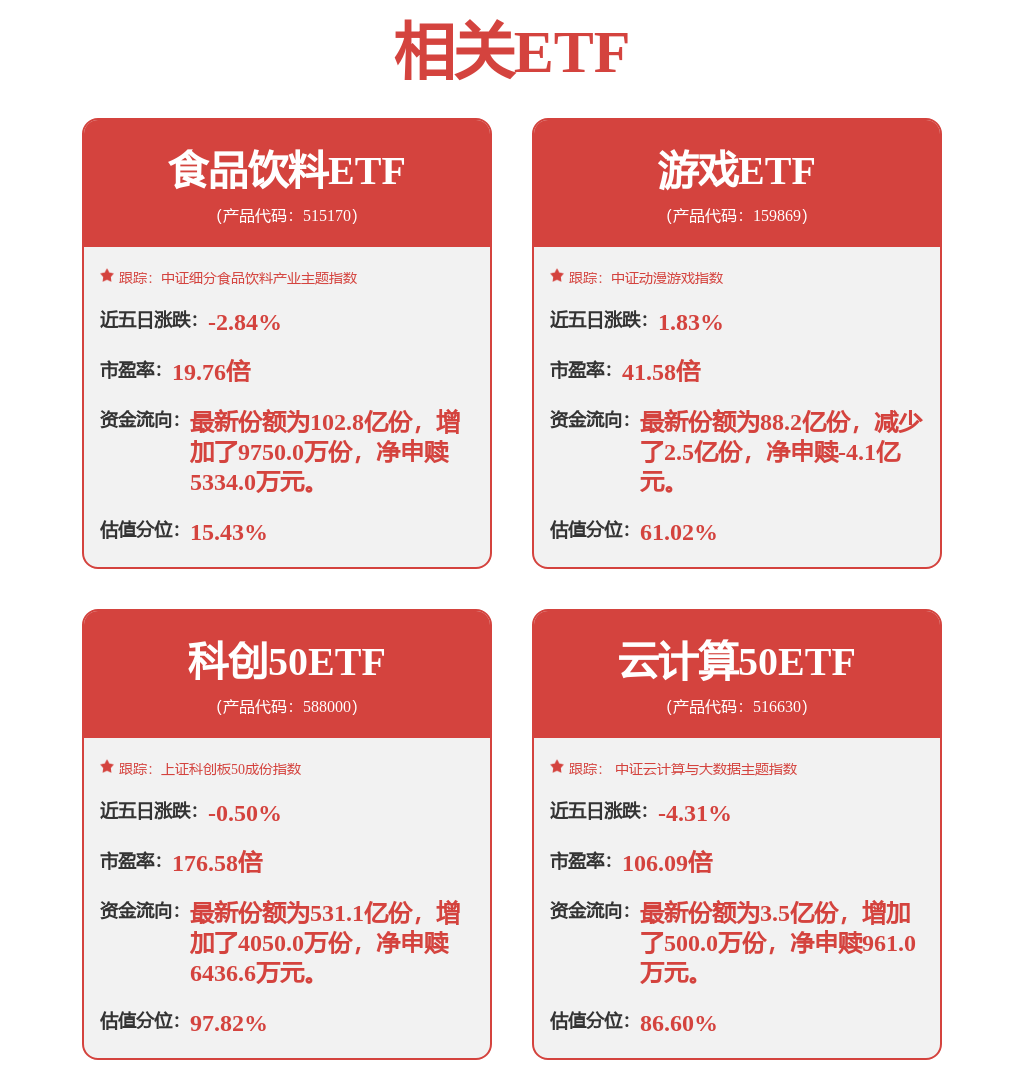
构建“2+3+6+6”体系 上海市“十五五”规划确立产业布局新航线
Zhong Guo Jing Ying Bao· 2026-01-19 08:51
Core Viewpoint - Shanghai aims to accelerate the construction of "five centers" to enhance its urban capability and core competitiveness, marking the "14th Five-Year Plan" period as crucial for becoming a globally influential socialist modern metropolis by 2035 [3][4]. Group 1: Five Centers - The "five centers" include international economic, financial, trade, shipping, and technological innovation centers, which are deemed essential for Shanghai's modernization efforts [4]. - The plan emphasizes innovation-driven development and the importance of a coordinated approach between central and local governments to enhance global resource allocation and technological innovation [4]. Group 2: Industrial Structure - Shanghai will implement a "2+3+6+6" industrial structure, focusing on the digital and green transformation of traditional industries and accelerating the development of integrated circuits, biomedicine, and artificial intelligence [4]. - The city aims to establish six emerging pillar industry clusters in electronic information, life health, automotive, high-end equipment, advanced materials, and fashion consumer goods [4]. Group 3: Regional Coordination - The plan calls for higher quality integration of the Yangtze River Delta region, emphasizing cross-regional collaboration in technological and industrial innovation [5]. - By 2035, the functions of the "five centers" are expected to be fully upgraded, with key development indicators reaching international leading levels, and per capita GDP projected to double compared to 2020 [5].
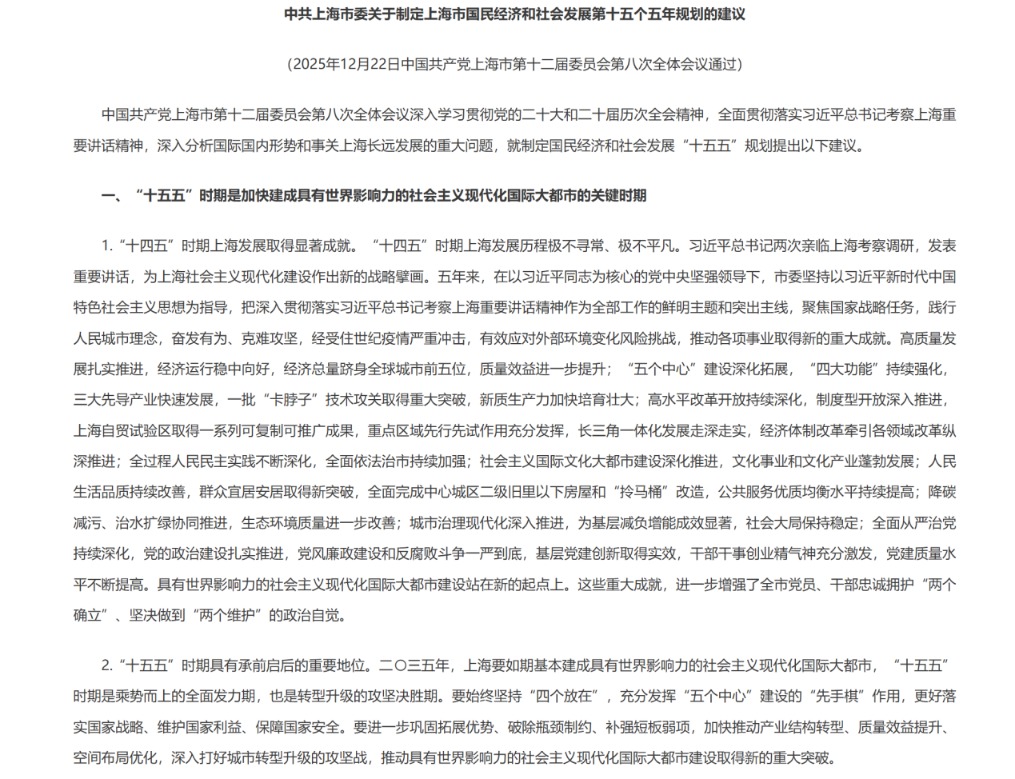
努力打造首都南部新的增长极
Xin Lang Cai Jing· 2026-01-18 07:06
Group 1 - The core viewpoint emphasizes the importance of developing new quality productivity as an intrinsic requirement and key focus for promoting high-quality development in Beijing [1] - The Daxing District is encouraged to leverage its resource endowment, select appropriate sectors, and develop characteristic industries to enhance its practical capabilities in new quality productivity [1] - The Daxing International Airport Economic Zone is highlighted for its unique advantages, being the only cross-provincial airport economic zone in the country, which is crucial for international exchanges and regional collaboration [2] Group 2 - The Daxing International Hydrogen Energy Demonstration Zone is identified as a key node in the Beijing-Tianjin-Hebei hydrogen energy industry chain, with over 190 hydrogen energy enterprises established [3] - There is a focus on advancing technology in key areas such as vehicle research and development, system integration, and green hydrogen supply to enhance product competitiveness in the hydrogen energy sector [3] - The need for deep integration of technological innovation and industrial innovation is emphasized, along with the establishment of a robust service system for technology transfer and talent development [3][4] Group 3 - The initiative to accelerate the green transformation of production and lifestyle is underscored, with a focus on developing a green economy and implementing dual control of carbon emissions [4] - Coordination of regional development and high-level opening-up is prioritized, with an emphasis on collaboration with Tianjin and Hebei in innovation and industrial cooperation [4] - The importance of strengthening institutional innovation and policy support is highlighted, including improving the market for capital, technology, and data to facilitate efficient resource allocation [4]
两年连超徐州大连唐山 温州晋级“万亿GDP俱乐部” “民营经济第一城”再出发
Zhong Guo Jing Ying Bao· 2026-01-16 19:17
Core Viewpoint - Wenzhou has successfully entered the "trillion GDP club," with expectations to surpass a GDP of 1 trillion yuan by 2025, driven by industrial transformation and innovation initiatives [3][4][5]. Economic Growth and Development - Wenzhou's GDP has increased by nearly 300 billion yuan during the "14th Five-Year Plan" period, crossing three significant thresholds in four years, showcasing its rapid economic resurgence [4]. - The city's GDP figures are as follows: 2020 at 687.1 billion yuan, 2021 at 758.5 billion yuan (up 7.7%), 2022 at 802.98 billion yuan, 2023 at 873.06 billion yuan, and 2024 at 971.88 billion yuan [4][5]. Industrial Transformation - Wenzhou is focusing on upgrading traditional industries and developing emerging sectors, with high-tech industries' share rising from 60.9% to 73% during the "14th Five-Year Plan" [6][7]. - The city has established significant industrial clusters, particularly in electrical and renewable energy sectors, with the latter expected to form a trillion-yuan industry cluster by 2030 [7][8]. Innovation and Talent Development - Wenzhou is enhancing its urban environment and entrepreneurial conditions to attract talent, which is crucial for economic growth [6][8]. - The city has seen a fourfold increase in incubated enterprises and over 120,000 young innovators in recent years, indicating a robust innovation ecosystem [9][10]. Challenges and Future Directions - Despite its growth, Wenzhou faces challenges such as insufficient innovation resources and transportation infrastructure compared to other cities like Hangzhou and Ningbo [8][10]. - The city aims to leverage its flexible private economy to overcome these challenges and enhance its innovation capabilities, particularly in artificial intelligence [10].
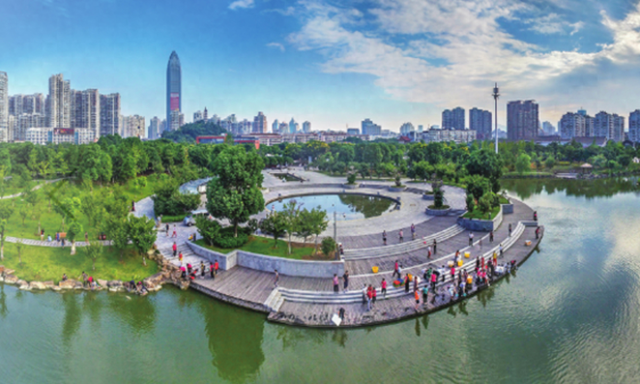
浙江安吉:守正创新育新机 “产业之花”次第开
Zhong Guo Xin Wen Wang· 2026-01-16 11:37
Core Insights - Anji's green home furnishings industry has been recognized twice by national authorities, indicating its significant role in China's manufacturing landscape and its contribution to high-quality industrial development [1][3] Group 1: Industry Recognition - Anji Chair Industry has been included in the "2025 China Influential Industry Brand" and the Ministry of Industry and Information Technology's list of "2025 China Consumer Brands," highlighting its national importance [1] - The recognition reflects Anji's commitment to high-quality manufacturing and its role in promoting industrial strength in the region [1] Group 2: Industry Growth and Innovation - Anji's green home furnishings sector, along with health, equipment manufacturing, electronic information, and new materials, is experiencing robust growth, with a reported output value of 355.8 billion yuan in the first eleven months of 2025 [3][5] - Yongyi Co., a pioneer in technological innovation within the industry, has achieved significant sales, with the Flow550 series alone generating over 200 million yuan in revenue from 80,000 units sold in 2025 [3] Group 3: Emerging Industries - The bamboo industry in Anji is revitalizing with innovative products like lightweight, high-strength bamboo composite boards, which are expected to have a daily production capacity of 10,000 sheets upon full operation [5] - New industries are becoming key pillars of growth, with the equipment manufacturing and electronic information sectors seeing value increases of 40.5% and 42% year-on-year, respectively [6] Group 4: Talent and Collaboration - The influx of young tech talent is fostering innovation, with startups focusing on robotics and AI applications establishing operations in Anji [8] - The establishment of specialized parks and services for health and biotechnology industries has led to the creation of over 70 related projects, achieving an output value of 76.2 billion yuan in 2025 [6] Group 5: Industrial Synergy - The collaboration between industries is enhancing productivity, as seen with the integration of local suppliers for new manufacturing projects, which improves quality control and efficiency [9] - The establishment of a precision medical industry park has attracted nearly 20 upstream and downstream enterprises, with over 50% achieving industrialization [11]

扬州市广陵区十届人大五次会议召开:今年重点抓好八方面工作,“十五五”聚焦“双城双区”打造“五大高地”
Yang Zi Wan Bao Wang· 2026-01-14 13:00
Core Insights - The report highlights significant economic growth in the Guangling District, with a projected GDP of 940 billion yuan during the "14th Five-Year Plan" period, marking an increase of three hundred billion yuan steps [2] - The district aims to achieve a GDP of over 1.2 trillion yuan by the end of the "15th Five-Year Plan" period, with a focus on industrial and service sector growth [5] Economic Performance - The district's industrial output is expected to grow at an average rate of 5%, while the service sector's value-added is projected to increase by 5.6% [2] - Social retail sales are anticipated to exceed 360 billion yuan, representing a 32% increase compared to 2020 [2] Investment and Projects - A total of 649 projects have been signed with a total investment of 156.8 billion yuan, including major projects like the Hengrun Cold Rolling and the Zhonghang Aircraft R&D base [2][3] - The district has attracted 4.9 billion USD in foreign investment and established several innovation centers and industrial parks [3] Employment and Income - Over 20,000 new jobs have been created, with disposable income for urban and rural residents increasing by 31.1% and 40.6% respectively since 2020 [3] - The district plans to create an additional 4,000 urban jobs and achieve a 90% employment rate for recent graduates by the end of the year [8] Future Goals - By 2025, the district aims for a GDP growth of around 6%, with public budget revenue increasing by 4.9% and social retail sales growing by 5% [4] - The district's strategic focus includes enhancing urban functions, promoting rural revitalization, and ensuring ecological sustainability [6][8] Key Initiatives - Eight key areas of focus for economic development include industrial upgrading, market integration, innovation-driven growth, urban space governance, rural revitalization, green transformation, public service enhancement, and safety governance [6][8]
专访叶建亮:温州跻身“万亿之城” 离不开持续擦亮民营经济“金名片”
Zhong Guo Jing Ying Bao· 2026-01-12 10:44
Core Viewpoint - Wenzhou has successfully upgraded to a "trillion-dollar city," marking a significant milestone in its economic development, with a GDP projected to exceed 10 trillion yuan by 2025, driven by a robust private economy and strategic urban planning [1][2]. Group 1: Economic Growth and Development - Wenzhou's GDP is expected to surpass 9 trillion yuan in 2024, reaching 9,718.8 billion yuan, reflecting a 6.3% growth from the previous year [1]. - The city is recognized for its strong private sector, with private enterprises contributing 90.8% to the industrial added value in 2024, showcasing the dominance of the private economy [1][5]. - The number of market entities in Wenzhou has exceeded 1.5 million, including 414,000 private enterprises and 1,062,000 individual businesses [1]. Group 2: Key Drivers of Growth - The core drivers for Wenzhou's economic upgrade include continuous industrial transformation, enhancement of urban capabilities, optimization of transportation conditions, and improvement of the business environment [5][6]. - Wenzhou is focusing on developing emerging industries such as digital economy, new energy, new materials, and intelligent equipment, while maintaining its traditional industries [5]. - The city aims to attract a population of 10 million, enhancing its talent pool to support economic growth [5]. Group 3: Regional Impact - Wenzhou's upgrade to a trillion-dollar city is significant for the regional development framework of Zhejiang province, supporting a "three-legged" structure with Hangzhou and Ningbo [7]. - The city's economic growth will enhance the integration and interaction within the Yangtze River Delta region, serving as a southern gateway [7]. Group 4: Challenges and Recommendations - Wenzhou faces challenges such as insufficient external transportation, lack of high-level innovation resources, and a shortage of leading enterprises in emerging industries [8]. - Recommendations include leveraging the flexibility of the private economy to gather innovation resources and implementing differentiated development strategies, particularly in the context of rapid advancements in artificial intelligence [8]. Group 5: Trends in Urban Development - The upgrade of Wenzhou reflects a shift in urban development logic in China, highlighting the diminishing role of geographical conditions and the increasing importance of institutional mechanisms, business culture, and precise regional development strategies [9].
“一县一业”破局、“准千亿县”蓄势,湖北县域经济何以蜕变?
2 1 Shi Ji Jing Ji Bao Dao· 2026-01-12 06:33
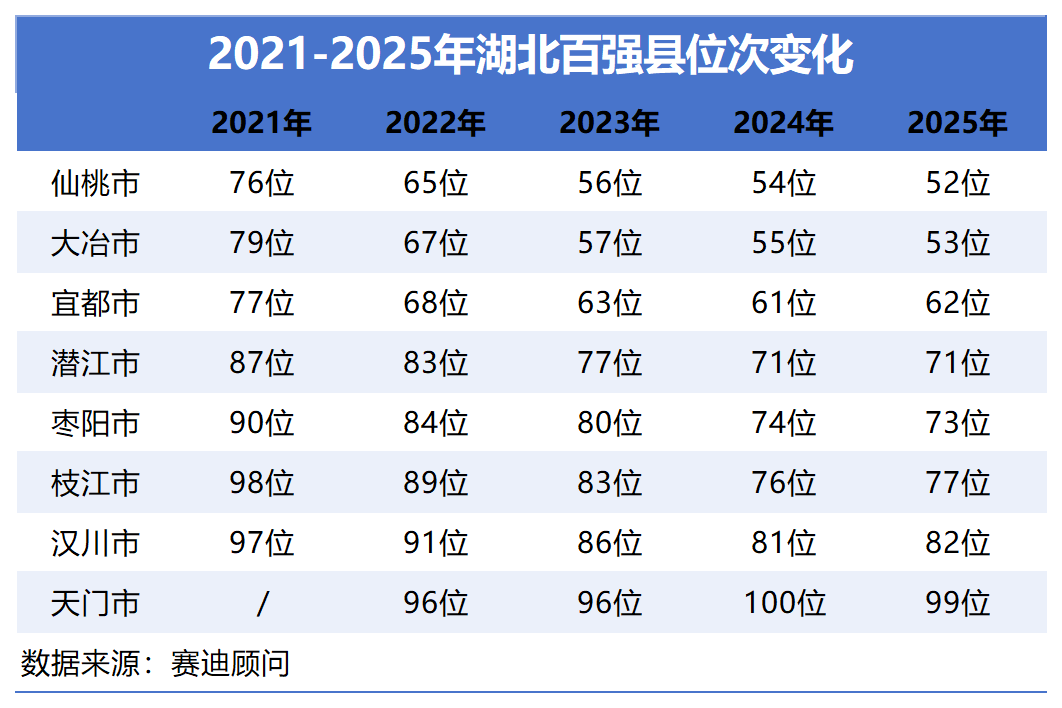
Core Insights - Hubei's county economy is a significant contributor to the province's overall economic strength, with a focus on "position improvement" and "characteristic growth" during the 14th Five-Year Plan period [1][2] Group 1: Economic Performance - Hubei's county-level GDP reached 3.5 trillion yuan in 2024, accounting for 58% of the province's total GDP, with a year-on-year growth of 6.3%, surpassing the provincial average by 0.5 percentage points [2] - The number of Hubei's top 100 counties has remained the highest in Central China and fourth nationwide, with eight counties consistently ranked among the top 100 from 2021 to 2025 [2][3] Group 2: County Rankings - From 2021 to 2025, Hubei's counties have shown significant ranking improvements, with Xiangyin rising from 76th to 52nd, and Daye from 79th to 53rd [3][4] - By 2024, five counties in Hubei are on the verge of becoming "billion-yuan counties," with GDPs nearing 900 billion yuan [4][5] Group 3: Industry Development - Hubei is focusing on developing characteristic industrial clusters, with an investment of 80 million yuan to incentivize counties to enhance their unique industries [1][8] - The province aims to cultivate one leading industry per county, promoting a diversified and resilient industrial structure [8][10] Group 4: Policy Support - Hubei has implemented policies such as the "Double Hundred" technology empowerment initiative, aiming to foster collaboration between universities and counties [11] - The "Double 20" assistance program pairs economically strong counties with those showing potential for comprehensive cooperation [11] Group 5: Future Outlook - The county economy in Hubei is expected to undergo a transformation with the expansion of "billion-yuan counties" and the growth of characteristic industrial clusters [2][5] - Hubei's counties are projected to play a crucial role in the province's high-quality economic development, contributing to a more balanced and robust economic structure [12]
京津冀协同发展形成内生动能
Xin Lang Cai Jing· 2026-01-11 22:25
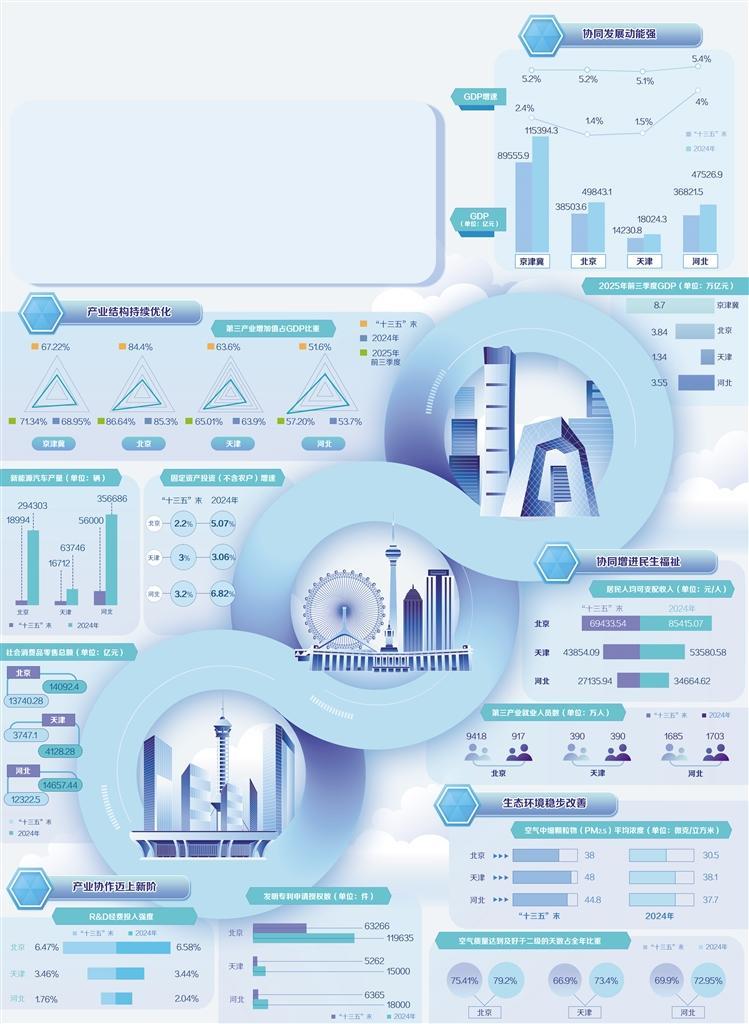
Core Viewpoint - The development of the Beijing-Tianjin-Hebei (Jing-Jin-Ji) region has transitioned from a policy-driven "cumulative effect" to a more stable and sustainable endogenous growth model, emphasizing self-supporting and self-reinforcing operational capabilities as the region enters a deeper phase of collaboration [3][4] Economic Synchronization - Since the beginning of the 14th Five-Year Plan, the economic growth of Beijing, Tianjin, and Hebei has shown a more synchronized and balanced trend, indicating that growth is supported by multi-regional collaboration rather than relying on single-point drivers [3] Industrial Structure and Regional Division - The region is witnessing a restructuring of its industrial framework, with an increasing emphasis on the service sector and strategic emerging industries, leading to a clearer gradient and specialization within the industrial system [3] - Industrial collaboration has evolved beyond simple division of labor to encompass comprehensive cooperation around complete industrial chains, forming a tighter industrial cooperation community [3] Innovation and Collaboration - The key to supporting industrial collaboration lies in the transformation of innovation factor flow, with more frequent technology transactions, industrial connections, and project collaborations among the three regions [4] - Changes in demand structure have further enhanced the sustainability of collaborative development, with notable regional interlinkages in consumption recovery [4] Cultural and Social Development - The collaboration in cultural tourism is being strengthened through innovative mechanisms, promoting consumption upgrades and industrial integration [4] - The focus on "investing in people" has led to continuous advancements in livelihood areas, optimizing employment structures, facilitating cross-regional medical services, and accelerating the interconnectivity of transportation infrastructure [4] Overall Significance - The significance of Jing-Jin-Ji collaboration extends beyond regional economic growth, aiming to reshape factor allocation methods through mature collaborative mechanisms, thereby enhancing overall development resilience [4] - The transition from "policy-driven" to "system operation" signifies that regional coordinated development has evolved from a temporary task to a capability that supports high-quality growth [4]
科研成果从实验室走向产业一线
Xin Lang Cai Jing· 2026-01-07 22:24
Group 1 - The first "Artificial Intelligence +" innovation competition in Beijing involved 921 undergraduate students from 55 universities, focusing on real industry challenges [1] - The competition adopted a model where enterprises posed questions and students provided solutions, promoting a positive cycle of education and technology talent development [1][2] - The event highlighted the importance of interdisciplinary knowledge in solving industry-specific problems, as demonstrated by students' projects in medical imaging and smart cleaning robots [2] Group 2 - A new integrated circuit innovation research institute has been established in Beijing Economic and Technological Development Area, fostering collaboration between top universities and leading semiconductor companies [3] - The research institute employs a talent cultivation model that involves direct engagement of graduate students in the entire integrated circuit industry chain, guided by dual mentors from academia and industry [3] - Over 300 faculty and students have initiated 74 collaborative projects, achieving breakthroughs in key technologies such as new logic and memory chips [3][4] Group 3 - A virtuous cycle of education, talent, and innovation is forming, with the government promoting integrated innovation platforms in various fields including integrated circuits and artificial intelligence [4] - The collaboration between educational institutions and industry aims to cultivate multi-skilled professionals who understand technology, market dynamics, and management [4]