酒店业

Search documents
2026年春节社服行业数据点评
2026-02-24 14:16
Summary of the Conference Call Records Industry Overview - The social service industry showed significant recovery during the 2026 Spring Festival, with transportation and travel accelerating. Railway growth reached 10.7% and civil aviation grew by 8%. The hotel industry also saw substantial growth from a low base, with Hainan's duty-free sales increasing by 19% year-on-year, indicating a stabilizing consumption environment and strong leisure demand [1][2]. Core Insights and Arguments - The social service industry is viewed positively for its allocation value, as the effects of policy stimulus have not yet fully materialized, but demand is showing signs of stabilization and recovery. The direction of policy support for service consumption is clear, suggesting investment in quality leading companies and turnaround candidates such as Luckin Coffee, Atour, Gu Ming, Huazhu, and China Duty Free [1][5]. - The hotel and duty-free sectors performed well during the Spring Festival, but high pre-holiday expectations may have already been reflected in stock prices. China Duty Free's valuation is considered expensive, with the market focusing on the sustainability of its high growth [1][6]. - The issuance of consumption vouchers and government subsidies is a key concern for investors, as these policies are expected to cause stock price fluctuations. The impact of gold and mobile phone categories on China Duty Free's gross margin differs, with gold having a positive effect and mobile phones potentially having a negative impact [1][7][8]. Important but Overlooked Content - The hotel industry data is not fully released yet, but early indicators show significant growth in hotel demand during the Spring Festival, with occupancy rates increasing by 10% to 20%. However, business travel demand's actual improvement remains to be observed, with March being a critical observation point [1][9]. - The overall travel and dining sectors experienced robust demand during the Spring Festival, with nationwide retail and dining enterprises seeing an average daily sales increase of 8.6% year-on-year [1][11]. - Japan's service consumption policies provide valuable insights for China, highlighting the effectiveness of combining short-term direct stimulus with long-term institutional optimization to enhance service consumption [1][12]. Key Companies to Watch - In the dining sector, recommended companies include Luckin Coffee, Gu Ming, Mixue, and Yum China. Luckin Coffee has shown strong same-store growth, while Gu Ming is expanding its offerings and maintaining a robust growth trajectory. Mixue is also expanding aggressively, and Yum China is expected to see modest growth in same-store sales [1][14][15]. - In the tourism sector, attention is drawn to Shaanxi Tourism, which has quality assets and is expected to maintain steady growth, with profit increments anticipated from its subsidiaries and upcoming projects [1][16].
OTA专家春节出行情况交流
2026-02-24 14:15
Summary of Conference Call Notes Industry Overview - The conference call discusses the performance of the domestic travel and hotel industry during the 2026 Spring Festival, highlighting significant trends in both domestic and outbound tourism [1][2][3][6]. Key Points on Domestic Air Travel - Domestic flight supply during the 2026 Spring Festival contracted by 2%-3% year-on-year, which contributed to a demand increase [1][2]. - Air travel volume increased by approximately 14%-15% compared to the previous year, outperforming the overall market growth of 8%-9% [2][9]. - Ticket prices peaked around the seventh day of the festival, with a year-on-year increase of 6%-7%, and a maximum increase of 10% in the two weeks leading up to the festival [1][2]. Key Points on Domestic Hotel Industry - Hotel occupancy rates during the 2026 Spring Festival rose by about 17%-18% year-on-year, while prices slightly decreased by 1%-2% [1][3]. - High-star and mid-high star hotels achieved occupancy rates exceeding 75%, while budget hotels faced lower occupancy due to intense competition [7][17]. - The market is experiencing structural adjustments, with increased hotel supply in smaller cities and surrounding areas of major cities to meet dispersed demand [1][5]. Key Points on Outbound Tourism - The outbound tourism market showed significant recovery, with transportation and hotel volumes increasing by nearly 30% year-on-year [1][6]. - Airfare for outbound flights decreased by approximately 5% year-on-year, particularly for short-haul destinations in Southeast Asia, which have returned to 2019 levels [6][11]. - Hotel prices for outbound travel increased by about 5% year-on-year, indicating a recovery in the market [6]. Key Points on Market Trends and Consumer Behavior - The extension of the Spring Festival holiday by one day positively impacted service consumption, with a notable increase in travel, accommodation, and transportation sectors [1][8][9]. - The overall booking volume increased by around 20% compared to the previous year, with a clear trend of staggered travel before and after the holiday [12]. Key Points on Future Outlook for the Hotel Industry - The hotel supply growth rate is expected to stabilize between 3%-5%, with a cautious outlook on new supply due to market saturation [4][13]. - Hotel prices are anticipated to stabilize and show positive growth starting from March 2026 or during the summer peak season [4][13]. - Structural issues persist in the low-star hotel segment, which faces significant competition and operational challenges, particularly in regions like Yunnan and Guizhou [14]. Key Points on Regulatory Environment and Competition - Ongoing government investigations into environmental practices may impact operators, with potential adjustments in exclusivity, pricing tools, and commission structures [15][16]. - Despite these regulatory challenges, major platforms are expected to maintain their market positions due to structural advantages [16]. - Hotel operators like Huazhu and Atour have shown stable performance during the festival, with cautious strategies in response to regulatory uncertainties [17].
酒店现大量白蚁顾客要求退一赔三遭拒
Xin Lang Cai Jing· 2026-02-24 11:04
Group 1 - The core issue involves a customer, Ms. Wang, who reported a significant presence of termites in her hotel room, leading to a request for a refund and compensation, which the hotel denied [1] - The hotel acknowledged the termite issue as unprecedented and stated that they conduct regular pest control measures [1] - The hotel refunded Ms. Wang for two nights' stay but deemed her request for a refund and triple compensation as unreasonable [1]
存量酒店面对经营困局,如何避免被割韭菜
Sou Hu Cai Jing· 2026-02-24 09:04
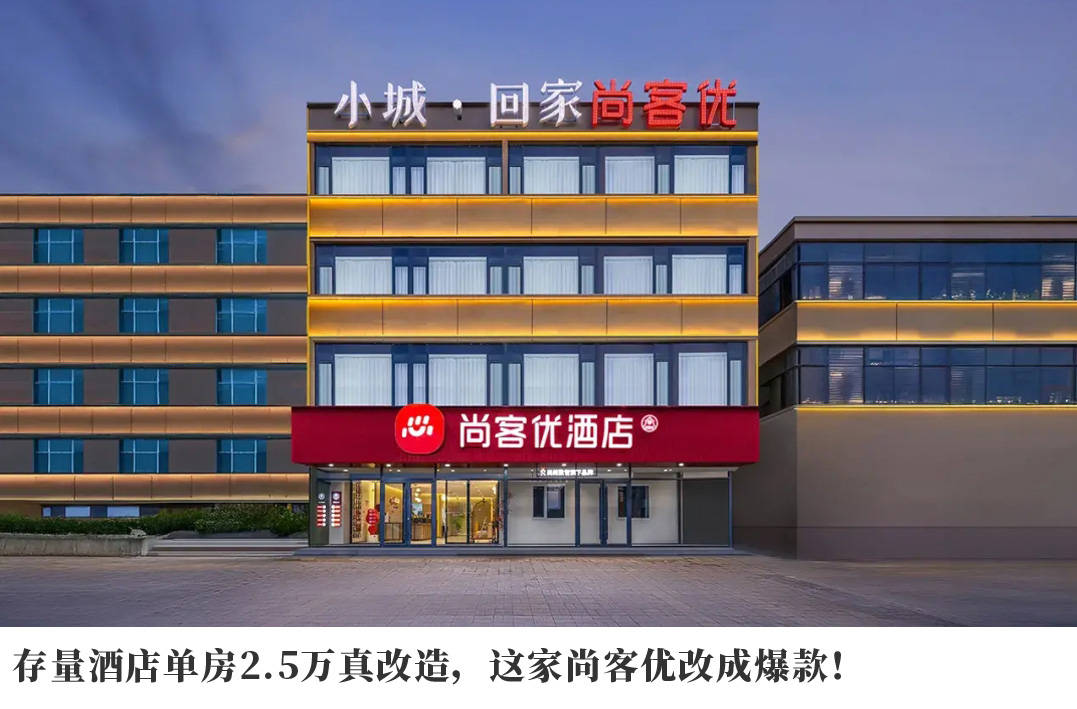
Core Insights - The hotel industry in China faces a mismatch between supply and demand, particularly with the rise of Generation Z as a mainstream consumer group, leading to a need for upgrading existing hotels [2][3] - The focus on upgrading existing hotels should consider brand reputation, market dynamics, and consumer demographics, especially for economic hotels that are in urgent need of renovation [3][15] Group 1: Current State of the Hotel Industry - As of 2024, approximately 60% of hotels in China have been operating for over five years, with economic hotels making up 77.80% of this segment [3] - There are around 430,000 hotels with fewer than 30 rooms, representing 70% of the total accommodation facilities in China, predominantly economic hotels [3] - Many of these hotels are outdated and lack modern management systems, relying heavily on OTA platforms for customer acquisition [5][14] Group 2: Challenges Faced by Existing Hotels - Many small hotels are considered "backward capacity" and struggle with low occupancy rates and pricing power due to outdated facilities [4][8] - The pandemic exacerbated the situation, leading to a significant number of small hotels being eliminated from the market [7] - The average occupancy rate for some hotels, like the 尚客优成都武侯祠锦里酒店, was only 35% before renovation, indicating poor performance [10] Group 3: Renovation and Upgrading Strategies - Successful renovation can significantly improve performance metrics; for instance, the 尚客优 hotel saw a nearly 60% increase in occupancy and a substantial rise in RevPAR after renovation [10][30] - The renovation process must balance cost, operational efficiency, and the need to attract younger consumers who demand better experiences [15][22] - Brands like 尚客优 are focusing on innovative room types and smart technology to enhance the guest experience and meet the expectations of younger travelers [15][29] Group 4: Investment Considerations - Investors are advised to focus on low-cost, quick-return renovation strategies, with a single room renovation cost ideally kept below 40,000 RMB to maintain attractiveness [21][18] - The importance of brand strength and market positioning is emphasized, as brands with a strong growth trajectory and appeal to younger demographics are more likely to succeed [22][23] - The trend towards brand standardization and adaptability in renovation plans is crucial for attracting investment in small hotels [23][24]

德泰新能源集团股价不寻常波动 正考虑收购澳门的一间酒店
Zhi Tong Cai Jing· 2026-02-24 08:41
Core Viewpoint - The stock price of Daitai New Energy Group (00559) experienced unusual fluctuations, prompting the board to confirm that they are unaware of any reasons for the price changes, except for the consideration of acquiring a hotel in Macau [1] Group 1 - The company announced unusual stock price volatility today [1] - The board confirmed that they are not aware of any reasons for the price changes [1] - The company is currently considering the acquisition of a hotel in Macau [1]
德泰新能源集团(00559)股价不寻常波动 正考虑收购澳门的一间酒店
智通财经网· 2026-02-24 08:37
公司股东及有意投资者于买卖公司股份时务请审慎行事。 智通财经APP讯,德泰新能源集团(00559)发布公告,公司股份的价格于今天出现不寻常波动。在合理情 况下就公司作出查询后,董事会确认,除公司现正考虑收购澳门的一间酒店外,其并不知悉导致有关价 格出现变动的任何理由,或任何必须公布以避免公司证券出现虚假市场的资料,或根据证券及期货条例 第XIVA部须予披露的任何内幕消息。 ...
春节酒店“渡劫”:有的一晚涨两千,有的亏得快破产!
3 6 Ke· 2026-02-24 05:54
Core Insights - The hotel industry is experiencing a significant shift in consumer behavior, with a notable increase in demand for multi-bedroom accommodations during the Spring Festival, indicating a preference for family-oriented travel experiences [1][2] - Hotels are employing innovative marketing strategies to attract guests, focusing on unique experiences rather than price reductions, which has led to a stark contrast in occupancy rates among different establishments [4][5] Group 1: Consumer Trends - The demand for multi-bedroom accommodations has surged, with bookings for 4-bedroom and 3-bedroom units increasing by 84% and 72% respectively during the Spring Festival [1] - There is a growing trend of families traveling together, with consumers unwilling to compromise on comfort, as evidenced by the popularity of hotels that offer unique experiences and activities for families [2][7] - The "reverse Spring Festival" phenomenon has led to a significant increase in hotel bookings from travelers aged 60 and above, prompting hotels to create tailored packages for this demographic [3][8] Group 2: Hotel Marketing Strategies - Hotels are increasingly focusing on creating memorable experiences rather than competing solely on price, with successful examples including themed spa treatments and unique local partnerships [2][10] - Innovative marketing tactics, such as offering local products as gifts and organizing engaging activities for children, have proven effective in attracting guests and enhancing their stay [3][11] - The rise of experiential offerings, such as wellness packages and social dining experiences, reflects a shift in consumer expectations towards more engaging and personalized hotel stays [4][12] Group 3: Competitive Landscape - The hotel market is becoming polarized, with some establishments fully booked while others struggle to attract guests, highlighting the importance of understanding consumer preferences and adapting to changing demands [5][6] - The success of bathhouses and wellness centers, which offer comprehensive services beyond just accommodation, indicates a shift in consumer preferences towards more integrated and value-driven experiences [6][9] - Hotels that fail to innovate and adapt to the evolving market dynamics risk being left behind, as consumers increasingly seek unique and memorable experiences over traditional offerings [9][13]
春节见闻㉑ | 旅居热与跨境潮:从惠州滨海到香港街头的春节轨迹
申万宏源研究· 2026-02-23 07:35
Group 1 - The article highlights the shift from "check-in tourism" to "deep living" experiences in coastal areas like Xiaojing Bay during the extended 9-day Spring Festival holiday, driven by trends such as "reverse tourism" and "winter residence" [4][3] - Rental rates for seaside apartments surged, with many owners securing long-term rentals well in advance, indicating a transformation of investment properties into essential travel assets during the holiday [4] - High-end hotel prices increased to 3-4 times their usual rates during the holiday, yet demand remained strong, reflecting a robust consumer confidence in holiday spending [4] Group 2 - The article discusses the emergence of the "silver economy" in Huizhou, where over 100,000 "migrant" tourists chose to spend the winter, showcasing Huizhou as a model for China's migratory residence economy [8][9] - Huizhou's advantages include abundant and affordable housing, a suitable climate with January averages around 23°C, and convenient transportation networks, which are essential for attracting the elderly demographic [9] - The aging population is projected to create a significant market for migratory retirement, with estimates indicating that by 2032, the elderly population will exceed 400 million, representing over 30% of the total population [12] Group 3 - The article notes the rapid recovery of cross-border travel, with efficient customs processes and increased high-speed rail connections between mainland China and Hong Kong, enhancing regional connectivity [13][14] - During the Lunar New Year, approximately 11.38 million people were expected to enter and exit Hong Kong, with a 6% increase in mainland visitors compared to the previous year, indicating a strong rebound in tourism [14] - The vibrant atmosphere in Hong Kong during the holiday season, including large-scale events and a bustling tourism scene, reflects the resilience of Hong Kong as a key international travel destination and its integration within the Greater Bay Area [19]

听·见|春节返乡住酒店,悄然变化折射出什么?
Xin Lang Cai Jing· 2026-02-23 07:19
Group 1 - The core viewpoint is that non-popular travel cities or county hotels experienced a revenue peak during the 2026 Spring Festival, reflecting a shift in lifestyle and county development as more young families choose to stay in hotels instead of at home [1] - Young parents, primarily from the 80s and 90s generations, are increasingly opting for hotel stays, seeking clean environments, 24-hour hot water, and private spaces for comfort during family reunions [1] - The change in accommodation preferences is supported by a shift in older generations' attitudes, who now prioritize the comfort and happiness of their children over traditional beliefs about staying at home during the New Year [1] Group 2 - The improvement in county service industry standards has significantly enhanced the appeal of county hotels for young families, who now find upgraded facilities and services that meet their needs [2] - The rise of chain hotels in county areas has led to standardized hygiene management and comprehensive facilities, making hotel stays more accessible and convenient for young couples [2] - The enhancement of county hotel quality is part of a broader trend of service industry upgrades in rural revitalization, transforming the perception of hotel stays from "impossible" to "very convenient" for family reunions [2]
马年“开门红”!武汉多家酒店春节假期连续满房
Chang Jiang Ri Bao· 2026-02-23 00:41
Core Insights - Wuhan hotels are experiencing a surge in bookings and dining during the 2026 Lunar New Year holiday, indicating a strong start to the year for the hospitality sector [1] Group 1: Hotel Performance - Wuhan hotels such as the Wuhan Hongshan Hotel and Wuhan Sheraton Grand Hotel achieved full occupancy from the second to the fifth day of the Lunar New Year, with the Sheraton maintaining a 95% occupancy rate on the fifth day [2] - The demand for hotel accommodations is driven by a mix of local and out-of-town tourists, with significant increases in visitors from Beijing, Shanghai, and Shenzhen, highlighting Wuhan's appeal as a travel destination [2] - The occupancy rates for hotels like the Wuhan Crown Plaza and the Wuhan Jian Guo Hotel remained high, often exceeding 90%, showcasing the overall robust performance of the hotel sector during the holiday [4] Group 2: Dining and Customer Experience - Dining services in hotels are thriving, with breakfast services attracting over 800 guests daily, and high demand for lunch and dinner services leading to full dining halls [2] - Special initiatives such as the "New Year Children's Gift Pack" and 24-hour butler services have been well-received, enhancing the overall guest experience [2] - The Wuhan Hongshan Hotel reported record daily revenue from its dining services during the holiday, indicating strong consumer spending in the food and beverage sector [2][4] Group 3: Thematic Offerings and Family Engagement - Hotels are introducing family-friendly packages and activities, such as DIY crafts and themed rooms, to attract family travelers, which has proven successful in increasing occupancy and revenue [4] - The Wuhan Crown Plaza Hotel's focus on cultural activities, such as traditional crafts, has drawn families, further solidifying its position as a preferred destination for family travel [4] - The Wuhan Jian Guo Hotel's family-oriented offerings, including themed rooms and children's activities, have led to a 30% increase in revenue compared to the previous year during the holiday period [4]