动力电池

Search documents
行业产能“饥荒”背后的供需博弈 动力电池再陷“抢货潮”
Zhong Guo Jing Ying Bao· 2025-11-21 21:13
Core Insights - The current supply tightness in the battery industry is prompting leading automotive companies to secure orders from top battery manufacturers, indicating a competitive landscape for battery procurement [3][4] - The domestic power battery installation volume reached 578.0 GWh from January to October, reflecting a year-on-year growth of 42.4% [4][6] - The upcoming adjustment in the new energy vehicle purchase tax policy is expected to influence battery demand, with companies implementing strategies to mitigate the impact [5][7] Industry Overview - The Chinese new energy vehicle market continues to grow rapidly, with production and sales reaching 1,301.5 million and 1,294.3 million units respectively from January to October, marking a year-on-year increase of 33.1% and 32.7% [6] - In October alone, the installation volume of domestic power batteries was 84.1 GWh, a month-on-month increase of 10.7% and a year-on-year increase of 42.1% [6] - The market is witnessing a structural competition between power batteries and energy storage batteries, with both sectors driving the growth of the battery industry [9][10] Company Strategies - Companies like Chery are implementing policies to ensure customers are not adversely affected by the upcoming tax changes, offering subsidies to cover potential tax increases [5] - Guoxuan High-Tech has reported a strong order volume and high capacity utilization, indicating confidence in continued growth [7] - Many battery manufacturers are diversifying into energy storage solutions, with companies like Funeng Technology developing innovative products to capture market share [9][10] Future Outlook - The global battery production capacity is projected to reach 7.5 TWh by 2030, with a demand of 5 TWh, suggesting a balanced supply-demand scenario [8] - The competition among second and third-tier battery manufacturers is intensifying, with differentiation and strong customer relationships becoming critical for sustainable growth [10]



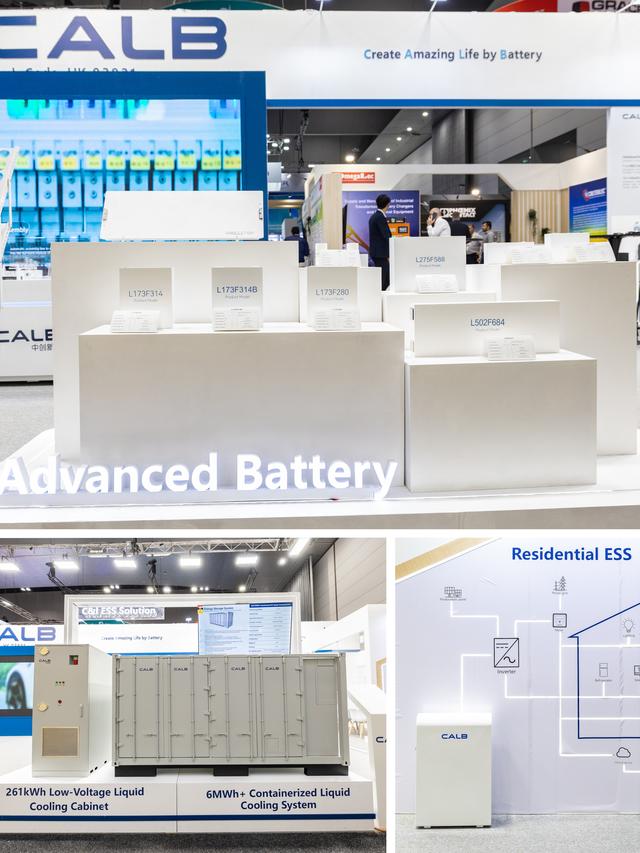
国轩高科为大众打造的标准电芯进入量产交付阶段
Zheng Quan Ri Bao· 2025-11-21 16:40
Core Insights - Gotion High-Tech has entered the mass production and delivery phase of the Unified Cell standard battery cells tailored for the Volkswagen Group [2] - Volkswagen's strategic investment of €1.1 billion in Gotion High-Tech in 2020 established a strong partnership, with Volkswagen becoming the largest shareholder with a 26.47% stake [2] - The collaboration focuses on a comprehensive synergy of technology, capacity, and strategy, leading to significant breakthroughs in performance, cost, and compatibility of the standard battery cells [2][3] Company Developments - The standard battery cells feature a unified size design, compatible with various chemical systems including lithium iron phosphate and ternary lithium, effectively fitting Volkswagen's MEB modular electric drive platform [2] - The energy density of the new battery cells has reached internationally advanced levels, with production costs reduced by up to 50% through the application of high-density cathode materials and high-rate technology [3] - The delivery of these standard battery cells is expected to transform Volkswagen's power battery supply system, enhancing stability and reducing costs through a dual-track strategy of "in-house production + external procurement" [3] Industry Impact - The standardization of battery cells addresses the issues of varying specifications and poor compatibility that have hindered the large-scale development of the electric vehicle industry [3] - The unified design simplifies vehicle design processes and lowers collaboration costs across the battery supply chain, facilitating battery recycling and secondary utilization [3]
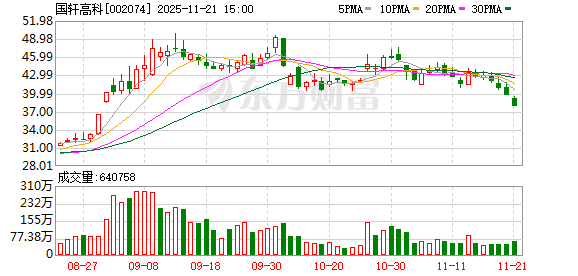
多家上市公司核心技术人员当选院士
Zheng Quan Ri Bao Zhi Sheng· 2025-11-21 16:36
Group 1 - The 2025 election of academicians by the Chinese Academy of Engineering has resulted in the selection of 71 new academicians, with a notable focus on individuals from industries such as new energy vehicles, power batteries, energy and mining, and information electronics [1] - The election highlights the emphasis on national strategic needs, selecting individuals who have been long-term contributors in research and engineering, particularly in key fields and emerging disciplines [1] - Notable selections include Wu Kai, Chief Scientist of CATL, and Lian Yubo, Chief Scientist of BYD, indicating a recognition of their contributions to technology and innovation in their respective companies [1][2] Group 2 - CATL has achieved significant breakthroughs in power battery technology and high-level manufacturing, with production capacity increasing from less than 70 GWh in 2020 to 676 GWh in 2024, marking a nearly tenfold increase [2] - Wu Kai has focused on key technologies for electric vehicle industrialization and has made major advancements in lithium battery chemistry, system integration, and large-scale manufacturing [2] - BYD's Lian Yubo has been recognized for his contributions to key systems and vehicle development in the new energy vehicle sector, aligning with BYD's philosophy of prioritizing technology and innovation [2] Group 3 - The successful election of technology leaders like Wu Kai and Lian Yubo reflects the positioning of enterprises as innovation主体, encouraging high-level talent to flow into the industry and enhancing technology transfer [3] - The "Promotion Law of Private Economy" in China supports private enterprises in participating in national technology projects, facilitating the transition of laboratory results to production lines [3]

外企标杆!LG新能源以ESG实践书写可持续发展新篇
Yang Zi Wan Bao Wang· 2025-11-21 15:07
11月20日至21日,第八届北京责任展在北京隆重举行,这场由中国企业改革与发展研究会主办、责任云 研究院承办的行业盛会,不仅发布了《企业社会责任蓝皮书(2025)》,更见证了外资企业在社会责任 领域的亮眼答卷。其中,LG新能源凭借在绿色低碳发展与可持续未来构建中的卓越表现,一举斩获多 项殊荣,成为展会焦点。 连续五年稳居"动力电池行业社会责任发展指数(2025)"首席,首次跻身"外资企业100强社会责任发展 指数(2025)"十强,这份成绩单的背后,是LG新能源对ESG理念的深度践行与长期坚守。同期发布的 《LG新能源(中国)2025环境、社会及管治(ESG)报告》,经权威机构评级保持五星水平,再加上 主办方颁发的犇牛奖-责任品牌奖,三项荣誉加身,彰显了行业与社会对其可持续发展实践的高度认 可。 在全球气候治理日益紧迫的今天,LG新能源的"负碳"战略颇具示范意义。以2030年、2040年、2050年 为关键节点,该企业明确了从经营场所到全价值链的碳中和路径:2030年实现自身及一级供应商100% 使用可再生能源,2040年覆盖核心价值链,最终在2050年达成全产业链碳中和。这一蓝图并非空谈, 2024年LG新 ...
民企工程师当选院士人数创纪录
Xin Jing Bao· 2025-11-21 14:35
Core Insights - The 2025 academician election emphasizes long-term contributions from researchers and engineers in the frontlines of scientific and engineering fields, with a notable increase in academicians from private enterprises [1][21] - This year's election saw three engineers from private companies, marking the highest number of private enterprise engineers elected in a single session [1][21] - The total number of academicians from private enterprises has now reached nine, with the 2025 election contributing significantly to this figure [1] Summary by Sections Election Highlights - The election of three engineers from private enterprises in 2025 is a significant milestone, reflecting a structural trend in the recognition of private sector contributions to technology and innovation [19][21] - The first academician from a private enterprise was elected in 2009, with a total of six academicians from private enterprises elected over the past decade [1][2] Industry Impact - The election aligns with China's strategic focus on technological innovation and industrial upgrading, particularly in sectors where private enterprises are becoming increasingly competitive [13][21] - The three elected academicians represent companies that are at the forefront of China's most competitive strategic industrial chains, including new energy vehicles, lithium batteries, and advanced materials [19][20] Notable Companies - BYD has achieved a cumulative sales volume of 3.7019 million vehicles in the first ten months of the year, with a year-on-year growth of 13.9%, positioning itself as a leader in the new energy vehicle sector [19] - CATL holds a dominant position in the global battery market, with one in three electric vehicles worldwide using its batteries, maintaining the largest market share for seven consecutive years [19] - Kingfa Technology is recognized as a leading polymer modification materials company, providing critical materials for intelligent robotics and low-altitude economy applications [19][20] Future Implications - The increase in academicians from private enterprises signals a shift towards a market-oriented innovation evaluation system, promoting the integration of industry, academia, and research [21] - This trend may reshape the landscape of technological innovation in China, as more leading talents from private enterprises gain recognition on the national stage [21]
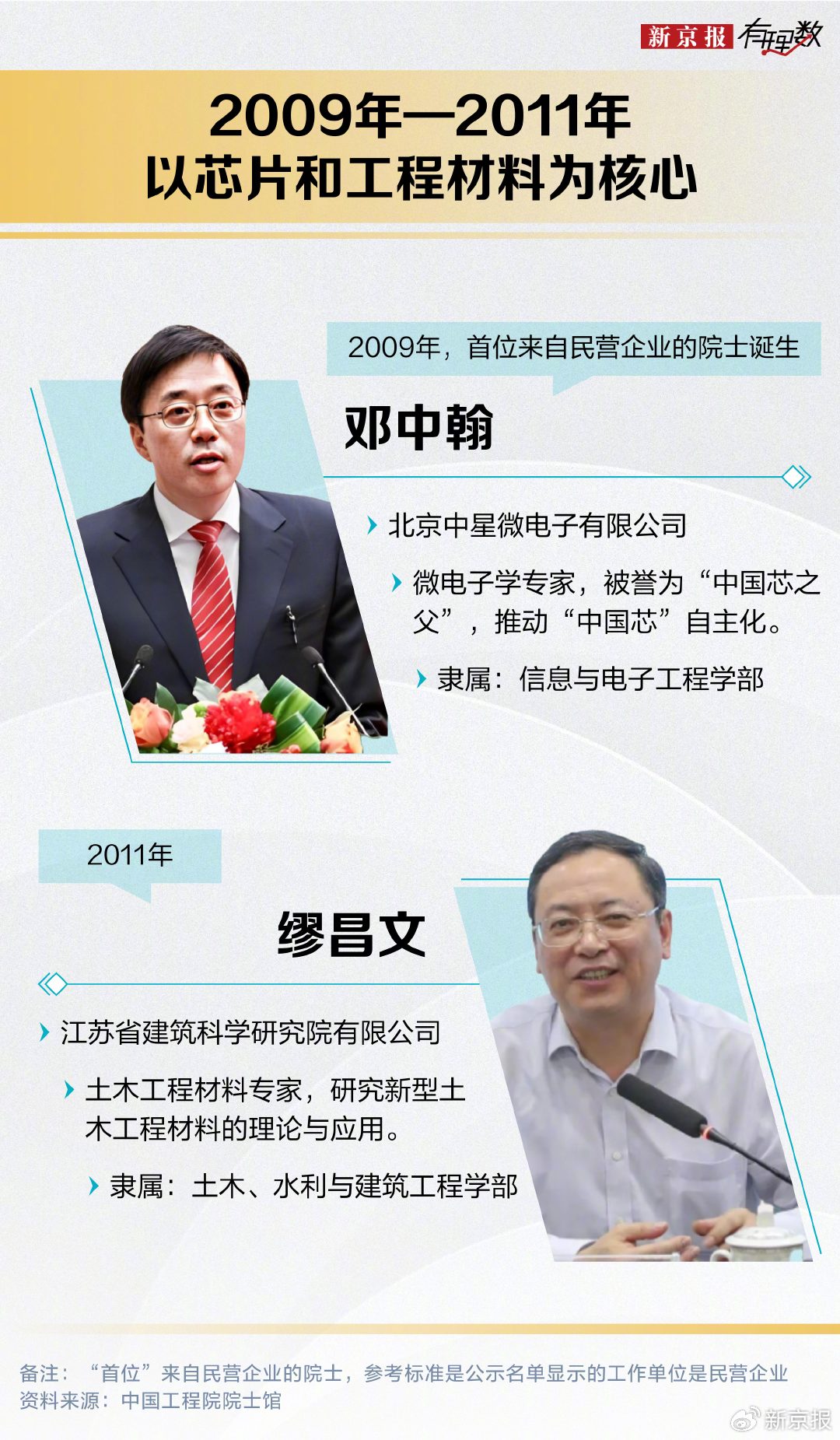
院士增选中的企业家面孔:科技先锋如何重塑产业格局
2 1 Shi Ji Jing Ji Bao Dao· 2025-11-21 12:40
Core Insights - The recent election of new academicians in China reflects a significant shift in the country's scientific community, with an increasing number of industry leaders and entrepreneurs being recognized alongside traditional scholars [2][4] - The average age of newly elected academicians is 57.2 years, with 67.1% being under 60, indicating a younger demographic entering the academic elite [1] Group 1: Industry Representation - The inclusion of industry leaders such as BYD's chief scientist, Lian Yubo, highlights the importance of practical experience in technological innovation, particularly in the electric vehicle sector [3][4] - Lian Yubo's leadership in developing key technologies like blade batteries and CTB has positioned BYD as a global leader in new energy vehicle sales, with R&D expenses reaching 43.748 billion yuan, a 31.3% increase year-on-year [3] - The election of Chen Yong from China Commercial Aircraft Corporation signifies advancements in China's commercial aircraft industry, showcasing a shift from single-series to multi-series development [4] Group 2: Strategic Importance of Academicians - The title of academician serves as a powerful endorsement for companies' technological innovation capabilities, linking academic achievements with industry advancements [4] - The election of Wu Kai from CATL underscores the strategic significance of the power battery industry, with CATL's market capitalization exceeding 1 trillion yuan post-listing [5] - The recognition of Lei Zengguang from China National Nuclear Corporation emphasizes the role of state-owned enterprises in tackling core technological challenges [5] Group 3: Collaborative Innovation - The election of Huang Xianbo from Jinfa Technology illustrates the impact of technological breakthroughs in new materials, contributing to the self-sufficiency of the materials industry [6][7] - The candidacy of Feng Jianghua from CRRC Zhuzhou Electric Locomotive Research Institute reinforces the collaborative network between enterprises and academic institutions, promoting a model of industry-academia-research cooperation [7] - The trend of "scientists becoming entrepreneurs" and "entrepreneurs becoming academicians" reflects a positive cycle of technological innovation and market application, driving high-quality economic development in China [7]
专业化整合提速,从三大信号看国资布局优化新思路
Xin Hua She· 2025-11-21 11:59
Group 1 - The core focus of the article is on the acceleration of the professional integration of state-owned enterprises (SOEs) in China, which is a key task in the current reform of state-owned enterprises [1][2] - Professional integration involves asset restructuring, equity cooperation, asset replacement, and strategic alliances to concentrate resources on advantageous and core enterprises [2][4] - The State-owned Assets Supervision and Administration Commission (SASAC) has reported that over a thousand professional integration projects have been initiated since last year, aimed at optimizing industrial layout and enhancing core competitiveness [2][3] Group 2 - The meeting highlighted the importance of enhancing the integration capabilities of strategic emerging industries, emphasizing the need for mergers and acquisitions as a means of integration [6][7] - Future integration efforts will focus on optimizing resource allocation within industries, supporting leading enterprises in restructuring, and extending towards high-end markets [5][6] - The SASAC has set higher requirements for achieving operational, innovation, and brand integration among enterprises involved in the professional integration reform [8]




全球动力电池过剩风险隐现,原因何在?
Zhong Guo Qi Che Bao Wang· 2025-11-21 07:31
Core Insights - The global electric vehicle battery production is expected to exceed demand significantly, with North America facing the most acute overcapacity risk [2][3][7] - By 2030, global battery production is projected to reach three times the demand, particularly in North America where capacity could quadruple [3][7] - The rapid expansion of battery production capacity is driven by government incentives and policies, but the actual market demand has not kept pace, leading to potential oversupply [6][7] Group 1: Industry Trends - The electric vehicle battery production capacity is growing at a rate of 43% from 2020 to 2025, outpacing the 32% growth in electric vehicle sales during the same period [6][7] - The Inflation Reduction Act in the U.S. has provided significant policy support for the electric vehicle industry, leading to aggressive capacity planning that may result in three times the actual market demand by 2025 [7][8] - The slowdown in electric vehicle sales growth in North America and Europe has led to a mismatch between supply and demand, exacerbating the risk of overcapacity [7][8] Group 2: Company Developments - A U.S. automaker is collaborating with South Korea's SK On to build a $5.8 billion battery plant in Kentucky, which has partially started production but lacks a confirmed full production date [3][4] - Ford is considering halting production of its flagship electric pickup, the F-150 Lightning, which could impact local employment and the economy [3][4] - Panasonic's battery plant in Kansas has faced delays in full production due to declining sales from its major customer, Tesla [4][6] Group 3: Market Adjustments - Some companies are beginning to adjust their production strategies in response to the changing market conditions, such as Panasonic's flexible capacity allocation for energy storage and power batteries [9][10] - The European Union's battery carbon footprint certification is pushing companies to enhance their environmental practices, which may lead to the exit of less competitive firms from the market [9][10] - The establishment of a €2 billion fund in Germany to support battery and hydrogen companies in creating zero-carbon industrial parks promotes cross-industry collaboration [10] Group 4: Future Outlook - The anticipated overcapacity in the battery market is viewed as a cyclical adjustment following a period of rapid expansion, with a focus on technological innovation and sustainable development as key to long-term success [11] - The industry is shifting towards a model that emphasizes resource recycling and environmental protection, moving away from traditional competition based solely on capacity expansion and cost control [11] - Companies that can adapt to these changes and maintain a commitment to innovation and sustainability are expected to thrive in the evolving market landscape [11]


宁德时代再跌超4% H股股份解禁令股价承压 创始股东拟询价转让1%股份
Zhi Tong Cai Jing· 2025-11-21 06:17
Core Viewpoint - CATL's stock price has dropped over 4% due to the unlocking of nearly 50% of its H-share IPO locked shares, leading to potential selling pressure [1] Group 1: Stock Performance - As of the report, CATL's stock price fell by 4.02%, trading at 463.6 HKD with a transaction volume of 2.109 billion HKD [1] - The current H-share price is at a 23% premium compared to its A-share price, which is unusual for dual-listed shares [1] Group 2: Share Unlocking and Potential Selling - Approximately 77.5 million shares are facing potential selling pressure after the unlocking that began on November 20 [1] - Morgan Stanley indicated that some strategic investors, such as Sinopec, are unlikely to sell their shares, but the overall market sentiment may still be affected [1] Group 3: Major Shareholder Activity - Major shareholder Huang Shilin plans to transfer 45.6324 million shares through an inquiry-based transfer, representing 1% of the total share capital as of November 13, 2025 [1] - The preliminary transfer price is set at 376.12 CNY per share, which would allow Huang Shilin to cash out approximately 17.163 billion CNY [1] - Huang Shilin is a co-founder of CATL and currently holds 10.21% of the company's shares, making him the third-largest shareholder [1]
全球关税政策波动下的市场挑战与QYResearch的专业解决方案
QYResearch· 2025-11-21 03:14
Core Viewpoint - The recent tariff increases by the Trump administration are expected to reshape global trade dynamics, significantly impacting multinational companies in sectors such as semiconductors, electric vehicles, photovoltaics, communications, and advanced materials [3]. Group 1: Impact of Tariff Policies - The escalation of tariff policies poses a dual challenge to industry chain costs and market structures [4]. - Increased cost pressure is anticipated, with rising cross-border trade costs for key products like semiconductor equipment, power batteries, and photovoltaic components, thereby squeezing profit margins for companies [5]. - Accelerated supply chain restructuring is necessary as companies reassess regional and nearshore strategies to mitigate policy risks [5]. - Market competition is expected to become more polarized, with some countries potentially using domestic subsidy policies to protect their industries, leading to intensified global market share battles [5]. - The complexity of compliance is increasing due to overlapping multilateral trade rules and various countries' countermeasures, necessitating dynamic adjustments in compliance strategies by companies [5]. - The impact of tariff policies will vary significantly by industry characteristics, with the semiconductor equipment sector facing technology export restrictions and localization demands [5]. Group 2: QYResearch's Core Services - QYResearch provides data-driven, standardized, and customized services to help companies navigate market changes induced by tariff policies [6]. - Comprehensive industry chain data insights are offered, including industry research reports covering sensitive sectors like semiconductors, photovoltaics, and electric vehicles, along with supply-demand analysis, price trend forecasts, and policy impact assessments [6]. - Competitive dynamics monitoring is conducted to track major global companies' capacities, sales regions, product prices, revenues, and key customers, enabling market structure predictions [6]. Group 3: Strategic Consulting and Investment Support - Market entry strategies are developed to address tariff barriers and competitive environments in target countries, creating differentiated entry plans [7]. - Government affairs support is provided to assist companies in obtaining qualifications such as "specialized and innovative" and "single champion," allowing them to capture policy benefits to offset external risks [7]. - IPO consulting and compliance verification services are available, offering specialized analysis reports on the financial impacts of tariff policies for companies planning to go public, ensuring compliance with disclosure requirements [7]. Group 4: Company Background - QYResearch, established in 2007, is headquartered in Los Angeles, USA, and Beijing, China, and has evolved into a leading consulting firm providing detailed industry research services to global clients over 18 years [8]. - The service areas encompass various high-tech industry chains, including electronics, semiconductor, chemical raw materials, advanced materials, machinery manufacturing, electric vehicles, and photovoltaics [8].