服装零售

Search documents
港股公告掘金 | 迅销公布前三季度业绩 母公司拥有人应占溢利3390.99亿日圆 同比增长8.4%
Zhi Tong Cai Jing· 2025-07-10 15:11
Major Events - QianShi International (00381) subsidiary FuLao Investment signed a memorandum of understanding with Yanji Municipal Government for potential cooperation in digital economy-related businesses in Hong Kong [1] - Stone Pharmaceutical Group (02005) obtained production registration approval for potassium chloride and sodium chloride injection (500ml and 250ml) [1] - Basilea Pharmaceutica (02616) received approval from the National Medical Products Administration for the domestic production registration application of Prujita® (Pralsetinib capsules) [1] - United BioPharma (03933) received FDA approval for new drug clinical trials for UBT37034 injection [1] - China National Pharmaceutical Group (01177) had the application for the new indication of Kumosil capsules for first-line treatment of breast cancer accepted [1] - Oceanwide Holdings (08476) applied to the Stock Exchange for a transfer listing to the main board [1] Financial Data - Kaison Holdings (00102) reported a loss attributable to shareholders of approximately HKD 740 million for 2023, a shift from profit to loss year-on-year [1] - JiaoGe Friends Holdings (01450) achieved a cumulative GMV of approximately CNY 6.98 billion in the first half of the year, a year-on-year increase of approximately 17.11% [1] - Sunny Optical Technology (02382) reported a smartphone lens shipment of approximately 95.056 million units in June, a month-on-month decrease of 3.1% and a year-on-year decrease of 12.7% [1] - Fast Retailing (06288) announced a profit attributable to the parent company of JPY 339.099 billion for the first three quarters, a year-on-year increase of 8.4% [1] - Jianye Real Estate (00832) reported a total property contract sales of CNY 4.44 billion in the first half of the year, a year-on-year decrease of 1.2% [1] - China Lilang (01234) reported a mid-to-high single-digit year-on-year growth in retail sales of "LILANZ" products in the first half of the year [1]
FAST RETAIL-DRS(06288.HK)前三季度纯利同比增长8.4%至3390亿日圆 整体创下历来最佳业绩
Ge Long Hui· 2025-07-10 08:52
Core Insights - FAST RETAIL-DRS reported a total comprehensive income of 2,616.7 billion JPY for the nine months ending May 31, 2025, representing a 10.6% year-on-year increase, with operating profit rising by 12.2% to 450.9 billion JPY, marking the best performance in the company's history [1] - The overall gross profit margin decreased by 0.2 percentage points to 53.8%, while the ratio of selling, general, and administrative expenses to revenue improved by 0.5 percentage points to 36.9% [1] - The company recorded a net increase of 69.5 billion JPY in financing income and costs, driven by a net increase in interest income of 39.8 billion JPY and foreign exchange gains of 29.7 billion JPY [1] Japan UNIQLO Division - For the first three quarters of the fiscal year, the Japan UNIQLO division reported total revenue of 801.4 billion JPY, a year-on-year increase of 11.0%, and operating profit of 150.6 billion JPY, up 17.8% [2] - Same-store sales increased by 7.5% due to strong sales of seasonal products during the Thanksgiving and Golden Week periods, despite a 2.1 percentage point decline in gross profit margin due to a weak yen and increased discount promotions [2] - The ratio of selling, general, and administrative expenses to revenue improved by 1.2 percentage points due to rising sales [2] Overseas UNIQLO Division - The overseas UNIQLO division achieved total revenue of 1,457.1 billion JPY, a 12.7% year-on-year increase, with operating profit rising by 8.4% to 240.6 billion JPY [2] - Strong support for UNIQLO's core products and the introduction of high-quality stores that convey the LifeWear brand value contributed to robust performance [2] Regional Performance - In the Greater China region, revenue in mainland China decreased by approximately 5% year-on-year, with operating profit down about 3% due to low consumer sentiment and prolonged low temperatures [3] - South Korea saw significant growth in both revenue and profit due to strategic inventory management and effective marketing strategies [3] - North America and Europe also reported substantial increases in revenue and profit, driven by enhanced marketing activities and successful new store openings [3] GU Division - The GU division reported total revenue of 256.2 billion JPY, a 4.0% year-on-year increase, but operating profit decreased by 10.7% to 26.3 billion JPY [4] - Despite slight growth in same-store sales, the division faced challenges with inventory shortages and insufficient marketing for certain products, leading to lower-than-expected sales performance [4] Global Brands Division - The global brands division experienced a revenue decline to 100.5 billion JPY, down 3.1% year-on-year, but turned a profit with operating income of 2.8 billion JPY compared to a loss of 0.3 billion JPY in the previous year [5] - The Theory business faced challenges in Japan, while PLST saw significant growth in both revenue and operating profit due to strong sales of new products [5] Stock Trading Resumption - The company plans to apply for the resumption of trading of its Hong Kong depositary receipts starting from July 11, 2025 [6]
迅销(06288)公布前三季度业绩 母公司拥有人应占溢利3390.99亿日圆 同比增长8.4%
智通财经网· 2025-07-10 08:46
Core Insights - The company reported a revenue of 26,167.08 billion yen for the nine months ending May 31, 2025, representing a year-on-year growth of 10.6% [1] - Net profit attributable to the parent company was 3,390.99 billion yen, an increase of 8.4% year-on-year, with basic earnings per share at 1,105.36 yen [1] Domestic Business Performance (UNIQLO Japan) - Revenue for the first three quarters reached 801.4 billion yen, up 11.0% year-on-year, with operating profit at 150.6 billion yen, reflecting a 17.8% increase [1] - Same-store sales increased by 7.5% due to strong sales of seasonal products during Thanksgiving and Golden Week [1] - Gross margin decreased by 2.1 percentage points due to a weaker yen affecting procurement costs and increased discount rates for spring inventory clearance [1] - Selling, general, and administrative expenses as a percentage of revenue improved by 1.2 percentage points due to rising sales [1] International Business Performance (UNIQLO Overseas) - Revenue for the first three quarters was 1,457.1 billion yen, a year-on-year increase of 12.7%, with operating profit at 240.6 billion yen, up 8.4% [2] - Strong customer support for core products and the introduction of high-quality stores contributed to robust performance [2] GU Business Performance - Revenue for the first three quarters was 256.2 billion yen, a 4.0% increase, but operating profit fell by 10.7% to 26.3 billion yen [2] - Despite slight growth in same-store sales, overall performance was hindered by insufficient inventory and marketing for certain products [2] - Increased cost rates due to a weaker yen and rising personnel costs negatively impacted profit margins [2] Global Brands Business Performance - Revenue decreased to 100.5 billion yen, down 3.1% year-on-year, while operating profit turned positive at 2.8 billion yen compared to a loss of 0.3 billion yen in the previous year [3] - The Theory brand faced challenges in Japan and Asia, leading to declines in revenue and profit [3] - PLST brand saw significant growth in both revenue and operating profit, driven by popular new products and successful holiday promotions [3] Market Activity - The company plans to apply for the resumption of trading of its Hong Kong depositary receipts on July 11, 2025 [4]
lululemon诉Costco抄袭,当平替成为全球趋势
3 6 Ke· 2025-07-08 10:28
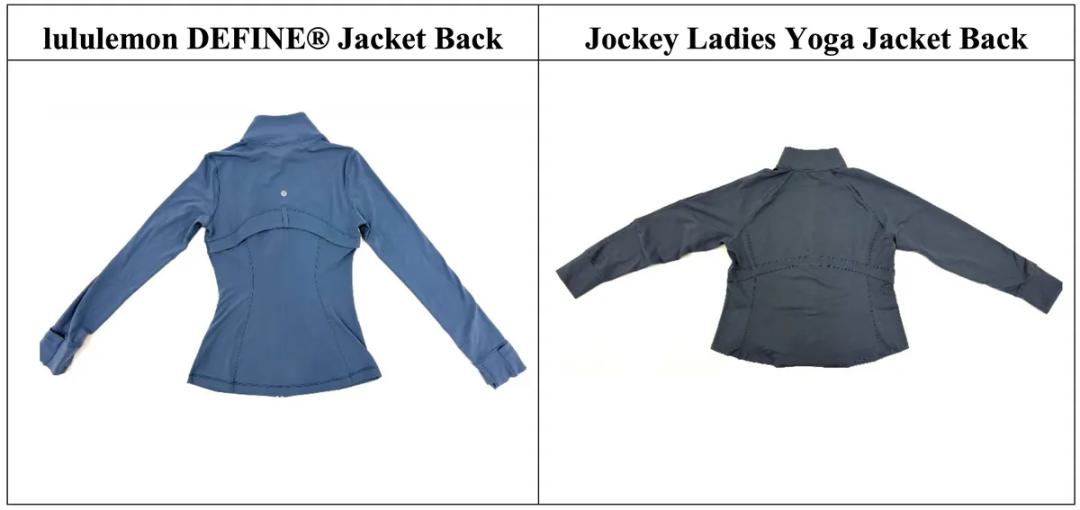
Core Viewpoint - The lawsuit filed by lululemon against Costco's Kirkland Signature and Danskin brands highlights a significant trend in the retail market: the rise of "dupe" culture, where consumers seek affordable alternatives to high-end products, challenging traditional brand value perceptions [8][23][24]. Group 1: Legal Dispute - lululemon filed a lawsuit on July 1, 2025, against Costco's Kirkland Signature and Danskin for selling products that closely mimic lululemon's signature apparel at significantly lower prices [1][3][4]. - Price comparisons reveal stark differences: lululemon's Define jacket ranges from $99 to $168, while Costco's imitation Jockey yoga jacket is priced between $17 and $30 [1]. - The lawsuit reflects a broader trend of consumers gravitating towards affordable alternatives, as evidenced by the rapid sell-out of the alleged infringing products on Costco's website following the lawsuit announcement [8]. Group 2: Rise of "Dupe" Culture - The legal battle is part of a larger consumer-driven trend amplified by social media, where products like the "Walmart Birkin" bag have gained viral popularity, prompting consumers to question the necessity of high-priced luxury items [9][11][13]. - TikTok has played a crucial role in exposing the supply chains of luxury brands, revealing that the production costs of high-end items are often significantly lower than their retail prices, thus fueling the demand for affordable alternatives [14][17]. - The emergence of platforms like Temu and Shein demonstrates the ability to replicate high-end products at a fraction of the cost, further challenging traditional brand loyalty [24][25]. Group 3: Changing Consumer Behavior - Economic pressures and rising living costs have led younger consumers, particularly Gen Z and millennials, to prioritize value over brand prestige, seeking products that meet their aesthetic and emotional needs without the associated brand markup [17][18]. - The shift from "conspicuous consumption" to "self-satisfaction" reflects a deeper change in consumer mindset, where savvy shopping and finding the perfect dupe are celebrated rather than shamed [19][20]. - Retail giants like Costco and Walmart are leveraging their own brands to compete effectively against established luxury brands, indicating a significant shift in the retail landscape [20][21].


年内港股私有化退市频现 并购与转型成企业破局关键
Zheng Quan Ri Bao· 2025-07-07 17:08
Core Viewpoint - Privatization has become an important path for delisting in the Hong Kong stock market, with 30 companies delisted this year, 15 of which were through privatization, matching last year's total [1] Group 1: Market Trends - The overall liquidity of the Hong Kong stock market has improved significantly this year, but small-cap and micro-cap stocks still face severe liquidity constraints, with 474 companies having a market capitalization below HKD 100 million [1] - The lack of liquidity, low valuations, and high costs of maintaining a listing are primary reasons for companies choosing to privatize and delist [1] - Privatization can help optimize the market structure by concentrating resources on high-quality companies, thereby enhancing overall market quality and investor confidence [1][3] Group 2: Privatization Cases - Companies from various sectors, including logistics, software development, and retail, have pursued privatization, often offering premiums above market prices to attract shareholder acceptance [2] - For instance, Anke Systems offered HKD 1.10 per share, a premium of approximately 37.5% over its last trading price before suspension [2] - Notable privatization transactions include Yuefeng Environmental Power's privatization by a subsidiary of Hanlan Environment for approximately HKD 11 billion and COFCO Packaging's delisting through a voluntary cash offer totaling HKD 6.066 billion [2] Group 3: Challenges and Costs - Some companies are forced to privatize due to low liquidity, providing shareholders with an opportunity to cash out their investments [4] - Fosun Tourism Culture's privatization was driven by extremely low trading liquidity, with a final share price of HKD 7.75, more than double its last trading price before suspension [4] - The costs associated with maintaining a listing are significant, with fees for companies with market capitalizations between HKD 100 million and HKD 5 billion ranging from HKD 145,000 to HKD 1,069,000 annually [4] Group 4: Market Dynamics - The privatization process is not always successful, as seen with Goldlion Group's failed proposal [6] - Companies like Tan Zai International have successfully passed shareholder meetings for privatization, indicating ongoing trends in the market [6] - Overall, whether seeking to provide exit paths for shareholders or embracing strategic adjustments, privatization is a crucial option for Hong Kong-listed companies to navigate the current market environment [6]
海澜之家20250707
2025-07-07 16:32
Summary of Conference Call for Hailan Home Company Overview - **Company**: Hailan Home (海澜之家) - **Industry**: Retail, specifically men's clothing and multi-brand retailing Key Points and Arguments Financial Performance - In Q2, Hailan Home's offline sales maintained single-digit growth, benefiting from its high cost-performance positioning and category expansion [2][4] - The main business profitability is expected to grow alongside revenue, although there may be slight fluctuations in scale profit due to a one-time gain from the acquisition of Spobz in the same quarter last year [2][5] - Revenue for Spobz from May to December 2024 was approximately 990 million yuan, with a profit of about 67 million yuan, significantly contributing to the company's revenue [3][10] Business Expansion and New Initiatives - The JD Outlet business experienced a slowdown in expansion speed in Q2 due to the retail off-season and refinement of the single-store model [2][6] - Hailan Home has signed contracts for over 17 new stores, with an acceleration in store openings expected from Q3 onwards, particularly benefiting from higher winter product prices and gross margins [2][6][11] - The valuation of Hailan Home has adjusted to approximately 14 times the expected earnings for 2025, with a dividend payout ratio exceeding 60% over the past two years and a current dividend yield above 6% [2][7] Strategic Focus - Since 2017, Hailan Home has attempted a multi-brand matrix but has shifted focus towards new retail formats due to macroeconomic impacts, with subsidiary brands contributing around 2 billion yuan in revenue but limited profit [2][8][9] - The establishment of Spobz and the JD Outlet project represents a strategic pivot towards new retail formats, with Spobz focusing on online sales of sports brand excess inventory and a partnership with Adidas for the FGC project targeting lower-tier cities [2][9][10] Market Outlook - Hailan Home's main brand contributes significantly to profits, and its performance fluctuations directly impact dividends. The company expects revenue to rebound in Q2 2025, supported by partnerships and channel innovations [4][12] - The JD Outlet is positioned as a new growth driver, with expectations for rapid expansion and increased contributions to revenue and profit in the latter half of the year [2][15][19] Competitive Positioning - Hailan Home holds a 5% market share in the domestic men's clothing market, maintaining the top position for 11 consecutive years, with growth potential from channel structure innovations and an increase in direct-operated stores [12][19] - The e-commerce segment has shown significant growth, with revenue increasing from over 2.8 billion yuan in 2022 to 4.4 billion yuan in 2024, a 36% year-on-year increase [12][13] Risks and Considerations - The company is addressing the challenges posed by a decrease in offline customer traffic and is adjusting its product structure to mitigate profit drag from underperforming subsidiaries [4][12][13] - The JD Outlet's initial development phase has raised concerns about its short-term expansion pace, but the company remains optimistic about its long-term potential [14][19] Additional Important Information - The JD Outlet's brand mix includes major sports brands like Adidas, Nike, and Puma, with significant discount strategies in place to attract consumers [16][17] - The profitability of JD Outlet stores is projected to be strong, with potential contributions of over 6 billion yuan in revenue and around 1 billion yuan in net profit if 300 stores are established [18]

中国足球最“穷”赞助商:我没有滔天的背景,借了5000块才过的年
虎嗅APP· 2025-07-06 03:31
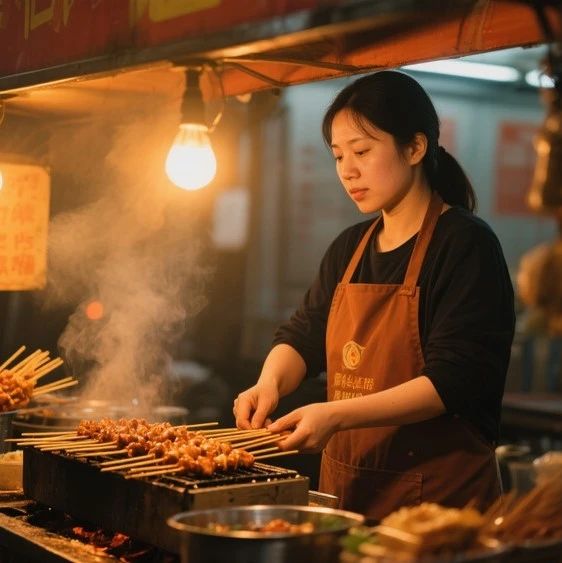
Core Viewpoint - The article highlights the success story of a small barbecue shop in Changzhou, which gained significant attention and customer traffic after sponsoring a local sports event, showcasing the potential of grassroots businesses in a supportive economic environment [4][5][6]. Group 1: Business Success - The barbecue shop, "Dongha," gained visibility by sponsoring the Suzhou Super League, with a sponsorship cost of 100,000 RMB, which is considered a small investment compared to the exposure received [4][5][9]. - The shop's owner expressed that the sponsorship was not a calculated investment but a heartfelt gesture to support local sports, particularly for her niece who trains at a sports school [9][10]. - Following the sponsorship, the shop experienced a surge in customers, with previously sold-out items now running out much earlier in the evening, indicating a significant increase in demand [9][10]. Group 2: Community and Support - The article emphasizes the supportive environment in Changzhou, where local authorities and community members actively assist small businesses, such as providing help with crowd management during peak times [9][10][27]. - The owner shared experiences of positive interactions with local officials, highlighting a culture of understanding and cooperation that benefits grassroots entrepreneurs [27][28]. - The narrative includes various individuals from the community who contribute to the local economy, showcasing a diverse and hardworking population that supports each other [27][28][29]. Group 3: Personal Journey - The owner of the barbecue shop has a background in education and faced multiple entrepreneurial failures before finding success in the food industry, illustrating the resilience and adaptability of small business owners [20][22]. - The shop's journey from a small street stall to a recognized local business reflects the broader trend of grassroots economic growth in urban areas [25][26]. - The owner’s commitment to quality and community service, such as providing AEDs for safety and supporting local workers, demonstrates a holistic approach to business that prioritizes social responsibility [24][30].
这家公司出手,收购英国版Lululemon!
中国基金报· 2025-07-04 14:17
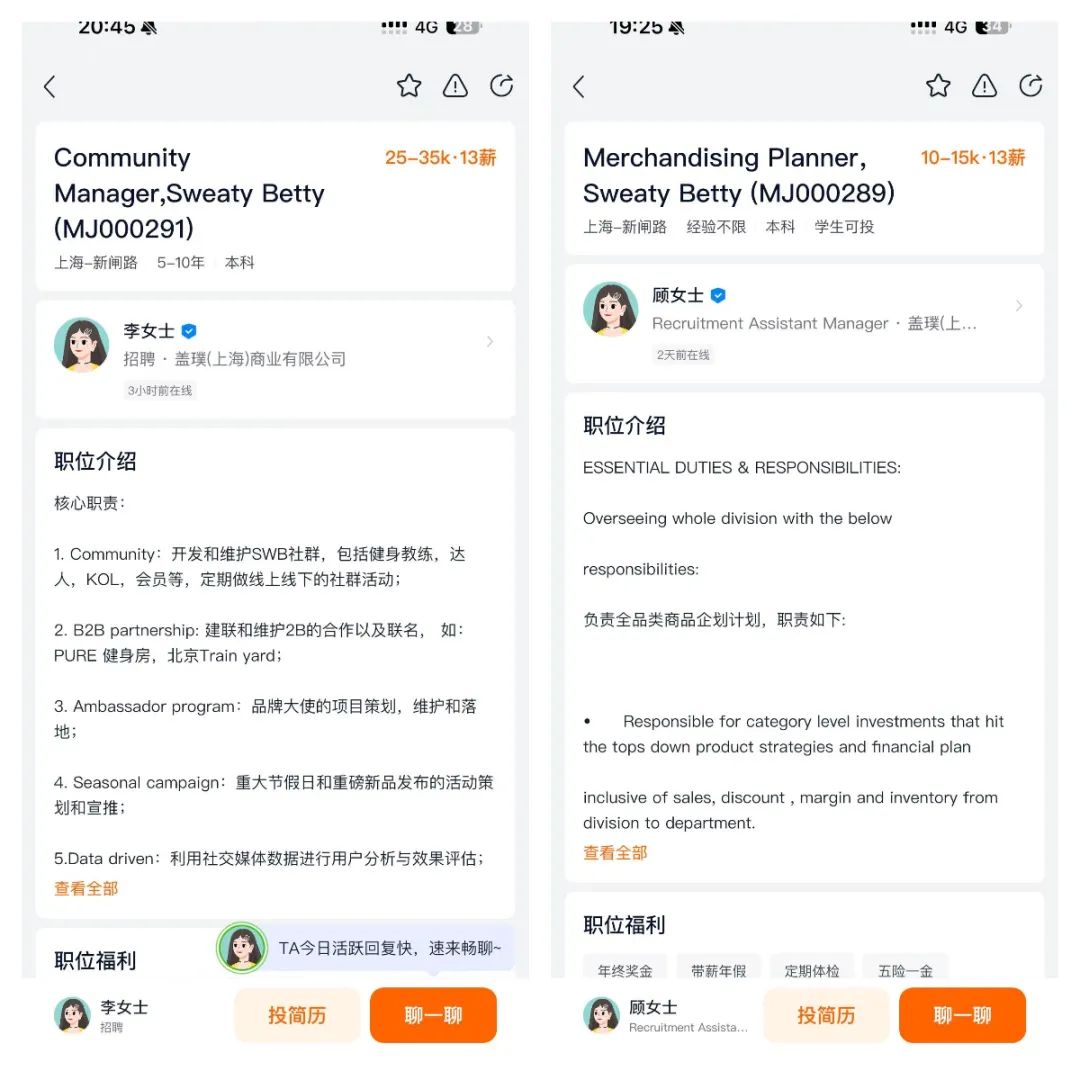
Core Viewpoint - Baozun E-commerce has acquired the China operations of the high-end yoga apparel brand Sweaty Betty, marking its third international brand acquisition in three years, following GAP and Hunter [2][5]. Group 1: Acquisition Details - The acquisition of Sweaty Betty is part of Baozun's strategy to enhance its brand management capabilities and move away from the instability of the agency model [6]. - Sweaty Betty, founded in 1998, has struggled in the Chinese market since its entry in 2021, with a significant reduction in its physical store presence [5][9]. - The acquisition aims to leverage the untapped potential of high-end brands in China, as noted by industry insiders [5][6]. Group 2: Strategic Transformation - Baozun is restructuring its business into three main lines: Baozun E-commerce (BEC), Baozun Brand Management (BBM), and Baozun International (BZI), with acquisitions being a key part of this transformation [5][6]. - The operational team for Sweaty Betty will be sourced from GAP, indicating a strategy of localized restructuring, including supply chain adjustments and product modifications for Asian consumers [8]. Group 3: Market Context - The high-end sportswear market in China is becoming increasingly competitive, with Lululemon holding over 70% market share in the high-end yoga segment [9]. - Despite a 20% growth in Lululemon's mainland China market, the growth rate has significantly slowed, indicating a challenging environment for new entrants like Sweaty Betty [9][10]. - Cultural alignment is crucial for high-end brands, and Sweaty Betty has yet to establish a localized brand identity in China, which may hinder its success [10].


宝尊电商收购lululemon竞品,曾重构GAP中国市场
Nan Fang Du Shi Bao· 2025-07-04 04:41
Core Viewpoint - Baozun E-commerce has completed the acquisition of the UK high-end yoga wear brand Sweaty Betty's business in China, marking its third international brand acquisition after GAP and Hunter [2][4]. Group 1: Company Overview - Baozun E-commerce, established in 2003, provides a one-stop e-commerce partnership and technology solutions for brand enterprises and retailers, with a workforce of 1,313 employees in 2024 [4]. - The company is listed on both the US and Hong Kong stock exchanges, reporting a revenue of $284 million in Q1 2025, a year-on-year increase of 3.27% [4]. - Baozun's brand management business (BBM) revenue grew by 23.4% year-on-year to approximately RMB 390 million, with adjusted operating losses narrowing by 28.1% [6]. Group 2: Acquisition Details - The operational team for Sweaty Betty in China will be the same as that for GAP and Hunter, indicating a consistent strategy in managing acquired brands [2][9]. - Sweaty Betty's entry into the Chinese market faced challenges, including the closure of its only independent store in mainland China in March 2023, with sales now limited to online channels [8][9]. Group 3: Market Context - Sweaty Betty, known for its stylish yoga pants, has seen a decline in global revenue, with 2023 figures at $203 million, down 3.6% year-on-year [8]. - The competitive landscape includes Alo Yoga, which is expanding into China with a focus on luxury and lifestyle products, and Lululemon, which reported a 21% increase in revenue from the Chinese market [11][12].

宝尊收购Sweaty Betty中国业务,重塑英国版lululemon
3 6 Ke· 2025-07-03 06:24
Core Insights - Sweaty Betty, a UK yoga apparel brand, is ending its direct operation model in China, having been acquired by Baozun, which now manages the brand alongside GAP and Hunter [1][5][9] - The acquisition comes as Sweaty Betty struggles to compete with lululemon in the Chinese market, where its performance has been underwhelming despite lululemon's significant growth [3][5][16] - Baozun aims to leverage its e-commerce expertise to revitalize Sweaty Betty's brand presence in China, focusing on differentiating the brand from competitors [11][15][18] Group 1 - Sweaty Betty's China operations have been sold to Baozun, marking it as the third international brand acquisition by the company [1][5] - The brand's performance in China has been declining, with significant inventory clearance efforts noted prior to the sale [5][9] - Baozun's previous acquisitions, including GAP and Hunter, have shown promising results, indicating potential for Sweaty Betty under its management [11][18] Group 2 - Sweaty Betty's pricing strategy aligns closely with lululemon, which poses challenges in establishing its unique value proposition in the competitive Chinese market [3][13] - The parent company, Wolverine Worldwide, reported a 2.4% decline in Sweaty Betty's annual revenue, prompting the decision to sell its Chinese operations [9][11] - Baozun's brand management segment has seen a 23.4% revenue increase, suggesting a strong foundation for managing Sweaty Betty effectively [11][18] Group 3 - The high-end yoga apparel market in China is experiencing a slowdown, with lululemon's growth rate dropping to around 20% [16][18] - Competitors like Vuori and alo are expanding their presence in China, intensifying the competitive landscape for Sweaty Betty [16][18] - Baozun's strategy may need to focus on storytelling and product differentiation to succeed in the challenging market environment [15][18]