
科技创新

Search documents
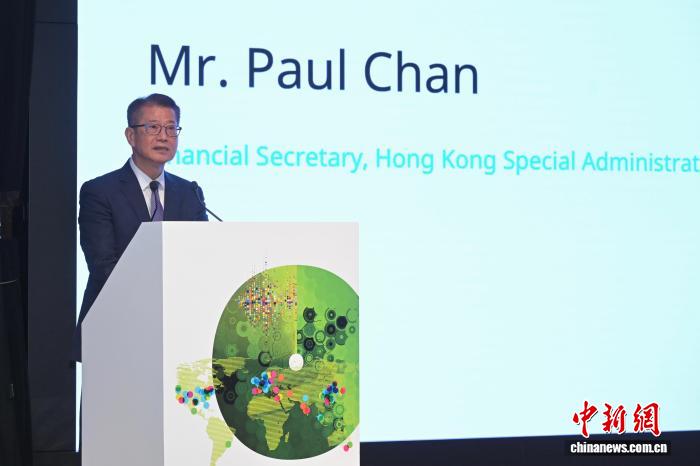
香港特区政府:续与大湾区兄弟城市共推创科事业发展
Zhong Guo Xin Wen Wang· 2025-09-01 13:17
Core Insights - The Hong Kong Special Administrative Region (SAR) government welcomes the recognition of the Guangdong-Hong Kong-Macao Greater Bay Area's innovation capabilities, as the Shenzhen-Hong Kong-Guangzhou cluster ranks first in the Global Innovation Index 2025 [1][3] - The Hong Kong government emphasizes the importance of developing innovation and technology (I&T) as a key policy focus and plans to collaborate closely with other cities in the Greater Bay Area to enhance regional I&T development [1][3] Group 1 - The Shenzhen-Hong Kong-Guangzhou cluster has been recognized as the world's leading innovation cluster, reflecting the high international acknowledgment of the Greater Bay Area's innovation capabilities [1] - The inclusion of venture capital transaction volume as a new evaluation metric in this year's ranking highlights Hong Kong's role as an international financial center, effectively guiding funds to support the transformation of innovative ideas into tangible results [1][3] - The Hong Kong government aims to strengthen three key areas: increasing the number of patent applications, enhancing basic research capabilities, and developing more startups [3] Group 2 - The Hong Kong government is set to open the Hong Kong Park of the Lok Ma Chau Loop Shenzhen-Hong Kong Innovation and Technology Cooperation Zone in the second half of this year, with several domestic and international tech companies and top universities preparing to settle there [3]

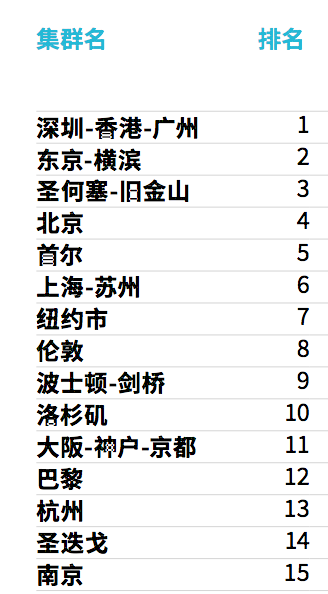
全球百强创新集群:中国这个集群第一,前15中国有5个
Di Yi Cai Jing· 2025-09-01 09:12
Group 1 - The 2025 Global Innovation Index (GII) ranks the Shenzhen-Hong Kong-Guangzhou cluster as the top innovation cluster, surpassing the Tokyo-Yokohama cluster, while the San Jose-Silicon Valley cluster rises to third place [1][3] - The GII methodology now includes venture capital transaction activities, which has recalibrated the understanding of innovation strength and highlighted clusters that effectively translate scientific research into economic outcomes [3][4] - China leads with the most clusters (24) in the top 100, followed by the United States with 22 clusters, indicating a narrowing gap between the two countries due to the inclusion of venture capital data [3][4] Group 2 - The top three clusters for scientific paper publications are Beijing (4% of global total), Shanghai-Suzhou (2.5%), and Shenzhen-Hong Kong-Guangzhou (2.4%), while the highest PCT application rates are from Tokyo-Yokohama (10.3%), Shenzhen-Hong Kong-Guangzhou (9%), and Seoul (5.4%) [4] - From 2019 to 2023, the top 100 clusters attracted nearly 169,000 venture capital transactions, with San Jose-Silicon Valley (6.9%), New York City (4.5%), and London (4.4%) leading the way [5] - Ningde, China, ranks high in innovation density, primarily due to the surge in patent applications from CATL, a leading energy technology company [6][7]
科创债为科创企业发展再添新动力
Zheng Quan Ri Bao· 2025-09-01 02:33
Core Viewpoint - The introduction of the "Science and Technology Innovation Bonds" (referred to as "Sci-Tech Bonds") is a significant initiative by the exchange bond market to support the national innovation-driven development strategy and industrial transformation [1][2] Group 1: Importance of Sci-Tech Bonds - The establishment of a market mechanism for Sci-Tech Bonds is crucial for promoting a high-level circulation of "technology-industry-finance" and better serving the national innovation-driven development strategy [1] - The number of technology innovation enterprises in China is increasing, playing a vital role in the transition from old to new growth drivers, thus providing strong support for high-quality economic development [1] Group 2: Challenges Faced by Enterprises - Despite the growth of technology innovation enterprises, they still face funding shortages during their development or transformation processes [1] - The timely introduction of Sci-Tech Bonds has alleviated the funding challenges faced by these enterprises, acting as a beneficial support mechanism [1] Group 3: Flexibility and Efficiency of Fund Utilization - The funds raised through Sci-Tech Bonds can be utilized flexibly for various purposes, including R&D investment, project construction, mergers and acquisitions, operations, and equity contributions [2] - Sci-Tech Bonds allow for the replacement of prior investments, enhancing the efficiency of fund utilization and enabling precise support for the technology innovation sector [2] Group 4: Impact on Technology Innovation - By addressing the funding difficulties of enterprises, Sci-Tech Bonds effectively guide various financial resources towards the technology innovation sector, thereby energizing the development of Sci-Tech enterprises [2] - The issuance of Sci-Tech Bonds is becoming an important means to promote technological innovation and high-quality economic development, with significant growth potential and prospects [2]

周周芝道 - 中国当前所处周期阶段
2025-09-01 02:01
Summary of Key Points from the Conference Call Industry and Company Overview - The discussion primarily revolves around the **Chinese economy and stock market**, focusing on the divergence between economic data and stock performance, as well as the implications for various sectors, particularly new and traditional economies. Core Insights and Arguments 1. **Divergence Between Stock Market and Economic Data** The Chinese stock market is performing strongly despite weak economic indicators, suggesting that liquidity is favoring stocks over other asset classes, particularly in technology and innovation sectors [1][4][5] 2. **Impact of Global Market Sentiment** Global market sentiment has shifted, with non-US assets benefiting from a recovery in risk appetite, particularly after the trade war fears did not materialize as expected [1][6] 3. **Strong Export Performance** China's exports have exceeded expectations, particularly to regions like Africa, the Middle East, and Latin America, which has helped offset declines in demand from developed countries [1][8][11] 4. **Importance of Exports for Economic Stability** Exports are crucial for China's economic growth and asset pricing, especially for real estate in lower-tier cities, where income growth is tied to export performance [1][10][15] 5. **Structural Changes in the Economy** There is a significant structural divergence between new and old economies in China, with emerging sectors like technology showing robust growth, which is not fully captured by aggregate economic data [1][7][9] 6. **Future Economic Outlook** The outlook for 2025 indicates potential pressures on exports, but a rebound in global demand is expected in 2026, which may lead to a bear market in bonds and a recovery in the stock market [1][17] 7. **PMI vs. Actual Export Performance** The discrepancy between PMI data and actual export performance can be attributed to the differing impacts on small versus large enterprises, with larger firms being less affected by trade tensions [1][12] 8. **Risks in the Capital Market** The capital market is currently pricing in economic weakness, and any changes in core variables, such as export performance, could lead to a more severe contraction in risk appetite than previously anticipated [1][13][14] 9. **Real Estate Market Dynamics** The real estate market, particularly in third and fourth-tier cities, is stabilizing, but its recovery is heavily dependent on export performance and overall economic growth [1][10][18] 10. **Investment Opportunities** Short-term investment strategies should focus on new economy sectors, as traditional sectors may only see opportunities after a broader economic recovery is confirmed [1][24] Other Important but Overlooked Content - The discussion highlights the potential for a significant shift in the investment landscape as global economic conditions evolve, particularly with the anticipated easing of US monetary policy and its effects on global demand [1][3][17][20] - The need for close monitoring of macroeconomic indicators and policy changes is emphasized, as these will play a critical role in shaping market dynamics in the coming months [1][20]
多重力量驱动 民营企业创新活力迸发
Zheng Quan Ri Bao· 2025-08-31 17:23
Group 1 - The total R&D expenditure of private enterprises reached 1.13 trillion yuan, with a total of 1.1517 million R&D personnel and an average R&D investment intensity of 2.77%, indicating strong momentum in R&D investment and a commitment to technological innovation [1] - The "Private Economy Promotion Law" effective from May 20, 2025, encourages private enterprises to strengthen fundamental and cutting-edge research, develop key core technologies, and promote the integration of technological and industrial innovation [1] - Various departments have introduced a series of measures to support innovation in private enterprises, including 15 policy measures for technology finance to provide comprehensive financial services for technological innovation [1][2] Group 2 - Private enterprises are increasing R&D investment as a necessary choice to respond to market competition, enhance core competitiveness, and achieve sustainable development [3] - Successful practices of listed companies demonstrate that deepening core technology can help overcome key bottlenecks and create competitive advantages in a fierce market [3] - Despite the increase in R&D investment, private enterprises still face challenges such as significant regional disparities in innovation development and difficulties in protecting intellectual property rights [3][4] Group 3 - Future measures should focus on enhancing the innovation awareness and capabilities of private enterprises, as well as protecting their innovative achievements [4] - Continuous support for private enterprises to utilize new technologies and explore new products is essential for maximizing their role in the transformation and industrialization of technological achievements [4] - Strengthening the crackdown on infringement behaviors is crucial to safeguard the legitimate rights and interests of enterprises, allowing them to focus on R&D and innovation [4]
10万平方米“零租金”空间,青岛西海岸助力科创企业轻装启航
Qi Lu Wan Bao Wang· 2025-08-30 07:50
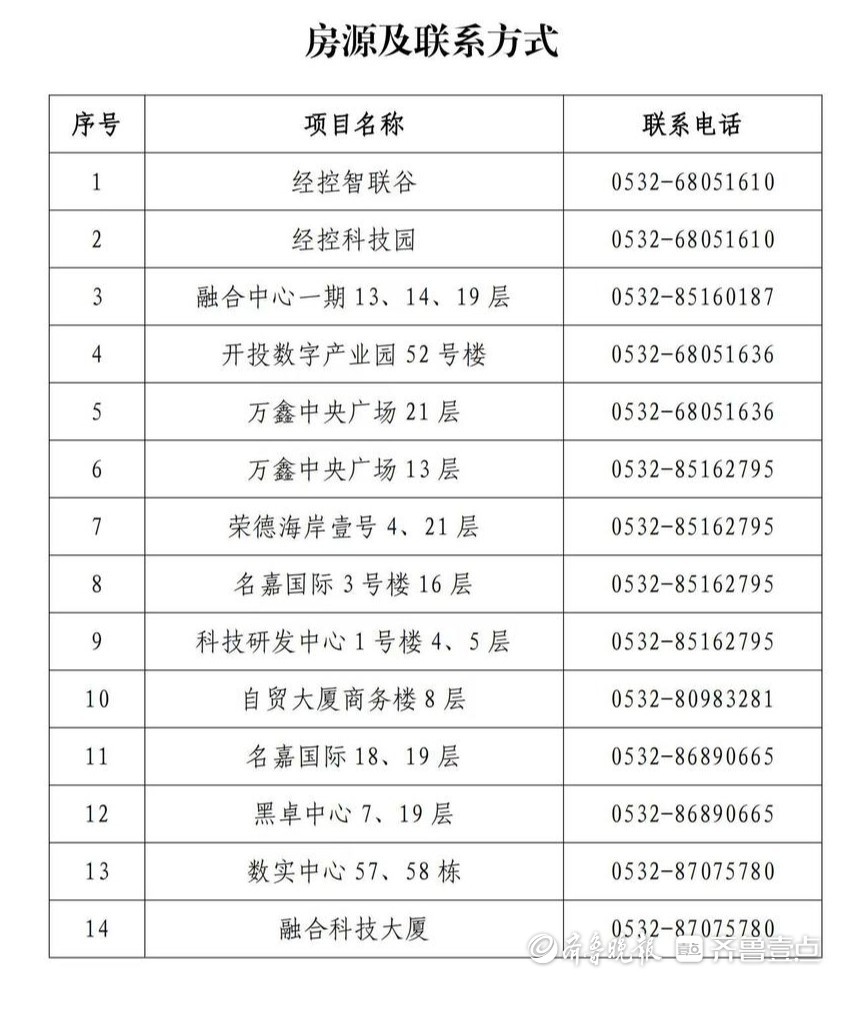
Group 1 - The Qingdao West Coast New Area has officially issued a rental discount plan for startup technology innovation enterprises, providing three years of rent reduction support to eligible startups [1][4] - The plan aims to reduce the initial operational costs for startups by allocating 100,000 square meters of quality office space from district-owned enterprises [1][4] - The rental discount is linked to the number of new employees insured by the startups, offering a rent reduction of 15 square meters per employee, valid until the end of 2027 [1][3] Group 2 - The application process for the policy has been optimized, implementing a "one-window acceptance, joint recognition" mechanism to streamline approvals for eligible enterprises [4] - The available office spaces cover a wide range of locations and include 14 quality building projects, such as the Rongkuo Digital Center and the Economic Control Smart Valley, catering to various office needs of tech innovation companies [4] - Since the policy was announced, over 20 companies have shown interest, with preliminary leasing intentions exceeding 1,600 square meters [4]
王一鸣:大湾区要加快构建同科技创新相适应的科技金融体制
2 1 Shi Ji Jing Ji Bao Dao· 2025-08-30 05:57
Core Insights - The Greater Bay Area (GBA) is experiencing a surge in technological innovation investment, but its original innovation capability remains weak, necessitating a shift from collaborative innovation to innovation clusters [1][2] - The GBA has become a significant source of innovation in China, with R&D expenditure intensity surpassing 4%, ranking second only to Beijing and Shanghai, and leading the nation in patent authorizations [1] - Despite high R&D investment in Guangdong, it still lags behind developed countries, indicating a need for improvement in core technology control and collaborative innovation among the three regions [1] Summary by Sections Technological Innovation - The GBA is entering an active phase of technological innovation with substantial increases in investment [1] - The region's original innovation capability is still not strong, with a need to enhance original innovation momentum to support international competitiveness [1] R&D Investment - The GBA's R&D expenditure intensity has exceeded 4%, making it a crucial innovation driver in the country [1] - Patent authorization in the GBA has reached the highest level nationwide, indicating a robust innovation environment [1] Challenges and Recommendations - The GBA faces new challenges in building an international technology innovation center, particularly in enhancing original innovation capabilities and achieving significant original results [1] - It is recommended that the GBA transition from a following model to leading in specific advantageous fields and construct a technology finance system that aligns with technological innovation needs [2]
城市高质量发展顶层设计出炉
Zheng Quan Ri Bao· 2025-08-28 16:08
Core Viewpoint - The "Opinions on Promoting High-Quality Urban Development" released by the Central Committee of the Communist Party of China and the State Council outlines a roadmap for urban modernization, aiming for significant progress by 2030 and basic completion by 2035, focusing on various aspects such as urban functions, quality of life, green transformation, and governance [1][4]. Group 1: Urban Development Goals - The document specifies key tasks for urban work, including optimizing modern urban systems, building vibrant innovation cities, creating comfortable living environments, promoting green and low-carbon cities, ensuring urban safety, fostering cultural prosperity, and enhancing governance capabilities [1][4]. Group 2: New Urban Development Dynamics - The "Opinions" emphasize tailored strategies to enhance urban development momentum, focusing on local resource endowments and conditions, fostering innovation ecosystems, and promoting collaboration between technological and industrial innovation [2][3]. Group 3: Quality Living Spaces - The document highlights the need for systematic promotion of "good housing" and complete community construction, aiming to meet diverse housing demands through improved design, construction, maintenance, and service levels [3]. - It also calls for steady progress in the renovation of urban villages and dilapidated housing, supporting self-renovation and reconstruction of old housing [3]. Group 4: Implementation and Governance - The Ministry of Housing and Urban-Rural Development commits to implementing the spirit of the central urban work conference and the "Opinions," focusing on innovation, livability, beauty, resilience, civilization, and intelligence in urban modernization [4]. - The goal is to optimize urban structure, convert development momentum, enhance quality, promote green transformation, and ensure urban safety [4].
重磅!中共中央 国务院最新发布!
Zheng Quan Ri Bao Wang· 2025-08-28 12:26
Core Viewpoint - The document outlines the "Opinions on Promoting High-Quality Urban Development" by the Central Committee of the Communist Party of China and the State Council, emphasizing the transformation of urban development towards high quality by 2030 and the establishment of modern urban systems by 2035 [1][3][4]. Group 1: Overall Requirements - The document stresses the importance of adhering to Xi Jinping's thoughts on socialism with Chinese characteristics, focusing on human-centered urban development, and promoting urban renewal as a key strategy [4][3]. - Key goals include significant progress in modern urban construction by 2030, with improvements in living quality, green transformation, and governance levels [4][3]. Group 2: Urban System Optimization - The document advocates for the integration of urban clusters and metropolitan areas, enhancing the competitiveness of mega cities while controlling their scale [5][6]. - It emphasizes the need to improve the capacity of small and medium-sized cities and county towns, promoting urbanization and rural economic development [6]. Group 3: New Development Drivers - The document highlights the importance of fostering innovation ecosystems tailored to local resources, enhancing technological innovation, and developing advanced manufacturing clusters [7][8]. - It calls for activating the potential of existing urban resources and establishing a sustainable financing system for urban construction and operation [8]. Group 4: High-Quality Urban Living Spaces - The document promotes the construction of "good houses" and complete communities, aiming to meet diverse housing needs and improve service quality [10]. - It emphasizes the need for urban infrastructure optimization and the enhancement of public services to ensure equitable access [11][12]. Group 5: Green and Low-Carbon Transformation - The document outlines strategies for energy conservation and carbon reduction in production, promoting green buildings and sustainable urban living practices [12][13]. - It stresses the importance of ecological environment governance and the improvement of urban air quality [13]. Group 6: Urban Safety and Resilience - The document emphasizes the need for robust safety management of buildings and infrastructure, enhancing disaster prevention and response capabilities [14][15]. - It highlights the importance of public health emergency management and the establishment of a comprehensive disaster risk management system [15]. Group 7: Cultural Prosperity - The document encourages the protection and utilization of urban historical and cultural heritage, promoting a unique urban identity [16][17]. - It calls for the enhancement of public cultural services and the integration of culture with tourism and technology [17]. Group 8: Governance Improvement - The document advocates for a coordinated urban governance system, enhancing the role of community participation in urban management [18][19]. - It emphasizes the need for digital transformation in urban governance, improving efficiency and service delivery [18]. Group 9: Implementation and Organization - The document stresses the importance of centralized leadership from the Party and government in urban development, establishing a collaborative framework for implementation [20].
激活财政新动能!1—7月江苏一般公共预算支出同比增长2%
Sou Hu Cai Jing· 2025-08-28 02:10
Core Viewpoint - Jiangsu Province's fiscal performance in the first seven months of 2025 shows a slight increase in both revenue and expenditure, indicating a focus on enhancing fiscal management and supporting economic development [1]. Fiscal Performance - General public budget revenue reached 680.139 billion yuan, a year-on-year increase of 1.5% [1] - General public budget expenditure totaled 834.365 billion yuan, a year-on-year increase of 2%, achieving 54% of the annual budget, which is 0.5 percentage points faster than the same period in 2024 [1]. Resource Allocation - The province has intensified fiscal resource coordination, prioritizing key areas through zero-based budgeting reforms and optimizing expenditure structures [2]. - Social spending amounted to 649.925 billion yuan, accounting for 77.9% of total public budget expenditure, with significant growth in education (5.5%), social security (6.8%), health (12.5%), and housing security (5.2%) [2]. Investment and Innovation - Special funds of 28.3 billion yuan were allocated for transportation projects, including major rail and waterway construction [2]. - Over 2 billion yuan was allocated to support manufacturing innovation and digital transformation initiatives [2]. Support for Foreign Trade and Employment - The province implemented measures to stabilize foreign trade and employment, including financial support for trade exhibitions and export credit insurance [3]. - A total of 10.032 billion yuan was reduced in unemployment insurance fees to alleviate operational costs for businesses [3]. Market Vitality Initiatives - Jiangsu's fiscal policies have been designed to stimulate market activity, including the provision of interest subsidies and loans to small and micro enterprises [4]. - The province launched consumption promotion policies, distributing 4.79 billion yuan in lottery vouchers to boost consumer spending [4]. Financial Group Formation - The establishment of the Jiangsu National Financial Investment Group aims to enhance the province's financial landscape and strengthen fiscal capacity [5]. Direct Financial Support - A new implementation plan for direct financial support to enterprises has been established, allowing for rapid access to funds without application requirements [6]. Governance and Management Improvements - Jiangsu is advancing fiscal management reforms, including zero-based budgeting and enhanced digital platforms for real-time financial data monitoring [7]. - The province is also working on legislative measures to improve financial supervision and performance evaluation systems [7].