
家电

Search documents
北京:“新国补”点燃消费市场新活力
Zhong Guo Zheng Quan Bao· 2026-02-12 20:26
Core Viewpoint - The implementation of the "new national subsidy" policy for the replacement of consumer goods is driving consumer enthusiasm for upgrading products, particularly in the automotive, home appliance, digital, and smart product sectors [1] Group 1: Policy Impact - The "old for new" policy is set to enhance the quality, intelligence, and health aspects of consumer products, aligning with the evolving consumer demand from basic needs to new intelligent experiences [1] - The policy is expected to provide strong support for activating service consumption, indicating a shift in consumer behavior towards more premium and technologically advanced products [1] Group 2: Market Trends - The enthusiasm for upgrading products is evident in various shopping malls in Beijing, where consumers are actively seeking information about new energy vehicles and other consumer electronics [1] - The ongoing implementation of the replacement policy is anticipated to significantly influence market dynamics, promoting a transition towards higher-quality and smarter consumer goods [1]
开利全球近期股价异动,资产出售与财务表现引关注
Jing Ji Guan Cha Wang· 2026-02-12 19:51
Stock Performance - On February 4, 2026, Carrier Global's trading volume reached $890 million, a significant increase of 57.91% compared to the previous trading day, with the stock price rising by 3.84% to $63.55 [2] - Over the past five trading days, the stock has increased by 9.74%, and year-to-date, it has risen by 20.27%, although it has decreased by 0.52% over the past 52 weeks [2] - The sudden increase in trading activity may reflect a market reassessment of the company's recent developments [2] Recent Events - On December 19, 2025, Carrier Global announced the signing of an agreement to sell its Riello business to Ariston Group, with expected total proceeds of approximately $430 million [3] - The transaction is planned to be completed in the first half of 2026, pending regulatory approvals and customary closing conditions [3] - The company stated that the net proceeds will be used for general corporate purposes, including share repurchases [3] Financial Performance - According to the Q3 2025 financial report released on October 28, 2025, the company's revenue for the period from January to September 2025 was $16.91 billion, a year-on-year decrease of 2.47%, while net profit was $1.525 billion, down 51.42% year-on-year [4] - However, in the first quarter of 2025, the company achieved a year-on-year net profit growth of 51.21%, reaching $437 million [4] - Market attention has shifted to whether the upcoming full-year financial report for 2025 will continue the volatility observed between quarters [4] Strategic Initiatives - During the Q3 2025 earnings call, management mentioned challenges such as weak North American residential business, leading to the announcement of a reduction of 3,000 indirect positions [5] - The board has approved a $5 billion share repurchase authorization as part of efforts to optimize operational efficiency and support long-term growth directions, such as data centers and heat pump businesses [5]

60亿“真金白银”支持“两新”
Xin Lang Cai Jing· 2026-02-12 17:28
Core Viewpoint - The Sichuan provincial government has issued a new policy for 2026 to support large-scale equipment upgrades and consumer goods replacement, allocating 6 billion yuan to enhance economic stability and promote green transformation in industries [1]. Group 1: Policy Overview - The 2026 policy includes five main areas: promoting large-scale equipment updates, improving consumer goods replacement, enhancing recycling networks, leveraging standards for improvement, and strengthening policy implementation [2]. - A total of 30 specific measures have been detailed to optimize the "two new" policies, focusing on expanding the coverage of equipment updates, supporting green and low-carbon products, and enhancing fund usage supervision [2]. Group 2: Equipment Upgrade Subsidies - The support ratio for production line upgrade projects has increased to 10% of equipment (including software) investment, while energy-saving and safety projects can receive up to 15% of fixed asset (including software) investment [2]. - The maximum support amount for a single project has been raised to 20 million yuan, providing stronger backing for equipment updates and technological transformations [2]. Group 3: Consumer Goods Replacement - The scope of consumer goods replacement has been expanded to include eight new areas, with a focus on automobiles, home appliances, digital, and smart products [3]. - The subsidy standards have been optimized, with adjustments made to the support for old elevator replacements and electric truck updates [3]. - The number of supported home appliance categories has been reduced from 18 to 6, while the digital product categories have increased from 3 to 4 [3]. Group 4: Automotive Replacement Subsidies - The automotive replacement subsidies will now be based on a "proportion + limit" method, linking subsidies to the price of new vehicles [4]. - For scrapping and updating, subsidies will be 12% for new energy vehicles and 10% for fuel vehicles, with maximum amounts set at 20,000 yuan and 15,000 yuan respectively [5]. - The policy emphasizes a green premium for scrapping updates, with higher subsidies for older, more polluting vehicles, promoting environmental protection and circular economy development [5].
县区动态|淮阴区商务局开展促消费政策进企业活动
Sou Hu Cai Jing· 2026-02-12 16:34
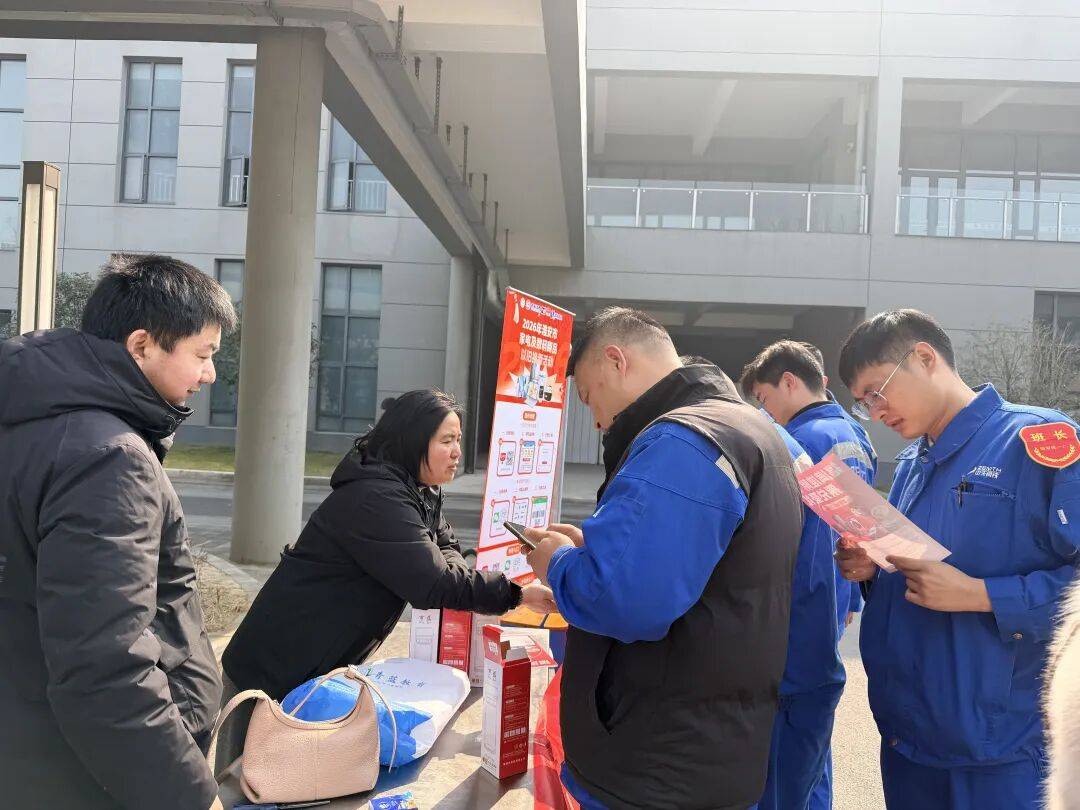
Group 1 - The core objective of the event is to promote consumer policies directly to enterprises, facilitating precise connections between supply and demand [1] - The Huaiyin District Commerce Bureau conducted an on-site activity to explain and guide employees on the standards, application processes, and timelines for subsidies related to the replacement of old automobiles, home appliances, and digital products [3] - The event featured local home appliance company Nian Nian Wang and China Mobile, providing immersive experiences with electronic products such as smartphones, smartwatches, and tablets [5] Group 2 - The Huaiyin District Commerce Bureau plans to continue deepening the "Five Advances" consumer replacement initiative, aiming to expand the coverage and influence of the policy [5] - The bureau aims to stimulate market potential by ensuring that policy strength resonates with market enthusiasm [5]

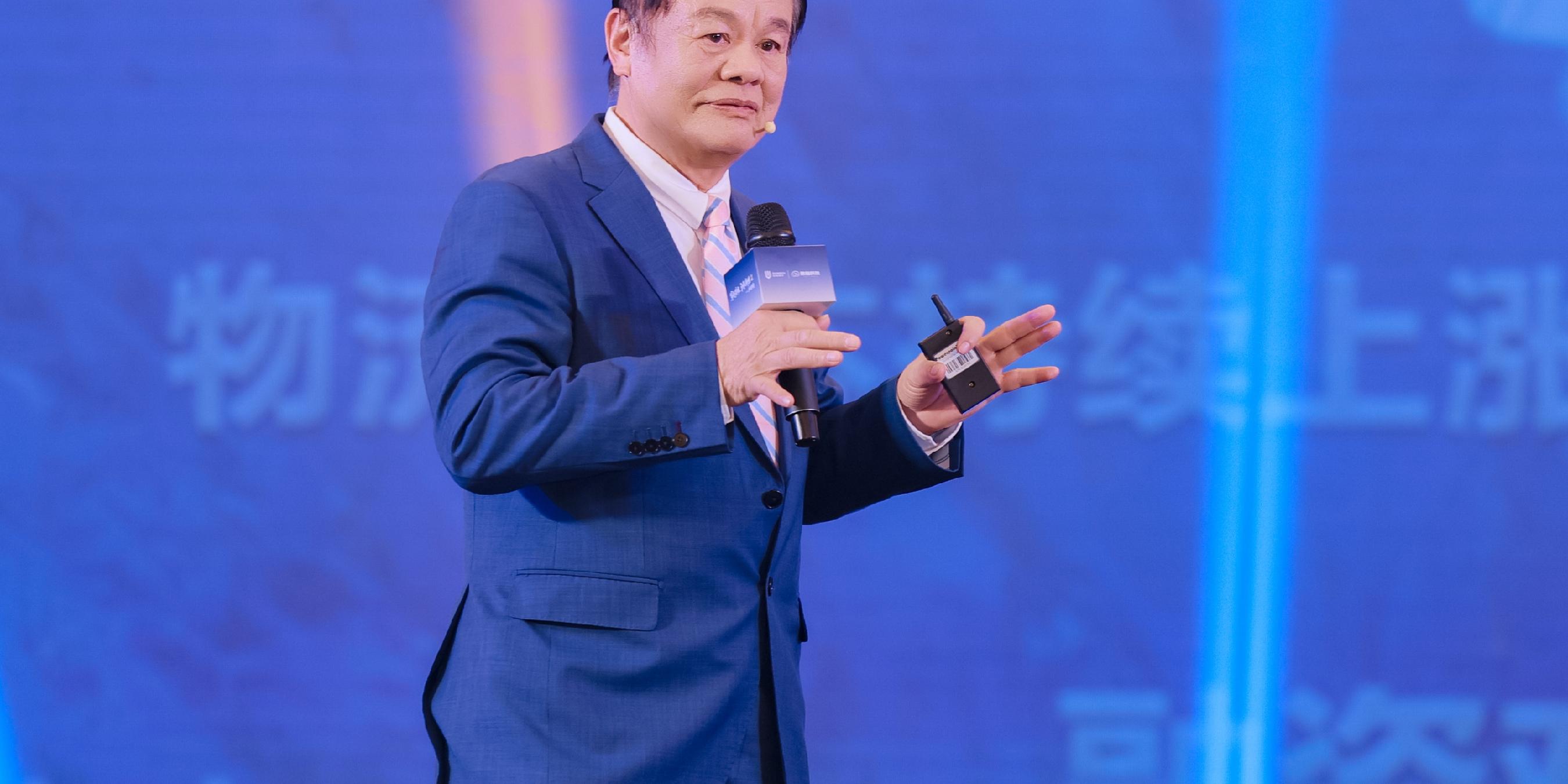
创维集团创始人黄宏生:38年只做“电”这一件事,从造“用电”的机器,到干“发电”的生意|2026商业新愿景
Jing Ji Guan Cha Wang· 2026-02-12 16:09
Core Insights - The global geopolitical and economic shifts have created significant pressure on businesses and households, leading to a more divided world where traditional market expansion strategies face unprecedented challenges [2][3]. Group 1: Challenges and Strategies - Companies must adapt their overseas expansion strategies to focus not only on market share but also on benefiting local economies and building trust with local partners [3][4]. - The traditional aggressive market penetration approach of Chinese companies is encountering resistance, necessitating a shift towards a "mutual benefit" model that emphasizes local workforce development and technology transfer [4][5]. Group 2: Technological Innovation - The company has initiated the "AI Living Room Revolution," leveraging data from 200 million households to enhance user experience through proactive AI applications, moving beyond traditional command-based smart appliances [6][12]. - The lack of integration of smart technology in products has been identified as a critical factor in the decline of major Japanese electronics firms, serving as a warning for Chinese companies to innovate [5][6]. Group 3: Energy Sector Expansion - The company's photovoltaic business now accounts for one-third of its revenue, reflecting a strategic pivot into the energy sector, utilizing existing manufacturing and distribution capabilities [7][9]. - The focus will extend to energy storage solutions in 2026, with an emphasis on optimizing energy usage through AI algorithms that can manage electricity pricing effectively [10][11]. Group 4: Health and Well-being - The company is exploring the automotive sector with a focus on creating vehicles that provide a "mobile rest space," addressing the health concerns of a significant portion of the population [12]. - The overarching goal across all sectors—home appliances, energy, and automotive—is to enhance human health and quality of life [12]. Group 5: Future Outlook - Companies must prioritize technological innovation, remain humble in strategy, and focus on results to navigate uncertainties in 2026, ensuring they are rooted in user needs and global partnerships [13].
创维集团创始人黄宏生:38年只做“电”这一件事,从造“用电”的机器,到干“发电”的生意
Jing Ji Guan Cha Wang· 2026-02-12 16:08
Core Insights - The global geopolitical and economic shifts have created significant pressure on businesses and households, leading to a challenging environment for both industrial and financial sectors [1] - The traditional aggressive market expansion strategies of Chinese companies are facing unprecedented obstacles, necessitating a shift towards a more symbiotic approach that benefits local economies [1][2] - The decline of Japanese electronics giants serves as a warning for Chinese companies to embrace smart technology and software integration to remain competitive [3][4] Group 1: Business Strategy - The company has adopted a "altruistic value symbiosis" approach, focusing on local partnerships and retaining local workforce while establishing R&D centers in foreign markets [1] - The company has acquired factories in South Africa and Indonesia, emphasizing the importance of contributing to local industrial capabilities and technology standards [1] - The company is leveraging its user data from 200 million households to drive its AI initiatives, aiming to create smart appliances that proactively respond to user needs [5] Group 2: Industry Trends - The company's solar energy business now accounts for one-third of its revenue, showcasing a strategic pivot towards renewable energy [6] - The company has built over 800,000 household power stations in five years, targeting markets with high electricity prices and significant unmet energy needs [7] - The company plans to expand into the energy storage sector, utilizing AI algorithms to optimize energy usage and profitability for users [8] Group 3: Future Outlook - The company emphasizes the importance of being rooted in user needs, technological innovation, and global partnerships to navigate uncertainties in the coming years [8] - The company is exploring the automotive sector, focusing on health and wellness features in vehicles to address the needs of a large population facing health challenges [8]
美的集团2月12日全情报分析报告:「达飞集团与美的集团达成合作」对股价有积极影响
36氪· 2026-02-12 13:35
Core Viewpoint - Midea Group has entered a strategic partnership with CMA CGM, which is expected to enhance its global supply chain resilience and operational efficiency, positively impacting investor confidence and stock performance [8][13]. Group 1: Stock Performance - On February 12, Midea Group's stock rose by 0.14%, closing at 79.80, with a trading volume of 15.05 billion and a market capitalization of 606.47 billion [5][6][7]. - The stock has seen a 3-day increase of 2.86% and a 5-day increase of 5.93%, indicating positive short-term momentum [7]. Group 2: Strategic Partnership - The partnership with CMA CGM aims to improve transportation efficiency and support Midea's global business expansion, aligning with its strategies for globalization, digital innovation, and sustainability [8][13]. - The collaboration is expected to enhance Midea's supply chain resilience and operational capabilities, which may lead to increased revenue and market share [13][14]. Group 3: Public Sentiment Analysis - As of February 12, the total online sentiment regarding the partnership is 11,533 mentions, with 66.9% being positive, 5.4% negative, and 27.7% neutral, indicating a strong positive public perception [9]. - The primary channel for this sentiment is WeChat, accounting for 16.71% of the total mentions [11]. Group 4: Market Impact - The strategic partnership is likely to be viewed as a significant step in Midea's globalization and digital transformation efforts, fostering optimistic market expectations for the company's future [14]. - If the partnership successfully leads to anticipated business growth and efficiency improvements, Midea's stock may continue to benefit in the long term [14]. Group 5: Professional Opinions - Analysts express a positive outlook on Midea Group, highlighting its leadership and strategic initiatives that have positioned it as a global leader in the home appliance sector [20]. - The company is seen as well-positioned to benefit from a structural recovery in consumer spending, particularly in the home appliance market, with investment strategies suggesting gradual accumulation of shares [21]. Group 6: Retail Strategy - Midea Group has transformed its retail strategy by eliminating multi-tier distribution in favor of a direct-to-consumer model, which has led to significant operational improvements [22]. - However, some distributors have raised concerns about the focus on speed and efficiency potentially overshadowing customer experience [22].
智能工厂建设初具规模,江苏山东浙江卓越级数量居前三
Di Yi Cai Jing· 2026-02-12 13:03
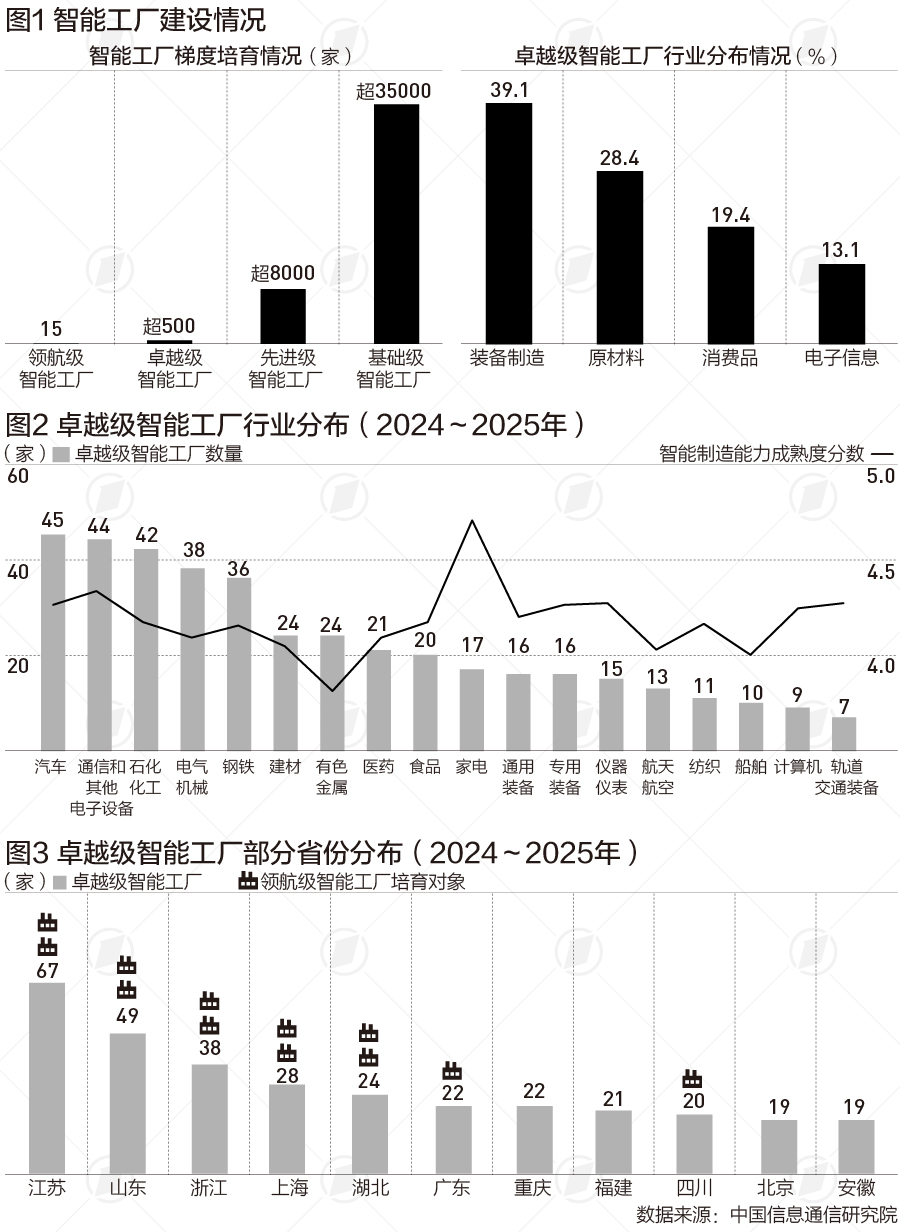
Core Viewpoint - The development of smart factories is becoming a crucial support for industries to respond to market changes, especially in the context of slowing global economic growth and increasing pressure on China's manufacturing sector [1][4]. Group 1: Current State of Smart Factories - As of 2024, China has cultivated 15 leading smart factories, over 500 excellent smart factories, more than 8,000 advanced smart factories, and over 35,000 basic smart factories, indicating a significant scale in smart factory construction [2]. - The report from the China Academy of Information and Communications Technology (CAICT) outlines that smart factories are expected to evolve from single factory construction to a "platform + cluster" collaboration model over the next five years [2]. - The nominal growth rate of global manufacturing has shown a declining trend, with the average growth rate dropping from 2.83% (2004-2013) to 2.66% (2014-2023), and is expected to decline further in the next decade [2]. Group 2: Government Initiatives and Industry Coverage - In October 2024, six ministries, including the Ministry of Industry and Information Technology, launched the 2024 Smart Factory Gradient Cultivation Action to accelerate the digital transformation and intelligent upgrade of the manufacturing sector [3]. - The action plan categorizes smart factories into four levels: basic, advanced, excellent, and leading, with over 90% of manufacturing industry categories covered by various levels of smart factories [3]. - The construction goal for excellent smart factories includes enhancing digital and network optimization capabilities and integrating design, production, and operational data [3]. Group 3: Industry Distribution and Regional Insights - Industries such as petrochemical, electrical machinery, steel, and building materials have over 32% of their factories classified as excellent smart factories, driven by the need for digital transformation and efficiency improvements [4]. - Jiangsu province leads in the number of excellent smart factories, with 67, followed by Shandong (49), Zhejiang (38), and others, indicating a strong regional focus on smart manufacturing [7]. - Large enterprises account for 92.5% of participation in smart factory initiatives in Jiangsu, which is 12.1 percentage points higher than the national average, showcasing the province's robust industrial structure [7]. Group 4: Future Trends in Smart Factory Development - The report identifies five future trends for smart factories: transitioning from physical construction to virtual-digital twin models, shifting from traditional experience-based R&D to data and model-driven paradigms, evolving production from localized flexibility to large-scale reconfigurable systems, advancing management from predetermined rules to dynamic optimization, and enhancing operational management from data-assisted decision-making to intelligent decision-making and proactive services [8].
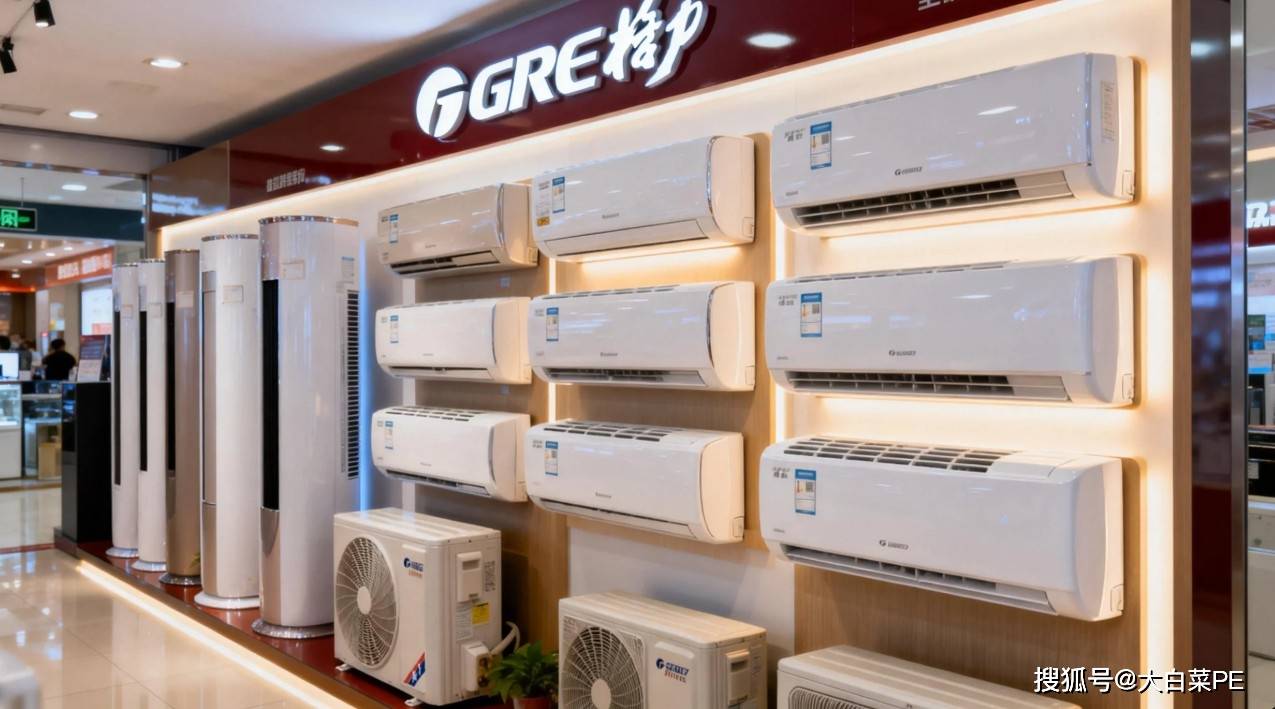
美的没想到,临近年关,董明珠三言两句就让格力实现“口碑激增”
Sou Hu Cai Jing· 2026-02-12 11:06
Core Viewpoint - The home appliance market is experiencing a shift, with Gree gaining positive reputation not through price cuts but through a commitment to product quality and responsibility [2][5]. Group 1: Consumer Concerns - Consumers prioritize long-term reliability over short-term savings when purchasing appliances like air conditioners and refrigerators [4]. - The fear of frequent repairs and energy consumption influences buying decisions, making quality assurance crucial [4]. Group 2: Company Leadership and Responsibility - Gree's CEO, Dong Mingzhu, emphasizes the importance of using and standing behind one's own products, which resonates with consumers seeking transparency and accountability [5][7]. - Dong's straightforward communication style contrasts with the often flashy marketing tactics in the industry, enhancing consumer trust [7][13]. Group 3: Competitive Landscape - Gree and Midea represent two different product philosophies: Gree focuses on quality and durability, while Midea emphasizes efficiency and cost-effectiveness [9]. - Recent discussions in the industry highlight the tension between cost-cutting measures, such as using cheaper materials, and the potential impact on product longevity [11]. Group 4: Brand Image and Consumer Trust - Dong Mingzhu's personal commitment to Gree's products and her simple lifestyle contribute to a consistent brand image that appeals to consumers [14][16]. - Consumers are more likely to trust brands that demonstrate clear values and a willingness to take responsibility for their products [16].


“彩电大王”康佳闯关:一次财务大“洗澡”亏掉百亿,9亿转让武汉天源股份回血
Sou Hu Cai Jing· 2026-02-12 10:34
Core Viewpoint - Konka's 2025 performance forecast indicates a significant decline, raising concerns about potential "financial cleansing" practices due to substantial impairment provisions on inventory and other assets [1][4][5]. Financial Performance - Konka expects 2025 revenue to be between 9 billion and 10.5 billion yuan, representing a year-on-year decline of 5.53% to 19.03% [3]. - The company anticipates a net loss attributable to shareholders of 12.581 billion to 15.573 billion yuan, an increase in losses of 281.75% to 372.54% compared to the previous year [3]. - Konka's net assets attributable to shareholders are projected to be negative, with liabilities ranging from 5.334 billion to 8.01 billion yuan, a decline of 325.09% to 437.64% year-on-year [3]. Asset Management - The significant loss is attributed to impairment provisions and recognition of expected liabilities, particularly on inventory, receivables, and ineffective assets [4]. - Konka's consumer electronics business is facing revenue declines due to insufficient product competitiveness, leading to continued losses [4]. Corporate Restructuring - The company is undergoing a "slimming" strategy following challenges in its diversification efforts, indicating a focus on asset liquidation and financial recovery [2]. - Recent changes in ownership and management, including the transfer of shares to China Resources and Huasheng Group, have coincided with the financial disclosures [6][7]. Investment and Financial Recovery - Konka has reported overdue loans totaling at least 824 million yuan, with significant amounts tied to its equity investments in various companies [10]. - The company has engaged in selling shares and transferring stakes in subsidiaries to recover funds and improve cash flow [10][11][13]. Strategic Focus - Analysts suggest that the new ownership under China Resources may lead to a major restructuring, focusing on core business areas and shedding non-core assets [12][14]. - The emphasis on focusing on core operations aligns with directives from the State-owned Assets Supervision and Administration Commission (SASAC) for state-owned enterprises [14].