
葡萄酒

Search documents
多家葡萄酒公司半年预亏 政策与市场变化后如何逆袭?
Nan Fang Du Shi Bao· 2025-07-21 11:34
Core Viewpoint - The performance of domestic wine companies remains disappointing, with most companies reporting losses in their half-year earnings forecasts, highlighting ongoing market uncertainties and challenges in the industry [1][2]. Group 1: Company Performance - Most wine companies, except for Zhangyu, have reported losses for the first half of the year, with Wulong Co., ST Tongpu, and Mogao Co. expecting losses exceeding 2.2 million, 18.6 million, and 25 million yuan respectively, all showing a year-on-year increase in losses [1][2]. - CITIC Nia has managed to turn a profit, forecasting earnings between 400,000 to 600,000 yuan, despite recording a loss in the second quarter [1][2]. - The overall performance reflects a sluggish market for domestic wine, with factors such as low consumer awareness and purchasing intent contributing to the downturn [2][3]. Group 2: Market Conditions - Domestic wine production has been declining for 11 consecutive years, with a projected production of 118,000 kiloliters in 2024, down 17.48% year-on-year, and a cumulative decline of over 70% in production over five years [3]. - The wine market size has shrunk from a peak of 53.4 billion yuan in 2019 to an estimated 15.9 billion yuan in 2024, indicating a significant contraction in the market [3]. - The introduction of the "ban on alcohol" in May 2023 has further impacted sales, particularly in high-end dining scenarios where wine was previously a staple [3]. Group 3: Strategic Shifts - In response to market challenges, some domestic wine companies are shifting their strategies towards a "civilian wine" approach, focusing on affordable products and expanding online sales channels [5][6]. - The "civilian wine" strategy aims to reach broader consumer bases through lower pricing and accessible distribution channels, reminiscent of earlier market strategies [5][6]. - Companies like CITIC Nia are increasing their investment in direct sales channels, with over 50% of their sales coming from direct-to-consumer models, indicating a shift from traditional distribution methods [5][6]. Group 4: Consumer Trends - There is a growing consumer preference for lower-priced wine products, particularly white wines priced around 100 yuan, which have seen a sales increase of over 40% in the first half of the year [6]. - The competitive landscape for white wine has intensified, with some brands reducing prices to as low as 50 yuan, reflecting a shift towards more accessible pricing strategies [6]. - The focus on family, gathering, and self-consumption as primary consumption scenarios suggests a potential pathway for domestic wine to regain market traction [6].

国产酒出海热:数据亮眼,但国际化之路还有多远?
Sou Hu Cai Jing· 2025-07-21 10:58
Core Viewpoint - The export of domestic Chinese wines to international markets has gained attention over the past year, with several domestic wineries making significant strides in this area [2] Group 1: Export Growth and Statistics - At the fifth China (Ningxia) International Wine Culture and Tourism Expo, it was reported that 30 well-known wine import and export companies have been successfully cultivated in Ningxia [3] - Ningxia's wine export value is projected to reach 13.75 million yuan in 2024, representing a year-on-year growth of approximately 42% [3] Group 2: Challenges in International Markets - An industry insider expressed skepticism about the feasibility of exporting high-quality domestic wines, suggesting that companies should focus on the domestic market before considering international expansion [5] - The Chinese wine market is competitive and highly internationalized, with potential challenges in quality perception and market penetration in foreign markets [6][8] Group 3: Consumer Perception and Market Dynamics - Consumers unfamiliar with Chinese wines may prioritize products they trust, which poses a challenge for domestic wines in international markets [8] - The cost of production for domestic wines is currently higher than that of mainstream wine regions, leading to quality concerns at similar price points [8] Group 4: Export Data Context - The impressive export figures for domestic wines are based on relatively low initial volumes, indicating significant room for growth [9] - The export of boutique wines faces considerable obstacles due to a lack of local partnerships and support in foreign markets [9] Group 5: Opportunities in Southeast Asia - There are opportunities for domestic wines in Southeast Asia, particularly due to the increasing Chinese investment and the growing local Chinese community [11] - It is suggested that products with differentiated features and competitive pricing could find success in Southeast Asian markets, while caution is advised for entry into mature markets like Europe and North America [11]


法国原瓶进口AOP级葡萄酒,今天几十块带走!还赠电动开瓶器
凤凰网财经· 2025-07-20 10:57
Core Viewpoint - The article promotes a special year-end offer on a rare French AOP red wine, highlighting its quality and exclusivity, while emphasizing the limited-time nature of the deal [1][43][121] Group 1: Product Features - The featured wine is the Château Montségur AOP red wine, recognized for its high quality and unique characteristics, including a blend of Merlot, Cabernet Franc, and Cabernet Sauvignon [10][56] - It is classified as AOP (Appellation d'Origine Protégée), indicating strict regulations on grape varieties, cultivation methods, and winemaking processes [26][27] - The wine is produced by MTE International, a prominent French wine merchant with a strong international presence [12][18] Group 2: Pricing and Offers - The promotional price is set at 239 yuan for a case of six 750ml bottles, which is significantly lower than the market price of 568 yuan per bottle in high-end restaurants [34][43] - An additional discount of 79 yuan is offered for purchasing two cases, bringing the total to 399 yuan for 12 bottles [43] - The first 1000 orders will receive a complimentary electric corkscrew, enhancing the value of the purchase [45][121] Group 3: Market Positioning - The wine is positioned as a premium product suitable for gifting and special occasions, appealing to wine enthusiasts and collectors [7][117] - The article emphasizes the wine's heritage, with the Bergerac region being referred to as "the backyard of Bordeaux," known for its rich winemaking history [55][56] - The marketing strategy leverages the exclusivity of the product, with only 100,000 bottles available globally, each signed by the estate owner [10][24]

全球供应链促进报告发布:技术创新对全球供应链驱动作用越发显著
Zhong Guo Jing Ji Wang· 2025-07-18 06:41
Core Insights - The third China International Supply Chain Promotion Expo is being held from July 16 to 20, showcasing advancements in global supply chain connectivity and infrastructure [1] - The 2025 Global Supply Chain Promotion Report highlights the increasing connectivity of global infrastructure, particularly in the Global South, and the steady improvement in traditional and new infrastructure [1] - Technological innovation, including advancements in digital and green technologies, is driving the evolution of global supply chains towards digitization and sustainability [1] Group 1 - The report indicates a significant rise in traditional infrastructure such as railways, airports, and ports, alongside new infrastructure like 5G and computing power, which supports the secure operation of global supply chains [1] - China is enhancing its infrastructure connectivity and promoting high-level opening-up to foster global supply chain cooperation, focusing on supply chain financial services and efficiency improvements [1] - The report emphasizes the importance of diversifying supply chains and enhancing productivity to inject certainty into global supply chain collaboration amid uncertainties [1] Group 2 - The report also focuses on the latest developments in global supply chains for cutting-edge technologies and key products, including drones, AR glasses, humanoid robots, hydropower, soybeans, and wine [2] - It provides a clear mapping of the upstream and downstream distribution of these supply chains and summarizes the supply chain-related policies introduced by major economies [2] - China's innovative practices and contributions to the development of these supply chains are highlighted in the report [2]
海外华商再赴链博会 老友“链”上寻新机
Zhong Guo Xin Wen Wang· 2025-07-17 11:46
Core Insights - The third China International Supply Chain Promotion Expo (Chain Expo) is being held in Beijing, showcasing the integration of cross-border product matrices and the dual roles of overseas Chinese businesses as "chain leaders" and "social responsibility" contributors [1][2]. Group 1: Event Overview - The Chain Expo features a layout of "6 chains and 1 exhibition area," facilitating easier communication and precise matching of cooperation among upstream and downstream enterprises [4]. - Thailand is the guest country for this year's expo, with a significant increase in the number of participating enterprises across various sectors, including automotive manufacturing, electronic technology, and agricultural processing [4]. Group 2: Business Perspectives - Companies participating in the expo aim to strengthen cooperation with China and globally in supply chains, particularly in green agriculture and digital technology [4]. - The wine industry representative emphasizes the importance of the entire supply chain, from cultivation to end-user sales, and highlights the expo's role in fostering collaboration and innovation across different sectors [5]. Group 3: Innovation and Collaboration - The Chain Expo is not merely about showcasing products but focuses on collaborative synergy and deep integration across the supply chain, which is unique compared to other exhibitions [5]. - Initial cooperation intentions have been established between wine industry representatives and upstream/downstream enterprises in areas such as agricultural technology and smart logistics [5].
链博会今日开幕!首次参展的鲁商集团亮点多多
Qi Lu Wan Bao· 2025-07-16 07:35
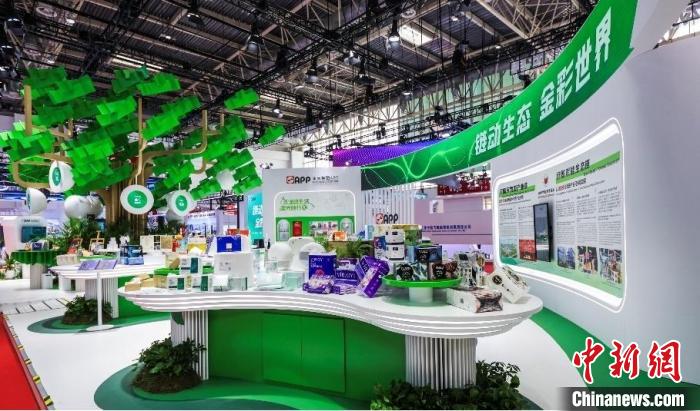
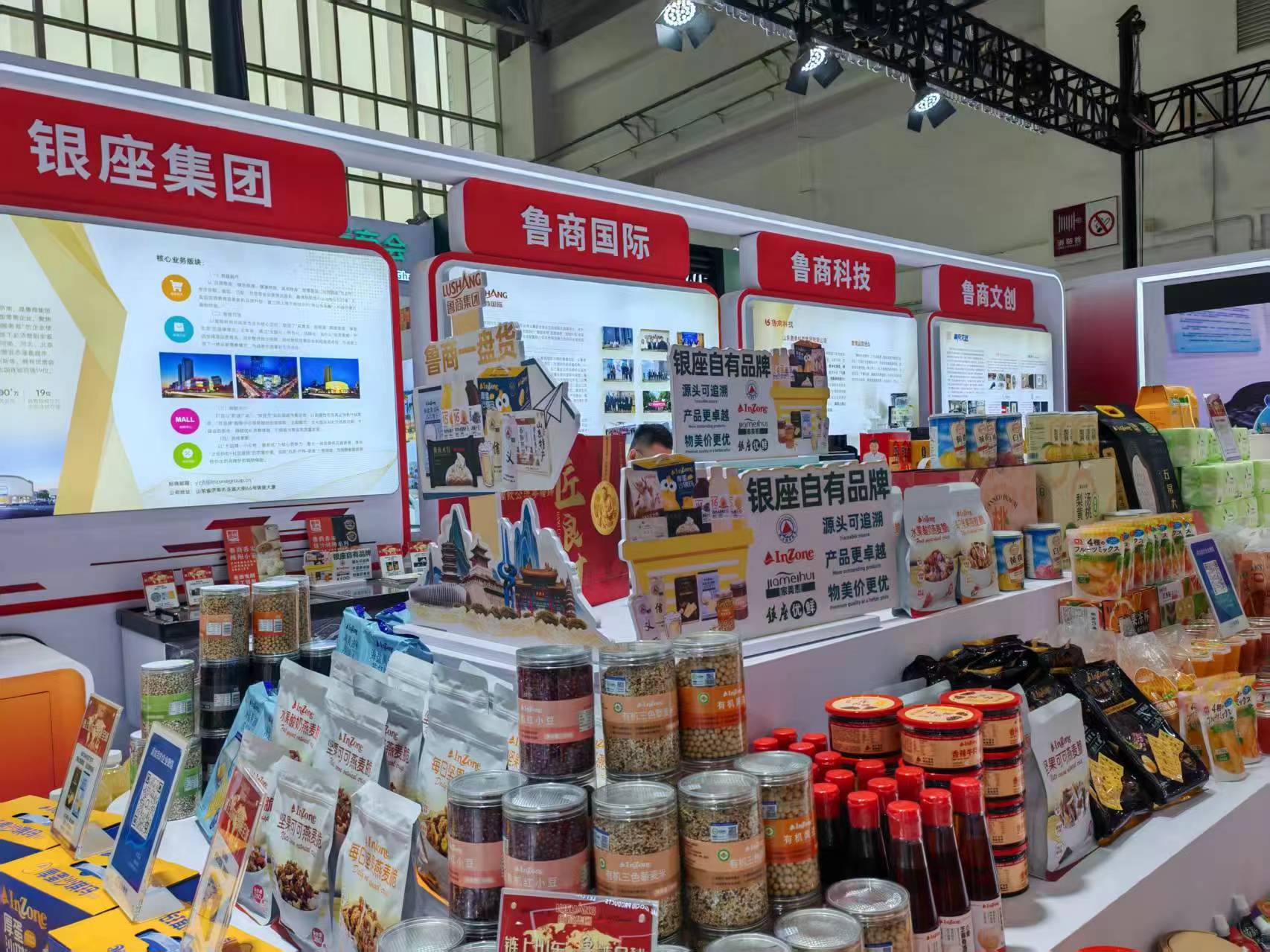
Core Viewpoint - The third China International Supply Chain Promotion Expo showcases the innovative practices of Shandong Lushang Group, emphasizing a new supply chain model that integrates product co-research, channel collaboration, ecological construction, and financial empowerment [1][3]. Group 1: Supply Chain Innovations - Lushang Group utilizes a "one plate of goods" approach to overcome traditional resource fragmentation and channel disconnection, forming a supply chain platform that integrates various internal and external resources [3]. - The company will present its supply chain highlights at the expo, including products from its subsidiary, Furuida, which features advanced technologies and sustainable practices in the beauty industry [3][4]. - Furuida's star products, such as the hyaluronic acid series and patented collagen technology, will be showcased, demonstrating significant advancements in product efficacy and sustainability [3][4]. Group 2: Collaboration and Product Development - The Shandong Pharmaceutical Institute, a key player in Lushang Group's healthcare sector, recently won a provincial science and technology award for its innovative drug delivery technology, enhancing product efficacy and stability [4]. - Lushang Group's retail arm, Yinzou Group, is focused on deepening partnerships with manufacturers to streamline the supply chain and create a unique commercial ecosystem [4]. - The expo will feature products from various regions in Shandong, highlighting local specialties and Lushang's own brand offerings, thereby reconstructing an efficient demand-production-consumption chain [4]. Group 3: Strategic Initiatives - Yitong Jinfu Supply Chain is implementing the national "dual circulation" strategy by assisting companies like Weifang Sheng'an Food Co., Ltd. in transitioning from export to domestic sales [5]. - The Shandong Innovation Research Institute will showcase self-developed products under its brands, emphasizing high-quality offerings in the tea market [5]. - Lushang Group's wine division, Chateau de Cugat, ensures quality control from grape cultivation to consumer delivery, enhancing the supply chain's transparency and efficiency [6]. Group 4: Agricultural Practices - Lushang's agricultural operations focus on full-chain control from seed to shelf, utilizing standardized planting and traceable farming practices to ensure product quality [6]. - The company employs advanced techniques to maintain the nutritional integrity of its products, showcasing a commitment to sustainable agricultural practices [6]. Group 5: Overall Impact - The expo serves as a platform for Lushang Group to demonstrate its comprehensive supply chain innovations and achievements, with a focus on collaboration and sustainability [6].
搜狐酒馆第28期|李德美:对葡萄酒“减少焦虑”,“喜欢”比“懂行”更重要
Sou Hu Cai Jing· 2025-07-16 01:56
Core Insights - The discussion highlights the significant price differences in wine, attributing them to the inherent attributes of the wine, distinguishing between artisanal and industrial products [3][4] - The integration of wine into Chinese dining culture and social etiquette is emphasized, showcasing its unique consumption logic in the local context [5][6] - The preferences of Generation Z are explored, indicating their desire for self-expression and emotional value rather than adherence to traditional wine knowledge [7][8] - Future trends in the wine industry suggest a deeper integration into everyday life, driven by diverse flavors, comfortable drinking experiences, and the influence of younger consumers [9][10] Price Differences and Selection Logic - Wine price variations stem from different attributes, with artisanal wines often being more expensive due to unique production methods and cultural stories, while industrial wines are mass-produced and more affordable [3][4] - Establishing a "trust chain" is crucial for consumers when selecting wine, which can be achieved through recommendations from trusted individuals, reliable platforms, and experiential learning [4] Localization and Cultural Integration - The localization of wine in China involves adapting to local dining customs and social rituals, allowing for a seamless integration into various culinary contexts [5][6] - The historical context of wine in China shows a long-standing relationship with grape-based beverages, which has evolved over time [6] Generation Z Preferences - Generation Z's core demand for self-expression and emotional connection means that wine marketing should focus on these aspects rather than traditional authoritative narratives [7] - The natural wine trend resonates with younger consumers due to its lack of rigid standards and emphasis on personal experience [7] Cross-Industry Trends and Future Outlook - The potential for cross-industry collaborations in wine is significant, with opportunities for both scene-based and product-based partnerships that align with the essence of wine [8] - The next decade is expected to see wine becoming a common choice in social settings, driven by its versatility, comfort in consumption, and the rising influence of younger demographics [9][10] Entry-Level Guidance for New Consumers - New consumers are advised to start with well-known brands to build confidence, participate in tasting events, and choose wines based on the context of consumption [11] - The focus should be on enjoyment rather than expertise, encouraging a relaxed approach to wine appreciation [11]

红运郎上半年出货同比增长超10%;上半年3家葡萄酒公司预亏、1家扭亏为盈丨酒业早参
Mei Ri Jing Ji Xin Wen· 2025-07-16 01:39
Group 1: Moutai 1935 Upgrade - Moutai 1935 will undergo its third body upgrade on July 18, 2023, following its initial launch on January 18, 2022 [1] - The previous upgrades included a packaging upgrade in September 2023 and the first body upgrade scheduled for June 2024 [1] - Continuous upgrades are expected to strengthen Moutai 1935's market position and brand image, catering to consumer demand for quality [1] Group 2: Hongyun Lang Sales Growth - Hongyun Lang reported over 10% year-on-year sales growth in the first half of 2025, maintaining an annual release of 300 tons [2] - The remaining release plan for 2025 is less than 50 tons, indicating a controlled supply strategy [2] - This growth reflects strong demand in the high-end sauce-flavored liquor market, enhancing the brand's premium positioning and market confidence [2] Group 3: Wine Industry Performance - Three out of four listed wine companies reported losses for the first half of 2025, with only CITIC Niya expected to turn a profit [3] - CITIC Niya anticipates a net profit of 400,000 to 600,000 yuan, while Weilang, ST Tongpu, and Mogao are projected to incur significant losses [3] - The overall performance indicates potential challenges in the wine industry, including weak demand, increased competition, and rising costs [3]
销量暴跌95%!曾被誉为“国货之光”的葡萄酒,为何卖不出去了?
Sou Hu Cai Jing· 2025-07-15 14:39
Core Viewpoint - The domestic wine industry in China, once thriving and compared to Bordeaux, has significantly declined over the past decade, facing challenges in both production and market presence [3][6][16]. Industry Overview - In 2015, China's wine production peaked at 1.42 million kiloliters, with substantial investments leading to rapid growth in vineyards and wineries [6]. - By 2024, production plummeted to 118,000 kiloliters, a 92% decrease from its peak, indicating a severe contraction in the industry [6]. - Industry profits fell from 5.2 billion yuan in 2015 to 220 million yuan in 2024, a staggering 95% drop [6]. Market Dynamics - The market share of imported wines has risen from 32% in 2015 to over 50% in 2024, with Australia, Chile, and France dominating the market [9]. - The price disparity is significant, with domestic Cabernet Sauvignon priced at 120 yuan ex-factory and retailing at 398 yuan, while Chilean equivalents cost only 90 yuan [9]. Cultural and Strategic Challenges - Domestic wine brands have struggled with brand identity, often mimicking Western styles without establishing a unique narrative that resonates with local consumers [10][12]. - The high packaging costs of domestic wines, averaging 20% of total costs, deter younger consumers who seek value [12]. Potential for Revival - Innovative marketing strategies, such as wine pairings with local cuisine and engaging social media campaigns, have shown promise in attracting younger consumers [12][14]. - Companies like Yiyuan Wine have reported an 8.2% increase in exports after adjusting pricing and reducing excessive packaging [13]. Conclusion - The challenges faced by the domestic wine industry reflect broader issues of cultural identity and market positioning, but there are emerging opportunities for revitalization through local engagement and innovative strategies [16].

30%关税迎来倒计时 特朗普贸易政策或重创欧洲出口引擎
智通财经网· 2025-07-15 07:33
Group 1 - The potential implementation of a 30% tariff on European goods by the U.S. could significantly disrupt the transatlantic trade system and force Europe to reconsider its export-oriented economic model [1] - European officials are optimistic about reaching an agreement to maintain the $1.7 trillion bilateral trade relationship before the August 1 deadline, despite the uncertainty surrounding Trump's stance on the EU [1][2] - The European Commission's trade chief warned that a 30% tariff would effectively act as a trade ban, jeopardizing the established trade relations [1] Group 2 - Barclays economists estimate that an average 35% tariff on EU goods, combined with a 10% countermeasure from Brussels, could shrink Eurozone output by 0.7 percentage points [2] - The potential economic impact could lead the European Central Bank to lower its deposit rate further, possibly down to 1% by March 2026, as inflation may remain below the 2% target for an extended period [3] - The German Economic Institute estimates that tariffs of 20%-50% could result in over €200 billion in losses for Germany's economy by 2028, affecting the government's economic policy efforts [3] Group 3 - The long-term implications of tariffs raise concerns about how Europe will compensate for economic activity losses to sustain tax revenue and employment, which are crucial for various ambitions, including pension and military reforms [3][4] - Despite efforts to diversify trade partnerships, the EU faces challenges in establishing new markets, as highlighted by the prolonged negotiations for the EU-Mercosur trade agreement [3][5] - Observers suggest that the confrontation with Trump may provide an opportunity for the EU to push through long-delayed single market reforms and reduce reliance on exports, which account for a significant portion of its output [4]