软件和信息技术服务

Search documents
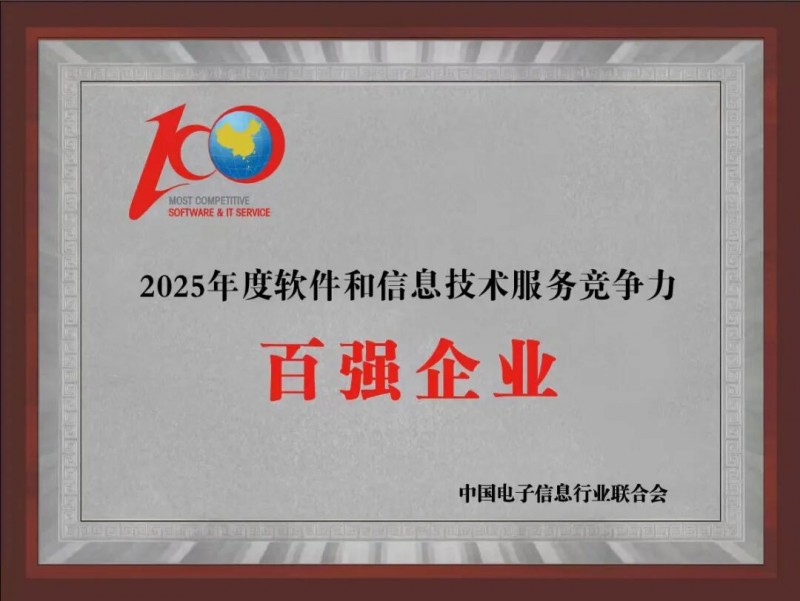
第二十七届软博会隆重启幕 中建材信息再获“软件和信息技术服务竞争力百强企业”称号
Cai Fu Zai Xian· 2025-10-21 05:28
Core Viewpoint - The 27th China International Software Expo highlights the continuous progress of China's software industry, with Zhongjin Material Information Technology Co., Ltd. recognized as one of the top 100 enterprises in software and information technology services for the second consecutive year, reflecting its strong innovation capability and comprehensive competitiveness [1][3]. Group 1: Company Achievements - Zhongjin Material Information has been selected as one of the "Top 100 Enterprises in Software and Information Technology Services" at the 2025 annual innovation results release conference, showcasing its excellence in the industry [1]. - The company has maintained its position in the top 100 list for two consecutive years, indicating broad recognition of its innovation and competitiveness [1][3]. Group 2: Evaluation Criteria - The evaluation of the "Top 100 Enterprises" is guided by the Ministry of Industry and Information Technology and organized by the China Electronic Information Industry Association, assessing companies based on operational scale, economic benefits, R&D investment, technological innovation, product quality, and social responsibility [3]. Group 3: Strategic Focus - Zhongjin Material Information is focusing on consolidating its leading position in the ICT sector, promoting product diversification, and providing comprehensive solutions to partners, while seizing opportunities in domestic substitution and self-controllable development [3]. - The company is committed to deepening its engagement in emerging businesses such as intelligent machinery and new energy, while enhancing its own brand development [3]. Group 4: Technological Innovation - As an early adopter of artificial intelligence technology, Zhongjin Material Information integrates cutting-edge technologies like cloud computing, big data, IoT, and AI to enhance its core technical capabilities in self-developed digital products [3]. - The company is actively developing a digital foundation based on large models, focusing on core scenarios such as safety production, intelligent manufacturing, human resources, and data governance, providing "full-stack intelligence + scenario deep cultivation" solutions for digital transformation [3]. Group 5: Industry Outlook - The Software Expo serves as a significant platform for high-level exchanges and cooperation in the software industry, showcasing advancements in open-source software, fintech, manufacturing services, and digital transformation for SMEs [5]. - Zhongjin Material Information plans to continue responding to national strategies for high-quality software industry development, leveraging its digital ecological service platform to deepen partnerships and contribute to the integration of the digital economy with the real economy [5].

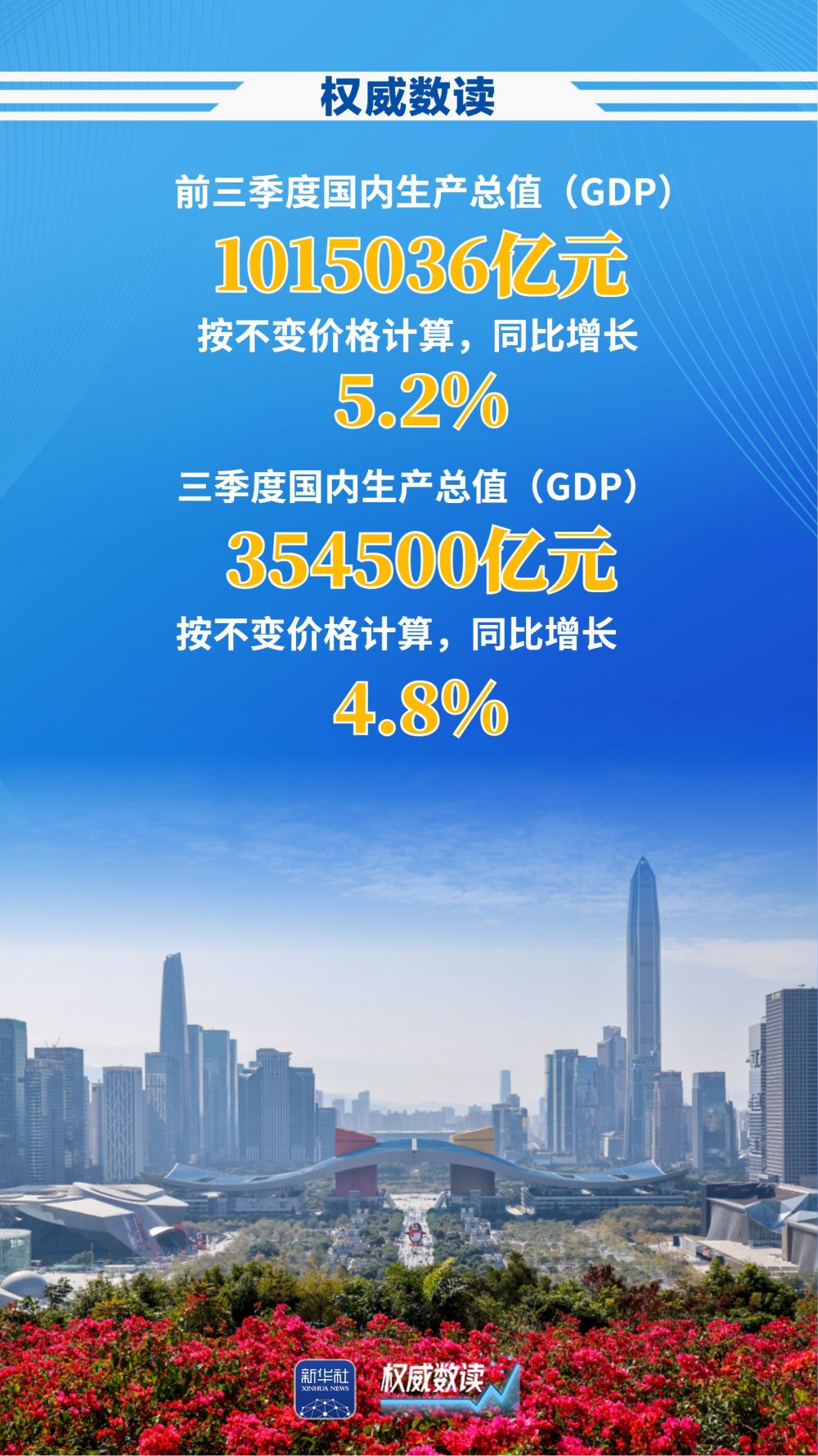
权威数读|5.2%!前三季度经济延续稳中有进态势
Xin Hua She· 2025-10-20 08:33
Economic Overview - The Chinese economy has shown resilience and vitality, maintaining a steady development trend despite external pressures and internal challenges [1]. Agriculture Sector - The added value of agriculture (planting industry) increased by 3.6% year-on-year, with the total summer grain and early rice output reaching 178.25 million tons, an increase of 190,000 tons or 0.1% compared to the previous year [7]. Manufacturing Sector - The industrial added value of enterprises above designated size grew by 6.2% year-on-year, with the added value of equipment manufacturing increasing by 9.7% and high-tech manufacturing by 9.6% [11]. Service Sector - The modern service industry has developed well, with the added value of information transmission, software, and IT services growing by 11.2%, leasing and business services by 9.2%, and transportation, warehousing, and postal services by 5.8% [15]. Retail Sector - The total retail sales of consumer goods reached 3.65877 trillion yuan, a year-on-year increase of 4.5%, while online retail sales amounted to 1.1283 trillion yuan, growing by 9.8% year-on-year [18]. Trade Sector - The import and export of goods continued to grow, with an ongoing optimization of the trade structure [19].
软通动力与吉高集团达成战略合作
Zheng Quan Shi Bao Wang· 2025-10-18 09:41
Core Points - Jilin Province Expressway Group Co., Ltd. (referred to as "Jigao Group") has signed a strategic cooperation agreement with Softstone Technology (301236) [1] - The collaboration focuses on key areas such as smart highway construction, intelligent operation management, and the establishment of a traffic data security system [1]
最新税收数据显示:去年一揽子增量政策实施一年来我国经济向好态势不断稳固
Shang Hai Zheng Quan Bao· 2025-10-14 10:38
Core Insights - The implementation of a series of incremental and stock policies since September 26 last year has led to a steady recovery in invoice sales and tax revenue, reflecting a positive trend in China's economy [1][2][6]. Group 1: Economic Indicators - The growth rate of national enterprise sales revenue has shown a steady increase, with quarterly growth rates of 0.4%, 2.6%, 2.1%, 3.1%, and 4.4% from last year's third quarter to this year's third quarter [2]. - Tax revenue has turned positive after seven months of negative growth, with a cumulative increase since February this year, showing year-on-year changes of -0.4%, +2.6%, and +6.9% for the first three quarters [2]. Group 2: Capital Market Performance - Capital market-related tax revenue has increased significantly, with a year-on-year growth of 56.8%, and securities transaction stamp duty rising by 110.5% [3]. - The total market value of A-share listed companies surpassed 100 trillion yuan for the first time in August, and the Shanghai Composite Index reached a ten-year high in September [3]. Group 3: Industry and Tax Revenue Growth - The manufacturing sector's tax revenue grew by 5.4%, accounting for 31% of total tax revenue, with high-end manufacturing sectors like railway and aerospace seeing tax revenue growth of 31.5% [4]. - The domestic value-added tax increased by 3.2%, and corporate income tax rose by 4.1%, indicating improved profitability in various industries [4]. Group 4: Real Estate Market - The decline in real estate-related tax revenue has narrowed, with a year-on-year decrease of 9.8%, and a reduction of about 5% after accounting for tax incentives [5]. - The implementation of policies to stabilize the real estate market has led to a significant reduction in housing transaction costs, contributing to market stabilization [5]. Group 5: Consumer Activity - The policy of replacing old consumer goods has stimulated consumption, with machinery equipment purchases increasing by 9.7% year-on-year, and high-tech manufacturing equipment purchases rising by 11.8% [5]. - Retail sales of home appliances, such as refrigerators and televisions, have seen substantial growth, with increases of 55.4% and 35.3% respectively [5].
西城区去年人均可支配收入10.76万元,居北京市首位
Xin Jing Bao· 2025-10-14 06:05
Group 1 - The GDP of Xicheng District is projected to exceed 600 billion yuan in 2024, reaching 603.8 billion yuan with an average annual growth rate of approximately 5.2% [1] - Xicheng District has the highest per capita disposable income in Beijing, reaching 107,600 yuan in 2023 [1] - The district maintains the best performance in comprehensive energy consumption, water consumption, and carbon emissions per ten thousand GDP during the 14th Five-Year Plan period [1] Group 2 - The digital economy in Xicheng is expected to surpass 240 billion yuan in 2024, with revenue from information transmission, software, and IT services exceeding 110 billion yuan, representing a growth of over 40% compared to the end of the 13th Five-Year Plan [1] - The district has implemented 18 industrial support policies and has disbursed 6.2 billion yuan in funding since the beginning of the 14th Five-Year Plan [2] - The proportion of the real estate industry in Xicheng has decreased from 66.1% to 44.9% as state-owned enterprises transition towards high-end service industries [2]
最新税收数据显示:我国经济向好态势不断稳固
Zhong Guo Jing Ji Wang· 2025-10-14 02:41
Core Insights - The implementation of a series of incremental and stock policies since September 26 last year has led to a steady recovery in both invoice sales and tax revenue, indicating a positive trend in China's economy [1][2][6] Group 1: Tax Revenue and Economic Indicators - The growth rate of value-added tax invoice sales and tax revenue has shown a steady recovery, reflecting an improving economic operation. From Q3 of last year to Q3 of this year, the quarterly sales revenue growth rates for enterprises were 0.4%, 2.6%, 2.1%, 3.1%, and 4.4% respectively [2] - Tax revenue has turned positive after seven months of negative growth, with a cumulative increase in tax revenue since February this year, showing month-on-month improvement [2] - In Q3, particularly in September, tax revenue growth was notably high, influenced by a narrowing decline in PPI and a low base from the previous year [2] Group 2: Capital Market Performance - Tax revenue related to the capital market has maintained a high growth rate, reflecting active stock market trading. In August, the total market value of A-share companies surpassed 100 trillion yuan, and the Shanghai Composite Index reached a ten-year high in September [3] - The tax revenue from capital market services increased by 56.8% year-on-year, with securities transaction stamp duty rising by 110.5% [3] - Personal income tax related to stock transfers and dividends also saw significant increases, contributing to a 9.3% year-on-year growth in personal income tax [3] Group 3: Industry and Sector Performance - Major industries and tax categories have shown stable growth, indicating improved business operations and profitability. The manufacturing sector's tax revenue grew by 5.4% year-on-year, accounting for 31% of total tax revenue [4] - High-end manufacturing sectors, such as railway and aerospace, experienced tax revenue growth of 31.5%, while emerging industries like information technology services saw tax revenue increases of 15.3% [4] - Domestic value-added tax grew by 3.2% year-on-year, and corporate income tax increased by 4.1%, reflecting improved profitability in certain sectors [4] Group 4: Real Estate Market Dynamics - The decline in tax revenue related to the real estate sector has narrowed, indicating the effectiveness of policies aimed at stabilizing the real estate market. The tax revenue from the real estate sector decreased by 9.8% year-on-year, but the decline was less than 5% when accounting for tax incentives [5] - The government has implemented tax reduction measures totaling nearly 80 billion yuan to lower housing transaction costs, contributing to market stabilization [5] Group 5: Consumer Activity and Equipment Upgrades - Nationwide enterprise equipment upgrades have accelerated, supported by policies promoting the replacement of old consumer goods. The procurement of machinery and equipment by enterprises increased by 9.7% year-on-year, with high-tech manufacturing seeing an 11.8% increase [5] - Retail sales of household appliances, such as refrigerators and televisions, experienced significant growth, with increases of 55.4% and 35.3% respectively [5]
经济增长动能澎湃 北京西城建设高品质现代化幸福之城
Zhong Guo Xin Wen Wang· 2025-10-13 14:03
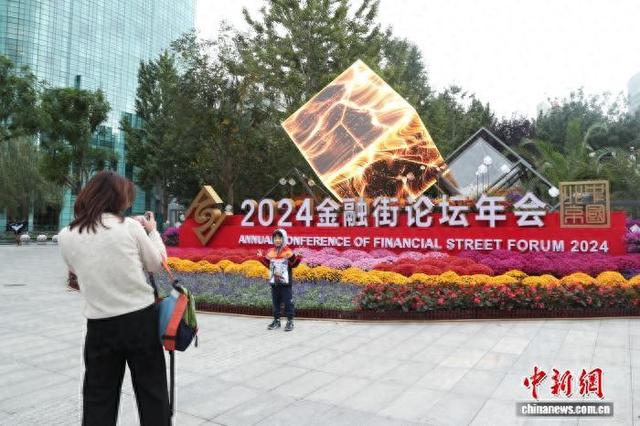
Core Insights - The economy of Xicheng District in Beijing is projected to surpass 600 billion yuan in GDP by 2024, reaching 603.8 billion yuan, with a high economic density of 119 billion yuan per square kilometer and a per capita GDP exceeding 550,000 yuan, ranking first in the city and among the top in the country [1] Economic Growth Dynamics - Xicheng is recognized as a core area for the capital's functions, with significant advancements in high-quality economic and social development, achieving the title of "China's Most Livable Urban Area" for two consecutive years [1] - The financial management center in Xicheng has seen continuous enhancement, with the Financial Street housing major financial institutions and regulatory bodies, contributing nearly 70% of the city's financial tax revenue [1] Asset Management and Financial Ecosystem - Xicheng has established itself as a hub for asset management, with over 260 institutions and an asset management scale exceeding 20 trillion yuan, supported by the Beijing Stock Exchange [3] - The Financial Street Forum has become a significant platform for national and international financial dialogue, with over 40% of attendees being foreign guests last year [3] Development of New Productive Forces - The district is accelerating the development of modern industries aligned with its core area positioning, particularly in financial technology, with significant investments in infrastructure and a surge in enterprise registrations [3][5] - The digital economy in Xicheng is expected to exceed 240 billion yuan in 2024, with the information transmission and software services sector generating over 110 billion yuan, marking a growth of over 40% compared to the end of the 13th Five-Year Plan [5] High-Level Reform and Opening Up - Xicheng has improved its business environment, with a service satisfaction rate of 99.9% and a significant increase in international schools and medical facilities [6] - The district has implemented 18 industrial support policies and established a government investment guidance fund of 20 billion yuan, focusing on high-end service industry transformation [6]
从仓储、航运、软件等多领域亮眼“成绩单” “数”读经济韧性与活力
Yang Shi Wang· 2025-10-10 04:05
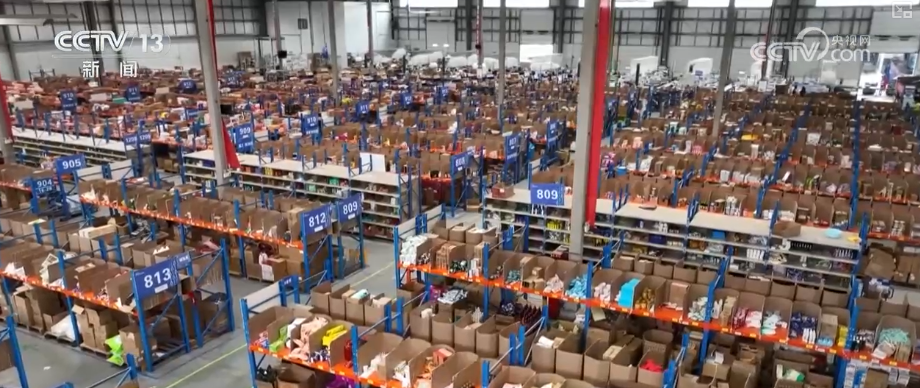
Group 1: Warehouse Index and Business Activity - In September, China's warehouse index rose to 49.6%, an increase of 0.3 percentage points from the previous month, indicating a slight recovery in warehouse business activities [3][5] - The new orders index reached 51%, up 1.5 percentage points from last month, signaling a strong demand for warehouse services, particularly in non-ferrous metals, mineral products, and pharmaceuticals [5] - The facility utilization rate index stood at 51%, with high utilization rates observed in steel, non-ferrous metals, agricultural products, and cotton [5] Group 2: International Air Cargo Routes - As of September 30, 2025, a total of 169 new international air cargo routes have been opened in China, with 17 routes added in September alone, resulting in over 46 round-trip flights per week [6][9][12] - The route structure includes 81 routes to Asia, 66 to Europe, 15 to North America, 3 to Oceania, 2 to South America, and 2 to Africa [11] Group 3: Software and Information Technology Sector - In the first eight months of 2025, software business revenue reached 96,409 billion yuan, reflecting a year-on-year growth of 12.6%, with total profits increasing by 13% [16] - Software exports amounted to 404.4 billion USD, showing a growth of 6.4% [16] - The software product revenue accounted for 21.9% of the total industry revenue, while information technology services contributed nearly 70% [18] Group 4: Small and Medium Enterprises (SMEs) - In the first eight months of 2025, the added value of industrial SMEs grew by 7.6%, outpacing large enterprises by 3.3 percentage points, particularly in specialized and innovative SMEs [21] - The export index for SMEs was 51.9% in August, indicating continuous expansion for 17 months [23] - SMEs are increasingly focusing on innovation, with R&D expenses for specialized "little giant" enterprises accounting for 5.4% of their revenue [25]
国务院办公厅印发《电子印章管理办法》
Xin Hua She· 2025-10-09 09:04
Core Viewpoint - The State Council has issued the "Electronic Seal Management Measures," which standardizes the management and application of electronic seals, ensuring they hold the same legal validity as physical seals [1] Group 1: Regulatory Framework - The measures apply to administrative agencies, enterprises, social organizations, and other legally established entities [1] - Electronic seals are defined as specific format data based on cryptographic and digital technologies, used for reliable electronic signatures on documents [1] Group 2: Management Procedures - The management of electronic seals includes application, production, filing, usage, and cancellation, with a focus on information protection and system security throughout the process [1] - The management work must adhere to principles of coordinated advancement, hierarchical management, standardized norms, and security control [1] Group 3: Implementation and Coordination - The National Cryptography Administration, along with relevant departments, will coordinate and promote the standardized management and application of electronic seals nationwide [1] - Local regions and departments are required to enhance the standardized management and promotion of electronic seals within their respective areas and systems, facilitating mutual trust and recognition of electronic seals [1]
数商云实战案例解析:S2B2B商城模式如何重塑供应链协同效率?
Sou Hu Cai Jing· 2025-10-09 08:49
Core Insights - The article discusses the challenges faced by traditional supply chain models, such as inefficiency and resource misallocation, and introduces the S2B2B (Supply Chain to Business to Business) model as a solution to these issues [2] - The S2B2B model emphasizes "platform empowerment + ecological collaboration" to enhance supply chain efficiency and offers replicable digital transformation examples across various industries [2] Group 1: Core Value of S2B2B Model - The S2B2B model transitions from linear transactions to an ecosystem of mutual benefits, focusing on resource integration, capability empowerment, and profit sharing [3] - Resource integration reduces costs and increases efficiency, as demonstrated by a food and beverage group that aggregated orders from 50 convenience stores, increasing supplier production line utilization from 60% to 85% and reducing production costs by 12% [3] - Capability empowerment shifts from isolated efforts to collaborative evolution, with a fresh food company reducing quality complaint rates from 20% to 2% after eliminating non-compliant suppliers [3] - Profit sharing mechanisms distribute risks and foster long-term partnerships, illustrated by a seasonal product risk-sharing model where suppliers only bore 30% of the losses compared to traditional models [3] Group 2: Practical Applications in Vertical Industries - In the food and beverage sector, a company with over 20 billion yuan in revenue improved inventory turnover rates from 8.2 to closer to international standards through intelligent inventory management [4] - A fast-moving consumer goods supplier reduced customer acquisition costs from over 60,000 yuan per new client to a more sustainable level by optimizing procurement processes and enhancing production line utilization [6] - A fresh food enterprise improved supplier management efficiency by 60% and reduced inventory loss rates to 8% through a digital collaboration platform that enhanced transparency and responsiveness [8] Group 3: Technology-Driven Support for S2B2B Model - The S2B2B model is underpinned by technologies such as big data and AI for precise forecasting and intelligent decision-making [9] - Blockchain technology enhances supply chain trust and financial innovation, while cloud computing provides scalable support for high concurrency [9] - Future trends indicate a shift towards intelligent upgrades, green supply chains, global layouts, and ecological innovation, positioning the S2B2B model as a core engine for reconstructing industrial value networks [9]