白酒

Search documents
2025年中国白酒(折65度,商品量)产量为354.9万千升 累计下降12.1%
Chan Ye Xin Xi Wang· 2026-02-21 02:53
上市企业:贵州茅台(600519),五粮液(000858),洋河股份(002304),泸州老窖(000568),山西汾酒 (600809),古井贡酒(000596),水井坊(600779),舍得酒业(600702),酒鬼酒(000799),老白干酒 (600559) 2020-2025年中国白酒(折65度,商品量)产量统计图 相关报告:智研咨询发布的《2026-2032年中国白酒行业市场现状分析及投资前景规划报告》 根据国家统计局数据显示:2025年12月中国白酒(折65度,商品量)产量为37.6万千升,同比下降19%; 2025年1-12月中国白酒(折65度,商品量)累计产量为354.9万千升,累计下降12.1%。 数据来源:国家统计局,智研咨询整理 知前沿,问智研。智研咨询是中国一流产业咨询机构,十数年持续深耕产业研究领域,提供深度产业研 究报告、商业计划书、可行性研究报告及定制服务等一站式产业咨询服务。专业的角度、品质化的服 务、敏锐的市场洞察力,专注于提供完善的产业解决方案,为您的投资决策赋能。 ...


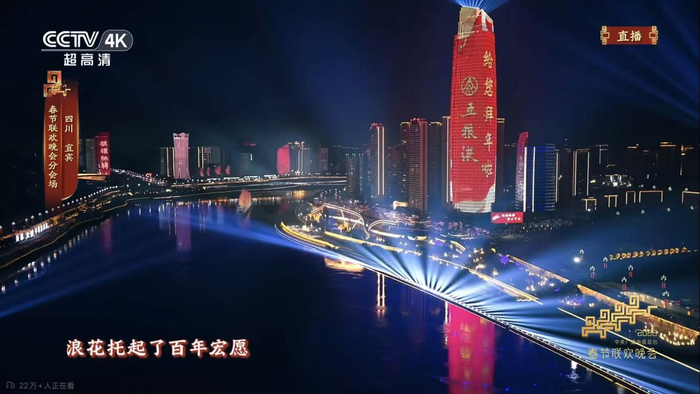
10万份好礼构筑全民幸福时刻,五粮液携手春晚诠释全球和美叙事
Huan Qiu Lao Hu Cai Jing· 2026-02-20 03:13
Core Viewpoint - The article highlights the integration of Wuliangye into the cultural celebration of the Chinese New Year through its participation in the 2026 Spring Festival Gala, showcasing its brand and cultural heritage to a global audience [3][10][25]. Group 1: Brand Engagement and Cultural Integration - Wuliangye served as the exclusive interactive partner for the Spring Festival Gala, distributing 100,000 gifts to families across China, thereby enhancing its brand visibility and cultural significance [3][10]. - The Spring Festival Gala featured a 7-minute segment focused on Yibin, showcasing the city as the "First City of the Yangtze River" and highlighting Wuliangye's cultural roots [4][9]. - The main stage of the Yibin segment symbolized the city's spirit and Wuliangye's ambition as an industry leader, reinforcing the brand's identity [6][9]. Group 2: Consumer Interaction and Digital Engagement - The interactive segment allowed viewers to participate in a lottery for various prizes, including a limited edition 1.5L Wuliangye zodiac wine, enhancing consumer engagement during the gala [12][14]. - The event saw a significant increase in participation, with 153 million interactions, a 22% rise from the previous year, and 764 million views on the central video platform [16][17]. - Social media discussions around the event reached over 1.25 billion views, indicating strong consumer resonance with the brand's messaging [17]. Group 3: Strategic Developments and Brand Positioning - Wuliangye's flagship store opened on the first day of the new year, serving as a cultural landmark and a center for product display and consumer experience [18][20]. - The flagship store's design reflects the brand's origins and aims to connect consumers with the rich history of Chinese liquor culture [20][22]. - Wuliangye's initiatives, including collaborations with travel experiences and cultural sites, aim to create immersive brand experiences that resonate with consumers [22][25].

节后,主线是AI科技吗?
Sou Hu Cai Jing· 2026-02-20 03:07
Group 1 - The core viewpoint emphasizes that artificial intelligence (AI) remains the main investment theme, similar to the previous focus on renewable energy [1] - The article suggests that the consumption logic is tied to individual recognition and spending power, indicating that consumer stocks may not be as appealing as technology stocks for retail investors [3][5] - It is predicted that technology stocks will experience growth this year, but they will be more challenging to navigate compared to last year, with a potential market correction expected before a rebound [5] Group 2 - The article indicates that sectors such as real estate, consumption, and energy may see a reversal this year, suggesting a potential 2-3 year market opportunity in these areas [5] - It highlights that investment growth is more about stock price positioning rather than just company performance, as many tech companies have already seen significant price increases [5] - The conclusion stresses that individual preferences and understanding drive investment decisions, and there is no need to force opinions on others [7]

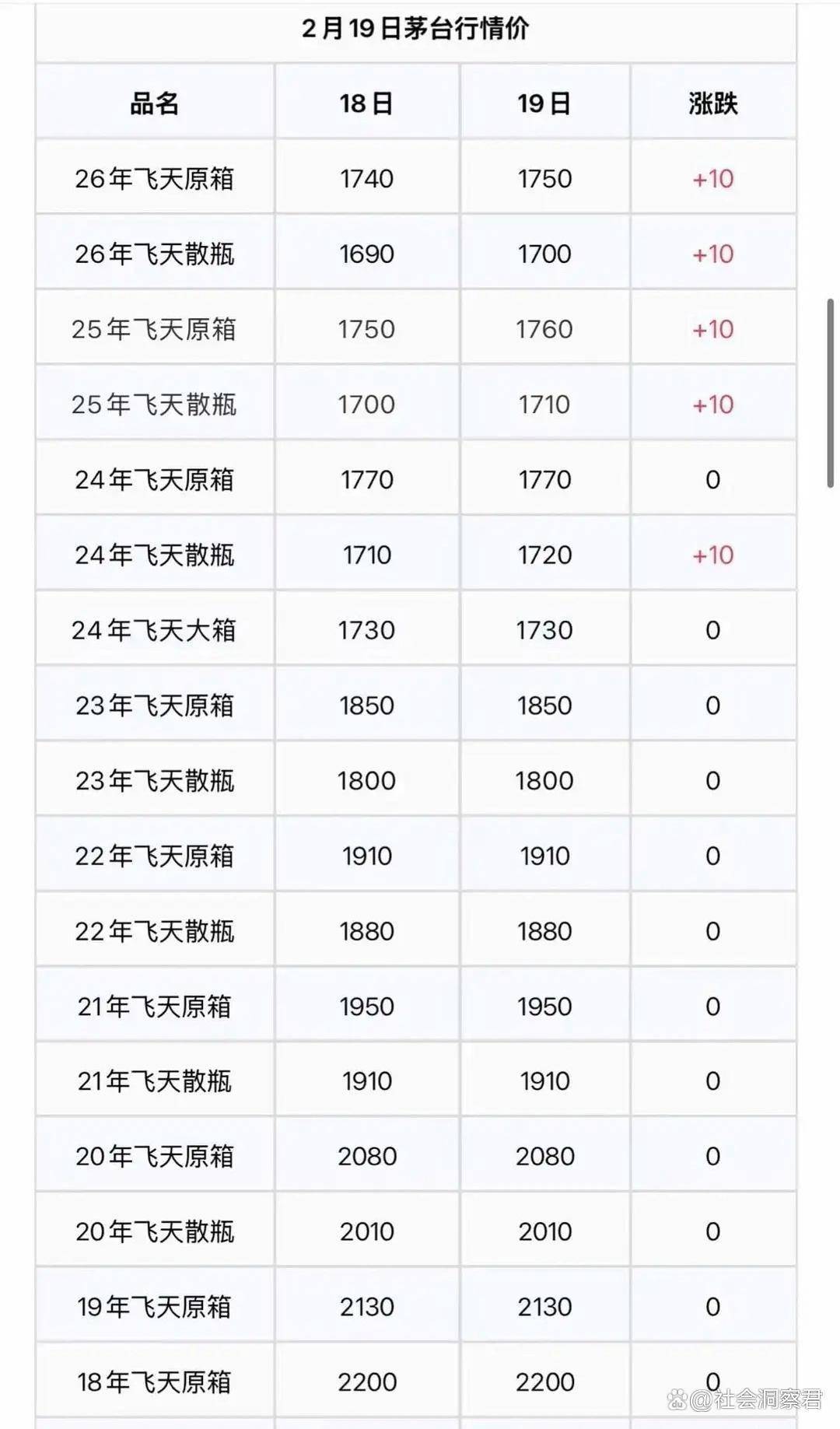
大年初三茅台酒再次上涨!飞天连续收红,把节前的低迷一扫而空……
Sou Hu Cai Jing· 2026-02-20 02:08
Core Viewpoint - The latest pricing trends for Moutai show a slight increase in prices for newer vintages, while older vintages remain stable, indicating a market focus on the liquidity of new products. Group 1: Price Changes - Prices for 2026 and 2025 Moutai have increased by 10 yuan, with the 26-year original box priced at 1750 yuan and the 25-year original box at 1760 yuan [1][2] - The 24-year original box price remained unchanged at 1770 yuan, while the 24-year scattered bottle increased by 10 yuan to 1720 yuan [2] - The 30-year vintage saw a decrease of 100 yuan, now priced at 13100 yuan [3][5] Group 2: Market Trends - There is a clear differentiation in pricing, with new vintages (2024-2026) experiencing slight increases, while older vintages (2023 and earlier) maintain stable prices, reflecting market interest in new product circulation [2][6] - The price gap between original boxes and scattered bottles remains stable, with original boxes generally valued higher due to their collectible and circulation advantages [2] - The overall market trend is characterized by moderate fluctuations, with daily increases of 10 yuan considered normal [2][6] Group 3: Consumer Behavior - The recent price increases are attributed to strong consumer demand during the Spring Festival, with many consumers purchasing Moutai for gifting and personal consumption [5][12] - The introduction of the 1499 yuan Moutai has led to higher consumption rates, suggesting that Moutai is becoming a staple for festive occasions [8][12] - The consistent price increases and consumer confidence indicate a positive market outlook for Moutai in the near future [6][12]

贵州出台32条措施培育壮大经营主体
Xin Lang Cai Jing· 2026-02-19 23:03
Group 1 - The provincial government has introduced 32 supportive policy measures aimed at cultivating and strengthening business entities, with a focus on high-impact and targeted initiatives [1] - The measures encourage state-owned enterprises to concentrate quality resources in key sectors such as the "six major industrial clusters" and "three major characteristic industries," aiming to develop a world-class enterprise and several billion-level enterprises by 2030 [1] - The plan includes a target of forming one world-class enterprise, five billion-level enterprises, one five-hundred-million-level enterprise, and seven hundred-million-level enterprises among provincial state-owned enterprises by 2030 [1] Group 2 - The measures aim to enhance the role of private enterprises, with a goal for the private economy to account for approximately 58% of the regional GDP by 2030 [1] - The initiative includes a plan for the annual establishment of over 400 large-scale industrial enterprises and over 300 large-scale service enterprises during the "14th Five-Year Plan" period [2] - By 2030, the number of provincial-level key leading enterprises is expected to exceed 1,200, with a target of 500 new tourism operating entities [2]
春晚广告位争夺战:四十年国民记忆与商业暗流
凤凰网财经· 2026-02-19 10:54
Core Viewpoint - The evolution of the Spring Festival Gala sponsorship reflects the transformation of China's economy and consumer behavior over the past 40 years, showcasing the shift from material scarcity to technological innovation and brand storytelling [4][5]. Group 1: 1980s to Early 1990s - The Era of Material Scarcity - The transition from a planned economy to a market economy in the 1980s led to a scarcity of goods, making items like watches and bicycles symbols of wealth and status [6][7]. - The first brand to sponsor the Spring Festival Gala was Kambas watches in 1984, which used 3,000 quartz watches as payment, marking the beginning of brand sponsorship in the event [7][9]. - Kambas became a household name, with production reaching 1.26 million units by 1987 and over 2 million by 1991, highlighting the impact of the Gala on brand visibility and market demand [9][10]. Group 2: Mid-1990s to Early 2000s - The Rise of Consumerism - The late 1990s saw a surge in consumer spending, with households moving from basic necessities to larger purchases like televisions and refrigerators [12][14]. - In 1995, Shandong Kongfu Banquet Wine became the first "advertising king" of the Spring Festival Gala, paying 30.79 million yuan, initiating a trend among liquor companies [12][14]. - The sales of Qin Pool Wine skyrocketed from 180 million yuan in 1995 to 950 million yuan in 1996 after winning the sponsorship, demonstrating the immediate impact of Gala advertising [17]. Group 3: 2000s to 2010s - The Era of Brand Awareness - The early 2000s marked a shift towards household appliances as the main consumer focus, with Midea becoming a prominent sponsor, securing 16 sponsorships from 2003 to 2019 [18][20]. - The cost of advertising during the Gala increased significantly, with Midea's sponsorship rising from 6.8 million yuan in 2005 to 57.2 million yuan in 2011, reflecting the growing value of the event [20]. - Brands began to focus on storytelling and emotional connections with consumers, as seen with Haier and Gree, indicating a maturation of brand marketing strategies [21]. Group 4: Mid-2010s to Present - The Digital Economy and Technological Innovation - The rise of internet companies has transformed the Spring Festival Gala into a platform for digital engagement, with WeChat's "red envelope war" in 2015 significantly increasing viewer interaction [24][26]. - The Gala has become a battleground for tech giants, with platforms like Douyin and Kuaishou participating in interactive sponsorships, showcasing the shift towards a two-way communication model [29]. - The introduction of robots and AI technologies in recent Galas reflects China's transition from manufacturing to intelligent manufacturing, highlighting the importance of innovation in the economy [31].


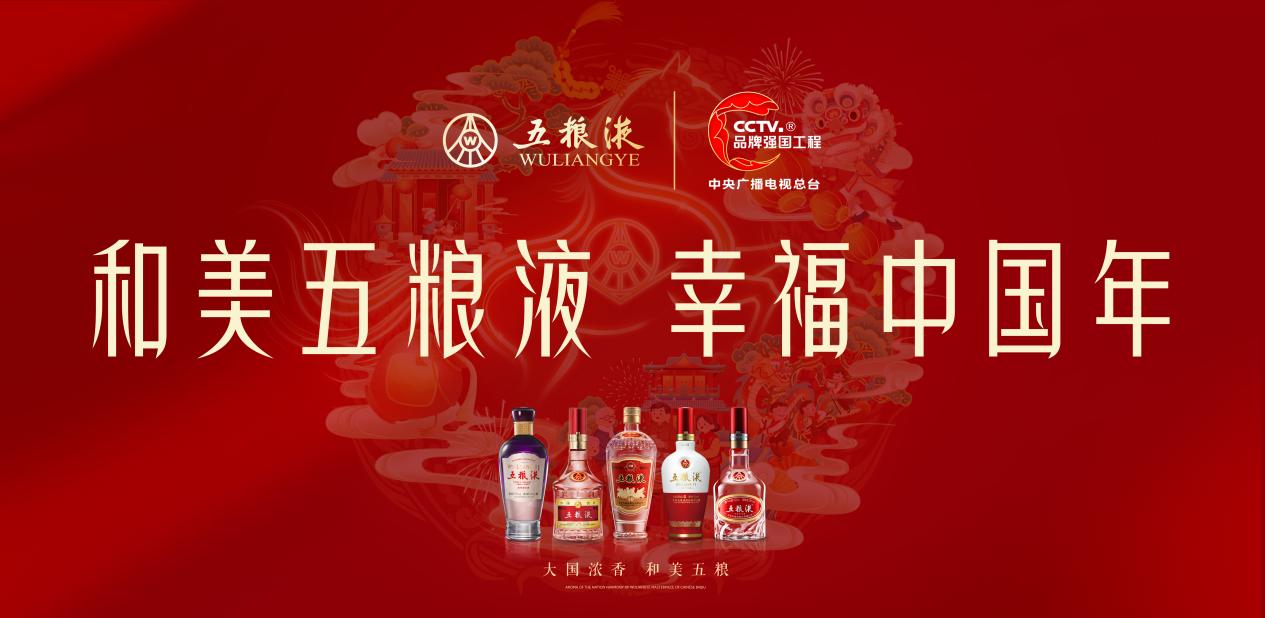
四度携手央视总台春晚,五粮液以“和美”祝福点亮2026中国年
Jin Rong Jie· 2026-02-19 07:59
Core Insights - In 2026, Wuliangye will partner with the Central Radio and Television Station for the Spring Festival Gala for the fourth consecutive year, enhancing its brand presence among global Chinese audiences [1][4] - The collaboration has evolved from simple interaction to deep content integration, establishing Wuliangye as a significant cultural symbol during the New Year celebrations [4][10] Group 1: Partnership and Cultural Integration - Wuliangye's partnership with the Spring Festival Gala will see the event's first sub-venue in Yibin, the birthplace of Wuliangye, merging the brand's identity with local cultural heritage [3][8] - The event will showcase Yibin's unique cultural charm and brewing heritage, with performances that integrate local customs and the brand's history [8][10] Group 2: Marketing and Consumer Engagement - Wuliangye will distribute 100,000 "He Mei Hao Li" gifts during the gala, creating emotional connections with consumers through high-frequency interactions [4][6] - The interactive gift list includes various products and experiences, such as special wine gift boxes and a chance to win a high-value prize, reinforcing the brand's tradition of conveying emotions through gifts [6][12] Group 3: Comprehensive Marketing Strategy - The brand has developed a full-scenario communication matrix around the theme "He Mei Wuliangye, Happy Chinese New Year," targeting both young and traditional consumer groups [11][12] - Innovative collaborations with popular artists and IPs aim to resonate with younger audiences, enhancing brand visibility and sales [11][14] Group 4: Experiential Marketing and Brand Value - Wuliangye's flagship store, set to open on February 17, will serve as a physical embodiment of the brand's values, offering a space for cultural engagement and product experience [16] - The brand's marketing strategy emphasizes the integration of cultural symbols into consumer experiences, aiming to deepen connections with customers during the festive season [16]
机构节后怎么投?信号出现 基金经理关注内需大方向 AI热度依旧
天天基金网· 2026-02-19 07:30
Core Viewpoint - Fund managers are focusing on domestic demand and the AI-driven new productivity industry chain as key investment themes for 2026, with an emphasis on sectors benefiting from domestic consumption expansion and profit recovery amid changing market dynamics [2][3]. Group 1: Focus on Domestic Demand - Fund managers are optimistic about the domestic consumption sector, highlighting a critical turning point for consumer industries driven by wealth effects and high-end consumption upgrades [3]. - The investment strategy includes identifying companies that benefit from the "anti-involution" trend and those supported by domestic demand expansion measures, which may significantly influence market indices [3]. - Traditional industries still present good investment opportunities, particularly in sectors like liquor and real estate, where companies are showing signs of recovery [3][4]. Group 2: New Consumption Trends - The recovery of offline commercial sectors is supported by three core factors: stabilization of online retail penetration, declining commercial real estate rents allowing for low-cost expansion, and strong demand for brand and chain operations in lower-tier markets [4]. - High-end consumer goods, particularly in outdoor sports, are gaining traction as domestic brands leverage product quality and innovation to compete effectively [5]. - Chinese consumer brands are expanding internationally, focusing on cultural and service-oriented outputs rather than just cost advantages, with successful examples in sectors like trendy toys and tea [5]. Group 3: Investment Opportunities in Specific Sectors - The aviation sector is highlighted for its potential due to a reversal in supply-demand dynamics and improved revenue management strategies among airlines, suggesting strong profitability prospects [5]. - Liquor stocks are also under consideration, particularly leading brands that have managed to expand their consumer base despite price declines, indicating a recovery phase [5]. - AI remains a critical investment focus, with expectations for significant applications in hardware and software, particularly in consumer electronics and robotics, as well as related energy sectors [6].

春晚广告位争夺战:四十年国民记忆与商业洪流
Xin Lang Cai Jing· 2026-02-19 07:21
Core Insights - The evolution of the CCTV Spring Festival Gala sponsorship reflects the transformation of Chinese society and economy over the past 40 years, showcasing the changing consumer demands and emerging industries [20][21]. Group 1: 1980s to Early 1990s - The Era of Scarcity - In the 1980s, as China transitioned from a planned economy to a market economy, consumer goods were scarce, leading to a high demand for basic commodities [22]. - The first brand to sponsor the Spring Festival Gala was Kambas watches in 1984, which used 3,000 quartz watches as payment, marking the beginning of brand sponsorship in the gala [22][23]. - Kambas became a household name, with production reaching 1.26 million units in 1987 and over 2 million by 1991, despite the high price of its watches relative to average incomes [23][24]. Group 2: Mid-1990s to Early 2000s - The Rise of Consumerism - The mid-1990s saw a shift in consumer spending from basic goods to electronics, with Shandong Kongfu Banquet Wine becoming the first "advertising king" by paying 30.79 million yuan for sponsorship in 1995 [26]. - The competition among liquor brands for sponsorship reflected the rise of "social consumption," where premium liquor became a status symbol for social gatherings [28]. - After winning the Spring Festival sponsorship, Qin Pool Wine's sales skyrocketed from 180 million yuan in 1995 to 950 million yuan in 1996, demonstrating the immediate impact of gala sponsorship [29]. Group 3: 2000s to Early 2010s - The Home Appliance Boom - The early 2000s marked a shift towards home appliances as the primary consumer focus, with Midea becoming the most frequent sponsor, securing 16 sponsorships from 2003 to 2019 [30]. - The cost of advertising during the gala increased significantly, with Midea's sponsorship fee rising from 6.8 million yuan in 2005 to 57.2 million yuan in 2011, an increase of 840% [30]. - Midea's revenue grew from 17.5 billion yuan in 2003 to over 140 billion yuan in 2014, reflecting the effectiveness of its gala sponsorship strategy [12][30]. Group 4: Mid-2010s to Present - The Digital Economy and Technological Innovation - The rise of internet companies has transformed the Spring Festival Gala into a platform for digital engagement, with WeChat's "red envelope war" in 2015 significantly boosting viewer interaction [15][35]. - The gala's advertising has evolved from one-way promotion to interactive engagement, with platforms like Douyin and Kuaishou participating in sponsorships [16][35]. - The presence of technology companies has increased, with innovations such as AI and robotics showcased during the gala, indicating a shift from traditional advertising to technology-driven marketing [19][37].


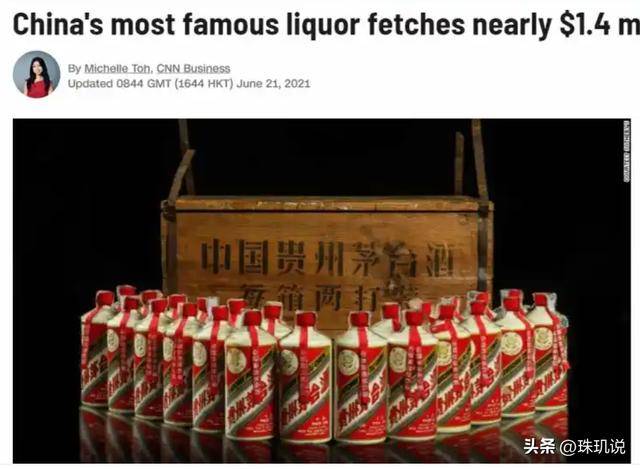
太疯狂!1974年“葵花”茅台拍960万天价?背后扯出国内万亿阴谋
Sou Hu Cai Jing· 2026-02-19 07:20
大家好,今天犀哥这篇财经评论,主要来聊聊2021年伦敦的一场拍卖会,一箱1974年的"葵花牌"茅台, 一锤下去就拍出了960万的天价,直接刷新中国酒类在境外的拍卖纪录。 这朵没几个人听过的"葵花",到底为啥会出现在茅台的历史里,又为啥悄无声息就没了? 九分相似茅台的贵常春 估计很多人都不知道,现在又火起来的贵常春,当年可是茅台的"救命恩人"。 上世纪八十年代,茅台已经被葵花茅台的品质问题,逼得走投无路了,整整困了二十年,是贵常春的出 现,才给它拉了一把,点亮了希望。 贵定酒厂本身就有深厚的技术底子,他们就照着茅台的原料和传统工艺,一遍又一遍地试,前前后后做 了上千次实验,终于在1981年,酿出了贵常春。 后来经过专业检测,贵常春的风味物质,跟茅台的重合度居然高达90%,所以当地老百姓都叫它"九分 似飞天",它也凭着这份硬实力,拿了不少行业大奖。 茅台就是学着贵常春的技术经验,才终于把酒质稳住,然后把葵花商标又改回了飞天,一步一步慢慢走 出了低谷。 茅台当年到底是咋陷入困境的 其实这跟当年的创汇执念有关系,上世纪五十年代,咱们国家正全力搞外贸出口,茅台作为中国白酒的 代表,接到了万吨创汇的硬任务。 那时候,贵州 ...