
二手交易

Search documents
2025闲鱼卡牌报告:前三季度卡牌交易额增长21%
Feng Huang Wang· 2025-12-10 06:52
Core Insights - The trading volume of card transactions on the Xianyu platform has shown a steady increase, with a year-on-year growth of 21% in the first three quarters of this year, particularly notable in collectible card transactions which grew by 84% and star cards which surged by 104% [1] Group 1: Market Trends - The domestic card market is experiencing a trend towards high-end consumption and differentiated supply [1] - Pokémon cards lead the collectible card category in trading volume, driven by the popularity of the simplified Chinese version, official events, and the development of offline venues [1] - In the IP collectible card sector, popular anime IPs such as My Little Pony, Yeluo Li, and Ultraman remain dominant, while domestic game IP cards like Identity V and Genshin Impact saw a year-on-year trading volume increase of 63% [1] Group 2: Emerging Opportunities - The trading volume of domestic trendy IP cards has increased significantly by 332%, with Nezha cards achieving an annual trading volume exceeding 100 million yuan [1] - Classic literary-themed cards such as Water Margin and Romance of the Three Kingdoms have seen a notable rise in popularity [1] - Orders for film and variety show-related cards increased by 130%, with cards related to domestic dramas like Eternal Night Galaxy and White Moon Fan Star entering the trading leaderboard [1] Group 3: Rating Cards and Consumer Demographics - The scale of rating card transactions continues to expand, with a year-on-year increase of 46% in order volume and over 80% growth in transaction value [1] - The trading volume of cards from domestic rating agencies has surpassed that of foreign institutions, although there is a significant difference in average order prices [1] - Data indicates that over three-quarters of card consumers on the Xianyu platform are female, with male consumers spending 3.8 times more annually on cards than female consumers [2] - Users aged 18 to 29 account for 52% of the consumer base, with card consumers present across all age groups [2] - The data reflects a consumer trend towards paying for quality IP content and an interest in the collectible value and secondary market potential of cards [2]


整个社会都在喊没钱了,为什么这些公司反而年赚百亿?
创业家· 2025-12-07 10:06
Core Viewpoint - The article emphasizes that despite the prevailing narrative of economic hardship, certain industries are thriving and generating significant profits, particularly in the context of Japan's "lost 30 years" and China's evolving consumer behavior [3][4]. Group 1: Economic Trends - The concept of a "low-desire society" does not equate to a lack of opportunities, as consumer demand is shifting towards different sectors [4]. - The article identifies eight key industries that are capitalizing on changing consumer preferences, highlighting the potential for growth in these areas [5]. Group 2: Key Industries - **Second-Hand Economy**: The second-hand luxury market in Japan, exemplified by "Daikokuya," has seen a surge in revenue, mirroring trends in China with platforms like "Hongbulin" and "Panghu" experiencing significant growth [6][7]. - **Pet Economy**: With a decline in birth rates, spending on pets has increased, with brands like "Inaba" in Japan and "Guobao" in China seeing strong stock performance [12][13][14]. - **Adult Care**: The adult diaper market in Japan has surpassed $10 billion, indicating a growing demand driven by an aging population [17][18]. - **Health Food and Beverages**: The rise in health consciousness has led to increased sales of sugar-free beverages and functional drinks, with brands like "Oriental Leaf" and "Dongpeng" gaining traction in China [21]. - **Beauty Economy**: The demand for beauty products remains strong, with high-priced collagen supplements and home beauty devices achieving significant sales [23][25]. - **Outdoor Recreation**: Companies in the outdoor equipment sector, such as "Snow Peak" in Japan, are thriving, reflecting a growing interest in outdoor activities [29][31]. - **Lazy Economy**: The trend towards convenience has boosted the frozen food market and smart home appliances, as consumers seek to save time [39][40]. - **Mental Well-being**: Products that provide emotional comfort, such as low-alcohol beverages and lifestyle brands, are gaining popularity, indicating a shift in consumer spending priorities [34][35]. Group 3: Investment Opportunities - The article suggests that the current economic climate presents unique opportunities for those willing to invest in counter-cyclical sectors, highlighting the importance of recognizing and acting on these trends [44].

十年三次跃迁:转转重模式构起护城河
3 6 Ke· 2025-12-04 10:15
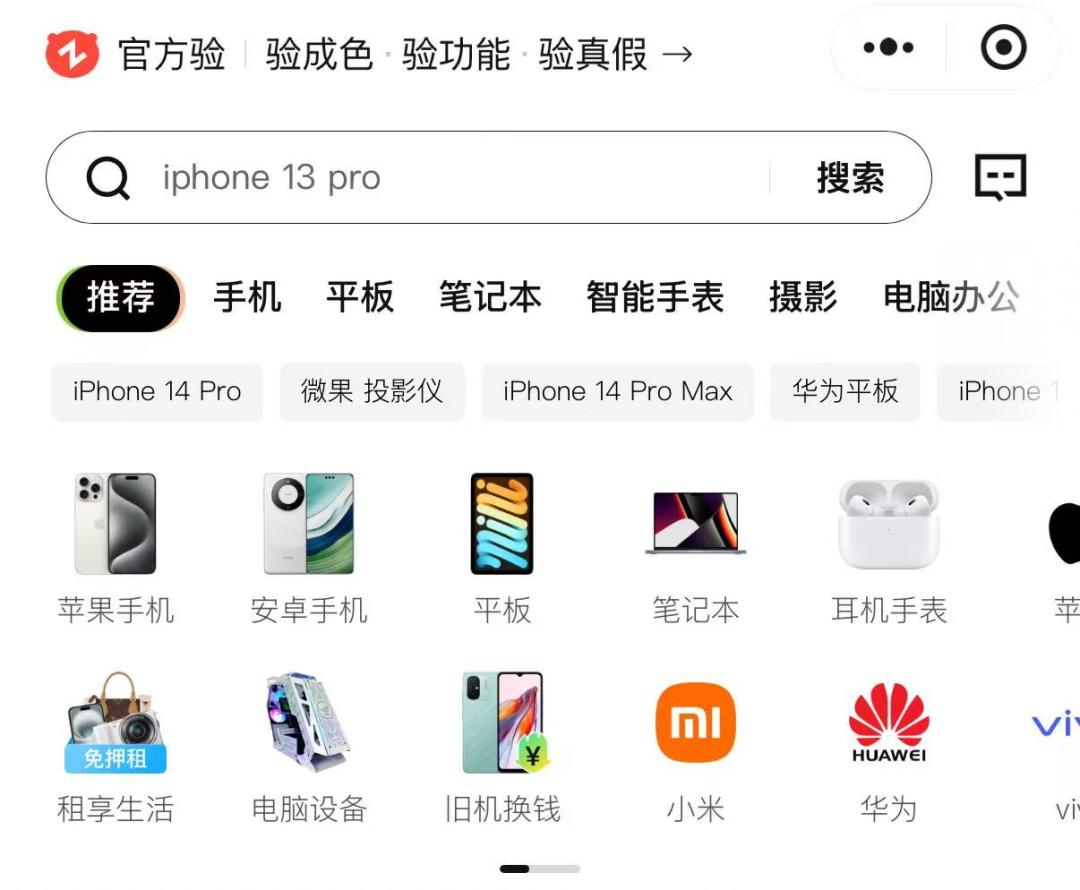
Core Insights - The announcement of shutting down the C2C marketplace by Zhuanzhuan has stirred significant reactions in the second-hand industry, marking a strategic shift towards a focus on the C2B2C model [1][7] - Zhuanzhuan has undergone three major transformations over the past decade, evolving from an e-commerce platform to a circular economy enterprise, and now positioning itself as a new consumption company within the circular economy [1][22] - The decision to close the C2C marketplace is seen as a necessary step to enhance focus on core business areas, particularly the "official verification" model, which has become a key differentiator in the market [5][20] Group 1: Strategic Shift - The farewell to the C2C business was not impulsive but rather a culmination of a five-year process, with a clear business division established in late 2019 [2][4] - The core resources of Zhuanzhuan have increasingly shifted towards the "official verification" model, with minimal staff dedicated to the C2C business by the end [4][5] - The decision to close the C2C marketplace aligns with industry trends, as the growth rate of the C2B2C market has surpassed that of C2C, indicating a consumer preference for more secure second-hand transactions [5][8] Group 2: Operational Challenges and Innovations - Zhuanzhuan faced a survival crisis in 2019, prompting a shift from a light model to a heavier, more industrialized approach to ensure sustainable revenue [8][12] - The establishment of quality inspection centers and the introduction of on-site recovery services have been pivotal in transitioning away from a traditional internet platform model [9][10] - The merger with Zhaoliangji in 2020 provided new insights and strategies, leading to significant growth in online orders and the expansion of on-site recovery services [11][12] Group 3: Market Expansion and Consumer Trust - Zhuanzhuan has successfully expanded its offerings from 3C products to luxury second-hand goods, creating a new consumption logic centered around verified quality [13][18] - The integration with Hongbulin has further enhanced Zhuanzhuan's market presence, allowing for a more efficient product flow across multiple platforms [15][17] - The company maintains a focus on high-value brands and categories that require verification, ensuring that resources are concentrated on products that align with its core business principles [19][20] Group 4: Future Outlook - Zhuanzhuan has established a unique business model and scale effect, with over 1,000 offline stores and extensive coverage of on-site recovery services [22][25] - Continuous investment in technology and user experience improvements is essential for building trust in the second-hand market, which remains a challenging sector globally [25] - The next decade for Zhuanzhuan will focus on maintaining clarity in its strategic focus and delivering unique social value, reinforcing its position in the "trust economy" of second-hand goods [25][22]
十年三次跃迁:转转重模式构起护城河
36氪· 2025-12-04 10:03
Core Viewpoint - The article emphasizes the importance of "user trust" as a central theme for the company over the past decade and as a key factor for its future growth [2][4]. Group 1: Strategic Transition - In September, the company announced the closure of its C2C marketplace, a significant move given that this model was foundational to its business [3][6]. - The CEO highlighted that this decision, while seemingly self-sabotaging, is a necessary strategic focus, marking a shift from C2C to a C2B2C model [3][4]. - The company has undergone three major identity transformations: entering the second-hand market as an e-commerce platform in 2015, transitioning to a circular economy enterprise by the end of 2022, and now fully embracing the "official verification" model [3][4]. Group 2: User Trust and Market Position - The company has built a reputation as a "heavy industry company" by establishing barriers through quality inspections, on-site recycling, and physical stores [4][19]. - Over the past decade, the company has created a new supply that has increased consumer demand for second-hand goods, particularly among those who were previously hesitant to purchase them [4][34]. - The CEO acknowledged that the C2C experience was inferior to competitors like Xianyu, leading to a fundamental conflict with the company's focus on trust [11][13]. Group 3: Operational Changes and Innovations - The company has shifted its resources away from C2C operations, with the majority of its team now focused on the "official verification" process [9][19]. - The establishment of quality inspection centers and the introduction of on-site recycling services have significantly improved user satisfaction, as evidenced by a rise in NPS scores [20][23]. - The company has successfully integrated its online and offline operations, enhancing efficiency and customer experience [29][32]. Group 4: Future Directions - The company aims to expand its offerings beyond 3C products to include luxury second-hand items, reflecting a shift in consumer demographics and preferences [27][32]. - The integration with Hongbulin has been strategically planned to avoid past mistakes, focusing on building a strong brand identity and enhancing operational efficiency [29][30]. - The company continues to invest in technology and service improvements to enhance user experience and maintain its competitive edge in the second-hand market [42][43].

整个社会都在喊没钱了,为什么这些公司反而年赚百亿?
创业家· 2025-12-03 10:19
Core Insights - The article emphasizes that despite the prevailing narrative of economic hardship, certain industries are thriving and generating substantial profits, particularly in the context of Japan's "lost 30 years" and its implications for China [3][4]. Group 1: Economic Trends - The concept of a "low-desire society" does not equate to a lack of opportunities, as consumer behavior is shifting towards different spending patterns [4]. - The article identifies "consumption upgrading" and "demand migration" as significant business opportunities in the current economic landscape [5]. Group 2: Key Industries - The second-hand economy is booming, with examples like Japan's "Daikokuya" and China's "Hongbulin" and "Panghu" seeing significant revenue increases as consumers opt for second-hand luxury goods [6][7]. - The pet economy is on the rise, with brands like "Inaba" in Japan and "Guobao" in China experiencing strong sales growth, reflecting a shift in spending towards pet care products [12][13][14]. - The adult care market is expanding, with Japan's "Unicharm" leading the adult diaper segment, which has surpassed $10 billion in market size [17][18]. - Health food and beverage sectors are thriving due to changing demographics and rising health consciousness, with brands like "Oriental Tree Leaf" and "Jianchun" gaining traction in China [21]. - The beauty economy remains robust, with products like collagen supplements and home beauty devices seeing high sales, indicating a persistent consumer desire for self-improvement [23][24][26]. - Outdoor leisure activities are gaining popularity, with brands like "Kailas" and "Camel" in China experiencing rapid sales growth as consumers seek outdoor experiences [29][31]. - The "lazy economy" is emerging, with increased demand for convenience foods and smart home appliances, as consumers prioritize time-saving solutions over traditional cooking [39][40][42]. Group 3: Market Opportunities - The article suggests that the current economic climate presents opportunities for those willing to invest in counter-cyclical sectors, highlighting the importance of recognizing and seizing these opportunities [44].


转转宣布推进一线上门回收工程师社保补贴
Xin Lang Cai Jing· 2025-12-03 02:28
Core Points - The CEO of Zhuanzhuan Group, Huang Wei, announced a welfare upgrade plan during the company's tenth anniversary meeting, which includes social security subsidies for all on-site recycling engineers and additional medical insurance [1][3] - Zhuanzhuan will establish a "Care Fund" to provide special financial support for employees and partners facing major illnesses, accidents, or other special difficulties [1][3] - Zhuanzhuan is the first company in the circular economy sector to implement social security subsidies for on-site recycling engineers [1][3] - Huang Wei emphasized the company's commitment to providing secure second-hand trading services and building a sustainable organization that creates broader value for the industry and society [1][3]

购买二手物品遇纠纷,如何高效维权?——从问题排查到投诉路径全解析
Xin Lang Cai Jing· 2025-11-27 08:03
Core Insights - The rise of second-hand trading platforms has become a significant channel for consumers to manage idle goods amid consumption downgrade and the emergence of a circular economy [1] - However, issues such as information opacity and quality disputes during transactions often lead to conflicts [1] Group 1: High-Frequency Risk Points in Second-Hand Transactions - Lack of basic information verification can lead to misrepresentation of product conditions, such as a phone labeled "90% new" but actually having a battery health of only 75% after three years of use [2] - Functional integrity verification is often inadequate, with sellers potentially downplaying hidden defects, as seen in a case where a buyer discovered internal faults in a second-hand camera [2] - Authenticity and remaining quantity verification are critical, especially for products like cosmetics and baby items, where expiration dates can be falsified [2] Group 2: Transaction Process Vulnerabilities - The absence of a verification step during the transaction process can lead to disputes, particularly in cases where sellers refuse on-site inspections during face-to-face transactions [3] - Sellers may not honor after-sale commitments, such as a "7-day no-reason return" policy, citing reasons that hinder returns [4] Group 3: Consumer Rights Protection and Practical Guidelines - Platforms often have complaint mechanisms, such as "transaction dispute" sections, where users can gather evidence to support their claims [5] - Consumers are advised to solidify evidence by requesting sellers to provide videos of the actual product and keeping all communication records [5] Group 4: Administrative Oversight and Third-Party Platforms - The 12315 hotline and platform can be utilized for reporting fraudulent activities or violations of consumer rights, with a typical response time of seven working days [6] - The Black Cat Complaint platform allows users to publicly file complaints, leveraging public pressure to resolve issues [6] Group 5: Legal Avenues and Judicial Remedies - Small claims procedures are available for disputes involving amounts under 5,000 yuan, characterized by short processing times and low costs [7] - Arbitration and mediation services are also accessible through consumer associations and specified arbitration institutions [7] Group 6: Risk Prevention and Long-Term Recommendations - Conducting due diligence before transactions is essential, including checking seller credit ratings and verifying product details through third-party tools [9] - During transactions, using designated logistics and insurance options can mitigate risks, while avoiding private transactions outside the platform is crucial [10] - Maintaining a chain of evidence throughout the transaction process is vital for effective rights protection [10]
欧洲乱成一锅粥!俄乌和平难谈安全告急,二手经济却现新曙光?
Sou Hu Cai Jing· 2025-11-23 13:37
Group 1: Peace Plan Negotiations - The U.S. "28-point plan" is perceived as a coercive ultimatum to Ukraine, demanding significant concessions including territorial losses and military downsizing [5][7] - Ukraine faces a difficult choice between losing dignity or losing allies, while President Zelensky is exploring alternative options to avoid being labeled as unwilling to pursue peace [9][11] - The EU has not participated in drafting the peace plan but is now expressing concerns about its implications for Ukraine's security and territorial integrity [11][14] Group 2: Eastern European Security Tensions - Poland has closed the last Russian consulate in response to security threats, particularly following a railway explosion linked to Russian operatives [14][16] - Lithuania is taking aggressive measures against "smuggling balloons" from Belarus, including authorizing military action and seeking NATO support [18][20] - The proposed Eastern defense line by NATO faces challenges due to U.S. troop withdrawals and lack of support from Baltic states, highlighting vulnerabilities in regional security [22] Group 3: Economic Opportunities in Second-Hand Market - The second-hand economy in Europe is thriving, with platforms like Vinted seeing a significant increase in valuation from €5 billion to €8 billion due to consumer trends towards thriftiness [23][25] - Vinted has decided against an IPO, opting to invest in new business areas such as second-hand electronics and luxury goods, reflecting a strategic pivot in a volatile market [25][27] - The demand for cost-saving measures is evident across markets, with competitors like Vipshop also reporting strong revenue growth, indicating a robust consumer shift towards budget-conscious shopping [27]

闲鱼再亮相联合国气候大会,数字化赋能让减碳成为每个人的日常
Yang Zi Wan Bao Wang· 2025-11-20 10:39
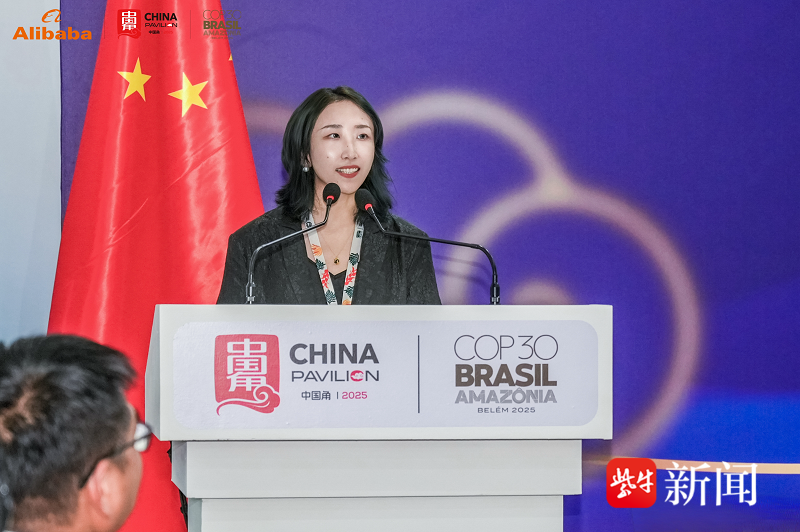
Core Insights - The 30th United Nations Climate Change Conference (COP30) was held in Belém, Brazil, where Xianyu showcased its digital empowerment in the circulation of idle goods, reporting that 7 million idle items are posted daily on its platform, with a 30% year-on-year increase in daily transaction volume [1][3]. Group 1: Digital Empowerment and AI Integration - Xianyu's Public Affairs Director, Tong Shuting, highlighted that approximately two-thirds of global carbon emissions are related to household consumption, making it crucial to reduce carbon emissions on the consumption side. The trading and reuse of idle goods can significantly mitigate resource and energy consumption associated with new product manufacturing [3]. - The integration of AI technology has lowered the barriers for ordinary people to participate in idle trading, with features like AI publishing and AI intelligent management addressing sellers' concerns about posting items and managing sales. AI tools such as "AI Smart Search" and "AI Market Trends" alleviate buyers' worries about selection and pricing [3]. - The AI capabilities have led to a 10% increase in the sales of newly listed items on the same day, enhancing the efficiency of idle goods transactions by addressing the non-standardization of items and the non-professionalism of both buyers and sellers [3]. Group 2: Sustainable and Engaging Participation Mechanisms - Xianyu has developed a sustainable and engaging green participation mechanism by embedding philanthropy into idle trading. The "Charity Baby" feature allows users to select donation proportions and projects when posting idle items, resulting in over 3.91 million yuan donated from 3.85 million charity items posted by approximately 5.6 million users over two years [4]. - The collaboration with Ant Forest introduced the "Magical Fish Pond," which converts users' green behaviors in idle trading into measurable green energy, generating nearly 1,400 tons of green energy in just two months, equivalent to planting 7,700 saxaul trees [7]. - The "Give Goods Society" initiative, launched in partnership with Alibaba Public Welfare and the China Environmental Protection Foundation, facilitates precise matching of idle goods to those in need, with over 90% of users claiming two or more charitable needs since its launch [7]. Group 3: Long-term Goals and Climate Action - This year marks Xianyu's third participation in the UN Climate Conference, aiming to enable every individual to easily engage in climate action through its "SEED" carbon reduction model and advanced AI technology. The company aspires to help society reduce carbon emissions by 55 million tons by 2030, allowing more people to participate in idle circulation with zero barriers [8].
闲鱼循环商店加速落地!武汉、苏州、无锡首店相继开业,年内将覆盖6省9城
Jiang Nan Shi Bao· 2025-11-18 02:19
Core Insights - The opening of the first circular store in Central China by Xianyu in Wuhan marks an expansion into a new regional center following previous openings in East and South China, attracting significant customer interest and promoting sustainable consumption [1] Group 1: Store Expansion Strategy - Xianyu's new store locations focus on two main strategies: prioritizing first-tier and new first-tier cities with active user bases, and deepening market presence in vibrant cities within the Jiangsu-Zhejiang-Shanghai, Pearl River Delta, and Central China regions [2] - The Suzhou store, which opened on October 1, attracted over 200 families for consignment in its first month, showcasing a focus on interest-based product categories [2] - The Wuxi store expanded its product offerings by introducing brand discount items and creating themed areas to enhance community engagement [2] Group 2: Store Upgrades and Customer Engagement - Existing stores are undergoing upgrades, such as the Nanjing store enhancing its offerings with high-value items and integrated services, while the Hangzhou store is optimizing layout and introducing more brand discounts [3] - Xianyu plans to launch a "Green Double Festival" campaign during the Christmas and New Year holidays, promoting sustainable consumption through incentives for customers who bring reusable shopping bags [3] - Over the past year, Xianyu has opened various types of circular stores across multiple cities, indicating a shift towards a more interconnected and sustainable consumption model [3]