
文旅产业

Search documents
古街玩法多
Xin Lang Cai Jing· 2026-02-20 22:46
Core Viewpoint - The article highlights how traditional streets and alleys across the country are innovating to enhance cultural tourism experiences, blending traditional elements with modern consumer trends to stimulate the market and the cultural tourism industry [1] Group 1: Cultural and Tourism Innovation - Traditional streets are adopting diverse and trendy approaches to unlock new cultural tourism experiences [1] - The integration of traditional culture with modern consumer preferences is revitalizing the market [1] - The efforts are aimed at preserving local culture while adapting to new consumption patterns [1] Group 2: Economic Impact - The revitalization of old street areas is contributing to the activation of the consumer market and the cultural tourism industry [1] - The article emphasizes the importance of maintaining the vibrancy and cultural essence of these areas while embracing new trends [1]
【新春走基层·欢乐闹新春】古街玩法多
Zhong Guo Jing Ji Wang· 2026-02-20 22:38
Group 1: Cultural and Tourism Integration - The article highlights the transformation of traditional streets and alleys into vibrant cultural and tourism hubs, blending old traditions with new consumer trends to enhance market activity and cultural experiences [1][2][3] - The "Cultural and Tourism Integration" approach is exemplified by the success of the Cicheng Ancient County, which has become a popular destination for New Year celebrations, featuring a bustling market and cultural light displays [2][3] - The integration of cultural elements into tourism is further emphasized by the introduction of over 60 new cultural products that have driven up tourism consumption [3] Group 2: Traditional Businesses Adapting to Modern Trends - Traditional businesses, such as the "Chinese Time-honored Brand" Yuebing Lou, are adapting to modern consumer habits by enhancing their offerings and embracing online sales, with online orders accounting for 30% of total sales [4][5] - The article discusses how these businesses maintain their traditional flavors while innovating their product lines to attract younger consumers, showcasing a blend of heritage and modernity [4][5] - The push for traditional businesses to "go online" is supported by local government initiatives aimed at revitalizing these brands and making them more accessible to contemporary consumers [4][5] Group 3: Non-material Cultural Heritage Experiences - The article describes various events and activities that promote non-material cultural heritage, such as the "Non-material Cultural Heritage New Year Market" in Shandong, where visitors can engage in traditional crafts and culinary experiences [6][7] - The integration of interactive experiences, such as custom-made traditional products, is highlighted as a way to engage younger audiences and enhance cultural appreciation [6][7] - The establishment of cultural workshops and experiential learning opportunities in regions like Kuqa is aimed at revitalizing traditional crafts and making them relevant to modern audiences [10][11] Group 4: Revitalization of Historical Areas - The revitalization efforts in historical areas, such as the renovation of the old granary into a cultural space in Kuqa, are aimed at preserving cultural heritage while providing modern experiences [10] - The article notes that these revitalization projects are expected to attract significant tourist numbers, with projections of over 8000 daily visitors during peak seasons [10] - Local governments are actively promoting cultural events and workshops to foster community engagement and cultural transmission, ensuring that traditional practices remain vibrant and accessible [11]
河北邢台好南关:文旅盛宴燃动古城新春
Xin Lang Cai Jing· 2026-02-20 14:30
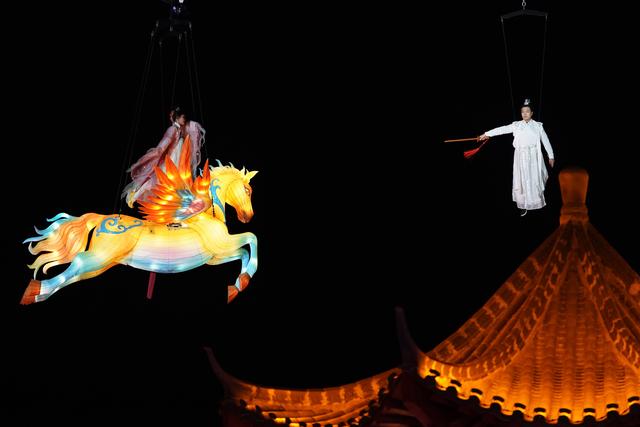
Core Viewpoint - The city of Xingtai is revitalizing its historical and cultural district, Hao Nanguan, through innovative tourism and cultural activities, significantly enhancing visitor engagement and economic activity during the Spring Festival [3][5][7]. Group 1: Cultural and Historical Revitalization - Hao Nanguan, located outside the ancient city of Xingtai, has been transformed into a unique historical and cultural district, attracting over 200 merchants [3]. - The district features a length of over 550 meters north-south and 120 meters east-west, showcasing its development as a vibrant commercial area [3]. Group 2: Tourism and Economic Impact - During the Spring Festival, Hao Nanguan hosted a series of events under the theme "Love in Xingtai," integrating historical narratives with innovative consumer experiences [3][5]. - The area saw an average daily visitor count of 235,300, with 93 shops open during the holiday, leading to significant increases in tourism revenue and other key performance indicators [7]. - The popularity of local products, such as Xingtai sour jujube juice and thin-skinned walnuts, indicates a strong consumer interest, with many visitors placing orders for future purchases [5][7]. Group 3: Innovative Experiences - Interactive performances like the immersive drama "National Treasure Mystery" allow visitors to engage actively, enhancing their experience and education about patriotism [3]. - The integration of traditional cultural elements with modern technology, such as the golden Qilin float and light shows, has created a captivating atmosphere that appeals to both local and visiting tourists [5].

老民俗“走”出来与新消费“连”起来 文旅市场暖意浓游客“乐”享假日
Yang Shi Wang· 2026-02-20 04:05
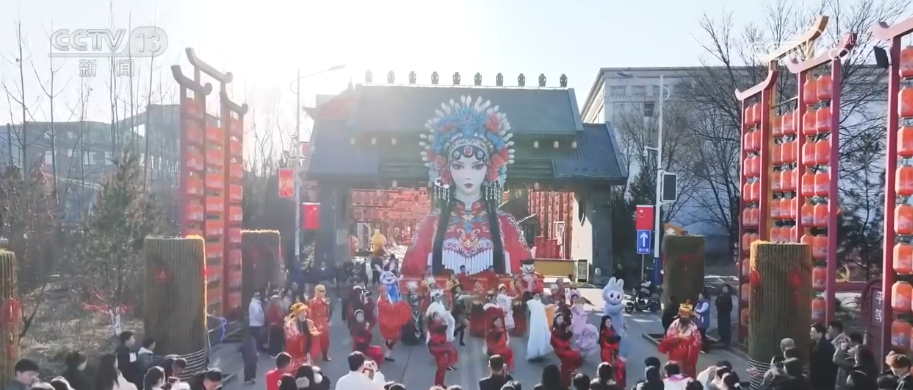
Core Viewpoint - The article highlights the vibrant and diverse non-heritage activities across various regions in China during the Spring Festival, showcasing a blend of traditional culture and modern consumer experiences. Group 1: Non-Heritage Activities - In Shanxi, a 16-day "Non-Heritage Carnival" features traditional customs like dragon and lion dances, engaging visitors in a cultural experience while promoting local consumption through night market activities [3] - Hunan's Zhangjiajie National Forest Park hosts a series of non-heritage performances, attracting both domestic and international tourists to a culturally immersive New Year celebration [3] - Jiangsu integrates national-level non-heritage crafts with festive customs, offering local delicacies and performances that enhance the festive atmosphere [5] Group 2: Cultural and Culinary Experiences - Sichuan's tourism market thrives with a mix of red culture, folk experiences, and local cuisine, creating a festive environment during the Spring Festival [5] - In Sichuan's Shimian County, a combination of red education and interactive experiences revitalizes the local tourism scene, making it a popular destination for New Year travelers [7] - The "Baba Banquet" in Sichuan features local delicacies, while various non-heritage experiences like lantern making attract significant visitor participation [9] Group 3: Technological Integration - In Jiangsu's Jianhu County, interactive robots engage with visitors, enhancing the festive experience through technology [12] - The "Wudang Dream" park in Hubei showcases a large-scale immersive performance that combines advanced light and shadow technology with traditional martial arts, creating a captivating cultural experience [16] Group 4: Traditional Celebrations - In Hunan and Hebei, ancient cities leverage their cultural heritage to offer a rich experience of traditional Chinese New Year celebrations, blending folk customs with modern technology [18] - The vibrant atmosphere in Hebei's Xingzhou Ancient City features numerous festive activities, with traditional decorations and local culinary offerings creating a lively environment for visitors [20]
滏口流芳藏古韵 窑火映山启新程——赵都新脉,创新托举起文旅产业
Xin Lang Cai Jing· 2026-02-20 02:10
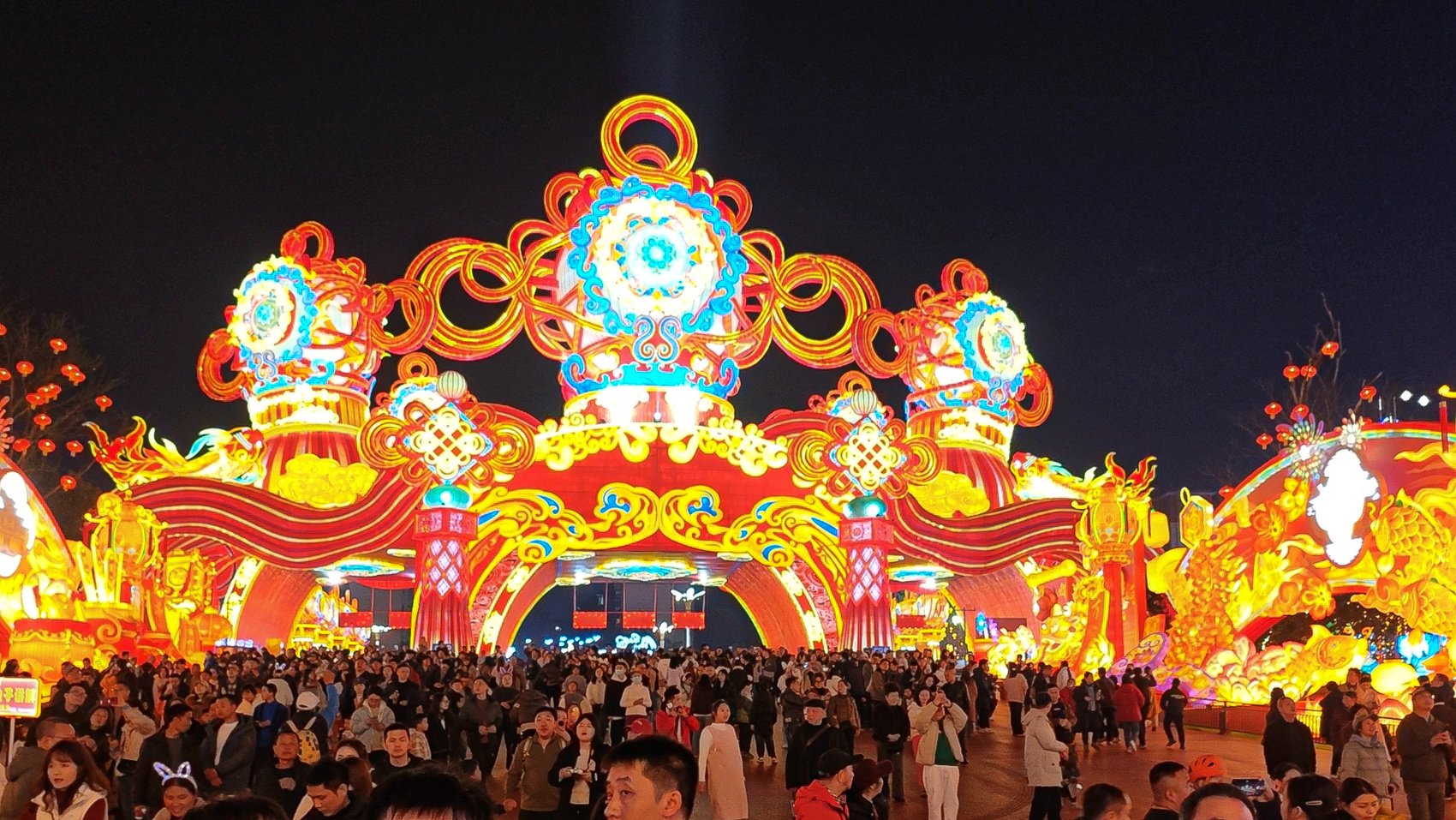
Core Viewpoint - The article emphasizes the integration of cultural heritage and tourism in the Fengfeng area, leveraging historical sites like the Xiangtang Mountain Grottoes and the Cizhou Kiln to enhance the local tourism industry and attract millions of visitors by 2025 [1][2][3] Group 1: Cultural Heritage and Tourism Development - The Xiangtang Mountain Grottoes and Cizhou Kiln are highlighted as key cultural landmarks that form the core of Fengfeng's cultural identity, supported by ancient architectural relics along the corridor [2] - Fengfeng aims to establish itself as a "core of Northern Dynasties culture," using the cultural belt of Fukuo Ridge and the creation of a 5A scenic area at Xiangtang Mountain to drive tourism growth [1][3] - By 2025, the region expects to receive over 6 million tourists and achieve a total tourism expenditure exceeding 4 billion yuan [1] Group 2: Innovative Experience and Technology Integration - The application of mixed reality technology at Xiangtang Mountain Grottoes aims to recreate historical scenes while minimizing the impact on cultural relics [3] - The integration of various resources, including natural springs and ancient villages, is designed to create a comprehensive tourism experience that blends nature and culture [4] - The introduction of experiential consumption in the Cizhou Kiln industry allows visitors to engage in pottery-making processes, enhancing the cultural experience [5] Group 3: Educational and Community Engagement - The incorporation of red culture and educational travel into the tourism offerings aims to enrich the product supply and attract youth [6][7] - The promotion of cultural IP transformation and the development of creative products based on historical motifs are intended to enhance the brand's appeal [8] - Community engagement initiatives, such as free cultural courses and public performances, aim to strengthen cultural identity and recognition among local residents [10] Group 4: Marketing and Global Outreach - A comprehensive marketing strategy that includes both online and offline channels aims to promote the cultural heritage of Fukuo Ridge and Cizhou Kiln internationally [9] - Collaborations with international platforms and participation in cultural festivals are designed to showcase the region's cultural richness on a global stage [9] - The establishment of a large-scale cultural square featuring a mountain sculpture aims to attract over 800,000 visitors annually, serving as a significant cultural landmark [9]
“科技游”引领四川春节新风尚,催生文旅消费热点
Xin Lang Cai Jing· 2026-02-19 13:46
Core Insights - The tourism sector in Sichuan has seen a significant increase in visitor numbers and ticket revenue during the 2026 Spring Festival, with 8.18 million visitors and ticket revenue of 75.94 million yuan on February 19 alone, and a total of 34.01 million visitors and 258.77 million yuan in ticket revenue over the first five days of the holiday [1] - The integration of technology and culture has created new tourism experiences, enhancing consumer engagement and driving holiday spending [2][4] Group 1: Technology-Driven Tourism - Sichuan has launched numerous tech-enhanced cultural tourism projects this Spring Festival, with digital and immersive experiences becoming popular among visitors [2] - Nighttime light shows and digital art exhibitions in cities like Chengdu and Bazhong have attracted younger tourists, showcasing the blend of modern technology with traditional settings [2][4] - Events such as the "2026 Year of the Horse Spring Festival Garden Party" at the Wuhou Shrine Museum utilize cutting-edge technologies like 3D and holographic projections to create immersive experiences [4] Group 2: Cultural Heritage and Local Traditions - Traditional cultural activities remain popular, with events like the 2026 Sanxingdui New Year Ceremony highlighting ancient Shu culture through various interactive and immersive formats [7] - Localities in Sichuan have organized over 200 unique cultural tourism activities, including dragon and lion dances, folk parades, and intangible cultural heritage exhibitions, enhancing the festive atmosphere [7][9] - Regions such as Aba and Ganzi are focusing on their unique cultural heritage and folk traditions to create distinctive New Year celebrations, contributing to a diverse cultural landscape [9] Group 3: Economic Impact - The overall tourism market in Sichuan has been safe and orderly during the Spring Festival, with a harmonious blend of technological and traditional experiences providing a rich cultural feast for visitors [10] - Ibi City has launched 973 themed cultural tourism activities, attracting 2.99 million participants and generating 22.01 million yuan in consumer spending through promotional initiatives [7]
安徽黟县传统徽墨邂逅现代科技 解锁新春文旅新体验
Xin Lang Cai Jing· 2026-02-19 09:40
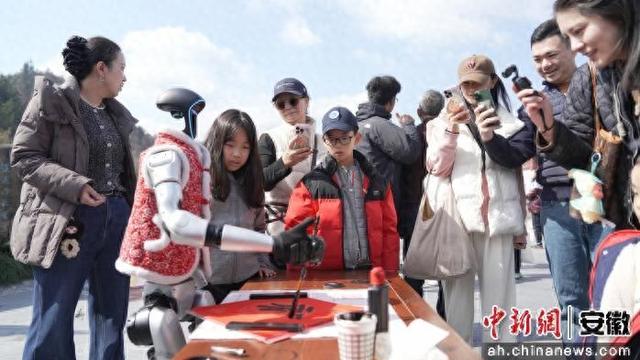
活动现场,AI机器人伴随着欢快的音乐有序列队登场。伴随着节奏精准起舞,抬手、转身、跳跃等动 作流畅利落,表演整齐有序、富有感染力。智能科技与舞台表演完美融合,新颖的表演形式吸引众多观 众驻足观看、拍照打卡。游客小朋友董怡佳说:"我今天看到了机器人,它会写春联、跳舞、练功夫, 非常有趣。" 春节假期,当地将非遗制墨文化与AI科技互动有机融合,持续打造特色鲜明、体验丰富的新场景、新 业态,不断激活文旅消费新活力。在营造浓厚新春氛围的同时,也为广大游客带来更有新意、更有底 蕴、更有温度的游览体验。(完) 中新网安徽新闻2月19日电 (胡胜)春意渐浓,年味正盛。世界文化遗产地黟县西递古村内大红灯笼高 高挂起,青石板路干净整洁,处处洋溢着喜庆祥和的节日氛围。当地以非遗制墨场景打造为文化内核, 融入AI机器人舞蹈表演,将传统工艺与现代科技巧妙结合,让广大游客沉浸式感受传统徽州年味,共 享新春欢乐。 2月18日,西递古村之内人头攒动、热闹非凡。为让游客充分体验独具特色的徽州年俗,西递重点打造 沉浸式制墨场景。现场工作人员从原料展示、古法工序到互动体验,完整呈现传统制墨的工艺流程,让 大家近距离感受非遗技艺的匠心与魅力。 来 ...
新春观察 | 文旅消费“马”力十足 绘就新春消费红火新画卷
Yang Shi Wang· 2026-02-19 05:56
Group 1 - The core theme of the news is the vibrant consumer activities and cultural experiences during the Chinese New Year, showcasing a strong boost in tourism and consumption across various regions in China [1] - Travel search interest in folk customs and intangible cultural heritage experiences has increased by over 60% year-on-year for the 2026 Spring Festival [2][4] - Various regions are creatively integrating cultural resources into tourism, with Beijing launching six "Beijing Color Intangible Heritage Tours" covering over 30 experience points [4] Group 2 - The "Year of the Horse" themed cultural products have gained popularity nationwide, with museums like the Tianjin Museum showcasing horse-related artifacts and new cultural merchandise [5][7] - The Central Radio and Television Station's Spring Festival Gala has set up sub-venues in four locations, creating new tourist hotspots and distributing "cultural tourism gift packages" to enhance local consumption [10] - Local governments and enterprises are collaborating to launch multiple promotional activities, igniting consumer enthusiasm, with Shanghai offering over 2,000 activities and Nanjing hosting more than 400 promotional events [11][13] Group 3 - Tourist attractions in Sichuan received approximately 825.86 million visitors and generated ticket revenue of 69.79 million yuan during the holiday period [13] - Cultural institutions like libraries and museums in Sichuan welcomed around 4.07 million visitors, while 4A and above scenic spots in Fujian saw a 10.3% year-on-year increase in visitor numbers [15]
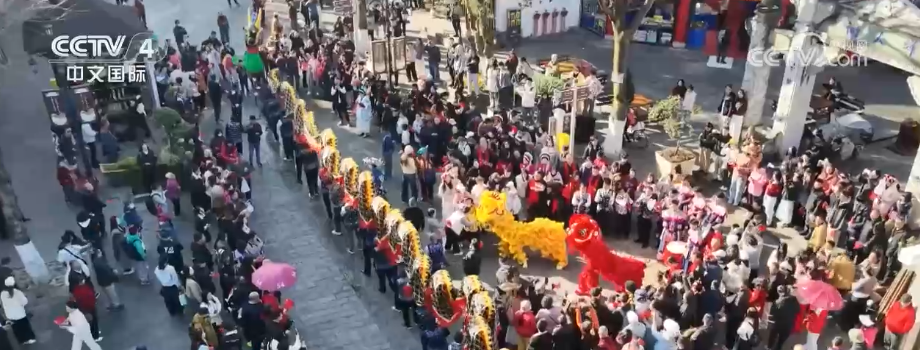
20.5亿元“新春礼包” 激发春节文旅新活力
Yang Guang Wang· 2026-02-19 02:31
Group 1 - The concept of "migration-style New Year" has emerged, reflecting a shift in how people celebrate the holiday, supported by 20.5 billion yuan in special consumption promotion funds [1] - The long holiday has not only increased foot traffic and consumption but also indicates a deeper transformation in holiday practices, with travelers seeking immersive experiences rather than just sightseeing [1] - The relationship between tourists and destinations is being redefined, as people are now more inclined to "live" in a place rather than just "see" it [1] Group 2 - Data shows that during the Spring Festival, the booking volume for homestays in places like Jieyang and Pu'er doubled, indicating a demand for family-oriented accommodations [3] - Tourists are engaging in immersive cultural experiences, such as learning traditional dances, rather than merely taking photos [3] - The decision-making process for travel is shifting, with nearly half of families choosing destinations led by the "post-00s" generation, showcasing a trend of young people guiding their parents' travel choices [4] Group 3 - The new consumption trends driven by young people are prompting innovation in the cultural tourism supply side, integrating traditional customs with technology [6] - Many regions are creating interactive experiences using AI and XR technology to enhance the cultural experience for visitors [6] - The focus of the tourism industry is shifting from merely attracting visitors to ensuring that each visitor finds a sense of belonging through immersive experiences [7]
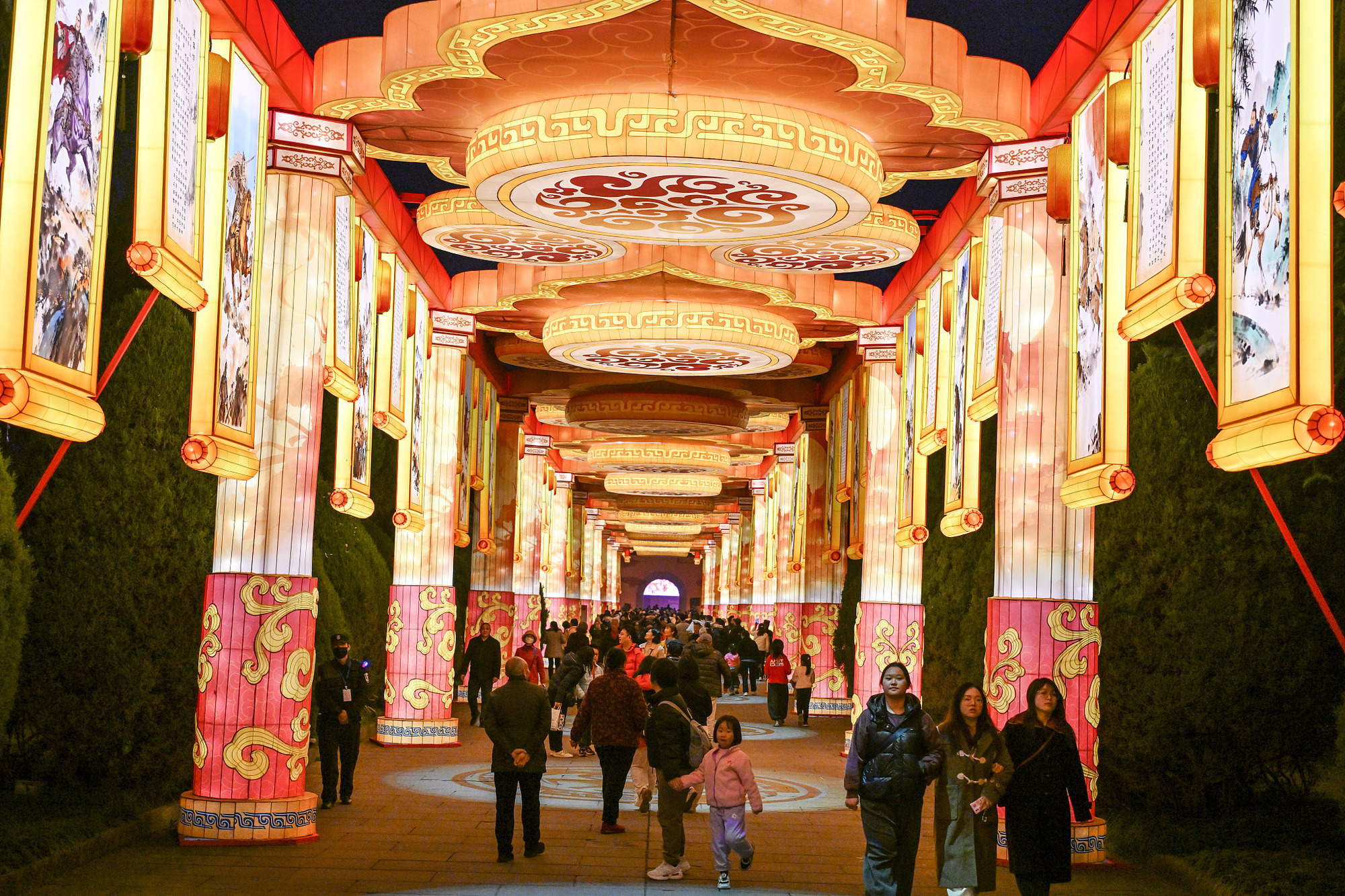
发展人文经济 拓展消费新空间
Sou Hu Cai Jing· 2026-02-18 23:13
Core Insights - Consumption is a crucial engine for economic growth in China, and effectively stimulating domestic demand is vital for high-quality development during the 14th Five-Year Plan period [1] - The concept of "humanistic economics" proposed by President Xi Jinping emphasizes the deep integration of culture and economy, suggesting that cultural development can drive economic advancement [1] Group 1: Humanistic Economic Innovation - The current consumption market in China is shifting from "availability" to "quality," necessitating high-quality supply driven by cultural values [2] - Humanistic economics leverages traditional cultural resources and modern aesthetics to create innovative products and services, enhancing competitiveness and expanding high-quality consumption areas [2] - For instance, Zhejiang province has utilized digital technology and modern aesthetics to revitalize traditional crafts, resulting in culturally rich and aesthetically pleasing products [2] Group 2: Deepening Consumer Engagement - Humanistic economics aims to integrate profound cultural values into economic activities, transforming products and services into carriers of culture and emotion [3] - This transformation elevates consumer behavior from mere material acquisition to fulfilling spiritual and cultural needs, thereby enhancing purchasing intentions [3] - An example from Henan province illustrates how cultural products and educational experiences can foster deep emotional connections with national culture, stimulating new growth in cultural tourism consumption [3] Group 3: Creating Immersive Consumption Spaces - The construction of consumption spaces is essential for enhancing consumer experience and engagement, with humanistic economics focusing on infusing cultural themes into commercial environments [4] - Innovative technologies like AR and immersive experiences can create compelling cultural consumption scenarios that encourage longer consumer engagement and repeat visits [4] - Future developments should leverage cutting-edge technologies to transform commercial spaces into immersive cultural experience centers, enhancing their attractiveness [4] Group 4: Establishing a Supportive Cultural Ecosystem - A robust institutional framework is necessary to support the humanistic economy, including effective regulations, market oversight, and active industry organizations [5] - The development of a healthy cultural consumption environment is crucial for sustaining consumer engagement and protecting the rights of creators and consumers [6] - Henan's approach to cultural tourism development highlights the importance of regulatory improvements and promoting civilized tourism to ensure sustainable growth in cultural consumption [6]