
消费电子

Search documents
华润入主半年有余,预计净资产转负超50亿,深康佳A或被*ST
Jin Rong Jie· 2026-02-05 11:15
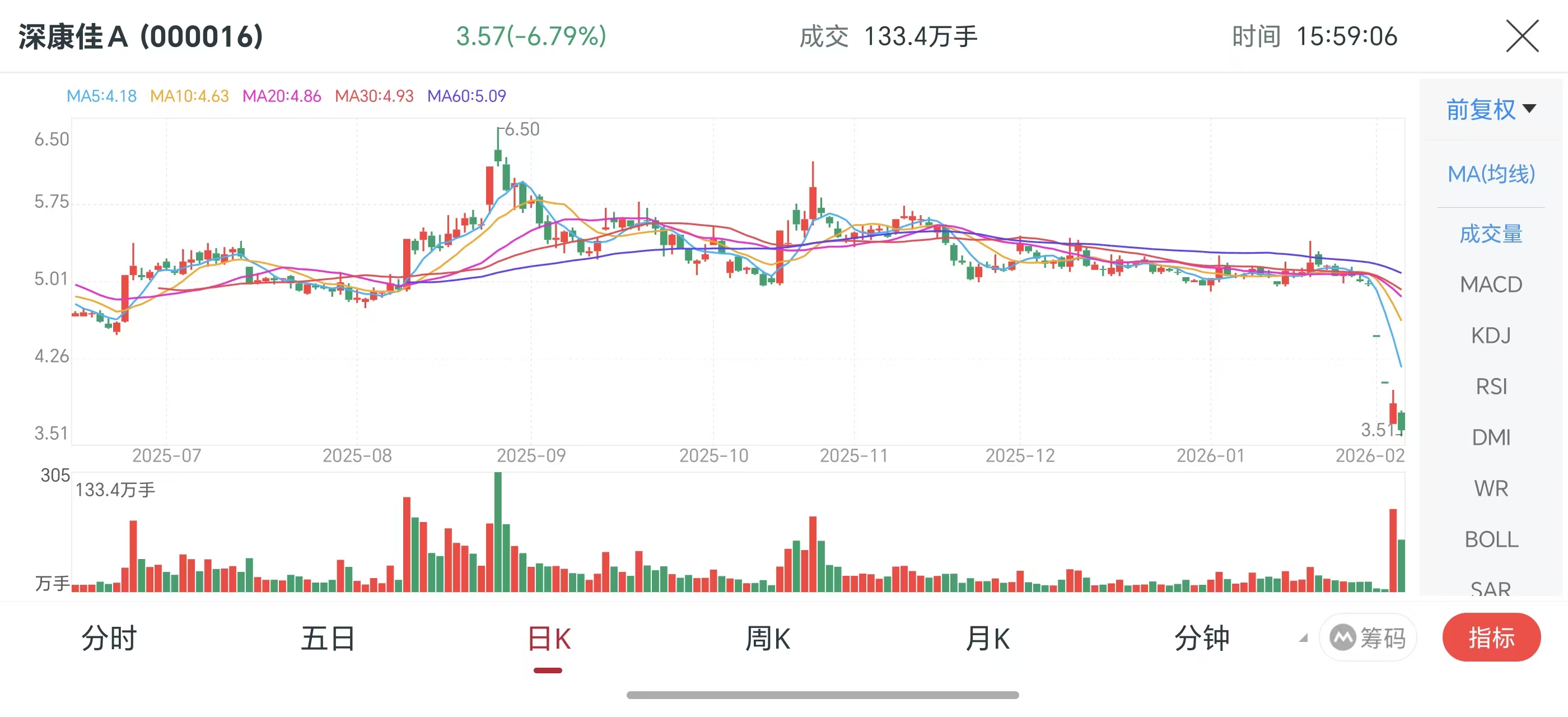
2月5日,深康佳A盘中大跌超8%,收跌6.79%,公司股价已经连续7个交易日下跌,期间两日跌停,累计跌幅近30%。前一日盘后,因连续3个交易日收盘价 格跌幅偏离值累计超过20%,触发股票异常交易波动公告。 | 项目 | 本报告期 | 上年同期 | | --- | --- | --- | | 归属于上市公司 | 亏损:1,557,300万元 至 1,258,100 | 亏损:329,558.87 万元 | | 股东的净利润 | 力元 | | | 扣除非经常性损 | 亏损:1,026,300万元 至 995,300万 | 亏损:320.550.41万元 | | 益后的净利润 | 元 | | | 基本每股收益 | 亏损:6.4674元/股 至 5.2246元/股 | 亏损:1.3686元/股 | | 营业收入 | 900,000 万元 至 1,050,000 万元 | 1.111.476.40 万元 | | 扣除后营业收入 | 850,000 万元 至 1,000,000 万元 | 1,051,236.57 万元 | | 项目 | 本会计年度末 | 上年末 | | 归属于上市公司 股东的净资产 | -533.400 ...


2025全球手机出货数据出炉,荣耀增速第一
Ge Long Hui· 2026-02-05 11:10
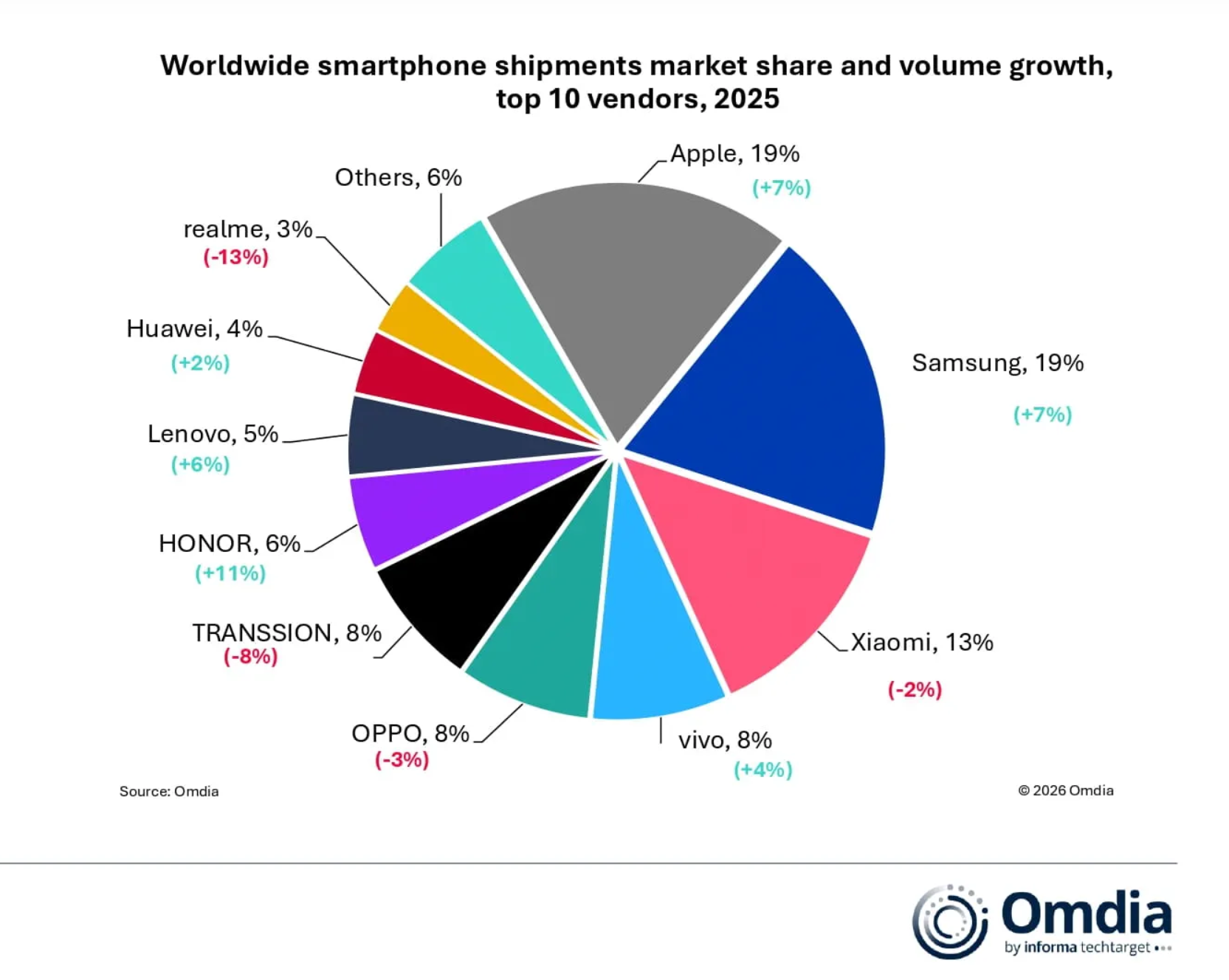
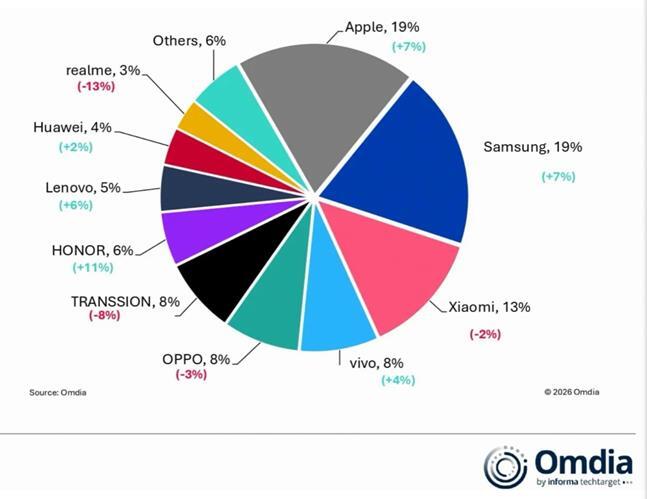
Core Insights - Honor smartphones are projected to achieve a global growth rate of 11% by 2025, making it the fastest-growing brand among the top ten manufacturers in terms of shipment volume [1] - In the high-end and mid-high-end segments of smartphones priced above $300, as well as in the mid-range tablet market priced between $300 and $600, Honor has recorded the highest overseas shipment growth among mainstream brands [1] - The global debut of the world's first "mobile robot" HONOR ROBOT PHONE and the Honor Magic V6 foldable smartphone is scheduled for the Mobile World Congress in Barcelona in March 2026, indicating the early stages of Honor's Alpha strategy for its second growth curve [1]
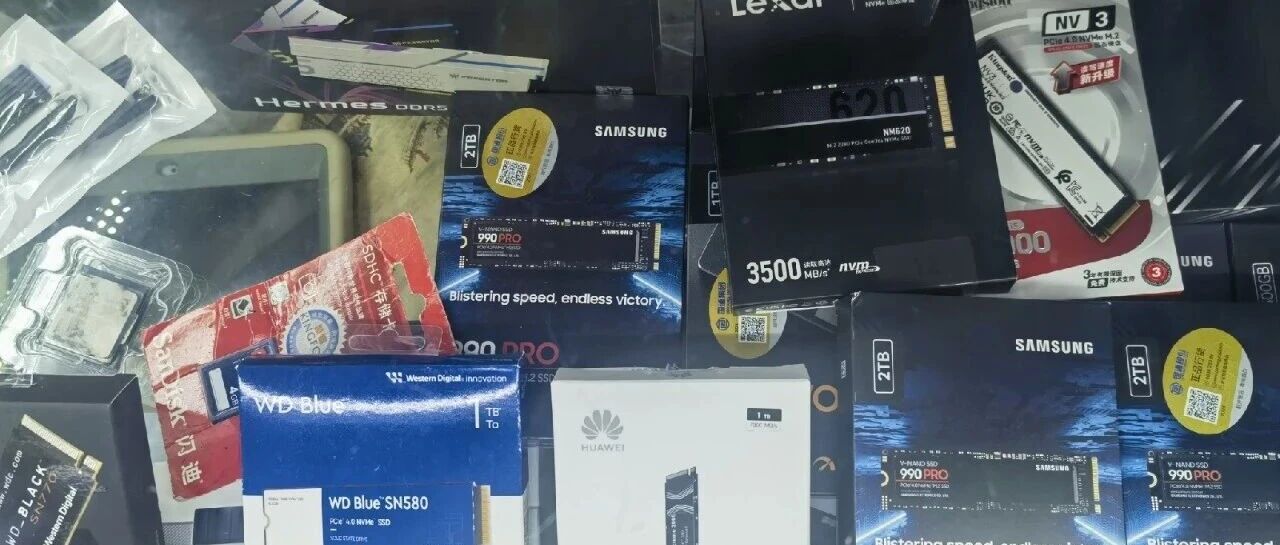
内存条三个月涨三倍,电脑装机成本激增近半
第一财经· 2026-02-05 11:08
Core Viewpoint - The rising prices of computer components, particularly storage products, are significantly increasing consumer costs for building PCs, with some components experiencing price increases of up to three times in the last three months [3][8]. Group 1: Price Trends in Computer Components - The price of 1TB solid-state drives has risen to between 950 yuan and 1100 yuan, up from 600 to over 900 yuan [3]. - Over the past three months, memory prices have increased by approximately three times, while solid-state drive prices have doubled [3][8]. - A typical office computer's storage and memory costs now account for 35% to 50% of the total build cost, necessitating compromises on CPU specifications to stay within budget [6][7]. Group 2: Impact on Consumer Behavior - The increase in component prices has led to a decrease in customer orders, with one vendor reporting a drop from assembling 8-10 computers a day to just one every three days [9]. - Consumers are now finding it difficult to build a decent office computer within a budget of 3000 yuan, which previously sufficed [7]. Group 3: Market Dynamics and Manufacturer Responses - TrendForce has raised its price forecast for storage components, predicting a 90%-95% increase in DRAM contract prices and a 55%-60% increase in NAND Flash prices in the first quarter [11]. - Some consumer electronics manufacturers are reducing storage configurations in their products due to rising costs, but this strategy may not significantly alleviate the impact of price volatility [12]. - Smaller manufacturers with limited supplier relationships and a higher proportion of low-end models are expected to face greater risks in the current market environment [15]. Group 4: Competitive Landscape - Companies like Apple, which are positioned in the high-end market, are expected to leverage supply chain advantages to capture market share amidst rising component prices [15]. - The disparity in the ability to absorb rising costs among manufacturers is evident, with lower-end brands like Transsion Holdings projected to see a significant drop in net profit due to increased component costs [15].
2025年荣耀手机出货量全球增速第一
Xin Lang Cai Jing· 2026-02-05 11:03
经济观察网 荣耀手机2025年全球增速达11%,成为前十大厂商中出货量全球增速第一的品牌(Omdia数据)。其中,前三季度300美金以上手机高端及中高 端档位,300-600美金平板消费市场中高端档位,荣耀都是主流品牌中海外出货量增速第一(IDC数据)。2026年3月,全球首款「手机机器人」HONOR ROBOT PHONE和荣耀 Magic V6 折叠屏手机将亮相巴塞罗那世界移动通信大会,荣耀阿尔法战略第二曲线布局已见端倪。 ...
机构:2025年荣耀手机出货量全球增速第一,三季度300美元以上海外增速第一
Xin Lang Cai Jing· 2026-02-05 11:02
据第三方机构Omdia数据,荣耀手机2025年全球增速达11%,成为前十大厂商中出货量全球增速第一的 品牌。 另据了解,2025年前三季度300美元以上手机高端及中高端档位,300-600美元平板消费市场中高端档 位,荣耀都是主流品牌中海外出货增速第一。 据了解,2026年3月,全球首款"手机机器人"HONOR ROBOT PHONE和荣耀 Magic V6 折叠屏手机将亮 相巴塞罗那世界移动通信大会。(智通财经记者 周玲) ...
索尼集团发布2025财年第三季度财报 营业利润同比增长22%,全年预期上调
Sou Hu Cai Jing· 2026-02-05 10:16
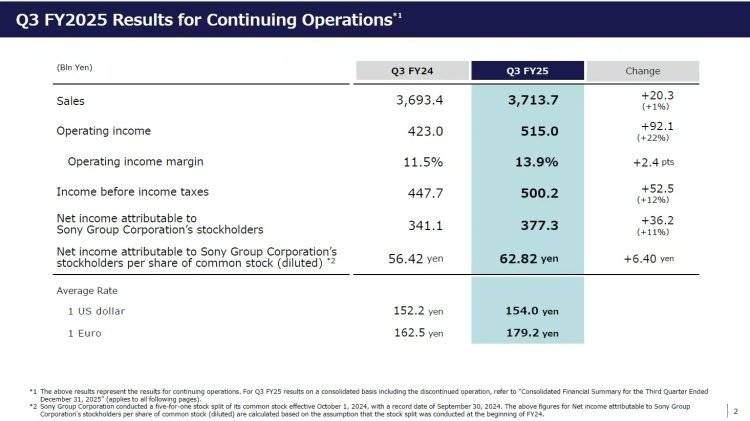
Core Insights - Sony Group Corporation reported a steady growth in its Q3 FY25 performance, with sales revenue reaching 3,713.7 billion yen, a slight increase of 1% year-over-year [1][2] - Operating profit surged by 22% to 515.0 billion yen, with an operating profit margin improvement to 13.9% [1][2] - Net income attributable to Sony's stockholders rose by 11% to 377.3 billion yen, reflecting strong overall financial health [1][2] Financial Performance - Sales revenue for Q3 FY25 was 3,713.7 billion yen, up from 3,693.4 billion yen in Q3 FY24, marking a change of +20.3 billion yen (+1%) [2] - Operating income increased from 423.0 billion yen in Q3 FY24 to 515.0 billion yen in Q3 FY25, a rise of +92.1 billion yen (+22%) [2] - The operating income margin improved from 11.5% to 13.9%, an increase of 2.4 percentage points [2] - Income before income taxes rose by 12% to 500.2 billion yen, up from 447.7 billion yen [2] - Net income attributable to Sony's stockholders increased from 341.1 billion yen to 377.3 billion yen, a growth of +36.2 billion yen [2] Business Segment Performance - The gaming and network services segment saw a slight decline in sales revenue, but operating profit increased by 19% to 1,408 billion yen, driven by growth in network services and first-party game sales [2][3] - The music segment experienced a robust performance, with sales revenue and operating profit growing by 13% and 9%, respectively, due to live music events and streaming services [2] - The imaging and sensing solutions segment was a standout performer, with sales revenue and operating profit increasing by 21% and 35%, respectively, supported by a recovery in the smartphone market and demand for large sensors [2] Challenges and Outlook - The film segment faced challenges with declining box office revenues, leading to a decrease in both sales and profits [3] - The entertainment, technology, and services segment also reported profit declines due to reduced sales of display products [3] - Based on the strong quarterly performance, particularly from high-margin businesses like image sensors and gaming services, Sony raised its full-year operating profit forecast for FY2025 to 15,400 billion yen, indicating confidence in sustained profitability [3]
库克盛赞“视觉智能”,苹果AI核心功能或登陆智能眼镜
Sou Hu Cai Jing· 2026-02-05 10:14
Core Insights - Apple's CEO Tim Cook highlighted the success of the "Visual Intelligence" feature during the recent quarterly earnings call, noting it as one of the most popular functionalities among users [1][3] Group 1: Visual Intelligence Feature - Visual Intelligence significantly enhances user efficiency in learning, searching, and interacting with screen content [3] - Currently, this feature is primarily integrated into the camera control button of the iPhone 16, allowing users to quickly identify their surroundings and perform tasks such as translating signs and adding events to their calendar [3] - With the release of iOS 26, the application of Visual Intelligence has expanded beyond the camera viewfinder, integrating into the entire operating system through a new screenshot viewer [3] Group 2: Future Product Integration - Apple plans to incorporate Visual Intelligence into upcoming products, including the high-end AirPods Pro 3 and its first smart glasses, both expected to be released later this year [4] - These new products are said to feature built-in cameras to enable real-time analysis of the user's physical environment, providing instant information feedback [4] - The goal is to create smart glasses as a pure Apple Intelligence device, allowing information flow to naturally follow the user's line of sight [4]


MeetBrands 出海向新 | 当“带电”成为共识:中国消费电子的全球突围路径
3 6 Ke· 2026-02-05 10:00
Core Insights - The CES 2026 event highlights the global competitiveness of Chinese consumer electronics brands, marking a shift from "scale expansion" to "quality selection" in overseas markets [1][2] - The consumer electronics category is identified as a key area for Chinese brands to expand internationally, with a significant presence in the 2025 MeetBrands list [2][3] Group 1: Consumer Electronics as a Key Category - Consumer electronics remains the largest category in the 2025 MeetBrands list, reflecting its rapid iteration and ability to quickly validate products in various markets [2] - A mature and centralized supply chain in China provides a competitive advantage in cost, efficiency, and delivery stability, facilitating large-scale international expansion [3] - Nearly one-third of the new brands on the 2025 MeetBrands list are from the consumer electronics category, indicating a significant turnover and renewal within this sector [4] Group 2: Trends in Consumer Electronics - "Portability" is emerging as a dominant trend among new brands, with products like portable projectors and energy storage devices designed for on-the-go use [7] - The rise of personal manufacturing, including laser engraving machines and 3D printers, is becoming mainstream as these devices evolve to meet the needs of ordinary users [9] Group 3: Challenges in International Expansion - Despite the popularity of consumer electronics, companies face challenges in establishing a foothold in overseas markets, including intense competition and the need for clear product differentiation [11][12] - Increasing compliance requirements across different countries add complexity to market entry, necessitating ongoing adaptation to local regulations [13] - Localization challenges extend beyond language translation, requiring a deep understanding of local consumer behavior and preferences [15] Group 4: Case Study of AR Glasses - The AR glasses market is highly competitive, with both international giants and emerging Chinese brands vying for market share [16] - BeyondClick's strategies for assisting brands like Rokid include restructuring their online presence to focus on user scenarios rather than technical specifications, significantly improving conversion rates [17][18] - The use of AI to enhance creative production and optimize marketing strategies has led to increased efficiency and higher conversion rates for brands entering international markets [19][21]

2025全球手机出货数据出炉 荣耀增速第一
Zhong Guo Jing Ji Wang· 2026-02-05 09:15
随着全球化战略的持续深化,荣耀海外品牌认可度稳步提升,中高端市场突破成效显著。据IDC数据显 示,2025年前三季度,荣耀在300美元以上的手机高端及中高端档位成为主流品牌中海外出货增速第 一。这一成果得益于荣耀坚持"本地化运营"策略,深入洞察不同区域市场的用户需求与消费习惯,优化 产品适配与渠道布局,搭建完善的本地化服务体系,让产品与服务更贴合当地用户。 中国经济网北京2月5日讯(记者王惠绵)近日,全球权威数据机构Omdia与IDC相继发布2025年行业数 据,荣耀凭借强劲的发展势头与清晰的全球化战略,交出亮眼成绩单,成为中国科技品牌出海标杆。 在全球智能手机市场竞争日趋激烈的背景下,荣耀凭借坚定的技术投入与精准的市场布局实现高增长。 据Omdia数据显示,2025年荣耀手机业务全球增速达11%,在全球前十大手机厂商中脱颖而出,成为出 货量全球增速第一品牌。这一成绩的取得,离不开荣耀始终将技术创新作为核心驱动力,持续深耕影 像、AI、电池等关键领域,打造兼具极致体验与核心竞争力的产品,满足全球用户多元化、高品质的 使用需求。 平板业务同步发力,成为荣耀全球化布局的重要增长极。据IDC数据显示,2025年在3 ...
华勤技术:董事会同意H股全球发售并在港交所上市
Xin Lang Cai Jing· 2026-02-05 09:05
Core Viewpoint - The company has approved the global offering of H-shares and plans to list on the Hong Kong Stock Exchange, along with necessary arrangements and authorizations for the process [1] Group 1 - The second meeting of the board of directors on February 5 approved the proposal for the global offering of H-shares and related arrangements for listing on the Hong Kong Stock Exchange [1] - The board authorized relevant personnel to handle specific matters related to the offering and listing [1] - The board also approved a proposal to amend the articles of association and authorized the handling of business registration changes [1]
