国际贸易

Search documents
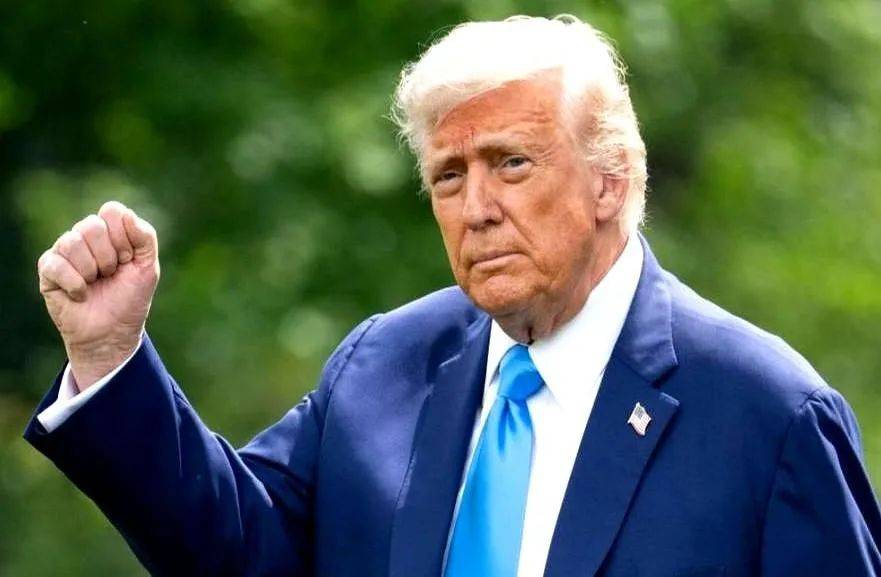
中方高层确定赴美,特朗普不再说“中国难对付”,俄罗斯野心暴露
Sou Hu Cai Jing· 2025-09-01 09:47
Group 1 - The US-China trade war has reached a "ceasefire" state after three rounds of negotiations, with the US not gaining substantial benefits, leading to a shift in Trump's rhetoric [1][3] - The trade war initiated by the Trump administration in 2018 did not yield the expected results for the US, with tariffs on China soaring to 104% and then 145% [3] - China responded firmly to US tariffs, increasing its own tariffs to 125%, demonstrating its resolve to stand firm against US pressure [3][5] Group 2 - The US Treasury Secretary expressed surprise at China's strong response, noting that China is the only country willing to challenge the US [5][7] - The trade war has highlighted China's significant position in the global economy, being the largest producer and exporter of key materials and having a robust industrial system [9] - The US's reliance on China for critical materials, such as rare earths, poses a risk to its own industries, as tariffs could lead to increased costs for American consumers [9][17] Group 3 - The US's attitude towards China has softened, with the Treasury Secretary acknowledging China's status as a "great nation" and recognizing the need for cooperation [7][12] - Trump's recent statements indicate a shift towards seeking a friendly relationship with China, driven by the need to address key issues like rare earth supply and trade deficits [12] - Russia is positioning itself to benefit from the US-China trade war, as it creates opportunities for Russian businesses in China amidst Western sanctions [14][15]

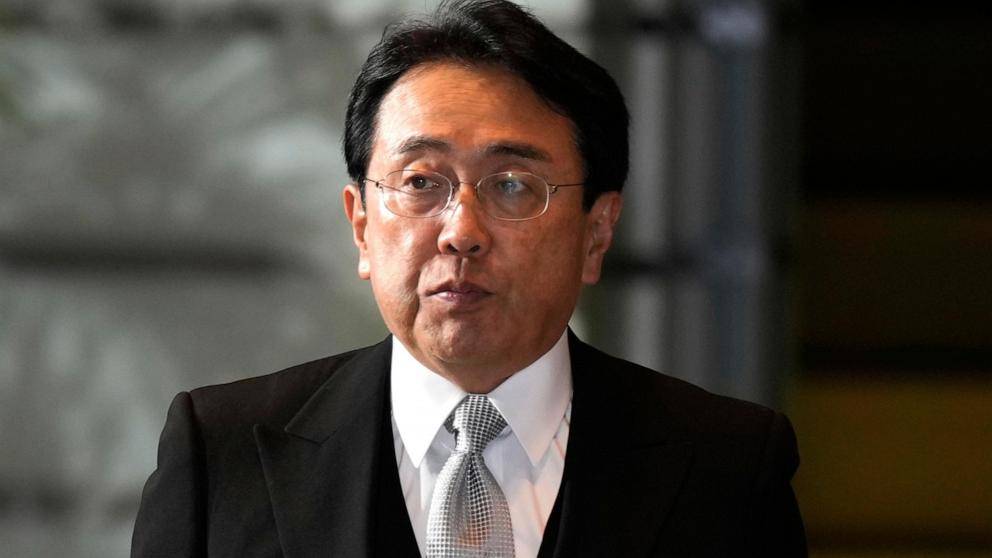
日本贸易特使推迟访美,因东京希望加快对关税协议的行动
Sou Hu Cai Jing· 2025-09-01 01:36
Group 1 - Japan's chief trade negotiator, Akizawa Yoshimasa, has canceled his trip to Washington, which was intended to finalize a tariff agreement with the Trump administration [2] - The agreement, announced on July 22, involves a 15% tariff on most Japanese imports, effective from August 1, which is lower than the previously proposed 25% reciprocal tariff [2] - Japanese officials have expressed concerns over additional tariffs being imposed on top of the agreed 15%, and Washington has acknowledged this error, agreeing to adhere to the 15% tariff agreement and refund any excess import duties paid [2] Group 2 - Japanese government spokesperson, Yoshihide Suga, emphasized the importance of swiftly implementing the agreement for economic security between the two nations [3] - The U.S. Commerce Secretary, Howard Lutnick, indicated that Washington is ready to finalize the agreement, with Japan committing to invest up to $550 billion in the U.S. over the coming years [2]
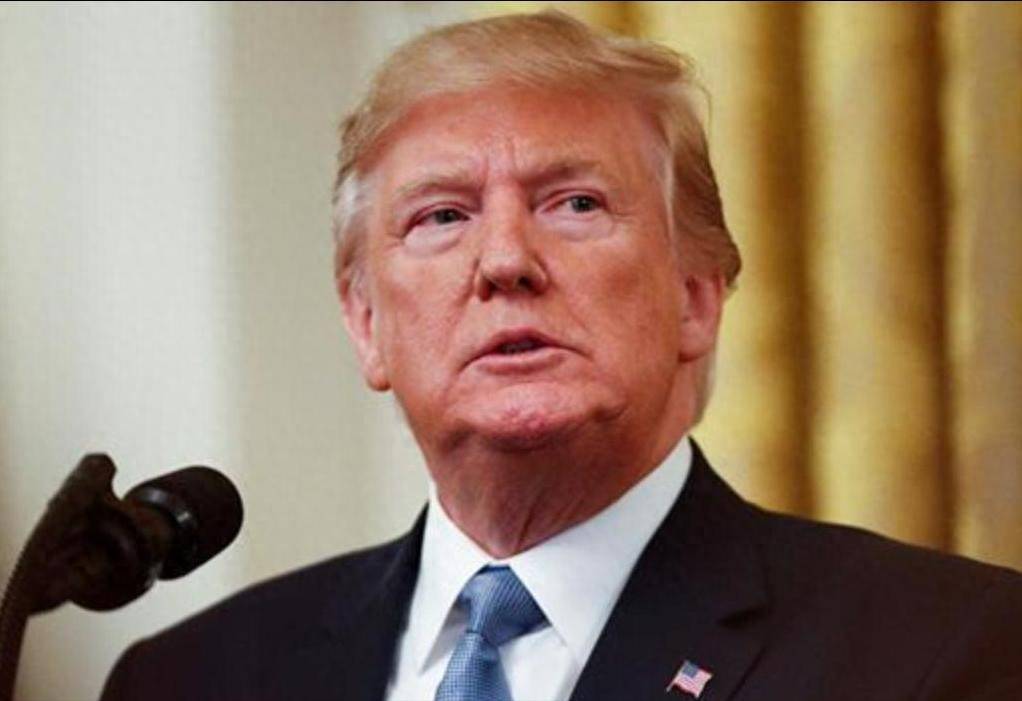
“对等关税”被裁定违法,特朗普称将上诉至美最高法院
Huan Qiu Shi Bao· 2025-08-31 22:49
Core Points - The U.S. government has been ruled illegal in its use of the International Emergency Economic Powers Act to impose tariffs, marking a significant setback for the aggressive trade policies of the Trump administration [1][3] - The ruling raises questions about the validity of previous trade agreements made with the U.S. [1][5] - The ruling was upheld by the Federal Circuit Court, which stated that the power to impose tariffs is a core authority of Congress, not the President [3][5] Summary by Sections Legal Ruling - The Federal Circuit Court maintained the previous ruling that the Trump administration's tariffs imposed under the International Emergency Economic Powers Act were illegal, with a vote of 7 to 4 [3] - The court emphasized that while the Act allows the President to take certain economic measures in emergencies, it does not grant the authority to impose tariffs through executive orders [3] Economic Impact - The ruling could have direct implications for the U.S. economy and may trigger reactions in global markets, as trade partners reassess the legal standing of U.S. tariffs [5] - The Trump administration collected approximately $107 billion in tariffs from February to July, a significant portion of which was based on the now-ruled illegal measures [4] Ongoing Trade Negotiations - The U.S. is still engaged in trade negotiations with multiple countries, including the UK, Vietnam, and the EU, but the legal uncertainty surrounding tariffs may complicate these discussions [6][7] - Japan's trade representative canceled a trip to the U.S. due to dissatisfaction with proposed U.S. tariffs, indicating potential friction in ongoing negotiations [7]
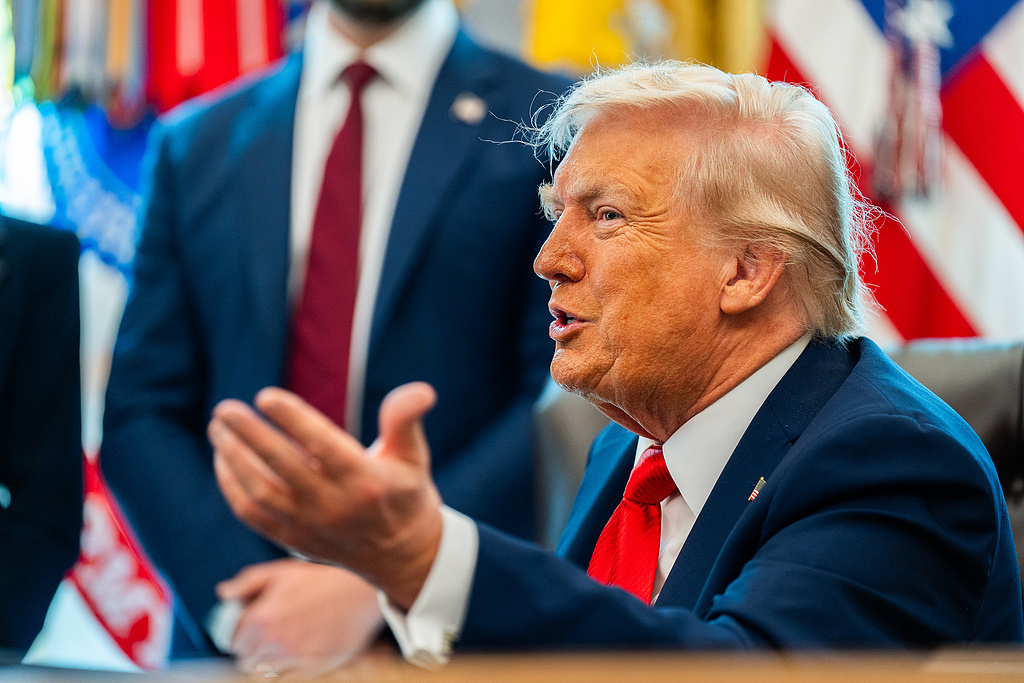
沙利文怎么也没想到,自己对中国规划的百年大计,全被美国给毁了
Sou Hu Cai Jing· 2025-08-31 00:10
Core Viewpoint - The sudden imposition of a 50% tariff by the U.S. on India, targeting its purchase of Russian oil, represents a significant miscalculation in trade policy, leading to a profound shift in global geopolitical dynamics [1][10]. Group 1: U.S.-India Relations - The tariff affects over 55% of India's exports to the U.S., particularly impacting labor-intensive industries such as textiles and jewelry, creating substantial economic pressure on India [3]. - Former U.S. National Security Advisor Sullivan criticized the tariff as a "massive trade offensive," undermining years of U.S. efforts to align India against China, and warned that the U.S. is losing international trust [1][5]. Group 2: India's Response - Indian Prime Minister Modi has not backed down, rejecting multiple calls from President Trump and focusing on a significant diplomatic tour in Asia, including visits to China and Japan, signaling India's strategic positioning in a complex geopolitical landscape [2][6]. - India's Ministry of External Affairs firmly rejected U.S. accusations as baseless and emphasized the commitment to protect national interests and economic security [2]. Group 3: Global Implications - The tariff's ripple effects extend beyond U.S.-India relations, as it raises doubts about U.S. economic policy stability among other Southeast Asian nations facing similar tariffs, prompting them to consider China as a more reliable partner [5][9]. - The situation may accelerate India's collaboration with Russia, China, and Gulf nations in energy and currency settlements, promoting "de-dollarization" and regional financial cooperation [9]. Group 4: Strategic Autonomy - India’s pursuit of "strategic autonomy" is evident as it seeks to avoid reliance on any single power, with Modi's participation in the Shanghai Cooperation Organization summit highlighting India's intent to deepen ties with regional powers [6][8]. - The Indian Foreign Minister openly questioned U.S. leadership, advocating for a fair and representative world order, aligning with India's longstanding diplomatic principles [8]. Group 5: Conclusion - The U.S.'s abrupt tariff increase is not only a trade blunder but also a strategic misstep that could lead to a loss of allies and a reconfiguration of global power dynamics, with India seeking greater independence and China potentially benefiting from the situation [10].
特朗普对多国征收关税被裁定违法
中国基金报· 2025-08-30 02:49
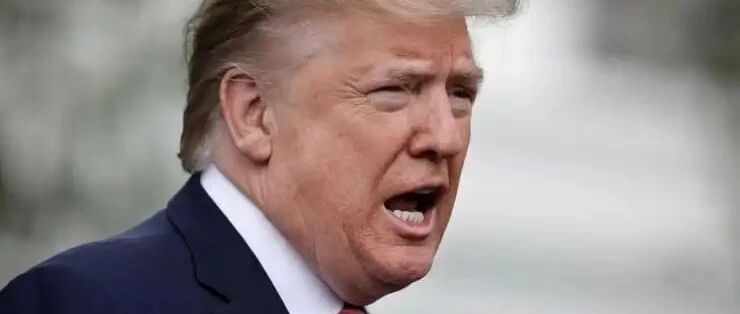
Core Viewpoint - The U.S. Court of Appeals ruled that most of the global tariff policies implemented by President Trump are illegal, stating that the International Emergency Economic Powers Act does not grant the president the authority to impose these tariffs [2][4]. Group 1: Court Ruling - The Federal Circuit Court upheld a previous lower court ruling with a 7-4 vote, indicating that the law Trump cited does not authorize him to impose most tariffs [4]. - The court's decision allows the tariffs to remain in effect until October 14, giving the Trump administration time to appeal to the Supreme Court [5]. Group 2: Implications for Trade Policy - The ruling is seen as a significant blow to Trump's aggressive trade policies, as it challenges the legality of tariffs imposed without congressional approval [6]. - Trump criticized the court's decision on social media, asserting that all tariffs remain effective and warning of disastrous consequences if they are removed [3][6].
2024年,青岛与上合组织其他国家进出口额达1283.6亿元
Sou Hu Cai Jing· 2025-08-29 16:39
Core Points - Qingdao has significantly increased its trade with other Shanghai Cooperation Organization (SCO) countries, with an import and export volume of 128.36 billion yuan in 2024, which is 3.6 times that of 2018, and a year-on-year growth of 27% in the first half of the year [3] - The city has established a comprehensive mechanism for the SCO demonstration zone, implementing over 120 supporting measures to ensure effective policy application and resource allocation [3][4] - Qingdao is enhancing its transportation connectivity and trade development, with over 8,000 enterprises engaged in trade with SCO countries and a focus on building a second-hand car export base [4][5] Trade and Economic Cooperation - Qingdao has launched 32 international and domestic rail routes, connecting to 23 countries and 54 cities involved in the Belt and Road Initiative [4] - The city has introduced over 130 policy measures to prioritize key project construction and resource allocation towards the SCO demonstration zone [3][4] - The establishment of a dual investment cooperation center is underway, with significant investments from major companies in SCO countries [4][5] Cultural and Tourism Development - Qingdao is positioning itself as a cultural and tourism hub, hosting various SCO-related cultural events and meetings to enhance cooperation in tourism and culture [6][7] - The city has opened new international flight routes and increased domestic and international travel options to attract tourists from SCO countries [7][8] - Initiatives such as the "SCO Youth Encounter Qingdao" program and the establishment of a comprehensive service platform for inbound tourists are being implemented to enhance the visitor experience [7][8] Innovation and Infrastructure - Qingdao is focusing on creating an innovative system for trade and investment, with plans to introduce 1-2 innovative cases annually [5][6] - The city has launched 125 innovation cases across various sectors, including cross-border infrastructure and international cooperation [5][6] - Legal services and international cooperation platforms are being strengthened to support the SCO's economic and cultural initiatives [6][9]
格林大华期货:美联储政策路径分歧 黄金多头保持谨慎乐观
Jin Tou Wang· 2025-08-29 06:02
Group 1: Macroeconomic Developments - The Chinese Ministry of Commerce's delegation, led by Li Chenggang, visited Canada from August 24 to 27 to co-chair the 28th China-Canada Economic and Trade Joint Committee, aiming to enhance bilateral economic relations [1] - The EU Commission proposed two legislative measures to implement the joint statement on tariffs with the US, which includes the reduction of tariffs on EU automotive products and the elimination of certain tariffs on US industrial goods [2] Group 2: Market Insights - Non-farm employment data has contradicted the Federal Reserve's assertion of a strong job market, significantly increasing expectations for a rate cut in September [2] - The market is currently betting on a 25 basis point rate cut in September, despite the core CPI reaching a new high since February, which has reduced the probability of a 50 basis point cut [2] - Factors such as a likely rate cut cycle by the Federal Reserve, easing global trade tensions, and continued central bank gold purchases are expected to support gold prices [2] - The dismissal of Federal Reserve Governor Cook by Trump has raised concerns about the Fed's independence, contributing to increased investor risk aversion and supporting gold price increases [2]
外媒爆料:巴西正考虑对美国实施报复性贸易措施,卢拉已批准开展研究
Huan Qiu Wang· 2025-08-29 02:07
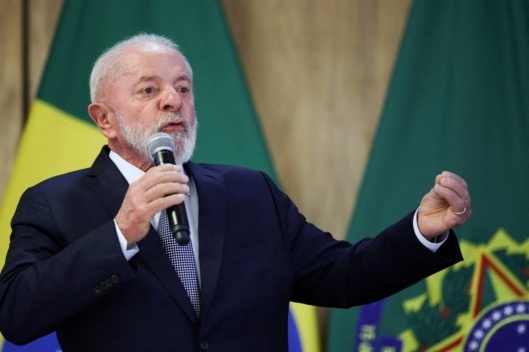
Core Viewpoint - Brazil is considering retaliatory trade measures in response to the 50% tariffs imposed by the U.S. on several Brazilian goods, as announced by President Trump [1][3]. Group 1: Government Response - Brazilian President Lula has approved a study to evaluate whether and what retaliatory measures Brazil can take against the U.S. tariffs [3]. - Lula has criticized the U.S. for lacking seriousness in its relations with Brazil, stating that the tariffs harm both Brazilian exporters and American consumers [3]. Group 2: Tariff Implementation - The U.S. government's policy of imposing an additional 50% tariff on certain Brazilian products officially took effect on the 6th of this month [3].
发动关税战,美国赢麻了?美财长:每年关税收入会超过5000亿美元
Sou Hu Cai Jing· 2025-08-28 06:46
Group 1 - The core viewpoint of the articles indicates that the U.S. has initiated a tariff war against its trade partners, presenting it as a measure of "reciprocal tariffs," which is misleading as the tariffs are unilaterally imposed without considering specific products or industries [1][3] - The U.S. government is optimistic about the potential increase in tariff revenue, with Treasury Secretary Bessent claiming annual tariff income could exceed $500 billion, reflecting a significant rise in customs revenue in July and August [3][6] - The tariff war is perceived as a double-edged sword, potentially boosting short-term fiscal revenue while risking long-term damage to global supply chains and consumer interests in the U.S. [1][3] Group 2 - The U.S. has been conflating tariffs with regular taxes, misleading consumers into believing that the burden of tariffs falls on foreign sellers, while in reality, importers bear the cost, leading to higher prices for American consumers [4][6] - Trade partners such as Japan, South Korea, and the EU have committed to increasing investments in the U.S. as a response to the tariff war, with notable orders for large products like aircraft, indicating a complex interplay between tariffs and international trade relations [6][7] - The increase in tariff revenue is primarily attributed to strong domestic consumption and the transfer of import costs to consumers, rather than direct financial contributions from foreign countries, suggesting that the proclaimed successes of the tariff war may be overstated [7]
沉默只会让恶霸大胆,莫迪访华前,中国大使通告全球:力挺印度对美强硬,特朗普坐不住了
Sou Hu Cai Jing· 2025-08-28 05:29
Core Viewpoint - The Chinese ambassador to India, Xu Feihong, publicly criticized the U.S. for imposing a 50% tariff on India, framing it as a geopolitical maneuver and expressing China's support for India in the face of U.S. pressure [1][3][7] Group 1: U.S. Tariff Impact - The U.S. tariff is not only an economic blow to India but also a blatant act of geopolitical suppression [3] - India has been caught between U.S. pressure and the desire to maintain relations with China, leading to a precarious diplomatic situation [4] - The recent U.S. tariffs have prompted India to reassess its foreign policy, moving towards a more balanced approach between the U.S. and China [4][6] Group 2: China-India Relations - China's support for India is seen as a significant diplomatic shift, with the ambassador's remarks providing a platform for India to stand firm against U.S. pressure [3][7] - The upcoming visit of Indian Prime Minister Modi to China for the SCO summit marks a new phase in China-India relations, indicating a thaw in previously strained ties [6] - China's commitment to supply critical resources to India, such as fertilizers and rare earths, underscores the importance of this partnership for India's economic stability [6] Group 3: Geopolitical Dynamics - The Chinese stance serves as a warning to the U.S. about the consequences of its bullying tactics, emphasizing the need for unity among nations facing similar pressures [7][9] - The support from China provides India with leverage in international negotiations, enhancing its bargaining power against the U.S. [9] - The U.S. response to China's support for India has been to escalate pressure, indicating a potential for increased tensions in the region [10]