啤酒

Search documents
80后最爱喝的啤酒,要破产了?
创业家· 2026-01-19 10:29
Core Viewpoint - Shandong Taishan Brewery Co., Ltd. has entered bankruptcy reorganization due to heavy historical debt burdens, not product or market issues, aiming to refocus on production and consumer service [5][7][14]. Group 1: Bankruptcy Reorganization - The court has accepted the bankruptcy reorganization application for Taishan Brewery, with total assets of approximately 622 million and total liabilities of about 663 million, resulting in a debt-to-asset ratio of 106.63% [7][9]. - The reorganization process will provide a "protection period" for the company, allowing it to avoid asset seizures and maintain basic operations while developing a debt repayment and business restructuring plan [9][19]. - This reorganization is seen as a strategic choice to address long-term financial risks and is crucial for the brand's survival and industry transformation [9][19]. Group 2: Company History and Market Position - Founded in 1952, Taishan Brewery became a popular local brand, modernizing in the 1990s and maintaining a strong market presence in Shandong [11][12]. - The company successfully pivoted to high-end fresh beer with the launch of Taishan Raw Beer in 2013, emphasizing freshness and quality, which resonated with evolving consumer preferences [12][14]. - Despite challenges, Taishan Brewery's core assets, including brand recognition and loyal customer base, remain strong, indicating potential for recovery post-reorganization [14][19]. Group 3: Industry Context and Transformation Strategies - The Chinese beer industry is undergoing significant transformation, with traditional brands facing pressure from market saturation and changing consumer preferences [16][18]. - Taishan Brewery's shift to high-end products and direct-to-consumer sales models serves as a potential blueprint for other regional breweries seeking to adapt [18][19]. - The modernization of supply chain capabilities and organizational structures is essential for traditional breweries to thrive in a competitive landscape [18][19].

对赌失败叠加母公司拖累,泰山啤酒进入破产重整
Xi Niu Cai Jing· 2026-01-19 09:15
Core Viewpoint - Taishan Beer, known for its innovative "7-day raw beer," is undergoing bankruptcy reorganization, marking a critical juncture in its operations and future prospects [2][3]. Financial Situation - As of October 31, 2025, Taishan Beer reported total audited assets of approximately 622 million yuan, while total liabilities reached about 663 million yuan, resulting in a debt-to-asset ratio of 106.63%, indicating insolvency [3]. - The company acknowledges that its current predicament stems from a "heavy debt burden" accumulated over time, rather than issues related to its products or market [3]. Causes of Debt Crisis - The debt crisis is attributed to multiple pressures, including significant investments in capacity expansion projects like the Foshan factory, which consumed substantial liquidity [3]. - The parent company, Hucai Group, is also facing operational difficulties and entered bankruptcy reorganization in June 2025, exacerbating Taishan Beer's financial troubles [3]. Impact of IPO Plans - Taishan Beer had previously entered into a betting agreement with external investors, promising to complete an IPO by June 30, 2024. The failure to advance this plan has intensified financial pressures [4]. - The lack of clear progress on the IPO since 2023 has led to increased buyback obligations for Hucai Group, contributing to the financial strain [4]. Business Operations - Despite the bankruptcy proceedings, Taishan Beer maintains that production and operations will continue as usual, viewing the reorganization as a necessary step for long-term development [3]. - The company reported stable revenue of 501 million yuan in 2024 and a sales volume of 80,000 tons in 2025, indicating ongoing operational activity [4]. Market Position and Future Outlook - The court's decision to accept the reorganization application reflects the perceived "recovery value" of Taishan Beer, which has established a strong brand presence and a unique direct sales model [4]. - Analysts suggest that the outcome of the reorganization will serve as a case study on how traditional companies balance capital expansion with stable operations, with the potential for new investors to help alleviate historical burdens [5].
林里柠檬茶获融资;东鹏饮料通过港交所聆讯;费列罗任命新董事长
Sou Hu Cai Jing· 2026-01-19 07:42
Investment Dynamics - Beijing Ruifen Biotechnology Co., Ltd. has completed a C round financing of over 1 billion yuan, led by Xingxiang Capital, with Ruipeng Xiangyu Fund participating. The funds will be used to promote commercialization and new capacity construction, accelerating R&D innovation and market expansion in both human and animal health platforms [3]. - The lemon tea brand "Linlee" has completed a tens of millions A round financing, with Qianhai Ark Fund as the sole investor. The funds will primarily be used for brand building, supply chain upgrades, and organizational improvements. Linlee has over 1,900 stores across 31 provinces and over 200 cities, targeting a GMV of 2.7 billion yuan by 2025 [6]. - Unilever Ventures has invested in two Indian beauty brands, Secret Alchemist and SkinInspired, to increase its presence in the Indian market. SkinInspired is a high-end skincare brand, while Secret Alchemist is a pioneer in pure perfume in India [8]. Listing Dynamics - Dongpeng Beverage Group has passed the listing hearing on the Hong Kong Stock Exchange, with Huatai International, Morgan Stanley, and UBS as joint sponsors. The company aims for a target transaction scale of approximately 1 billion USD, with plans to start pre-listing promotions soon [9][10]. - Dongpeng Beverage is recognized as China's leading functional beverage company, with the highest revenue growth among the top 20 listed soft drink companies globally [10]. Brand Dynamics - Xibei Catering will close 102 stores nationwide, accounting for 30% of its total stores. This decision follows a significant external crisis related to pre-made dishes, leading to a 50% year-on-year decline in store revenue [12]. - Condé Nast's fashion magazine "GQ" is set to return with a new account, GQStudio, indicating a revival of the brand after previous collaborations fell through [14]. Personnel Dynamics - Achilles Ion Gabriel will step down as the creative director of Camper and CamperLab after over six years. The internal creative team will take over the creative direction following his departure [16]. - Ferrero Group has appointed Massimo Micieli as the new chairman, marking a transition period for the family-controlled global candy giant [19]. - Mondelez has appointed Claudio Parrotta as the executive vice president and global chief supply chain officer, responsible for managing a complex global supply chain [22]. - Heineken's CEO Dolf van den Brink will resign on May 31, 2026, after over 28 years with the company, with a search for a new CEO already underway [25].


3亿分红引爆争议!金星精酿冲港,上市之路有坎坷
Sou Hu Cai Jing· 2026-01-19 06:52
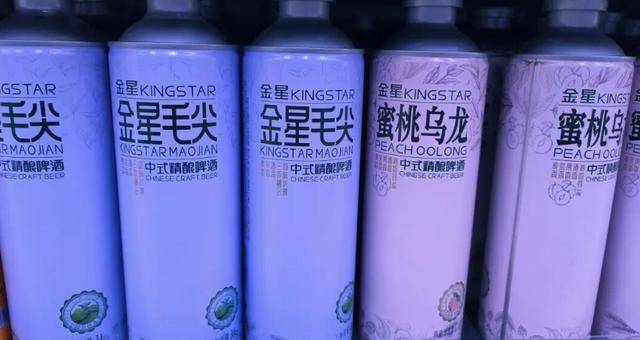
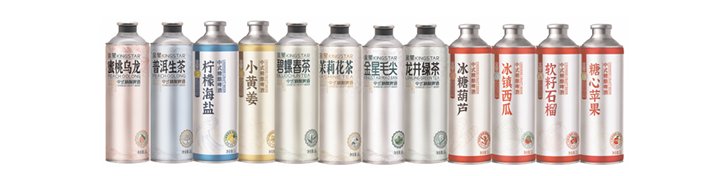
Core Viewpoint - Jin Xing Brewery, a long-established beer manufacturer in Henan, is making a significant push to become the first Chinese craft beer stock listed on the Hong Kong Stock Exchange, with a remarkable 24-fold increase in net profit over two years, but faces challenges such as a large dividend payout and family control issues before its IPO [1][3]. Company Overview - Jin Xing Brewery was established in 1982 and has been operating under its current name since 1985, focusing primarily on the Henan region for decades [3]. - The company has faced multiple failed attempts to go public, including issues with foreign partnerships and ownership structure, but aims to officially file for an IPO in January 2026 [3]. Product Innovation - A turning point for Jin Xing came in August 2024 with the launch of its first craft beer, "Xinyang Maojian," which incorporates tea into the brewing process, achieving significant sales success shortly after its release [5]. - The company has rapidly introduced new flavors, such as jasmine tea and sugar-coated hawthorn, with an average release cycle of two months, significantly faster than the industry standard of six months [5]. Financial Practices and Concerns - The company announced two rounds of dividends totaling 229 million yuan, which represents 182.6% of its net profit for 2024, raising questions about the rationale behind such a high payout [8]. - The ownership structure is heavily concentrated, with the founding family controlling over 90% of the shares, which may lead to governance issues post-IPO [10]. Employee Welfare Issues - Despite strong financial performance, the company has failed to pay social insurance and housing funds for some employees, totaling over 21.9 million yuan, which could raise concerns about employee rights and corporate governance [10]. Market Dynamics - The craft beer market in China is rapidly growing, with revenues expected to rise from 12.5 billion yuan in 2019 to 63.2 billion yuan by 2024, reflecting a compound annual growth rate of 38.4% [15]. - The market is becoming increasingly competitive, with major players like China Resources and Budweiser entering the craft beer segment, leading to a proliferation of similar products [17]. Competitive Challenges - The craft beer segment has low entry barriers, resulting in high product homogeneity and short product life cycles, which could impact Jin Xing's market position [17]. - The beer industry is characterized by high concentration, with leading companies exerting pressure on smaller brands, posing challenges for Jin Xing as it seeks to expand beyond its established market [19]. - The company's reliance on craft beer, which accounted for over 70% of its revenue in the first three quarters of 2025, raises concerns about potential revenue impacts if market interest wanes [19].
国常会研究促消费举措,食品饮料ETF天弘(159736)盘中翻红,机构:食品饮料板块的复苏信号正逐步显现
2 1 Shi Ji Jing Ji Bao Dao· 2026-01-19 03:22
Group 1 - The core viewpoint of the articles highlights the positive performance of the food and beverage sector, with the CSI Food and Beverage Index rising by 0.36% as of January 19, driven by significant gains in stocks such as Quan Yang Quan and Andeli [1] - The Tianhong Food and Beverage ETF (159736) has shown a slight premium of 0.09% and has a circulating scale of 5.403 billion yuan, indicating investor interest in the sector [1] - The Ministry of Commerce emphasized the importance of promoting healthy consumption, focusing on improving supply quality and market potential, which aligns with the growth strategies of the food and beverage industry [1] Group 2 - The State Council's meeting on January 16 discussed measures to boost consumption, including the establishment of a long-term mechanism and the removal of unreasonable restrictions in the consumption sector [2] - Industry analysts predict a structural differentiation and weak recovery in the food and beverage sector by 2026, with the soft drink industry continuing to show high prosperity [2] - The food and beverage sector is showing signs of recovery after a prolonged adjustment period, with the restaurant industry rebounding and the core liquor segment stabilizing, indicating potential investment opportunities [2]
燕京啤酒涨2.04%,成交额6559.44万元,主力资金净流入822.35万元
Xin Lang Cai Jing· 2026-01-19 02:52
Core Viewpoint - Yanjing Beer has shown a stable stock performance with a slight increase in share price and positive financial growth indicators, indicating potential investment opportunities in the beverage sector [1][2]. Group 1: Stock Performance - On January 19, Yanjing Beer’s stock price increased by 2.04%, reaching 12.02 CNY per share, with a trading volume of 65.59 million CNY and a turnover rate of 0.22%, resulting in a total market capitalization of 33.879 billion CNY [1]. - Year-to-date, Yanjing Beer’s stock has risen by 7.03%, with a slight decline of 0.41% over the last five trading days, no change over the last 20 days, and a 2.47% increase over the last 60 days [1]. Group 2: Financial Performance - For the period from January to September 2025, Yanjing Beer reported a revenue of 13.433 billion CNY, reflecting a year-on-year growth of 4.57%, and a net profit attributable to shareholders of 1.770 billion CNY, which is a significant increase of 37.45% year-on-year [2]. - The company has distributed a total of 4.791 billion CNY in dividends since its A-share listing, with 1.325 billion CNY distributed over the past three years [3]. Group 3: Shareholder Structure - As of January 9, 2025, Yanjing Beer had 45,800 shareholders, a decrease of 16.65% from the previous period, with an average of 54,834 circulating shares per shareholder, which is an increase of 19.97% [2]. - The second-largest circulating shareholder is Hong Kong Central Clearing Limited, holding 74.5763 million shares, a decrease of 21.0157 million shares from the previous period [3].

金星啤酒冲刺中式精酿第一股:高增长VS依赖症,“单腿狂奔”能走多久?
Zhi Tong Cai Jing· 2026-01-19 02:31
Core Insights - The Chinese craft beer market is experiencing significant growth, with retail sales expected to rise from 12.5 billion yuan in 2019 to 63.2 billion yuan by 2024, representing a compound annual growth rate (CAGR) of 38.4% [1] - The market is projected to continue expanding rapidly, with an estimated CAGR of 23.6% from 2024 to 2029, potentially reaching 182.1 billion yuan by 2029 [1] Industry Overview - The Chinese beer market is categorized into industrial and craft beer, with craft beer facing broader growth opportunities [1] - The overall beer consumption in China has been declining since peaking in 2013, leading to a focus on high-end, quality, and diverse products [3] - Craft beer has become one of the fastest-growing segments in the beverage alcohol category, with a market size CAGR exceeding 30% in recent years [3] Company Performance - Jinxing Beer has positioned itself as a leader in the craft beer segment by focusing on "Chinese craft beer," utilizing unique ingredients like tea, local fruits, and traditional medicinal foods [3] - The company has seen explosive growth in revenue and net profit, with revenues of 356 million yuan, 730 million yuan (105% YoY growth), and 1.11 billion yuan (191% YoY growth) from 2023 to the first three quarters of 2025 [4] - Net profits for the same period were 12 million yuan, 125 million yuan (941% YoY growth), and 305 million yuan (144% YoY growth) [4] Product Innovation - Jinxing Beer has developed a diverse product matrix with 166 SKUs, including 50 craft beer SKUs that contributed 78.1% of revenue in the first nine months of 2025 [3] - The company's focus on product differentiation has led to higher gross margins, with gross margins of 27.3%, 37.8%, and 47% for 2023, 2024, and the first nine months of 2025, respectively [5] Competitive Landscape - Despite its growth, Jinxing Beer faces significant competition in the craft beer market, with traditional beer giants and new entrants adopting low-price strategies [6] - The company ranks fifth in the craft beer industry by retail sales in 2024 and is the third-largest craft beer company as of the first nine months of 2025 [6] Risks and Challenges - Jinxing Beer heavily relies on its craft beer segment, with nearly 80% of its revenue coming from this category, which poses risks if market interest wanes or competition intensifies [7] - The company's growth and risk management are closely tied to the performance of its craft beer products, highlighting the need for diversification to mitigate potential downturns [7]
食品饮料月月谈-如何展望春节旺季备货
2026-01-19 02:29
Summary of Key Points from Conference Call Records Industry Overview - **Industry**: Baijiu (Chinese liquor) and Soft Drinks - **Key Insights**: The Baijiu industry is nearing a bottom in terms of valuation, expectations, and holdings, with a potential turning point expected in Q3 2026. The soft drink market is showing strong performance from leading companies, with expectations for revenue growth above the industry average in 2026 [1][9]. Baijiu Industry Insights - **Market Dynamics**: The overall sentiment for Baijiu sales during the Spring Festival is cautious, with expectations of a year-on-year decline potentially reaching double digits. However, Moutai's significant price reduction may stimulate sales during low-frequency consumption scenarios [2][8]. - **Company Strategies**: - **Moutai**: Plans to stabilize overall product supply while adjusting the product mix to increase the availability of premium Moutai and 500ml Flying Moutai. This strategic shift is expected to have a profound impact on pricing and growth logic [4]. - **Luzhou Laojiao**: Focuses on maintaining stable apparent prices and ensuring stability in pricing, channels, and organizational structure to provide growth momentum during the recovery phase [5]. - **Investment Recommendations**: Companies such as Moutai, Fenjiu, and local brands like Gujing Gongjiu are recommended for their market share logic, while Wuliangye and Luzhou Laojiao are noted for their dividend security [1][8]. Soft Drink Market Insights - **Market Performance**: Leading companies in the soft drink sector are expected to maintain revenue growth above the industry average in 2026. Notable performers include Nongfu Spring and Dongpeng Special Drink, while Master Kong and Uni-President are seen as stable defensive investments [9][10]. - **Current Trends**: The market is experiencing significant competition, but leading companies are expected to leverage their channel and product advantages to maintain robust performance [9]. Tea Beverage Market - **Key Players**: Companies like Guming and Shanghai Auntie are rapidly expanding, with Guming planning to promote breakfast scenarios and Shanghai Auntie introducing coffee and health products. Both companies express confidence in same-store sales for 2026 [11]. Dairy Industry Insights - **Market Condition**: The dairy sector is currently experiencing weak demand but is expected to see a recovery in 2026. Companies like Yili, Mengniu, and New Dairy are recommended due to their stable fundamentals and growth potential [3][12][13]. Frozen Food Industry Insights - **Market Outlook**: The frozen food sector is showing positive prospects for 2026, with strong winter stocking and improved confidence among distributors. Companies like Anjijia, Qianwei Yangchun, and Sanquan Foods are optimistic about their outlook [14][15]. Seasonality and Consumer Behavior - **Consumer Trends**: The upcoming Spring Festival is expected to influence consumer behavior significantly, with increased stocking efforts noted across various sectors, including snacks and frozen foods. Companies are adjusting their strategies to meet this seasonal demand [17][18]. Recommendations for Investment - **Baijiu**: Focus on companies with strong market share logic and dividend security, such as Moutai and Luzhou Laojiao [8]. - **Soft Drinks**: Invest in leading brands like Nongfu Spring and Dongpeng, which are expected to outperform the market [9][10]. - **Dairy and Frozen Foods**: Look for opportunities in Yili, Mengniu, and Anjijia, which are positioned for growth in the recovering market [12][14]. Conclusion - The Baijiu industry is at a critical juncture, with potential for recovery in 2026, while the soft drink and dairy sectors are showing resilience and growth potential. Investors are advised to focus on companies with strong fundamentals and strategic positioning to capitalize on upcoming market opportunities [6][9][12].





新股前瞻|金星啤酒冲刺中式精酿第一股:高增长VS依赖症,“单腿狂奔”能走多久?
智通财经网· 2026-01-19 02:12
Core Insights - The Chinese craft beer market is experiencing significant growth, with retail sales expected to rise from 12.5 billion yuan in 2019 to 63.2 billion yuan by 2024, reflecting a compound annual growth rate (CAGR) of 38.4% [1] - The market is projected to continue expanding rapidly, with an estimated CAGR of 23.6% from 2024 to 2029, potentially reaching 182.1 billion yuan by 2029 [1] Industry Overview - The Chinese beer market is categorized into industrial and craft beer, with craft beer facing broader growth opportunities [1] - The overall beer consumption in China has been declining since peaking in 2013, leading to a focus on high-end, quality, and diverse products [3] - Craft beer has become one of the fastest-growing segments in the beverage alcohol category, with a market size CAGR exceeding 30% in recent years [3] Company Performance - Jinxing Beer has positioned itself as a leader in the craft beer segment by focusing on "Chinese craft beer," utilizing unique ingredients like tea, local fruits, and traditional medicinal foods [3] - The company has seen rapid growth, ranking as the fastest-growing among the top five craft beer companies in China from 2022 to 2024 [3] - Jinxing Beer reported revenues of 356 million yuan, 730 million yuan (105% YoY growth), and 1.11 billion yuan (191% YoY growth) for the years 2023 to 2025 [4] - Net profits for the same period were 12 million yuan, 125 million yuan (941% YoY growth), and 305 million yuan (144% YoY growth) [4] Financial Metrics - The gross margin for Jinxing Beer has improved significantly, with rates of 27.3%, 37.8%, and 47% for the years 2023, 2024, and the first nine months of 2025, respectively [5] - The net profit margin has also increased, reaching 3.4%, 17.2%, and 27.5% for the same periods [5] Competitive Landscape - Despite its growth, Jinxing Beer faces competition from traditional beer giants and new entrants in the craft beer market, which could pressure its market position [6][7] - The company relies heavily on its craft beer segment, with nearly 80% of its revenue coming from this category, raising concerns about its long-term growth stability [7] - The competitive landscape is characterized by a fragmented market, with established players beginning to enter the craft beer space [6]
水井坊还没说卖,上门考察的来了|观酒周报
2 1 Shi Ji Jing Ji Bao Dao· 2026-01-19 00:36
Core Viewpoint - The recent visit of the Sichuan Liquor Group to Shui Jing Fang has sparked speculation about a potential sale of the company, especially following reports that Diageo is exploring the sale of its Chinese assets [5][11]. Group 1: Company Developments - The Sichuan Liquor Group, led by its chairman and general manager, visited Shui Jing Fang's production base in Qionglai to learn about its advanced practices in safety management and intelligent production [6][7]. - Shui Jing Fang's Qionglai base is a significant project in the Chengdu production area, with a total investment exceeding 6.8 billion yuan, expected to achieve an annual output value of 5 billion yuan and sales revenue of over 5.5 billion yuan once fully operational [7]. Group 2: Market Context - The speculation around Diageo's potential sale of Shui Jing Fang has been ongoing since last year, with the company denying such intentions despite market rumors [5][9]. - The Sichuan Liquor Group, established in 2017, has a different market positioning compared to Shui Jing Fang, focusing more on raw liquor supply and lacking high-end brands [8][10]. Group 3: Strategic Implications - There is a strong business complementarity between Sichuan Liquor Group and Shui Jing Fang, with the former having state-owned backing and the latter possessing a strong brand and profitability [10][12]. - The potential acquisition of Shui Jing Fang by Sichuan Liquor Group could align with government policies aimed at consolidating the liquor industry in Sichuan [12][13]. Group 4: Financial Considerations - As of January 16, Shui Jing Fang's market value is approximately 19.5 billion yuan, making a potential acquisition financially challenging for Sichuan Liquor Group, which has only 1.77 billion yuan in cash [13]. - The possibility of a joint investment from provincial funds or banks may be necessary for Sichuan Liquor Group to bridge the financial gap for an acquisition [13][14].