
支付

Search documents
CoGoLinks结行国际首拿阿联酋支付牌照,支付行业“出海”寻找新增长极
Hua Xia Shi Bao· 2025-09-22 12:42
Core Viewpoint - Domestic licensed payment institutions are increasingly expanding into overseas markets as the domestic payment market approaches saturation and new license issuance has no growth space [2] Group 1: Overseas License Acquisition - CoGoLinks has become the first Chinese cross-border payment platform to obtain a formal payment license in the UAE, allowing it to operate payment accounts, process transactions, and issue payment tools [2] - Other payment institutions, such as AirCloud and Newland, have also announced recent overseas license acquisitions, with over 10 licenses obtained across various countries including Singapore, Indonesia, and the USA [2][5] - The competition in the cross-border payment market is intensifying as domestic payment market growth slows and regulations tighten, making overseas expansion a core strategy for leading companies [2][5] Group 2: Market Potential in UAE - The UAE is a vibrant economic hub in the Middle East, with its e-commerce market expected to grow from 32.3 billion AED (approximately 8.8 billion USD) in 2022 to over 50.6 billion AED (approximately 13.8 billion USD) by 2029, reflecting a compound annual growth rate of 56% [4] - The UAE's strategic position as a "Belt and Road" hub and its free trade zone policies attract foreign enterprises, further driving the demand for cross-border payment services [4] Group 3: Challenges in Overseas Expansion - The process of applying for payment licenses in different countries is complex due to varying regulations and financial environments, posing significant uncertainties for payment platforms [3] - Companies face challenges such as compliance risks, competition from established players, and the need to adapt to local payment habits and regulations [7][8] Group 4: Policy Support and Market Trends - Recent favorable policies, including guidelines for cross-border data flow and support for cross-border RMB operations, are expected to benefit the cross-border payment industry [6][7] - The growth of China's cross-border e-commerce, with an import and export scale of 1.32 trillion CNY (approximately 1.32 trillion RMB) in the first half of 2025, presents significant opportunities for payment enterprises [6]

F-35居然能远程锁死,从战机到全球支付,断供黑手已伸向金融命脉
Sou Hu Cai Jing· 2025-09-22 02:25
Group 1 - The U.S.-led global payment system is evolving into an "invisible financial weapon," forcing countries to choose sides in a new economic confrontation [3][5] - The rapid disconnection of Visa and MasterCard from Russia during the Ukraine conflict highlighted the potential for the U.S. to use financial infrastructure as a geopolitical tool [5][6] - Countries are increasingly aware of the risks associated with reliance on U.S. payment platforms, prompting a search for alternative payment solutions [8][9] Group 2 - Europe is leading the charge to develop an independent pan-European payment standard to ensure regional trade is not subject to external interference [8][9] - Asian countries are innovating in financial technology, utilizing blockchain and digital currencies to create efficient cross-border payment solutions, such as India's UPI international version [8][9] - A global restructuring of payment sovereignty is underway, with nations striving to build a more diverse and balanced international payment ecosystem [9] Group 3 - The F-35 fighter jet exemplifies the risks of dependency on U.S. technology, as its operational control remains largely with American companies, raising concerns about potential supply chain disruptions [10] - Trump's pressure on the Federal Reserve has undermined the perceived independence of the U.S. central bank, leading to a global shift towards "de-dollarization" as countries seek to enhance their financial autonomy [11][14] - In response to U.S. control in financial, military, and monetary policies, countries are actively working to diminish U.S. dominance through technological innovation and cooperation [14]


金融反诈宣传如何有趣又有料?
Jin Rong Shi Bao· 2025-09-22 01:55
"同学们好呀!我是人见人爱的反诈'闪电侠',我的CPU里装满了反诈秘籍,骗子见我都得喊'拔电 源'。"9月19日,深圳大学丽湖校区文汇礼堂内,一个活泼的机器人刚一登场,就用俏皮话点燃了全场 气氛。当天,"青年反诈在行动—反诈宣传进校园"高校联合宣讲活动在此举行,这场融合科技感、趣味 性与教育性的反诈盛宴,让在校大学生沉浸式上了一堂"走新"更"走心"的必修课。 除了机器人的精彩互动,多元节目轮番登场。招商银行深圳分行带来的反诈主题情景剧《反诈神医 坐诊:怕被骗,先挂号!》真实再现拦截劝阻案例,"神医"开出的防骗"药方"让观众恍然大悟;财付通 支付科技有限公司的乐队表演《天下无诈》一边嗨爆全场,一边传授反诈大招,将现场氛围推向高潮。 在活动中,2025年深圳市金融行业反诈短视频大赛优秀作品集锦精彩展播。前期,由中国人民银行 深圳市分行、深圳市打击治理电信网络诈骗工作协调机制办公室组织的2025年深圳市金融行业反诈短视 频大赛,共收到31家金融机构报送的49部高质量作品。其中,《双重代价》《反骗联盟,招招制胜》 《"荔"志反诈》等12部优秀作品脱颖而出,其集锦在现场精彩展播,充分展现了深圳金融业在反诈宣传 中的创意 ...
Is Block the Smartest Investment You Can Make Today?
The Motley Fool· 2025-09-21 10:00
Core Viewpoint - Block, formerly known as Square, has seen its shares decline over 70% from their peak, despite being a significant player in the financial services and payments industries [1][2]. Company Overview - Block is recognized for its user-friendly financial solutions, particularly through its Square segment for small merchants and Cash App for individual banking needs [4]. - The company has a strong customer base, with over 4 million merchants using Square and 57 million monthly active users on Cash App [5]. Growth Strategy - The growth strategy for both Square and Cash App focuses on acquiring new customers and encouraging existing customers to utilize more products and services, which increases revenue [6]. - Block's total addressable market is substantial, with $130 billion for Square and $75 billion for Cash App, while the company generated $9.4 billion in gross profit over the past year, indicating significant growth potential [7]. Market Sensitivity - The company’s performance is sensitive to macroeconomic conditions, as its target customers are more vulnerable to economic downturns [8]. Bitcoin Involvement - Block is increasingly focusing on Bitcoin, with the cryptocurrency contributing $81 million to gross profit in Q2 2024. The company has introduced features for Bitcoin transactions and holds 8,692 units of Bitcoin on its balance sheet [9][10][11]. - The CEO has emphasized the importance of Bitcoin, suggesting that its integration into Block's offerings will likely increase in the coming years [11]. Valuation - The stock is currently undervalued, trading at a forward price-to-earnings ratio of 20, making it an attractive option for investors looking for exposure to payments and Bitcoin [12].

F-35居然能远程锁死!从战机到全球支付,断供黑手已伸向金融命脉
Sou Hu Cai Jing· 2025-09-21 01:55
Group 1: Core Perspective - The U.S. payment system is perceived as a potential "financial weapon," leading countries to reconsider their reliance on it in a new global economic landscape [1][3][4] Group 2: U.S. Payment System Influence - U.S. payment companies like Visa and MasterCard hold a dominant position in the global payment landscape, which many countries have relied on for trade and cross-border transactions [3][4] - The abrupt suspension of services to Russia by Visa and MasterCard during the Ukraine conflict highlighted the controllable nature of the U.S. payment system, raising concerns about its use as a pressure tool [3][4] Group 3: Global Response and Alternatives - In response to the risks associated with U.S. payment systems, European countries are collaborating to create their own payment standards to reduce dependency [4][14] - Asian nations are also innovating in financial technology, with initiatives like India's UPI international version being implemented in neighboring countries to facilitate cross-border transactions [4] Group 4: Broader Implications - The concerns regarding the U.S. payment system are mirrored in the military domain, particularly with the F-35 fighter jet, where control over maintenance and support is heavily reliant on U.S. companies [6][9] - The erosion of the Federal Reserve's independence during Trump's presidency has led to a global trend of "de-dollarization," as countries seek to reduce their reliance on the U.S. dollar [11][12]
前8个月福建省汽车出口值增长超五成|首席资讯日报
首席商业评论· 2025-09-20 03:54
Group 1 - Fujian Province's automobile exports increased by 55.9% in the first eight months, reaching 13.53 billion yuan, with significant growth in both traditional and emerging markets [2] - Exports to the EU rose by 119.4% to 1.57 billion yuan, while exports to the Middle East and ASEAN increased by 94.8% and 25.6%, totaling 5.21 billion and 1.35 billion yuan respectively, accounting for 48.4% of total exports [2] Group 2 - Alipay's two operating entities have changed their names, with the Alipay app's name remaining unchanged [3] - The name change reflects a strategic shift within the company while maintaining brand recognition [3] Group 3 - Chasing released its first smartphone, Dreame Space, which has already secured over 100 million yuan in pre-orders in overseas markets [4] Group 4 - Xiaomi's OTA recall targets specific models of the SU7 standard version produced before August 30, 2025, aimed at enhancing the reliability of driving assistance features [5][11] - The recall process is being managed and recorded according to standard procedures, despite no physical parts needing replacement [5] Group 5 - The founder of Yunnan Yunhai Yao passed away, prompting a statement from the CEO about the pressures faced in the restaurant industry [6] - The company aims to honor the founder's vision and continue to develop the brand [6] Group 6 - Oriental Selection is hosting a live concert in Xinjiang, featuring various artists, marking a new breakthrough in cultural tourism livestreaming [6] Group 7 - The Beijing Film Association issued an apology for improper methods in member outreach, committing to improve member services and information accuracy [7] Group 8 - The launch of the iPhone 17 series saw long queues at Apple's flagship store, with a notable preference for the new orange color and traditional silver [8] - The presence of scalpers was less pronounced, indicating a more rational market response [9] Group 9 - Huawei Cloud introduced the Robot to Cloud (R2C) protocol, with 20 initial partners collaborating to develop integrated robotic solutions across various sectors [9] Group 10 - GE Healthcare China responded to rumors of selling its Chinese business, emphasizing its commitment to providing high-quality medical services in the market [10] Group 11 - Shenzhen released its first monthly report on functional unmanned vehicles, highlighting over 900,000 deliveries of fresh produce in August and a total operational mileage exceeding 230,000 kilometers [12]

汇付天下受邀出席第十四届中国支付清算论坛并发表主题演讲
Sou Hu Cai Jing· 2025-09-20 00:23
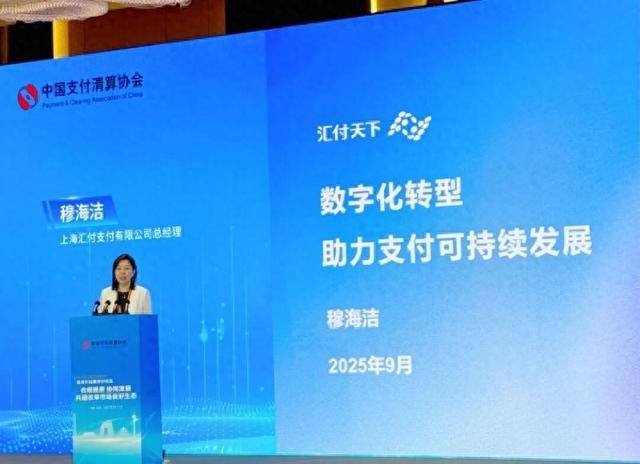
来源:陕西法制网 9月16-17日,由中国支付清算协会主办的第十四届中国支付清算论坛在北京召开。汇付作为中国支付清 算协会理事单位受邀出席,汇付天下总裁穆海洁发表了主题为"数字化转型助力支付可持续发展"的演讲 分享。 当前,支付行业正处于机遇与挑战并存的关键阶段,传统模式已难以适配数字时代的发展需求,技术进 步对产品架构、业务流程与客户体验带来重大革新,产业数字化催生了支付后市场的新需求,行业 SaaS 也从单纯的 "工具" 升级为 "数字生态" 的重要连接点。 面对这样的行业格局,穆海洁认为,"数字化" 与 "国际化" 是破局的核心路径。通过系统架构重塑、效 能体验提升、管理精细化与商业模式转型实现数字化突破,依托出海解决方案、全球资金结算及汇兑增 值服务拓展国际市场,以双轮驱动助力支付行业可持续发展。 汇付天下作为支付领域技术和产品的领军者,为企业提供全球收款、数据集成、资金管理等数字化解决 方案。 斗拱平台依托云原生技术架构,搭建起涵盖全栈支付处理、数据集成、运营服务与软件开发的综合性平 台,与数百家SaaS/软件公司建立生态连接,为品牌连锁、综合集团、互联网平台、跨境电商及出海企 业高效定制场景化解决 ...
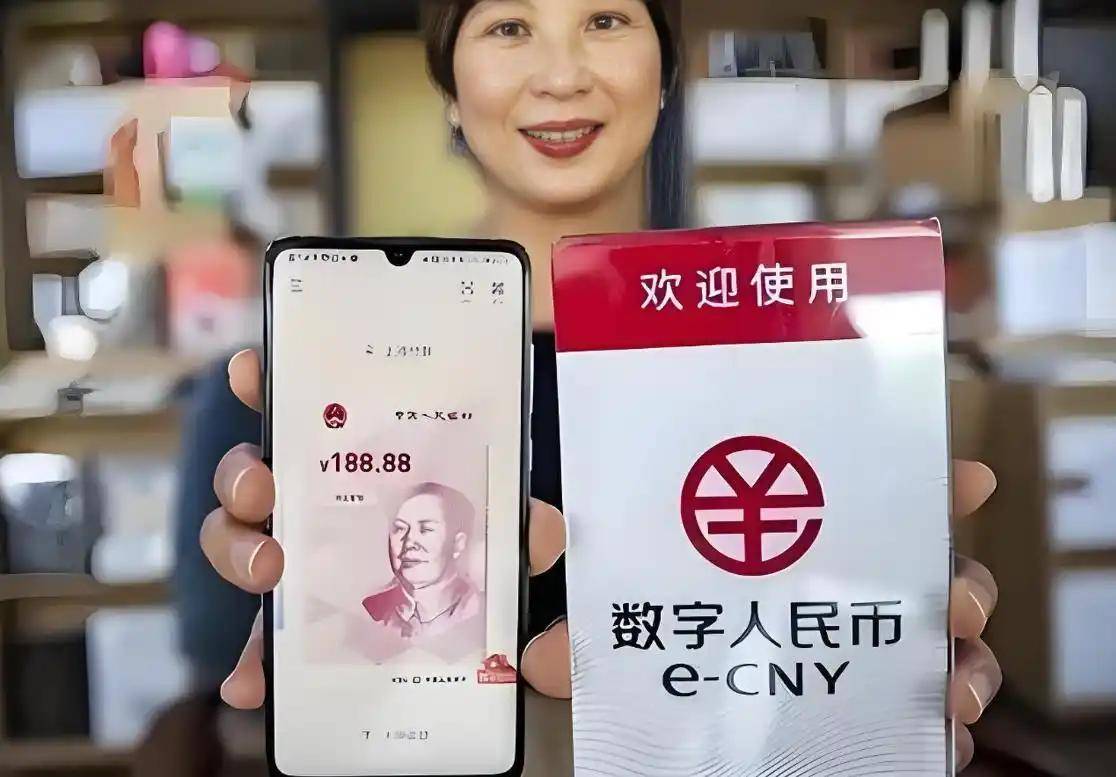
数字人民币加速落地,支付市场格局或将重塑
Sou Hu Cai Jing· 2025-09-19 12:49
Core Insights - The People's Bank of China has officially entered a new phase of large-scale application for the digital yuan, posing significant challenges to Alipay and WeChat Pay, which have dominated the mobile payment market in China [1][3][10] - As of the second quarter of 2025, the digital yuan has been normalized in 341 cities, covering over 1.2 billion people, with a total transaction amount exceeding 4.3 trillion yuan, marking a 217% increase in transaction scale compared to the same period in 2023 [1][3] Infrastructure and Policy Developments - The central bank's infrastructure for the digital yuan is nearly complete, with a focus on public services, retail consumption, and cross-border payments [3] - A new guideline from the central bank aims for the digital yuan to account for over 25% of retail payments and 60% in government procurement and public services by the end of 2026 [3][6] - The introduction of a special assessment mechanism for commercial banks and payment institutions to promote the digital yuan indicates a strong push from the central bank [3][6] Market Penetration and User Adoption - By August 2025, over 12 million merchants supported digital yuan payments, an 85% increase from the end of 2024, with many public services defaulting to digital yuan payments [6] - The penetration rate of the digital yuan in small, high-frequency payment scenarios reached 18.7% in the second quarter of 2025, with some pilot cities exceeding 30% [3][6] Competitive Landscape - Alipay and WeChat Pay, which together hold about 90% of the mobile payment market, are facing a significant challenge from the digital yuan, which is expected to capture 20%-25% of the market by the end of 2026 [6][8] - Both Alipay and WeChat Pay have integrated digital yuan services, with Alipay launching a dual incentive program to retain users [6][7] International Implications - The digital yuan's development is influencing international payment systems, with pilot cross-border payment projects already initiated in regions like Hong Kong and Singapore, totaling 21.7 billion yuan in transactions [7][8] - The International Monetary Fund (IMF) recognizes the digital yuan as the fastest-growing central bank digital currency (CBDC) among major economies, with predictions that 40% of global central banks will issue digital currencies by 2027 [8] Future Outlook - The digital yuan is seen as a key element in modernizing the financial system and enhancing the internationalization of the renminbi, with a focus on user privacy and efficient payment services [8][10] - The rapid promotion of the digital yuan signifies a transformative shift in the payment landscape, requiring all market participants to redefine their roles and strategies [10]

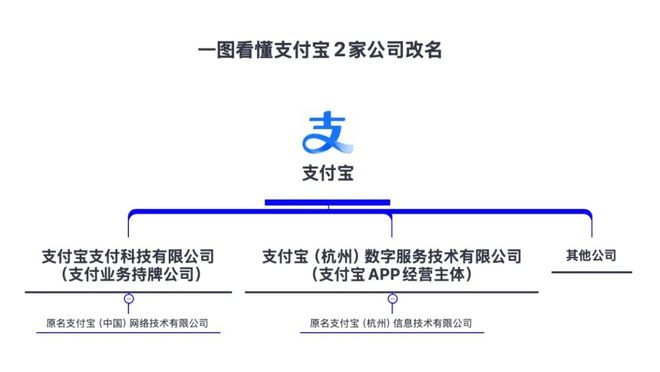
支付宝主体更名!加速迈入增长新周期
Di Yi Cai Jing Zi Xun· 2025-09-19 04:11
Group 1 - The core viewpoint of the news is that Alipay has completed the renaming of its two main operating entities, which reflects a strategic upgrade in governance and clarifies the distinction between its payment technology and digital services [1][5][15] - The renaming is part of Alipay's "dual-flywheel strategy," which aims to enhance its organizational structure and accelerate growth in both payment and digital service sectors [3][5][12] - Alipay's recent innovations, such as the "Tap to Pay" feature, have seen rapid user adoption, reaching over 200 million users in just over a year, indicating a strong market response [6][7][11] Group 2 - The "Tap to Pay" feature has expanded beyond traditional payment methods, addressing various user needs, including those of visually impaired individuals and elderly users, showcasing Alipay's commitment to inclusive design [9][11] - Alipay has launched the first domestic "AI Payment" service, integrating AI capabilities into the payment process, which is expected to enhance user experience and streamline transactions [11][12] - The company is also focusing on digital health services, with the AI health application "AQ" serving 1.4 million users, particularly benefiting those in rural areas, thus promoting equal access to healthcare [12][14] Group 3 - Alipay's strategic evolution reflects its aim to tackle pressing issues in each era, transitioning from trust and identity challenges in payment to enhancing user experience in the AI era [15] - The company is positioned to lead in the AI-driven service landscape, leveraging its extensive experience in payment and service innovation to explore new opportunities [14][15] - The ongoing transformation and innovation within Alipay signal the beginning of a new growth phase, emphasizing the importance of user-centric solutions and collaborative approaches in the evolving industry [15]
汇付支付获批变更注册资本及高管
Bei Jing Shang Bao· 2025-09-19 03:29
Group 1 - The People's Bank of China has approved Shanghai Huifu Payment Co., Ltd. to change its registered capital to 300 million yuan [1] - The approval includes the appointment of Liang Liming as the deputy general manager and Zhang Xiao as the deputy general manager and compliance officer [1]