电子信息

Search documents
因地制宜发展新质生产力 成都打造高质量发展新优势样本
Zhong Guo Jing Ying Bao· 2025-11-29 23:10
Core Viewpoint - The development of new quality productivity has become a strategic choice for regions to seize development high ground and build competitive advantages, with Chengdu focusing on understanding its scientific connotation and development trends [1]. Group 1: Strategic Framework - The publication of the book "Strategies and Paths for Chengdu to Develop New Quality Productivity According to Local Conditions" reflects the implementation of Xi Jinping's important discourse on developing new quality productivity and provides theoretical support and practical paths for Chengdu to become a significant hub for new quality productivity development [1][2]. - The book was developed over a year, integrating insights from experts in economics, management, and industrial policy, and combines theoretical depth with practical relevance [2]. Group 2: Key Recommendations - The book suggests establishing a "collaborative innovation platform" and a "local transformation incentive mechanism for scientific achievements" to address the shortcomings in Chengdu's technological innovation resources [3]. - It emphasizes the need for high-end, intelligent, and green transformation in manufacturing, focusing on the cluster development paths for key industries such as electronic information, new energy vehicles, and biomedicine [3]. - The recommendation includes building an ecological model led by "chain-leading enterprises" and supported by "supporting enterprises" to enhance the resilience of industrial chains [3]. - It proposes a support system for "specialized, refined, distinctive, and innovative" small and medium-sized enterprises, focusing on "gradient cultivation" and "precise policy support" to address financing, technology, and talent challenges [3].
若不出意外,中国一半人口或将涌入到这4个城市,房价或将回升
Sou Hu Cai Jing· 2025-11-29 17:15
Core Insights - The urbanization process in China is transitioning from scale expansion to quality enhancement, leading to profound changes in resource allocation logic, which significantly impacts urban development [1] - Major cities like Chongqing, Shanghai, Beijing, and Chengdu are experiencing population growth, each surpassing 20 million residents, showcasing their robust development vitality and strong attraction [3][5] - The competitive advantage of these mega cities is not solely based on scale but is supported by a multi-dimensional framework including industrial ecology, public services, and development space [5][7] Urban Development Dynamics - Core cities and key urban clusters are increasingly demonstrating agglomeration effects, forming a new ecosystem of urban development characterized by clear hierarchies and collaborative competition [3] - The Pearl River Delta cities attract a large influx of population due to their complete industrial clusters, becoming significant gathering places for individuals seeking opportunities [3][9] - The employment market in these mega cities is diverse and comprehensive, providing high-end job opportunities and platforms for skilled talent [7] Economic and Industrial Insights - Chongqing and Chengdu are emerging as core destinations for population inflow in the western region, leveraging their unique geographical advantages and complementary industrial layouts [7][9] - The Pearl River Delta cities have established a robust industrial matrix covering high-tech, trade logistics, and various manufacturing sectors, fostering a collaborative and complementary industrial ecosystem [9][11] - Shenzhen has become a hub for top tech talent, driven by leading companies like Huawei and Tencent, which have created a complete high-tech industrial chain [11] Emerging City Competitiveness - New first-tier cities like Hangzhou and Chengdu are rising strongly, injecting new vitality into the urban competition landscape by balancing industrial upgrades and living quality [13][15] - The real estate market is witnessing structural differentiation, with cities like Hangzhou and Chengdu stabilizing prices and improving market conditions driven by demand for better living conditions [17] - The shift in young people's city selection logic is moving towards rational decision-making based on industrial depth, living costs, and public services [19][21] Future Urban Trends - The construction of transportation networks, such as the Chengdu-Chongqing high-speed rail, is enhancing connectivity and supporting a dual-core development model [21] - The urbanization process in China is entering a high-quality development phase, with a clear trend of population and capital concentrating in core cities and urban clusters [23][25] - Sustainable urban development relies on optimizing living costs, enhancing public service levels, and establishing differentiated competitive advantages [25][26]

透视多维度数据感知中国活力 “数”说经济高质量发展澎湃动能
Yang Shi Wang· 2025-11-29 03:54
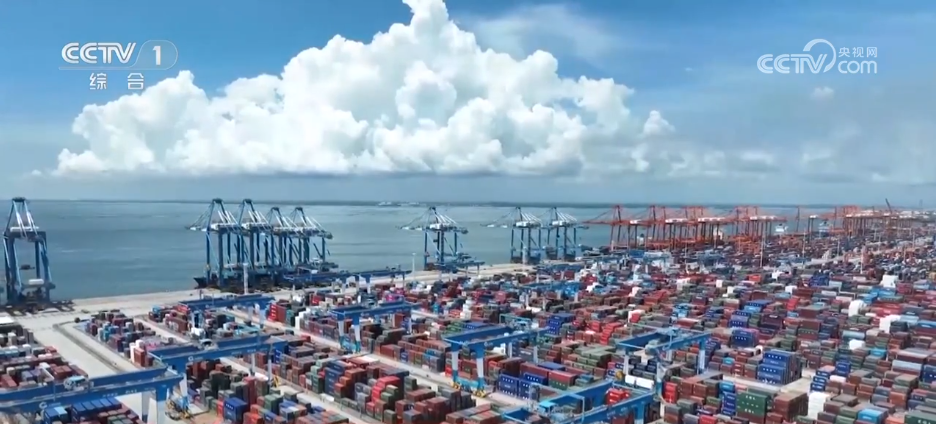
Economic Overview - The transportation sector in China has shown a stable and progressive development trend in the first ten months of the year, according to the Ministry of Transport [1][7] - Fixed asset investment in transportation reached 2.95 trillion yuan, maintaining a high level [3] Freight and Passenger Movement - The total freight volume reached 48.29 billion tons, marking a year-on-year increase of 3.5% [5] - Cross-regional passenger flow reached 56.88 billion person-times, with a year-on-year growth of 3.6% [5] Port Activity - Port cargo throughput increased to 15.13 billion tons, reflecting a year-on-year growth of 4.3% [5] - Container throughput at ports reached 29 million TEUs, with a year-on-year increase of 6.4% [5] Logistics Sector Performance - The total social logistics value for the first ten months was 29.37 trillion yuan, up 5.1% year-on-year [8] - Industrial product logistics value grew by 5.3%, driven by strong demand in equipment manufacturing and high-end manufacturing sectors [10] - Logistics revenue for the industry increased by 4.5% year-on-year, indicating ongoing structural adjustments [10] E-commerce and New Business Models - Online retail of physical goods has outpaced digital product retail growth, highlighting stable demand in e-commerce logistics [12] - New business models such as instant retail and live e-commerce are experiencing robust growth, contributing to logistics demand [10] Smart Manufacturing Initiatives - The first batch of leading smart factories was announced, indicating a shift towards intelligent manufacturing [14] - These factories are expected to drive innovation and transform production methods across various industries [14] IoT and Digital Economy Growth - China's IoT connections are projected to exceed 3.5 billion this year, with significant investments in related infrastructure [17][20] - The traditional digital economy's annual output value is expected to surpass 80 trillion yuan, with over 1.2 million enterprises meeting advanced digital economy conditions [20] Internationalization of Private Enterprises - The internationalization of private enterprises is expanding, with overseas revenue projected to reach 5.215 trillion yuan in 2024, a nearly 12% increase [24] - The export value of internationalized private enterprises is expected to exceed 3.283 trillion yuan, growing over 10% [24] Foreign Exchange Market Activity - In October, China's foreign exchange market recorded a total turnover of 21.97 trillion yuan, with cumulative turnover for the year reaching 252.07 trillion yuan [26][27]
湖南浏阳做强特色优势产业 县域经济能级攀升
Zhong Guo Xin Wen Wang· 2025-11-29 01:24
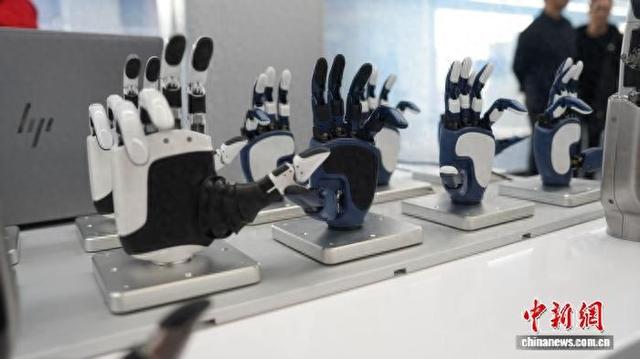
Core Insights - During the "14th Five-Year Plan" period, Liuyang City has achieved significant advancements in multiple industries, establishing itself as a leader in electronic information and biomedicine within Hunan Province [1][4] - The city has developed a complete industrial chain in electronic information, including glass, screens, chips, and terminals, while also becoming the largest biopharmaceutical cluster in Hunan [1][4] - The fireworks industry, a traditional sector, has seen a transformation through technological integration and cultural promotion, contributing over 50 billion yuan in annual output [3][4] Industry Development - The electronic information industry in Liuyang has reached an annual output value exceeding 40 billion yuan, with a significant share of global smartphone glass panels produced by local company Lens Technology [4] - The biopharmaceutical sector has over 300 enterprises, producing 23 leading products with top market shares nationally, and holds the highest number of medical device registrations in the province [4] - The green food industry has adopted new paths for scaling and branding, while intelligent equipment manufacturing has become a crucial support for the province [1][4] Project Initiatives - Liuyang has introduced 737 new projects during the "14th Five-Year Plan," including three projects worth over 10 billion yuan and 23 projects from the "Top 500" companies [4] - The city has implemented over 1,200 key projects, showcasing a robust approach to project construction and investment attraction [4][6] - A closed-loop management mechanism for industrial chains has been established, with city leaders actively engaging in investment activities and project follow-ups [6]

下好“一盘棋”,绘好“一张图”,拧成“一股绳” 河北廊坊市奋力在京津冀协同发展上走在全省前列
Ren Min Ri Bao· 2025-11-28 22:03
Core Viewpoint - Langfang City is actively integrating into the Beijing-Tianjin-Hebei coordinated development strategy during the 14th Five-Year Plan period, leveraging its geographical advantages and focusing on transportation, industry, public services, and ecology to accelerate its own development while serving the Beijing-Tianjin area [1]. Transportation Infrastructure - The construction of the "Railway on Beijing-Tianjin-Hebei" is accelerating, with Langfang's hub status becoming increasingly prominent, featuring 11 operational railways and a total length of 469 kilometers, forming a "four vertical and seven horizontal" railway network [2]. - The highway network has also expanded, with 13 highways completed, achieving a density of 182.97 kilometers per 100 square kilometers by the end of 2024, ranking among the top in the province [2]. Public Transportation - Langfang has launched 6 main and 33 branch lines of customized express buses, with an average daily passenger flow of 7,800, enhancing connectivity with Beijing and Tianjin [3]. Industrial Development - The city is focusing on modern commercial logistics and electronic information industries, with logistics enterprises establishing regional headquarters, and the logistics industry's added value accounting for 25.1% of the city's GDP [4]. - The electronic information sector is projected to exceed 70 billion yuan in revenue by 2024, with 15 companies entering the "Top 100 Electronic Information Enterprises in Hebei Province" [4]. Technological Innovation - From 2021 to 2024, the technology contract transaction volume with Beijing and Tianjin increased from 2.849 billion yuan to 14.492 billion yuan, totaling 35.23 billion yuan over four years [5]. Public Services - Langfang is enhancing educational cooperation with Beijing and Tianjin, with 155 schools engaging in various collaborative efforts [6]. - In healthcare, 89 medical institutions in Langfang have partnered with 124 medical institutions from Beijing and Tianjin, establishing a robust medical cooperation network [6]. Social Security Integration - All 283 designated medical institutions in Langfang have implemented cross-province direct settlement for various medical services, promoting social security card integration across regions [7]. Cultural and Tourism Development - Langfang is striving to create a new highland for cultural and tourism integration, hosting significant cultural events and enhancing tourism resources, with over 150 million visitors to key attractions [8]. Ecological Environment - The city is focusing on ecological protection and pollution control, achieving a 10.3% improvement in air quality index by October 2025 [9]. - Water quality has also improved significantly, with all monitored water quality sections meeting or exceeding the Class IV water body standard [9]. Regional Collaboration - Since 2024, Langfang has signed joint management agreements with neighboring districts in Beijing and Tianjin to combat environmental violations, establishing a data-sharing mechanism for environmental law enforcement [10].
首批15家领航级智能工厂亮相 勾勒中国智能制造新图景
Shang Hai Zheng Quan Bao· 2025-11-28 18:47
Core Insights - The 10th World Intelligent Manufacturing Conference was held in Nanjing, China, from November 26 to 29, where the first batch of 15 "Leading Intelligent Factories" was announced, aiming to accelerate the construction of a globally influential intelligent manufacturing model [1][2] - The conference gathered practitioners, suppliers, and experts in intelligent manufacturing to discuss its development and future, highlighting the importance of enabling technologies in driving industrial transformation [1][3] - The "Leading Intelligent Factory" standard is considered equivalent to the international "Lighthouse Factory" standard, focusing on digital transformation, network collaboration, and intelligent change [2] Group 1: Leading Intelligent Factories - The 15 selected "Leading Intelligent Factories" span key industries such as equipment manufacturing, raw materials, electronic information, and consumer goods, showcasing the breadth and depth of China's intelligent manufacturing [2] - Notable examples include Weichai Power, which improved production efficiency by 10.6% through a digital lean model, and Hikvision, which reduced production line changeover time by 50% using self-developed IoT, AI, and big data technologies [2] Group 2: Future of Intelligent Manufacturing - The next decade of intelligent manufacturing in China is expected to unfold in two phases: the first phase involves large enterprises achieving basic digital transformation, while the second phase sees the widespread adoption of Intelligent Manufacturing 2.0 [1][3] - The concept of "Intelligent Manufacturing 2.0" is anticipated to reshape the manufacturing technology system, production modes, and industry forms, leading to the realization of Industry 4.0 [3][4] - The "Leading Action Plan" was jointly advocated by leaders of the selected factories, emphasizing the need for open collaboration to build a new ecosystem for industrial synergy [3]


深股通席位本周龙虎榜净买入24股
Zheng Quan Shi Bao Wang· 2025-11-28 15:45
Group 1 - The article highlights that 39 stocks appeared on the weekly trading list, with 24 showing net purchases from the Shenzhen Stock Connect [1] - The top three stocks with the highest net purchases were Saiwei Electronics, BlueFocus Communication Group, and Guangku Technology, with net purchases of 355.30 million, 182.56 million, and 150.01 million respectively [1] - The Shenzhen Stock Connect net purchased stocks outperformed the market, with an average increase of 12.61%, while the Shanghai Composite Index rose by 1.40% [1] Group 2 - The stock with the largest increase was Saiwei Electronics, which saw a cumulative price increase of 44.85% during the week [1] - A total of 15 stocks experienced net sales, with the largest net sales recorded for Giant Network and Vision China, amounting to 287.51 million and 121.97 million respectively [2] - The trading volume for the stocks with net purchases was notably high, with Saiwei Electronics showing a turnover rate of 159.34% [1]



高端装备制造行业:中国首批15家领航级智能工厂公布,智能制造跃升新标杆
Guoxin Securities Co., Ltd· 2025-11-28 12:47
Investment Rating - The report gives a "Positive" rating for the high-end equipment manufacturing industry, expecting the industry index to outperform the market index by over 5% in the next six months [12]. Core Insights - The announcement of China's first batch of 15 leading intelligent factories marks a significant leap in intelligent manufacturing, establishing new benchmarks for the industry [3][10]. - The report highlights innovative manufacturing models and technological breakthroughs that address industry pain points and enhance production efficiency [4][5]. - The total scale of intelligent manufacturing equipment, industrial software, and system solutions has surpassed 4.5 trillion yuan [6]. Summary by Sections Event Description - On November 27, 2025, the Ministry of Industry and Information Technology and other departments announced the first batch of 15 leading intelligent factories, covering key sectors such as equipment manufacturing and consumer goods [3]. Core Advantages and Technological Breakthroughs - Innovative models like shared manufacturing and flexible production lines have significantly reduced production times and inventory levels [4]. - AI and digital twin technologies are driving efficiency improvements, with companies achieving high product quality rates and reduced lead times [4]. - The integration of green and lean manufacturing practices has led to increased material utilization and reduced construction costs for smart factories [5]. Impact on the Industry Chain - The technological spillover from leading factories is driving upgrades across the supply chain, with extensive digital collaboration among suppliers and distributors [6]. - The report notes a historical transition in China's intelligent manufacturing from isolated breakthroughs to systemic collaboration [6]. - Policy support is fostering the development of industrial clusters, with leading factories acting as "mother factories" to promote regional upgrades [6]. Market Performance - The high-end equipment manufacturing index is expected to show positive trends compared to the broader market, with specific companies listed as direct beneficiaries of the intelligent manufacturing initiatives [8][10]. Investment Recommendations - The report suggests short-term investments in listed companies directly involved in the leading intelligent factories, such as Zoomlion and Haier, which are at the forefront of industry advancements [10]. - Long-term focus should be on companies that are closely tied to leading firms in technology output and ecosystem development, as well as those involved in AI chip production and computing infrastructure [10].
“产投28计划”在蓉首场路演 40个科创项目竞逐投资“直通卡”
Sou Hu Cai Jing· 2025-11-28 11:27
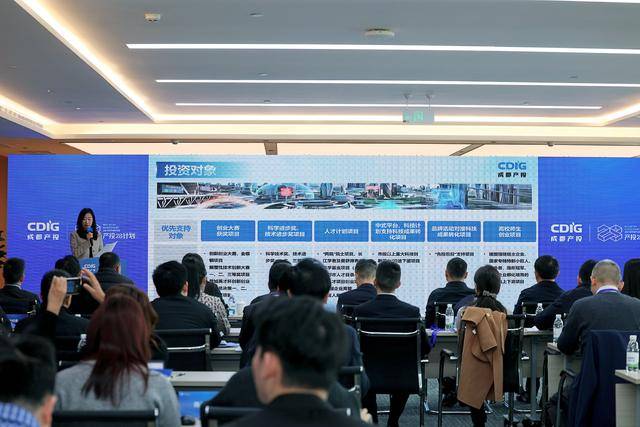
Core Insights - The "Chengdu Industrial Investment 28 Plan" aims to create a monthly mechanism for capital and industry integration, becoming a new symbol of innovation in Chengdu [1][3] - The first roadshow event attracted 40 tech companies from various cities, showcasing projects in four core sectors: electronic information, new energy materials, health industry, and equipment manufacturing [1][7] Group 1: Roadshow Details - The event featured a structured approach with companies presenting their projects based on six core aspects: project overview, technological advantages, market landscape, team capabilities, financial status, and funding needs [4] - A scoring mechanism was established to evaluate projects across five dimensions, categorizing them into three classes: A (direct investment), B (one-on-one follow-up), and C (reserve pool) [4][6] Group 2: Project Quality and Focus - The projects presented were characterized as high-quality hard tech, ranging from pre-revenue teams to companies generating millions in revenue, aligning with the future industry fund's focus [6] - Notable local companies showcased advancements in microwave RF chips, high-end industrial drones, and innovative drug development, demonstrating strong market presence and technological maturity [7] Group 3: Strategic Vision - The "Chengdu Industrial Investment 28 Plan" is designed to foster a competitive future industry ecosystem, emphasizing early, small, and future-oriented investments to navigate uncertainties and R&D risks [9] - The initiative aims to establish a vertical investment service platform for future industries, promoting a synergistic ecosystem of policy, capital, and industry [9]
多地年末发债,扎堆投向政府引导基金
FOFWEEKLY· 2025-11-28 10:01
Core Viewpoint - The article discusses the recent trend of local governments in China issuing special bonds to inject capital into government investment guidance funds, aiming to enhance funding efficiency and stimulate market liquidity, particularly in the technology innovation sector [4][6][12]. Group 1: Special Bonds and Government Investment Guidance Funds - Multiple regions, including Guangdong, Sichuan, and Shanghai, are set to issue a total of 200 billion yuan in special bonds, with Shenzhen recently issuing 65.2 billion yuan, primarily directed towards government investment guidance funds [5][6]. - The total scale of special bonds directed towards government investment guidance funds has exceeded 800 billion yuan, indicating a significant shift in funding strategy [5][6]. - The issuance period for these special bonds ranges from 10 to 30 years, with a focus on technology innovation as the primary investment area [5][6]. Group 2: Policy Changes and Implications - The policy shift allowing special bonds to be used for government investment guidance funds marks a significant change from previous regulations that prohibited such practices due to risk management concerns [10][11]. - The change is seen as a response to diminishing returns from traditional infrastructure investments and aims to transition fiscal policy from merely "supplementing projects" to "nurturing industries" [12][11]. - The government investment guidance funds are designed to leverage public funds to attract more social capital into strategic sectors, enhancing the efficiency of fund utilization and promoting industrial upgrades and technological innovation [13][12]. Group 3: Focus on Technology and Innovation - Local governments are increasingly directing special bonds towards technology innovation, with specific allocations for sectors such as artificial intelligence, aerospace, and biomedicine [15][18]. - The investment focus has shifted from broad areas to more specialized fields, aligning with China's transition from factor-driven to innovation-driven economic growth [15][16]. - The government investment guidance funds are expected to play a crucial role in addressing early-stage investment gaps in technology and innovation, thereby fostering the development of internationally competitive enterprises [16][19]. Group 4: Regional Strategies and Outcomes - Different regions are adopting tailored strategies based on their unique resources and development stages, with cities like Beijing and Shanghai focusing on advanced research and development capabilities [17][19]. - Shenzhen has established a robust government guidance fund system, with over 150 billion yuan in public funding attracting nearly 500 billion yuan in social capital, demonstrating a significant multiplier effect [18][17]. - The article emphasizes the need for a market-oriented approach and professional participation to enhance risk management and ensure effective use of fiscal resources in government investment guidance funds [19].