
农产品贸易

Search documents
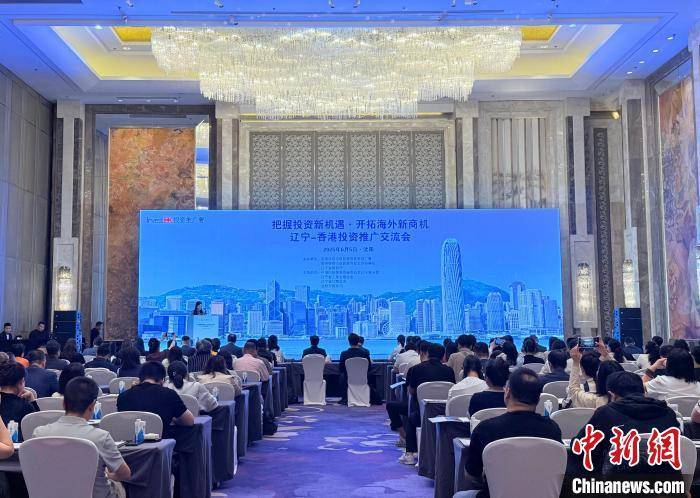
辽宁—香港投资推广交流会助辽企借港出海
Sou Hu Cai Jing· 2025-06-05 10:33
Group 1 - The "Liaoning-Hong Kong Investment Promotion Exchange Conference" was held in Shenyang on June 5, aiming to help Liaoning enterprises leverage Hong Kong for overseas expansion and promote mutual cooperation [2][3][5] - Hong Kong is the largest source of foreign investment for Liaoning, with over 13,000 foreign enterprises established in Liaoning by April 2025, accounting for 46.3% of the province's total foreign investment [5] - There are over 300 Liaoning enterprises investing in Hong Kong, with a registered investment amount exceeding $7.5 billion [5] Group 2 - The event was co-hosted by the Hong Kong Special Administrative Region Government's Invest Hong Kong, the Beijing Office of the Hong Kong Government, and the Liaoning Provincial Department of Commerce [3][5] - The Assistant Director of Invest Hong Kong emphasized the strong performance of mainland enterprises listed in Hong Kong, with 20 companies from Liaoning across various sectors including manufacturing, energy, finance, and healthcare [3][5] - The Liaoning Provincial Department of Commerce expressed the intention to expand trade in machinery, agricultural products, and consumer goods, and to encourage Hong Kong enterprises to invest in advanced manufacturing, new energy, and digital economy sectors in Liaoning [3][5]

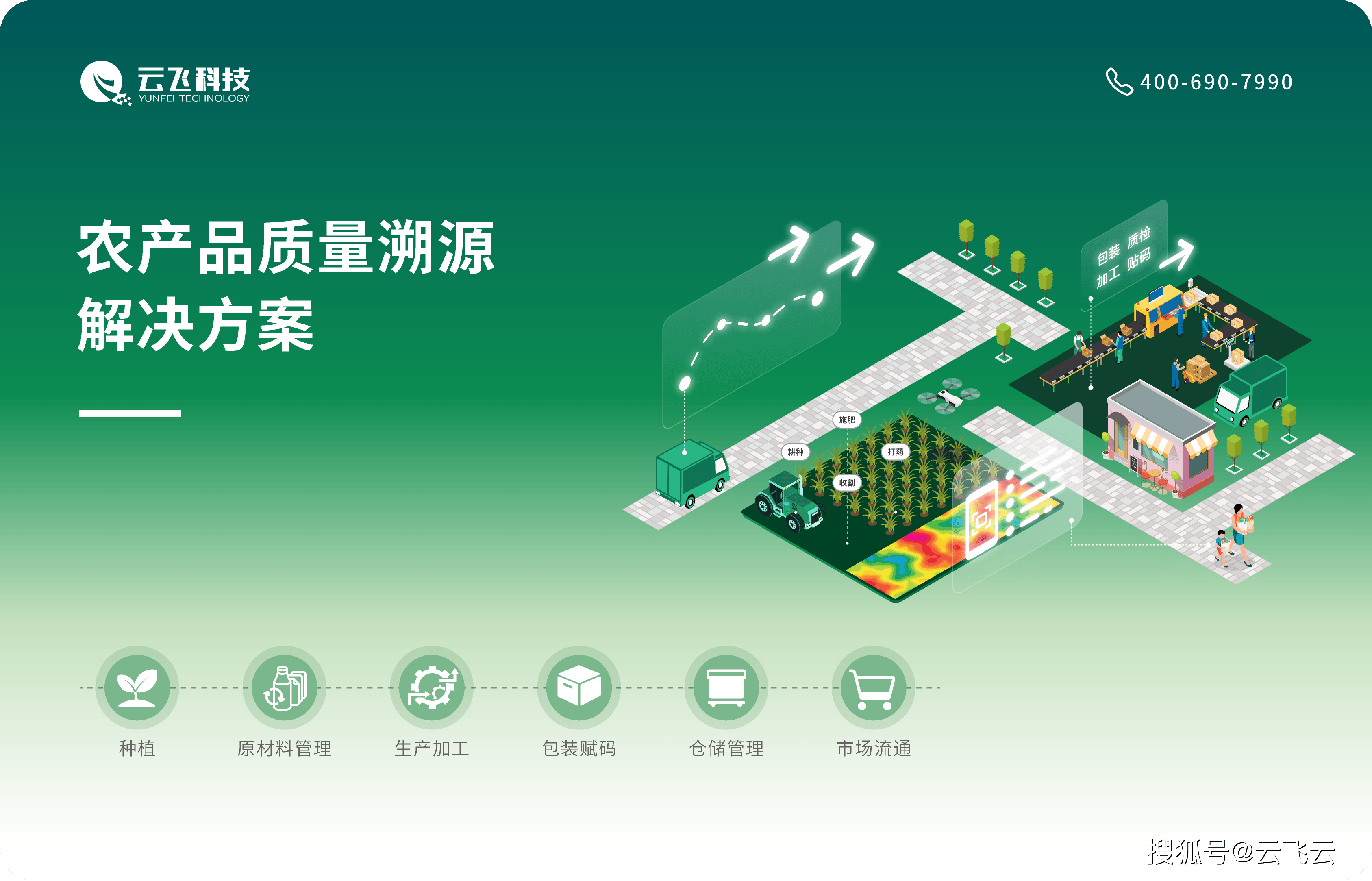
农产品溯源系统平台如何帮助提升农业产业的国际竞争力?
Sou Hu Cai Jing· 2025-06-04 22:12
Core Insights - The agricultural traceability system platform is essential for enhancing the quality, safety, and sustainability of agricultural products in the face of increasing international market demands [1][11] - The integration of technologies such as blockchain, IoT, and big data is transforming the agricultural sector, enabling a comprehensive data network from "farm to table" [1][11] Group 1: Standardized Traceability System - The traceability system serves as a "passport" to break international technical barriers, meeting stringent requirements from markets like the EU and Japan [4] - A specific organic rice brand showcased its environmental benefits through the traceability platform, achieving a 50% price increase in international markets [4] - Products utilizing blockchain for traceability have seen a 30% increase in international market prices, with online sales exceeding 100 million yuan, boosting farmers' annual income by 20,000 yuan [4] Group 2: Data-Driven Decision Making - The accumulated data from the traceability system allows for multi-dimensional analysis, providing precise decision-making support for international market expansion [4] - An agricultural group optimized fertilizer use, saving 120 yuan per mu while increasing yield by 8%, enhancing price competitiveness [4] - Predictive maintenance through the system reduced equipment downtime by 65% and maintenance costs by 40%, ensuring timely order fulfillment [4] Group 3: Real-Time Monitoring in Logistics - Real-time data monitoring in logistics is crucial for mitigating cross-border trade risks, as demonstrated by a fruit export company that reduced cold chain loss rates from 3.2% to 1.2% [5] Group 4: Visualizing Ecological Value - The traceability system makes hidden values like production environment and standards visible, helping Chinese agricultural products move beyond a low-end positioning [7] - An organic vegetable brand achieved a 25% price premium by showcasing key information such as "zero pesticide residues" and "72-hour cold chain delivery" [7] - The ability to convert ecological value into product premiums redefines the pricing logic, establishing a competitive edge for Chinese agricultural products in international markets [7] Group 5: Industry Collaboration and Upgrading - The traceability system facilitates standardization, allowing Chinese agricultural enterprises to enter high-value international supply chains [8] - Suppliers connected to the traceability system saw their international order volumes increase threefold, with a price premium increase of 20%-30% [8] Group 6: Regional Industry Integration - The traceability system is breaking the fragmented structure of "smallholder economies" by integrating data from multiple cooperatives [8] - The international market compliance rate for regional agricultural products improved from 78% to 96% after implementing a unified traceability platform, leading to a 35% increase in farmer income [8] Conclusion - The agricultural traceability system has evolved into a strategic infrastructure for China's participation in global competition, driving innovation in production methods and business models [11] - Companies mastering the core capabilities of the traceability system are positioned to transition from "price competition" to "value competition," gaining the initiative in defining industry standards [11]

陕西在乌集中签约9个涉农项目
Shan Xi Ri Bao· 2025-06-02 23:07
Group 1 - A total of 9 agricultural projects were signed by Shaanxi province in Uzbekistan, with a total amount exceeding 40 million yuan, covering areas such as agricultural product trade, smart agriculture, tea culture promotion, and agricultural material and machinery exports [1] - In the agricultural product trade sector, agreements were made for the export of high-quality silkworm seeds, collaboration on specialty agricultural products, and cross-border trade of kiwifruit, facilitating resource sharing and market connectivity [1] - The smart agriculture and industry integration sector saw significant developments, including a project aimed at modernizing agriculture through technology and partnerships for tea culture display and sales, as well as agricultural material and machinery exports to support Uzbekistan's agricultural production [1] Group 2 - The signing of these agreements achieved the forum's expected goals and established a new platform for agricultural cooperation between Shaanxi and Uzbekistan, aiming to deepen collaboration across the entire agricultural industry chain [2] - The provincial agricultural department emphasized the commitment to elevate agricultural cooperation to a higher level, contributing new momentum to the high-quality construction of the Belt and Road Initiative [2]
中美已经“和解”了,但美企突然发现不对劲:中国不再买美国货了
Sou Hu Cai Jing· 2025-06-02 07:40
Group 1 - The core issue is that despite a temporary easing of trade tensions between the US and China, American products are still facing significant barriers in the Chinese market [1][8] - Chinese buyers are increasingly turning away from US liquefied petroleum gas (LPG) and instead sourcing from the Middle East and Canada, with seven US LPG tankers redirected to Southeast Asia [3][6] - The US's oil exports to China have plummeted from a peak of 29 million barrels to just 3 million barrels, while imports from Canada have surged by 37% [3][4] Group 2 - The agricultural sector is also struggling, with US soybean exports to China dropping by 32% year-on-year, while Brazil and Argentina are rapidly increasing their market share [4][8] - China's new regulations favor domestic procurement of South American soybeans, enhancing transportation efficiency and reducing delivery times [4][6] - The uncertainty of US trade policies has led Chinese companies to lose confidence in importing American goods, as past agreements have been frequently violated [6][8] Group 3 - China is actively working to reduce its dependence on US imports to ensure supply chain security, diversifying its energy and agricultural sources [6][8] - China's renewable energy production is expected to exceed 30% by 2024, reducing reliance on imported energy [8] - The domestic soybean production in China is projected to increase by 15% in 2024, providing more options for sourcing agricultural products [8]

【环球财经】巴西大豆市场基差震荡 贸易政策与汇率走势成关注焦点
Xin Hua Cai Jing· 2025-05-30 13:37
新华财经圣保罗5月30日电(记者杨家和)近日,巴西大豆市场交易活跃,国际基准价格、美元汇率、 中国采购意向、农户销售节奏等成为影响大豆销售的主要因素。 上周,巴西农户售粮积极,成交量大幅增长。尽管价格整体仍在区间内震荡,但明确的价格区间使卖方 更愿把握交易机会,尤其是在本月23日,巴西政府宣布调整金融交易税(IOF)后,美元汇率在当天上 午快速上涨,带动了农户集中销售。 "巴西大豆2025年仍具有供应优势,但阿根廷的产量预期也已出现改善。此外,全球市场供应格局的变 化也可能影响巴西出口节奏。"Safras & Mercado公司称。 销售基差有所收窄,农户开始为即将收获的玉米腾出仓储空间,同时短期需求增强。芝加哥期货交易所 (CBOT)大豆价格维持在较具吸引力的区间内,波动幅度约40美分。稳定的基差支撑了远期合约价 格,巴西港口8月份装船的大豆离岸价(FOB)基差已达80美分。 Safras & Mercado公司分析师表示,尽管巴西大豆基差仍处于相对高位,但未来可能因季节性因素逐步 回落。该公司指出,当前发运量保持高位,预计持续至6月底。下半年出口量或将减少,尤其是如果中 国转向采购美国新季大豆,将对巴西大 ...
产地直采优质粮源 中亚农产品运贸专列抵汉
Chang Jiang Ri Bao· 2025-05-28 00:31
Core Viewpoint - A special train carrying 1,610 tons of feed wheat flour from Kazakhstan successfully arrived at the China Railway Wuhan Central Station, marking the first Central Asian agricultural product trade train to Hubei province, which will supply local feed processing enterprises [1] Group 1: Agricultural Trade and Logistics - Kazakhstan is a significant wheat producer in Central Asia, providing high-quality wheat, while Hubei, despite being an agricultural province, still relies on some imports for feed grains [1] - The establishment of a "one-stop" logistics model integrating "overseas direct procurement + international trains + rail-water combined transport + local distribution" is expected to exceed an annual import volume of 500,000 tons [2] - The special train's arrival is part of a broader effort to balance the outbound and inbound logistics, with Hubei's textiles, electronics, and vehicles being sent to Central Asia [1][2] Group 2: Transportation and Infrastructure - Wuhan serves as a crucial transportation hub, facilitating rapid distribution of goods across the country through various transport modes, enhancing logistics efficiency and reducing costs [2] - By 2025, the Wujiashan Station of Wuhan Railway has operated 293 China-Europe freight trains, with a year-on-year increase of 6% in outbound trains and 10% in inbound trains [2] - The development of the "train +" new business model aims to improve the quality and efficiency of freight trains and strengthen trade connections between Hubei and Central Asia [2]
让世界看见开放自信的新疆
Ren Min Ri Bao· 2025-05-27 22:40
Group 1: Economic Development and Trade - The development of the China-Europe Railway Express has transformed Urumqi from a transit point to a logistics hub, significantly enhancing its role in international trade [2] - Recent reforms at the Urumqi International Land Port have reduced import clearance times from 2-3 days to under 16 hours and export clearance times from 6 hours to 1 hour [2] - In the past three years, the cargo volume at Xinjiang's railway ports has maintained double-digit growth, with a projected cargo volume of 28.65 million tons in 2024, accounting for nearly 70% of Xinjiang's land port cargo volume and one-third of the national railway port cargo volume [2] Group 2: Cross-Border Cooperation and Cultural Exchange - The Horgos International Border Cooperation Center has become a significant platform for economic and cultural exchanges between China and Kazakhstan, hosting nearly 30 key projects in various sectors [3] - The rapid development of Horgos port has facilitated the growth of export-oriented enterprises, such as Jinyi International Trade Co., which has become a leading exporter of fruits and vegetables to Central Asia [3] - Xinjiang has seen a 46% year-on-year increase in inbound tourists, reaching 5.148 million in 2024, highlighting the region's growing appeal as a cultural and tourist destination [7]
欧盟关税,新动向!乌克兰农产品,取消免税!俄白化肥及农产品,加税!
证券时报· 2025-05-23 04:22
Group 1 - The EU will not extend the tariff exemption policy for Ukrainian agricultural products, which will expire on June 5, 2023, and trade will revert to the 2017 agreement from June 6, 2023 [2] - The temporary removal of tariffs was implemented after the outbreak of the Russia-Ukraine conflict in 2022, but farmers in countries like Poland and France have complained about the influx of Ukrainian products harming their interests [2] - The EU had previously promised to negotiate a new trade agreement with Ukraine, but no formal negotiations have started as of May 2023 [2] Group 2 - The European Parliament has approved a new tariff law on fertilizers and certain agricultural products from Russia and Belarus, imposing a basic tariff of 6.5% on fertilizers and an additional fee of €40 to €45 per ton from 2025 to 2026 [4] - A 50% tariff will be applied to Russian and Belarusian agricultural products that have not yet been subject to additional tariffs [4] - The aim of this legislation is to diversify the EU's fertilizer production and reduce dependence on low-priced imports from Russia, although there are concerns about significant price increases for fertilizers affecting farmers [4]

中美鸡爪贸易大战
投资界· 2025-05-23 03:12
Core Viewpoint - The article discusses the impact of the US-China trade war on the import of chicken feet and pork by China, highlighting the challenges faced by importers and the shifting dynamics in the meat market due to tariffs and trade restrictions [3][4][7]. Group 1: Trade Dynamics - China is the largest importer and consumer of chicken feet and pork products globally, with the US being a significant supplier until recent tariff increases [3][7]. - The US imposed a 20% tariff on Chinese goods, followed by a 34% retaliatory tariff from China, leading to a cumulative tariff exceeding 140% on certain imports, severely affecting trade [6][7]. - In 2024, China imported nearly 450,000 tons of frozen chicken feet, with the US accounting for only 10% of this volume, indicating a shift towards other suppliers like Brazil [7][12]. Group 2: Importer Challenges - Importers like Yan Jun faced significant losses due to customs rejections and high tariffs, leading to decisions to redirect shipments to other markets like Vietnam and Singapore [5][6]. - The article highlights the emotional and financial toll on importers, with many feeling helpless as they navigate the complexities of the trade war [6][14]. - The reliance on US products is diminishing as Chinese importers seek alternatives from countries like Brazil, Argentina, and Spain, which are now entering the Chinese market [15][19]. Group 3: Market Trends - The price of pork by-products has risen significantly, with some products like pig trotters and intestines fetching high prices in the market, reflecting changing consumer preferences [13][14]. - The article notes that the demand for chicken feet in China has led to a global supply shortage, with various countries now exporting chicken feet to China [12][13]. - The competitive landscape is shifting, with US meat producers struggling to find alternative markets for their products, as the Chinese market was previously a major destination [12][18].

【杨凌】首次空运蓝莓出口俄罗斯
Shan Xi Ri Bao· 2025-05-22 22:55
Group 1 - The journey of blueberries from Yunnan, China to Moscow takes only 6 days, highlighting the efficiency of the supply chain [1] - The blueberries were exported by Yangling Guohe Cross-Border Trade Co., Ltd., marking the first time this company has used air transport for overseas sales [1] - The export transaction was completed in RMB, which helps the company avoid exchange rate risks and reduce transaction costs [2] Group 2 - Yangling Guohe Cross-Border Trade Co., Ltd. has established trade relationships with over 20 countries and regions, including Switzerland and Kazakhstan [2] - The company has seen a significant increase in import and export value, reaching 39.836 million RMB in the first quarter of this year, a year-on-year growth of 214% [2] - The successful export of blueberries demonstrates the strength of Shaanxi's agricultural supply chain integration and cross-border trade services, encouraging more companies to participate in international market competition [2][3] Group 3 - The company aims to continuously integrate agricultural resources in the Yangling Demonstration Zone to create an efficient and stable cross-border fruit supply chain [3] - The focus is on exporting more Chinese fruits to boost the outward-oriented economic development [3]