
医疗设备

Search documents
这家公司,员工分了18亿,上次分9亿
Sou Hu Cai Jing· 2025-11-30 12:20
Core Viewpoint - The article highlights the significant wealth creation for employees of United Imaging Healthcare through stock reduction, showcasing the success of the company's employee stock ownership plan and its impact on employee wealth [3][4][6]. Company Overview - United Imaging Healthcare, founded in 2011 by alumni Xue Min and Zhang Qiang, aims to break the foreign monopoly in high-end medical equipment, successfully filling a gap in the domestic market [3][5]. - The company went public on the STAR Market in 2022, achieving a market capitalization of approximately 110 billion yuan [3][5]. Employee Stock Ownership Plan - The company’s five employee stock ownership platforms collectively reduced their holdings by 13.37 million shares, valued at 1.82 billion yuan [4][6]. - Since 2013, United Imaging has incentivized employees through a virtual stock plan, which evolved into an employee stock ownership plan covering over 800 beneficiaries [5][6]. - After the recent reduction, each employee could realize at least 2 million yuan, including senior management and key technical personnel [6]. Investment and Returns - This is not the first instance of wealth creation through stock reduction; a previous reduction in 2024 saw 7.47 million shares sold for approximately 894 million yuan [7]. - Early investors, including institutions that invested in 2012, have seen substantial returns, with one major investor realizing about 3.16 billion yuan from a recent share reduction [13][14]. Broader Industry Context - The trend of wealth creation through stock options is not unique to United Imaging; other companies like Century Huatong and Ailisi are also rewarding employees with significant stock incentives [16]. - Over 1,300 listed companies have announced stock incentive plans this year, a notable increase compared to 381 in 2024, indicating a growing trend in employee wealth sharing [17].


这家公司,员工分了18亿,上次分9亿
华尔街见闻· 2025-11-30 12:10
Core Viewpoint - The article highlights the wealth creation phenomenon among employees in A-share listed companies, particularly focusing on the case of United Imaging Healthcare, which has successfully implemented employee stock ownership plans leading to significant financial rewards for its staff [5][20]. Group 1: United Imaging Healthcare's Employee Stock Ownership - United Imaging Healthcare announced that its five employee stock ownership platforms collectively reduced their holdings by 13.37 million shares, valued at approximately 1.82 billion yuan [7]. - The company has established a robust employee stock ownership plan since 2013, which has now covered over 800 beneficiaries, including both current employees and those who have made significant contributions [9][8]. - Following the recent share reduction, each employee involved in the stock ownership plan could receive at least 2 million yuan, showcasing the financial benefits of the program [10]. Group 2: Founders and Company Growth - The founders of United Imaging Healthcare, Xue Min and Zhang Qiang, started the company in 2011 with the goal of breaking the foreign monopoly in high-end medical equipment, leading to a current market valuation of around 110 billion yuan [5][13]. - The company has successfully launched several innovative medical imaging products, filling gaps in both domestic and international markets, and was listed on the Sci-Tech Innovation Board in 2022 [16][17]. - Early investors, such as Daofu Yuantong, have seen substantial returns on their investments, with some reducing their holdings for a total of approximately 3.16 billion yuan [17][18]. Group 3: Broader Market Trends - The trend of wealth creation through employee stock ownership is not limited to United Imaging Healthcare; other companies like Century Huatong and Ailisi are also rewarding employees with significant stock options and bonuses [20][21]. - Over 1,300 listed companies have announced stock incentive plans this year, a significant increase compared to 381 in 2024, indicating a growing trend in employee wealth sharing [22]. - The article emphasizes that the era of wealth creation is expanding beyond founders and investors to include dedicated employees, reflecting a shift in corporate culture towards shared success [23].


Is AtriCure Stock a Buy or Sell After a Director Dumped 10,000 Shares?
The Motley Fool· 2025-11-29 21:24
Core Insights - AtriCure, a cardiac device maker focused on atrial fibrillation, experienced a notable insider sale by Board member Sven Wehrwein, who sold 10,000 shares following a year of flat share performance [1][10] Transaction Summary - Sven Wehrwein exercised 10,000 non-qualified stock options and sold the shares for approximately $376,600, leaving him with 34,374 shares valued at around $1.3 million post-transaction [2] - The transaction price was $37.66 per share, which is approximately 4.1% higher than the market price of $36.12 as of November 28, 2025 [6] Company Overview - AtriCure reported a trailing twelve-month (TTM) revenue of $518.31 million and a net loss of $28.77 million, with a one-year price change of -0.11% as of November 25, 2025 [4] - The company specializes in devices for surgical ablation of cardiac tissue, targeting atrial fibrillation and related conditions, and serves hospitals and cardiac surgeons through direct sales and independent distributors [7][8] Financial Performance - AtriCure's third-quarter results showed a 16% year-over-year sales increase to $134.3 million, although it still posted a net loss of $0.3 million, an improvement from a $7.6 million loss in the prior year [10][11] - The company maintains a healthy balance sheet with total assets of $635.4 million against total liabilities of $158.9 million, indicating positive signs for future performance [11] Market Context - AtriCure's stock performance has been flat over the past year, with the insider sale representing a significant percentage of Wehrwein's holdings, but it does not necessarily indicate a negative outlook for shareholders [10][12]


医疗设备集采大考
Jing Ji Guan Cha Wang· 2025-11-29 08:29
张英 医疗反腐风暴渐渐平息,医疗设备经销商却未能放松,他们面临更大的考验——集采。 11月,多位医疗设备经销商找到张震,想聊聊转型的可能。几年前,当安徽、福建率先开展医疗设备省 级集采时,张震就决定陆续放弃医疗设备经销业务,现在已转型到投资行业。 医疗设备集采最初于2020年开始在安徽、福建施行,不过此后几年跟进的省份较少,直至近一年来情况 出现变化——据经济观察报统计,全国至少已有14个省份开展医疗设备集采。 医疗设备包括常见的超声、CT、数字X线(DR)、呼吸机,也包括一般人不太了解的磁共振(MR)、 血管造影系统、手术机器人、放疗设备等。 与药品和耗材直接用于治疗患者不同,医疗设备多是医生诊断的辅助工具,相当于医生的眼睛。 患者对医疗设备的价格感知较弱,它的价格直接影响到的是医疗机构的采购成本,进而常以间接的方式 影响患者的检查等费用。 在2023年开始的医疗反腐风暴中,医疗设备采购中存在的贪腐受到高度关注。多位受访者认为,这是近 一年来多省陆续开展医疗设备集采的重要背景,未来医疗设备集采会持续扩围。 这场集采浪潮正重塑医疗设备万亿市场,那些曾价值上百万元、千万元的大块头设备在这场集采中不断 刷新最低价 ...



无锡航亚科技股份有限公司关于对外投资暨设立海外子公司及孙公司的公告
Shang Hai Zheng Quan Bao· 2025-11-28 20:31
Core Viewpoint - The company, Wuxi Hyatech Co., Ltd., plans to establish a subsidiary in Singapore and a subsidiary in Malaysia with an investment of up to $70 million, aiming to enhance its strategic layout and competitiveness in the global market [2][4]. Group 1: Investment Overview - The company intends to set up "Hyatech Investments Singapore PTE. LTD." in Singapore and "Hyatech (Malaysia) SDN. BHD." in Malaysia, with a total investment not exceeding $70 million (approximately 500 million RMB) [2][4]. - The investment will be funded through the company's own resources, and the actual investment amount will depend on approvals from Chinese and local authorities [2][4]. Group 2: Decision and Approval Process - The investment proposal was approved during the fourth board meeting held on November 28, 2025, and does not require shareholder approval as it falls within the board's decision-making authority [5]. Group 3: Purpose and Impact of Investment - The investment aims to deepen strategic cooperation with international clients and integrate into the global supply chain of the aviation and medical orthopedic industries, enhancing the company's market competitiveness and risk resilience [9][10]. - The company's current financial status is stable, and the investment is expected to positively impact its long-term strategic planning and operational development, thereby strengthening its market share in the global aviation and medical sectors [10].

海泰新光跌1.96%,成交额5575.79万元,今日主力净流入-909.88万
Xin Lang Cai Jing· 2025-11-28 08:16
医疗器械概念+人民币贬值受益+专精特新 来源:新浪证券-红岸工作室 11月28日,海泰新光跌1.96%,成交额5575.79万元,换手率1.04%,总市值53.39亿元。 异动分析 主力轻度控盘,筹码分布较为分散,主力成交额2038.97万,占总成交额的13.34%。 技术面:筹码平均交易成本为46.61元 该股筹码平均交易成本为46.61元,近期筹码减仓,但减仓程度减缓;目前股价靠近压力位45.45,谨防 压力位处回调,若突破压力位则可能会开启一波上涨行情。 1、公司始终致力于将光学技术与医疗器械行业的前沿应用趋势相结合,研究发展高性能的尖端内窥镜 器械产品。目前,公司是国内少有的具备从核心部件、关键设备到系统集成的行业垂直整合能力的企 业。 2、根据2024年年报,公司海外营收占比为69.12%,受益于人民币贬值。 3、专精特新"小巨人"企业是全国中小企业评定工作中最高等级、最具权威的荣誉称号,是指专注于细 分市场、创新能力强、市场占有率高、掌握关键核心技术、质量效益优的排头兵企业,对于提升中小企 业自身的竞争力,以及提升产业链、供应链稳定性和竞争力具有重大意义。公司已入选工信部专精特新 小巨人企业名单。 ...

航亚科技:拟投资不超7000万美元设立海外子公司及孙公司
Zheng Quan Shi Bao Wang· 2025-11-28 08:15
Core Viewpoint - The company plans to establish a subsidiary in Singapore and a branch in Malaysia with an investment of up to 70 million USD (approximately 500 million RMB) to enhance strategic cooperation with international clients and integrate into the global aviation and orthopedic medical supply chain [1] Group 1 - The investment aims to deepen the company's strategic collaboration with international clients [1] - The initiative is a key measure to respond to global aviation supply chain challenges [1] - The company seeks to tap into the growth potential of the orthopedic medical business [1] Group 2 - The establishment of the subsidiaries will allow the company to be closer to international markets [1] - The move is intended to enable more flexible responses to international client demands [1] - The investment is expected to enhance the company's global market competitiveness and risk resilience [1]
港股午评|恒生指数早盘跌0.24% 广汽集团领涨固态电池
Zhi Tong Cai Jing· 2025-11-28 04:13
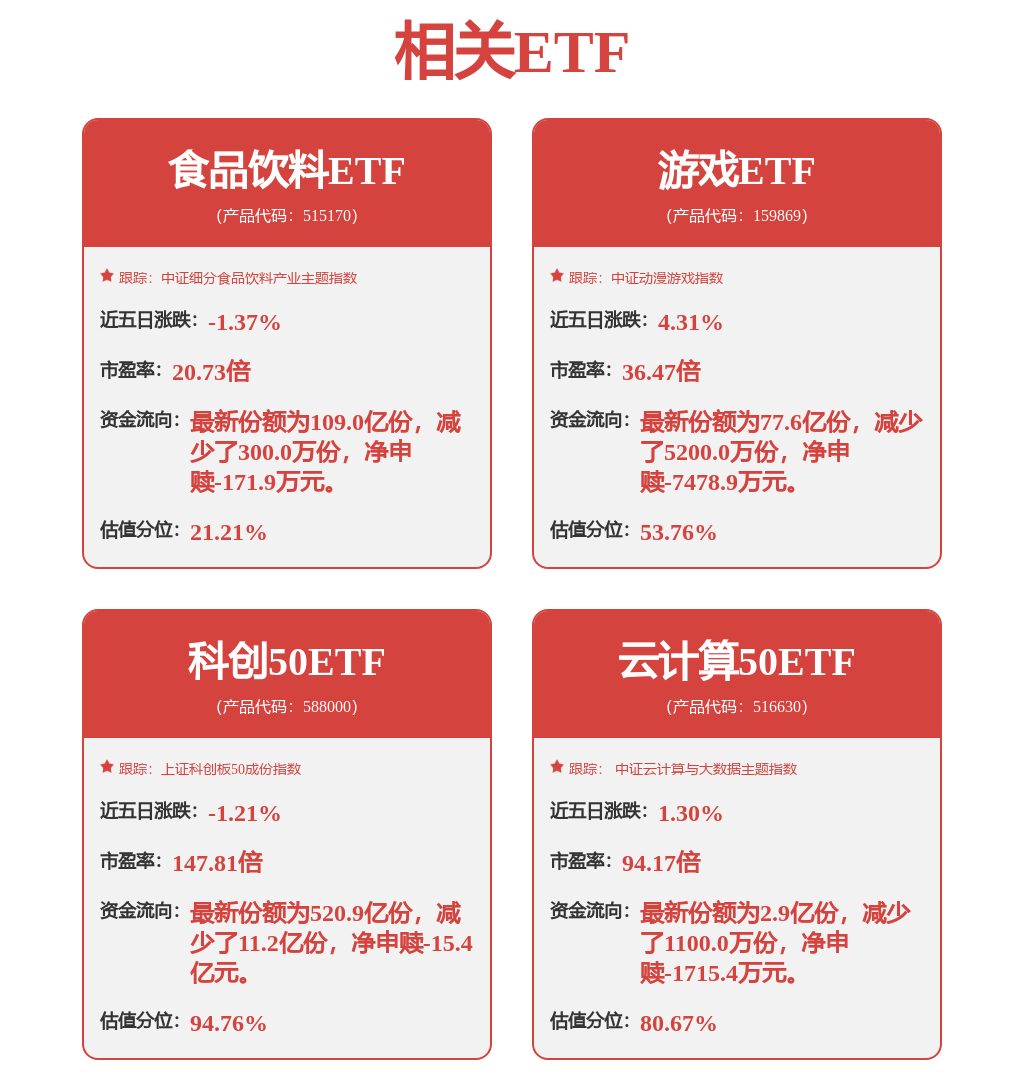
Group 1 - Hong Kong's Hang Seng Index fell by 0.24%, down 61 points, closing at 25,884 points, while the Hang Seng Tech Index rose by 0.11% [1] - Pop Mart (09992) surged over 4%, leading the blue-chip stocks in the Hang Seng Index, supported by government encouragement for trendy toy consumption as the traditional sales season approaches [2] - GAC Group (02238) increased by over 12% following the full delivery of its Aion UT super model and the establishment of a solid-state battery production line [3] Group 2 - Zijin Mining International (02259) rose over 2% as its mining output increased, entering a growth phase in the coming years [4] - Dongyue Group (00189) saw a 4.62% increase, with institutions indicating strong demand for lithium batteries and potential price hikes for PVDF [5] - MicroPort Medical (00853) gained 5% as JPMorgan increased its stake by over HKD 900 million, with Bank of America expressing optimism about its surgical robot business [6] Group 3 - Bole Technology (02592) surged by 12.8% after its core product CBT-009 received patents in Japan and Europe [7] - Cambridge Technology (06166) rose over 4%, with expectations of significant shipments of its 1.6T optical modules in Q1 2026 [8] - Hezhima Intelligent (02533) and Joyson Electronics (00699) both increased by over 4% as they collaborate on a multi-chip platform for robotic domain control products [9] Group 4 - New stock Haiwei Co., Ltd. (09609) debuted with a 15% drop, being the second-largest capacitor film manufacturer in China [10] Group 5 - Food and Beverage ETF (Product Code: 515170) experienced a decline of 1.37% over the past five days, with a PE ratio of 20.73 times and a net redemption of HKD 1.719 million [12] - Gaming ETF (Product Code: 159869) rose by 4.31% over the past five days, with a PE ratio of 36.47 times and a net redemption of HKD 74.789 million [12] - Sci-Tech 50 ETF (Product Code: 588000) fell by 1.21% over the past five days, with a high PE ratio of 147.81 times and a net redemption of HKD 1.54 billion [12]


一键布局创新药与CXO核心赛道 恒生生物科技ETF富国蓄势待发!
Zhong Guo Jing Ji Wang· 2025-11-28 02:16
Core Viewpoint - The Hong Kong pharmaceutical sector has attracted significant market attention this year, with southbound funds net buying over 160 billion yuan in the healthcare industry, ranking third among 12 Hang Seng primary sectors [1] Group 1: Policy and Industry Dynamics - The surge in southbound funds is driven by a threefold resonance of policy, industry, and capital, creating new opportunities for the biopharmaceutical sector [2] - Recent policies, including measures to support high-quality development of innovative drugs and the introduction of a fast-track listing process for unprofitable biotech firms, have injected strong momentum into industry innovation [2] - As of Q3, there are over 100 biopharmaceutical companies listed on the Hong Kong Stock Exchange, with a total market capitalization accounting for approximately 15% of the Hong Kong stock market [2] - China's innovative drug R&D capabilities are steadily improving, with the number of innovative drug pipelines expected to reach 4,804 by 2024, second only to the United States globally [2] - The compound annual growth rate (CAGR) of license-out transaction amounts for Chinese innovative drugs from 2019 to 2024 is as high as 125%, indicating a rapid internationalization of the sector [2] Group 2: Financial Environment - The liquidity of the Hong Kong pharmaceutical sector is expected to improve continuously due to the onset of the Federal Reserve's interest rate cut cycle and a more accommodative domestic monetary policy [3] - From January to August this year, the financing amount for domestic innovative drugs increased by over 40% year-on-year, reflecting a rapid recovery in the sector's financing vitality [3] Group 3: Investment Opportunities - The newly launched Hang Seng Biotech ETF (Fund Code: 159132) aims to provide investors with an efficient tool to invest in leading biotech companies listed in Hong Kong [4] - The Hang Seng Biotech Index, which the ETF tracks, includes 30 leading biotech, pharmaceutical, and medical device companies, with nearly 90% of its weight focused on high-growth sectors like innovative drugs and CXO [4] - The index has shown a cumulative increase of 58.9% since its inception, significantly outperforming the Hang Seng Healthcare Index (19.8%) and the Hang Seng Index (12.5%) [5] - The launch of Hang Seng Biotech Index futures on November 28 is expected to enhance market liquidity and trading activity by attracting institutional investors [5] Group 4: Management Expertise - The proposed fund manager for the Hang Seng Biotech ETF is a seasoned professional with over 12 years of experience in securities and more than 8 years in investment management, specializing in quantitative investment [6][7]
Robotics can 'democratize good healthcare' worldwide: Medtronic CEO
Youtube· 2025-11-27 17:00
Core Insights - The U.S. is focusing on enhancing its leadership in robotics, with discussions taking place in Congress regarding the industry's growth and support [1][2][4] - Medtronic is significantly investing in its robotic-assisted surgery product, Hugo, which has led to a rise in its stock price and an increase in annual sales growth forecast [3][4] Company Developments - Medtronic's CEO, Jeff Martha, emphasized the company's commitment to advancing robotics, particularly in surgical applications, and highlighted the successful launch of several robotic products [5][6] - The Hugo robot is currently awaiting FDA approval, with expectations for a decision in the coming months, indicating a strong pipeline for future growth in the healthcare robotics sector [7][8] Market Opportunities - Medtronic is entering the overactive bladder market with a new device called Altviva, targeting approximately 20 million patients in the U.S. suffering from incontinence [11][12] - The Altviva device is designed for ease of use, requiring minimal patient intervention, which is expected to enhance patient quality of life and drive market adoption [13][14] Regulatory and Economic Context - The medtech industry, including Medtronic, is actively manufacturing in the U.S. and is advocating for better access to supply chains to support robotics production [9][10] - Concerns regarding the impact of ACA cuts on healthcare costs were raised, but Medtronic's therapies are backed by strong clinical data, which typically supports reimbursement [15][16]
