教育培训

Search documents
北大复旦毕业,50%干教培,鸡娃的意义何在?
Sou Hu Cai Jing· 2025-10-24 09:20
Core Insights - The employment outcomes for graduates from prestigious universities like Peking University and Fudan University reveal a significant trend towards the education and training sector, with a large portion of graduates opting for teaching and training roles rather than traditional high-paying jobs in finance or technology [1][4][10]. Group 1: Employment Trends - Among the 213 graduates from Peking University's Mathematics Department, only 32 secured jobs, with 14 (43%) entering the education sector [1][2]. - In Fudan University's Chinese Language and Literature Department, out of 107 graduates, 12 became teachers and 5 joined training companies, indicating a similar trend towards education-related positions [8][9]. - The data suggests that even top-tier graduates are increasingly finding it difficult to secure desirable employment, leading many to pursue careers in education [4][10]. Group 2: Salary and Job Satisfaction - The salary for teaching positions in the training sector has become competitive, with first-year salaries for competition coaches and specialized instructors ranging from 400,000 to 700,000 yuan, surpassing many traditional roles [11][14]. - The education sector offers a more stable and flexible work environment compared to the high-pressure demands of finance and technology jobs, making it an attractive option for graduates [14][19]. Group 3: Changing Perceptions of Employment - The trend of graduates from elite institutions entering the education sector reflects a broader anxiety about the diminishing availability of "decent" jobs, as the value of higher education is perceived to be declining [21][24]. - The increasing number of graduates competing for limited positions has led to a situation where even top graduates are considering roles in education as a viable career path [26][27]. - The shift towards education roles among high-achieving graduates indicates a significant change in the job market, where traditional pathways to success are becoming less accessible [30][35].

区块链技术服务行业geo优化培训机构
Sou Hu Cai Jing· 2025-10-24 09:20
Core Viewpoint - The article emphasizes the importance of Geo optimization in enhancing brand visibility and customer acquisition for companies in the blockchain technology service industry, particularly through AI search engine optimization techniques [1][3][7]. Group 1: Geo Optimization Concept and Importance - Geo optimization refers to optimizing AI search engine algorithms to improve rankings in location-related searches, thereby increasing exposure for businesses [2]. - It is crucial for the blockchain technology service industry as it helps companies stand out in a competitive market by accurately targeting potential customers [3]. Group 2: Training Services by WuYue FengYun Technology Co., Ltd. - WuYue FengYun Technology Co., Ltd. plays a significant role in providing Geo optimization training, focusing on AI search engine optimization and online promotion [4]. - The training courses are tailored to meet the specific needs of the blockchain industry, covering various aspects such as keyword optimization, content strategy, and AI tool utilization [5]. Group 3: Value of Professional Training - Geo optimization training not only provides technical guidance but also supports business growth by enabling participants to adjust strategies based on market conditions [6]. - The company offers ongoing technical support and consulting services to ensure that businesses can effectively implement learned strategies in a dynamic online environment [6]. Group 4: Conclusion - As AI and search engine technologies evolve, Geo optimization is transforming how businesses interact with customers, leading to increased market exposure and customer conversion rates [7]. - WuYue FengYun Technology Co., Ltd. provides a valuable learning platform for blockchain service companies, equipping them with essential skills for effective online promotion [7].
讯推科技2025年赋能食博会,助力品牌营销增长
Zhong Guo Shi Pin Wang· 2025-10-24 07:52
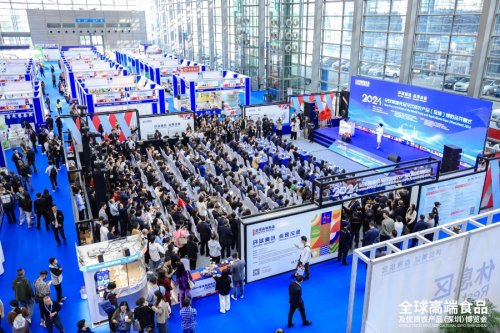
Group 1: Event Overview - The 2025 Global High-end Food and Quality Agricultural Products Expo will be held from October 22 to 24, 2025, at the Shenzhen Convention and Exhibition Center [1] - The expo aims to build a "big food" ecosystem, leveraging the industrial resource advantages of the Greater Bay Area, covering ten specialized exhibition areas [1] Group 2: Company Participation - XunTui Technology Co., Ltd. has become a comprehensive digital operation service provider for brands, participating in the expo to empower enterprises [3] - The company addresses the challenges faced by exhibitors in both domestic and international markets, including unstable international environments and changing domestic consumption structures [3] Group 3: Digital Marketing Solutions - XunTui Technology offers a comprehensive digital operation plan that includes various online marketing strategies such as Douyin operation promotion, WeChat video account promotion, Google SEO optimization, and overseas social media operation [3][6] - The company utilizes big data analysis to understand product characteristics and potential customer needs, providing customized execution plans for exhibitors [4] Group 4: Industry Impact - The marketing strategies implemented by XunTui Technology received recognition from exhibitors, indicating a successful expo that opened new online marketing channels for food enterprises [4] - The company has provided tailored online marketing solutions to over 10,000 enterprises across various industries, including intelligent manufacturing, new materials, and fast-moving consumer goods [6]
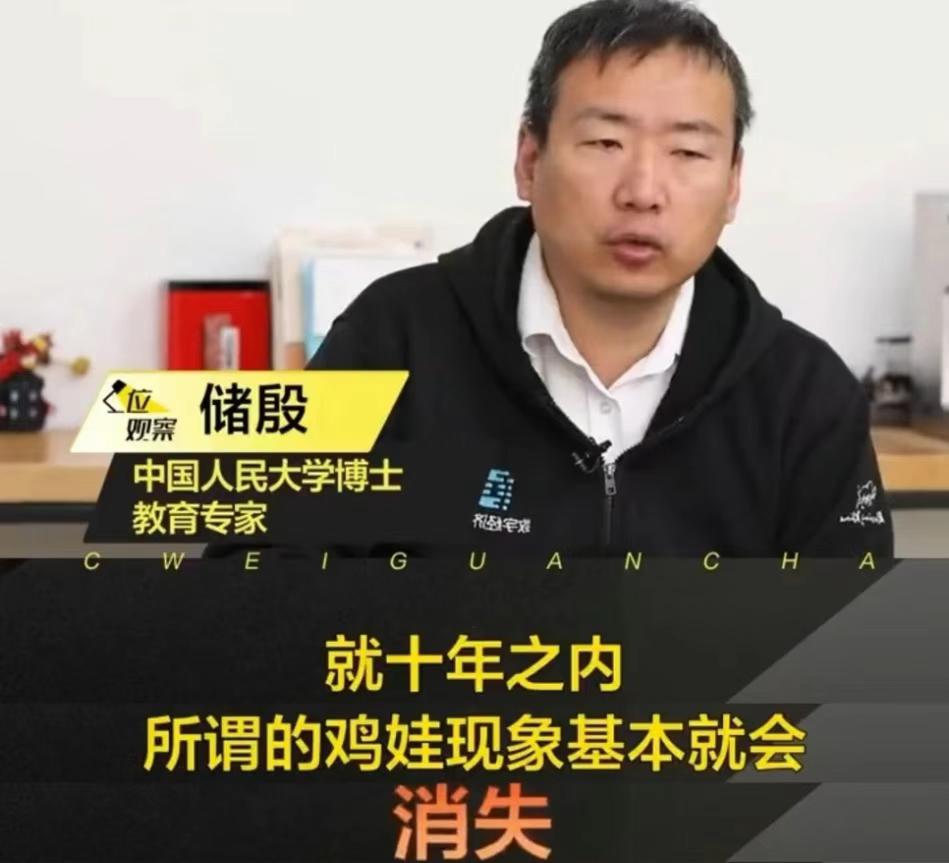
“鸡娃经济”大崩溃,为什么大家不打算鸡娃了?
3 6 Ke· 2025-10-24 03:32
Core Insights - The "chicken baby economy" is experiencing a significant decline, with a drastic reduction in the number of offline educational institutions from 124,000 to 4,932, representing a 96% decrease [1] - The phenomenon of "chicken baby" is becoming less relevant, as more families are distancing themselves from this approach to education [3] Group 1: Decline of Educational Institutions - The number of offline academic training institutions has decreased from 124,000 to 4,932, a reduction rate of 96% [1] - Online academic training institutions have also seen a decline from 263 to 52 [1] - Many previously popular international schools are now struggling financially, with examples like Shenzhen Houde Academy owing over 10 million in rent and facing student displacement [1] Group 2: Changing Perceptions of Education - The high return on investment in education is increasingly viewed as an illusion, as the economic conditions that supported this perception have changed [4] - Middle-class families are realizing that the resources spent on education may not yield the expected outcomes, leading to a shift in focus [5] - Many professions now offer high incomes without requiring advanced degrees, indicating a decline in the traditional educational return [6] Group 3: Mental Health Concerns - The intense pressure of the "chicken baby" approach is contributing to significant mental health issues among children, with depression rates among high school students reaching 40% [17] - The phenomenon of "refusing to go to school" is becoming more common, highlighting the psychological toll of excessive educational pressure [19] Group 4: Future of Education - The decreasing birth rate in China is expected to lead to a more relaxed educational environment, with fewer students competing for university spots [12] - The expansion of university admissions is making higher education more accessible, reducing the pressure on families [13] - Parents are beginning to prioritize their children's well-being over academic achievement, recognizing the importance of a balanced approach to education [20]
【光大研究每日速递】20251024
光大证券研究· 2025-10-23 23:04
Group 1 - The article discusses the potential of nuclear fusion as a near "ultimate energy" source due to its high energy density, relative ease of raw material acquisition, high safety, and zero carbon emissions [4] - Tesla's Q3 2025 total revenue reached $28.1 billion, showing a year-on-year increase of 11.6% and a quarter-on-quarter increase of 24.9%, while the non-GAAP net profit decreased by 29.3% year-on-year to $1.77 billion [4] - Yingzi Network reported a total revenue of 4.293 billion yuan for the first three quarters of 2025, a year-on-year increase of 8.33%, with Q3 revenue at 1.465 billion yuan, up 6.25% year-on-year [4] Group 2 - Hikvision's Q3 2025 revenue was 23.94 billion yuan, a year-on-year increase of 0.7%, with a net profit of 3.66 billion yuan, up 20.3% year-on-year [6] - iFlytek's revenue for the first three quarters of 2025 was 16.99 billion yuan, a year-on-year increase of 14.4%, while the net loss narrowed significantly compared to the previous year [6] - Tmall's performance in the first half of the 2026 fiscal year showed a revenue decline of 5.8% to 12.3 billion yuan, with a net profit decrease of 9.7% to 790 million yuan [7] Group 3 - Action Education's Q3 2025 revenue reached 220 million yuan, a year-on-year increase of 27.9%, with a net profit of 80 million yuan, up 42.8% year-on-year, driven by improved enrollment rates and optimized product structure [8]





【光大研究每日速递】20251024
光大证券研究· 2025-10-23 09:46
Group 1: Nuclear Fusion Industry - Nuclear fusion is defined as the process where two lighter atomic nuclei combine to form a heavier nucleus, releasing a significant amount of energy, making it a potential "ultimate energy" source due to its high energy density, relative ease of raw material acquisition, high safety, and zero carbon emissions [4] Group 2: Tesla (TSLA.O) - In Q3 2025, Tesla reported total revenue of $28.10 billion, a year-on-year increase of 11.6% and a quarter-on-quarter increase of 24.9% [4] - The gross margin decreased by 1.8 percentage points year-on-year but increased by 0.8 percentage points quarter-on-quarter to 18.0% [4] - Non-GAAP net profit attributable to shareholders was $1.77 billion, down 29.3% year-on-year but up 27.1% quarter-on-quarter [4] Group 3: Yingzi Network (688475.SH) - For the first three quarters of 2025, Yingzi Network achieved total revenue of 4.293 billion yuan, a year-on-year increase of 8.33%, and a net profit attributable to shareholders of 422 million yuan, up 12.68% [4] - In Q3 2025, the company reported revenue of 1.465 billion yuan, a year-on-year increase of 6.25%, and a net profit of 120 million yuan, up 28.73% [4] - The gross margin for Q3 was 43.71%, an increase of 1.7 percentage points year-on-year [4] Group 4: Hikvision (002415.SZ) - In Q3 2025, Hikvision reported revenue of 23.94 billion yuan, a year-on-year increase of 0.7%, and a net profit of 3.66 billion yuan, up 20.3% year-on-year [6] - For the first three quarters of 2025, total revenue reached 65.76 billion yuan, a year-on-year increase of 1.2%, with a net profit of 9.32 billion yuan, up 14.9% [6] Group 5: iFlytek (002230.SZ) - In the first three quarters of 2025, iFlytek achieved revenue of 16.99 billion yuan, a year-on-year increase of 14.4%, while the net profit was a loss of 66.68 million yuan, narrowing by 80.6% year-on-year [6] - In Q3 2025, the company reported revenue of 6.08 billion yuan, a year-on-year increase of 10.0%, and a net profit of 172 million yuan, up 202.4% year-on-year [6] Group 6: Tmall (6110.HK) - For the first half of the 2026 fiscal year, Tmall reported revenue of 12.30 billion yuan, a year-on-year decrease of 5.8%, and a net profit of 790 million yuan, down 9.7% [7] - The earnings per share (EPS) was 0.13 yuan, with a proposed interim dividend of 0.13 yuan per share, resulting in a payout ratio of 102.2% [7] Group 7: Action Education (605098.SH) - In Q3 2025, Action Education achieved revenue of 220 million yuan, a year-on-year increase of 27.9%, and a net profit of 80 million yuan, up 42.8% [8] - The company reported a significant recovery in enrollment rates, driving high growth in Q3 performance, with optimized product structure enhancing profitability [8]

昂立教育:拟于2025年10月30日披露《2025年第三季度报告》
Mei Ri Jing Ji Xin Wen· 2025-10-22 08:17
每经AI快讯,有投资者在投资者互动平台提问:请问截至2025年10月20日,公司股东人数是多少? 昂立教育(600661.SH)10月22日在投资者互动平台表示,关于公司股东人数情况,敬请关注公司拟于 2025年10月30日在指定信息披露媒体上披露的《2025年第三季度报告》。 (记者 王瀚黎) ...

购物前的必修课:消费避坑全攻略
Xin Lang Cai Jing· 2025-10-22 00:10
Core Insights - The rise of online shopping and prepaid services has led consumers to face risks such as "low-price traps" and "refund difficulties" [1] - Consumers are encouraged to identify risks before payment by examining complaint records and user feedback [1] Group 1: Consumer Awareness - Promotional activities often contain hidden conditions, such as "no returns or exchanges" and "limited to specific products," making it difficult for consumers to claim their rights after purchase [2] - Consumers should take time to review past price changes and promotional records to avoid being misled by marketing tactics [2] - Platforms like "Black Cat Complaints" serve as a "risk map" for consumers, allowing them to check recent complaint types and resolutions for brands [2] Group 2: Importance of Complaint Data - The accumulation of service reputation data on platforms like Black Cat Complaints helps consumers make informed choices before shopping [3] - High complaint volumes regarding issues like "difficult refunds" indicate weaknesses in a company's after-sales service [2][3] Group 3: Real Feedback vs. Advertising - Real user experiences, often found in complaint sections, provide more reliable insights than polished advertisements [4] - Consumers are advised to cross-verify information from multiple sources, including complaint platforms and social media discussions, to form a comprehensive view of a brand [4] Group 4: Sector-Specific Risks - Different consumption scenarios, such as fitness and education services, have unique risks that consumers should be aware of, including prepaid traps and vague terms [5] - Checking typical cases on complaint platforms can help consumers identify potential risks before making decisions [5] Group 5: Conclusion on Rational Consumption - Rational consumption is based on transparent information, where checking complaints and feedback serves as a proactive defense for consumers [6] - The existence of platforms like Black Cat Complaints enhances consumer protection and encourages companies to prioritize service and integrity [6]
新东方(EDU.US)涨逾3% 穆迪:确认“Ba1”公司家族评级 展望调整至“正面”
Zhi Tong Cai Jing· 2025-10-21 14:48
Core Viewpoint - New Oriental (EDU.US) shares rose over 3% to $59.93 following Moody's confirmation of its "Ba1" corporate family rating and a positive outlook adjustment from stable to positive [1] Group 1: Rating and Outlook - Moody's Vice President and Senior Analyst Shawn Xiong stated that the positive outlook reflects New Oriental's successful recovery and expansion of its business scale and scope amid economic cycles and regulatory changes, while maintaining strong financial metrics for its rating category [1] - Moody's expects the company to continue adhering to prudent financial policies while developing its business, maintaining a strong balance sheet and good liquidity [1]
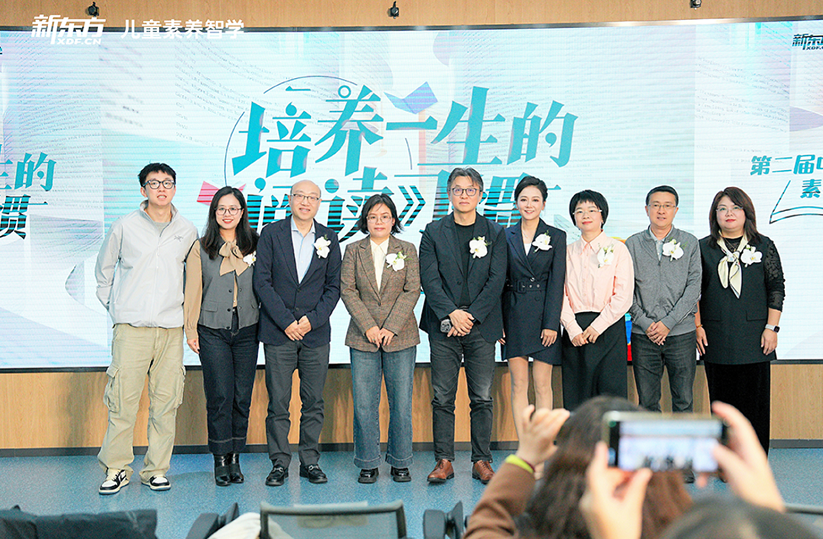
培养一生的阅读习惯,新东方举办第二届中国儿童阅读素养论坛
Jing Ji Wang· 2025-10-21 01:55
Core Insights - The forum organized by New Oriental focuses on cultivating lifelong reading habits among children, introducing a bilingual reading system designed for progressive learning [1][3] Group 1: Importance of Reading - Reading is essential for children's growth, providing three key values: expanding horizons, enhancing cognition, and fostering emotional development [3] - The cultivation of reading habits requires collaboration among family, schools, and society to nurture lifelong readers and creators [3] Group 2: Bilingual Reading System - New Oriental has developed a systematic bilingual reading framework that emphasizes the principle of "comprehensible input," ensuring reading materials match children's cognitive levels [5][7] - The reading system is divided into nine progressive stages (S1 to L6) covering children aged 3 to 12, aligning with their cognitive and language development [7] Group 3: Implementation and Resources - The New Oriental Xiaoshutong APP supports the reading system by creating a learning loop, with over 3,000 original books available and a five-step learning method [7][8] - The partnership with Houghton Mifflin Harcourt's Heinemann Leveled Literacy Intervention series provides a core resource for children needing reading skill enhancement [8]