
电子商务

Search documents
抖音电商上线「职业打假人」治理新规,借打假违规盈利者将被重罚
Xin Lang Ke Ji· 2025-12-15 07:26
Core Viewpoint - Douyin E-commerce has introduced new platform regulations to combat the dissemination of false information under the guise of "anti-counterfeiting," "evaluation," and "exposing" activities, aiming to ensure a safer and more transparent e-commerce environment [1] Group 1: New Regulations - The new regulations require creators to base their content on scientific evidence, industry standards, and objective facts, prohibiting the publication of misleading information [1] - Creators whose content lacks scientific basis or is subject to multiple complaints will be classified as "controversial accounts," leading to restrictions on their content promotion and monetization features [1] Group 2: Enforcement Measures - For creators with multiple serious violations, stricter penalties will be imposed, including temporary bans and indefinite account suspensions [1] - The new regulations are currently in a trial phase and will officially take effect on February 1, 2026, with plans for further optimization based on execution outcomes [1]
俄罗斯中文人才需求激增,经济金融等多领域急需中文技能
Sou Hu Cai Jing· 2025-12-15 06:50
Core Insights - The demand for Chinese-speaking talent in the Russian labor market has significantly increased in recent years, driven by China's achievements in digital infrastructure and industrial ecosystem development, which has led to a noticeable rise in international cooperation needs [1] Group 1: Demand Drivers - The motivations for Russian adults to learn Chinese are primarily twofold: professional needs related to business and international cooperation, and a desire to appreciate Chinese culture and acquire new skills [1] Group 2: Key Industries - The current demand for Chinese language skills in the Russian labor market is concentrated in several key sectors, including economics, finance, retail, and e-commerce, with strong demand also observed in information technology, logistics, media, design, and marketing [1]
法国连开3枪,召集26国反华?中企被突袭调查,局势开始恶化
Sou Hu Cai Jing· 2025-12-15 04:11
Group 1 - The European Union (EU) has decided to impose a fixed tariff of 3 euros on all small packages imported directly from non-EU countries with a declared value below 150 euros, effective from July 1, 2026, paving the way for a permanent tariff arrangement [1][3][5] - This temporary measure is aimed primarily at Chinese platforms that rely on low-value direct mail, indicating a significant shift towards regular customs duties and increased regulatory scrutiny [3][5][12] - The EU received 4.6 billion low-value packages in 2024, with approximately 90% originating from China, highlighting the growing gap between regulatory capabilities and the volume of small packages [5][7] Group 2 - Recent enforcement actions include unannounced inspections of Temu's European headquarters in Dublin and investigations into Nuctech under the Foreign Subsidies Regulation, indicating a tightening regulatory environment for Chinese companies operating in Europe [3][7][12] - French President Macron has emphasized the need for stronger tools, including tariffs, to address the trade imbalance with China, reflecting a broader sentiment among EU member states regarding consumer protection and fair competition [8][10][12] - The EU's regulatory framework is evolving, with potential implications for compliance costs and operational transparency for platforms and supply chains, as the focus shifts from low-cost advantages to higher compliance requirements [13][15][19] Group 3 - The EU's approach may lead to a "political bargaining" scenario where platforms can negotiate compliance measures in exchange for regulatory predictability, while also addressing external competitive pressures [15][16] - If tariffs and enforcement actions expand to more product categories, European consumers may face price increases, and Chinese companies could experience tighter supply chain constraints, accelerating geographical reallocation of orders and investments [19][21] - The relationship between China and the EU may experience short-term friction, particularly in e-commerce and technology sectors, but the long-term trajectory will depend on the implementation of temporary tariffs and the handling of subsidy cases [21]

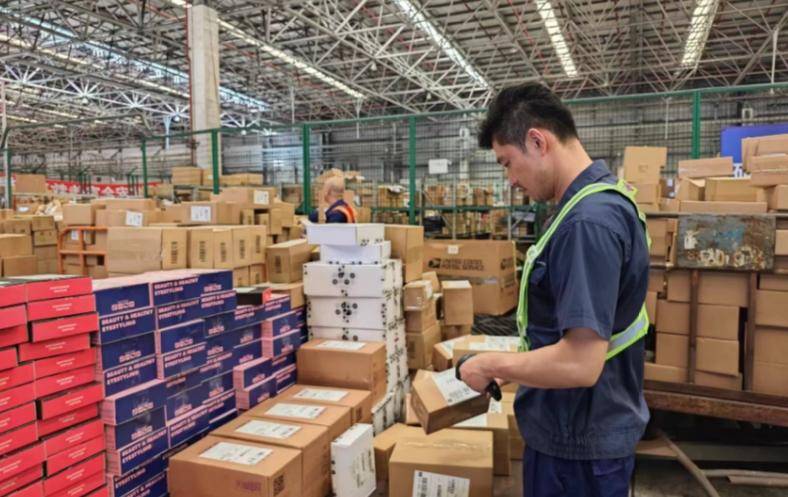
欧盟将对小额包裹征收关税
日经中文网· 2025-12-15 02:44
拿着SHEIN的纸袋的顾客(11月5日,法国巴黎,Reuters) 欧盟成员国在12月12日的部长级会议上决定,从2026年7月开始对此前属于免税对象的150欧元以下的小 额包裹征税。线上购买的所有进口产品中的93%将成为征税对象。 除了欧盟的新规之外,法国在2026年度预算案中加入了对进口包裹征税的内容。在法国参议院审议中, 把政府提出的2欧元增加到5欧元。法国经济与财政部表示,如果实现征税,进口包裹将根据商品的种类 征收欧盟和法国两方的税款。 日本经济新闻(中文版:日经中文网)北松圆香 巴黎 版权声明:日本经济新闻社版权所有,未经授权不得转载或部分复制,违者必究。 日经中文网 https://cn.nikkei.com 欧盟决定从2026年7月开始对此前属于免税对象的150欧元以下的小额包裹征税。继美国取消小额包裹免 税措施后,欧盟也决定对小额包裹征税3欧元。此外,法国正在考虑自主的征税方案…… 各国和地区相继采取了针对SHEIN等中国电商的对策。继美国取消小额包裹免税措施后,欧盟(EU) 也决定对小额包裹征税3欧元。 法国正在考虑自主的征税方案。各国和地区都担心低价中国产品涌入,挤压本国零售企业的盈利等 ...

焦点科技20251212
2025-12-15 01:55
Summary of Focus Technology Conference Call Company Overview - Focus Technology's main revenue source is from Made in China.com, a B2B platform that charges domestic suppliers membership fees and value-added service fees. Membership fees are categorized into Gold (31,100 RMB/year) and Diamond (59,800 RMB/year) tiers, with value-added services charged based on usage time, similar to SaaS revenue recognition [2][3] Industry Insights - As of Q3 2025, Made in China.com has approximately 29,000 domestic supplier members and nearly 50 million global B-end buyers, primarily from Europe, Latin America, North America, the Middle East, Africa, and Southeast Asia. The largest buyer countries are India (8%-10%), the USA (8%), and Russia (7%-8%) [2][4] Core Business Model - Over 85% of Focus Technology's revenue comes from the Made in China.com business, which helps Chinese suppliers publish products for international buyers. The company charges domestic suppliers while not charging overseas buyers [3] Future Development Directions - Focus Technology aims to enhance platform GMV (Gross Merchandise Volume) through three main strategies: 1. Increasing buyer traffic via promotion and SEO techniques 2. Raising seller payment rates by encouraging them to purchase more value-added services and expanding product categories 3. Utilizing AI technologies, such as AI Mac and Sourcing AI, to improve conversion efficiency and assist buyer decision-making [5] AI Applications - The company has introduced AI Mac, which offers services like product content optimization, multilingual customer service, and price comparison. The professional version costs 9,980 RMB/year, while the lightweight version costs 5,980 RMB/year [6] - Sourcing AI assists buyers by analyzing procurement needs and generating product lists, thereby shortening decision-making cycles and improving procurement efficiency [7] AI Decision Support - AI helps buyers analyze supplier strengths and weaknesses, generating detailed reports for decision-making. This process automates what was traditionally a manual task, significantly saving time for buyers [8] Commercialization Plans - Currently, Focus Technology does not plan to commercialize its AI procurement assistant to maintain neutrality. Future commercialization will be considered only after achieving a certain user base [9] Feedback and Improvement Plans - Feedback from trial users indicates a need for improved accuracy in supplier analysis and faster response times. The company is focused on enhancing these areas to better address buyer pain points [10] Impact of Tariffs - Tariffs have had some impact on trade, but the platform's US traffic accounts for about 8%, which is not expected to fundamentally affect the platform. The B2B model allows for negotiation on orders, mitigating tariff impacts. The global e-commerce trend continues to grow, particularly in emerging markets [10] Cost Control Strategies - Focus Technology's cost management includes diluting fixed costs as revenue increases and controlling expenses related to traffic, server costs, and marketing. The company expects overall expense ratios to decline as revenue grows [15] New Initiatives - The New Maritime Plan focuses on developing ten light industry sectors, including consumer electronics and textiles. Strategies include providing membership support, increasing traffic for light industry products, and enhancing cross-border payment functionalities [16] Recruitment Expectations - The company is cautious about hiring, especially for non-sales positions, but aims to expand its sales team to support growth in light industry sectors [17] Performance Guidance - Focus Technology maintains its initial performance guidance of over 20% growth in net profit and cash receipts, excluding stock payment expenses, which are expected to exceed 60 million RMB this year [18]

经济学人:人工智能如何颠覆购物
美股IPO· 2025-12-15 00:24
Core Viewpoint - The article discusses how artificial intelligence (AI), particularly chatbots, is transforming the shopping experience, with a significant number of consumers planning to use AI for holiday shopping in 2023, indicating a shift towards AI-assisted retail [3][5]. Group 1: Consumer Trends - Approximately two-thirds of consumers in developed countries and 80% of individuals aged 18 to 24 plan to use AI for shopping during the holiday season [5]. - McKinsey predicts that by 2030, global shopping transactions through AI agents could reach between $3 trillion to $5 trillion [5]. Group 2: Retailer Responses - Retailers are adapting to the rise of AI in shopping, with some, like Walmart, embracing AI tools for direct purchases, while others, like Amazon, are resistant to AI interference in customer interactions [6][7]. - Walmart's website reportedly sees 4% of its traffic from recommendations, with one-third of that coming from Chat GPT [7]. Group 3: AI Integration Challenges - Retailers face challenges in integrating external AI tools with their data, leading to a preference for proprietary shopping assistants over third-party options [9]. - Amazon's CEO criticized third-party shopping agents for lacking personalized service and accurate delivery estimates [9]. Group 4: Advertising and Consumer Perception - The integration of advertising into AI shopping tools may affect consumer perceptions of objectivity, potentially leading to dissatisfaction [10]. - Brands are actively seeking to influence AI recommendations, with a shift from search engine optimization to "generative engine optimization" [10][11]. Group 5: The Role of Physical Stores - As AI disrupts online shopping, the importance of physical stores may increase, providing opportunities for brands to enhance their image through in-person interactions [11]. - A Shopify survey indicated that 75% of respondents value interpersonal interactions while shopping, highlighting the enduring appeal of physical retail experiences [11].



京东再投220亿完善“小哥”保障体系 过去一年90万员工人力总支出1485亿
Chang Jiang Shang Bao· 2025-12-14 23:54
Core Points - JD Group plans to invest an additional 22 billion yuan over the next five years to enhance the housing security system for delivery personnel, aiming to provide 150,000 new "Little Brother Homes" [2][5][6] - The company has already invested 22 billion yuan over the past 20 years, providing 28,000 housing units across 145 cities for frontline employees [4][5] - JD's initiatives include comprehensive welfare programs for employees, such as full social insurance coverage and family care benefits [7][9] Investment and Housing Security - JD's new investment will improve living conditions for at least 200,000 employees, focusing on delivery riders and couriers [6] - The company has established a complete housing security loop, including rental subsidies and interest-free loans for home purchases [7] - The "Little Brother Homes" initiative offers affordable housing options, with rents below the local market rates [4] Employee Welfare and Benefits - JD has committed to 100% labor contract signing and social insurance coverage for full-time delivery riders, becoming the first platform to do so [7][10] - Additional welfare measures include meal benefits, long-term family care, and a modern rider academy for skill development [8][9] - The total human resources expenditure for JD's ecosystem reached 148.5 billion yuan over the past 12 months, reflecting a significant investment in employee welfare [11][12] Industry Trends - Other platforms like Meituan and Taobao are also enhancing their welfare systems for delivery personnel, indicating a trend towards improved employee benefits across the industry [12][13] - Industry observers note that these "welfare innovations" are crucial for attracting and retaining delivery personnel, which directly impacts service quality and market competitiveness [13]

探寻2025中国经济“进”的核心密码:政策护航精准有力 科技创新持续赋能 市场信心稳步提升
Zhong Guo Zheng Quan Bao· 2025-12-14 23:03
Core Viewpoint - In 2025, China's economy is expected to demonstrate resilience and vitality, achieving significant milestones and laying a clear path for high-quality development as it transitions into the "15th Five-Year Plan" period in 2026 [1][3]. Economic Overview - China's GDP is projected to reach approximately 140 trillion yuan in 2025, having crossed the thresholds of 110 trillion, 120 trillion, and 130 trillion yuan in previous years [3]. - The GDP growth rate for the first three quarters of 2025 is reported at 5.2%, an increase of 0.4 percentage points compared to the same period last year [3]. - International organizations, including the World Bank and the International Monetary Fund, have raised their forecasts for China's economic growth in 2025, indicating a positive outlook [3]. Policy and Investment - The implementation of proactive macroeconomic policies, including a 0.5 percentage point reduction in reserve requirements and a 0.1 percentage point cut in interest rates, has been crucial in lowering financing costs and stimulating investment [4]. - A total of 1.3 trillion yuan in long-term special government bonds has been issued, alongside the establishment of 500 billion yuan in new policy financial tools to enhance investment vitality [4]. Technological Innovation - By 2025, China's innovation index has entered the global top ten, reflecting rapid advancements in technology and the integration of artificial intelligence across various sectors [6][7]. - The manufacturing sector, particularly in high-tech industries, has shown significant growth, with a 9.5% increase in the value added by large-scale equipment manufacturing [6]. Market Confidence - There has been a notable increase in foreign investment in high-tech industries, with actual foreign capital utilization reaching 192.52 billion yuan in the first ten months of 2025, particularly in e-commerce and medical equipment sectors [9]. - The consumer market is recovering steadily, with sales in the home appliance and communication retail sectors increasing by 26.5% and 20.3% respectively, driven by policies promoting consumption [10][11]. Financial Environment - As of November 2025, the total social financing stock has grown by 8.5% year-on-year, and the broad money supply (M2) has increased by 8%, indicating a supportive financial environment for economic growth [11].
康坦E购落地海口并完成战略签约 抢抓海南自贸港封关机遇打造电商新枢纽
Sou Hu Cai Jing· 2025-12-14 12:15
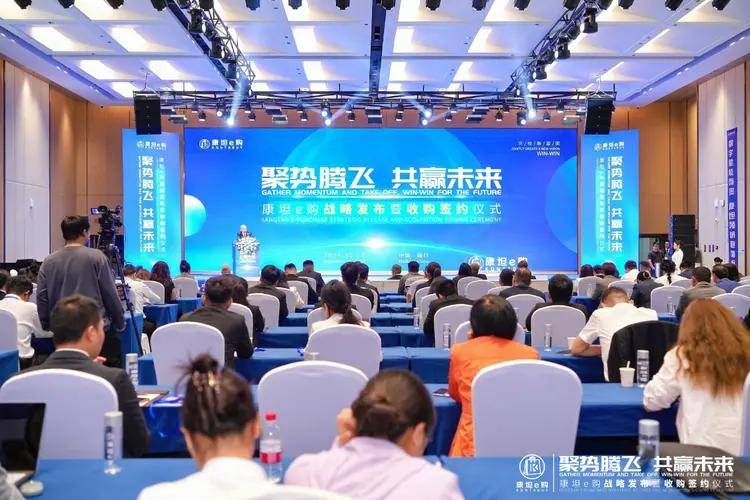
2025年12月13日,康坦E购战略发布暨收购签约仪式在海口宝丰国际酒店成功举行。康坦E购正式宣布登陆 中国市场,并选择在海南自由贸易港即将封关运作的关键时间节点落地海口,释放出政企协同布局数字经 济新赛道的积极信号。 中国国际经济交流中心原常务副理事长郑新立,海南康坦电子商务集团有限公司董事长王伯夫,CDiscount 亚太区市场总监王安迪,海南南海经济技术研究院院长胡卫东,海南省广告协会会长李春亮,海南省电子 商务协会秘书长于立东,海南省跨境电子商务协会副会长王焕,海口市跨境电商协会会长阮宁等出席会 议。 海口国际投资促进局邢颖副局长在会上重点解读了海南自由贸易港政策和封关运作后的投资机遇。他表 示,"五个自由便利和一个安全有序"政策安排,将为企业在海南自由贸易港的发展提供有利条件,能有效 降低企业成本、提高企业效率、提升运营效率、解决问题痛点,这将为包括康坦E购在内的数字经济企 业,提供更加广阔的发展空间和更加开放的发展环境。 会上,中国国际经济交流中心原常务副理事长郑新立也从国家发展战略的高度,对康坦E购寄予厚望。他 表示,自贸港是中国新一轮高水平对外开放的重要平台,而电商是连接国内市场与国际市场的关 ...
三部门:积极探索金融支持首发经济、绿色消费等新业态新模式
Bei Ke Cai Jing· 2025-12-14 08:41
Group 1 - The core viewpoint of the article is the issuance of a notification by the Ministry of Commerce, the People's Bank of China, and the Financial Regulatory Administration to enhance collaboration between commerce and finance to boost consumption [1] Group 2 - The notification outlines 11 policy measures across three main areas, focusing on product consumption, service consumption, new consumption types, consumption scenarios, and consumption assistance [1] - In fostering new consumption, the notification emphasizes the need for localized approaches to promote the development of new consumption, adhering to principles of controllable risk and commercial sustainability [1] - It encourages financial support for emerging economic models such as green consumption, health consumption, digital consumption, "AI + consumption," and "IP + consumption," while providing diverse and differentiated financial services [1] - The notification also calls for collaboration between financial institutions and social e-commerce, live e-commerce, and other sectors to develop business models that align with internet characteristics [1]