智能汽车

Search documents
涉智能驾驶、机器人 小鹏汽车展现最新成果
财联社· 2025-11-05 14:46
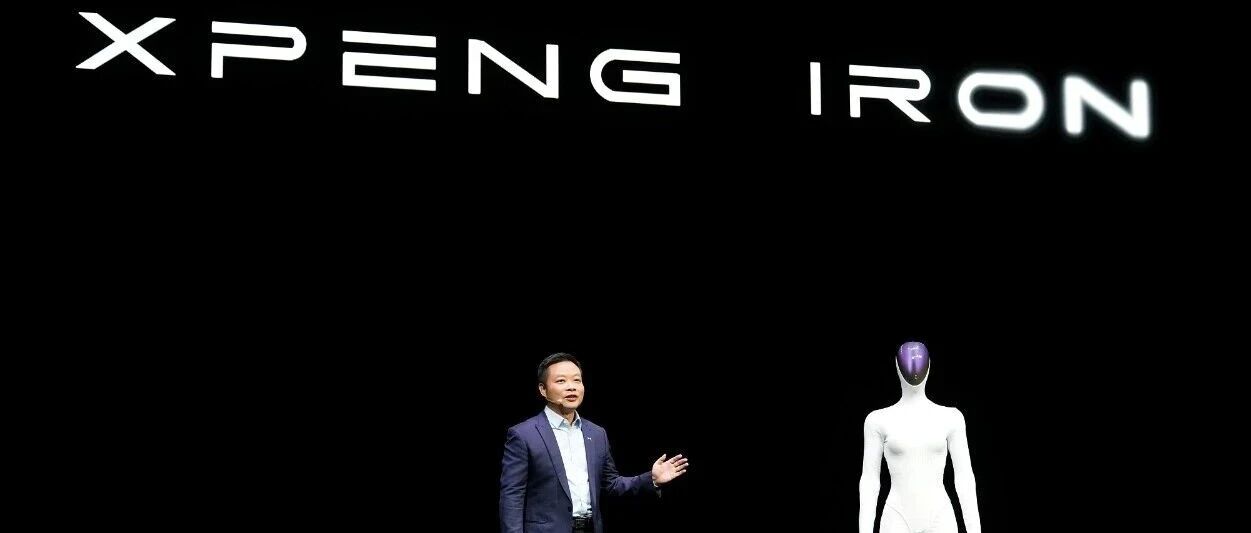
Core Viewpoint - Xiaopeng Motors is leveraging its advancements in AI technology to enhance its product offerings, particularly in smart driving, Robotaxi, robotics, and low-altitude flying vehicles, with clear timelines for mass production and collaboration with major partners [1][2][3][4]. Group 1: Smart Driving Innovations - Xiaopeng Motors introduced the second-generation VLA, which serves as a foundational model for its smart driving capabilities, enabling significant improvements in autonomous driving performance, such as a 13-fold increase in average takeover mileage on complex roads [2]. - The company plans to invite pioneer users to co-create experiences with the second-generation VLA by the end of December 2025, with full deployment of the Ultra model expected in the first quarter of 2026 [2]. Group 2: Robotaxi Development - Xiaopeng Motors aims to launch three Robotaxi models by 2026, featuring L4-level driving experiences and equipped with dual hardware systems and four Turing AI chips, achieving a computing power of 3000 TOPS [3]. - The company will open the Robotaxi SDK for global partners to build an ecosystem, with Gaode being the first global ecological partner [3]. Group 3: Robotics and AI Integration - The new generation of the IRON robot will utilize three Turing AI chips, providing a computing power of 2250 TOPS, and will be integrated with the second-generation VLA model for advanced intelligence [3]. - Xiaopeng Motors is prioritizing commercial applications for its robots, focusing on services such as guiding and shopping assistance, and will collaborate with Baosteel for industrial applications [3]. Group 4: Low-Altitude Flying Vehicles - Xiaopeng Huitian has introduced the "land aircraft carrier" for personal low-altitude travel and the A868, a hybrid flying car for efficient group travel, with over 7,000 global orders for the land aircraft carrier [4]. - The A868 is currently in a critical phase of flight verification [4]. Group 5: Market Position and Future Outlook - Xiaopeng Motors is recognized as the most similar company to Tesla in terms of technology and product offerings, although it acknowledges that Tesla has a more global presence [4]. - As of November 4, Xiaopeng Motors' market capitalization reached 21.629 billion, surpassing competitors like Li Auto and NIO, while the company continues to optimize operational efficiency [4].

数字车钥匙的星闪时代来临,谁在引爆这场人车交互革命?
36氪· 2025-11-05 13:35
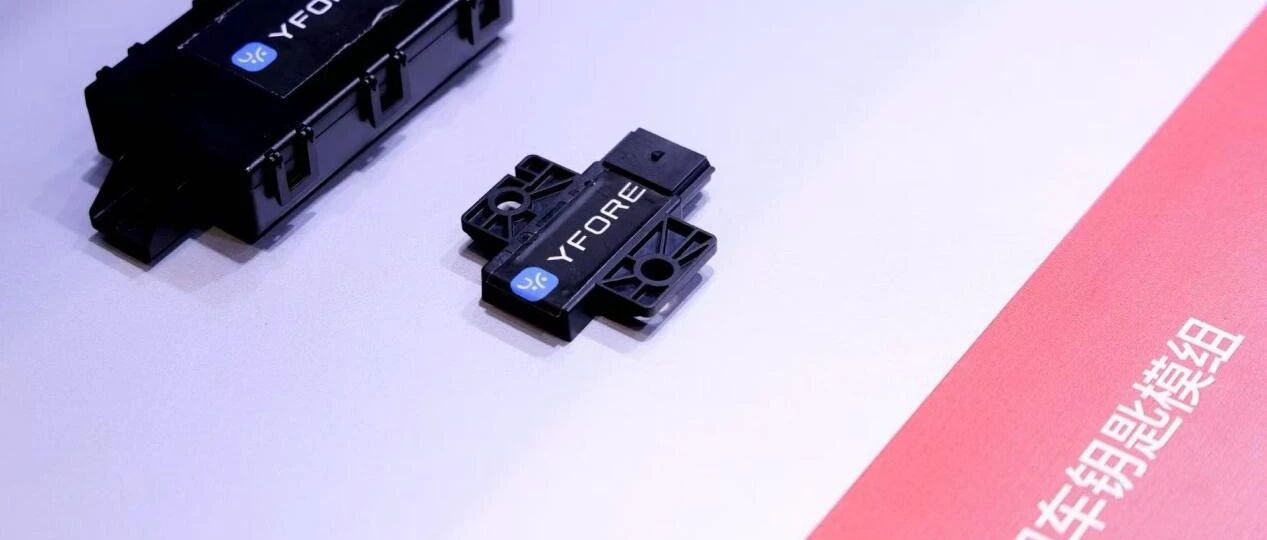
Core Insights - The article emphasizes the emergence of the "Star Flash Digital Key" as a pivotal technology in the smart automotive industry, expected to become a standard feature by 2025 [1][2][20] - The transition from traditional mechanical keys to digital keys is highlighted, with a focus on the user experience and the need for improved communication technologies [6][20] Group 1: Technology and User Experience - The Star Flash Digital Key addresses common issues faced by users with existing Bluetooth, NFC, and UWB technologies, such as signal delays and security concerns [1][6][9] - The technology offers enhanced precision, with positioning accuracy within 0.6 meters, significantly improving user experience by eliminating common frustrations like "penalty standing" [7][9] - Security is a major focus, with Star Flash utilizing Time of Flight (TOF) technology to ensure accurate distance measurement, thus preventing potential hacking risks associated with traditional Bluetooth keys [9][10] Group 2: Market Adoption and Industry Impact - Since its introduction in March 2025, over 50 vehicle models have adopted the Star Flash Digital Key, indicating rapid market acceptance and integration [11][12] - The technology is not just a communication tool but is becoming a critical entry point for smart mobility ecosystems, representing a shift in how vehicles connect with users and other devices [6][13][20] - The collaboration among over 1,200 partners to establish standards and ecosystems around Star Flash is indicative of a robust industry-wide effort to enhance smart automotive experiences [13][21] Group 3: Future Outlook - The article suggests that the Star Flash Digital Key will redefine the interaction between users and vehicles, marking the beginning of a new era in smart mobility [20][21] - The establishment of a unified standard and ecosystem around Star Flash is expected to facilitate large-scale commercialization and further innovation in the smart automotive sector [15][18]
多家国际投资机构集体加仓 速腾聚创聚焦具身智能新赛道
Zheng Quan Shi Bao Wang· 2025-11-05 12:10
Core Viewpoint - The significant increase in institutional holdings of SUTENG JUCHUANG (02498.HK) by major investment firms reflects strong confidence in the company's long-term growth potential and its leading position in the robotics and smart automotive industry [1][2]. Institutional Holdings - Vanguard, one of the largest public funds globally, made a substantial entry into SUTENG JUCHUANG by acquiring 14.0378 million shares, amounting to approximately 500 million HKD, which represents 2.97% of the company's total share capital [1]. - BlackRock continued to increase its stake by purchasing 588,500 shares for 20.9506 million HKD, bringing its total holdings to 4.2657 million shares, indicating sustained optimism about the company's future growth [1][2]. - State Street also followed suit by increasing its holdings by 293,700 shares, investing around 10.4557 million HKD [2]. Technological Advancements - SUTENG JUCHUANG is recognized for its continuous breakthroughs in technology research and commercialization, particularly in digital laser radar technology, which has positioned the company favorably within the automotive industry's shift towards intelligent driving [2]. - The company's EM platform has secured contracts with eight major manufacturers for 45 vehicle models, including 32 models from a leading global new energy vehicle company, with total designated vehicle models exceeding 133, covering key markets such as Japan, North America, and Europe [2]. Market Position and Product Development - The company has delivered over 1 million units of laser radar, with its products being integrated into the globally unique mass-produced 520-line laser radar featured in models like the Zhiji LS9, Zhiji LS6, and Geely Zeekr 9X [2]. - As the global automotive industry accelerates towards intelligent driving, laser radar is becoming a core sensor for ensuring driving safety, indicating a broad market outlook for SUTENG JUCHUANG [2]. Expansion into Robotics - SUTENG JUCHUANG is actively expanding into the burgeoning field of embodied robotics, launching the "Robot Eye" Active Camera series based on its self-developed digital SPAD-SoC chip and AI technology [3]. - The company aims to upgrade itself into a core technology platform provider for the entire embodied intelligence era [3].
对话郎咸朋:VLA 技术论战、团队换血与不被看好时的自我证明
理想TOP2· 2025-11-05 10:29
Core Viewpoint - The article discusses the evolution and strategic decisions of Li Auto's autonomous driving team, particularly focusing on the development of the VLA (Vision-Language-Action) model, which aims to enhance the driving experience by enabling the system to think like a human rather than merely mimicking driving behavior [3][4][20]. Organizational Changes - On September 19, Li Auto restructured its autonomous driving R&D department into 11 secondary departments to promote a more efficient AI-oriented organization [6]. - The restructuring aims to enhance communication and decision-making efficiency, with all department leaders reporting directly to the head of the autonomous driving team [7]. Technical Development - Li Auto's autonomous driving team initially faced challenges due to late entry into the market, but has since made significant progress by adopting an "end-to-end" approach and now focusing on the VLA model [3][4]. - The VLA model utilizes multi-modal AI to improve the driving experience, emphasizing the system's ability to think and reason [3][4][20]. Industry Reactions - Industry experts, including Huawei and Bosch representatives, have expressed skepticism about the feasibility of the VLA model, citing challenges in multi-modal feature alignment and data training [4][22]. - The criticism from competitors is viewed by Li Auto as validation of the VLA's potential, suggesting that the model's complexity is a necessary step for advancement [20][25]. Future Outlook - Li Auto anticipates that by early next year, significant improvements in the VLA model will be evident, enhancing its competitive position in the autonomous driving market [4][25]. - The company aims to achieve L4 level autonomous driving by 2027, with a focus on building a robust data feedback loop to continuously improve the system's capabilities [43][44].


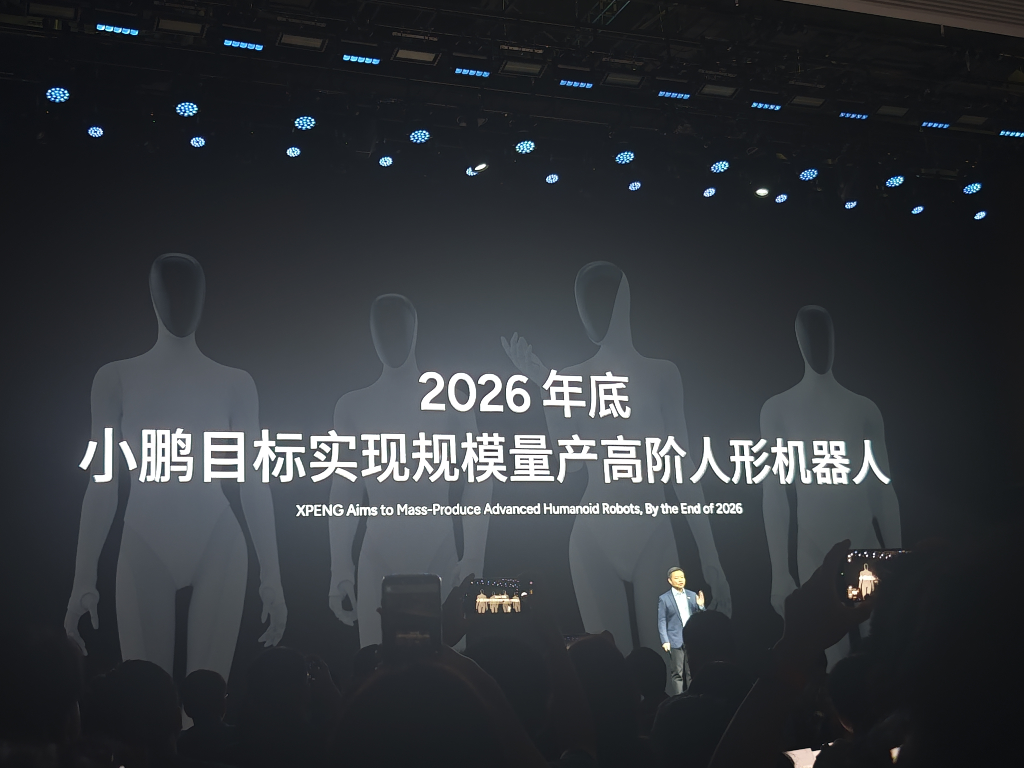
小鹏汽车:高德成为小鹏Robotaxi首个全球生态合作伙伴,目标2026年底实现规模量产高阶人形机器人
Hua Er Jie Jian Wen· 2025-11-05 09:36
Group 1 - The core point of the news is that XPeng Motors has announced a partnership with Gaode, making it the first global ecological partner for XPeng's Robotaxi initiative [1] - XPeng Motors plans to launch three Robotaxi models by 2026 [1] - By the end of 2026, XPeng aims to achieve large-scale production of advanced humanoid robots [1]


L2+智驾市占率正处于“引爆点”,业内预计明年将迈入L3级“人机共驾”时代
Mei Ri Jing Ji Xin Wen· 2025-11-05 09:36
Core Insights - The industry is approaching a critical point for the large-scale application of L2+ level intelligent driving, with expectations for the initial implementation of L3 and L4 functionalities next year [1][12] Group 1: Current State of Intelligent Driving - Experts believe that intelligent driving technology is transitioning from "human-machine co-driving" to conditional automation, marking a key stage in its evolution [1] - The rapid advancement of autonomous driving this year is largely attributed to developments in artificial intelligence technology, positioning smart vehicles as a reliable application scenario for AI [3] - The current challenges include safety regulations, user education, and the lack of standards, which are seen as core obstacles to the widespread and sustainable development of intelligent driving [4] Group 2: Levels of Automation - The automotive industry categorizes automation into levels L1 to L5, with L3 being the most controversial. L2+ is derived from L2 and is characterized by features like NOA (Navigate on Autopilot), which is fundamentally different from traditional L2 [5][6] - L2+ is currently at a critical point of potential explosion in market share, with L3 expected to enhance user experience continuity [8][12] Group 3: Market Dynamics and Consumer Perception - The market share of L2 level auxiliary functions may exceed 60%, but they are perceived as lacking in continuous functionality compared to L2+, which fosters a sense of dependency among users [8] - The pricing of intelligent driving systems is a concern, as consumers feel the current offerings do not provide sufficient value, leading to a disconnect between perceived value and price [7][10] Group 4: Future Outlook - L3 and L4 level autonomous driving functionalities are anticipated to be implemented next year, with Europe already making strides in L3 certification [12] - The transition from L2+ to L3 is expected to be a gradual process, with a focus on safety and the ability of the system to accurately assess driving conditions [12][13] - The establishment of safety standards for intelligent driving systems is still in progress, with expectations that consumers may not be able to rely on national standards for safe intelligent driving vehicles until 2027 or later [13]
小米汽车股价估值推演
雪球· 2025-11-05 08:06
Financial Report Analysis - Xiaomi Group reported total revenue of 227.2 billion yuan for the first half of 2025, a year-on-year increase of 38.2%, with adjusted net profit reaching 21.5 billion yuan, up 69.8% year-on-year, indicating strong growth logic being validated [5] - The smartphone business generated revenue of 96.132 billion yuan in the first half of 2025, with a slight increase in Q2 shipment volume to 42.4 million units, but a decrease in average selling price (ASP) to 1,073.2 yuan due to the impact of the Redmi A5 series [6] - The AIoT and internet services segments generated significant revenue, with AIoT revenue reaching 71.05 billion yuan and internet services revenue around 20.5 billion yuan, showcasing their importance as profit contributors [8][9] Business Segments - The smartphone segment is transitioning from a growth engine to a strategic cornerstone, providing stable cash flow and user entry points for the ecosystem [7] - The AIoT and internet services are seen as the core of Xiaomi's profit and ecological moat, with AIoT's gross margin exceeding 22.5% and internet services achieving a gross margin of over 75% [8][9] - The smart electric vehicle segment generated impressive revenue of 39.8 billion yuan in the first half of 2025, with a gross margin of 24.9%, indicating strong market potential and operational efficiency [10][11] Valuation Projection - A sum-of-the-parts (SOTP) valuation approach is deemed appropriate for Xiaomi due to its diverse business segments [13] - Projected total revenue for 2025 is estimated to be between 472 billion and 492 billion yuan, with adjusted net profit expected to be around 42.5 billion yuan [18] - The core business valuation is estimated at 9,135 billion yuan, while the smart vehicle business is valued at 2,500 billion yuan, leading to a total valuation of 12,635 billion yuan [21] Stock Price Prediction and Investment Strategy - The stock price is projected to have three key price ranges: undervalued below 48 HKD, reasonable between 52-60 HKD, and overvalued above 68 HKD [24][25][26] - The undervalued range suggests a potential buying opportunity for long-term investors, while the reasonable range reflects a balanced view of growth and value [24][25] - The overvalued range indicates a market that may be overly optimistic about future growth, suggesting a potential exit point for investors [26]

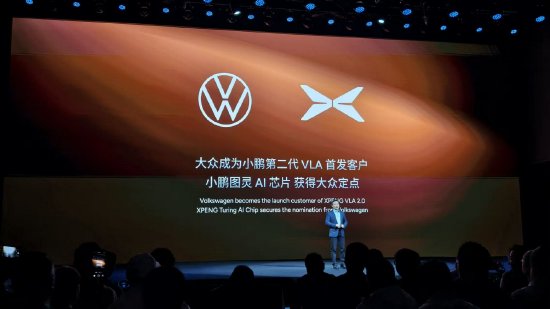
何小鹏:大众汽车成为小鹏第二代VLA首发客户
Xin Lang Ke Ji· 2025-11-05 07:43
Core Insights - Xiaopeng Motors' CEO He Xiaopeng announced a significant leap in intelligent driving with the introduction of the second-generation VLA, marking a new paradigm in "physical world modeling" [2] - The second-generation VLA is now open-sourced for global commercial partners, indicating a strategic move towards collaboration and innovation [2] - Volkswagen has become the first customer for the second-generation VLA, and Xiaopeng's Turing AI chip has been specifically designated for Volkswagen [2]
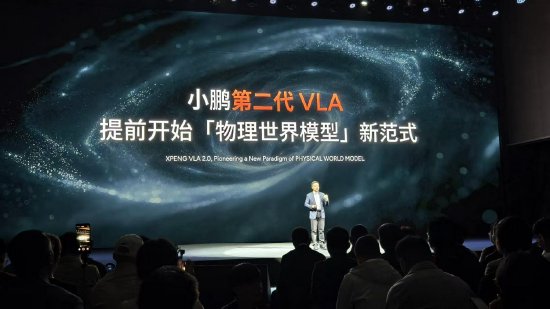
推理效率提升12倍!何小鹏:第二代VLA提前开始“物理世界模型”新范式
Xin Lang Ke Ji· 2025-11-05 07:39
他指出,这是小鹏创新于时代的VLA大模型理解,打破了行业标准去思考"能不能拆掉Language",去掉 语言转译,以视觉为核心,追求"百文不如一见"的模型效果。在投入了 3 万卡算力,烧了 20 多亿的研 发费用后,无语言转译方案 VLA迎来"质变",第二代VLA涌现了全新可能。 一方面,可以直接使用近1亿真实视频数据训练,相当于驾驶65000年遇到的极限驾驶场景总和;另一方 面,可以通过视觉推理进而预测未来场景,也可以基于真实世界仿真生成训练场景。 新浪科技讯 11月5日下午消息,今日,2025小鹏科技日活动上,小鹏汽车CEO何小鹏表示,小鹏第二代 VLA提前开始'物理世界模型'新范式,是继端到端、标准VLA之后,智能驾驶最大的一次飞跃。 责任编辑:何俊熹 他指出,通过3万卡自动驾驶云端智算集群+云端720亿参数基座大模型,模型每五天全链路迭代一次。 芯片-算子-模型的全链路优化和创新,突破行业车端模型能力上限。在Ultra车型上,实现行业车端最高 有效算力 2250 TOPS;针对性优化算子,模型推理效率提升12倍;基于软硬件协同优化,针对性开发模 型编译器和软件栈,模型参数较行业主流提升10倍。(罗宁) ...
何小鹏宣布第二代VLA:大度降低信息损耗,推理效率更高
Xin Lang Ke Ji· 2025-11-05 07:29
何小鹏宣布,第二代VLA提前开始"物理世界模型"新范式。他指出,这是以视觉为核心,像人一样学习 认知世界,大度降低信息损耗,推理效率更高,反应更快。 责任编辑:何俊熹 新浪科技讯 11月5日下午消息,今日,2025小鹏科技日活动上,小鹏汽车CEO何小鹏表示,不再单一去 理解数字世界的AI革命和物理世界的新能源颠覆,小鹏从全栈自研的积累实践中逐步尝试跨域融合。 而当AI与物理世界的深度融合后,物理AI也意味着机器真正拥有了与物理世界互动的能力。 ...