
云计算

Search documents
十七年闭关 阿里“通云哥”雏形初现
2 1 Shi Ji Jing Ji Bao Dao· 2026-01-30 14:18
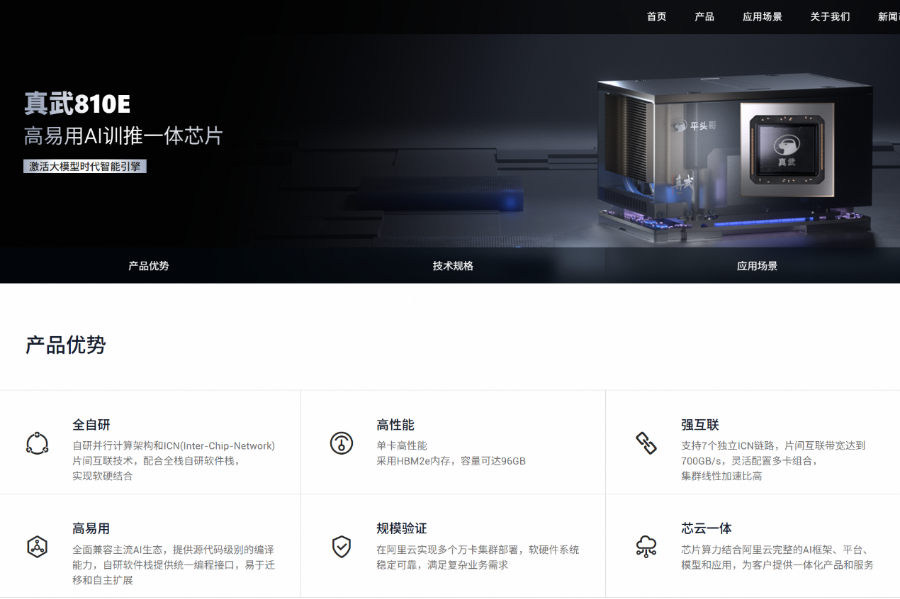
Core Insights - Alibaba's "Tongyun Ge" represents a full-stack architecture combining AI models, cloud services, and self-developed chips, marking a significant strategic shift in its AI ambitions [1][12][15] - The introduction of the "Zhenwu 810E" chip signifies a critical step in Alibaba's AI ecosystem, aiming to provide integrated solutions for AI training and inference [2][5][12] Group 1: Strategic Development - The "Tongyun Ge" strategy has been in development for 17 years, starting with the establishment of Alibaba Cloud in 2009, followed by the creation of the chip company Pingtouge in 2018, and the initiation of large model research in 2019 [2][15] - The mission of "Tongyun Ge" is to enable every individual and enterprise to participate in the AI era, reflecting a broad vision for democratizing AI access [2][12] Group 2: Technological Advancements - The "Zhenwu 810E" chip features a self-developed parallel computing architecture and inter-chip communication technology, with a memory capacity of 96G HBM2e and an inter-chip bandwidth of 700 GB/s, suitable for AI training and inference [5][8] - The chip has reportedly surpassed the performance of Nvidia's A800 and is comparable to the H20, indicating a strong competitive position in the domestic GPU market [8][9] Group 3: Market Position and Challenges - Alibaba's self-developed chips aim to reduce dependency on international giants like Nvidia, while also enhancing performance and efficiency in AI applications [9][12] - Despite the advancements, Alibaba faces challenges in hardware capabilities, including a generational gap in chip manufacturing processes and the need for extensive software ecosystem compatibility [10][11] Group 4: Industry Context - The AI competition is evolving into a comprehensive ecosystem battle, with major players like Google and Amazon also pursuing integrated solutions, highlighting the importance of cohesive hardware and software development [14][15] - The Chinese market is witnessing a strategic shift towards self-sufficiency in computing power, driven by policy support and the demand for domestic AI chip development [11][12]


断臂求生,亚马逊裁员万人、关闭门店,全力押注AI缓解掉队焦虑
3 6 Ke· 2026-01-30 12:56
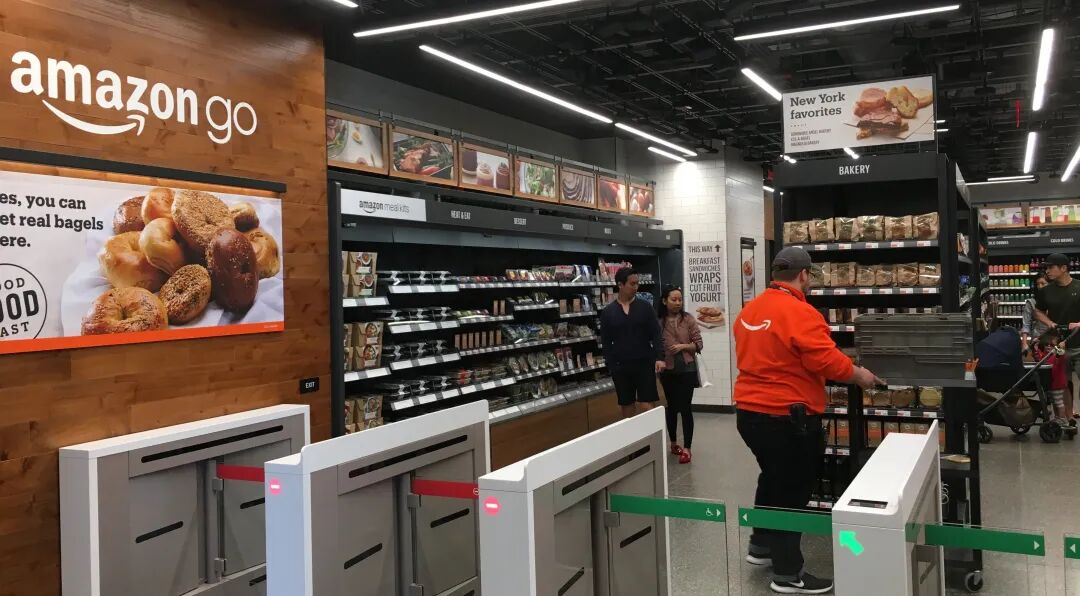
Core Insights - Amazon has announced a new round of layoffs affecting 16,000 employees, including positions in China, bringing the total layoffs to over 30,000 within three months, which accounts for nearly 9% of its total workforce [1][4] - The company is closing approximately 70 Amazon Fresh and Amazon Go stores, consolidating its offline retail resources under the Whole Foods brand [1][6] - The layoffs and store closures are part of a strategic shift to focus on core business areas, particularly artificial intelligence (AI), in response to slowing e-commerce growth and increasing competition in the tech sector [3][20] Layoff Details - The recent layoffs are targeted at middle management positions, which are seen as redundant under the new "agile and efficient" strategy [4] - The human resources department has been significantly impacted, with a major reduction in roles related to large-scale recruitment and routine personnel management [4] - Amazon has implemented a standardized placement plan for affected employees, offering a 90-day internal transfer period and severance packages for those unable to find new positions [4][5] Store Closures - The decision to close Amazon Fresh and Go stores is based on market performance and a lack of competitive differentiation in the fresh food retail sector [5][6] - The closures aim to eliminate low-efficiency assets and redirect resources towards AI development and application [6][20] - Some closed stores will be converted into Whole Foods locations, leveraging the brand's strengths in high-end organic food [6] Strategic Shift - Amazon's CEO Andy Jassy has articulated a vision to operate like the world's largest startup, focusing on core competencies and reducing operational costs [3][20] - The company aims to concentrate resources on AI and cloud computing innovations, addressing competitive pressures and restructuring for growth [3][20] - The strategic adjustments reflect a deep-seated anxiety about falling behind in the AI race against competitors like Microsoft and Google [7][19] AI Development - Amazon's AI strategy includes the development of its own AI chips, such as the Trainium series, and the Nova model for various applications [9][12] - Despite these efforts, Amazon's AI initiatives have not gained the same market recognition as competitors' offerings, leading to concerns about its competitive position [13][19] - The company is also facing challenges in talent retention, with key personnel leaving amid a competitive AI job market [19] Market Position - AWS, Amazon's cloud service, has seen a decline in market share, dropping from nearly 50% in 2018 to 38% in 2024, with projections indicating further declines [12][20] - The competitive landscape is intensifying, with Microsoft Azure and Google Cloud gaining ground through AI integration [12][19] - Amazon's unique advantages in data resources and infrastructure could support its AI ambitions, but these have yet to be fully realized [16][17] Future Outlook - Amazon's focus on AI represents a strategic gamble that could determine its future trajectory in the tech industry [20][21] - Short-term growth in AI services is anticipated due to increasing demand from enterprises for AI capabilities [20] - Long-term success will depend on breakthroughs in Amazon's AI models and effective integration with its core business operations [20][21]

东阳光集团联合青云科技打造医药研发智算新范式
Jing Ji Guan Cha Wang· 2026-01-30 12:33
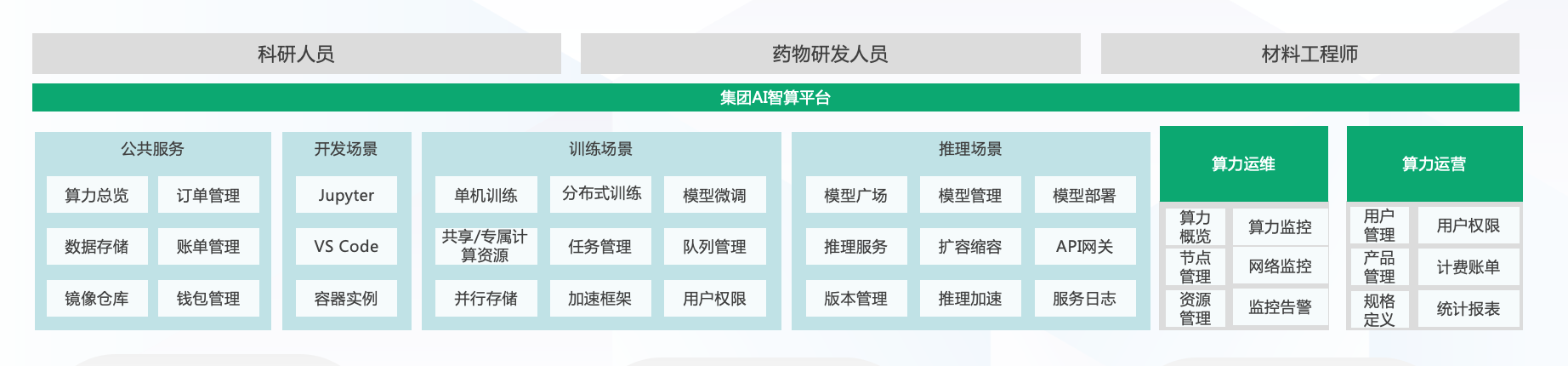
Core Insights - Dongyangguang Group's collaboration with Qingyun Technology on the "R&D Intelligent Manufacturing New Foundation" project has been recognized as a typical practice in the digital transformation of the biopharmaceutical industry [1][3] - The project addresses key challenges in AI research and development, such as dispersed computing resources, complex research environments, and high operational pressure, by establishing a unified computing resource scheduling and management system [1] - The AI computing platform developed allows for a full-process closed loop from user management to algorithm development and model deployment, significantly enhancing resource utilization through GPU resource sharing mechanisms [1] Project Implementation and Results - The project has led to a significant reduction in the drug molecule design cycle from 18 months to 12 months, improving efficiency by 33% [3] - Simulation time for high-performance composite materials has decreased by 40%, and cross-base collaboration efficiency has improved by 60%, with ineffective waiting time for researchers reduced by 87.5% [3] - Annual experimental costs have been reduced by 400 million yuan, and operational management costs have decreased by over 30% [3] Implications for the Industry - This case exemplifies the practical value of "Intelligent Computing + AI" in pharmaceutical research and provides a replicable path for digital transformation in traditional manufacturing enterprises [3] - It highlights the core driving role of new productive forces in achieving high-quality development [3]

优刻得:公司始终致力于把安全、专业的智能算力提供给各行各业的客户
Zheng Quan Ri Bao Wang· 2026-01-30 11:45
Core Viewpoint - The company emphasizes the importance of AI technology in enhancing basic scientific research, addressing challenges such as long research cycles, high costs, and data processing difficulties [1] Group 1: AI4S and Its Impact - AI4S leverages AI, machine learning, and high-performance computing to solve traditional research pain points [1] - The company positions itself as a leading cloud computing service provider in China, focusing on delivering secure and professional intelligent computing power to various industries [1] Group 2: Revenue and Clientele - The company serves clients across different sectors, including some research institutions and universities, although the revenue contribution from these clients is relatively low [1]

2812 亿美元!「OpenAI 税」开始「拖累」微软
创业邦· 2026-01-30 10:18
Core Viewpoint - Microsoft's Q2 financial report shows significant revenue growth, but the market reacted negatively due to concerns over slowing cloud growth and weak profit margin guidance [6][8]. Financial Performance - Microsoft reported Q2 revenue of $81.3 billion, a 17% year-over-year increase, with net profit soaring 60% to $38.5 billion [6]. - Cloud revenue surpassed $50 billion for the first time, reaching $51.5 billion, reflecting a 26% year-over-year growth [6]. Cloud Business Insights - Azure cloud service revenue grew 39% year-over-year, slightly below the market expectation of 40% [6]. - The remaining performance obligation for Microsoft's cloud business surged 110% to $625 billion, indicating strong future revenue potential [6]. Strategic Partnership with OpenAI - Microsoft's relationship with OpenAI has evolved into a strategic symbiosis, with approximately 45% ($281.2 billion) of the cloud revenue backlog driven by OpenAI-related deals [7][9]. - This partnership has positioned Microsoft prominently in the AI infrastructure space, but it also ties Microsoft's growth narrative closely to OpenAI's performance and stability [9][11]. Risks of Dependency - The deep integration with OpenAI presents risks, as any fluctuations in OpenAI's development could directly impact Microsoft's stock price and valuation [11][12]. - Microsoft is also preparing a "Plan B" by establishing an independent AI department, indicating a desire to reduce reliance on OpenAI [12][15]. Competitive Landscape - Microsoft's approach contrasts with Amazon's strategy, which involves a more defensive investment in AI competitors like Anthropic, allowing for greater independence [16][18]. - While Microsoft's focused strategy may yield direct benefits, it also exposes the company to significant risks by heavily investing in a single partnership [18].




优刻得:公司自主研发并提供计算、网络、存储等IaaS和基础PaaS产品 以及大数据、人工智能等产品
Jin Rong Jie· 2026-01-30 09:13
Core Viewpoint - The company, as a leading domestic cloud service provider, has been expanding its global presence, particularly in the European market, with significant growth in overseas revenue and a focus on direct sales models [1] Group 1: Company Operations - The company develops and provides IaaS and basic PaaS products, as well as big data and artificial intelligence services through public, private, and hybrid cloud models [1] - Since 2013, the company has been actively building overseas nodes, currently operating 30 major availability zones across 22 regions globally, including nodes in London and Frankfurt [1] Group 2: Financial Performance - As of the first half of 2025, the company's overseas revenue accounted for nearly 20% of total revenue, representing a year-on-year growth of 20.4% [1] - The significant increase in overseas revenue indicates the effectiveness of the company's globalization strategy [1]
华为云即将发布”智慧医疗专区”,持续加码医疗AI
Huan Qiu Wang· 2026-01-30 08:28
Core Insights - Huawei is set to launch its "Smart Medical Zone" as part of its industry AI "Dream Factory" plan on February 1, 2026, at the Medical AI Collaborative Innovation Forum in Shanghai [1][3] - The initiative aims to address the shortage of pathology doctors in China, where there are currently fewer than 20,000 registered pathologists, with a shortfall of 140,000, and 80% of these professionals are concentrated in major cities [3] Group 1 - The Smart Medical Zone will integrate top medical resources with AI technology to tackle structural challenges in pathology diagnosis, such as talent shortages and uneven resource distribution [1][3] - Since 2021, Huawei has partnered with Shanghai Ruijin Hospital to develop the pathology AI field, establishing China's first digital smart pathology department and planning to release a clinical-level pathology model, RuiPath, covering over 90% of common cancer types by 2025 [3] - The launch of the Smart Medical Zone signifies Huawei's commitment to consolidating ecosystem forces and positioning itself at the forefront of the national strategy for "AI + Healthcare," aiming to break down barriers in medical resources and scale AI capabilities to grassroots medical institutions [3]

20%涨停!重磅利好来袭,超级赛道逆势大爆发!
天天基金网· 2026-01-30 08:23
Core Viewpoint - The CPO concept stocks in A-shares have experienced a significant surge, driven by the release of new AI models and positive earnings forecasts from related companies, alleviating previous market concerns [2][3]. Group 1: Market Performance - On January 30, A-share CPO concept stocks saw a collective rise, with companies like Jieput and Zhishang Technology hitting a 20% limit up, and Hengtong Optic-Electric and Changfei Optical Fiber achieving a 10% limit up [3]. - The ChiNext Index rose by 1.52% after previously dropping over 1%, indicating a strong market rebound [2]. Group 2: Company Earnings Forecasts - Jieput announced an expected 97.69% year-on-year increase in net profit for 2025, reaching 1.3288 billion yuan, benefiting from rising global demand for laser products [3]. - Out of 21 CPO concept stocks that disclosed 2025 earnings forecasts, 17 are expected to show year-on-year net profit growth, representing over 80% [3]. Group 3: AI Industry Developments - Recent releases of AI models, such as DeepSeek-OCR2 and Baidu's Wenxin 5.0, have catalyzed market enthusiasm, with some experts predicting a "ChatGPT moment" in 2026 [3][6]. - Industrial Fulian reported strong customer demand for AI computing power, with expectations for cloud service providers to maintain aggressive capital expenditures, projected to exceed $600 billion by 2026, marking a 40% year-on-year increase [5]. Group 4: Price Increases in AI Services - Major tech companies like Google Cloud and Amazon have announced price increases for data transmission and computing services, indicating rising costs in the AI infrastructure sector [6][7]. - Meta and Microsoft reported higher-than-expected capital expenditures for Q4 2025, with Meta raising its full-year 2026 capital expenditure forecast to $125 billion, a 73% increase [6]. Group 5: Future Outlook - Analysts predict that the demand for computing power will continue to rise, driven by the increasing deployment of AI applications and ongoing iterations of training models [7]. - The AI industry is expected to experience a new wave of growth, particularly in the computing power sector, as concerns about a "computing power bubble" may ease with upcoming confirmations from U.S. earnings reports [7].





深信服:预计2025年度净利润为3.48亿元~3.99亿元,同比增长76.77%~102.67%
Mei Ri Jing Ji Xin Wen· 2026-01-30 08:12
Group 1 - The company expects a net profit attributable to shareholders of 348 million to 399 million yuan for 2025, representing a year-on-year growth of 76.77% to 102.67% [1] - The main reason for the performance change is the positive trend in the cloud computing industry, along with the company's continuous improvement in operational management capabilities [1] - The company's operating revenue is projected to be between 7.93 billion and 8.059 billion yuan, reflecting a year-on-year increase of 5.46% to 7.17% [1] Group 2 - The comprehensive gross profit margin of the company has slightly decreased, primarily due to changes in the business structure [1] - The company has continuously enhanced its refined management capabilities, resulting in a decrease of approximately 1% in total operating expenses [1]

计算机行业AI2026算力系列(二):从云业务到千问APP,阿里算力需求保持旺盛态势
GF SECURITIES· 2026-01-30 07:10
Investment Rating - The industry investment rating is "Buy" [3] Core Insights - Alibaba is expected to increase its investment in AI infrastructure, with capital expenditure on AI and cloud infrastructure reaching approximately 120 billion RMB over the past four quarters as of November 2025. This investment is anticipated to rise from 380 billion to 480 billion RMB over the next three years [7][10] - Alibaba Cloud's revenue for Q3 2025 was 39.8 billion RMB, reflecting a year-on-year growth of 34.5%, driven by strong demand for AI products, which have seen triple-digit growth for nine consecutive quarters [12][10] - The Qwen3 series of models has undergone multiple iterations, with the latest Qwen3-Max-Thinking model launched in January 2026, enhancing adaptive tool usage capabilities and performing comparably to leading models like GPT-5.2-Thinking [21][22] Summary by Sections Section 1: AI Demand and Infrastructure Investment - Alibaba's AI and cloud infrastructure investment is projected to significantly increase, with a current expenditure of around 120 billion RMB and plans to boost future investments to 480 billion RMB [7][10] - The synergy between AI investments and cloud business revenue growth is evident, with Alibaba Cloud holding a 35.8% market share in China's AI cloud market as of the first half of 2025 [12][10] Section 2: Product Development and Market Position - The Qwen3 series models have shown impressive performance in various benchmarks, indicating a strong demand for training computational power as these models continue to evolve [21][22] - The launch of the Qwen3-Max-Thinking model has further solidified Alibaba's position in the AI market, showcasing capabilities that rival top competitors [21][22] Section 3: Investment Recommendations - The report suggests focusing on companies that may benefit from Alibaba's increased investment in AI infrastructure, including NetEase Technology, Cambricon, Inspur Information, and Unisplendour [28] - The rapid integration of the Qianwen App into Alibaba's ecosystem is expected to drive user growth and enhance demand for AI computational resources [16][28]