茶饮

Search documents
蜜雪冰城(2097.HK)首次覆盖报告:平价茶饮王者持续跨界 平台型连锁龙头可期
Ge Long Hui· 2025-11-19 20:57
Core Viewpoint - The tea beverage industry is experiencing a significant expansion, with brands that possess comprehensive capabilities expected to dominate and maintain leadership positions in their respective price segments. Higher price tiers will see a more diverse range of brands catering to specific consumer needs, while second and third-tier brands are anticipated to stabilize after rapid expansion and closures, with local long-tail brands following suit [1]. Group 1: Company Performance - Mixue is expanding its presence in the domestic market and actively pursuing international growth, positioning itself in the affordable market segment with a strong brand identity. As of mid-2025, Mixue is projected to have over 53,000 stores, including 4,733 overseas locations across 13 countries as of September [1]. - Luckin Coffee is rapidly expanding nationwide, with a focus on franchise support policies introduced over three consecutive months. By the end of August 2025, Luckin Coffee is expected to have signed over 8,200 stores, placing it among the leaders in China's freshly brewed coffee market [2]. - Fulu Family, a leader in the craft beer chain market, is expected to have around 1,200 stores by the end of August 2025, indicating promising market penetration and growth potential in the fresh beer sector [2]. Group 2: Supply Chain and Operational Efficiency - The company is enhancing its self-supply ratio, solidifying its core supply chain advantages. The central factory in Henan, along with four dedicated raw material processing locations, enables efficient supply. The company provides 100% self-produced core beverage ingredients to franchisees, with some self-produced packaging reducing costs by approximately 50% compared to external sourcing [2]. - The integration of digital logistics and automated warehousing is improving logistical efficiency, supporting a global network of stores [2]. Group 3: Investment Outlook - The main brand is expected to monopolize the sinking market while expanding internationally. Luckin Coffee's rapid store openings will leverage scale advantages, and Fulu Family will serve as a critical validation brand for category expansion and operational capability replication, benefiting from the industry's increasing penetration and growth in the sinking market [2]. - The company is projected to achieve net profits attributable to shareholders of 5.9 billion, 6.5 billion, and 7.7 billion yuan for the years 2025 to 2027, with current stock prices reflecting a PE ratio of 24, 22, and 19 times respectively, leading to an "overweight" rating [2].
长沙瑞雀鸣茶饮有限公司成立 注册资本18万人民币
Sou Hu Cai Jing· 2025-11-19 08:59
天眼查App显示,近日,长沙瑞雀鸣茶饮有限公司成立,法定代表人为徐珂纯,注册资本18万人民币, 经营范围为许可项目:食品销售;酒类经营;食品互联网销售(依法须经批准的项目,经相关部门批准后 方可开展经营活动,具体经营项目以批准文件或许可证件为准)一般项目:食品互联网销售(仅销售预 包装食品);棋牌室服务;组织文化艺术交流活动(除依法须经批准的项目外,自主开展法律法规未禁 止、未限制的经营活动)。 ...
IPO动态|美股上市双样本:霸王茶姬高光首秀与瑞幸的二次逆袭!
Sou Hu Cai Jing· 2025-11-19 05:42
Core Insights - The article discusses the contrasting paths of two Chinese beverage brands, Bawang Chaji and Luckin Coffee, in their journey to the U.S. stock market, highlighting Bawang Chaji's successful IPO and Luckin Coffee's efforts to return to the market after a scandal [1][2]. Group 1: Bawang Chaji's Success - Bawang Chaji became the first Chinese ready-to-drink tea brand to list on the U.S. stock market, achieving a remarkable IPO with a first-day stock price increase of nearly 16%, resulting in a market capitalization of $5.95 billion [1][3]. - The company raised $411 million through its IPO, which significantly boosted its growth, with net revenue soaring from 492 million yuan in 2022 to 12.406 billion yuan in 2024, and net profit turning from a loss of 90.7 million yuan to a profit of 2.515 billion yuan, achieving a profit margin of 20.3% [3]. - Bawang Chaji's store count exploded from 1,087 at the end of 2022 to 6,440 by the end of 2024, with international expansion underway, including 156 stores in Malaysia and Singapore, and a store in Los Angeles in preparation [3]. Group 2: Luckin Coffee's Recovery - Luckin Coffee made a record-breaking entry into the U.S. market within 18 months, although it faced initial skepticism and a drop in stock price post-IPO; however, the capital raised supported its business expansion [5]. - The company reported a staggering 540% year-over-year revenue growth in Q3 2019, adding 717 new stores and surpassing 30 million cumulative transaction users [5]. - Luckin Coffee optimized its operational structure post-IPO, reducing marketing expenses from 400% of revenue in Q1 2018 to 36% in Q3 2019, which helped it achieve profitability [5]. Group 3: Advantages of U.S. Market Listing - Both companies benefited from the unique ecosystem of the U.S. stock market, which provided critical funding and strategic upgrades for their growth [7]. - The U.S. market offers higher valuations for growth-oriented consumer companies, with Bawang Chaji's differentiated positioning allowing it to achieve a favorable valuation compared to competitors [8]. - The strong liquidity of the U.S. market enabled Bawang Chaji to secure $411 million for technology investment, new product development, and global expansion, while Luckin leveraged its IPO to rapidly open new stores and build a digital ordering system [9]. Group 4: Global Brand Influence and Governance - Listing on the U.S. stock market serves as a global branding opportunity, with Bawang Chaji using the stock code "CHA" to promote Chinese tea culture internationally [10]. - The stringent regulatory environment of the U.S. market led Bawang Chaji to enhance its operational governance, maintaining low closure rates, while Luckin improved its digital management to optimize store locations and product development [11]. Group 5: Lessons for Future Listings - The experiences of Bawang Chaji and Luckin Coffee provide insights for other companies considering overseas listings, emphasizing the importance of aligning with market preferences and strengthening core competencies [12]. - Companies should utilize funds raised from IPOs for long-term strategic initiatives, creating a cycle of financing, development, and value enhancement [12]. - The success of these Chinese beverage brands in the U.S. market illustrates the potential for Eastern consumer brands to gain global capital recognition and enhance their brand value and competitiveness [12].

不只聚焦东南亚,茶饮出海迎新战场!茶话弄蜜雪冰城抢滩美国
Nan Fang Du Shi Bao· 2025-11-18 12:53
Core Insights - Multiple tea brands are expanding into the U.S. market, with notable openings from Nayuki, ChaHalo, and TeaByDo, while Mixue is preparing to open its first store in New York's Chinatown [2][6][8] - The U.S. tea market is seen as having significant growth potential, akin to the early stages of the domestic tea market, despite the challenges posed by complex regulations [5][22] - The competitive landscape in Southeast Asia has prompted brands to seek new growth opportunities in the U.S., where the tea market is less saturated compared to coffee [21][36] Market Entry and Expansion - Several tea brands, including ChaHalo and TeaByDo, have opened stores in areas with high Chinese populations, such as Flushing, New York, which is becoming a hub for tea shops [6][8] - Mixue, which has a strong presence in Southeast Asia, is also entering the U.S. market, although it has recently reduced its overseas store count by over 160 due to operational adjustments in Indonesia and Vietnam [2][13] - The U.S. currently has fewer than 8,000 tea shops compared to over 45,000 coffee shops, indicating a potential market gap for tea brands [5][22] Consumer Preferences and Pricing - The pricing of tea drinks in the U.S. ranges from approximately $5.25 to $8.90, which is generally higher than local brands, reflecting the positioning of Chinese tea brands in the market [9][28] - U.S. consumers are increasingly seeking diverse beverage options, moving from coffee to tea, which presents an opportunity for tea brands to capture a growing market segment [28][36] Challenges in the U.S. Market - The complexity of U.S. regulations and the lengthy store setup process, often exceeding one year, pose significant challenges for tea brands entering the market [5][29][33] - Brands must adapt to local consumer preferences and operational requirements, which differ from their home markets, necessitating a tailored approach to product offerings and marketing strategies [30][35] - The high costs associated with compliance, local sourcing, and real estate in prime locations add to the operational challenges faced by tea brands in the U.S. [35][36] Strategic Insights - Brands like ChaHalo are focusing on the U.S. as a key market due to its relatively relaxed competition and strong consumer purchasing power, aligning with the broader strategy of cultural export [9][21] - The entry of tea brands into the U.S. market is expected to continue, particularly in areas with significant Chinese communities, although the pace of expansion may be slower compared to Southeast Asia [36][37]


从茶饮热销到潮玩圈粉
Ren Min Ri Bao Hai Wai Ban· 2025-11-18 07:40
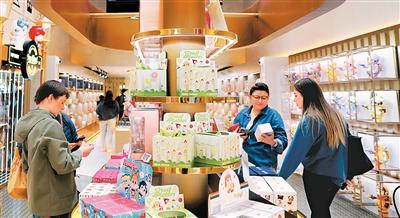
Group 1: Chinese Beverage Brands - Chinese beverage brands such as Bawang Chaji, Mixue Ice City, Nayuki, and Heytea are expanding internationally, leveraging a "culture + product" model to stand out in overseas markets [2] - Bawang Chaji's stores in Malaysia feature design elements like wooden furniture and ink wash wall decorations, creating a "Chinese aesthetic" ambiance [2] - The popularity of Chinese milk tea in Malaysia is attributed not only to taste but also to brand image, aesthetic representation, and cultural innovation [2] Group 2: Chinese Cultural Influence in Vietnam - Chinese historical dramas have gained significant popularity in Vietnam, with many young viewers actively discussing and engaging with the content [3] - Vietnamese youth are increasingly interested in Chinese culture, as evidenced by the formation of clubs dedicated to watching Chinese historical dramas [3] - The themes of loyalty, filial piety, and national sentiment in Chinese dramas resonate deeply with Vietnamese audiences [3] Group 3: Chinese Toy Brands - Chinese toy brand Pop Mart has opened 10 stores in major UK cities and plans to add 12 more by the end of 2026, indicating strong market expansion [4] - The brand Miniso has seen a significant increase in sales in the UK, with one blind box selling every three minutes, leading to a 63% sales growth over the past year [5] - Chinese toys are increasingly incorporating cultural elements, with brands like 52TOYS achieving success in Thailand through unique designs based on Chinese cultural symbols [5] Group 4: Market Trends and Consumer Engagement - The rise of Chinese trendy toys has created a fashion wave, appealing to emotional needs of consumers, which is a departure from traditional Chinese brands focused on electronics and automobiles [5] - The success of these brands in international markets highlights a new trend in cultural exchange and consumer engagement through innovative product offerings [5]


霸王茶姬八周年推出新品伯牙绝弦·花香款
Zheng Quan Ri Bao Wang· 2025-11-17 11:17
八年间,霸王茶姬一路将门店开到成都、广西、天津、河北、福建、北京、上海、杭州等全国省市; 2018年成立海外事业部,2019年在马来西亚开出首家海外门店,如今门店覆盖马来西亚、美国、泰国、 新加坡、印尼、越南、菲律宾等国家和地区,全球门店数超7000家。 据了解,2017年11月17日,霸王茶姬在世界茶叶之乡云南昆明正式创立,伯牙绝弦作为初代产品,和霸 王茶姬一起经历了八年成长。沙利文数据显示,从2022年1月1日至2025年6月30日,伯牙绝弦累计销售 超12.5亿杯。 本报讯 (记者李静)11月17日,现代茶饮品牌霸王茶姬迎来创立八周年。值此之际,霸王茶姬正式推 出伯牙绝弦·花香款。 霸王茶姬方面称,此次伯牙绝弦·花香款推出,实际上是伯牙绝弦持续迭代的里程碑之一,正是由于霸 王茶姬对一杯好茶的坚持、对产品的持续迭代,才使伯牙绝弦形成了稳定的口碑和强劲的复购力,最终 成为新茶饮行业的一款经典大单品。 ...
茶颜悦色这次要“ 彻底”进入咖啡战场
3 6 Ke· 2025-11-17 10:33
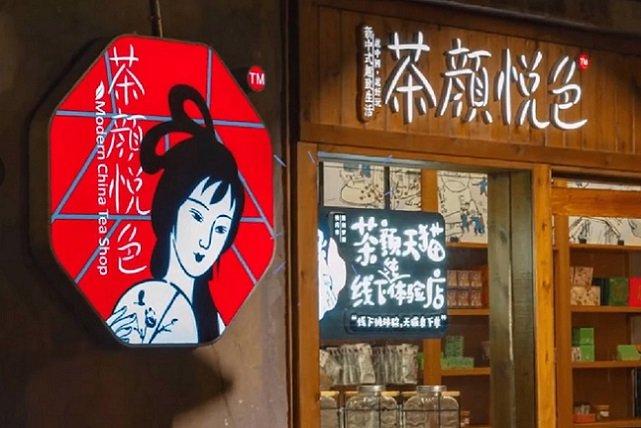
Core Viewpoint - The company "Cha Yan Yue Se" is expanding into the coffee market with a new sub-brand "Cha Yan Coffee," which will be launched in over 700 existing stores, marking a shift from its previously independent coffee brand "Yuan Yang Coffee" [2][3][4]. Group 1: Coffee Market Expansion - "Cha Yan Coffee" will offer a new coffee menu featuring 9 unique drinks, aiming to provide a new experience that complements the brand's existing tea offerings [2][5]. - The introduction of "Cha Yan Coffee" is part of the company's diversification strategy, allowing it to leverage its extensive store network to reach more consumers [4][6]. - The new coffee brand aims to cater to the growing consumer demand for coffee, addressing the limitations of "Yuan Yang Coffee," which has only 90+ independent stores [3][6]. Group 2: Business Strategy and Market Position - The dual-brand strategy of "Cha Yan Coffee" and "Yuan Yang Coffee" allows the company to broaden its market reach while deepening its engagement with coffee enthusiasts [6]. - "Cha Yan Coffee" is designed for convenience, offering quick service for consumers, contrasting with "Yuan Yang Coffee," which focuses on providing a social space and exclusive coffee experiences [5][6]. - The company plans to utilize the established supply chain and product development experience from "Yuan Yang Coffee" to minimize operational costs and risks associated with launching "Cha Yan Coffee" [6]. Group 3: IPO Plans and Market Trends - The company is considering shifting its IPO plans from the US to Hong Kong, following a trend of other tea brands successfully listing in the Hong Kong market [7]. - Projected revenue for 2024 is approximately 3 billion yuan, with a net profit of around 450 million yuan [7]. - The company has also ventured into international markets through e-commerce, focusing on niche products like snacks and tea-related merchandise rather than tea leaves due to differing international standards [7].
2025美好生活|高质量发展与消费升级-2025年度美好生活新消费高峰论坛即将启幕
Sou Hu Cai Jing· 2025-11-17 10:23
Core Insights - The Chinese consumer market is undergoing a significant transformation, shifting from a focus on "cost-performance" to "emotional value" and "technological trust" as key competitive variables [2][6][7] - A high-quality development and consumption upgrade forum will be held on November 21, 2025, in Beijing, aimed at exploring paths for industry transformation and sustainable development [3][7] Market Structure - By 2025, the Chinese consumer market is expected to exhibit a "dumbbell" structure, characterized by rapid growth in consumption among Generation Z and a burgeoning silver economy focused on quality living, creating a trillion-level market [6] - This structural change is shifting consumer logic from "satisfying needs" to "creating demand," with consumers seeking products that embody more emotional and social values [6] Product Development - Companies are increasingly focusing on the emotional resonance and social value of their products, moving away from standardized goods [6] - Innovations such as "zero-additive herbal tea" and culturally enriched bottled water are examples of how brands are meeting urban consumers' demands for "natural health" and storytelling [6] Competitive Focus - The competition is shifting from market share to meticulous refinement across the entire R&D, production, and service chain [6] - Companies are embedding "craftsmanship" into the less visible aspects of the supply chain, enhancing product quality through advanced techniques like micron-level homogenization in dairy products and precise temperature control in chocolate production [6] Technological Integration - Technology is becoming a new engine for upgrading the consumer industry, with AI, IoT, and blockchain technologies deeply penetrating the supply chain [7] - The integration of technology with traditional practices is enhancing production efficiency and establishing "assured consumption" as a core competitive advantage [7] Future Outlook - The upcoming forum is anticipated to provide critical insights for the next decade of the consumer market, emphasizing that product value is not just a gift of nature but a commitment from companies to a better life [7]

美股异动丨霸王茶姬盘前涨近1%,创立8周年日上新伯牙绝弦·花香款
Ge Long Hui· 2025-11-17 09:46
Group 1 - The core viewpoint of the article highlights the celebration of the 8th anniversary of Bawang Tea Ji (CHA.US) and the launch of a new product, the Boya Juexian Flower Fragrance variant [1] - On the anniversary date, Bawang Tea Ji distributed one million "Tea Friendship Coupons" to consumers nationwide and organized offline tea gatherings in multiple cities [1] - According to Sullivan data, the original product Boya Juexian is projected to sell over 1.25 billion cups from January 1, 2022, to June 30, 2025 [1]
累计销量超12.5亿杯,霸王茶姬8周岁上新
Xin Lang Cai Jing· 2025-11-17 07:38
Core Insights - The company BaWang Tea Ji celebrated its 8th anniversary on November 17 and launched a new product, BoYa JueXian - Flower Fragrance variant [2] - BaWang Tea Ji distributed one million "Tea Friendship Coupons" to consumers nationwide and organized offline tea gatherings in multiple cities [2] Product Performance - The initial product, BoYa JueXian, has sold over 1.25 billion cups from January 1, 2022, to June 30, 2025 [2] - In 2024, the procurement volume of fresh jasmine flowers for BoYa JueXian increased by 160% compared to the previous year [2] - By 2025, over 30 million consumers ordered two or more cups of BoYa JueXian in a single transaction, with more than 11,000 consumers purchasing over 300 cups for events like weddings and reunions [2] Expansion and Global Presence - Over the past eight years, BaWang Tea Ji has expanded its store locations to cities including Chengdu, Guangxi, Tianjin, Hebei, Fujian, Beijing, Shanghai, and Hangzhou [2] - The company established an overseas division in 2018 and opened its first international store in Malaysia in 2019, now having a global presence with over 7,000 stores across countries such as Malaysia, the United States, Thailand, Singapore, Indonesia, Vietnam, and the Philippines [2]