智能电动汽车

Search documents
重估小米
虎嗅APP· 2025-03-23 23:47
Core Viewpoint - Xiaomi Group has shown significant growth in its 2024 annual performance, with revenue reaching 365.9 billion and a net profit of 23.58 billion, indicating a year-on-year growth of 35% and 34.9% respectively. The company has successfully delivered 137,000 electric vehicles, exceeding its initial target of 100,000 [1]. Group 1: Revenue Structure - The "Mobile x AIoT" segment generated revenue of 333.2 billion in 2024, reflecting a year-on-year growth of 22.9% [3]. - Xiaomi's smartphone revenue rebounded to 191.8 billion in 2024, with a slight increase in average selling price (ASP) to 1,138.2 yuan, marking a historical high [4]. - The IoT and lifestyle products segment surpassed 100 billion in revenue for the first time in 2024, achieving a year-on-year growth of 30% [6]. - Internet services revenue reached 34.1 billion in 2024, growing by 13.3% year-on-year [7]. - The global monthly active users (MAUs) exceeded 700 million in December 2024, a 9.5% increase year-on-year [8]. Group 2: Profit Structure - Internet services emerged as the most profitable segment for Xiaomi, with a total gross profit of 89.7 billion from 2021 to 2024, surpassing the gross profit from smartphones, which totaled 87.1 billion [9]. - In 2024, the gross profit from smartphones was 24.3 billion with a gross margin of 12.6%, while IoT products contributed 21.1 billion with a gross margin of 20.3% [10]. - The gross margin for smartphones improved from 13.1% in 2021 to over 20% in 2024, indicating a successful shift towards higher-end products [11]. Group 3: Market Positioning - Xiaomi is often labeled as a "hardware company," with smartphones and IoT products accounting for 80% of its revenue, which affects its valuation in the market [12]. - The IoT product range includes over 9 billion devices across more than 260 categories, indicating a broad market presence [13]. - Xiaomi's retail strategy includes a significant expansion of its offline stores, aiming to reach 15,000 by the end of 2024 and 20,000 by 2025 [14]. Group 4: New Ventures - The electric vehicle segment, including the Xiaomi SU7 series, has shown promising growth, with a gross profit of 44,000 yuan per vehicle by Q4 2024 [17][18]. - Despite the high costs associated with entering the automotive market, Xiaomi has managed to maintain a stable gross margin and control expenses effectively [20][22]. - The company aims to deliver 350,000 vehicles in 2025, with expectations of increasing gross profit per vehicle to 50,000 yuan [23]. Group 5: Strategic Outlook - Xiaomi's entry into the electric vehicle market positions it alongside major tech giants, potentially elevating its status within the competitive landscape of Chinese internet technology companies [29]. - The company is focused on expanding its ecosystem beyond smartphones, which is crucial for long-term growth and market competitiveness [25][28].

NIO(NIO) - 2024 Q4 - Earnings Call Transcript
2025-03-21 12:00
Financial Data and Key Metrics Changes - Total revenues reached RMB 19.7 billion, an increase of 15.2% year over year and 5.5% quarter over quarter [20] - Vehicle sales were RMB 17.5 billion, up 13.2% year over year and 4.7% quarter over quarter, driven by higher deliveries but offset by a lower average selling price [20] - Overall gross margin improved to 11.7%, up from 7.5% in Q4 last year and 10.7% last quarter [22] - Net loss was RMB 7.1 billion, an increase of 32.5% year over year and 40.6% quarter over quarter [24] Business Line Data and Key Metrics Changes - The premium brand NIO delivered 201,209 vehicles, securing a 40% market share in China's BV segment priced above RMB 300,000 [7] - The Envoy brand delivered 20,761 vehicles, with the onboard L60 ranking among the top three in China's BV SUV market priced between RMB 200,000 and RMB 300,000 [8] - Vehicle margin improved to 14.9% for NIO and overall vehicle margin reached 13.1% in Q4 [10][20] Market Data and Key Metrics Changes - NIO's total deliveries for 2024 reached 221,970, marking a 38.7% increase year over year [7] - The company expects total deliveries in Q1 to reach 41,000 to 43,000 units, reflecting a year over year growth of 36% to 43% [9] Company Strategy and Development Direction - NIO is entering a new product cycle with the launch of nine new models across three brands in 2025 [18] - The company is focusing on cost reduction initiatives and operational efficiency to support new product launches and improve profitability [30][54] - NIO aims to achieve breakeven in Q4 2025, with a roadmap to improve vehicle margins through new model launches and cost control measures [50][56] Management Comments on Operating Environment and Future Outlook - Management highlighted the importance of brand awareness for the Envoy brand and ongoing efforts to improve its market presence [33] - The company is optimistic about achieving its sales volume targets, driven by new product launches and improvements in brand awareness and sales networks [58] - Management emphasized the strategic advantage of the BatterySwap network in enhancing user experience and driving sales growth [17][61] Other Important Information - NIO's cash position at the end of 2024 was RMB 41.9 billion, with a focus on prudent cash flow management [24][78] - The company has been recognized for its sustainability efforts, ranking as the number one car company in the 2025 Global 100 Most Sustainable Companies [18] Q&A Session Summary Question: Cost reduction efforts and expected savings - Management confirmed ongoing cost reduction initiatives and expects vehicle margins to continue growing starting Q2, with a focus on supply chain and R&D [28][30] Question: Actions for Envoy to regain growth momentum - Management acknowledged Envoy's sales performance challenges and outlined strategies to improve brand awareness, sales coverage, and team maturity [33][42] Question: Guidance on gross margin and sales volume - Management indicated that Q1 vehicle margins would be under pressure but aims for breakeven in Q4, with a full-year target to double sales volume from last year [50][56] Question: Autonomous driving technology plans - Management confirmed the rollout of end-to-end solutions for active safety features and plans to use in-house developed chips for future models [84][85] Question: Operating expenses guidance - Management expects R&D expenses to remain around RMB 3 billion per quarter, with efforts to optimize project initiation and approval processes [87][90] Question: Other sales and revenues - Management noted that the positive gross margin in other sales was driven by improved efficiency in after-sales services and technology services provided to partners [92][94] Question: Long-term outlook for sales volume and margins - Management reiterated the goal of achieving breakeven in Q4 and outlined a long-term target of 2 million units sold annually with a 20% gross margin [99]

李嘉诚卖港口,李家超表态!小米重磅发布!雷军:史上最强!金价狂飙,突破3030美元!部分银行消费贷利率已降至2.49%!
新浪财经· 2025-03-19 01:02
Group 1 - Li Ka-shing's company, CK Hutchison, announced the sale of its global port assets to a consortium led by BlackRock, covering 43 ports across 23 countries, including a 90% stake in the Panama Port Company [4] - The Hong Kong Chief Executive, John Lee, emphasized the importance of providing a fair environment for local businesses and stated that any transaction must comply with legal regulations [4] - The sale has sparked criticism, with some commentators suggesting it reflects a lack of national loyalty among Hong Kong businessmen [5] Group 2 - Xiaomi Group reported a record revenue of 365.9 billion RMB for the fiscal year 2024, marking a 35% year-on-year increase, with a net profit of 23.6 billion RMB, up 34.9% [9][11] - The fourth quarter revenue reached 109 billion RMB, a significant 48.8% increase year-on-year, with adjusted net profit rising by 69.4% to 8.3 billion RMB [14] - Xiaomi's electric vehicle business showed strong performance, delivering 136,854 units in 2024, with a revenue contribution of 32.8 billion RMB [15] Group 3 - Gold prices surged, breaking the 3,030 USD per ounce mark, driven by inflation concerns and increased investment demand [19][20] - The domestic gold market also saw significant activity, with A-share gold stocks rising by 4.67% in a single day, reflecting strong market sentiment [20] - Analysts attribute the rising gold prices to ongoing inflationary pressures, geopolitical risks, and changing expectations for global economic growth [20] Group 4 - Some banks in China have reduced consumer loan rates to as low as 2.49%, indicating a downward trend in personal loan interest rates [22] - The competitive landscape for consumer loans has intensified, with several banks offering promotional rates and incentives to attract borrowers [22] - Regulatory encouragement for banks to increase personal loan offerings is expected to create new growth opportunities while emphasizing the need for effective risk management [22]
小鹏汽车-W(09868)2024年净亏损同比收窄44.19%至57.9亿元 毛利率提升至14.3%
Zhi Tong Cai Jing· 2025-03-18 10:25
小鹏汽车-W(09868)2024年净亏损同比收窄44.19% 至57.9亿元 毛利率提升至14.3% 智通财经APP讯,小鹏汽车-W(09868)公布2024年第四季度业绩,总收入为人民币161.1亿元,按季增加 59.4%,同比上升23.4%。季度毛利率为14.4%,较2023年同期上升8.2个百分点。季度汽车毛利率为 10.0%,较2023年同期上升5.9个百分点。小鹏汽车普通股股东应占净亏损为人民币13.3亿元,相较而 言,2023年同期为人民币13.5亿元,而2024年第三季度为人民币18.1亿元。 "2024年第四季度我们创造了一系列亮眼的成绩,这充分验证了我们规模化、体系化能力的蜕变。我们 已经做好充足的准备,大幅扩张我们在中国和全球智能电动汽车行业的市场份额。"小鹏汽车董事长及 首席执行官何小鹏先生表示。"我相信AI会驱动汽车行业加速实现L3级和L4级自动驾驶。我们将把小鹏 汽车打造成面向全球的AI汽车公司,成为全球用户喜爱的智能科技品牌。" "随着销量创下新高和技术降本的持续突破,我们的汽车毛利率进一步提高至10%,实现连续六个季度 的持续改善。公司毛利率稳定在中双位数水平。"小鹏汽车副董事 ...
曾毓群,要投李斌25亿
投资界· 2025-03-18 09:15
罕见联手。 作者 I 刘博 报道 I 投资界PEdaily 宁王又出手了。 投资界获悉,今日蔚来宣布与宁德时代在福建宁德签署战略合作协议,双方将构建覆盖全系乘用车的换电网络。在此基础上,宁德时代 正在推进对蔚来能源不超过2 5亿元人民币的战略投资。 值得一提的是,蔚来创始人、董事长、CEO李斌与宁德时代创始人、董事长兼CEO曾毓群也共同到场见证。 没有最卷,只有更卷。透过这次强强联手,背后上演的则是一场轰轰烈烈的车圈淘汰赛。正如多年来投资圈内一个共识:智能电动汽车 将重现当年国产手机的厮杀一幕。 李斌和曾毓群 站在了一个战壕里 对于李斌和蔚来而言,这无疑是近期难得的好消息。 根据协议,此次合作旨在打造全球规模最大、技术最领先的乘用车换电服务网络。具体来看,宁德时代将支持蔚来换电网络的发展,蔚 来旗下fir e fl y萤火虫品牌后续开发的新车型将适时导入宁德时代巧克力换电标准和网络。 此外,双方还将联合推动换电技术国家标准的制定和推广,促进跨品牌、跨车型电池兼容;共同构建"电池研发-换电服务-电池资产管 理-梯次利用-材料回收"全生命周期闭环,助力新能源汽车全产业链安全降本增效。 在李斌看来,这次合作标志着换 ...

蔚来掀起变革风暴:每一分钱投入都要听到回响
36氪· 2025-03-10 11:15
Core Viewpoint - NIO is facing significant challenges in a competitive market and needs to shift from a long-termism approach to a more pragmatic, market-oriented strategy to improve operational efficiency and profitability [4][11][12]. Group 1: Internal Challenges and Management Response - A departing employee highlighted the need for NIO to focus on practical solutions and market realities, urging the company to concentrate resources and face challenges directly [2][3]. - CEO Li Bin acknowledged the criticism and emphasized the importance of enhancing operational awareness among all employees [3][4]. - NIO's sales performance has been underwhelming compared to competitors, with the company selling 221,900 vehicles last year but still facing significant losses, totaling over 50 billion yuan for four consecutive quarters [4][11]. Group 2: Organizational Changes and Cost Management - NIO is implementing a new operational mechanism called Cell Business Unit (CBU) to improve accountability and cost management across departments [8][9]. - The CBU mechanism requires each business unit to establish clear ROI metrics and performance evaluation systems, promoting a culture of accountability [9][10]. - Li Bin has initiated a comprehensive review of costs, emphasizing the need for precise financial management and resource allocation [11][12]. Group 3: Supply Chain and Cost Reduction Strategies - NIO is restructuring its supply chain management, with Li Bin taking a more hands-on approach to cost control and procurement processes [14][15]. - The company aims to enhance component reuse and standardization to reduce costs, with initiatives leading to a 10% decrease in overall seat costs [16][17]. - NIO is also focusing on transparency with suppliers through joint operating reports, which helps in cost and profit visibility [17]. Group 4: Service and User Experience Adjustments - NIO is reevaluating its service offerings, aiming to reduce operational costs while maintaining user satisfaction [24][28]. - The company has begun outsourcing certain service functions to third-party partners to improve efficiency and reduce costs [25][26]. - Despite cost-cutting measures, NIO's service operations have reportedly achieved profitability in 2024 [28]. Group 5: Sales Strategy and Market Positioning - NIO is shifting its sales strategy to enhance efficiency, reducing bureaucratic hurdles and empowering frontline sales teams [41][43]. - The company is increasing its marketing efforts, planning to utilize over 7,000 advertising points across its stores to boost visibility [44]. - NIO is adapting its product offerings and marketing messages to better resonate with a broader audience, moving away from its previous niche focus [35][36]. Group 6: Long-term Vision and Market Adaptation - NIO is reassessing its long-term strategies, emphasizing the need for immediate results rather than prolonged planning cycles [22][19]. - The company is committed to a transformative organizational change, likening it to rewriting an operating system to enhance efficiency and profitability [47][52]. - Li Bin has made it clear that adapting to market realities is crucial for survival, stating that complacency could lead to failure [12][52].

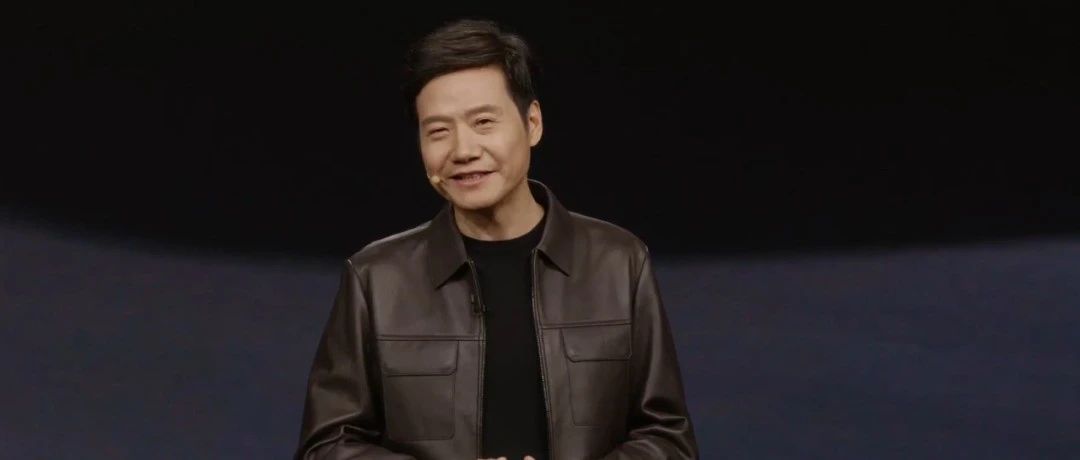
雷军:穿皮衣的“价格屠夫”
混沌学园· 2025-02-28 11:59
Core Viewpoint - The article discusses Xiaomi's pricing strategy for its high-end products, emphasizing the company's commitment to affordability even in the luxury segment, as demonstrated by the significant price drop of the Xiaomi SU7 Ultra to 529,000 yuan from a previously announced price of 814,900 yuan, a reduction of 285,000 yuan [1][2]. Group 1: Pricing Strategy - Xiaomi's mission is to make luxury products accessible to more consumers, which is reflected in the drastic price reduction of the Xiaomi SU7 Ultra [2]. - The perception of affordability for a car priced over 500,000 yuan is attributed to Xiaomi's value proposition and pricing strategy [3][1]. - The company aims to disrupt unreasonable pricing in the consumer market by offering better products at more affordable prices, thus returning consumer benefits [13][12]. Group 2: Business Model - Xiaomi operates on a value-return model rather than a premium pricing model, focusing on efficiency and innovation to create disruptive products [11][10]. - The company believes that true success lies in making quality products affordable for the masses, as highlighted by historical examples like the Ford Model T [12]. - Xiaomi's pricing model is based on five factors, with a focus on efficiency to ensure that consumers enjoy high-quality products at reasonable prices [43]. Group 3: Competitive Advantage - The company emphasizes the importance of maintaining a clear mission and vision, which includes creating products that resonate with users and ensuring a strong connection with its customer base [22][36]. - Xiaomi's approach to product development includes a commitment to exceeding user expectations, which is essential for building a strong reputation and customer loyalty [29][39]. - The company recognizes that achieving a balance between quality and affordability is crucial for long-term success in the competitive landscape [41][42]. Group 4: Future Directions - Xiaomi's decision to enter the electric vehicle market is seen as a strategic move to adapt to changing consumer demands and market conditions, with a planned investment of 10 billion USD over the next decade [48][50]. - The company aims to leverage its existing user base and brand loyalty to establish a foothold in the automotive sector, viewing it as a necessary evolution to avoid stagnation in the consumer electronics market [50][53]. - The shift towards electric vehicles is framed as a response to the broader trend of consumer electronics becoming increasingly integrated with automotive technology [51].
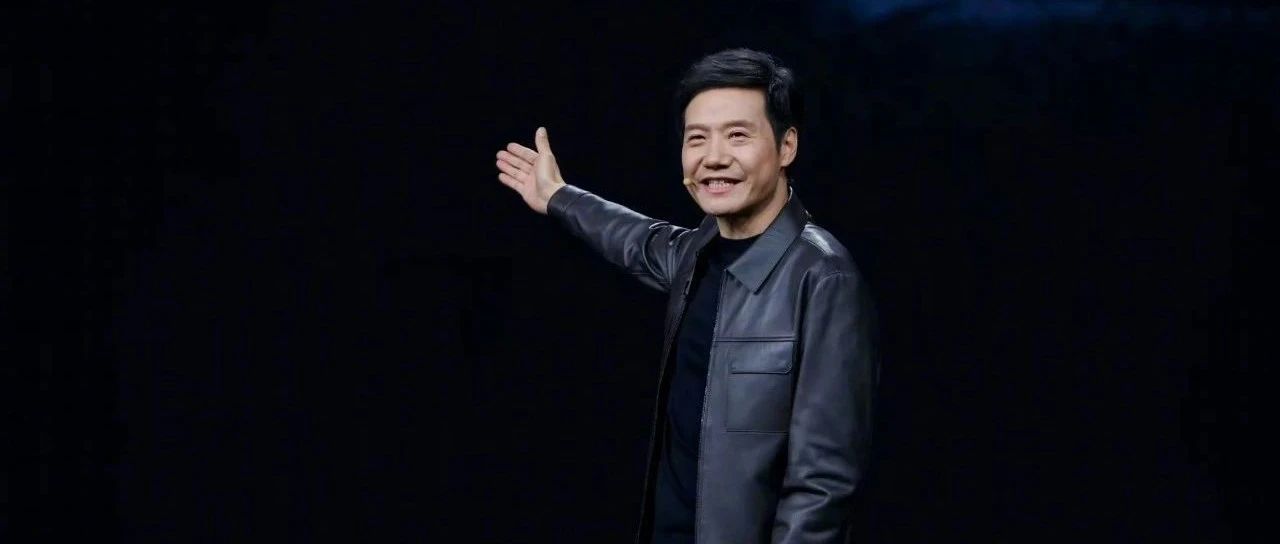
小米王炸!雷军宣布:SU7 Ultra,52.99万元!10分钟狂揽6900单,“让喜欢的人买得起”
21世纪经济报道· 2025-02-27 15:00
作 者丨雷晨 编 辑丨张伟贤,江佩佩 视 频 丨许婷婷 王炸来了! 2月2 7日晚间,小米召开"史上最高端"发布会,带来两款旗舰产品——小米1 5 Ultr a和小米SU7 Ultr a。 值得注意的是,发布会结束不久,小米汽车官微便透漏,小米SU7 Ultr a,1 0分钟大定突破6 9 0 0台。 有 业 内 人 士 对 2 1 世 纪 经 济 报 道 记 者 表 示 , " 此 次 发 布 会 不 仅 是 产 品 的 展 示 , 更 是 小 米 高 端 化 战 略 的 重 要 一 步 。 从 6 k+ 的 手 机 到 8 0 万 豪 车 , 再 到"米家全家桶"智能生态产品,小米正全方位进军高端市场。" 小米S U 7 U lt r a发布,定价5 2 . 9 9万元 令 围 观 者 兴 奋 的 是 , 小 米 SU7 Ult r a 的 最 终 售 价 公 布 为 5 2 . 9 9 万 元 起 , 相 比 去 年 1 0 月 公 布 的 8 1 . 4 5 9 万 调 低 了 近 3 0 万 。 而 小 米 1 5 Ult r a 则 是 6 4 9 9元起,"不涨价"。 雷军表示,小米的使命是:哪 ...
雷军回应“成为新首富”!“王炸”要来了,就在今晚
21世纪经济报道· 2025-02-27 10:47
Core Viewpoint - Xiaomi's recent stock surge brought its market capitalization close to 1.5 trillion HKD, briefly making its founder Lei Jun the richest person in China, although this title quickly changed hands again due to stock price adjustments [1][2]. Product Launch and Strategy - Xiaomi is set to hold a significant product launch event featuring two flagship products: the Xiaomi 15 Ultra and the Xiaomi SU7 Ultra, marking a pivotal step in its high-end market strategy [3][4][5]. - The Xiaomi 15 Ultra is a culmination of five years of high-end exploration, featuring a 1-inch main camera and a Leica 200MP super telephoto lens, alongside advanced communication technologies [8][12]. - The Xiaomi SU7 Ultra, priced at 814,900 CNY, boasts impressive performance metrics, including a maximum horsepower of 1548PS and a 0-100 km/h acceleration time of just 1.98 seconds, positioning it against high-end supercars [8][12]. Market Position and Valuation - Xiaomi's stock price rose over 4% to 58.7 HKD per share, reaching a historical high and reflecting a significant valuation shift in the market [14]. - Lei Jun's wealth is primarily derived from Xiaomi Group, the "Kingsoft system" listed companies, and Shunwei Capital, with an estimated total wealth nearing 440 billion CNY [14][15]. - The company's valuation logic is evolving from a reliance on smartphone sales to a diversified business model that includes IoT, electric vehicles, and internet services, enhancing its growth potential [15][16]. Future Outlook - Xiaomi's ongoing investments in AI and electric vehicles are expected to open up broader opportunities for long-term growth, despite short-term stock price volatility [17].
特斯拉FSD「突袭」中国,或只需两个季度即可做到类北美水平
雷峰网· 2025-02-26 10:04
Core Viewpoint - Tesla's Full Self-Driving (FSD) has made a significant entry into the Chinese market, marking an important step in the development of autonomous driving in the region, despite the current limitations compared to the U.S. version [2][3][6]. Group 1: FSD Launch in China - On February 25, Tesla unexpectedly upgraded the FSD for some Chinese customers who had previously paid 64,000 yuan for the feature, allowing them to use city road Autopilot [2]. - The definition of FSD on Tesla's website was changed from "fully autonomous driving" to "autonomous driving assistance package," indicating that the full capabilities seen in the U.S. are not yet available in China [2][3]. - The launch has generated significant excitement among users, with many sharing videos of FSD in action on social media platforms [3]. Group 2: Industry Impact and Competition - The introduction of FSD in China has intensified discussions within the autonomous driving industry, with competitors like XPeng Motors expressing eagerness to compare their technologies against Tesla's [4][3]. - XPeng's chairman has indicated a desire to compete directly with Tesla's FSD, suggesting a heightened competitive landscape for high-level autonomous driving in China [4]. Group 3: Challenges and Future Prospects - Despite the excitement, the current performance of FSD in China has faced criticism, particularly regarding adherence to traffic rules [11]. - Tesla's FSD rollout in China is expected to take time to reach the performance levels seen in North America, with estimates suggesting it could take two to three quarters [11][12]. - The company has faced regulatory challenges, including restrictions on data transfer and training, which have complicated the deployment of FSD in China [6][8]. Group 4: Data and Technology Considerations - Tesla has established a local data center in Shanghai to comply with Chinese regulations, but the limitations on data export and the inability to use certain hardware for training present significant hurdles [8][9]. - The company is expected to invest heavily in data collection and processing to enhance the performance of FSD in the Chinese market [12]. Group 5: Broader Industry Implications - The entry of Tesla's FSD is likely to disrupt the existing market, forcing other automakers to adapt or risk falling behind [13]. - Companies that provide data annotation and core components for autonomous driving are expected to benefit from Tesla's local operations [13]. - The competitive pressure from Tesla may drive other manufacturers to enhance their own autonomous driving technologies, leading to a more dynamic market environment [14].