半导体

Search documents
黄金跳水跌破4930美元,布油直线拉升站上100美元,加密货币集体大跌,超9万人爆仓
21世纪经济报道· 2026-03-18 12:11
Group 1: Gold and Silver Market - Gold experienced a sharp decline, dropping over 1.5% to fall below the $4930 mark [1] - Silver also saw a short-term drop of 0.9%, settling at $78.5 per ounce [1] - Deutsche Bank's report predicts that gold prices could reach $6000 per ounce in the long term, indicating a shift in gold's asset characteristics, which may increase correlation with risk assets [5] Group 2: Oil Market - Both WTI and Brent crude oil prices saw a short-term increase, with Brent rising nearly 1% to $100.37 per barrel [2] Group 3: Cryptocurrency Market - Major cryptocurrencies collectively declined, with Bitcoin falling below the $73000 mark, and over 90,000 traders liquidated positions in the past 24 hours [3][4] - Bitcoin's price was reported at $72968.1, reflecting a decrease of 1.49% [4]


罗森布拉特证券上调英伟达目标价至325美元
Jin Rong Jie· 2026-03-18 11:39
Group 1 - Rosenblatt Securities raised Nvidia's target price from $300 to $325, which corresponds to a market capitalization of $800 billion for Nvidia [1]

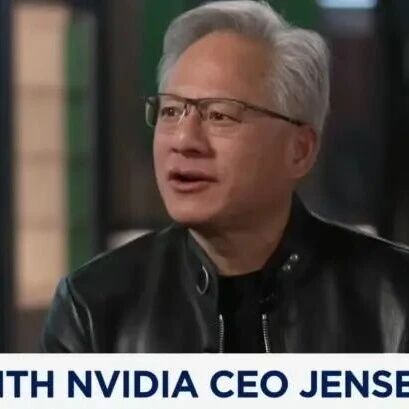
英伟达改卖Token?黄仁勋GTC后发声:token就是AI新通货,值钱的不是算力,是“每度电的智商”
AI前线· 2026-03-18 11:37
Core Viewpoint - NVIDIA is positioned as an "accelerated computing company" rather than merely a GPU company, emphasizing the importance of the entire technology stack in AI development [2][10][24]. Group 1: AI Competition and Token Economy - The AI competition has shifted from merely computing power to producing high-quality results quickly and cost-effectively, with the entire process needing acceleration [4][5]. - Tokens are viewed as the core currency of the AI era, where smarter tokens can command higher prices, reflecting the efficiency of the models generating them [7][8]. - NVIDIA's acquisition of Groq and the introduction of Groq LPU aim to address the challenge of generating tokens with low latency, complementing existing GPU capabilities [9][10]. Group 2: Full-Stack Approach and Industry Integration - NVIDIA is transitioning from a focus solely on chips to a comprehensive understanding of applications, necessitating a full-stack approach to accelerate software and tools used by AI [12][20]. - The company aims to build AI factories and infrastructure globally, integrating various components like networking and storage to enhance overall system performance [22][26]. - The integration of AI with existing human tools, such as Excel and SQL, requires significant acceleration to keep pace with AI's rapid processing capabilities [14][15][30][31]. Group 3: Future of AI Models and Architectures - The limitations of current models like Transformers necessitate the development of new architectures that can handle long-term memory and continuous tasks more effectively [33][36]. - AI's ability to generate economic value is linked to its improved reasoning capabilities, allowing it to perform tasks beyond mere information generation [40][41]. - The emergence of coding agents signifies a shift where AI can assist in programming, enhancing efficiency and allowing engineers to focus on higher-level problem-solving [45][46]. Group 4: Role of CPUs and System Design - CPUs remain crucial in the AI ecosystem, with NVIDIA emphasizing the need for high-performance CPUs to prevent bottlenecks in GPU utilization [53][64]. - The design of CPUs like Vera focuses on high I/O bandwidth and single-thread performance to support the demands of AI applications [64][66]. - NVIDIA's strategy includes a collaborative approach with various architectures, ensuring that the best components are utilized for optimal system performance [66][87]. Group 5: Supply Chain and Market Dynamics - The current landscape shows that nearly all aspects of the supply chain are nearing capacity, making it challenging to scale any single component significantly [92][95]. - NVIDIA's proactive supply chain planning positions it favorably to meet future demands, despite potential constraints in power and chip availability [95][96]. - The company recognizes the importance of maintaining a competitive edge in the technology stack across all layers of AI development, from infrastructure to applications [98][99].

黄仁勋:英伟达重返中国市场!
国芯网· 2026-03-18 11:33
Core Viewpoint - Nvidia's CEO Jensen Huang announced the restart of H200 AI accelerator production for Chinese customers, indicating a significant increase in demand from the Chinese market [2][4]. Group 1: Nvidia's Market Strategy - Nvidia had previously paused H200 chip production due to increasing regulatory obstacles but has now received sales permits and orders from multiple Chinese clients, leading to the resumption of production [2]. - The company has experienced fluctuations in its approach to selling advanced AI chips to China, with the U.S. Department of Commerce halting H200 chip exports in April 2025, only to allow limited recovery in August 2025 [4]. - The Chinese market, which once contributed to 25% of Nvidia's revenue, has seen a significant decline in its share, highlighting the importance of this market for Nvidia's long-term growth despite strong global demand for its chips [4]. Group 2: Regulatory Environment - In December 2025, the U.S. allowed Nvidia to sell the H200 processor to China under the condition that 25% of the sales revenue be paid to the U.S. government, indicating a complex regulatory landscape [4]. - Huang's recent statements suggest that Nvidia is making progress in re-entering the critical Chinese market, which is essential for its future development [4].
半导体精品公众号推荐!
国芯网· 2026-03-18 11:33
Group 1 - The article emphasizes the importance of revitalizing the domestic semiconductor industry in the context of an information-explosive era [1] - It suggests that in a fragmented information age, individuals need to focus on efficient ways to acquire high-quality information [1] - The article recommends that semiconductor professionals should follow five specific WeChat public accounts to stay updated [1] Group 2 - The recommended WeChat public accounts include "半导体技术天地" for technical resources and expert insights [3] - "全球电子市场" is highlighted as the leading platform in the semiconductor industry with a following of 500,000 professionals [5] - "半导体行业圈" and "半导体产业联盟" are also suggested as valuable communities for industry networking [7][9] Group 3 - The article mentions a free open group with 80,000 members available for semiconductor professionals [12] - It provides a step-by-step guide for joining the group through the WeChat public account [13][15] - The article encourages submissions for news tips and collaborations, indicating an open approach to community engagement [18]
三星罢工定了!93%赞成罢工!
国芯网· 2026-03-18 11:33
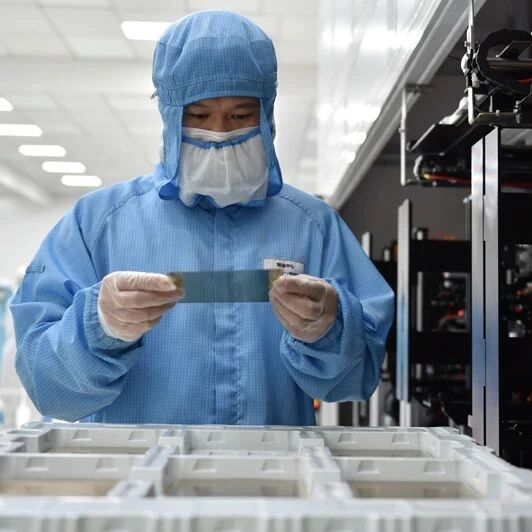
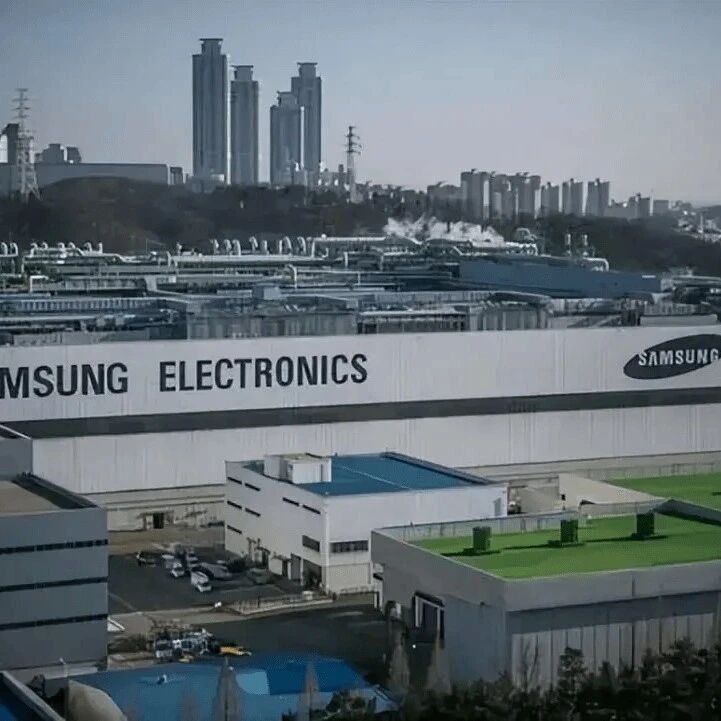
国芯网[原:中国半导体论坛] 振兴国产半导体产业! 不拘中国、 放眼世界 ! 关注 世界半导体论坛 ↓ ↓ ↓ ***************END*************** 半导体公众号推荐 半导体论坛百万微信群 加群步骤: 3月18日消息,三星电子韩国工会正式宣布,罢工授权投票已高票通过,93%的参与员工赞成罢工计划,这意味着若劳资双方无法达成共识,三星或将面 临大规模生产中断,全球半导体供应也将再添变数。 据悉,此次罢工授权投票共有66019名三星员工参与,超高赞成率被工会称为对管理层的"强烈警告"。工会明确表示,若双方未能在后续协商中达成一 致,将先于4月23日举行集会,随后从5月21日起启动为期18天的罢工,核心诉求直指薪资与奖金机制改革。 作为韩国科技巨头,三星电子在韩员工总数约12.5万人,此次发起罢工的工会代表着近9万名员工,占比超70%。这场劳资冲突的导火索,是去年底陷入 破裂的薪资协商,而竞争对手SK海力士的薪酬改革,进一步加剧了三星员工的不满。 据了解,SK海力士去年9月已同意工会提出的薪酬改革要求,取消奖金上限并将奖金与公司营运利润挂钩,这让三星员工对两者间的薪资差距愈发不满。 为 ...
“HALO”交易是否能带来价值红利回归:美日欧篇
Changjiang Securities· 2026-03-18 11:25
Group 1: Global Market Overview - In 2025, global capital markets experienced significant differentiation and restructuring, driven by macroeconomic narratives and strong profitability in the AI industry[4] - The "HALO" trading strategy emerged, indicating a return to value amidst strong growth expectations in certain regions[4] Group 2: European Market Performance - In Europe, the dividend value style outperformed growth style for 11 out of 12 months in 2025, with a notable absolute return in the dividend index exceeding double digits[7] - The MSCI Europe high dividend index recorded a remarkable increase of 35.91%, significantly outperforming the MSCI Europe growth index[25] - The European Central Bank implemented eight interest rate cuts from mid-2024 to mid-2025, reducing the deposit facility rate from 4.00% to 2.00%, alleviating pressure on high-leverage traditional enterprises[8] Group 3: Japanese Market Dynamics - Japan's stock market reached historical highs in 2025, with the Nikkei 225 index rising by 26.18% and the MSCI Japan high dividend index increasing by 23.79%[22] - The Japanese market exhibited a balanced performance between growth and dividend styles, with both achieving double-digit increases[22] - Significant share buybacks in Japan reached approximately 12 trillion yen in the first five months of 2025, marking a 20% increase year-on-year[22] Group 4: U.S. Market Insights - In the U.S., despite the long-term effectiveness of dividend aristocrat strategies, growth expectations driven by major tech companies posed challenges for dividend value strategies[23] - The "HALO" assets, including sectors like energy and utilities, saw a substantial increase in relative returns, particularly in early 2026[23] - The S&P 500 growth index rose by 22.18%, driven by strong earnings from the "Magnificent 7" tech giants, contributing significantly to the overall market gains[25]




半导体行业2026年策略:聚焦算力、自主可控与存储周期
Shenwan Hongyuan Securities· 2026-03-18 11:14
Group 1 - The rise of domestic computing power chips is reshaping the advanced manufacturing landscape, with China's AI chip market expected to explode, and the share of local 7nm/6nm process platforms predicted to expand to nearly 20% by 2026 [3][16] - The semiconductor equipment market in mainland China is projected to continue leading globally, with investment accounting for about 30% of the total, benefiting local equipment manufacturers from high capital expenditures [3][44] - The storage sector is entering a super cycle, with domestic manufacturers emerging as key players, particularly in the server segment, which is expected to become the largest downstream application for storage by 2026 [3][54] Group 2 - The Chinese AI chip market is entering a period of explosive growth, with shipments expected to reach 1.906 million units in the first half of 2025, a year-on-year increase of 109.9%, and local market share rising from under 15% in 2022 to nearly 35% by 2025 [8][8] - Huawei's Ascend series is set to make a strong comeback, with new models expected to double computing power annually, showcasing significant advancements in architecture and interconnect bandwidth [10][10] - The global wafer foundry market is expected to see a shift in the share of 6/7nm and 5/4nm nodes, with mainland China's share projected to increase significantly by 2026 [14][16] Group 3 - The demand for storage driven by AI is expected to span all sectors, with servers projected to surpass smartphones as the primary application for DRAM and NAND flash by 2026 [50][50] - Limited new supply in the storage market is likely to keep prices elevated, with global DRAM capacity expected to rise slightly while NAND flash capacity is projected to decline [53][53] - Domestic storage manufacturers like Changxin Technology are poised to enter the top tier, with significant advancements in DRAM technology and upcoming IPOs marking milestones in self-sufficiency [58][60] Group 4 - Key investment targets include domestic computing power chips such as Moer Thread, Muxi Co., and others, as well as advanced manufacturing and packaging companies like SMIC and Hua Hong Semiconductor [3][72] - The report highlights the importance of semiconductor equipment manufacturers like Northern Huachuang and Zhongwei Company, which are expected to benefit from the ongoing capital expenditure boom [3][72] - The valuation table indicates significant growth potential for various semiconductor companies, with projected net profits and market capitalizations reflecting the industry's robust outlook [73][73]




AI的进击时刻25:英伟达发布 Vera Rubin POD 平台
GF SECURITIES· 2026-03-18 11:10
Investment Rating - The report provides a "Buy" rating for the industry, indicating an expectation of stock performance exceeding the market by more than 10% over the next 12 months [37]. Core Insights - The report emphasizes the significant advancements in AI technology, particularly through the introduction of the NVIDIA Vera Rubin POD platform, which is designed to enhance performance for Agentic AI workloads [4][12]. - It highlights the collaboration within the AI industry chain, suggesting that model innovation and capital expenditure (CAPEX) are foundational for growth, with a continuous upward trend in AI-driven storage cycles [31]. - The report suggests focusing on key beneficiaries within the industry chain, as the demand for AI inference drives both production expansion and upgrades [31]. Summary by Sections Section 1: NVIDIA Vera Rubin POD Platform - NVIDIA introduced the Vera Rubin POD platform, which includes five rack-level systems tailored for Agentic AI workloads, enhancing throughput and reducing latency [4][12]. - The platform consists of various racks, including the MGX NVL rack for GPU computing and the MGX ETL rack for CPU and storage, showcasing a heterogeneous collaborative system architecture [4][12]. Section 2: Groq3 LPX Rack for Decoding Acceleration - The Groq3 LPX rack is designed to accelerate decoding processes, integrating 256 LPU processors with high bandwidth capabilities, significantly improving performance metrics [4][17]. Section 3: Vera CPU Rack for RL/Agent Sandbox Support - The Vera CPU rack supports over 22,500 concurrent reinforcement learning (RL) or agent sandbox environments, facilitating testing and validation of outputs from the Vera Rubin NVL72 and LPX systems [4][28]. Section 4: Investment Recommendations - The report recommends attention to core beneficiaries in the AI industry chain, driven by model innovation and collaborative development, with a focus on the upward trend in AI inference and storage cycles [31].
谨慎观望
第一财经· 2026-03-18 10:55
Market Overview - The A-share market saw all three major indices rise, with the Shanghai Composite Index finding support in the 4020-4030 point range, closing with a lower shadow line [4] - A total of 3551 stocks increased, indicating a broad market recovery, with over 3500 stocks closing in the green, showing improved market profitability compared to the previous day [4] Trading Volume and Capital Flow - The total trading volume in both markets was 0.05 trillion yuan, a decrease of 7.33%, indicating cautious capital flow and a focus on existing stock competition [5] - Main capital inflows were observed in the electronics, communication, and computer sectors, while there were outflows from non-bank financials, basic chemicals, and banking sectors [5] Investor Sentiment - Institutional investors are adopting a cautious approach, focusing on low-positioning in technology growth sectors while reducing holdings in high-position cyclical stocks, indicating a shift from defensive to growth recovery strategies [7] - Retail investors are showing signs of improved sentiment, actively participating in the market rebound and focusing on low-position opportunities in growth sectors, with significant net inflows [7][6] Technical Analysis - The market confirmed support at the 4000-point level, with the 60-day moving average serving as an important support level [9] - The sentiment among retail investors is at 75.85%, reflecting a positive outlook [8]