
奢侈品

Search documents
从LV到临期食品:中产消费的十年轮回
Sou Hu Cai Jing· 2025-09-28 14:20
Core Insights - The luxury goods market in China, which experienced rapid growth a decade ago, is now facing a downturn, with significant declines in revenue and profit reported by major brands like LVMH [3][4][5] - In contrast, the market for near-expiry food products is witnessing explosive growth, with a projected market size exceeding 40 billion yuan and an annual growth rate of nearly 6% [4][10] Group 1: Luxury Goods Market Decline - In 2015, China's luxury goods market reached a peak size of 113 billion yuan, contributing significantly to global consumption [1] - By 2025, LVMH reported a 4% decline in revenue for Q2, with a 15% drop in operating profit and a 22% drop in net profit [3] - Bain & Company revised its forecast for the global luxury goods market, predicting a potential decline of 2% to 5% in sales for 2025 [3] Group 2: Rise of Near-Expiry Food Products - The near-expiry food market in China is projected to surpass 40 billion yuan this year, driven by a shift in consumer attitudes towards more practical and cost-effective purchasing [4][10] - The rapid expansion of near-expiry food chains, such as Haotemai, reflects a growing consumer preference for value-oriented shopping [4] - The trend indicates a fundamental change in consumer behavior from ostentatious luxury spending to rational and pragmatic consumption [4][10] Group 3: Changing Consumer Psychology - The shift in consumer behavior is attributed to a deep transformation in the consumption psychology of the middle class, moving from conspicuous consumption to practical spending [5][10] - The middle class's debt levels have risen above 50%, with a focus on cost-effectiveness and practical consumption dominating their purchasing decisions [5] - The economic environment has shifted from rapid growth to a more cautious approach, influencing consumer habits and preferences [7] Group 4: Generational Shift in Consumption - The primary consumers of luxury goods have shifted from the older generations (70s and 80s) to Generation Z, who prioritize cultural identity and self-expression over brand logos [8] - By 2025, online penetration of luxury goods is expected to reach 46%, with Generation Z accounting for 72% of transactions [8] - The second-hand luxury market is projected to grow significantly, indicating a shift towards circular consumption and away from new luxury purchases [8] Group 5: Future Trends in Consumption - The rise of near-expiry food signifies a new trend in middle-class consumption, emphasizing quality-price ratio and sustainable practices [10][11] - Future consumption patterns are expected to focus on experiential spending, with increased interest in high-end travel and cultural entertainment [10] - Companies are encouraged to adapt to the "new pragmatism" in consumer behavior, focusing on quality and value in their offerings [11]

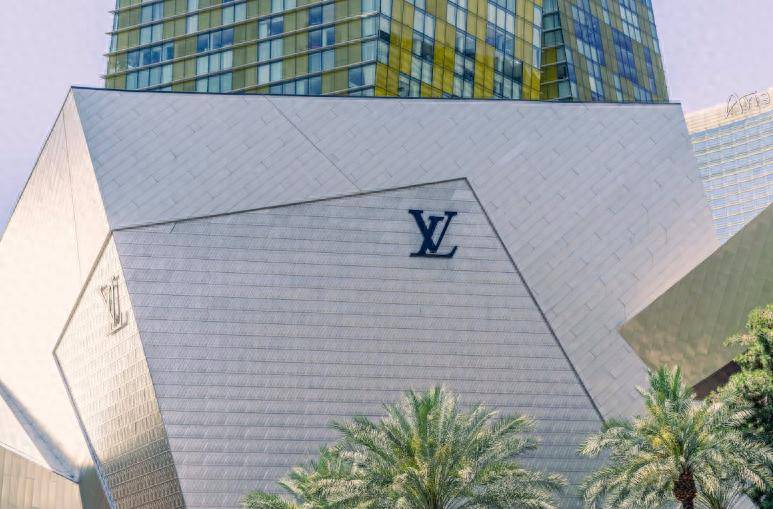
双节前夕奢侈品特卖火爆:出游与中秋礼赠激发消费活力
Zhong Jin Zai Xian· 2025-09-28 02:22
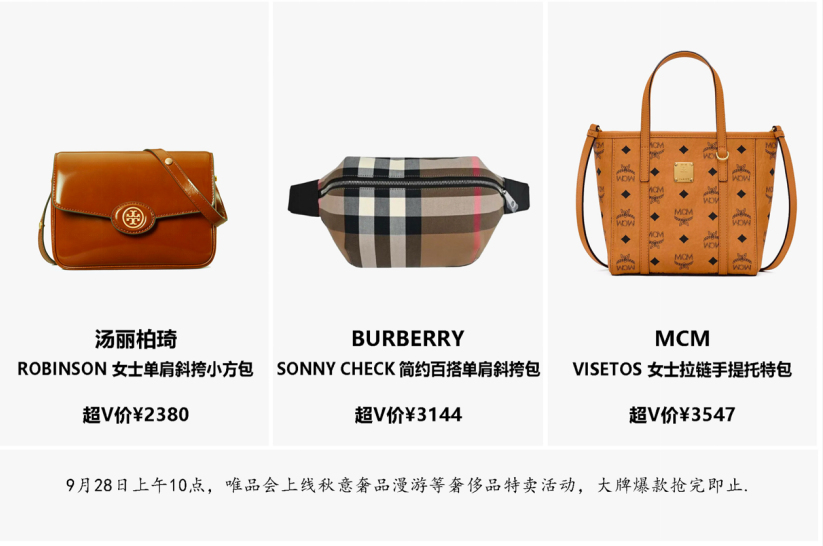
Core Insights - The luxury goods discount market is experiencing a surge in popularity, particularly during the National Day and Mid-Autumn Festival holidays, as consumers seek more affordable options while maintaining a sense of quality [1][3] - E-commerce platforms are actively promoting luxury goods sales, with significant discounts attracting consumers who previously preferred purchasing from brand boutiques [1][3] Group 1: Consumer Behavior - Consumers are increasingly shifting towards purchasing discounted luxury items, with many opting for sales over traditional retail, leading to substantial savings [3] - The perception of luxury is evolving, with consumers now prioritizing value for money rather than simply associating high prices with quality [3] Group 2: Market Trends - The luxury discount sales phenomenon has become a notable trend in the consumer market this year, with limited-time offers and steep price reductions drawing significant attention [3] - Major brands like Burberry, Coach, and Tory Burch have seen rapid sales growth since mid-September, indicating a strong demand for discounted luxury products [1][3]
快时尚巨头,为何扎堆做美妆?
Hu Xiu· 2025-09-26 10:29
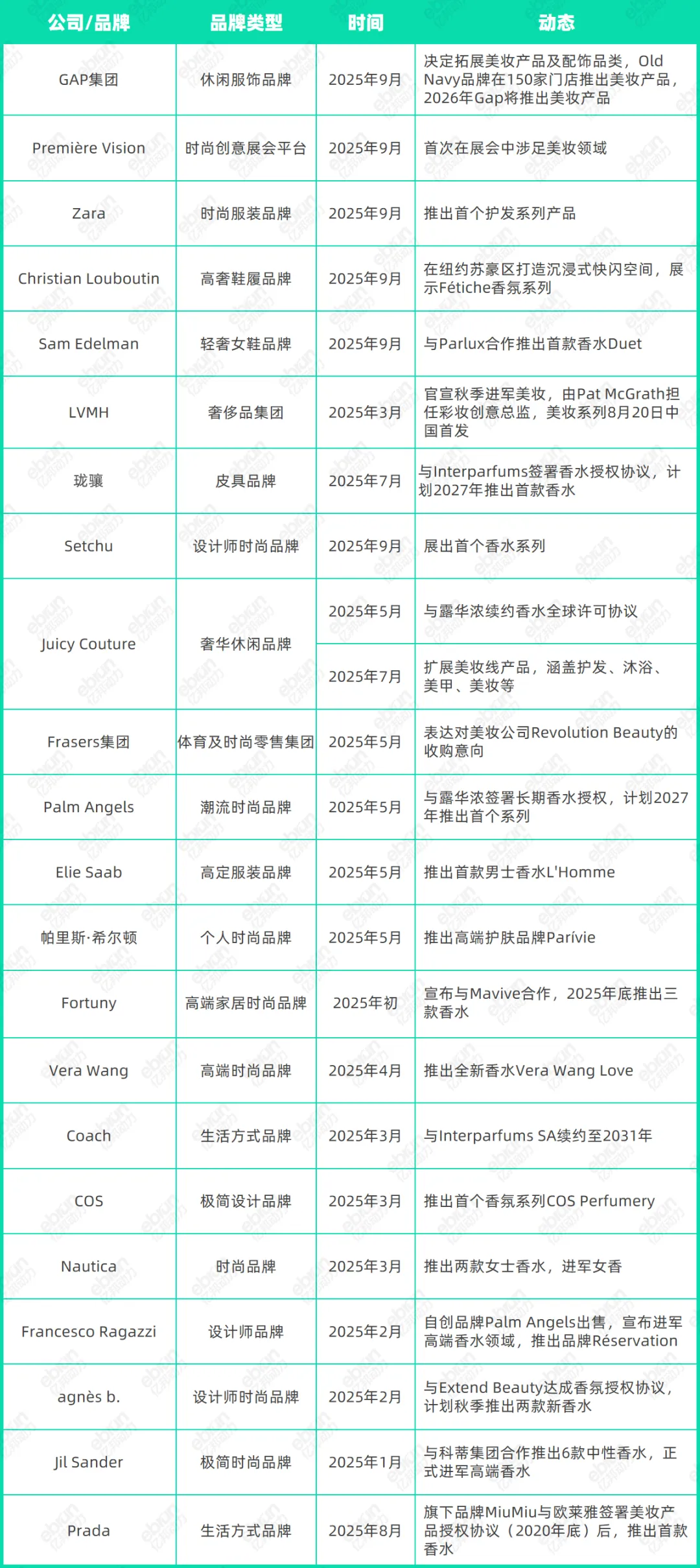
Core Viewpoint - The fashion industry is increasingly venturing into the beauty sector as a response to declining sales, with several major brands launching beauty products to explore new growth opportunities [3][10][46]. Group 1: Fashion Brands Entering Beauty - In September 2025, major fashion brands like Gap, Zara, and H&M announced significant moves into the beauty industry, indicating a trend among fashion companies to diversify their product offerings [5][16]. - Gap Group plans to launch beauty products in 150 Old Navy stores, with some featuring beauty consultants, aiming to leverage its financial stability for growth [12][10]. - Zara has introduced its first hair care line, including shampoo and conditioner, marking its entry into the hair care segment after previously launching cosmetics and fragrances [15][14]. Group 2: Performance of Fashion Brands - Gap Group reported a 4.85% increase in net sales for Q2 2024, ending a three-year decline, but the growth rate has slowed significantly compared to previous years [7][10]. - Zara's parent company, Inditex, experienced a modest 1.6% sales growth in H1 2025, with Zara itself showing the slowest growth in five years at 0.9% [13][14]. - H&M's net sales fell by 1.87% in the same period, with a notable decline in net profit, indicating a downward trend for the brand [16][17]. Group 3: LVMH's Beauty Strategy - LVMH launched its own beauty brand in 2025, with a focus on luxury makeup products, including 55 lipstick shades, aiming to enhance its beauty segment's profitability [32][33]. - Despite the launch, LVMH's overall sales and profits saw significant declines in H1 2025, with a 4.48% drop in net sales and a 21.59% decrease in net profit [34][35]. - The beauty segment's operating profit margin remains lower than the group's average, highlighting challenges in achieving profitability through self-created beauty brands [39][40]. Group 4: Designer Brands and Fragrance - Designer brands are increasingly entering the fragrance market, with several launching new perfume lines in collaboration with established fragrance companies [20][22]. - The trend reflects a broader strategy among fashion brands to transform into lifestyle brands, leveraging their design expertise while outsourcing production and distribution to fragrance giants [22][24]. - Notably, Christian Louboutin's fragrance line, managed by Puig, has faced challenges, with its makeup segment experiencing a decline in sales [30][28]. Group 5: Market Outlook and Challenges - The collective move into beauty by fashion brands raises questions about the sustainability of this strategy amid economic downturns [46]. - The beauty market's appeal remains strong, but the success of these ventures will depend on the brands' ability to adapt and innovate in a competitive landscape [46].




爆发激烈经济争论!征收富人税让法国再陷漩涡
Huan Qiu Shi Bao· 2025-09-25 22:32
Core Points - The proposed "Zucman Tax" aims to impose a wealth tax on French households with assets exceeding €100 million, ensuring they pay at least 2% of their total assets in taxes [1][2] - The tax is expected to generate approximately €20 billion annually for the French government, targeting around 1,800 families [2] - The current financial situation in France is precarious, with a projected public deficit of €169.6 billion for 2024, representing 5.8% of GDP, and public debt expected to rise to 113% of GDP [2] Political Context - The new government led by Prime Minister Le Cornu faces challenges in negotiating the budget following the previous government's failure to pass a €44 billion budget cut [1] - The "Zucman Tax" has sparked intense debate in France, with supporters advocating for tax fairness and new revenue sources, while opponents argue it could drive wealthy taxpayers away and hinder business investment [1][2] - The controversy intensified after LVMH CEO Bernard Arnault criticized the proposed tax as a "deadly assault" on the French economy, leading to significant backlash from both supporters and opponents of the tax [2]
中产开始抢购散装奢侈品,奢侈品散装化意味着什么?
3 6 Ke· 2025-09-25 12:53
Core Viewpoint - The rise of "bulk luxury goods" reflects a significant shift in consumer behavior among young Chinese consumers, driven by economic changes and a desire for affordable luxury experiences [3][5][10] Group 1: Market Changes - The luxury goods market in China has evolved from long queues at duty-free shops to a trend of purchasing bulk luxury items, indicating a shift in consumer preferences [1][3] - Young consumers are increasingly turning to second-hand platforms and alternative products to satisfy their luxury desires within budget constraints [3][5] Group 2: Consumer Behavior - The phenomenon of bulk luxury goods is particularly popular among young women, who view purchasing luxury items as a normal part of their lifestyle [5][11] - Consumers are becoming more price-sensitive and are seeking value, leading to the emergence of "平替" (affordable alternatives) and bulk luxury goods as a unique market segment [7][10] Group 3: Pricing Strategies - The pricing strategies of luxury brands, such as Tiffany, reveal significant discrepancies between individual items and bulk purchases, allowing consumers to access luxury products at a fraction of the price [7][10] - The traditional luxury pricing model may face challenges as consumers become more aware of these pricing structures and seek to exploit them [14] Group 4: Psychological Factors - The trend towards bulk luxury goods aligns with the growing consumer preference for "self-indulgent" purchases, where individuals prioritize personal satisfaction and experiences over traditional luxury consumption [11][12] - Social media plays a crucial role in promoting bulk luxury goods, as consumers share their purchases and experiences, enhancing the visibility and appeal of this market segment [12][11] Group 5: Long-term Implications - The rise of bulk luxury goods may disrupt traditional luxury pricing models, compelling brands to reassess their pricing, product design, and marketing strategies to remain competitive [14][10]
正面交锋!Burberry伦敦收官迎战Gucci米兰首秀,时装周“地震级”换帅季拉开序幕
Yang Zi Wan Bao Wang· 2025-09-25 07:06
Core Insights - The fashion industry is undergoing a significant transformation, with Burberry and Gucci leading the charge in redefining their brand narratives and aesthetics [1][2][3][4]. Group 1: Burberry's Transformation - Burberry's latest collection, led by Daniel Lee, embraces a youthful and rebellious "British rock" aesthetic, incorporating vibrant colors and traditional British craftsmanship [2][7]. - The brand's financial performance shows a revenue of £2.46 billion for the fiscal year 2025, reflecting a year-on-year decline of approximately 15%, indicating ongoing challenges during its transformation [7]. - Despite financial struggles, Burberry's stock has rebounded over 70% from its lows, suggesting market confidence in the brand's new direction and storytelling [7][8]. Group 2: Gucci's New Direction - Demna's debut for Gucci, titled "La Famiglia," introduces a narrative-driven approach with 37 distinct looks representing various character archetypes, showcasing a bold storytelling ambition [2][3]. - The launch of a short film featuring an all-star cast marks a significant shift in Gucci's branding strategy, aiming to redefine the essence of "Gucci-ness" through a multi-dimensional aesthetic universe [3][4]. - The support from Kering Group's leadership during this transition highlights the collective effort behind Gucci's rebranding initiative, setting high expectations for the upcoming February show [4]. Group 3: Industry Trends - The fashion industry is witnessing a wave of creative director debuts across Milan and Paris, indicating a broader trend of brand reinvention and narrative exploration [5][6]. - The case of Burberry serves as a critical example for mid-tier brands on how to balance heritage with contemporary consumer demands, emphasizing the importance of cultural storytelling and product innovation [8].
不确定性冲击全球奢侈品市场 路威酩轩(LVMUY.US)加码韩国构建多元化支点
智通财经网· 2025-09-25 02:00
Group 1 - LVMH is increasing its expansion efforts in South Korea to diversify its global business due to geopolitical and economic uncertainties affecting major markets like the US [1] - The flagship stores of Louis Vuitton and Dior in Seoul's Cheongdam area are set for expansion, with Dior's renovation possibly starting in 2027, including a permanent restaurant [1] - Bulgari is considering opening its first flagship store in South Korea, while Tiffany's flagship store is scheduled to open in Cheongdam in 2027 [1] Group 2 - The South Korean market is seen as a bright spot for luxury brands due to strong consumer love for luxury goods, economic resilience, and high consumer confidence [1] - Sales of Louis Vuitton, Hermès, and Chanel in South Korea grew nearly 10% last year, reaching $3.3 billion [1] - The increase in luxury sales is also driven by a surge in tourists from China and Japan, along with the depreciation of the Korean won, with tourist spending reaching a record 9.26 trillion won (approximately $6.6 billion) last year [1] Group 3 - Other luxury brands are also optimistic about the strong demand in the South Korean market, with Richemont reporting a 20% sales increase in Korea for the fiscal year ending in March [2] - Richemont opened a new flagship store for its Swiss watch brand Vacheron Constantin in Seoul, featuring Korean art exhibitions and private lounge spaces [2] - Hermès has relocated and expanded its flagship store in Seoul, reopening in August [2]
【环球财经】伦敦股市24日上涨 矿业资源股领涨
Xin Hua Cai Jing· 2025-09-24 17:19
Market Performance - The FTSE 100 index in London closed at 9250.43 points, up by 27.11 points, representing a gain of 0.29% compared to the previous trading day [1] - The performance of major European indices was mixed, with the CAC40 index in Paris closing at 7827.45 points, down by 44.57 points or 0.57%, while the DAX index in Frankfurt closed at 23666.81 points, up by 55.48 points or 0.23% [1] Top Gainers - The top five gainers in the London stock market included: - Antofagasta, a mining company, with a stock price increase of 9.26% - Anglo American, with a stock price increase of 4.70% - Babcock International, a business services outsourcing company, with a stock price increase of 4.33% - Glencore, with a stock price increase of 2.95% - BAE Systems, with a stock price increase of 2.18% [1] Top Losers - The top five losers in the London stock market included: - Ashtead Group, an international equipment rental company, with a stock price decrease of 2.33% - Amey, an engineering company, with a stock price decrease of 2.00% - Convatec, a medical technology company, with a stock price decrease of 1.84% - Fresnillo, a precious metals producer, with a stock price decrease of 1.79% - Burberry, a luxury goods group, with a stock price decrease of 1.71% [1]
品牌方下架,工作室否认,全智贤代言陷“双面”罗生门?
3 6 Ke· 2025-09-23 23:42
Core Viewpoint - The controversy surrounding Jun Ji-hyun's new drama "The Storm Circle" has led to multiple brands, including LV and La Mer, removing her endorsement materials, indicating a swift response to potential backlash from Chinese audiences [1][5][6] Brand Response - Brands have rapidly cut ties with Jun Ji-hyun, with many deleting promotional materials and hinting at contract terminations, reflecting a standard procedure in handling controversies [5][6][8] - The established protocol for brands is to sever connections quickly to avoid association with scandals, which has become a routine practice in the industry [5][6][8] Impact on Jun Ji-hyun - Jun Ji-hyun's silence during the initial backlash contrasts with the swift actions of brands, raising questions about her response strategy [1][5] - Reports indicate that a planned advertisement with a Chinese clothing brand was canceled due to the controversy, although her agency claims it was merely postponed [4][5] Industry Trends - The luxury brand sector has developed robust mechanisms to manage celebrity controversies, often resulting in minimal impact on their overall performance [6][8] - Historical data shows that brands like Prada have faced multiple scandals without significant long-term damage to their sales or brand equity [6][8] Market Dynamics - The Korean entertainment industry is experiencing a decline in production quality and profitability, with only six local films turning a profit in 2023, a stark contrast to previous years [11][12] - The entry of Netflix into the Korean market has shifted talent and resources away from local productions, making collaborations with international platforms like Disney+ more appealing for actors like Jun Ji-hyun [14][15]

股指期货将偏强震荡黄金、白银期货价格再创上市以来新高工业硅、多晶硅、螺纹钢、焦煤、玻璃、纯碱、原油、豆粕、豆油期货将偏弱震荡
Guo Tai Jun An Qi Huo· 2025-09-23 03:35
Report Industry Investment Rating No relevant content provided. Core View of the Report Through macro - fundamental analysis and technical analysis, the report predicts the trend of various futures on September 23, 2025. Index futures are expected to oscillate strongly, while industrial silicon, polysilicon, rebar, coking coal, glass, soda ash, crude oil, soybean meal, and soybean oil futures are expected to oscillate weakly. Gold and silver futures are likely to reach new highs [2][3]. Summary by Directory 1. Futures Market Outlook - **Index Futures**: On September 23, 2025, index futures are expected to oscillate strongly. For example, IF2512 has resistance levels at 4518 and 4545 points and support levels at 4455 and 4444 points [2][18]. - **Treasury Bond Futures**: The ten - year Treasury bond futures contract T2512 and the thirty - year Treasury bond futures contract TL2512 are likely to oscillate widely on September 23, 2025 [2]. - **Precious Metal Futures**: Gold and silver futures are expected to oscillate strongly and reach new highs. For instance, the gold futures contract AU2512 will attack resistance levels at 855.0 and 860.0 yuan/gram, and the silver futures contract AG2512 will attack resistance levels at 10400 and 10500 yuan/kg [2][3]. - **Base Metal Futures**: Copper futures are expected to oscillate and consolidate, while aluminum and alumina futures are likely to oscillate weakly on September 23, 2025 [3]. - **Industrial and Agricultural Futures**: Industrial silicon, polysilicon, rebar, coking coal, glass, soda ash, crude oil, soybean meal, and soybean oil futures are expected to oscillate weakly on September 23, 2025 [3][4][6]. 2. Macro Information and Trading Tips - **International Relations**: Trump said he would meet with Chinese leaders during the APEC Economic Leaders' Meeting. China's Ministry of Foreign Affairs responded that the two sides are communicating [7]. - **Economic Data**: China's 1 - year LPR in September was reported at 3%, and the 5 - year and above variety was reported at 3.5%, both remaining unchanged for the fourth consecutive month. Some analysts believe that the central bank may implement a new round of interest rate cuts and reserve requirement ratio cuts in the fourth quarter [7]. - **Financial Market**: As of the end of June, China's banking industry's total assets were nearly 470 trillion yuan, ranking first in the world; the stock and bond market sizes ranked second in the world; and the foreign exchange reserve size ranked first in the world for 20 consecutive years [8]. 3. Commodity Futures - Related Information - **Precious Metals**: On September 22, international precious metal futures generally rose. COMEX gold futures rose 2.03% to 3781.20 US dollars/ounce, and COMEX silver futures rose 3.17% to 44.32 US dollars/ounce [11]. - **Crude Oil**: On September 22, international oil prices oscillated narrowly. The main contract of US crude oil fell 0.10% to 62.34 US dollars/barrel, and the main contract of Brent crude oil fell 0.05% to 66.01 US dollars/barrel [11]. - **Base Metals**: On September 22, London base metals showed mixed results. LME zinc rose 0.38%, LME lead rose 0.15%, LME copper rose 0.13%, while LME tin fell 0.44%, LME nickel fell 0.46%, and LME aluminum fell 0.62% [11]. - **Exchange Rates**: On September 22, the on - shore RMB against the US dollar closed at 7.1148 at 16:30, down 23 basis points from the previous trading day, and closed at 7.1138 at night. The central parity rate of the RMB against the US dollar was reported at 7.1106, up 22 basis points from the previous trading day [12]. 4. Futures Market Analysis and Outlook - **Index Futures**: On September 22, index futures generally showed a small - scale upward trend. For example, the main contract IF2512 of CSI 300 index futures rose 0.30% (0.44% based on the closing price) [12]. - **Treasury Bond Futures**: On September 22, Treasury bond futures closed up across the board. The 30 - year main contract rose 0.22%, the 10 - year main contract rose 0.20%, the 5 - year main contract rose 0.13%, and the 2 - year main contract rose 0.04% [36]. - **Precious Metal Futures**: Gold and silver futures continued to rise and reached new highs. For example, the gold futures contract AU2512 reached a new high of 851.98 yuan/gram during the night trading on September 23 [45]. - **Base Metal Futures**: Copper futures showed a small - scale upward trend, while aluminum and alumina futures showed a downward trend on September 22 [59][63]. - **Industrial and Agricultural Futures**: Industrial silicon, polysilicon, rebar, coking coal, glass, soda ash, crude oil, soybean meal, and soybean oil futures showed different degrees of decline on September 22 [70][71][80].