跨境电商

Search documents
从制度协同到产业共振,中越合作迎来新格局
Di Yi Cai Jing· 2025-12-29 13:18
Core Viewpoint - The cooperation between China and Vietnam is entering a new phase characterized by "harmonious beauty" in regional development, emphasizing the importance of high-level openness and win-win cooperation as outlined in the 20th Central Committee's Fourth Plenary Session [1] Institutional Collaboration - To upgrade cooperation from "factor flow-type openness" to "rules and institutional-type openness," it is essential to prioritize deep institutional alignment and collaboration, particularly in economic and trade rules [2] - The establishment of a "rules docking special working group" is proposed to enhance institutional collaboration in areas such as customs facilitation and intellectual property protection [2] Business Environment - The initiative to create a market-oriented, legal, and international cooperation ecosystem is highlighted, with China sharing its regulatory reform experiences to assist Vietnam in improving its foreign investment laws [3] - A cross-border enterprise complaint handling mechanism is suggested to provide stability for joint projects in cloud computing and infrastructure [3] Industrial Collaboration - The focus is on building a modern industrial system that supports deep collaboration based on new productive forces, moving away from traditional trade models [4] - The establishment of a "China-Vietnam Advanced Manufacturing Industrial Park" is proposed to integrate China's advanced manufacturing technologies with Vietnam's production capabilities [4] Green and Digital Economy - Cooperation in green agriculture and clean energy projects is emphasized, including the establishment of a "cross-border green agricultural technology center" [5] - The deepening of cross-border cloud computing platform cooperation aims to combine China's technological advantages with Vietnam's digital transformation needs [5] Regional Coordination - The cooperation is positioned as a key element in the China-South Asia Economic Corridor, supporting regional coordination and the dual circulation development pattern [6] - Infrastructure connectivity initiatives, such as the construction of standard gauge railways, are aimed at enhancing trade and economic integration [7] Cultural Exchange - Strengthening educational cooperation and cultural exchanges is essential for building a solid foundation for long-term collaboration [8] - The promotion of Chinese language and cultural understanding is seen as vital for enhancing mutual recognition and cooperation between the two nations [9]
中文赋能跨境电商,共育东盟经贸合作新动能
Di Yi Cai Jing· 2025-12-29 13:18
跨境电商凭借数字技术打破传统贸易时空限制,降低中小企业出海门槛,成为推动中国—东盟贸易转型 升级的关键引擎,而中文正是激活这一引擎的重要密钥。 在全球化遭遇逆流、区域经济一体化加速推进的背景下,中国与东盟经贸合作持续深化,中文作为互联 互通的重要纽带,在跨境电商领域的战略价值越发凸显,为共育双边经贸合作新动能注入强劲活力。 作为紧密的经贸合作伙伴,中国已连续16年保持东盟第一大贸易伙伴地位,东盟亦连续5年成为中国最 大贸易伙伴,双方形成了休戚与共的经济贸易共同体。随着数字经济浪潮席卷全球,跨境电商凭借数字 技术打破传统贸易时空限制,降低中小企业出海门槛,成为推动中国—东盟贸易转型升级的关键引擎, 而中文正是激活这一引擎的重要密钥。 数字赋能:中国—东盟跨境电商蓬勃兴起 在《区域全面经济伙伴关系协定》(RCEP)生效实施的红利驱动下,中国—东盟跨境电商进入高速增 长通道。海关总署及驻东盟使团经济商务处数据显示,2025年1~11月,中国与东盟贸易总值达6.82万亿 元,同比增长8.5%,占全国外贸总值的16.6%,其中对东盟出口4.29万亿元,同比增长14.6%,展现出强 劲的增长韧性。 这一良好态势的形成,离 ...
俄罗斯跨境电商迈向2.0,2026年如何玩转这个高增市场?| 出海参考
Tai Mei Ti A P P· 2025-12-29 11:07
Core Insights - The Russian cross-border e-commerce market is experiencing structural changes, entering a 2.0 era with significant growth potential and evolving consumer behavior [2][12] - The collaboration between local e-commerce platforms and Chinese cross-border merchants is driving rapid growth, with projections indicating that the Russian e-commerce market will reach $165 billion by 2025, more than double the 2022 figure [2][3] Market Growth and Potential - Russia's e-commerce market has maintained over 20% growth annually for the past three years, with a projected penetration rate of 24% by 2025, compared to 20% in 2024 [3][4] - The market is expected to reach a size comparable to that of Southeast Asia and Latin America, with a GDP ranking consistently between 9th and 11th globally, indicating a strong economic foundation [4][5] Infrastructure and Logistics - The development of digital infrastructure in Russia has led to the emergence of major platforms like Ozon and Yandex, which have invested in comprehensive logistics systems [5][10] - Ozon has established 10 fulfillment centers in China and is enhancing its logistics capabilities through partnerships with postal services, optimizing last-mile delivery through nearly 80,000 self-pickup points (PUDO) [7][10] Competitive Landscape - Ozon has surpassed AliExpress to become the largest cross-border e-commerce platform in Russia, with a significant increase in the number of Chinese sellers on its platform, growing from 1,000 in 2022 to 20,000 in 2024 [6][8] - The competitive focus is shifting towards brand differentiation, supply chain efficiency, and user experience as the market matures [12] Regulatory Environment - New regulations are being introduced, including a gradual reduction of the tax exemption for cross-border packages under €200 starting in 2026, which will impact the cost structure for cross-border e-commerce [8] - Compliance is becoming essential for market entry, transforming it from a cost consideration to a critical factor for long-term investment in the Russian market [8] Consumer Behavior and Demand - There is a notable gap in local consumer supply across various categories, including electronics and fashion, presenting growth opportunities for Chinese merchants [4][11] - Consumer preferences are evolving towards brand-oriented and differentiated products, necessitating a robust service ecosystem for brands entering the Russian market [11][12]


中企出海,“转舵”欧洲
2 1 Shi Ji Jing Ji Bao Dao· 2025-12-29 09:17
Core Insights - The narrative of Chinese companies expanding overseas is shifting, with a growing focus on European markets as sellers diversify away from the U.S. market due to external pressures like tariffs [1][2] - eBay has launched the "European Gold Rush Plan," highlighting Europe as a significant growth market, comparable to the U.S. market a decade ago [1][3] - The resilience of the Chinese supply chain and the adaptability of sellers are becoming more pronounced, allowing companies to deepen their roots in the U.S. market while exploring new opportunities in Europe [1][9] Group 1: Market Trends - Many sellers are increasingly recognizing the potential of the European market, especially after the U.S. imposed tariffs, leading to heightened competition [2][4] - eBay's data indicates that the online automotive parts market in Europe is projected to reach $30 billion by 2025, with significant growth in various automotive components [3] - The European market is characterized by strong consumer purchasing power, with prices often higher than in the U.S., presenting opportunities for brand premiumization [3][4] Group 2: Challenges and Opportunities - Entering the European market is more complex than the U.S. due to higher compliance requirements, including VAT registration and varying regulations across countries [5][7] - The high compliance barriers may deter less serious competitors, leading to a healthier competitive environment focused on product innovation and brand value [5][6] - Companies are advised to adopt a targeted approach rather than a broad distribution strategy, focusing on competitive niche products [7] Group 3: Resilience in the U.S. Market - The U.S. market is undergoing a significant reshuffle, with opportunities arising from product differentiation and seller evolution despite increased competition [8][9] - Sellers are finding new profit spaces through specialization and innovation, as traditional broad distribution models become less viable [9][10] - The adaptability of Chinese sellers and the robustness of the supply chain are key factors in maintaining competitive advantages, even amidst fluctuating tariff policies [9][10]

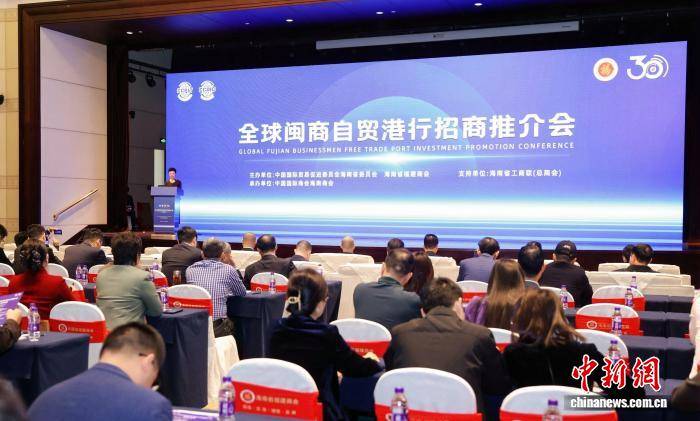
共逐封关政策红利 全球闽商海南自贸港行
Sou Hu Cai Jing· 2025-12-29 09:04
日本福建总商会执行会长黄忠辉主要从事茶叶、瓷器、建材等贸易。"国内的工艺品品质过硬,日本在 食品和药品竞争力较强,我希望能借助海南自贸港政策开展进出口贸易,把中国名优特产带出去、日本 好物引进来。"黄忠辉说,他已和海口市四个区的招商负责人建立联系,并计划与公司团队成员共同考 察,希望尽快布局海南跨境电商产业。 "我主要从事军警防护设备生产行业,我从事的产业是否在海南自贸港鼓励类产业名录内,这是我最关 注的。"浙江省福建商会理事长罗榕军说,运用海南自贸港加工增值30%免关税政策可帮助公司大幅降 低运营成本,此项政策直接决定其是否要在海南开设工厂,他希望向海口海关详细了解产业政策。 中新网海口12月29日电 (记者 符宇群)"此行我想了解更多海南封关运作后的相关政策导向,并引导大湾 区会员企业利用海南自贸港政策在拓展东盟、共建'一带一路'国家市场中提升国际竞争力。"大湾区进 出口商业总会会长、禹洲集团创始人林龙安28日在海口接受中新网记者采访时表示,受地缘政治以及国 际竞争日益激烈影响,处于逆境中的外贸企业或许可以利用海南自贸港政策优势走出一条新路。 12月28日,2025年全球闽商自贸港行招商推介会在海口举行。 ...
跨境电商用云量同比大增105%背后:成本降六成 AI调用量翻十倍
Zheng Quan Shi Bao Wang· 2025-12-29 08:52
Core Insights - The growth story of China's cross-border e-commerce in 2025 is now driven by AI, with significant increases in AI usage reported by platforms like "Chuhai Jiang" [1][2] - The overall cloud usage for cross-border e-commerce companies served by Tencent Cloud is projected to grow by 105% year-on-year, with AI product usage increasing by 70% [1] Group 1: AI Integration and Impact - "Chuhai Jiang" reported a 1000% increase in weekly AI function calls within six months of launching certain AI features [1] - Over 80% of the business transactions on the platform have become fully AI-driven, supporting 150,000 cross-border sellers [1] - The integration of AI capabilities has transformed from being an efficiency tool to becoming the core engine driving global business [1] Group 2: Cost Savings and Business Growth - Companies are optimizing their IT architecture through deep cloud integration, allowing them to reallocate saved costs into AI development [2] - "Chuhai Jiang" achieved a 60% reduction in overall IT costs by migrating global operations to Tencent Cloud, which has enabled further investment in AI products [2] - The strategy of "cloud cost reduction leading to AI investment and business growth" is becoming a common consensus among leading outbound Chinese companies [2] Group 3: Collaborative Initiatives - Tencent Cloud and "Chuhai Jiang" launched the "Cloud Initiation Outbound Plan," offering significant cloud vouchers and free trial periods for AI tools to over 150,000 cross-border e-commerce businesses [2] - Future collaborations will focus on areas such as private AI customer service and vertical large models for industry segments, aiming to help more Chinese brands expand globally [2]

跨境电商用云量同比大增105%背后:成本降六成,AI调用量翻十倍
Zheng Quan Shi Bao Wang· 2025-12-29 08:48
Core Insights - The growth story of China's cross-border e-commerce in 2025 is now driven by AI, with significant increases in AI usage reported by leading platforms like "Chuhai Jiang" [1][2] - Over 80% of business transactions on "Chuhai Jiang" have become fully AI-driven, supporting 150,000 cross-border sellers [1] - Tencent Cloud reported a 105% year-on-year increase in cloud usage among cross-border e-commerce companies, with AI product usage growing by 70% [1] Group 1 - "Chuhai Jiang" has seen a 1000% increase in weekly AI feature usage within six months of launch [1] - The integration of AI capabilities with Tencent Cloud's underlying technology has enhanced the platform's service offerings, including video content creation [1] - The shift to AI-driven operations is transforming cross-border e-commerce from efficiency tools to core business engines [1] Group 2 - The deep cloud integration allows sellers to produce high-quality commercial videos instantly, even without professional teams [2] - "Chuhai Jiang" achieved a 60% reduction in overall IT costs by migrating global operations to Tencent Cloud, enabling reinvestment into AI initiatives [2] - Over 90% of leading Chinese internet companies engaged in cross-border e-commerce have chosen Tencent Cloud as their partner [2] Group 3 - Tencent Cloud and "Chuhai Jiang" launched the "Cloud Initiation Overseas Plan," offering substantial cloud vouchers and free AI tool usage to support cross-border e-commerce [2] - Future collaborations will focus on private AI customer service and vertical large models to assist more Chinese brands in global expansion [2]
星徽股份涨1.56%,成交额8971.93万元,今日主力净流入-498.57万
Xin Lang Cai Jing· 2025-12-29 08:08
Core Viewpoint - The company, Guangdong Xinghui Precision Manufacturing Co., Ltd., is experiencing a rise in stock price and is benefiting from its cross-border e-commerce business, particularly in the context of the depreciation of the RMB and the demand for consumer electronics [1][2]. Company Overview - Guangdong Xinghui Precision Manufacturing Co., Ltd. specializes in the research, production, and sales of precision metal connectors and its own brand of smart home appliances, computer and mobile peripherals, power supplies, and other consumer electronics [3][7]. - The company's main products include slides, hinges, pull baskets, sinks, faucets, and smart home appliances [3][7]. - As of December 20, the company had 20,200 shareholders, with an average of 17,633 circulating shares per person [7]. Financial Performance - For the period from January to September 2025, the company reported revenue of 1.112 billion yuan, a year-on-year decrease of 6.23%, while net profit attributable to shareholders was 2.6922 million yuan, reflecting a year-on-year increase of 106.21% [7]. - The company's overseas revenue accounted for 67.99% of total revenue, benefiting from the depreciation of the RMB [2][3]. Product and Market Insights - The company's cross-border e-commerce segment includes small household appliances such as aroma machines, coffee machines, air fryers, and milk frothers, primarily sold overseas [2]. - The audio product brand, TaoTronics, has achieved annual sales of tens of millions of USD, with TWS technology widely applied in its Bluetooth earphone products [3]. Shareholder and Market Activity - The stock price of Xinghui shares increased by 1.56%, with a trading volume of 89.7193 million yuan and a turnover rate of 3.90%, leading to a total market capitalization of 2.985 billion yuan [1]. - The company has distributed a total of 71.1607 million yuan in dividends since its A-share listing, with no dividends distributed in the last three years [8].

焦点科技李丽洁:出海企业的生命力 是抗衡波动的根基丨出海观察
2 1 Shi Ji Jing Ji Bao Dao· 2025-12-29 06:37
Core Insights - The article discusses the evolution of Chinese manufacturing and cross-border e-commerce, highlighting the shift towards a "new maritime era" where companies focus on localization and multi-channel operations in emerging markets [3][5]. Group 1: Industry Trends - Chinese cross-border e-commerce companies are adapting to external challenges such as geopolitical fluctuations and tariff adjustments, demonstrating resilience and increased platform traffic during these times [2][4]. - The demand for Chinese manufacturing remains strong in markets like the U.S., with companies employing compliance operations and localization strategies to diversify their international presence [2][4]. - Emerging markets, particularly in the Middle East, Southeast Asia, Latin America, and Africa, are becoming significant growth drivers for Chinese foreign trade, with a notable increase in traffic to platforms like China Manufacturing Network [3][4]. Group 2: Technological Integration - AI technology is transforming cross-border e-commerce by enhancing efficiency across various processes, from product listing to content creation and real-time customer engagement [6][8]. - The introduction of AI tools like "AI Mai Ke" and "SourcingAI 2.0" has significantly improved operational efficiency for over 15,000 Chinese suppliers, with a reported 35% increase in procurement efficiency for buyers [6][7][8]. - AI is not replacing human roles but is evolving into a collaborative tool that allows trade professionals to focus on strategic decision-making and risk management [8]. Group 3: Challenges and Considerations - Entering emerging markets requires a strong focus on compliance with local regulations, including product certifications and data privacy laws, which are critical for long-term success [4][5]. - Companies must understand local market demands and cultural nuances to effectively tailor their offerings, moving beyond simple product exports [4][5].


出海迈入“深水区”,中国企业如何寻找下一条增长航道?
Sou Hu Cai Jing· 2025-12-29 05:08
Core Insights - The cross-border e-commerce landscape is experiencing a dual sentiment, with challenges arising from changing trade policies and a shift in market dynamics, yet showing growth in exports to emerging markets like Southeast Asia and Latin America [2][3] Group 1: Market Dynamics - China's total export value increased by 6.2% year-on-year in the first 11 months of 2025, indicating sustained global demand for "Made in China" products, albeit in a more diversified manner [2] - As exports to the US and Europe slow, growth in Southeast Asia, Latin America, and the Middle East is becoming a new driving force for the overall market [2] Group 2: Southeast Asia Market Potential - Southeast Asia, with over 650 million people and a youthful demographic, is witnessing a digital economy growth rate of approximately 15% annually, expected to exceed $300 billion by 2025 [3] - The market is characterized by rapid penetration and evolving consumer habits, necessitating a shift from traditional sales methods to a focus on comprehensive supply chain capabilities and local market understanding [3][4] Group 3: Localization Strategies - Localization has become a critical consensus in the cross-border e-commerce sector, extending beyond mere language translation to encompass logistics, content, operations, and service [4][6] - Efficient logistics and fulfillment are paramount, with sellers who can stock goods in local warehouses experiencing significant sales growth, as seen with brands like "Goodbaby" and "CIVAGO" [6][7] Group 4: Content and Marketing Localization - Successful localization requires adapting marketing strategies to local consumer preferences, as demonstrated by the beauty brand FLORTTE, which tailored its product offerings and marketing approaches for different Southeast Asian markets [8][9] - The essence of content localization lies in communicating with consumers using local language and aesthetics, enhancing brand connection and trust [9] Group 5: E-commerce Platform Role - E-commerce platforms like Shopee are evolving to provide comprehensive localized solutions, integrating logistics, payment, and marketing capabilities to enhance seller experiences [9][10] - The "lightweight" approach to market entry is becoming a preferred strategy for many sellers, allowing them to test waters with minimal investment while leveraging platform resources [10][11] Group 6: Future Trends - The focus on specific market opportunities is intensifying, with categories like baby products, beauty, and home goods in Southeast Asia showing structural benefits, while Latin America and the Middle East present unique consumer demands [11] - The transition from a traffic-driven business model to long-term brand building is evident, with sellers needing to navigate deeper into localization to succeed in the evolving landscape [12]