半导体制造

Search documents
大和:升华虹半导体评级至“买入” 上调目标价至110港元
Zhi Tong Cai Jing· 2025-11-10 03:06
Core Viewpoint - Daiwa's report indicates that Huahong Semiconductor (01347) reported third-quarter net profit below expectations due to income tax and minority interest impacts, but other key indicators exceeded the firm's forecasts [1] Group 1: Financial Performance - The third-quarter net profit of Huahong Semiconductor was lower than expected, primarily affected by income tax and minority interests [1] - Other key performance indicators were better than Daiwa's expectations [1] Group 2: Market Outlook - The company is expected to benefit from increased downstream demand, enhancing its pricing power and business flexibility, which will drive improvements in product mix, average selling price, and profit margins [1] - As a wafer supplier for AI collaborative chips, Huahong is anticipated to gain from the ongoing momentum in AI development next year [1] Group 3: Strategic Initiatives - The "China for China" strategy from overseas clients is expected to benefit the company, along with the synergies from the acquisition of the Fab5 facility [1] - Daiwa upgraded Huahong's investment rating from "Hold" to "Buy" and raised the target price from HKD 42 to HKD 110 [1]
智能早报丨黄仁勋造访台积电3nm产线索取产能;万华化学突破机器人“仿生皮肤”材料
Guan Cha Zhe Wang· 2025-11-10 02:11
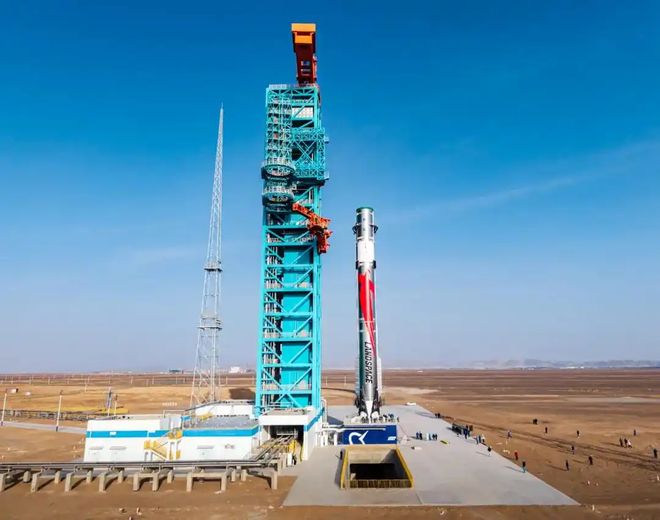
Group 1: Reusable Rocket Development - China's first liquid reusable rocket, Zhuque-3, is set to make its maiden flight in mid-November, marking a significant milestone in the country's commercial space sector [1][3] - Zhuque-3, developed by Landspace, is the world's first all-stainless steel liquid oxygen-methane rocket, with a length of 66.1 meters and a takeoff weight of approximately 570 tons [1] - The rocket has a low Earth orbit payload capacity of 21.3 tons and is designed for 20 reuses, aiming to reduce launch costs to below 20,000 yuan per kilogram, comparable to SpaceX's Falcon 9 [1] Group 2: Semiconductor Industry Collaboration - NVIDIA CEO Jensen Huang visited TSMC's 3nm production line to negotiate additional capacity for the Blackwell chip, highlighting the strong demand for advanced chips [4][5] - TSMC's current monthly production capacity at the 3nm line is 100,000 wafers, with plans to increase it to 160,000 wafers by 2026, primarily to supply NVIDIA [5] - Huang emphasized the strong demand for Blackwell chips, which include CPUs and networking devices, and confirmed that NVIDIA has requested additional capacity from TSMC [7] Group 3: Import Expo and Economic Cooperation - The 2025 Import Expo Shanghai Conference concluded successfully, attracting over 200 leaders from various sectors and more than 9,000 attendees [8][10] - The conference released over 60 significant outcomes, including reports and indices that reflect the long-term value of the Import Expo [10][11] - The event showcased China's commitment to open cooperation and mutual benefit, contributing to the economic recovery in the Yangtze River Delta region [11] Group 4: Solid-State Battery Industry Advancements - The 2025 Solid-State Battery Industry Annual Conference highlighted key breakthroughs in solid-state battery technology, with major companies like CATL and Ganfeng Lithium announcing production plans [12][13] - Recent research has led to innovations in solid-state battery design, enabling stable cycling at low temperatures and high current densities [12] - The industry is entering a critical phase of commercialization, driven by technological advancements and increased demand from automotive and robotics sectors [13] Group 5: Polyurethane Innovations for Robotics - Wanhua Chemical has received a patent for a high-rebound low-melting-point thermoplastic polyurethane, which could enhance the development of robotic "bionic skin" [14][15] - The patented material meets the core requirements for human-robot interaction, including flexibility, safety, and durability [14] - The market for polyurethane in robotics is expected to exceed 10 billion yuan by 2030, driven by advancements in material performance and cross-industry collaborations [15]



汽车早餐 | 11月以来我国快递日均业务量超6亿件;李凤刚将出任北京现代总经理;本田汽车全年利润预期下调21%
Zhong Guo Qi Che Bao Wang· 2025-11-10 01:22
Domestic News - The Ministry of Commerce stated that the source and responsibility for the current global semiconductor supply chain chaos lies with the Netherlands, urging the EU to work towards resolving the issue and ensuring normal supply of products related to Nexperia [2] - China's automotive engineering research institute reported that the market penetration rate of combined driving assistance technology reached 62.58% in the first seven months of 2025, indicating significant advancements in technology [3] - The State Post Bureau reported that the average daily express delivery volume in China has exceeded 600 million pieces since November, reflecting market vitality and consumer potential [4] - In October, the National Bureau of Statistics noted that the year-on-year decline in industrial producer prices narrowed to 2.1%, with a month-on-month increase of 0.1% [5] International News - South Korea's five major car manufacturers reported a 17% decline in domestic sales in October, with total sales of 101,475 vehicles compared to 122,880 vehicles in the same month last year [7] - Honda announced a 21% reduction in its full-year profit forecast, primarily due to rising one-time costs for electric vehicles and declining sales in China and other Asian markets [8] - Stellantis terminated its battery materials supply agreement with Alliance Nickel due to the failure to meet key milestone targets for the NiWest project, effective December 3 [9] - Tesla plans to expand its Robotaxi service to five new cities in the U.S., including Las Vegas and Phoenix, in the coming months [10] - Japan aims to deploy 10,000 autonomous buses and taxis by the fiscal year 2030, promoting advanced technology among domestic automakers [11] - The South African automotive industry faces potential strikes as negotiations over wage agreements with the National Union of Metalworkers remain unresolved [12] Corporate News - Huawei's executive Li Wenguang projected that high-speed L3 commercial use will be achieved by 2026, with urban L4 expected to reach commercial scale by 2027 [13] - Li Fenggang has been appointed as the general manager of Beijing Hyundai, effective November 10, 2025 [14] - NVIDIA's CEO Jensen Huang requested TSMC to increase wafer supply to meet strong demand for AI [15] - The Aion UT super electric vehicle, jointly launched by JD.com, GAC Group, and CATL, is now exclusively available on JD.com, with promotional prices starting at 49,900 yuan [16]

3D NAND,如何演进?
半导体行业观察· 2025-11-10 01:12
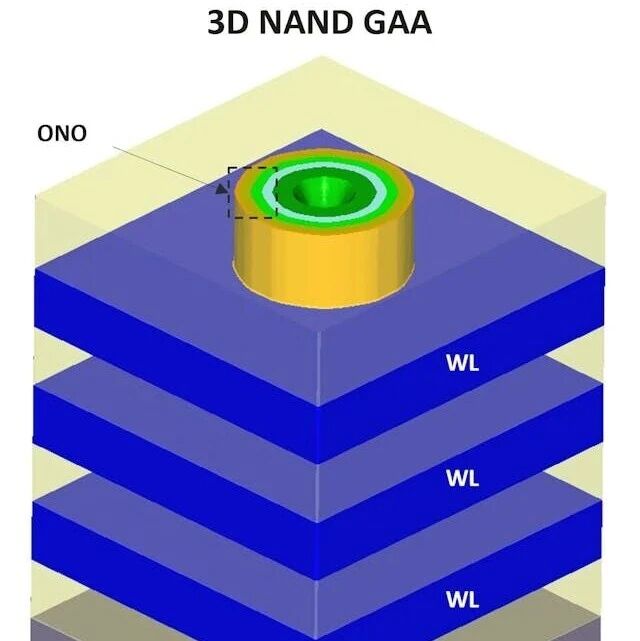
Core Insights - The article discusses the evolution and advancements in NAND flash memory technology, particularly focusing on 3D NAND and its implications for data storage density and performance [2][9][26]. Group 1: NAND Flash Memory Overview - NAND flash memory has fundamentally changed data storage and retrieval since its introduction in the late 1980s, being widely used across various electronic markets, including smartphones and data centers [2]. - The demand for data storage has surged, prompting chip companies to enhance NAND flash memory density and reduce costs per bit [2]. Group 2: Technological Advancements - The transition from 2D NAND to 3D NAND has allowed for increased storage density by stacking memory cells vertically and enhancing the number of bits stored per cell [2][9]. - Key advancements include the shift from floating gate transistors to charge trap cells, which improve read/write performance and enable higher storage densities [2][4]. Group 3: Future Directions - The semiconductor industry is exploring new technologies to further increase storage density, including vertical scaling and the integration of air gaps to reduce cell interference [3][15]. - Companies are investing in tools to enhance 3D NAND density, such as increasing the number of bits per cell and reducing the xy spacing of GAA cells [11][12]. Group 4: Challenges and Solutions - Maintaining uniformity in the manufacturing process while increasing the number of stacked layers poses significant challenges, including increased complexity and costs [9][12]. - The introduction of air gaps between adjacent word lines is proposed as a solution to mitigate cell interference, which has shown promising results in maintaining memory performance [15][21]. Group 5: Innovations in Memory Architecture - The article highlights the potential of charge trap layer separation to enhance the storage window and prevent charge migration within memory cells [22][25]. - Future developments may include innovative architectures that horizontally align conductive channels or utilize trench structures to significantly improve bit storage density [27].
商务部回应欧方关于安世半导体问题的声明;全美9日航班取消量超2000架次,延误航班超7000架次;日本禽流感疫情蔓延丨早报
Di Yi Cai Jing· 2025-11-10 00:08
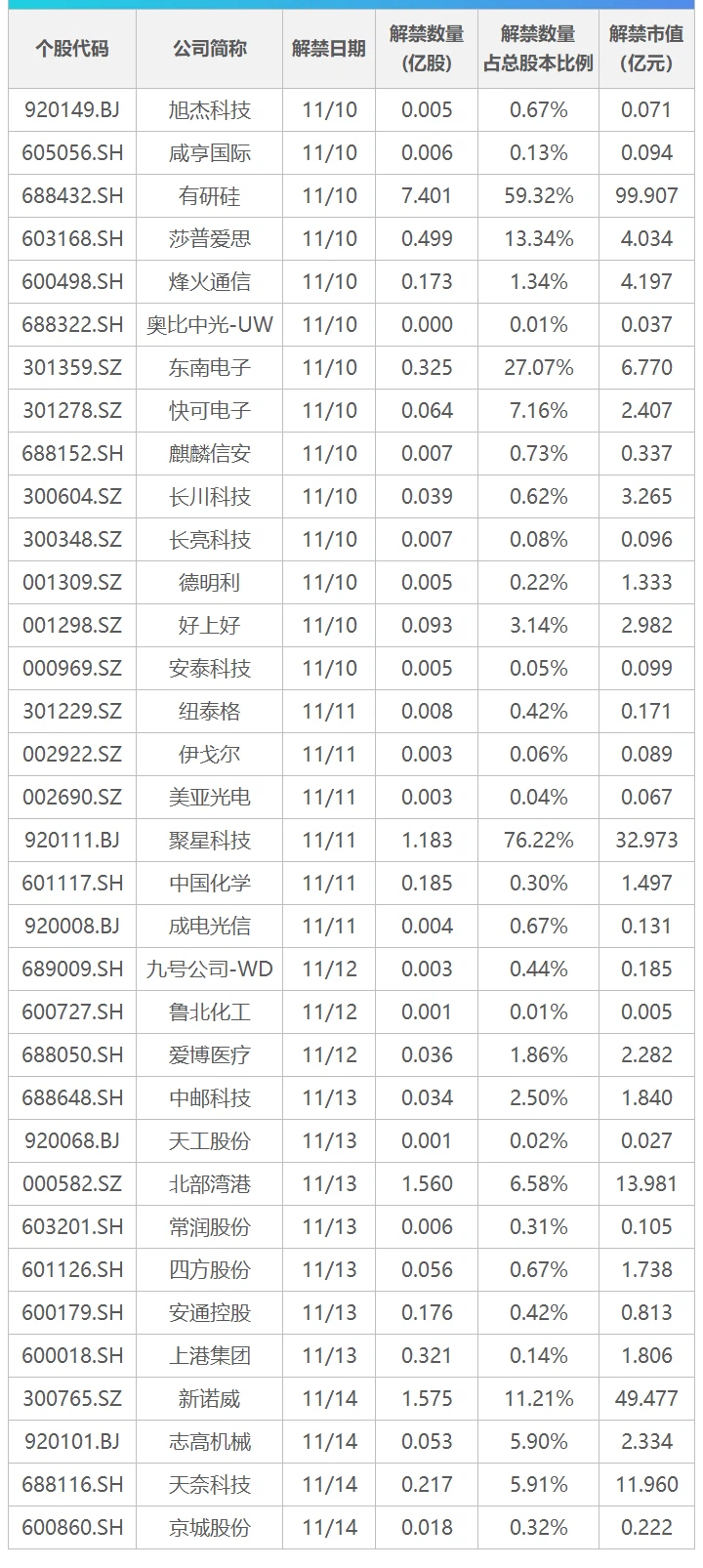
Group 1: Semiconductor Industry - The Chinese Ministry of Commerce responded to the European Union's statement regarding Nexperia, emphasizing that the source of the global semiconductor supply chain disruption lies with the Netherlands, and urging the EU to work towards correcting the situation to ensure normal supply of Nexperia's products [1] Group 2: Aviation Industry - On November 9, over 2,000 flights were canceled in the U.S., marking a record high since the government began reducing flights due to a shutdown, with more than 7,000 flights delayed [2] Group 3: Agriculture and Animal Health - Japan confirmed an outbreak of highly pathogenic avian influenza, leading to the culling of approximately 280,000 infected chickens, with over 1.5 million birds affected since the start of the avian flu season [3] Group 4: Economic Indicators - In October, the Consumer Price Index (CPI) rose by 0.2% month-on-month and year-on-year, while the core CPI, excluding food and energy, increased by 1.2%, marking the sixth consecutive month of growth. The Producer Price Index (PPI) also saw a month-on-month increase of 0.1%, the first rise this year, with a year-on-year decline of 2.1%, narrowing by 0.2 percentage points from the previous month [5] Group 5: Tax and Trade - During the China International Import Expo, a new "immediate refund" tax point was established in Shanghai, allowing international customers to receive tax refunds instantly upon purchase, supported by a multilingual service team [6] Group 6: Natural Disasters - The Ministry of Natural Resources initiated a Level 4 emergency response due to Typhoon "Phoenix," predicting hazardous sea wave conditions in the East China Sea and South China Sea from November 9 to 13 [7] Group 7: Gaming Industry - A collaborative mechanism for intellectual property protection in the online gaming sector was established in Shanghai, involving major gaming companies and associations, aimed at enhancing IP protection in the industry [8] Group 8: E-sports - The KPL annual finals held at the Bird's Nest saw ticket sales sell out in 12 seconds, with over 62,000 attendees, setting a Guinness World Record for the largest audience at a single e-sports event [9] Group 9: Airline Industry - The first passenger flight operated by a domestic airline on the China-India route in five years took off on November 9, with a passenger load factor exceeding 95% [10] Group 10: Aviation Safety - The FAA suspended all MD-11 cargo flights pending safety inspections following a crash that resulted in at least 14 fatalities [12] Group 11: International Relations - Bolivia announced the full restoration of diplomatic relations with the U.S., including the exchange of ambassadors, as part of a pragmatic foreign policy shift [15] Group 12: Currency Reform - Iran's constitutional watchdog approved a plan to remove the last four zeros from its currency, a structural reform expected to be completed over five years [16] Group 13: Automotive Industry - The price for the AION UT super electric vehicle was announced at 49,900 yuan for battery rental, with potential subsidies bringing the price down to 45,400 yuan [17] Group 14: Technology and Innovation - Honor plans to launch a Robot Phone integrating AI and high-definition imaging technology next year, as part of its five-year strategy to invest $10 billion in AI terminal ecosystems [18] Group 15: Stock Market - This week, over 24.7 billion yuan worth of restricted shares will be unlocked, with the peak unlocking date on November 10, including significant amounts from companies like Youyan Silicon and Xinnoway [19][20] Group 16: New Stock Offerings - Two new stocks are set to be issued this week, with Nantet Technology on November 11 and Hai'an Group on November 14 [22][23]
当前全球半导体供应链混乱,中方:源头和责任在荷方
Huan Qiu Shi Bao· 2025-11-09 22:57
Group 1 - The current global semiconductor supply chain disruption is attributed to actions taken by the Netherlands against Nexperia, a semiconductor company, which has led to export controls by China on Nexperia China [1] - China has expressed a responsible attitude towards the stability of the global semiconductor supply chain and has taken measures to exempt compliant exports for civilian use [1] - The Netherlands has been urged to take constructive actions to resolve the semiconductor supply crisis, with China agreeing to discussions with Dutch officials [1][2] Group 2 - The Dutch Prime Minister indicated that China would allow Nexperia's Chinese factory to resume supply, which may alleviate pressure on the Dutch government to resolve the semiconductor supply crisis [2] - German automotive manufacturers, including Volkswagen, are expected to resume imports of chips from Nexperia China, indicating a potential recovery in supply chains [2] - Industry experts emphasize the importance of maintaining global supply chain stability and urge Western countries to respect market rules and contractual spirit [3]
北交所策略专题报告:北交所“双指数”调仓前瞻:绩优成分再筛选,专精特新科技成长驱动新一轮布局
KAIYUAN SECURITIES· 2025-11-09 12:45
Group 1 - The North Exchange 50 Index and the Specialized and Innovative Index will undergo adjustments on December 15, 2025, with the North Exchange 50 Index experiencing its fourth adjustment and the Specialized and Innovative Index its first adjustment [10][12][15] - The North Exchange 50 Index closed at 1,522.73 points, reflecting a weekly decline of 3.79%, while the Specialized and Innovative Index closed at 2,532.06 points, down 5.43% [31][32] - The report emphasizes the importance of focusing on high-quality stocks and technology growth within the North Exchange 50 components, particularly those that have undergone significant price adjustments [3][42] Group 2 - The report identifies potential new additions to the North Exchange 50 Index, including companies such as Kaifa Technology, Gobika, and Wantong Hydraulic, with a focus on their average market capitalization and trading volume [12][13] - The North Exchange Specialized and Innovative Index is expected to include companies like Star Map Measurement and Senxuan Pharmaceutical, highlighting their market performance and growth potential [15][16] - The report suggests that the North Exchange's valuation structure shows a significant number of companies with high P/E ratios, indicating a potential investment opportunity in undervalued stocks [21][36][41] Group 3 - The report indicates that the average P/E ratio for key sectors such as high-end equipment, information technology, and chemical new materials are 42.83X, 91.31X, and 48.18X respectively, suggesting varying levels of valuation across industries [36][41] - The North Exchange's market performance shows a decline in trading volume, with an average daily turnover of 230.88 billion yuan, down 20.36% from the previous week [26][30] - The report highlights the importance of monitoring companies with strong quarterly performance and reasonable valuations as the North Exchange approaches its index adjustments [42][43]
责任在荷方!商务部,持续回应!
Zheng Quan Shi Bao· 2025-11-09 11:01
Core Viewpoint - The Chinese Ministry of Commerce emphasizes that the responsibility for the current chaos in the global semiconductor supply chain lies with the Netherlands, urging the EU to take action to resolve the issue related to ASML Semiconductor [1] Group 1: Responses to EU and Dutch Statements - The Chinese Ministry of Commerce acknowledges the EU's intention to work with the Netherlands regarding the ASML Semiconductor issue and calls for increased efforts to ensure the normal supply of related products [1] - The Ministry highlights that it has already taken measures to exempt compliant exports for civilian use, demonstrating a responsible attitude towards global semiconductor supply chain stability [1] - The Ministry criticizes the Netherlands for not taking substantial actions to stop infringing on the legitimate rights of Chinese enterprises and for failing to restore stability in the global semiconductor supply chain [1] Group 2: Calls for Constructive Solutions - The Chinese Ministry of Commerce urges the Netherlands to move beyond verbal statements and to propose constructive solutions and take practical actions to effectively restore stability in the global semiconductor supply chain [1] - The Ministry expresses agreement with the Dutch Economic Department's request to send representatives to China for discussions, indicating a willingness to engage in dialogue [1]
央行,重磅来袭!
证券时报· 2025-11-09 10:56
Macro Economic Data - The People's Bank of China will release financial data for October, including M2, new loans, and social financing [1][17] - The National Bureau of Statistics will announce October's industrial value added, fixed asset investment, and retail sales data on November 14 [3][18] - In October, the Consumer Price Index (CPI) rose by 0.2% month-on-month and year-on-year, while the core CPI (excluding food and energy) increased by 1.2% year-on-year, marking the sixth consecutive month of growth [4] - The Producer Price Index (PPI) saw a month-on-month increase of 0.1%, the first rise this year, while the year-on-year decline narrowed to 2.1% [4] Foreign Exchange and Reserves - As of the end of October, China's foreign exchange reserves reached $3.3433 trillion, an increase of $4.7 billion from September, marking the highest level since December 2015 [5] - The official gold reserves increased by 30,000 ounces to 7.409 million ounces, the lowest growth rate since the resumption of purchases in November 2024 [5] Policy Announcements - The Ministry of Commerce announced the suspension of certain export controls on dual-use items to the United States until November 27, 2026 [6] - The State Council issued an implementation opinion to accelerate the cultivation and application of new scenarios, focusing on five key areas and proposing 22 priority fields [10] Investment Strategies - CITIC Securities noted increased market volatility since October, emphasizing the importance of stable overseas environments and AI developments in investment strategies [21] - Guosen Securities highlighted the rise of silicon photonics technology, shifting investment focus from packaging to chip design and wafer manufacturing [21] - Guojin Securities pointed out that the lithium battery industry chain is experiencing unprecedented growth opportunities driven by technological breakthroughs and market demand [22]

关于安世半导体,中方再回应
财联社· 2025-11-09 10:02
Core Viewpoint - The Chinese Ministry of Commerce emphasizes that the responsibility for the current chaos in the global semiconductor supply chain lies with the Netherlands, urging the EU to increase efforts to resolve the issue and restore normal supply of products related to ASML [2] Group 1 - The Chinese government has noted the EU's acknowledgment of the need to work with the Netherlands regarding the ASML semiconductor issue [2] - The Ministry of Commerce has taken concrete measures to ensure the stability of the global semiconductor supply chain, including exemptions for compliant exports intended for civilian use [2] - The Chinese side encourages the EU to leverage its influence to prompt the Netherlands to correct its erroneous practices promptly [2]