公用事业

Search documents
巴菲特的最后来信(万字对照精译)
对冲研投· 2025-11-11 11:55
Core Viewpoint - The article discusses Warren Buffett's final letter to shareholders, marking the end of an era for Berkshire Hathaway, and highlights his reflections on life, legacy, and the future of the company under new leadership. Group 1: Transition of Leadership - Greg Abel will take over as the CEO at the end of the year, described as a great manager and honest communicator [4] - Buffett will continue to communicate with shareholders through his annual Thanksgiving message [5][6] Group 2: Personal Reflections - Buffett expresses gratitude for his life at 95, reflecting on his early health challenges and the support he received from his family doctor [7][8] - He shares anecdotes from his childhood in Omaha, emphasizing the friendships and influences that shaped his life [14][15][16] Group 3: Legacy and Philanthropy - Buffett plans to accelerate lifetime gifts to his children's foundations to ensure they manage his estate effectively before alternate trustees take over [53][54] - He emphasizes the importance of his children's maturity and experience in handling wealth and philanthropy [57][68] Group 4: Berkshire's Future - Berkshire's businesses are expected to have moderately better-than-average prospects, with some significant opportunities [74] - The company is noted for having a management team that is shareholder-conscious and aims to operate in a way that benefits the United States [78][80]


101家公司公布最新股东户数
Zheng Quan Shi Bao Wang· 2025-11-11 08:48
Group 1 - A total of 101 stocks reported their latest shareholder numbers as of November 10, with 51 stocks showing a decline compared to the previous period [1][3] - The stock with the largest decrease in shareholder numbers is Xianying Technology, which saw a drop of 16.27% to 8,360 shareholders [3] - Other notable declines include Changling Hydraulic with a 14.01% decrease and Gongchuang Turf with a 13.87% decrease in shareholder numbers [3] Group 2 - The average increase for concentrated chip stocks since October 21 is 5.75%, outperforming the Shanghai Composite Index, which rose by 3.59% [2] - Among the stocks with a decline of over 10% in shareholder numbers, Haima Automobile had the highest increase of 48.95% since October 21 [2] - The latest concentrated chip stocks have shown an average increase of 1.34% since November 1, with Xianying Technology, Dalian Heavy Industry, and Three Gorges Tourism leading the gains [3][4] Group 3 - The concentrated chip stocks are primarily found in the machinery, electronics, and public utilities sectors, with 10, 7, and 3 stocks respectively [3] - The stock with the highest turnover rate during the concentrated chip period is Xianying Technology, with a turnover rate of 68.82% and a net inflow of 47.26 million yuan [3] - In contrast, Changling Hydraulic experienced a net outflow of 16.10 million yuan during the same period [3]
今日81只个股涨停 主要集中在电力设备、化工等行业
Zheng Quan Shi Bao Wang· 2025-11-11 07:40
(文章来源:证券时报网) Choice统计显示,11月11日,沪深两市可交易A股中,上涨个股有2631只,下跌个股有2380只,平盘个 股有147只。不含当日上市新股,共有81只个股涨停,6只个股跌停。从所属行业来看,涨停个股主要集 中在电力设备、化工、医药生物、公用事业、机械设备、房地产等行业。 ...
拉锯战的攻守道:总量创辩第115期
Huachuang Securities· 2025-11-11 04:14
Export Analysis - October exports unexpectedly turned negative year-on-year, influenced by base effects, with a two-year average year-on-year growth of 5.5%, similar to September's 5.3%[2] - For Q4, attention should be on the impact of reduced fentanyl tariffs on U.S. exports and the risk of weakening demand from the EU[2] - The core contradiction in exports is global trade volume (external demand), which can be tracked using a leading indicator system[2] Monetary Policy and Market Trends - In October, the central bank purchased 20 billion yuan in bonds, significantly below market expectations, indicating a cautious approach to bond buying[4] - The U.S. Treasury has increased bond supply to boost cash reserves, leading to a rise in short-term dollar financing pressures[5] - The average yield on 10-year government bonds has stabilized around 1.8% following various market influences[4] Investment Strategies - The stock fund total position is at 97.52%, down 54 basis points from last week, indicating a slight reduction in equity exposure[6] - The average return for balanced mixed funds was 0.7%, while stock ETFs averaged 0.43%[6] - The insurance sector has seen 34 instances of stake acquisitions this year, primarily in banking and public utilities, reflecting a focus on high dividend assets[9] Economic Outlook - The leading indicators suggest that export growth may rebound in November and December, with an annual export growth target around 5%[11] - The overall economic environment is expected to improve, with policies aimed at stabilizing asset quality and promoting credit growth[9]
港股通红利低波ETF基金(159118)重磅发行中,助力投资者一键布局低估值高股息资产
Mei Ri Jing Ji Xin Wen· 2025-11-11 02:57
Group 1 - The core viewpoint of the article is the launch of the Huaxia Hong Kong Stock Connect Dividend Low Volatility ETF Fund (159118), aimed at investors who value high dividend yield and low volatility stocks [1] - The ETF closely tracks the S&P Hong Kong Stock Connect Low Volatility Dividend Index, which maintains a balanced industry distribution, with the top three sectors being Real Estate (16%), Utilities (15%), and Banks (14%) [1] - The index has a market capitalization bias towards large-cap stocks, with a price-to-earnings (PE) ratio of less than 9, reflecting a large-cap value style [1] Group 2 - The historical performance of the S&P Hong Kong Stock Connect Low Volatility Dividend Index is notable, with a total return index (including dividend income) showing a cumulative increase of 94.95% since 2021, with an annualized return exceeding 16%, significantly outperforming the Hang Seng Index and other dividend-related indices [1] - The ETF offers low fees (management and custody fees only 0.2%) and high efficiency (T+0 trading), allowing investors to easily access Hong Kong stocks, dividends, and low volatility [1] - The fund will undergo quarterly assessments and profit distributions, with arrangements for profit distribution if the fund meets the dividend distribution criteria [1]
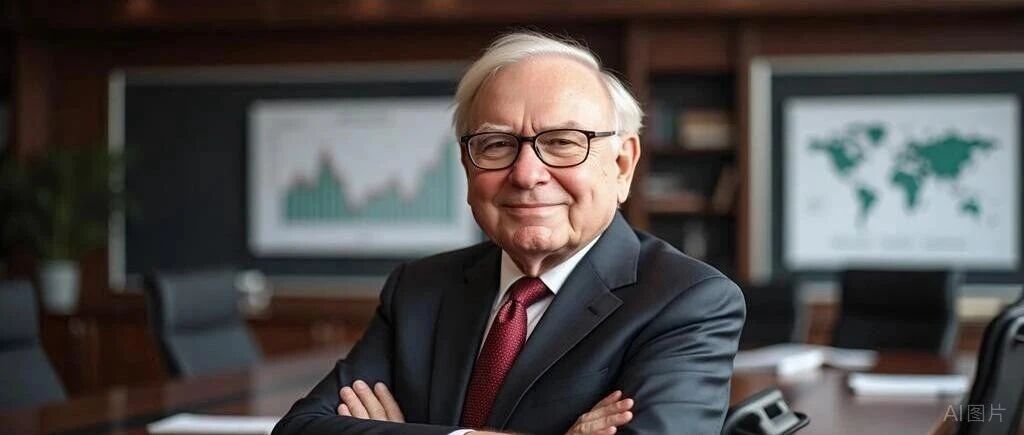
95岁巴菲特发布谢幕信!“将加快捐赠1490亿美元”
Zheng Quan Shi Bao· 2025-11-11 01:08
Core Insights - Warren Buffett, at 95, announced plans to accelerate the donation of his $149 billion estate to family foundations, expressing confidence in incoming CEO Greg Abel and the company's future [1][2][4] Group 1: Donation Plans - Buffett intends to expedite the transfer of Berkshire stock to his children's foundations due to their advancing age [2] - He converted 1,800 shares of Berkshire A stock into 2.7 million shares of B stock, donating over $1.3 billion to four family foundations [3] Group 2: Health Status - Buffett reported feeling generally well despite some physical limitations, stating he still works five days a week [4] - Concerns about his health have been prevalent since he announced plans to step down as CEO [4] Group 3: Company Performance - Since taking over in 1965, Buffett transformed Berkshire Hathaway from a struggling textile company into a $1 trillion investment conglomerate [5] - The company reported a net profit of $30.796 billion for the third quarter, a 17% year-over-year increase, with operating profit up 34% [7] Group 4: Market Position and Stock Performance - Berkshire's top five holdings account for approximately 66% of its total stock value, with a record cash holding of $381.6 billion [7] - Despite a nearly 10% increase in stock price this year, Berkshire underperformed compared to the S&P 500's 16.7% rise [8] - Analyst Meyer Shields downgraded Berkshire's A shares from "in line with the market" to "underperform," citing multiple negative factors [8]
95岁巴菲特发布谢幕信!“将加快捐赠1490亿美元”
证券时报· 2025-11-11 01:06
Core Viewpoint - Warren Buffett, at 95, announced plans to accelerate the donation of his $149 billion fortune to family foundations, expressing confidence in the incoming CEO Greg Abel and the company's future [1][2][4]. Donation Acceleration - Buffett emphasized the need to expedite the transfer of Berkshire stock to his children's foundations due to their advancing age [2]. - He converted 1,800 shares of Berkshire A stock into 2.7 million shares of B stock, donating over $1.3 billion to four family foundations [3]. Health Status - Buffett reassured stakeholders about his health, stating he feels generally well despite some physical limitations, and he continues to work five days a week [5]. - He confirmed that Greg Abel will take over the writing of the annual shareholder letter, a tradition Buffett has maintained since 1965 [5]. Company Performance - Buffett reflected on Berkshire's transformation from a struggling textile company to a $1 trillion investment conglomerate since he took over in 1965 [7]. - He reiterated Berkshire's resilience, stating it can withstand almost any economic environment, and noted the low probability of catastrophic events affecting the company [8][9]. Financial Highlights - Berkshire's Q3 report showed a net profit of $30.8 billion, a 17% year-over-year increase, with operating profit rising 34% [9]. - The top five holdings—American Express, Apple, Bank of America, Coca-Cola, and Chevron—account for approximately 66% of the total fair value of the company's stock portfolio [9]. Stock Price Outlook - Buffett acknowledged the volatility of Berkshire's stock price, which has seen significant fluctuations, and reassured investors that the stock will eventually rebound [10]. - Despite a nearly 10% increase in stock price this year, it underperformed compared to the S&P 500's 16.7% gain [10].
巴菲特布局伯克希尔CEO交班过渡期:捐13亿、不再写年度股东信、保留大量A类股
美股IPO· 2025-11-11 00:04
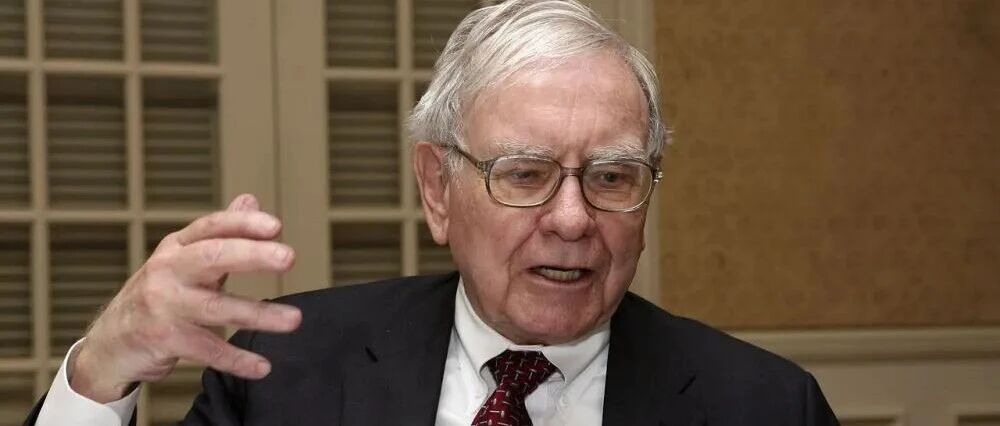
Core Insights - Warren Buffett plans to donate over $1.3 billion worth of Berkshire Hathaway Class B shares to four family foundations while retaining a significant amount of Class A shares until shareholders establish long-term confidence in successor CEO Greg Abel [1][3][5] - The Thanksgiving letter marks Buffett's first major statement since announcing his retirement as CEO, indicating the end of his 60-year management era at Berkshire [4] - Buffett emphasizes that the accelerated donations are not indicative of a change in Berkshire's outlook, but rather a consideration of his children's age and the need for them to manage their inheritance [5] Group 1: Donation Plans - Buffett will convert 1,800 shares of Berkshire Class A stock into 2.7 million Class B shares, donating 1.5 million shares to the Susan Thompson Buffett Foundation and 400,000 shares each to the Sherwood, Howard G. Buffett, and NoVo foundations [3][5] - The total value of the donation is over $1.3 billion, reflecting Buffett's ongoing commitment to philanthropy [3][8] Group 2: Leadership Transition - Greg Abel, currently the Vice Chairman of non-insurance operations, will take over as CEO in early 2024, while Buffett will remain as Chairman [4] - Buffett expresses confidence in Abel, stating that his children and the board fully support him, and that it won't take long for shareholders to develop the same level of trust [5] Group 3: Company Performance and Outlook - Berkshire's core business remains strong, with a 34% year-over-year increase in operating profit for Q3, and a record cash holding of $381.7 billion as of September 30 [7] - Buffett acknowledges that while Berkshire's size is an advantage, it also presents limitations, predicting that many companies may outperform Berkshire in the next 10 to 20 years [7] - The stock price has increased approximately 10% year-to-date, although it has lagged behind the S&P 500 index during a tech-driven market rebound [7] Group 4: Health and Communication - Buffett shares that he feels generally well despite some physical limitations, continuing to work five days a week in the office [6][7] - He intends to maintain the tradition of writing Thanksgiving letters to shareholders, emphasizing the unique relationship with Berkshire's individual shareholders [8]
巴菲特布局伯克希尔CEO交班过渡期:捐13亿、不再写年度股东信、保留大量A类股
智通财经网· 2025-11-10 23:20
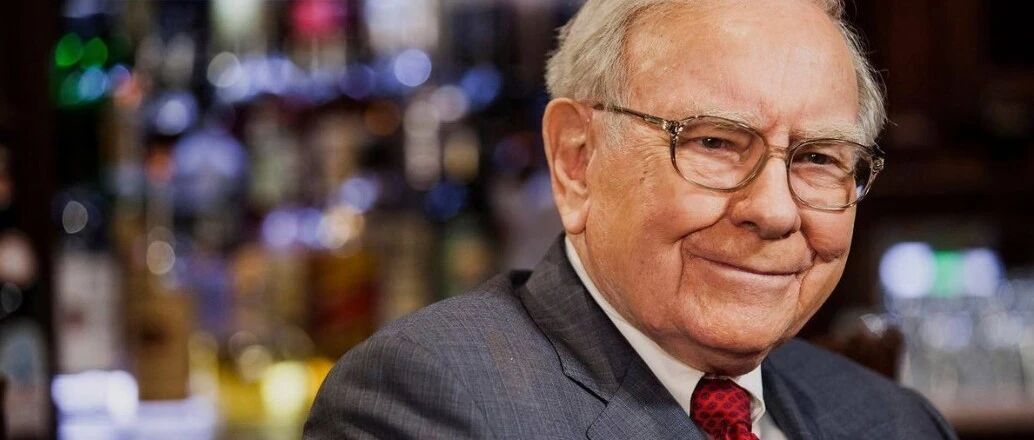
Core Insights - Warren Buffett, at 95, is making arrangements for his succession as CEO of Berkshire Hathaway, planning to transfer his $149 billion estate to family foundations while retaining sufficient Class A shares to instill confidence in successor Greg Abel [1][3] - Buffett's Thanksgiving letter marks his first significant statement since announcing his retirement as CEO in May, signaling the end of his 60-year management era at Berkshire [1] Succession Planning - Greg Abel, 63, will take over as CEO in early 2024, while Buffett will remain as chairman and continue the Thanksgiving letter tradition, though he will not write the annual report or speak at the annual meeting [2] - Buffett emphasizes that the accelerated donations are not indicative of a negative outlook for Berkshire but are intended to facilitate the management of his estate by his children before they are replaced by trustees [3] Financial Health and Performance - Buffett reassures shareholders of his good health and the resilience of Berkshire, stating that the likelihood of catastrophic failure is lower than any company he knows [4] - Berkshire's core business remains strong, with a 34% year-over-year increase in operating profit for Q3, and a record cash holding of $381.7 billion as of September 30 [4] - Despite a 10% increase in stock price year-to-date, Berkshire has lagged behind the S&P 500 in the tech-driven market rebound [4] Philanthropic Efforts - Buffett has accelerated his charitable contributions since 2006, aiming to donate all his wealth during his lifetime or upon death, with a shift in focus away from the Gates Foundation to family-controlled trusts [5] - He expresses a desire to maintain communication with shareholders through traditional Thanksgiving letters, acknowledging their generosity towards less fortunate individuals [5]
BNY's Camuso & Campbell Explain BKGI's Strategy
Etftrends· 2025-11-10 19:00
Core Insights - The discussion emphasizes the importance of adding infrastructure companies to investment portfolios, highlighting the global perspective on infrastructure exposure as a beneficial addition [1][7]. Group 1: BKGI Fund Strategy - The BNY Mellon Global Infrastructure Income ETF (BKGI) aims to deliver a 6% gross dividend yield while also providing capital appreciation, reflecting a defensive investment strategy [3][11]. - BKGI distinguishes itself by including both traditional and non-traditional infrastructure companies, expanding its investment universe to over 500 securities [4][5]. - The fund employs an active management approach, contrasting with many passive infrastructure ETFs, allowing for flexibility and active stock selection [5][6]. Group 2: Global Exposure and Market Position - BKGI's global strategy offers a broader opportunity set compared to funds focused solely on U.S. infrastructure, capitalizing on the trend of investors seeking international exposure [6]. - The fund has a longer track record than many competitors, with a history dating back to 2011, despite its official launch in November 2022 [7]. Group 3: Economic Context and Investment Rationale - Current macroeconomic conditions and fiscal policy trends are prompting investors to reconsider their portfolio allocations, making infrastructure exposure appealing [8]. - The defensive nature of infrastructure investments can provide downside protection during economic volatility, making it attractive for income-seeking investors [8][9].