
智能手机

Search documents
小米最新辟谣!发布小米17 Ultra徕卡版变焦环结构原理
Zheng Quan Shi Bao· 2026-01-03 03:14
Group 1 - Xiaomi has refuted claims regarding the "fake zoom ring" of the Xiaomi 17 Ultra Leica version, stating that the zoom ring's mechanical structure is complex and precise, involving a gear system that translates physical rotation into digital signals for zoom control [2] - The Xiaomi 17 Ultra was officially launched on December 25, 2025, with a starting price of 6,999 yuan, which is an increase of 500 yuan compared to the previous Ultra model [4] - The Xiaomi 17 Ultra Leica version features a design inspired by classic Leica cameras, with a zoom ring that allows users to adjust focal lengths, priced at 7,999 yuan for the 16GB+512GB version and 8,999 yuan for the 16GB+1TB version [4] Group 2 - Goldman Sachs' latest report indicates that the launch of the Xiaomi 17 Ultra smartphone series enriches the company's product line and reflects its ongoing high-end strategy, with expectations for further penetration into the market above 6,000 yuan in China by 2026 [5] - The report also highlights Xiaomi's accelerated AI development this year, with plans to integrate self-developed chipsets, the Surge OS, and the MiMo large language model into a potential AI-native consumer terminal expected to be released in 2026 [5] - Xiaomi's strong balance sheet, robust ecosystem integration capabilities, and cost advantages from deep supply chain involvement are expected to enhance its competitiveness in the electric vehicle sector, with a "buy" rating and a target price of 53.5 HKD assigned by Goldman Sachs [5]


小米最新辟谣!
证券时报· 2026-01-03 02:50
Core Viewpoint - Xiaomi has clarified the mechanical structure of the zoom ring in the Xiaomi 17 Ultra Leica version, refuting claims that it is a software-based feature and emphasizing its complex and precise design [2]. Group 1: Product Launch and Pricing - The Xiaomi 17 Ultra was officially launched on December 25, 2025, with a starting price of 6,999 yuan, which is an increase of 500 yuan compared to the previous Ultra model [4]. - The Xiaomi 17 Ultra Leica version features a design inspired by classic Leica cameras, with a zoom ring that allows users to adjust focal lengths. The pricing for the 16GB+512GB version is 7,999 yuan, and the 16GB+1TB version is priced at 8,999 yuan [4]. Group 2: Market Strategy and Analyst Insights - Goldman Sachs has noted that the launch of the Xiaomi 17 Ultra series enriches the company's product line and reflects its ongoing high-end strategy. The firm expects Xiaomi to penetrate the market for products priced above 6,000 yuan in China and accelerate its development of high-end products overseas by 2026 [5]. - The report also highlights Xiaomi's accelerated AI development this year, with expectations for the integration of self-developed chipsets, the Surge OS, and the MiMo large language model into a potential AI-native consumer terminal by 2026. The company is viewed positively due to its strong balance sheet, robust ecosystem integration capabilities, and cost advantages from deep supply chain involvement, enhancing its competitiveness in the electric vehicle sector [5].
小米17 Ultra徕卡版变焦环涉嫌造假?官方回应:与事实严重不符
Xin Lang Cai Jing· 2026-01-03 01:56
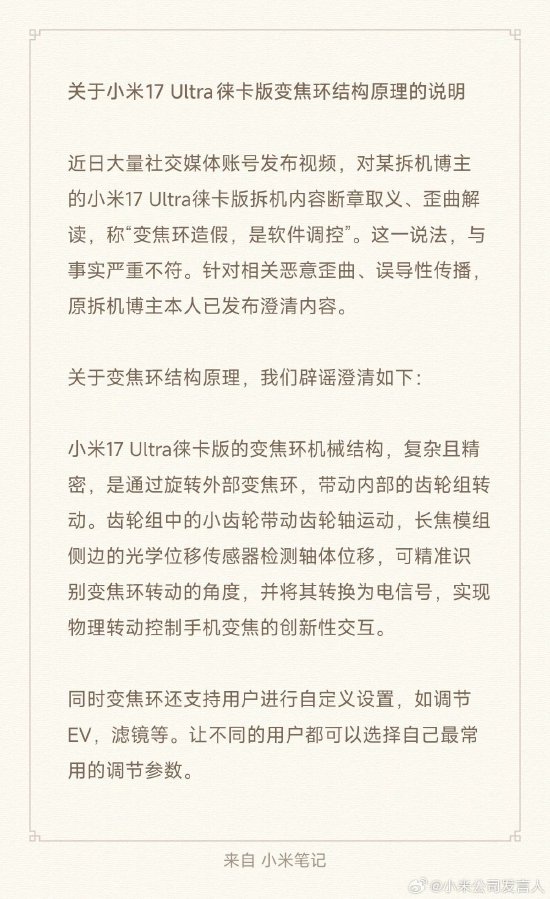
新浪科技讯 1月3日上午消息,@小米公司发言人 发文回应"小米17 Ultra徕卡版变焦环造假"一事,称近 日大量社交媒体账号发布视频,对某拆机博主的小米17 Ultra徕卡版拆机内容断章取义、歪曲解读, 称"变焦环造假,是软件调控"。这一说法,与事实严重不符。针对相关恶意歪曲、误导性传播,原拆机 博主本人已发布澄清内容。 声明称,小米17 Ultra徕卡版的变焦环机械结构,复杂且精密,是通过旋转外部变焦环,带动内部的齿 轮组转动。齿轮组中的小齿轮带动齿轮轴运动,长焦模组侧边的光学位移传感器检测轴体位移,可精准 识别变焦环转动的角度,并将其转换为电信号,实现物理转动控制手机变焦的创新性交互。同时变焦环 还支持用户进行自定义设置,如调节EV,滤镜等。让不同的用户都可以选择自己最常用的调节参数。 责任编辑:尉旖涵 新浪科技讯 1月3日上午消息,@小米公司发言人 发文回应"小米17 Ultra徕卡版变焦环造假"一事,称近 日大量社交媒体账号发布视频,对某拆机博主的小米17 Ultra徕卡版拆机内容断章取义、歪曲解读, 称"变焦环造假,是软件调控"。这一说法,与事实严重不符。针对相关恶意歪曲、误导性传播,原拆机 博主 ...
特朗普“土豪金”手机一再推迟 2025年未能上市
Xin Lang Cai Jing· 2026-01-02 01:15
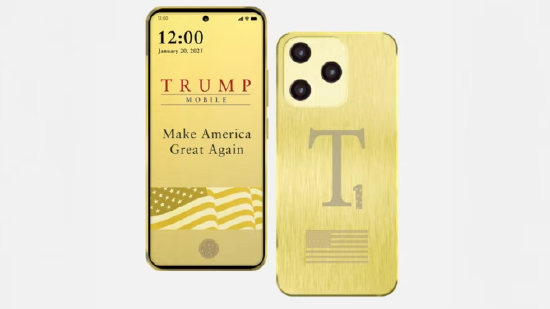
Core Viewpoint - Trump Mobile has postponed the launch of its "gold" smartphone, originally scheduled for the end of 2025, marking another setback for the project which initially promised a $499 American-made smartphone to compete with major brands like Apple and Samsung [2][8]. Group 1: Product Development and Launch Delays - The T1 smartphone, along with a monthly plan priced at $47.45, was announced in June 2023, but the delivery has been delayed due to the recent U.S. government shutdown, with indications that it may not ship within the month [2][8]. - Initially, Trump Mobile claimed the T1 would be "American-made," but this assertion faced skepticism from supply chain analysts, leading to a rebranding of the product as "assembled in America" shortly after its announcement [3][10]. - The original launch date of August has been pushed back to the end of the year, reflecting a significant reduction in the product's initial vision [3][10]. Group 2: Market Position and Competitor Analysis - Trump Mobile has begun selling second-hand devices from major competitors Apple and Samsung, including the 2023 iPhone 15 priced at $629 and the Samsung S24 at $459, which are positioned slightly below their respective official prices [4][10]. - The company has maintained a low profile since the product launch announcement, with Trump's sons indicating they are collaborating with top industry talent to address the mobile sector's challenges [4][10]. Group 3: Executive Team and Company Structure - Trump Mobile announced three executives: Pat O'Brien, Eric Thomas, and Don Hendrickson, although detailed backgrounds were not provided at the time [5][11]. - O'Brien is the president of a Missouri-based insurance company that operates Trump Mobile's customer service hotline, while Thomas is linked to a real estate firm in Utah [5][11]. - Hendrickson is identified as the executive vice president of a lesser-known virtual network operator that provides service plans for Trump Mobile, with the company's office located in Trump Tower, Miami [5][11].
2026年国补江苏第一单京东已送达,在宿迁!
Yang Zi Wan Bao Wang· 2026-01-01 08:53
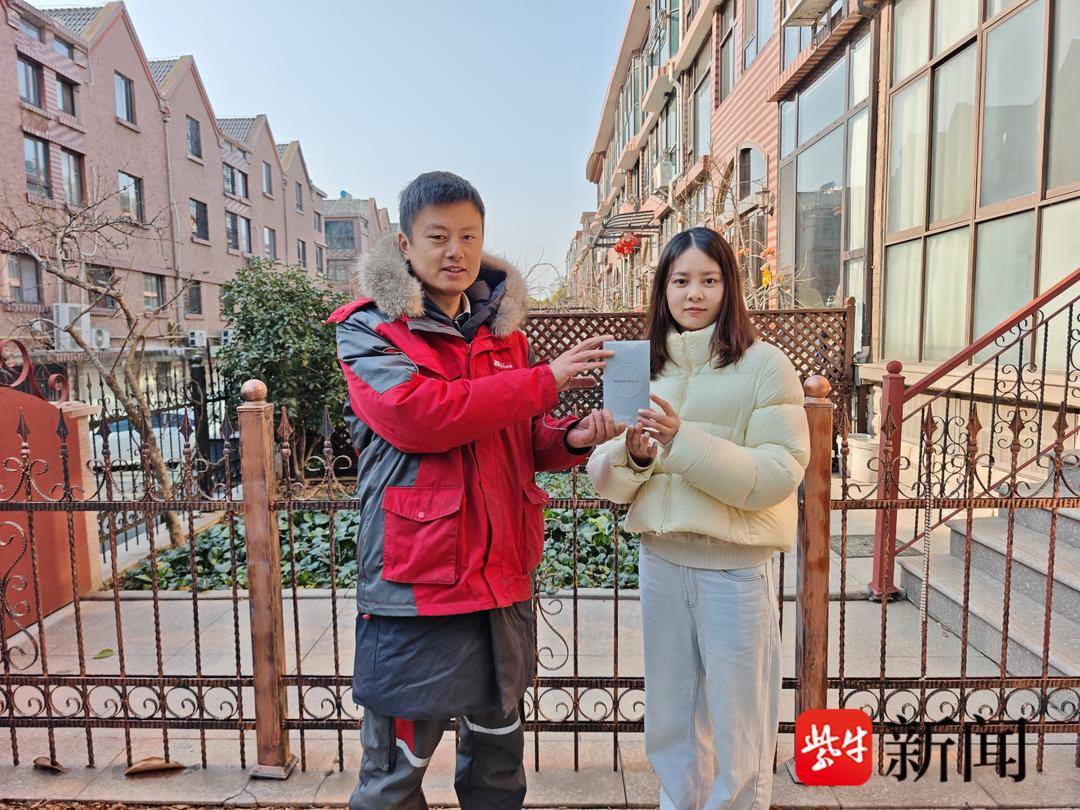
2026年国补开启!1月1日一早,2026年京东"国补江苏"第一单就已完成签收。 家住宿迁市的丁女士收到通过"国补"下单的手机,京东快递小哥现场快速完成了签收与激活。这是2026年"国补"江苏首个送达的订单,再次刷新了"国 补"送货的记录。 "没想到我还是江苏国补第一单,直接享受了15%的补贴,省了500块,京东快递小哥送货上门,整个签收激活的过程不到5分钟就完成了,非常高效。"丁 女士兴奋地说道。 据介绍,自2024年"两新"政策实施以来,在商务部等部委的指导统筹下,京东采销、客服、研发、物流等数十万工作人员积极参与,全力保障国家补贴高 效、普惠落地。2025年,京东已投入近300亿支持国补进乡村,促进乡村消费提振和经济高质量增长。 秀廷晓风 "没想到一早就收到了新手机!用国补还省了500元,实在太划算了!" 丁女士表示,2025年自己就考虑给父亲换一台新手机,这款荣耀Magic8手机从发布就关注了,一直在我的购物清单里。近日,了解到京东线上线下 (300959)全面承接"国补",所以1月1日活动已上线就第一时间下单了。"" ...

前瞻2026:全新的大周期正在开启
Jing Ji Guan Cha Bao· 2026-01-01 07:34
Group 1 - The core theme for 2026 is characterized by uncertainty and possibility, driven by geopolitical dynamics and technological advancements, particularly in AI [2][3] - The AI bubble may burst, similar to past technological waves, but the long-term evolution of AI remains unchanged as it is still in its early stages [2] - The first cohort of AI Native graduates in 2026 will face significant workplace transformations as AI replaces entry-level jobs, providing insights into the future of work [2] Group 2 - The concept of "rebalancing" describes the shift from Western dominance to a more equitable global power structure, particularly between the US and China [7] - The G2 relationship between the US and China is crucial, as both countries can learn from each other while navigating their respective economic challenges [7][8] - The global perception of Chinese innovation is changing, with foreign companies increasingly recognizing the value of China's technological advancements [8] Group 3 - The era of creativity is emerging as AI takes over repetitive tasks, prompting organizations to rethink the value of human contributions [10] - Key human attributes such as intuition, imagination, emotion, and common sense will become increasingly valuable in the AI-driven workplace [10][11][12][13] - The focus will shift from knowledge itself to the ability to transform knowledge into insights and creativity [14] Group 4 - The attention economy is being disrupted by AI, which is changing how information is accessed and consumed, leading to a re-evaluation of business models [16][17] - AI is expected to streamline processes, reducing the time spent on searching for information and products, thus altering the dynamics of consumer engagement [16][17] - New technological standards are emerging to facilitate AI interactions, shifting the focus from user attention to efficient problem-solving [18] Group 5 - A "relativistic world" is emerging, emphasizing development over security and the importance of human exploration in an AI-dominated landscape [19][20] - The value of different types of capital (financial, natural, human, and social) will fluctuate, impacting economic growth and development strategies [21][22] - The rise of social capital, characterized by trust and community, will become increasingly important as AI handles standardized tasks [22] Group 6 - The dual-speed economy is a significant issue in both the US and China, where technological sectors are thriving while traditional sectors face stagnation [23][24] - In the US, economic growth is concentrated among elites in tech, while ordinary citizens experience rising living costs and stagnant wages [23][24] - China's economic challenges are compounded by structural issues, including a sluggish domestic market and pressures on consumer confidence [24][25] Group 7 - The transition to a stock economy signifies a shift from growth-driven to capability-driven economic dynamics, where opportunities become more differentiated [25][26] - The need for policy focus on service sector reforms and stable job creation is critical in addressing the dual-speed economy [25][26] - The future will require a reevaluation of human capital development in light of AI's impact on labor markets and job structures [26] Group 8 - The cyclical nature of economic phases suggests that understanding past growth patterns can inform future strategies in a changing global landscape [27][28] - The upcoming economic cycle will necessitate embracing AI-driven opportunities while navigating geopolitical uncertainties [28][29]

雷军公布,小米汽车新年福利
Zhong Guo Zheng Quan Bao· 2026-01-01 05:13
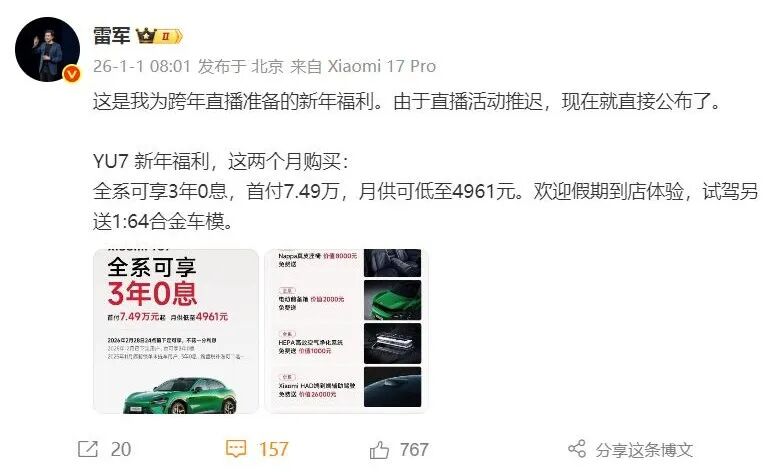
Core Viewpoint - Xiaomi Group is promoting its new energy vehicle, YU7, with a three-year interest-free installment plan, aiming to enhance sales and customer engagement through promotional activities and live events [1][3]. Group 1: Product Promotion and Sales Strategy - Xiaomi's chairman Lei Jun announced a promotional campaign for the YU7, offering a three-year interest-free financing option with a down payment of 74,900 yuan and monthly payments as low as 4,961 yuan [1]. - The promotion is designed to attract customers during the holiday season, with additional incentives such as a 1:64 scale model car for test drivers [1]. Group 2: Production and Delivery Milestones - Xiaomi's automotive division reached a significant milestone by producing its 500,000th vehicle in just over one year and seven months [3]. - As of December 2025, Xiaomi has delivered over 500,000 vehicles, with more than 350,000 units delivered in that year alone [3]. Group 3: Financial Performance - In November 2025, Xiaomi reported a third-quarter revenue of 113.12 billion yuan, a year-on-year increase of 22.3%, with an adjusted net profit of 11.3 billion yuan, up 80.9% [4]. - The revenue from the smart electric vehicle and AI innovation segment reached 29 billion yuan, showing a growth of over 199% year-on-year, with the electric vehicle segment contributing 28.3 billion yuan [4]. - This segment achieved its first quarterly operating profit of 700 million yuan [4].
政策带旺消费,广州线下落地2026年全国首笔“国补”订单
Sou Hu Cai Jing· 2025-12-31 19:09
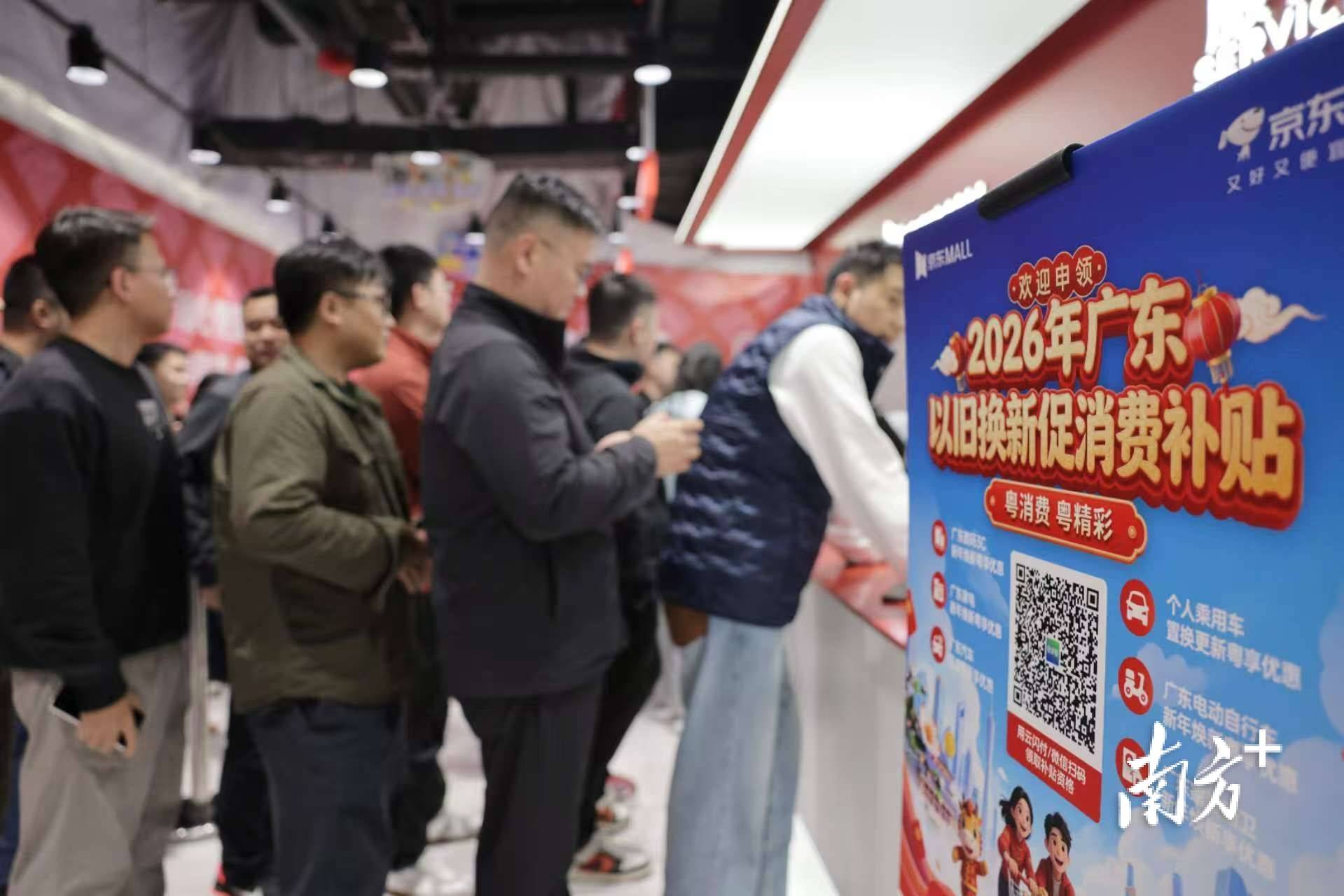
2026年1月1日,随着新年钟声敲响,广东新年消费品以旧换新活动(即"国补"活动)正式启动。零点刚过,广州完成首笔线下使用以旧换新补贴的消费,标 志着该政策顺利落地实施。记者从省商务厅方面了解到,在国家以旧换新平台的支持下,这是今年全国首笔落地的以旧换新"国补"订单。 据省商务厅消息,广东省21个市均在1月1日启动2026年"国补"活动。首笔交易发生在广州京东MALL,为扩大新年促消费政策效果,该商场实行跨年营业。 市民吴女士使用以旧换新补贴购买了一部vivo智能手机,成为今年全国首位通过该补贴政策完成交易的消费者。 吴女士表示,她此前通过公开渠道关注到2026年"国补"的相关信息,提前预约来线下店买新手机,尝到了新政策的"头啖汤"。她在京东MALL现场根据指引 完成相关操作,通过云闪付APP领取了以旧换新补贴资格。她购买的手机原价为5999元,在享受国家以旧换新补贴500元的基础上,叠加平台及品牌优惠 后,最终到手价为4849元。"这次政策叠加下来很优惠,使用广发银行分期还能享受88元还款金,办理流程也很简便、流畅。"吴女士说。 同日零时许,在京东MALL的新年车展现场,一辆崭新的广汽埃安i60新能源SUV ...
实战指南:中国企业如何通过VK打开俄罗斯与中亚市场
Sou Hu Cai Jing· 2025-12-31 13:21
Core Viewpoint - The article emphasizes the importance of VK as a strategic entry point for Chinese companies looking to expand into the vast and unique markets of Russia and Central Asia, highlighting the need for a differentiated market entry strategy [1] Group 1: Strategic Positioning - VK is not only a significant traffic entry point but also a core infrastructure for localized business operations, making it a rational choice for market leverage [1] Group 2: Key Strategies for VK Ecosystem - Deep search and content localization are essential, as VK's search algorithm prioritizes local context and semantic understanding, requiring keyword strategies to be tailored to local user search habits rather than direct translations [4] - Retail brands can quickly launch sales and test markets by directly accessing the VK.Market platform, which integrates marketing tools, payment, and logistics solutions [4] - Utilizing data tools for decision-making is crucial, as VK offers robust data analysis tools like VK.Metrica that align closely with local user online behavior, enabling companies to analyze user behavior patterns and preferences for precise marketing strategies [4] Group 3: Success Stories of Chinese Brands - Several Chinese brands have achieved remarkable success in local markets by deeply integrating into the VK ecosystem and continuously optimizing strategies based on local feedback [3] - Xiaomi established brand recognition and sales networks in Russia by using VK for localized advertising and opening an official store on VK.Market [4] - Huawei promoted its smartphones and communicated its "full-scenario smart ecosystem" brand concept through VK, enhancing both product and brand image [4] - A Chinese clothing brand significantly increased sales by analyzing VK's search and trend data to identify local consumer preferences for specific styles, materials, and colors, adjusting product design and marketing focus accordingly [4]
破防了?罗永浩与豆包吵架上热搜:能吵出心流来
Guan Cha Zhe Wang· 2025-12-31 11:47
Core Viewpoint - The debate between Luo Yonghao and the AI model "Doubao" highlights the ongoing discussion about the strengths and weaknesses of Smartisan Technology's products, particularly the Smartisan phone, despite its market failure and brand exit [1][2]. Group 1: Product Innovation and Market Performance - Luo Yonghao emphasized that Smartisan Technology's innovations in human-computer interaction were industry-leading at the time, with several features later adopted by other manufacturers, asserting that the product's intrinsic value should not be dismissed due to commercial setbacks [2]. - Doubao countered by pointing out significant hardware quality control issues with Smartisan phones, including poor battery life and overheating, which were frequently mentioned in user feedback [2]. Group 2: Historical Context and Public Perception - The debate referenced the early reviews from Zealer, a tech review platform, which highlighted both the design and various shortcomings of the Smartisan T1, leading to a significant drop in its ratings compared to competitors like Xiaomi [4][6]. - The historical conflict between Luo Yonghao and Wang Ziru, the founder of Zealer, is noted as a pivotal moment that amplified the perception of Smartisan's quality control issues, which continue to affect its reputation [8][9]. Group 3: Impact on Industry and Future Implications - The mention of Zealer in the current debate illustrates the lasting impact of past controversies in the tech industry, suggesting that the narrative surrounding Smartisan's product quality remains a significant part of its identity [9]. - The evolution of Zealer's business model and Wang Ziru's shift away from independent reviews reflect broader changes in the tech review landscape, influenced by past events and public perception [8].
